Slavery in Canada
Slavery in Canada includes historical practices of enslavement practised both by First Nations until the latter half of the 19th century and by European colonists during the period of European colonization. The practice of slavery in Canada by colonists effectively ended early in the 19th century through local statutes and court decisions. Upper Canada passed the Act Against Slavery in 1793, one of the earliest anti slavery acts in the world. These developments preceded Britain's Slavery Abolition Act of 1833, which took effect on August 1, 1834. This history is integral to understanding Canada's development, its role as a destination on the Underground Railroad, and the ongoing consequences of anti Black racism. The national recognition of Emancipation Day on August 1 shows the importance of confronting this past.
Indigenous Slavery Practices
Slavery existed among some First Nations in what is now Canada long before European contact. On the Pacific Northwest Coast, societies such as the Haida, Tlingit, and Nuu chah nulth were known as fierce warriors and slave traders, conducting raids as far south as California. Slavery in these cultures was hereditary, with slaves being prisoners of war and their descendants. Among a few Pacific Northwest nations about a quarter of the population were slaves. In British Columbia, slavery was flourishing in the 1830s and declined gradually throughout the century. In the 1870s, the Superintendent of Indian Affairs, Israel Wood Powell, freed slaves on Vancouver Island. The practice had virtually ended by the 1880s and 1890s, though some First Nations continued to segregate descendants of slaves as late as the 1970s. A detailed account of this experience comes from the slave narrative of Englishman John R. Jewitt, who was captured by the Nuu chah nulth in 1802 after his ship's captain insulted Chief Maquinna.
Slavery Under French Colonial Rule
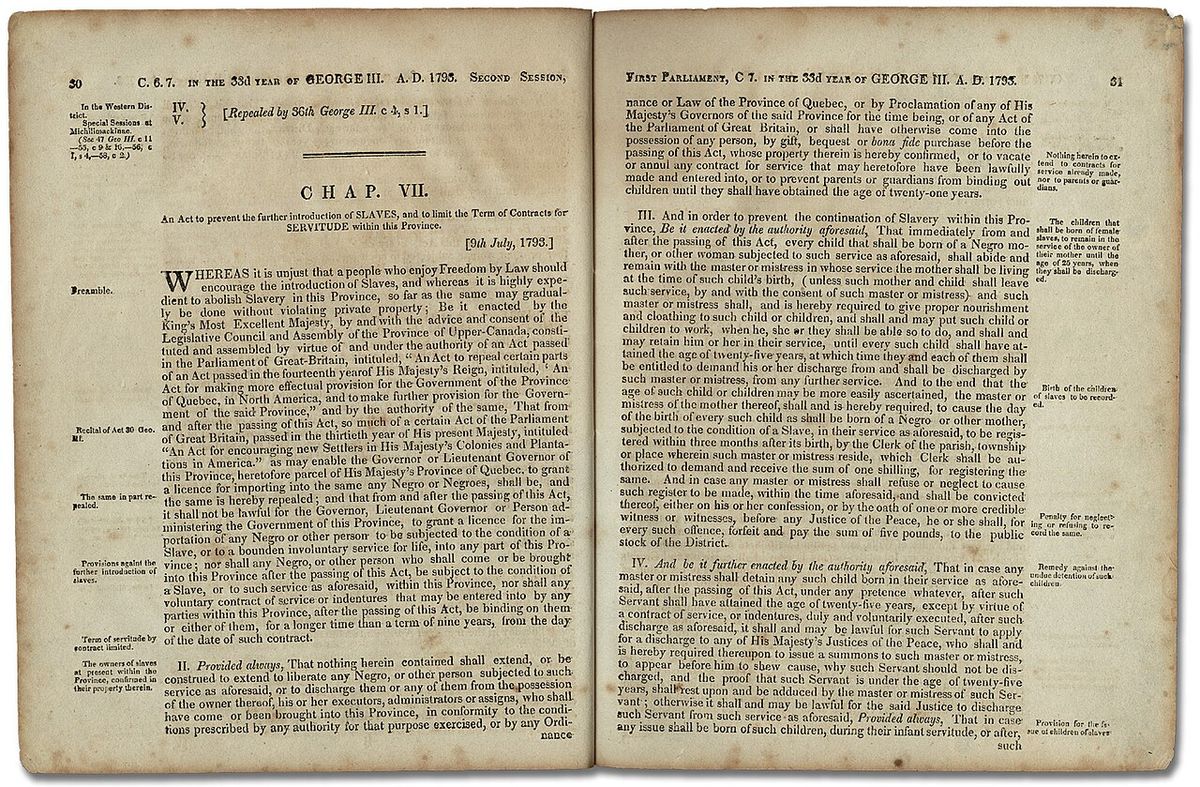
With the founding of New France in the early 1600s, European chattel slavery was established in the territory that would become Canada. Under French rule, enslaved Indigenous peoples, often referred to as 'Panis', outnumbered those of African descent. This was due to the relative ease of acquiring First Nations slaves through western fur trade networks. The first recorded Black slave in Canada was a boy from Madagascar named Olivier le Jeune, brought to New France in 1628. King Louis XIV granted New France's petition to import black slaves from West Africa in 1688, though no shipments arrived directly from Africa. Most were acquired from other French and British colonies. The legal framework was solidified in 1709 when Intendant Jacques Raudot issued an ordinance officially recognizing slavery in New France. The French Code Noir influenced practices, though it did not officially apply to Canada. Historian Marcel Trudel's research identifies 2,087 slaves in the records of New France, with 1,685 being Indigenous and 402 Black. Slave ownership remained dominated by the French even after the British conquest.
Slavery Under British Colonial Rule
The British conquest of New France in 1763 did not end slavery. The institution expanded significantly with the arrival of Loyalists fleeing the American Revolution after 1783, who brought with them over 2,000 enslaved Black people. These slaves were distributed across the colonies, with at least 1,500 to the Maritimes, 300 to Lower Canada, and 500 to Upper Canada. Enslaved people in Canada were typically held in small numbers and used as domestic servants, farm hands, and skilled artisans. Some Indigenous nations, such as the Mohawk under Chief Thayendenaga (Joseph Brant), also owned Black slaves, with Brant himself owning about forty. The Imperial act of Parliament of 1790 assured Loyalist immigrants that their slave property would be protected. The system of gang labour did not develop in Canada as it did in parts of the United States. Slaves were sometimes permitted to learn to read and write, Christian conversion was encouraged, and marriages were recognized by law.
The Path to Abolition in the Colonies
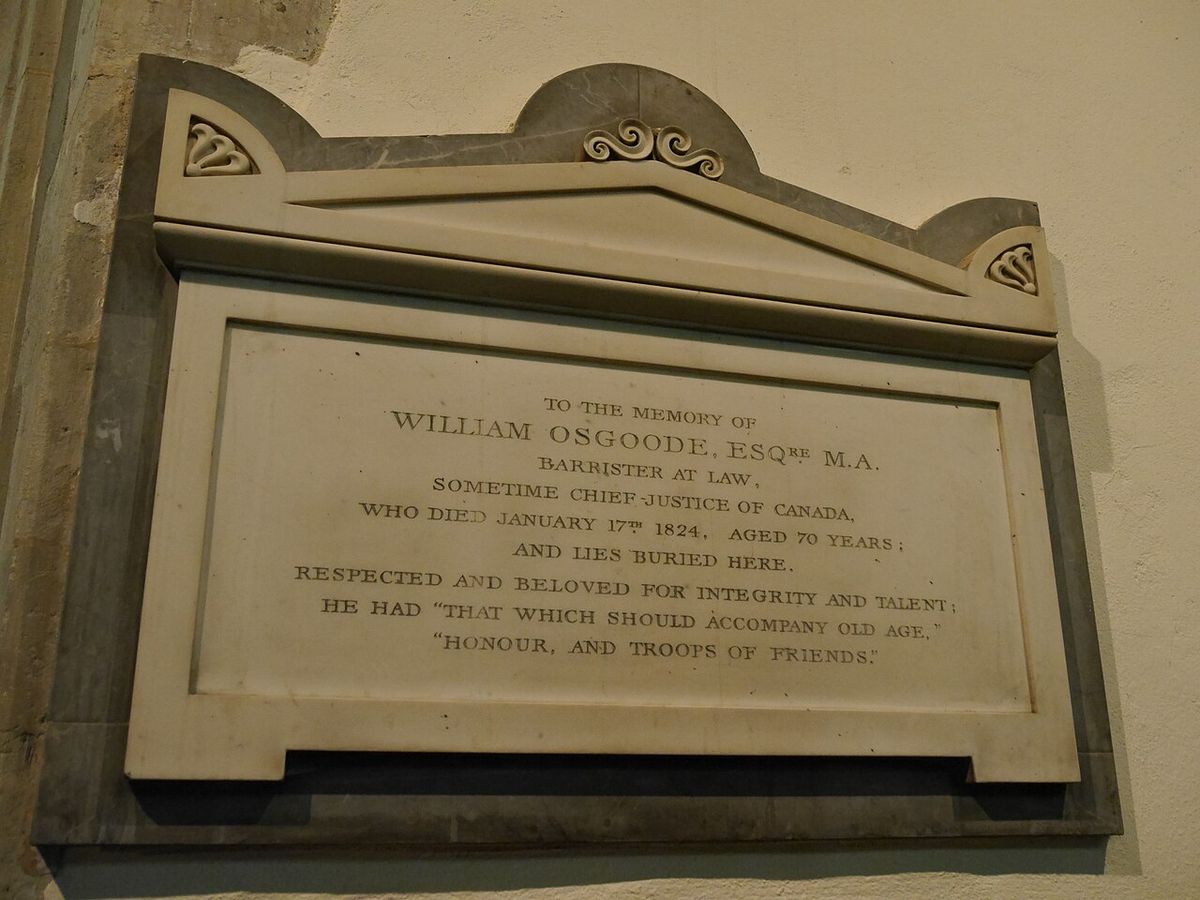
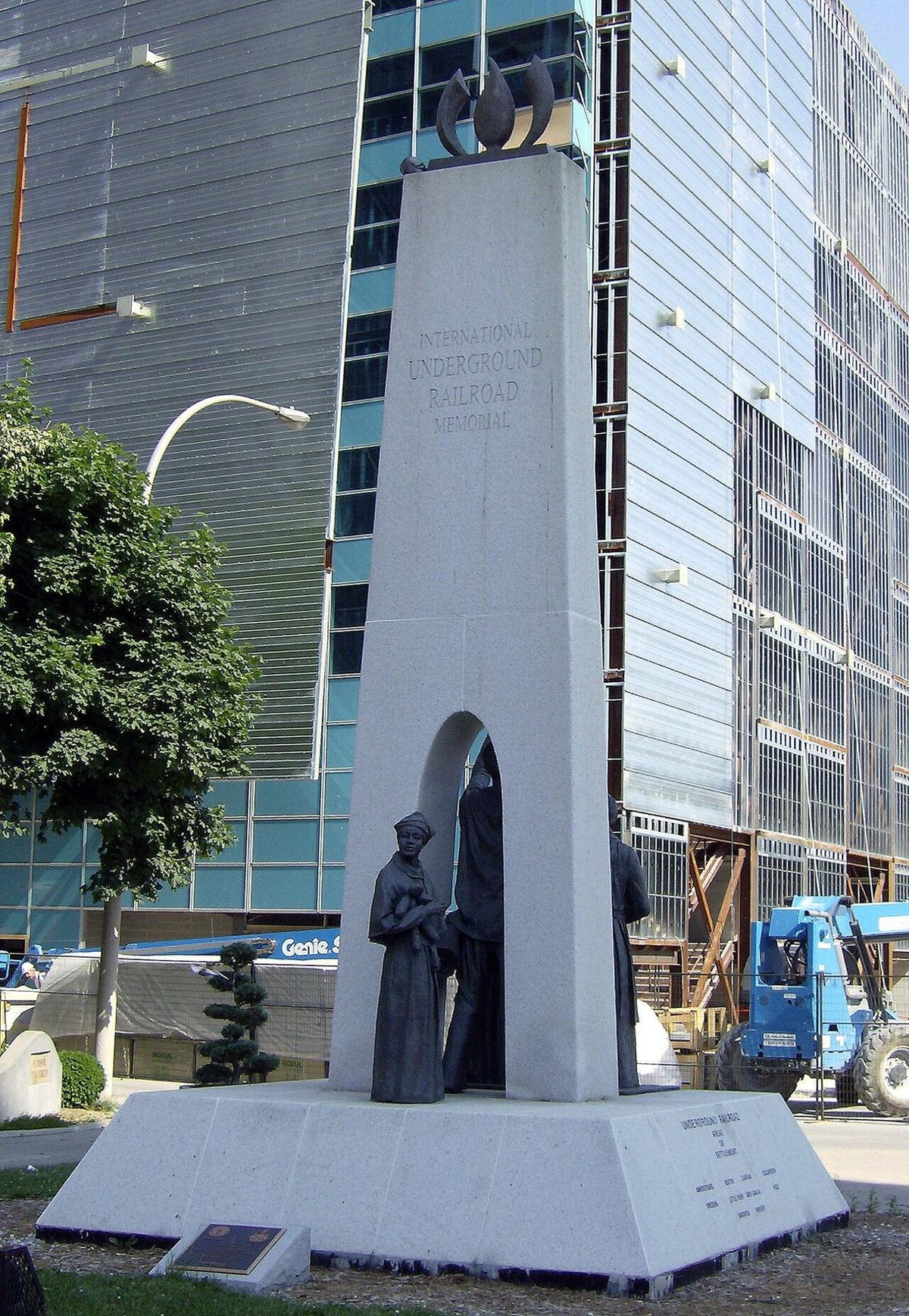
The abolition of slavery in British North America was a protracted and uneven process driven by litigation and legislation. In Lower Canada, the legislative assembly saw failed attempts to address slavery, such as Pierre Louis Panet's defeated bill in 1793. The courts became the primary engine for change. Chief Justice William Osgoode, appointed in 1794, did not recognize slavery and systematically freed slaves that appeared in court. This precedent was solidified by Chief Justice Sir James Monk in the late 1790s, whose rulings rendered slavery unenforceable. The last sale of a slave was recorded in 1797. By the time the British Slavery Abolition Act took effect in 1834, slavery had practically disappeared in Lower Canada. In Upper Canada, Lieutenant Governor John Graves Simcoe, spurred by the violent abuse of an enslaved woman named Chloe Cooley in 1793, championed the Act Against Slavery that same year. This landmark legislation was one of the earliest anti slavery acts in the world.
The key provisions of the 1793 Act Against Slavery were that no new slaves could be imported into Upper Canada. Slaves already in the province would remain enslaved until death. Children born to female slaves would be slaves but must be freed at age 25. The Act also required a master to provide security that a freed slave would not become a public charge. This compromise legislation was the only attempt by an Ontario legislature to act against slavery.
- It prohibited the importation of new enslaved people into Upper Canada.
- It mandated that children born to enslaved women after the act would be freed upon reaching 25 years of age.
- It stipulated that enslaved individuals already in the province would remain enslaved for life.
- It required masters to provide security that a freed slave would not become a public charge.
In Nova Scotia, abolitionist sentiment was strong. James Drummond MacGregor published the first anti slavery literature in Canada in 1788. The colony's legislature refused to legalize slavery in 1787, 1789, and 1808. Chief justices Thomas Andrew Lumisden Strange and Sampson Salter Blowers were instrumental in freeing slaves through court decisions. The 1772 Knight v. Wedderburn decision in Scotland influenced Nova Scotia. The British Slave Trade Act of 1807 outlawed the transatlantic trade.
Final Abolition and Emancipation Day
Slavery was finally abolished throughout most of the British Empire by the Slavery Abolition Act of 1833, which came into force on August 1, 1834. The act did not grant immediate freedom to all. Enslaved people under the age of six were freed immediately. Those older were redesignated as 'apprentices' and forced to work for their former masters. Full emancipation for these apprentices was achieved on July 31, 1838. In 2021, the House of Commons voted unanimously to officially designate August 1 as Emancipation Day in Canada. This day serves as a national recognition of this history. The Toronto Caribbean Carnival, held on the Emancipation Day weekend, has its roots in celebrations of freedom from slavery in the Caribbean.
Scale and Demographics of Colonial Slavery
While the number of enslaved people in colonial Canada was smaller than in plantation economies, the institution was nonetheless significant. Historical research provides estimates of the enslaved population during different colonial periods. Under French rule, records show 1,685 Native American slaves and 402 black slaves, for a total of 2087 slaves. Under British rule in Lower Canada, records show 787 Native American slaves and 730 black slaves, for a total of 1527 slaves. The data reveals a shift in the demographic composition of slavery from French to British rule.
| Colonial Period / Region | Indigenous Slaves | Black Slaves | Total Recorded |
|---|---|---|---|
| New France (French rule) | 1,685 | 402 | 2,087 |
| Lower Canada (British rule) | 787 | 730 | 1,527 |
These figures, compiled by historians like Marcel Trudel, represent individuals who appeared in surviving records. Over the entire history of New France, it is estimated that approximately 3,600 enslaved people lived in the colony. The Loyalist influx after the American Revolution brought over 2,000 enslaved Black people to British North America. Enslaved people did not arrive directly from Africa to Canada. They were brought from the American colonies or acquired through trade and warfare networks.
Consequences and Contemporary Reckoning
The consequences of slavery in Canada continue to shape social structures and historical memory. For generations, the history of Black and Indigenous enslavement was minimized, contributing to a national myth of Canada solely as a destination on the Underground Railroad. This omission has hindered a full understanding of the roots of anti Black racism. In recent years, institutions have begun confronting their historical ties to slavery. A prominent example is McGill University, whose founder, James McGill, was an enslaver of Black and Indigenous people. The university's 2020 Action Plan to Address Anti Black Racism represents a step toward acknowledging this past. The story of Marie Louise, a five year old Black child enslaved by James McGill's wife, Charlotte Guillimin, and listed as chattel property valued at 500 livres, exemplifies the dehumanizing brutality of the institution. Public history initiatives and the national recognition of Emancipation Day are crucial efforts to tell a more complete story. This ongoing reckoning integrates the difficult truth that slavery was part of Canada's colonial nation building for over 200 years.
The Underground Railroad and Black Refugees
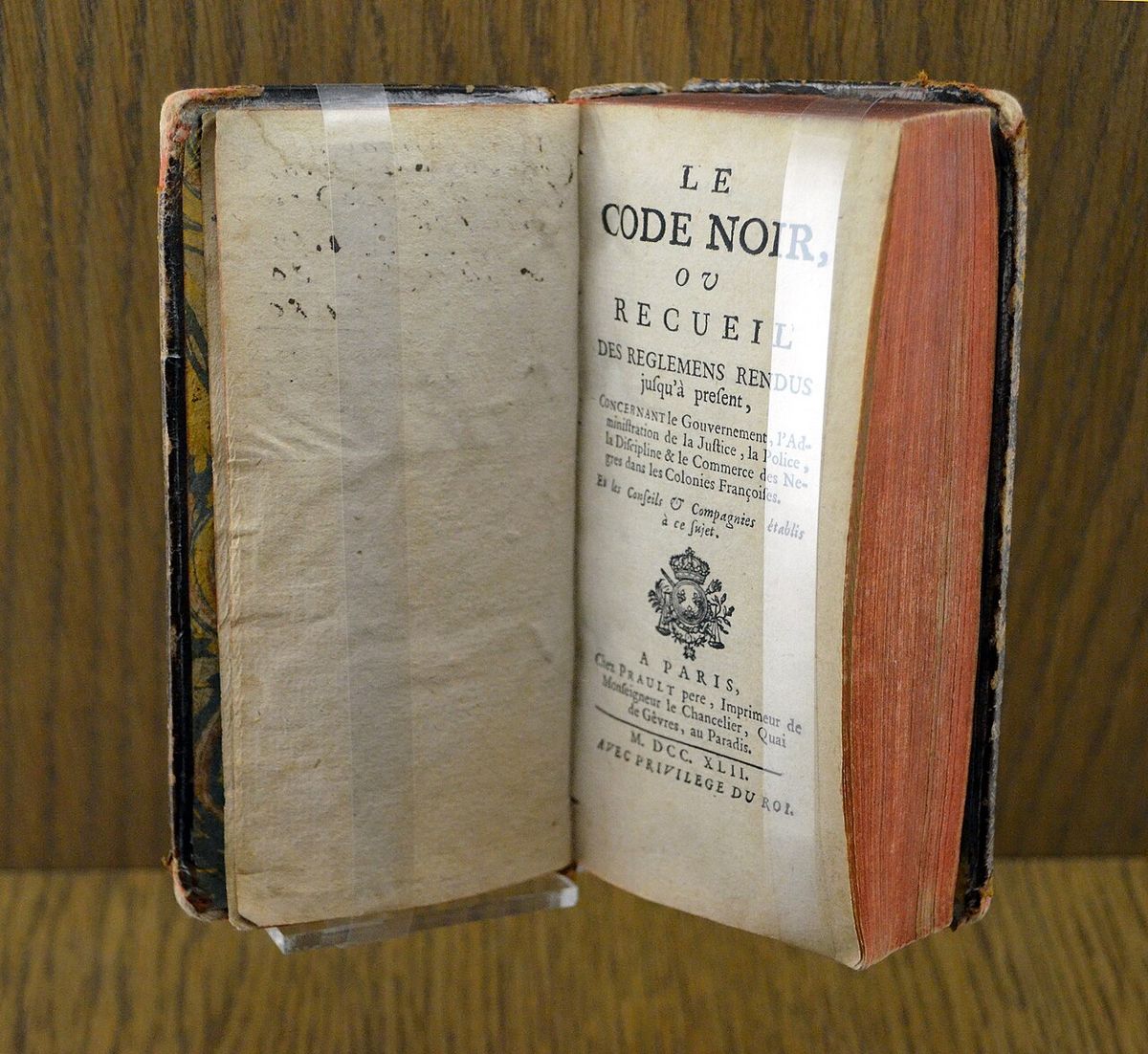
Following the gradual abolition of slavery in British North America and the full abolition in the British Empire in 1834, Canada became a major destination for freedom seekers from the United States via the Underground Railroad, particularly after the Fugitive Slave Act of 1850 in the US. Between 30,000 and 100,000 enslaved people found refuge in Canada. This movement created a significant free Black population in colonies like Upper Canada and Nova Scotia. Earlier, after the American Revolution and the War of 1812, groups of Black refugees had also arrived. In Nova Scotia, formerly enslaved individuals like Richard Preston, who established the African Abolition Society in Halifax, became important leaders. The difficult conditions for Black settlers in Nova Scotia led nearly 1,200 Black Nova Scotians to accept relocation to Sierra Leone in 1792, where they helped found the settlement of Freetown. This complex history shows Canada's dual role as both a slave holding society and a destination for those escaping bondage.
Questions about Slavery in Canada
When did slavery end in Canada?
Slavery was gradually abolished in the Canadian colonies through local laws and court decisions in the late 18th and early 19th centuries. The final and complete legal abolition came with the British Slavery Abolition Act of 1833, which took effect across the Empire on August 1, 1834. Full emancipation for apprentices was achieved on July 31, 1838. In Canada, slavery had already been rendered practically unenforceable in Lower Canada through court rulings by the 1790s, and Upper Canada's 1793 Act Against Slavery had set it on a path to gradual extinction.
How many slaves were there in Canada?
Exact numbers are difficult to determine, but historical records provide estimates. Over the history of New France, approximately 3,600 enslaved people lived in the colony. Historian Marcel Trudel's study identified 2,087 slaves under French rule, with 1,685 being Indigenous and 402 Black. Under British rule in Lower Canada, he found records for 1,527 slaves. The influx of Loyalists after the American Revolution brought over 2,000 enslaved Black people to British North America. The scale was smaller than in plantation societies.
What was the Act Against Slavery of 1793?
The Act Against Slavery was a law passed in Upper Canada in 1793, championed by Lieutenant Governor John Graves Simcoe following the violent abuse of an enslaved woman named Chloe Cooley. It was one of the earliest anti slavery acts in the world. The act did not free existing slaves but instituted a system of gradual abolition. It prohibited the importation of new enslaved people into the province. It decreed that children born to enslaved women after the act would be freed upon reaching 25 years of age. It was the only attempt by an Ontario legislature to act against slavery.
What is Emancipation Day in Canada?
Emancipation Day in Canada is officially recognized on August 1, commemorating the day in 1834 when the Slavery Abolition Act of 1833 came into force across the British Empire. The House of Commons voted unanimously to designate the day nationally in 2021. It serves as a day to honour the struggle for freedom by enslaved Africans and their descendants and to educate about Canada's history of slavery. The Toronto Caribbean Carnival is held on the Emancipation Day weekend.
Did Indigenous peoples in Canada have slaves?
Yes, some First Nations practised slavery long before European contact. On the Pacific Northwest Coast, nations such as the Haida, Tlingit, and Nuu chah nulth were known as warriors and slave traders, raiding for captives. Slavery in these cultures was often hereditary. Among some nations, slaves constituted about a quarter of the population. In British Columbia, the practice flourished into the 1830s and declined throughout the 19th century, with some descendants of slaves facing segregation as late as the 1970s.
What is the connection between McGill University and slavery?
McGill University's founder, James McGill, was an enslaver of Black and Indigenous people. His wife, Charlotte Guillimin, listed a five year old enslaved Black child named Marie Louise as chattel property on a premarital inventory in 1776, valuing her at 500 livres. James McGill's will and wealth contributed to the establishment of McGill College. The university has acknowledged this history and launched an Action Plan to Address Anti Black Racism in 2020.
Sources and further reading
- Slavery in Canada (Wikipedia)
- The story of Black slavery in Canadian history (humanrights.ca)
- A Hidden History: Slavery in Canada (mcmichael.com)
- Historical Legacies, Black Canadian Slavery, and ... (aaihs.org)
Checked by the Nosy Mag desk. Last updated 2026-10-30.