History of Vancouver
The history of Vancouver, British Columbia, is a narrative spanning millennia, from its origins as a gathering place for Coast Salish peoples to its emergence as a major global port and metropolis. The city's development was shaped by its location on the Pacific coast, the arrival of European explorers, the completion of the Canadian Pacific Railway, and successive waves of immigration. Key events such as the Great Fire of 1886, the Komagata Maru incident of 1914, and the economic upheavals of the Great Depression forged its modern character. Vancouver's contemporary identity is as a diverse and economically vital Canadian city.
First Nations Foundations
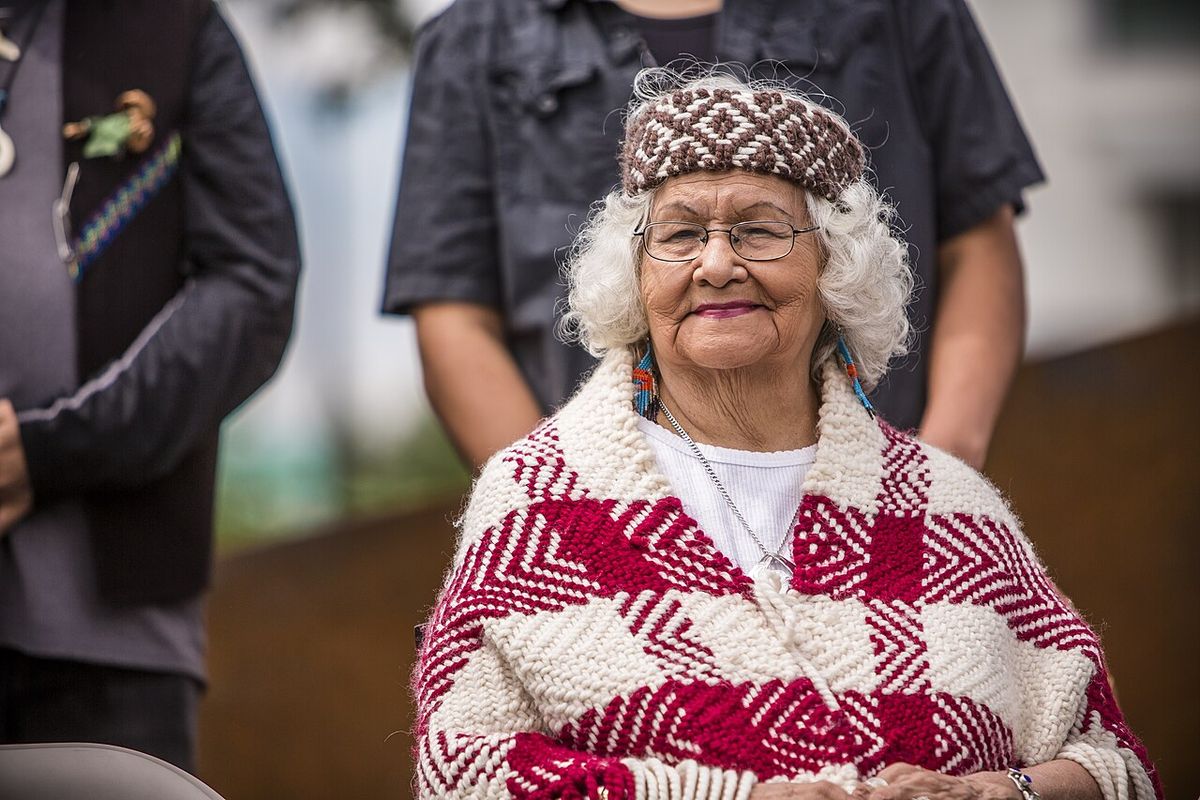
The area now known as Vancouver has been inhabited for thousands of years, with evidence of a seasonal encampment near the mouth of the Fraser River dating back 8,000 to 10,000 years. The city lies within the traditional, ancestral, and unceded territories of three Coast Salish nations: the xʷməθkʷəy̓əm (Musqueam), Sḵwx̱wú7mesh (Squamish), and səlilwətaɬ (Tsleil-Waututh). These peoples developed sophisticated societies supported by the region's rich ecosystem, which provided abundant food and materials like the Western Red Cedar used for constructing large plank houses. The Musqueam have lived continuously at their main winter village at the mouth of the Fraser River for an estimated 4,000 years. At the time of first European contact, significant Squamish villages were located at sites now within Stanley Park, Kitsilano, and along False Creek, including the large community of Senakw near the south foot of the Burrard Bridge. The Tsleil-Waututh were also settled on Burrard Inlet. These communities engaged in complex economic systems, potlatch ceremonies, and established extensive trade networks long before European arrival.
European Exploration and Early Industry
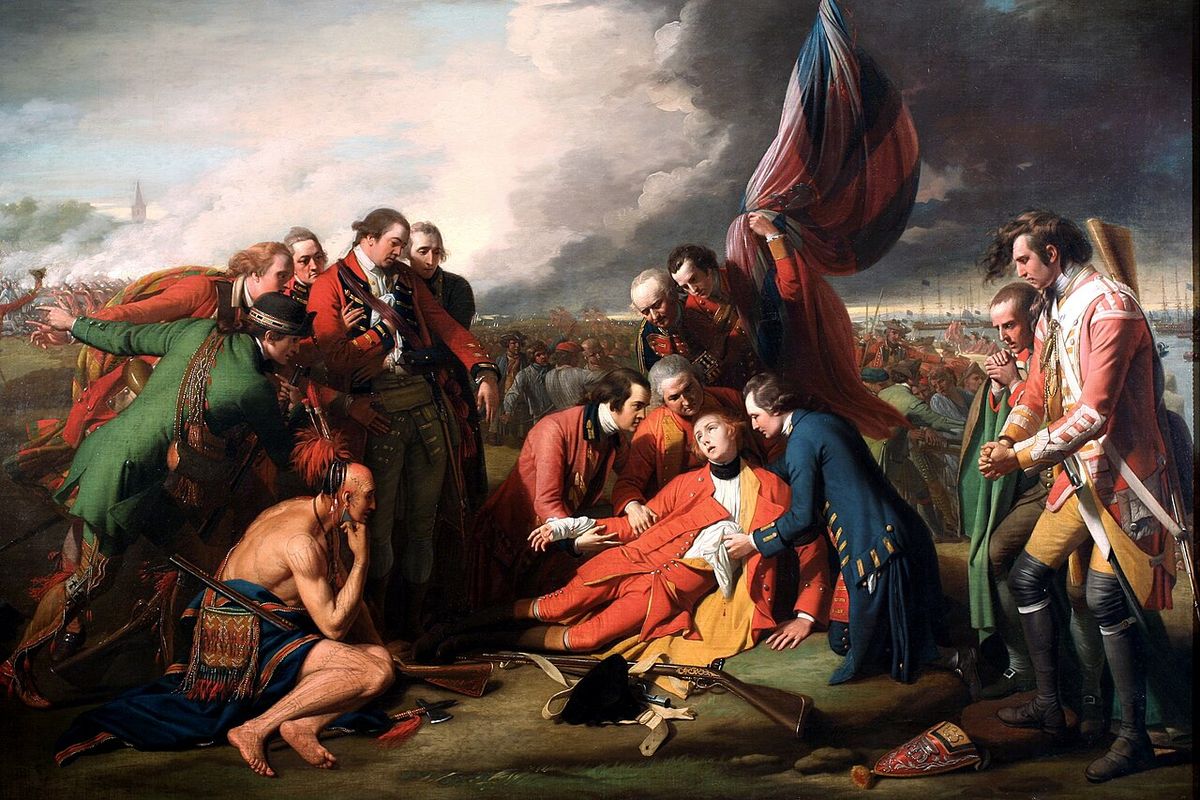
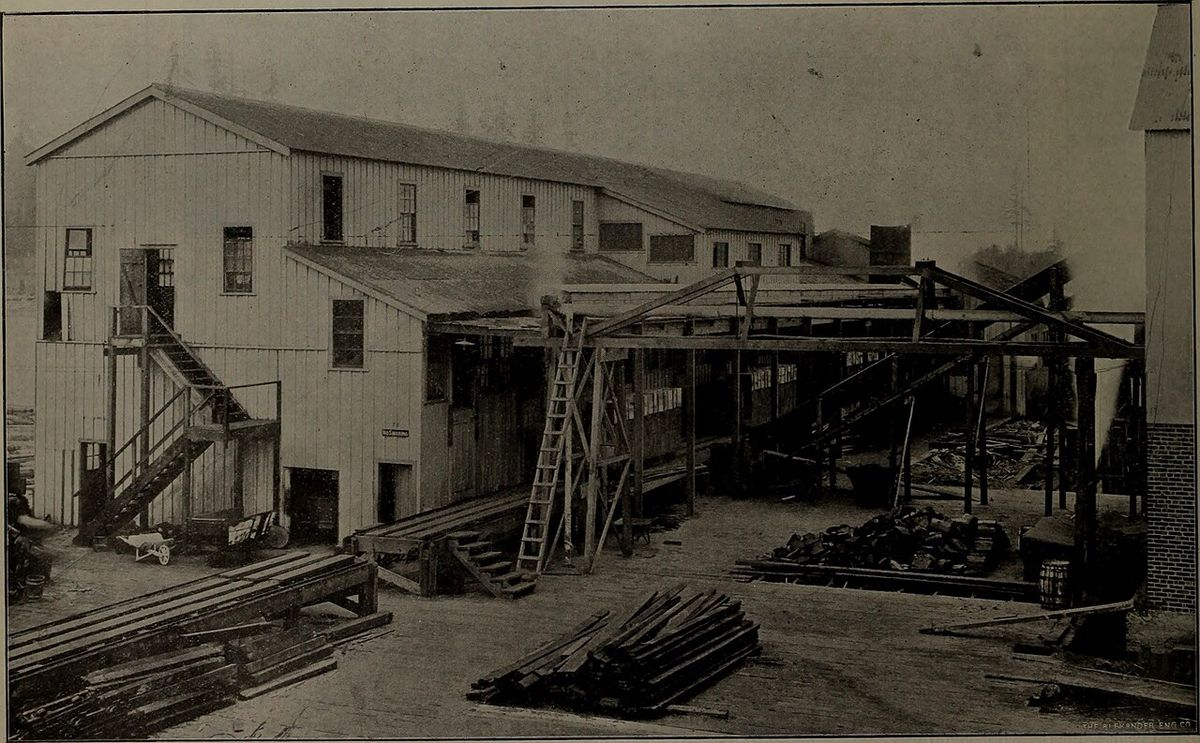
The first European exploration of the Strait of Georgia occurred in 1791 by Spanish Captain José María Narváez. In 1792, British Captain George Vancouver met Spanish explorers Dionisio Alcalá Galiano and Cayetano Valdés y Flores off Point Grey, and together they further charted the area. The first European to reach the region overland was Simon Fraser, who descended the river bearing his name in 1808. Despite the Fraser Gold Rush of 1858-59, permanent non-Indigenous settlement was slow, beginning around 1862 at McCleery's Farm in what is now the Southlands area. The early economy was dominated by lumbering, with the first sawmill opening in 1863 at Moodyville on Burrard Inlet's north shore. The first export of lumber from the inlet occurred in 1865, shipped to Australia. In 1867, Stamp's Mill began operating on the south shore at the Squamish village site of K'emk'emeláy, near the foot of present-day Dunlevy Avenue. This industry attracted workers from diverse backgrounds, including Scandinavians and Nuu-chah-nulth (Nootka) people, though Squamish people typically did not initially work in the mills.
Birth of a City: Gastown, Granville and Incorporation
The genesis of Vancouver's urban core began in 1867 with the establishment of a saloon by former river pilot John 'Gassy Jack' Deighton, about a mile west of the sawmill. His popular establishment led to a growing settlement known as Gastown. In 1870, the colonial government surveyed an official townsite named Granville, though the Gastown name persisted. The settlement's fate was sealed when it was selected as the terminus for the Canadian Pacific Railway, a condition of British Columbia joining Confederation in 1871. CPR president William Van Horne advocated for renaming the terminus 'Vancouver', believing it was more recognizable than Granville. The City of Vancouver was incorporated on April 6, 1886. Just two months later, on June 13, the Great Vancouver Fire destroyed most of the fledgling city in 25 minutes. The city was rapidly rebuilt with modern infrastructure, including water, electricity, and streetcar systems. The first regular transcontinental train from Montreal arrived at the Port Moody terminus in July 1886, with service reaching Vancouver itself in May 1887. That year Vancouver's population was 1,000.
Economic Expansion and Infrastructure
The arrival of the CPR positioned Vancouver as a critical node in global trade, particularly within the British Empire's All-Red Route. The Port of Vancouver grew in international significance, handling goods from across the Pacific. The opening of the Panama Canal in 1914 initially diverted traffic but later, reduced freight rates in the 1920s made it viable to ship prairie grain west through Vancouver. Key infrastructure developments facilitated growth and connectivity. The federal government established the Vancouver Harbour Commission, and the technologically advanced Ballantyne Pier opened in 1923. Major bridges were constructed to span the city's waterways.
- Granville Street Bridge: First built 1889, rebuilt 1954.
- Burrard Bridge: Completed 1932.
- Cambie Bridge: First built 1912, rebuilt 1984.
- Second Narrows Bridge: First crossing opened 1925.
- Lion's Gate Bridge: Completed across the First Narrows in 1938.
The Shipping Federation of British Columbia was formed after World War I by waterfront employers, including the CPR, lumber exporters, and terminal operators, to manage industrial relations. The Federation fought vociferously against unionization, defeating a series of strikes and breaking unions for decades. This resistance continued until determined longshoremen successfully established the International Longshore and Warehouse Union local after World War II. By the 1930s, commercial traffic through the Port of Vancouver had become the largest sector in the city's economy.
Social Conflict and Discrimination
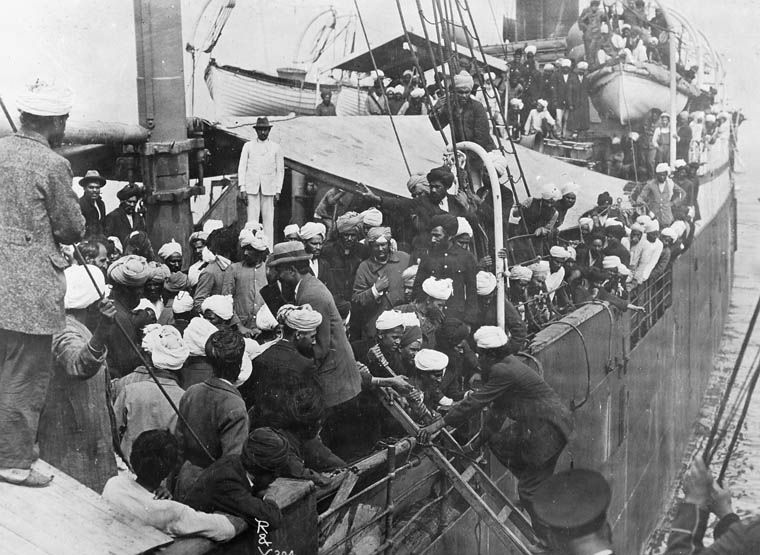
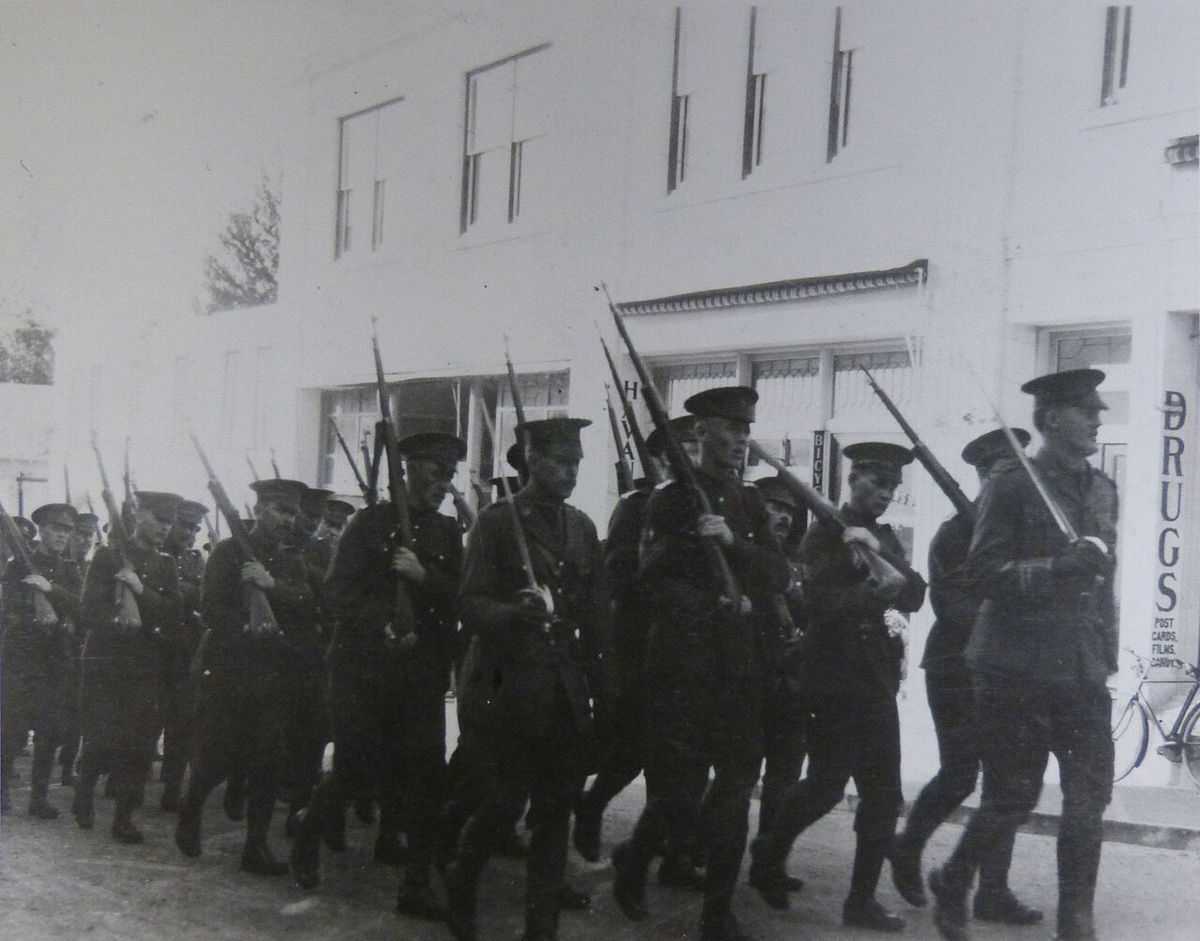
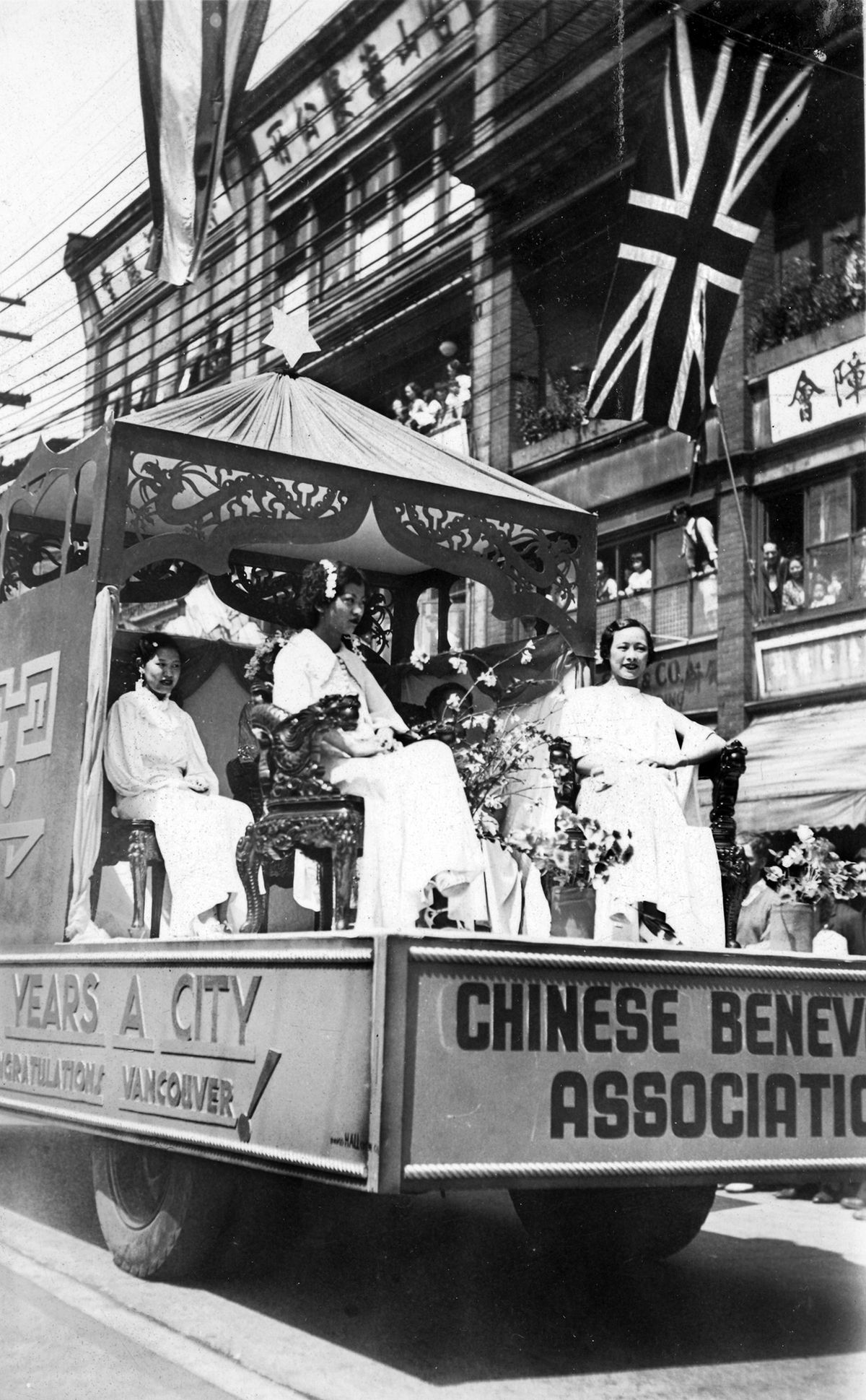
Vancouver's rapid growth was accompanied by significant social tensions, often directed towards immigrants, particularly those of Asian descent. Economic competition fuelled discrimination, most violently expressed in the 1907 riots organized by the Asiatic Exclusion League. Federal immigration policies reflected this prejudice, including the Chinese head tax and the Chinese Exclusion Act. The 1914 Komagata Maru incident became a defining moment, where 376 passengers, mostly Sikhs from Punjab, were denied entry for not complying with continuous passage rules. After a standoff in Burrard Inlet and a failed court challenge, the ship was forced to depart under naval escort. A growing population of Japanese Canadians also faced systemic racism. During World War I, 196 volunteers of Japanese heritage were rejected by the Canadian Expeditionary Force in Vancouver, though many were accepted by Alberta battalions. Fifty-four did not return home, and veterans fought for the right to vote, finally winning it in 1931. This victory was reversed in 1942 when Japanese Canadians were labelled Enemy Aliens and forcibly displaced and dispossessed. The Japanese Canadian Legion Branch No. 9 was resurrected as a bona fide branch decades later.
The Great Depression and Labour Unrest
British Columbia was hit exceptionally hard by the Great Depression of the 1930s. Vancouver became a destination for thousands of unemployed transients travelling across Canada, leading to the establishment of makeshift 'hobo jungles'. The city was a centre for Communist Party-led protests by the unemployed, culminating in the relief camp strike and the On-to-Ottawa Trek in 1935. Communist organizers also led strikes in other industries, such as the 1935 waterfront strike, and recruited a significant proportion of the Mackenzie-Papineau Battalion to fight in the Spanish Civil War. The city experienced major recessions and depressions cyclically, in the late 1890s, 1919, 1923, and 1929. Vancouver's longest-serving mayor, L.D. Taylor, followed an 'open town' policy regarding vice prior to his defeat in 1934 by Gerry McGeer, who had earlier gained fame for successfully fighting to eliminate discriminatory freight rates against goods shipped by rail through the mountains.
Modern Commemoration and Heritage
Vancouver's history is actively preserved and promoted by numerous organizations. The Vancouver Historical Society, founded in 1936, and the Vancouver Heritage Foundation are key institutions. A major community initiative, Places That Matter (PTM), was created in 2011 to commemorate Vancouver's 125th anniversary. By 2026, it had recognized over 100 community-nominated sites that tell the city's diverse stories. The program marked its 15-year anniversary in 2026 with community events. Other significant anniversaries have been observed. The city's centennial in 1986 was marked by Expo 86, which also commemorated the 1887 arrival of the first CPR locomotive in Vancouver. Heritage conservation remains active, with courses like Heritage 101 offered for a Heritage Conservation Certificate. Archives like those at MONOVA (Museum and Archives of North Vancouver) and Western Front preserve vast collections of regional and cultural history.
Key Cultural Figures and Landmarks
Vancouver's social and cultural history is populated by colourful characters and enduring landmarks. Con Jones arrived in 1903 and became a famous sports promoter, lacrosse impresario, and tobacco merchant known for his slogan 'Don't Argue'. The Penthouse Nightclub, founded in 1947 by the Fillipone brothers, became a legendary entertainment venue shaping the city's nightlife for over 80 years. The Cory Weeds' Cellar jazz club in Kitsilano, operating from 2000 to 2014, was recognized in 2026 as a significant cultural destination. The band Doug and The Slugs also became a lasting part of Vancouver's music scene. In politics, figures like Mayor L.D. Taylor and reformer Gerry McGeer left their marks. Stanley Park, home to ancient Indigenous villages, received its 10-kilometre pedestrian seawall and monuments like the 1925 Warren Harding memorial designed by Charles Marega. These people and places collectively contribute to the layered narrative of Vancouver.
Demographic and Population Growth
Vancouver's population growth after its incorporation was meteoric, fuelled by the railway, port development, and immigration. From a population of approximately 1,000 in 1887, it ballooned to 14,000 by 1891 and 26,000 by 1901. The early 20th century saw continued explosive growth, reaching 120,000 by 1911. This growth was initially driven by European immigrants moving west and Chinese labourers who worked on the CPR. Subsequent waves of global immigration, particularly after World War II and with the advent of air travel, transformed Vancouver into one of Canada's most ethnically diverse cities. The city's demographic history is linked to its economic opportunities and, at times, restrictive immigration policies that shaped its community composition over the decades. The population reached 562,000 in 1951 and 1,000,000 by 1971.
- 1887: Approximately 1,000 residents.
- 1891: Population reaches 14,000.
- 1901: Population reaches 26,000.
- 1911: Population reaches 120,000.
- 1951: Population reaches 562,000.
- 1971: Population reaches 1,000,000.
Questions about History of Vancouver
What was the Komagata Maru incident?
The Komagata Maru incident occurred in 1914 when the ship Komagata Maru, carrying 376 passengers mostly Sikhs from Punjab, arrived in Vancouver's Burrard Inlet. Canadian immigration authorities refused to allow the passengers to disembark because they had not arrived via a continuous journey from India, as required by law at the time. After a two-month standoff, a court challenge failed, and the federal government sent a naval ship to escort the vessel out of the harbour. The incident is a stark example of the discriminatory 'Continuous Journey' regulation and the racism faced by Indian immigrants to Canada.
How did the Canadian Pacific Railway influence Vancouver's founding?
The Canadian Pacific Railway was the decisive factor in Vancouver's founding and early growth. The promise of a transcontinental railway was a condition for British Columbia joining Confederation in 1871. The CPR selected the Granville townsite (Gastown) as its western terminus due to its natural harbour. CPR president William Van Horne suggested renaming the terminus 'Vancouver', and the city was incorporated in 1886. The first transcontinental train arrived in Vancouver in May 1887, connecting the city to eastern Canada and global markets, triggering a population boom and establishing Vancouver as a major Pacific port.
What happened in the Great Vancouver Fire of 1886?
The Great Vancouver Fire occurred on June 13, 1886, just two months after the city's incorporation. A large brush fire, whipped by strong winds, engulfed the mostly wooden structures of the new city along the shores of Burrard Inlet. The fire destroyed most of Vancouver within 25 minutes. Despite the tragedy, the city was quickly rebuilt with more modern infrastructure, including improved water, electricity, and streetcar systems. The fire's destruction allowed for a more planned urban rebuild, though it forced the postponement of Dominion Day celebrations for the CPR's opening by one year.
Which First Nations have traditional territory in Vancouver?
The City of Vancouver is located on the traditional, ancestral, and unceded territories of three Coast Salish First Nations: the xʷməθkʷəy̓əm (Musqueam), Sḵwx̱wú7mesh (Squamish), and səlilwətaɬ (Tsleil-Waututh). The Musqueam have lived at the mouth of the Fraser River for thousands of years. The Squamish historically had villages in areas now within Stanley Park, Kitsilano, and False Creek. The Tsleil-Waututh are 'the People of the Inlet' with territory centred on Burrard Inlet. These nations have inhabited and stewarded the region for millennia prior to European contact.
What is the Places That Matter program?
Places That Matter (PTM) is a community heritage program launched in 2011 to commemorate Vancouver's 125th anniversary as an incorporated city. It invites the public to nominate and celebrate sites that hold historical, cultural, or social significance to the city's story. By 2026, the program had recognized over 100 such sites across Vancouver. PTM aims to advance the appreciation and conservation of the city's diverse heritage places and their stories. The program marked its 15th anniversary in 2026 with special community events.
How did the housing crisis develop in Vancouver in the 21st century?
In the first decade of the 2000s, the average purchase price of detached homes and condominiums in Vancouver began to outpace inflation. Average housing prices doubled between 2011 and 2016, and continued to rise, with the average sale price peaking at $2,847,000 in 2024 before declining to $2,555,000 in February 2026. The cost of rentals doubled from an average of $950 per month in 2011 to $1,875 per month in 2025. Homelessness increased from 1,602 persons in 2012 to 2,715 in 2025. Factors include decreased federal funding for subsidized housing, increased immigration, subsidies for home ownership, domestic and foreign speculation, and low interest rates.
Sources and further reading
- History of Vancouver (Wikipedia)
- Events, Vancouver Historical Society (vancouver-historical-society.ca)
- Discover History Events & Activities in Vancouver, Canada (eventbrite.ca)
- Celebrating 15 Years of Places That Matter (culturedays.ca)
Checked by the Nosy Mag desk. Last updated 2026-11-01.