Dummer's War
Dummer's War (1722 to 1725) was a series of frontier conflicts between the New England Colonies and the Wabanaki Confederacy, which was allied with New France. The war was fought over disputed sovereignty and territory in present-day Maine, New Brunswick, and Nova Scotia. It is named for Massachusetts Lieutenant Governor William Dummer, who directed the New England war effort. The conflict resulted in significant casualties, the destruction of Indigenous villages like Norridgewock, and a shift in the regional balance of power, setting the stage for the Peace and Friendship Treaties that began in 1725.
Origins of the Conflict
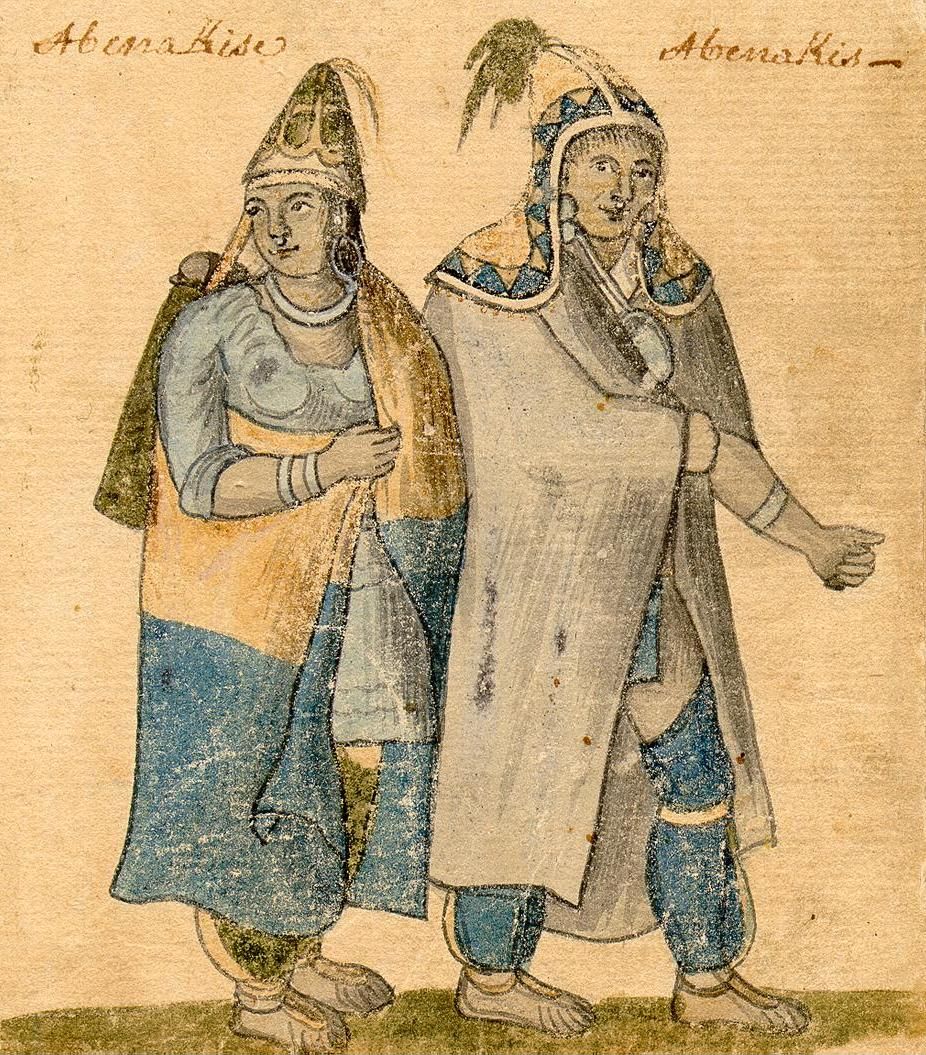
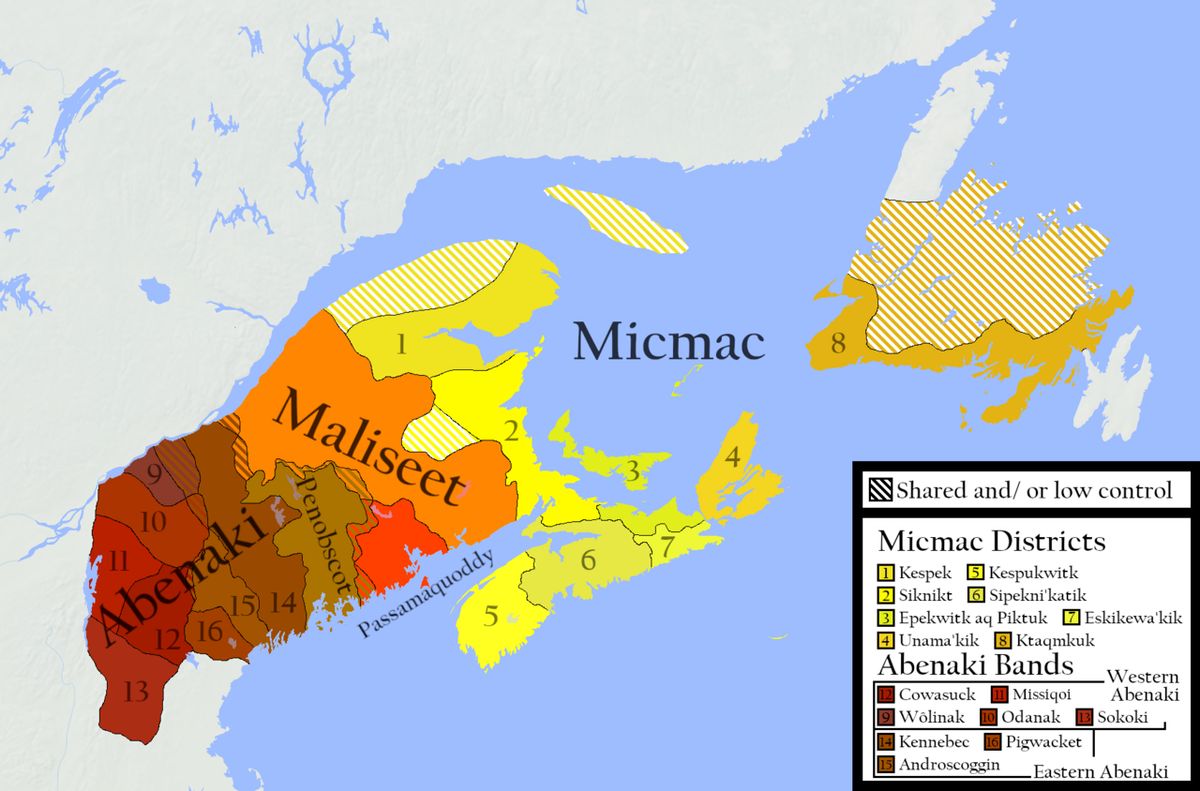
The roots of Dummer's War lay in the unresolved territorial disputes following the Treaty of Utrecht in 1713, which ended Queen Anne's War. Great Britain gained control of mainland Nova Scotia, but the boundaries between British and French claims in the region remained hotly contested. New France asserted its border with New England was the Kennebec River in southern Maine, while the British colonies claimed land far to the north. This vast territory, encompassing eastern Maine and all of New Brunswick, was the homeland of the Wabanaki Confederacy, including the Mi'kmaq, Wolastoqiyik (Maliseet), Penobscot, and Abenaki peoples. The Wabanaki had not been consulted in the European treaty and maintained their own sovereignty over the land. New France established Catholic missions in key Wabanaki villages at Norridgewock on the Kennebec, Penobscot on the Penobscot River, Meductic on the Saint John River, and Shubenacadie in Nova Scotia. Meanwhile, New England settlers, encouraged by the 1713 Treaty of Portsmouth which some Abenaki leaders signed, began expanding east of the Kennebec River and establishing permanent fishing settlements at places like Canso, Nova Scotia, directly encroaching on Wabanaki territory and resources.
Tensions escalated through failed diplomacy. At a 1717 conference in Arrowsic, Maine, Wabanaki representatives objected to the new settlements and forts, such as Fort George at Brunswick, which Massachusetts Governor Samuel Shute was building. The Wabanaki sought a fixed boundary beyond which settlement would not proceed, but Shute insisted on the colonists' right to expand. Over the next several years, New England settlement continued, and Wabanaki responses included raiding livestock. The presence of French Jesuit priest Sébastien Rale at Norridgewock became a particular flashpoint, with Shute demanding his removal as an agent of French intrigue. In July 1721, the Wabanaki issued a written document reasserting their sovereign claims and threatening violence if their lands were violated, which Shute dismissed. The stage was set for open conflict as both sides fortified their positions and grievances mounted.
Outbreak of Hostilities
Convinced of French manipulation, Governor Shute launched a raid in January 1722 to capture Father Rale at Norridgewock. A force of 300 men under Colonel Thomas Westbrook surrounded the village, but Rale escaped into the forest. The raid, however, yielded Rale's strongbox containing letters that confirmed his role as an agent for New France, promising the Wabanaki ammunition to drive out the British. In retaliation, Abenaki forces raided Fort George at Brunswick on June 13, 1722, burning homes and taking prisoners. A larger force of 500 to 600 Penobscot and Maliseet warriors, led by Father Lauverjat, then laid siege to Fort St. George at Thomaston for twelve days in July, destroying a sawmill, a sloop, and houses. The Wabanaki also initiated a blockade of Annapolis Royal, Nova Scotia, in July, capturing fishing vessels and prisoners from Cape Sable to Canso. In response to these attacks and the capture of Mi'kmaq hostages by Lieutenant Governor John Doucett, Governor Shute formally declared war on the Wabanaki Confederacy on July 25, 1722. Shute soon departed for England, leaving Lieutenant Governor William Dummer to manage the Massachusetts war effort.
The Eastern Theater in Maine
The fighting in Maine was intense and protracted. In September 1722, a force of 400 to 500 warriors from St. Francis (Odanak) and Mi'kmaq communities, coordinated with Father Rale, attacked Arrowsic. They burned 26 houses and slaughtered cattle but failed to take the fort. Retreating up the Kennebec, they also besieged Fort Richmond for three hours and destroyed settlements at Brunswick. The year 1723 saw the Wabanaki Confederacy orchestrate at least 14 raids along the Maine frontier, killing or capturing 30 people. The attacks were so severe that by spring 1724, Dummer ordered frontier residents to evacuate to blockhouses. The Wabanaki conducted ten more raids that spring, including the capture of a sloop in Kennebunk harbor where the entire crew was killed. A notable engagement occurred on April 30, 1724, when Captain Josiah Winslow and Sergeant Harvey left Fort St. George with 17 men and were ambushed by hundreds of Abenakis. Winslow, Harvey, and most of their men were killed.
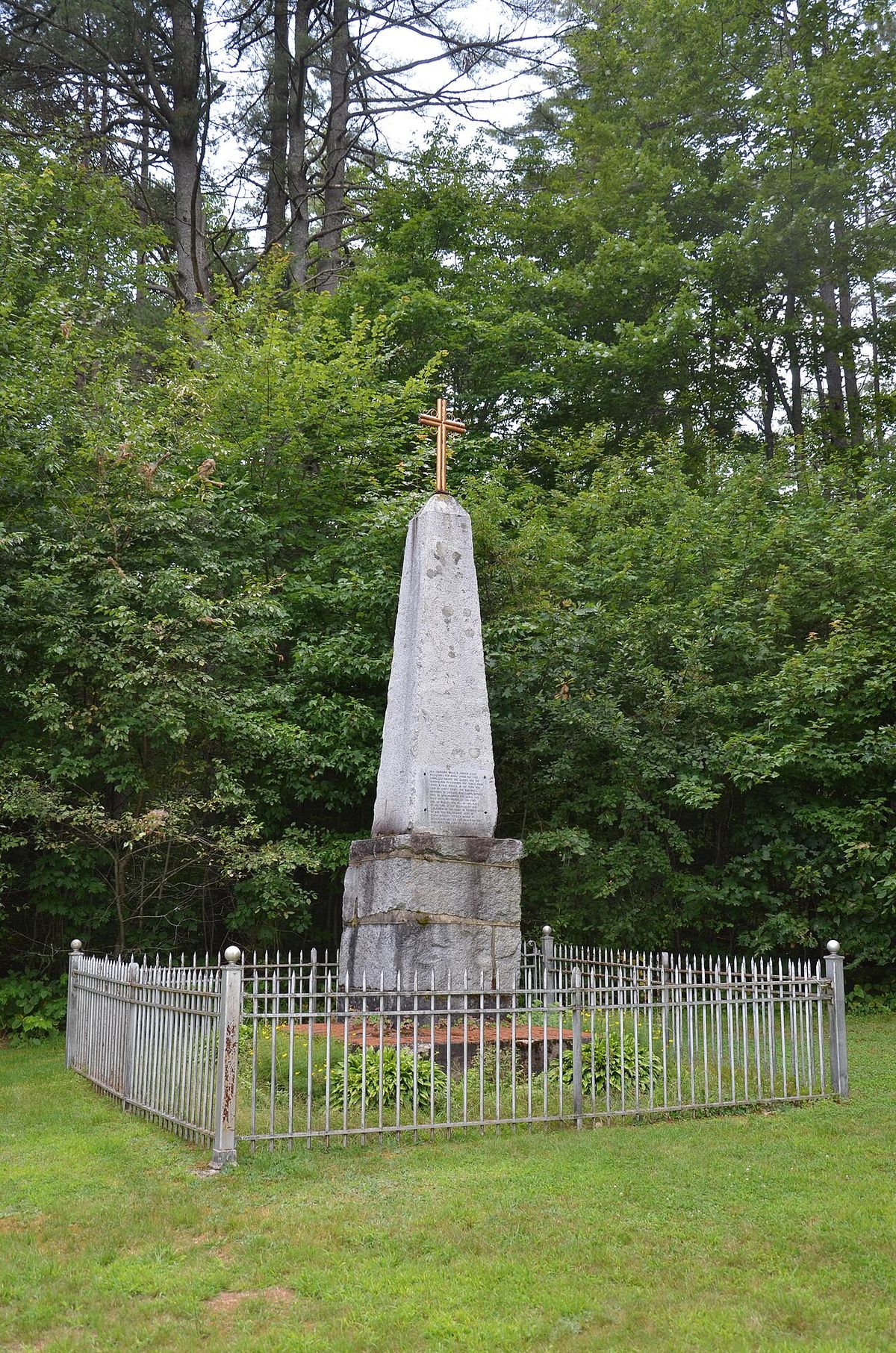
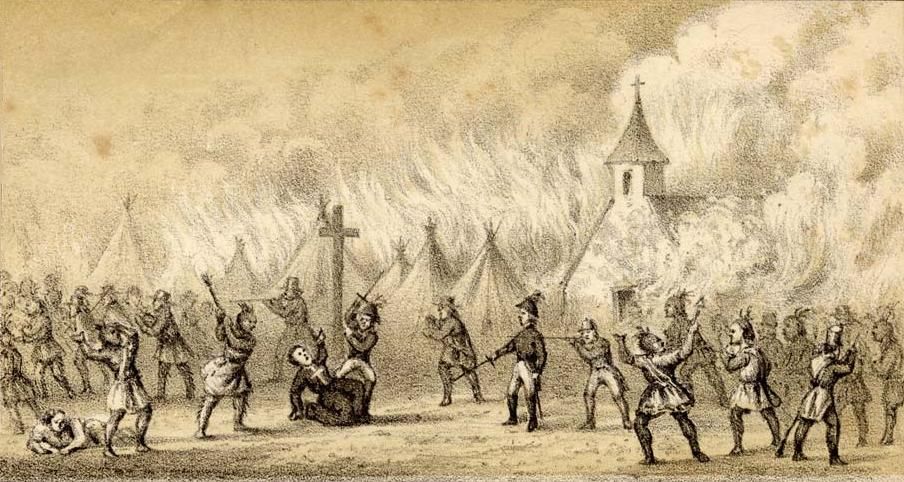
The New England campaign culminated in the decisive Battle of Norridgewock on August 22, 1724. Captains Jeremiah Moulton and Johnson Harmon led 200 rangers up the Kennebec and attacked the Abenaki village. Father Sébastien Rale was killed in the opening moments of the battle. At least 31 Abenaki warriors chose to fight and were largely killed, along with a leading chief and nearly two dozen women and children. New England losses were two militiamen and one Mohawk ally. The rangers destroyed the village's farms and chapel, forcing the survivors to abandon the Kennebec region and retreat north to the Abenaki communities at St. Francis and Bécancour in Quebec. This battle broke the power of the Kennebec Abenaki in central Maine.
- September 10, 1722: Large Wabanaki force attacks Arrowsic, burning homes.
- 1723: Wabanaki conduct 14 raids along the Maine frontier.
- April 30, 1724: Ambush kills Captain Josiah Winslow and Sergeant Harvey near Fort St. George.
- Spring 1724: Wabanaki conduct 10 more raids.
- August 22, 1724: Battle of Norridgewock. Father Rale killed and village destroyed.
Lovewell's Expeditions and the Battle of Pequawket
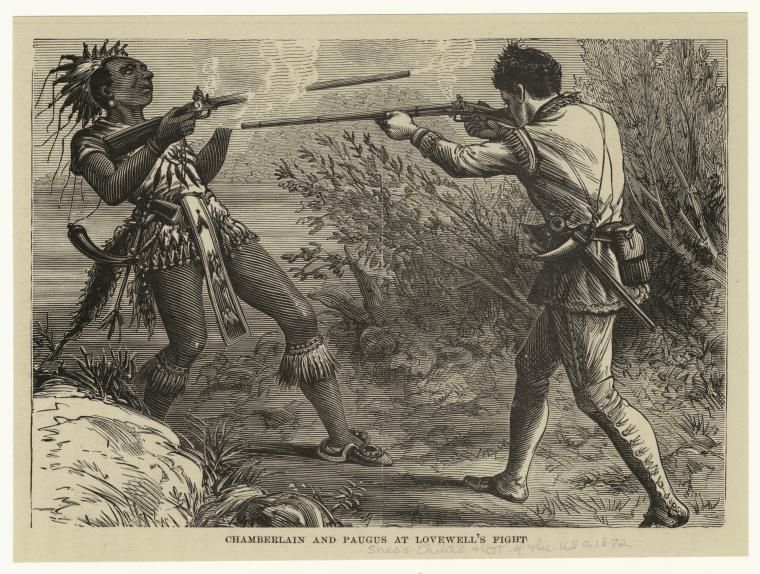
In the contested frontier of New Hampshire and western Maine, Captain John Lovewell led a series of famous ranger expeditions. His first, in December 1724, involved 30 'snowshoe men' who trekked north of Lake Winnipesaukee and killed two Abenakis. A second expedition in February 1725 attacked a wigwam encampment at the head of the Salmon Falls River in Wakefield, New Hampshire, killing ten people. Lovewell's third and final expedition left Dunstable, New Hampshire, on April 16, 1725, with 46 men. They built a small fort at Ossipee and left a garrison before proceeding to target the Pequawket tribe at present-day Fryeburg, Maine. On May 9, after spotting a lone warrior, Lovewell's men left their packs in a clearing to pursue him. A Pequawket war party led by Chief Paugus discovered the packs and set an ambush.
Lovewell's force killed the warrior but he was wounded in the exchange. Upon returning to their packs, the militia walked into the ambush. In the ensuing Battle of Pequawket, Lovewell and eight of his men were killed immediately, with two more wounded. The survivors, including Ensign Seth Wyman who killed Chief Paugus during the fight, retreated to a defensive position and held off repeated attacks until the Pequawkets withdrew at sunset. Only 20 of Lovewell's men survived the battle, and three of those died on the grueling return journey. The battle, though costly for the New Englanders, eliminated a key Wabanaki leader and demonstrated the brutal, guerrilla-style warfare that characterized the frontier.
Grey Lock's War in the Western Theater
The western front, focused in the Connecticut River Valley of Vermont and Massachusetts, is often called Grey Lock's War after the Woronoco (Abenaki) war chief Wawanolewat. Grey Lock opened his campaign on August 13, 1723, by raiding Northfield, Massachusetts, where four warriors killed two citizens. The next day, his warriors attacked Joseph Stevens and his four sons in Rutland, killing two sons and capturing two others. He struck again in October, attacking forts near Northfield. In response, Governor Dummer ordered the construction of Fort Dummer in present-day Brattleboro, Vermont, in 1724, which became the colony's first permanent settlement and a base for scouting expeditions. Throughout the summer of 1724, Grey Lock's raids continued, targeting men working in meadows near Hatfield and killing settlers at Deerfield, Northfield, and Westfield. On October 11, 1724, approximately 70 Abenakis attacked Fort Dummer itself, killing three or four soldiers. The conflict persisted even after major fighting ended in the east, with Grey Lock ambushing a scouting party from Fort Dummer in September 1725, killing two and capturing three. His effective raids forced Massachusetts to bolster defences in towns like Deerfield, Brookfield, and Sunderland. Grey Lock's activity ceased after 1727.
The Nova Scotia Theater and Naval Blockade
In Nova Scotia, the conflict was deeply intertwined with the ongoing Mi'kmaq resistance to British authority in the province, which they considered unceded territory. Following the New England attack on Father Rale in early 1722, 165 Mi'kmaq and Maliseet fighters gathered at Minas to lay siege to Annapolis Royal, the provincial capital. Lieutenant Governor John Doucett had taken 22 Mi'kmaq hostages in May 1722 in a preemptive move, but by July, Indigenous forces had established a blockade of the capital by sea, aiming to starve it out. They captured at least 18 fishing vessels and their crews from Cape Sable Island to Canso, severely disrupting the vital New England fishing industry. Governor Richard Philipps of Nova Scotia launched counter-campaigns in late July 1722 to break the blockade and retrieve over 86 New England prisoners. One of these operations resulted in the Battle of Winnepang (Jeddore Harbour), where 35 Indigenous fighters and five New Englanders were killed. On July 4, 1724, a group of 60 Mi'kmaqs and Maliseets raided Annapolis Royal, killing and scalping two soldiers. The naval warfare around Nova Scotia showed the broader geographic scope of Dummer's War and the Mi'kmaq's strategic use of their control over coastal waters.
Aftermath and the Peace and Friendship Treaties
Dummer's War effectively ended with the death of Father Rale and the dispersal of Norridgewock in 1724, and the Battle of Pequawket in 1725. A process of peace negotiations began in Boston in December 1725, leading to a series of agreements known as the Peace and Friendship Treaties. The first treaty was ratified at Annapolis Royal on June 15, 1726. These treaties did not involve land cessions but established frameworks for peaceful relations, trade, and mutual respect between the British Crown and the Wabanaki nations. In the western theater, a conference at Falmouth in the summer of 1727 sought to renew peace, resulting in agreements that included promises of shared land use and neutrality in future Anglo-French conflicts. The peace was sealed with exchanges of wampum and pelts, and Fort Dummer was confirmed as a trading post. However, the underlying tensions and encroachment continued, contributing to the outbreak of King George's War in 1744. The war had lasting consequences, solidifying British influence in parts of Maine, prompting further fortification of the frontier, and setting precedents for treaty-making in the region that are still recognized today.
Questions about Dummer's War
What was the main cause of Dummer's War?
The primary cause was a dispute over land and sovereignty in the territory between the Kennebec River in Maine and the Isthmus of Chignecto in New Brunswick. Following the Treaty of Utrecht in 1713, Great Britain claimed this area as part of Nova Scotia, while New France claimed it as part of Acadia, with the border at the Kennebec. The Wabanaki Confederacy, which had inhabited the region for generations, asserted its own sovereignty and was not party to the European treaty. Encroachment by New England settlers east of the Kennebec River and the establishment of British forts on Wabanaki land, opposed by the Wabanaki and their French allies, directly ignited the conflict.
Who were the key leaders on each side of the war?
For the New England colonies, the war was directed by Massachusetts Lieutenant Governor William Dummer, after Governor Samuel Shute returned to England. Military leaders included Captain John Lovewell, who led famous ranger expeditions, and Colonel Thomas Westbrook, who commanded the raid on Norridgewock. Nova Scotia leaders were Lieutenant Governor John Doucett and Governor Richard Philipps. On the Wabanaki and French side, key figures were the Jesuit missionary Father Sébastien Rale, who was a spiritual and political leader at Norridgewock. The Abenaki war chief Paugus, killed at the Battle of Pequawket. And the Woronoco chief Grey Lock (Wawanolewat), who led raids in the Connecticut River Valley.
What was the significance of the Battle of Norridgewock?
The Battle of Norridgewock on August 22, 1724, was a turning point in the war. A New England force of 200 rangers attacked the Abenaki village on the Kennebec River, killing Father Sébastien Rale and many Abenaki warriors, including a chief. The village and its Catholic mission were destroyed, and the surviving inhabitants were forced to flee north to communities in Quebec. This battle broke the power of the Kennebec Abenaki, removed a key French ally and spiritual leader from the frontier, and allowed New England to consolidate control over the lower Kennebec region.
How did Dummer's War end?
Major hostilities concluded in 1725 following the Battle of Pequawket in May and the earlier destruction of Norridgewock. A peace process began in Boston in December 1725, leading to the ratification of the first of the Peace and Friendship Treaties at Annapolis Royal in 1726. These treaties established a framework for peaceful relations between the British Crown and the Wabanaki nations. In the western theater, a formal peace was secured in 1727 at a conference in Falmouth, although Grey Lock was not present.
What is the connection between Dummer's War and the Peace and Friendship Treaties?
The Peace and Friendship Treaties were the direct diplomatic outcome of Dummer's War. The process of negotiation began in December 1725 in Boston to end the conflict. The treaties, the first of which was ratified in 1726, did not involve the surrender of Indigenous land but instead established terms for peace, friendship, and regulated trade between the Mi'kmaq, Maliseet, Passamaquoddy, and Abenaki nations and the British Crown. These agreements are foundational in Canadian history.
What was Grey Lock's War?
Grey Lock's War is the name given to the western theater of Dummer's War, fought primarily in the Connecticut River Valley of what is now Vermont and western Massachusetts. It is named for the Abenaki war chief Grey Lock (Wawanolewat), who led a persistent and effective guerrilla campaign against New England settlements from 1723 to 1727. His raids targeted towns like Northfield, Rutland, Deerfield, and Hatfield. In response, the British built Fort Dummer in Brattleboro, Vermont, in 1724. Grey Lock's operations continued even after peace was discussed in the east, and his activity ceased after 1727.
Sources and further reading
- Dummer's War (Wikipedia)
- Dummer's War 1722 to 1725, Keene State College, Sokoki (hidden.coplacdigital.org)
Checked by the Nosy Mag desk. Last updated 2026-10-31.