Social programs in Canada
Social programs in Canada are publicly funded initiatives designed to assist individuals with financial, personal, social, and emotional well-being, forming a comprehensive social safety net. These programs, which include income assistance and services-based supports, are delivered by federal, provincial, territorial, and municipal governments. They address fundamental needs such as healthcare, education, housing, and income security during unemployment, retirement, disability, and family formation. The system has evolved significantly since the Second World War, becoming a central pillar of Canadian society intended to reduce poverty and support quality of life for all residents.
Historical development and structure
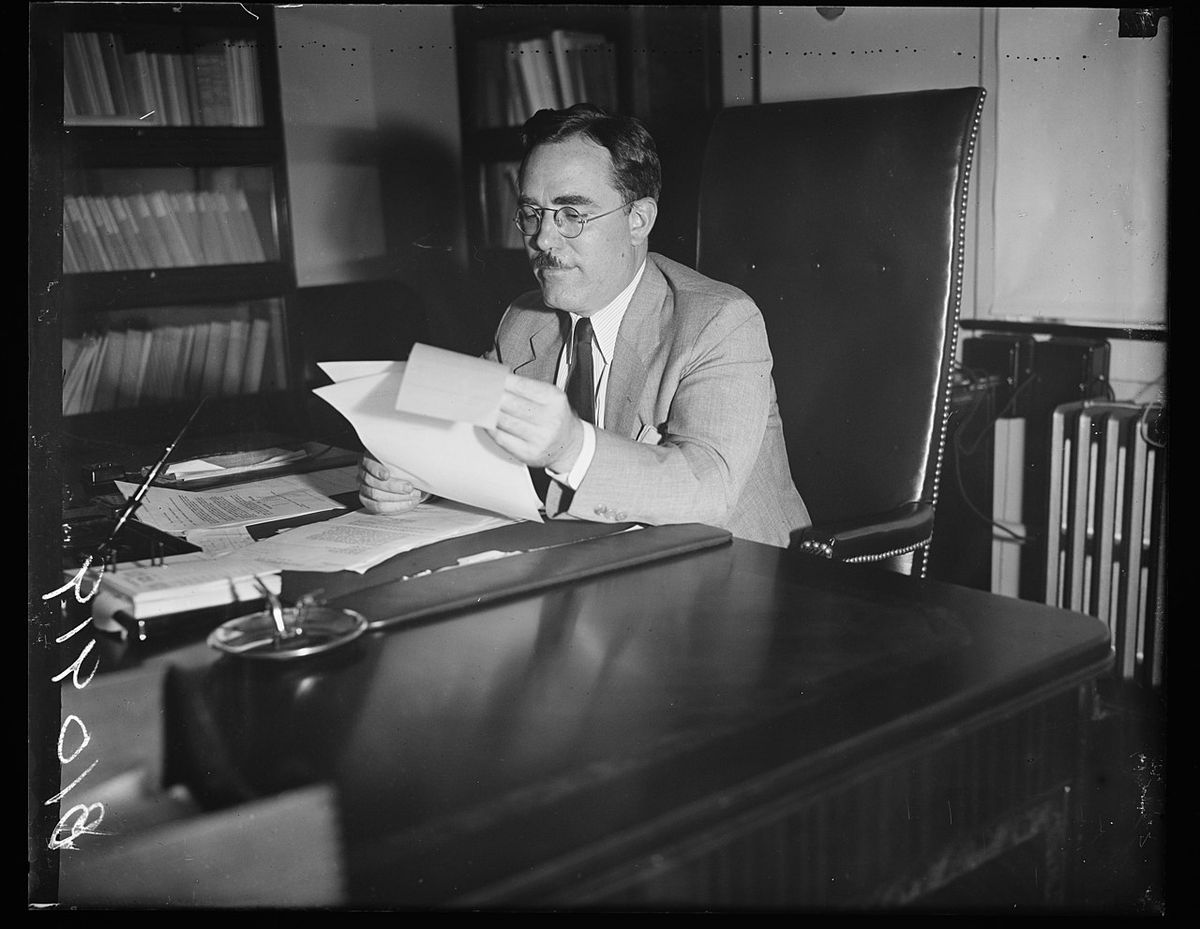
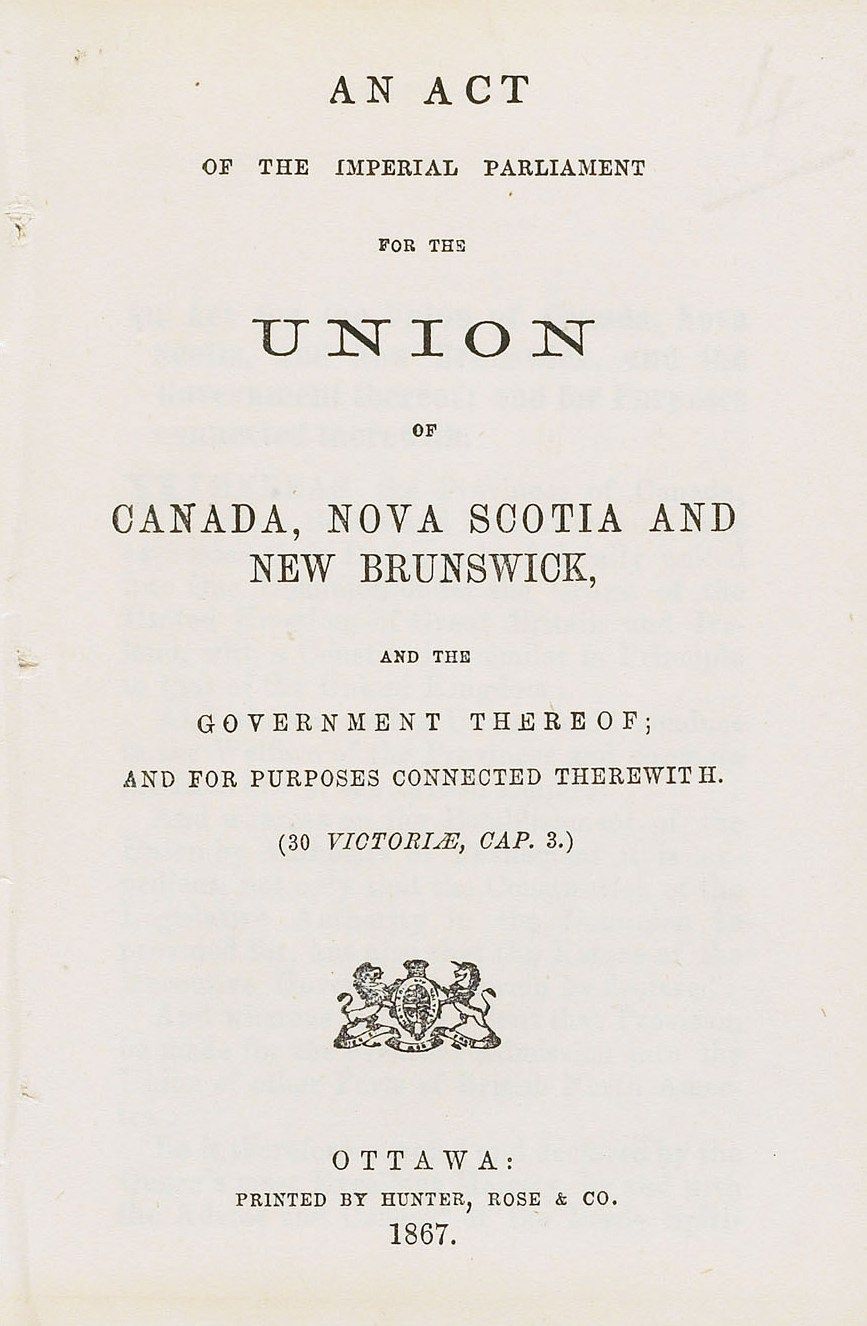
The origins of Canada's social programs lie in the charitable work of religious groups and private organizations, which were the primary providers of aid before the Great Depression. The economic crisis of the 1930s prompted the first major government interventions, such as the Employment and Social Insurance Act of 1935 passed by the government of R. B. Bennett, though it was initially ruled unconstitutional by the Supreme Court of Canada as unemployment was deemed a provincial responsibility. A constitutional amendment was agreed to by all provinces, adding 'Unemployment Insurance' to federal authority under the Constitution Act, 1867, and the first Canadian system was finally adopted in 1940, making Canada the last major Western country to establish one. The period following the Second World War saw a rapid expansion of the welfare state, with the introduction and scaling of many programs that remain today, though some were later scaled back during deficit-reduction efforts in the 1990s as government priorities shifted. The system is now a complex partnership involving multiple levels of government, with the federal department of Employment and Social Development Canada (ESDC) playing a central coordinating role to improve standards of living and quality of life for all Canadians. Programs are broadly categorized into two types: income assistance, which provides direct payments, and services-based programs, which deliver supports like healthcare and education. Access to most of these federal and provincial programs requires a Social Insurance Number (SIN) issued by the federal government, and permanent residents and some refugees also have access to many of these social programs.

Healthcare and dental care
Canada provides universal, publicly funded healthcare to its citizens, permanent residents, and certain temporary residents, with costs shared between the federal and provincial governments. Approximately 70 percent of total healthcare expenditures come from public sources, with the remainder paid through private insurance and out-of-pocket payments. The extent of public coverage varies significantly by service, with 99 percent of physician services and 90 percent of hospital care publicly funded, while almost all dental care and most prescription drug costs are paid for privately. A defining feature of the Canadian system is the ban on the purchase of private insurance for publicly covered services, a policy intended to prevent a two-tier system where the wealthy could jump the queue, though the Supreme Court's 2005 decision in Chaoulli v. Quebec (Attorney General) found such bans could be unconstitutional if they cause unreasonable treatment delays. In a significant expansion, the federal government established the Canadian Dental Care Plan in 2023, which began a staggered enrolment rollout in December 2023 to help pay for covered dental services for eligible residents. Most physicians operate as self-employed private entities who bill the public provincial insurance plans for their services, which is an unusual feature compared to other single-payer health systems in the world. The public healthcare system is a fundamental part of Canada's social programs, though the mix of public and private financing creates distinct challenges and debates about the scope of coverage and the balance between accessibility and wait times for treatment.
Income security and employment supports
A core component of the social safety net is the Employment Insurance (EI) program, which provides temporary financial support to eligible workers. Formerly called Unemployment Insurance, the program was renamed in 1996 and is funded by worker premiums, which were set at 1.66 percent of insured earnings in 2024. EI offers several types of benefits, including regular benefits for those who lose their job through no fault of their own, sickness benefits for those unable to work due to illness or injury, and maternity and parental benefits for new parents which can be shared between them. The program also provides Caregiving Benefits to workers who must leave work to care for a critically ill or injured family member or someone in need of end-of-life care. For workplace injuries, provincial and territorial Workers’ Compensation Boards (WCB) provide insurance coverage funded entirely by employers for workers who suffer from work-related injury or illness. As a last resort, all provinces and territories administer low-income support programs, commonly known as welfare, social assistance, income support, or income assistance, which provide monthly payments to alleviate extreme poverty, though eligibility rules and payment amounts vary widely. The purpose of these programs is to alleviate extreme poverty by providing a monthly payment to people with little or no income. This program was created in the 1940s, and in Quebec in 1958. The original plan was for Ottawa to pay half of the financial support for families and the other half paid by each of the provinces. In Canadian slang, these payments are sometimes referred to as 'the dole' or 'pogey', terms that carry negative connotations, which is why the term 'welfare' is rarely used as an official program name. The federal government issues National Income Assistance Program Guidelines, with updated guidelines taking effect on April 1, 2026, replacing those from the previous fiscal year to align on-reserve delivery with provincial systems.
- The objective of the on-reserve Income Assistance program is to cover basic expenses and provide pre-employment supports to help clients transition to employment or education, aiming for financial self-sufficiency.
- In Ontario, a 1965 Memorandum of Agreement guides federal reimbursement to the province for social services cost-shared for First Nations communities, while Alberta operates under a 1991 Arrangement for the Funding and Administration of Social Services.
- Funding recipients for on-reserve Income Assistance, which can include First Nations, tribal councils, or other entities, must sign agreements with Indigenous Services Canada.
- These recipients must ensure there is a process for individuals to appeal decisions about their eligibility for benefits.
Support for seniors and pensions
Most Canadian seniors receive financial support through a combination of public pensions and, for many, private retirement savings. The Old Age Security (OAS) program is a taxable monthly social security payment available to most residents aged 65 and older, funded from general federal tax revenues, with the amount depending on how long the individual has lived in Canada after age 18. The Canada Pension Plan (CPP) is an earnings-related program that provides monthly benefits to partially replace income after retirement, disability, or death, funded by contributions from workers and their employers during their careers. Quebec operates its own parallel Québec Pension Plan (QPP). In 2025, these two pension programs provided a combined $137 billion in benefits to 8.5 million Canadians, forming a critical foundation for retirement income. The Spring Economic Update of 2026 announced a reduction in the base CPP contribution rate from 9.9 percent to 9.5 percent of pensionable earnings, providing an estimated annual savings of $133 for a worker earning $70,000, a change justified by the plan's strong long-term finances as shown in actuarial reports. The same update proposed improvements to the Disability Tax Credit (DTC) application process to streamline access for those with severe and prolonged impairments, which serves as a gateway to other supports like the Canada Disability Benefit. The government also committed additional funding to support the Old Age Security platform and increase benefits processing capacity to ensure timely payments for millions of older adults who rely on OAS, particularly those without workplace pensions. Many Canadians also supplement these public plans with private employer pensions, Registered Retirement Savings Plans (RRSPs), or other private savings, though the prevalence of workplace pensions is declining.
Programs for families, children, and persons with disabilities
The Canada Child Benefit (CCB) is a tax-free monthly payment to families with children under 18, with the amount determined by family income as reported on tax returns. It may include the supplemental Child Disability Benefit for children with severe impairments in mental or physical function. Previously, the federal government offered the Universal Child Care Benefit to subsidize daycare costs, and as of 2007 it provided this benefit to help with the cost of daycare spots or other childcare forms. For persons with disabilities, support programs are primarily provincial and territorial responsibilities, each with distinct names and structures, providing both income support and sometimes employment assistance or funding for assistive devices. Child welfare services, including adoption and foster care, are also managed by provincial departments or ministries specifically dedicated to these areas. The federal government's 2026 initiatives aimed to make the Disability Tax Credit application process more accessible by expanding the list of medical practitioners who can certify eligibility to include physiotherapists, speech-language pathologists, and occupational therapists, and by recognising provincial and territorial public guardians and trustees as certifiers for adults in their care. The Canada Pension Plan also provides disability benefits for workers under age 65 who become severely disabled and unable to work. These benefits are based on the worker's contributions to the plan during their career.
- Alberta offers the Assured Income for the Severely Handicapped.
- British Columbia provides Income Assistance for Persons with Disabilities (Disability Assistance) through its Ministry of Social Development and Poverty Reduction.
- Nova Scotia has the Disability Support Program and the Income Assistance Disability Supplement.
- Ontario runs the Ontario Disability Support Program through the Ministry of Children, Community and Social Services, which includes income support, employment assistance, and the Assistive Devices Program for assistive devices.
- Quebec administers the Programme de solidarité sociale (Contraintes sévères à l'emploi) through the Ministry of Employment and Social Solidarity.
- Saskatchewan provides Assured Income for Disability.
Housing, education, and regional economic development
In housing, the federal Canadian Mortgage and Housing Corporation (CMHC) provides mortgage insurance, a system created in the 1940s, and most provinces have ministries in charge of regulating the housing market, with Quebec establishing its framework in 1958. For education, provinces and territories are responsible for their elementary and secondary schools, with education compulsory up to age 16 in most provinces and ages 17 or 18 in others, provided at a nominal cost. Post-secondary schooling is not free but is subsidized by federal and provincial governments, with financial assistance available through student loans and bursaries, and private education exists but is less popular than in the United States or Britain due to cost and the relative quality of public education. To address regional economic disparities and promote development, the federal government operates several dedicated development agencies that target specific parts of the country, complementing the broader social safety net with economic initiatives. These agencies work to stimulate economic growth, create jobs, and support community development in their specific regions, representing a form of place-based social and economic policy that is part of the government's approach to social welfare.
| Agency | Region Served |
|---|---|
| Atlantic Canada Opportunities Agency | Atlantic Canada |
| Canadian Northern Economic Development Agency | Northern Canada |
| Economic Development Agency of Canada for the Regions of Quebec | Quebec |
| Federal Economic Development Initiative for Northern Ontario | Northern Ontario |
| Federal Economic Development Agency for Southern Ontario | Southern Ontario |
| Western Economic Diversification Canada | Western Canada |
Contemporary challenges, fraud prevention, and reforms
Recent reports and government updates highlight ongoing pressures, reform efforts, and emerging threats within Canada's social programs. The Welfare in Canada report series, established by the Caledon Institute of Social Policy, examines total incomes for those on social assistance and indicates a significant rise in the perception that assistance is insufficient, with the share of respondents reporting inadequacy jumping from 45.9 percent in 2023 to 66 percent in 2026, the largest increase recorded. The Spring Economic Update of 2026, themed 'Building Canada Strong, For All', introduced several measures aimed at older Canadians and those with disabilities, including the CPP contribution rate cut and Disability Tax Credit process improvements which align with recommendations from the Canadian Centre for Caregiving Excellence. The government also reaffirmed its commitment to a National Anti Fraud Strategy, first announced in Budget 2025, to combat financial crimes, which disproportionately affect older adults and account for an estimated 62 percent of elder abuse cases. Legislation was introduced to establish a Financial Crimes Agency, an independent law enforcement body dedicated to investigating serious and complex financial crimes, recognizing that older adults are often targeted due to perceived wealth, social isolation, or cognitive impairments. The National Income Assistance Program Guidelines for 2026 to 2027 emphasize aligning on-reserve income assistance with provincial systems and supporting clients on a path to financial self-sufficiency through pre-employment supports, with funding recipients required to have an appeals process for clients regarding eligibility decisions. Advocates continue to push for further reforms, such as the proposed Pension Delay Guarantee (PDG) for the CPP, a cost-neutral reform endorsed by over 70 pension experts and institutions aimed at encouraging later retirement benefit claims to enhance lifelong financial security by addressing the behavioural tendency of 'loss aversion' that leads many to claim benefits early.
Questions about Social programs in Canada
What is the difference between Employment Insurance and welfare in Canada?
Employment Insurance is a federal insurance program funded by worker and employer premiums, with workers paying 1.66% of insured earnings in 2024. It provides temporary benefits for those who lose their job, are sick, injured, on parental leave, or are caregivers. Welfare, formally known as social assistance or income support, is a provincial and territorial program that provides ongoing financial aid to individuals and families with little or no other income. The key difference is that EI is an insurance benefit tied to previous employment, while welfare is a needs-based social benefit determined by current income and assets.
Do all Canadians get the Canada Pension Plan when they retire?
No, the Canada Pension Plan (CPP) is not automatic or universal. It is an earnings-related program where retirement, survivor, and disability benefits are based on contributions made during a person's working career. Most former workers who contributed to the plan are eligible for retirement pensions, and their families may be eligible for survivor or disability benefits. The province of Quebec runs its own parallel plan, the Québec Pension Plan (QPP). In contrast, the Old Age Security (OAS) pension is available to most Canadians aged 65 and older regardless of work history, based primarily on years of residency in Canada after age 18, and is funded from general tax revenues.
Is healthcare in Canada completely free?
Healthcare in Canada is publicly funded, not completely free. Approximately 70 percent of health expenditures are covered by public sources, funded through taxes. Patients typically do not pay directly for insured services like physician visits or hospital care, which are about 99 percent and 90 percent publicly funded respectively. However, many services are not fully covered, leading to out-of-pocket costs or private insurance for expenses like most prescription drugs, dental care, vision care, and physiotherapy. The recent Canadian Dental Care Plan, launched in 2023, is beginning to provide coverage for some dental services for eligible residents through a staggered enrolment process.
What is the Canada Child Benefit and who qualifies?
The Canada Child Benefit (CCB) is a tax-free monthly payment from the federal government to eligible families with children under 18 years of age. The amount a family receives is calculated based on the number of children, their ages, and the family's net income as reported on their annual tax return. The benefit is designed to be higher for lower-income families and phases out at higher income levels. It replaces the previous Family Allowance and Universal Child Care Benefit and may include an additional amount, the Child Disability Benefit, for children with severe and prolonged impairments in mental or physical function.
How is social assistance for Indigenous peoples on reserve administered?
The federal Income Assistance program provides funds to eligible individuals and families ordinarily resident on reserve or Status First Nations in Yukon as a last resort where other income sources are exhausted. The program is delivered by funding recipients like First Nations or tribal councils under agreements with Indigenous Services Canada (ISC), with updated National Program Guidelines effective April 1, 2026, aiming to align with provincial and territorial systems. In some provinces like Ontario and Alberta, longstanding agreements (the 1965 Agreement and 1991 Alberta Reform Agreement) allow for cost-sharing and administration of these services by the provincial government for on-reserve residents. The program's objective includes providing pre-employment supports to help clients transition to employment or education towards financial independence.
What changes were announced for the Canada Pension Plan in 2026?
The Spring Economic Update of 2026 announced a reduction in the base Canada Pension Plan (CPP) contribution rate from 9.9 percent to 9.5 percent. This change directly responds to cost-of-living pressures, translating to an annual savings of approximately $133 for a worker earning $70,000. The government's action acknowledges mounting household financial pressures while ensuring the long-term sustainability of this key social program. The change is based on actuarial reports showing the plan's strong long-term finances.
Sources and further reading
- Social programs in Canada (Wikipedia)
- Social Programs in Canada (thecanadianencyclopedia.ca)
- Welfare in Canada, Maytree (maytree.com)
Checked by the Nosy Mag desk. Last updated 2026-11-03.