Monarchism in Canada
Monarchism in Canada is the support for the country's constitutional monarchy as a system of government. It advocates for the retention of the Crown, viewing it as a non-partisan, stabilizing institution. This movement encompasses both individual academic support and organized groups like the Monarchist League of Canada, which works to promote awareness of the monarchy's role. While public opinion on the institution has fluctuated, particularly following the accession of King Charles III, monarchism remains a part of Canada's constitutional and political discourse.
Historical Foundations and Evolution
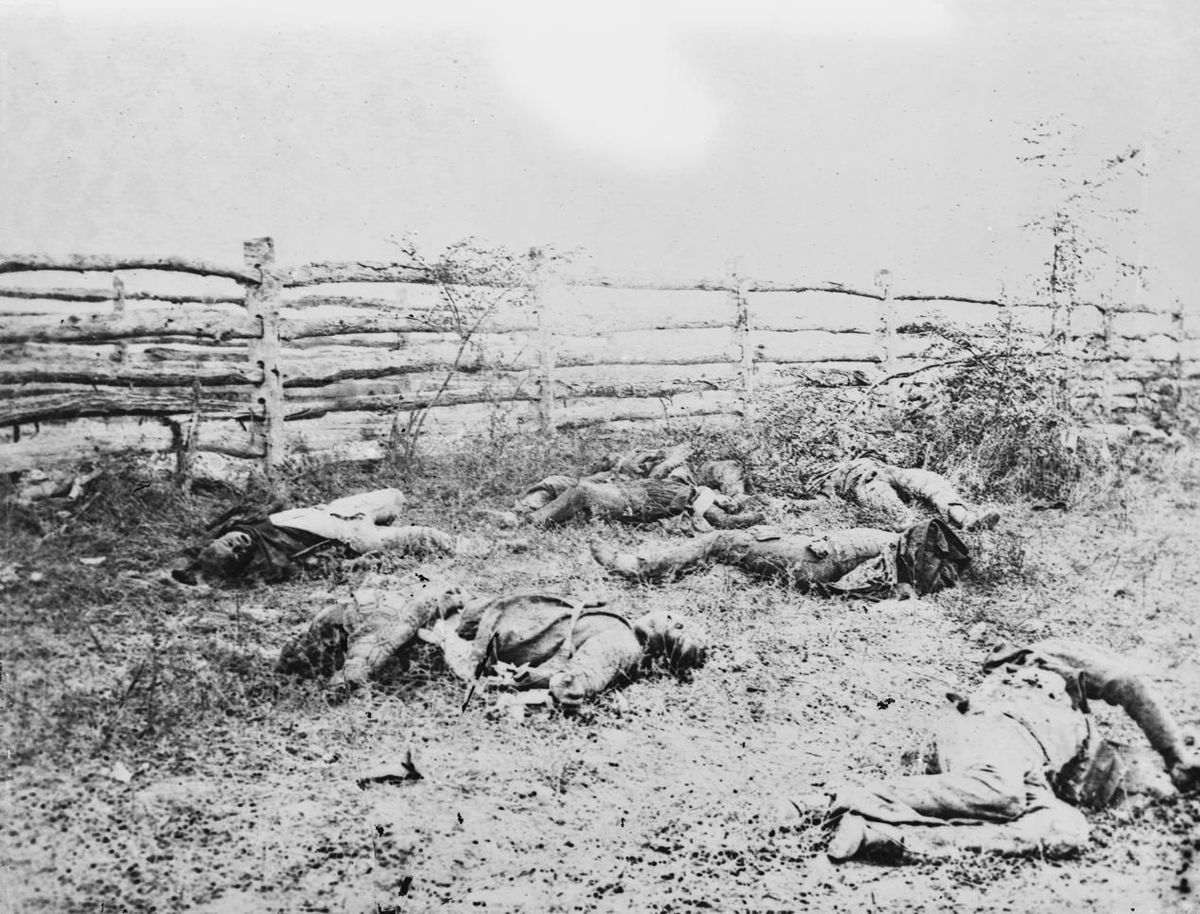
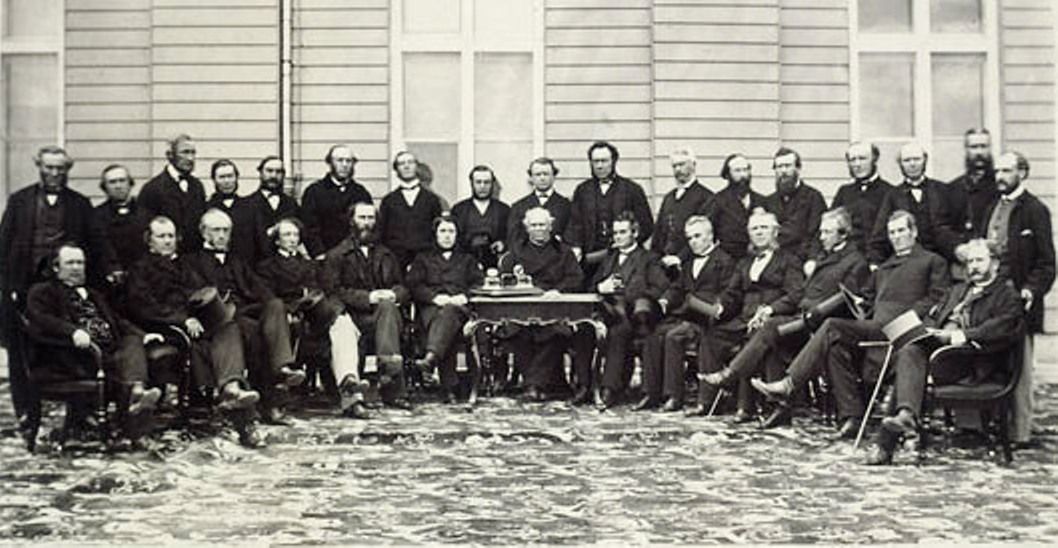
The roots of Canadian monarchism stretch back to the colonial era, where allegiance to the Crown was a defining feature for both French and British settlers. After the transfer of New France to Britain in 1763, a segment of the French-speaking population maintained loyalty to the British Crown, while the Catholic Church in Quebec fostered an appreciation for the absolutist French monarchy. The American Revolutionary War solidified monarchist sentiment further, as United Empire Loyalists who remained faithful to the Crown sought refuge in the Canadas, bringing with them a belief that the monarchy represented a superior form of life distinct from the American republic. This sentiment was intensified by the American invasions of the Canadas in 1812 and the failure of the republican rebellions of 1837 to gain widespread support. The Fathers of Confederation, led by the staunch monarchist John A. Macdonald, unanimously selected constitutional monarchy as Canada's form of government in 1867, seeing it as a deliberate assertion of Canadian presence and a bulwark against American expansionism.
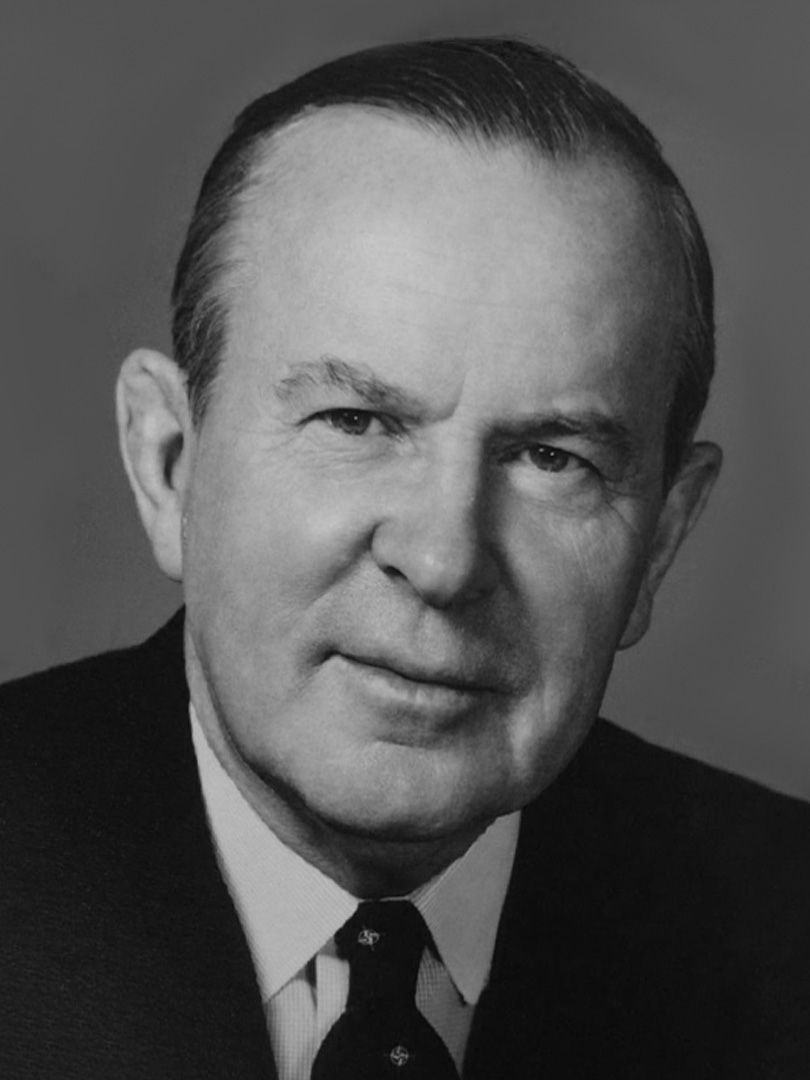
The monarchy enjoyed widespread popularity in the first half of the 20th century, but its status began to waver from the 1950s to the 1970s amid the rise of a new Canadian identity, official multiculturalism, and Quebec separatism. Despite this, prime ministers like Louis St. Laurent and Lester B. Pearson viewed the Crown as a vital Canadian icon that distinguished the country from the United States. The perceived threat to monarchist symbols during this period inspired the founding of the Monarchist League of Canada in 1970 as an organized voice for supporters. Throughout these changes, figures like Vincent Massey and Roland Michener continued to articulate the monarchy's role as a bastion of Canadian nationality and independent survival amidst the republics of the Americas.
Core Monarchist Beliefs and Arguments
Canadian monarchists support the official position that the monarch personifies the Canadian state, providing a human, non-partisan, and apolitical focal point for national allegiance. They argue this is particularly apt for a postmodern, multicultural nation, offering a more personal symbol than an abstract constitution or flag. This view holds that the sovereign, as a unifying element, focuses the nation's historic consciousness and reflects it through lifelong public service, an arrangement supporters contend allows for greater societal diversity. Theorists like George Grant and Eugene Forsey have posited that the greatest threat to the Crown is not its British origins but the expansionist influence of the United States and its presidential political style, where corporate power can wield significant influence over government.
Monarchists assert that the Crown is a fully Canadian institution, often employing the phrase Maple Crown to emphasize its domestication. They view republican arguments that label the monarchy as a foreign British intrusion as superficial, pointing out that many foundational Canadian values like parliamentary democracy and responsible government were similarly inherited from the United Kingdom. Supporters maintain that presidential republicanism is not part of the Canadian psyche, as no part of the country has ever been a republic, and that moves toward such a system would be foreign to the national character. They also argue that republican rhetoric often demonstrates a cultural cringe, focusing on long-settled issues of independence or unsubstantiated claims about the monarchy being imposed, which they attribute to inadequate civic education compounded by pervasive American cultural influence.
The Crown in Canadian Law and Identity
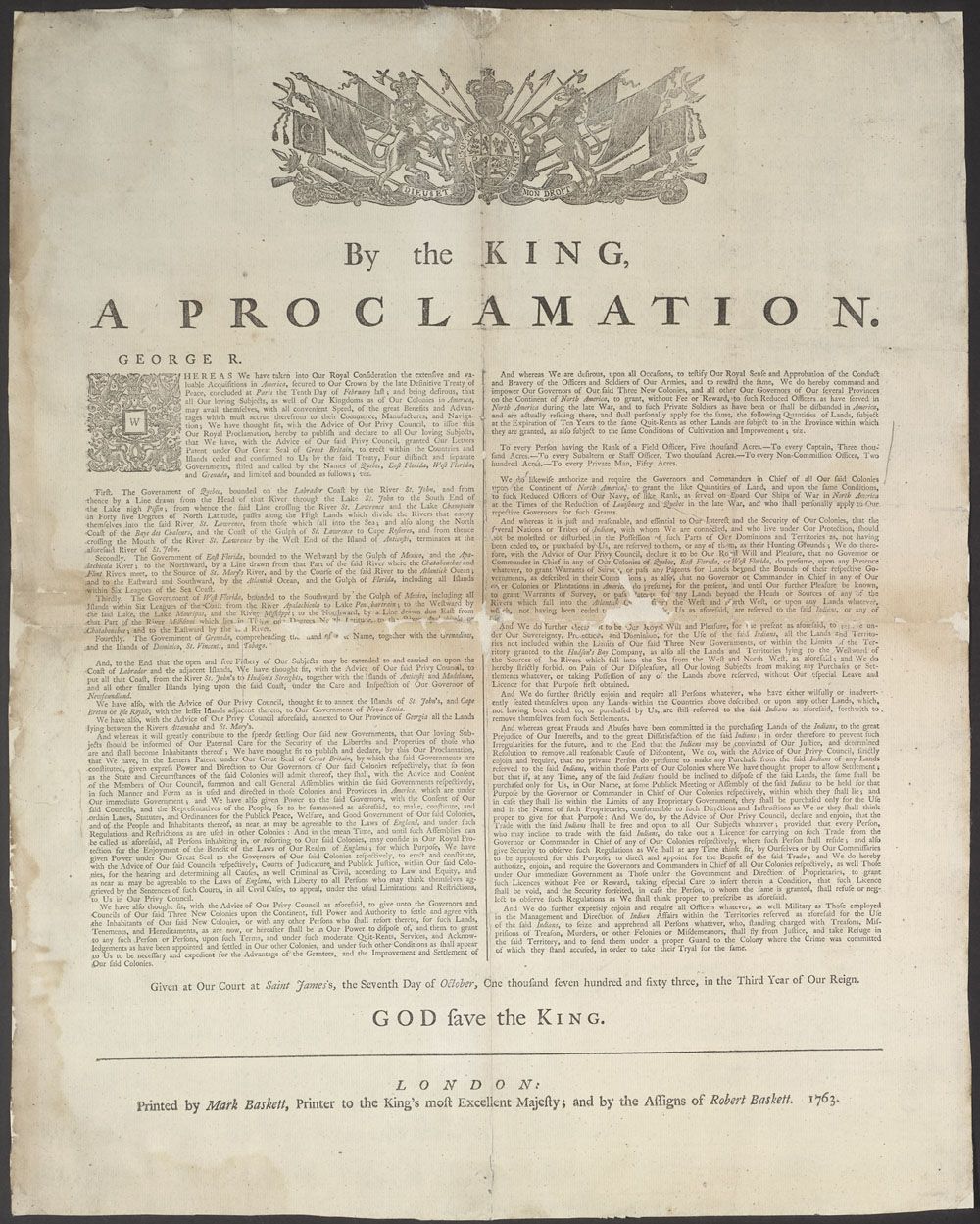
The Canadian Crown is the keystone of the country's constitutional architecture, with its roots extending over 500 years into the nation's tradition. The institution is seen by its supporters as playing a central role in maintaining Canada's legal and cultural sovereignty from the United States. The Crown's relationship with Indigenous peoples is constitutionally significant, originating with the Royal Proclamation of 1763 issued by King George III, which guaranteed Indigenous land rights. This proclamation, ratified by the Treaty of Niagara in 1764, remains a foundational document for Crown-Indigenous relations and its terms are guaranteed by the Constitution Act, 1982. Historically, monarchism among Indigenous communities was often expressed in personal and familial terms, such as addressing royal representatives as brother.
The development of responsible government in the 19th century transformed the monarchy into a constitutional one where the monarch acts on the advice of ministers accountable to a popularly elected House of Commons. This system reinforced the political principle that sovereignty resides in the Crown, not directly in the populace, a distinction monarchists argue protects individuals from the paradox of opposing the state being synonymous with opposing themselves. The concept of the provinces as co-sovereign communities, each with a Crown, was cemented by the 1882 Judicial Committee of the Privy Council case of Maritime Bank v Receiver-General of New Brunswick. This legal and historical depth leads monarchists to celebrate the Crown as a significant, inherited element of Canada's distinctive national identity.
Organized Monarchism and the Monarchist League
Organized support for the monarchy in Canada is channeled through loyal societies, the most prominent being the Monarchist League of Canada (MLC). Founded in 1970, the League was established as a direct response to perceptions that the Crown's role was being downplayed during a period of national redefinition. Its primary mission is to raise public awareness of Canada's constitutional monarchy and advocate for its retention, countering republican and anti-monarchical arguments. The MLC operates through a network of branches across the country and engages in educational efforts, public commentary, and support for royal symbols. Other groups that have historically fostered monarchist sentiment include legions, historical societies, ethnic organizations, and bodies like the Orange Order, which in the 19th century worked to foster appreciation for the King and constitution.
The League distinguishes monarchism, support for the institution of constitutional monarchy, from royalism, which is support for a specific monarch or dynasty. This is a crucial distinction, as Canadian monarchists may support the monarchy as a political system without necessarily holding strong personal opinions about the reigning sovereign. The MLC and similar organizations provide a structured way for citizens to voice their support, especially during periods of constitutional debate or when the monarchy's relevance is questioned. Their advocacy emphasizes the monarchy's role as a Canadian institution integral to the country's framework, rather than a foreign appendage. Other loyal organizations in Canada include:
- Grand Orange Lodge of Canada
- Royal Society of St. George
- United Empire Loyalist Association
Contemporary Public Opinion and Debate
Public opinion on the monarchy in Canada has shown significant fluctuation and regional variation, particularly following the death of Queen Elizabeth II and the accession of King Charles III. A Research Co. poll from March 2026 found that 29 percent of Canadians would prefer the country remain a monarchy, while 33 percent would prefer an elected head of state, with 23 percent indifferent and 15 percent undecided. This represents a narrowing from a 23-point gap between the two camps in 2024 to just a 4-point difference in 2026. Support for the monarchy is highest among Baby Boomers (36 percent) and in Atlantic Canada (38 percent) and British Columbia (37 percent), and lowest in Quebec (22 percent). The same poll indicated that 52 percent of Canadians expect the country will probably or definitely remain a monarchy in 20 years.
Attitudes toward the royal family are often marked by apathy as much as engagement. An Angus Reid Institute poll from February 2026 found half (51 percent) of Canadians describe the royal family as irrelevant to them personally, with a further 26 percent saying they are becoming less relevant over time. Specific issues can galvanize strong opinion, however, as seen with the case of Prince Andrew. In February 2026, 84 percent of Canadians supported removing him from the line of succession, with 73 percent strongly supporting that step. This overwhelming consensus crossed all demographic groups and prompted Prime Minister Mark Carney to join other Commonwealth leaders in calling for his removal. Opinions on individual royals vary, with favourability ratings in March 2026 higher for Princess Kate (57 percent) and Prince William (55 percent) than for King Charles III (44 percent) or Queen Consort Camilla (29 percent).
The Monarchy's Role and Public Expectations
Despite divided opinions on the institution's future, there are clear public expectations for the modern monarchy's role in Canada. The March 2026 Research Co. poll revealed that 59 percent of Canadians have no problem with King Charles III being featured on Canadian currency, a traditional symbol of the Crown's presence. Substantial majorities expect the monarch to engage with contemporary Canadian issues. Two-thirds (67 percent) would like to see a commitment from the King to reduce the royal family's carbon footprint, and 59 percent think he should advance the cause of reconciliation with Indigenous peoples. These figures indicate that while support for the institution may be soft, many Canadians still see value in the symbolic platform it provides for national priorities.
The concept of a uniquely Canadian monarch, either a resident descendant of the current line or one based on a First Nations royal house, has been suggested periodically but remains a marginal idea. The prevailing monarchist argument is that the existing system, with a shared monarch residing abroad, successfully fulfills its constitutional role while embodying a historical link to other Commonwealth countries. The monarchy's supporters continue to frame it as a practical, non-partisan office that personifies the state and provides continuity, contrasting it with the perceived instability and politicization of presidential systems. As debates continue, the central challenge for monarchism is articulating the relevance of this centuries-old institution to a 21st-century, diverse, and often indifferent Canadian public.
Comparative Polling Data on the Monarchy
Recent polling data reveals nuanced and sometimes contradictory public attitudes toward the monarchy, with support levels shifting over time and varying by demographic. The following table compares key findings from polls conducted in 2025 and 2026, illustrating trends in support for the institution, expectations for its future, and opinions on specific members of the royal family. The data shows a decline in active support for both the monarchy and a republic, with a corresponding rise in indifference. The overwhelming consensus on removing Prince Andrew from the line of succession stands in stark contrast to the more ambivalent feelings about the institution as a whole. This suggests that Canadians can hold strong opinions on specific, concrete issues related to the Crown while remaining less engaged with the broader constitutional question.
| Polling Question / Metric | March 2025 Result | March 2026 Result | Change |
|---|---|---|---|
| Prefer Canada remain a monarchy | 31% | 29% | -2% |
| Prefer an elected head of state (republic) | 40% | 33% | -7% |
| Indifferent | Not Polled | 23% | N/A |
| Undecided | Not Polled | 15% | N/A |
| Expect monarchy to continue in 20 years | Not Polled | 52% | N/A |
| Support removing Prince Andrew from succession | Not Polled | 84% | N/A |
Regional and generational splits in opinion remain pronounced. Older Canadians and those in Atlantic Canada and British Columbia show the strongest monarchist leanings. The favourability rating for King Charles III was measured at 44 percent in March 2026. Younger members of the royal family like Prince William and Princess Kate received higher ratings. Support for removing Prince Andrew from the line of succession was not polled in 2025. The 2026 result of 84 percent demonstrates a powerful consensus on that specific issue.
Questions about Monarchism in Canada
What is the difference between monarchism and royalism in Canada?
Monarchism in Canada refers to support for the country's constitutional monarchy as a political institution. It is distinct from royalism, which is support for a specific monarch or dynasty. A Canadian monarchist may value the office of the Crown and its role in governance without necessarily having a strong personal admiration for the reigning king or queen. This institutional focus is central to organized groups like the Monarchist League of Canada.
What percentage of Canadians support the monarchy today?
Support levels fluctuate in public opinion polls. A Research Co. poll from March 2026 found that 29 percent of Canadians prefer the country remain a monarchy, while 33 percent would prefer an elected head of state. This represents a narrowing gap compared to previous years. Support is highest among older generations and in regions like Atlantic Canada and British Columbia, and lowest in Quebec at 22 percent.
What is the Monarchist League of Canada?
The Monarchist League of Canada (MLC) is the primary organization advocating for the retention of Canada's constitutional monarchy. Founded in 1970, it works to raise public awareness about the Crown's role in Canadian governance and history. The League engages in educational efforts, publishes materials, and provides a voice for citizens who support the monarchy, especially during periods of republican debate. It operates on the principle of supporting the institution, not necessarily a specific royal individual.
Do Canadians want to remove Prince Andrew from the line of succession?
Yes, there is overwhelming public support for this step. An Angus Reid Institute poll in 2026 found that 84 percent of Canadians support removing Prince Andrew from the royal line of succession, with 73 percent strongly supporting it. This consensus prompted Prime Minister Mark Carney to join the governments of Australia and New Zealand in publicly supporting his removal. The process requires an act of the UK parliament with the consent of Commonwealth countries like Canada.
How does monarchism relate to Canadian identity?
Monarchists argue the Crown is a foundational part of Canadian identity. It provides a distinct form of government that differentiates Canada from the republican United States. They view the monarchy as a unifying and non-partisan symbol that personifies the state. It has over 500 years of roots in Canadian tradition and is seen as a bastion of national sovereignty. Supporters see it as a protector of values like parliamentary democracy and the rule of law inherited from the British system.
What are the main arguments Canadian monarchists make?
Canadian monarchists present several key arguments. They emphasize the monarchy as a stable, non-partisan, and apolitical office that personifies the state. They contend it is a fully Canadian institution, often called the Maple Crown, integral to the constitution. Monarchists also argue it safeguards Canadian cultural and legal sovereignty from American influence, provides a unifying symbol for a diverse population, and represents a practical system with historical continuity. They often counter republican claims by stating that presidentialism is foreign to the Canadian experience and that removing the Crown would require immensely difficult constitutional amendments.
Sources and further reading
- Monarchism in Canada (Wikipedia)
- Canada Monarchy Support Declines (angusreid.org)
- Monarchism (thecanadianencyclopedia.ca)
- Public Appetite for a Republic Dwindles Across Canada (researchco.ca)
- The Monarchist League of Canada, Promoting the Canadian ... (monarchist.ca)
Checked by the Nosy Mag desk. Last updated 2026-10-30.