Lockheed Martin F-35 Lightning II Canadian procurement
The Lockheed Martin F-35 Lightning II Canadian procurement is a defence procurement project to acquire advanced fighter jets for the Royal Canadian Air Force. It began in 1997 with an initial investment in the Joint Strike Fighter program. The project has evolved through multiple governments and a formal competition. Canada is committed to purchasing 88 F-35A aircraft, with the first deliveries expected in 2026. The program represents a significant investment in national defence and aerospace industry.
Origins and Early Partnership (1997 to 2009)
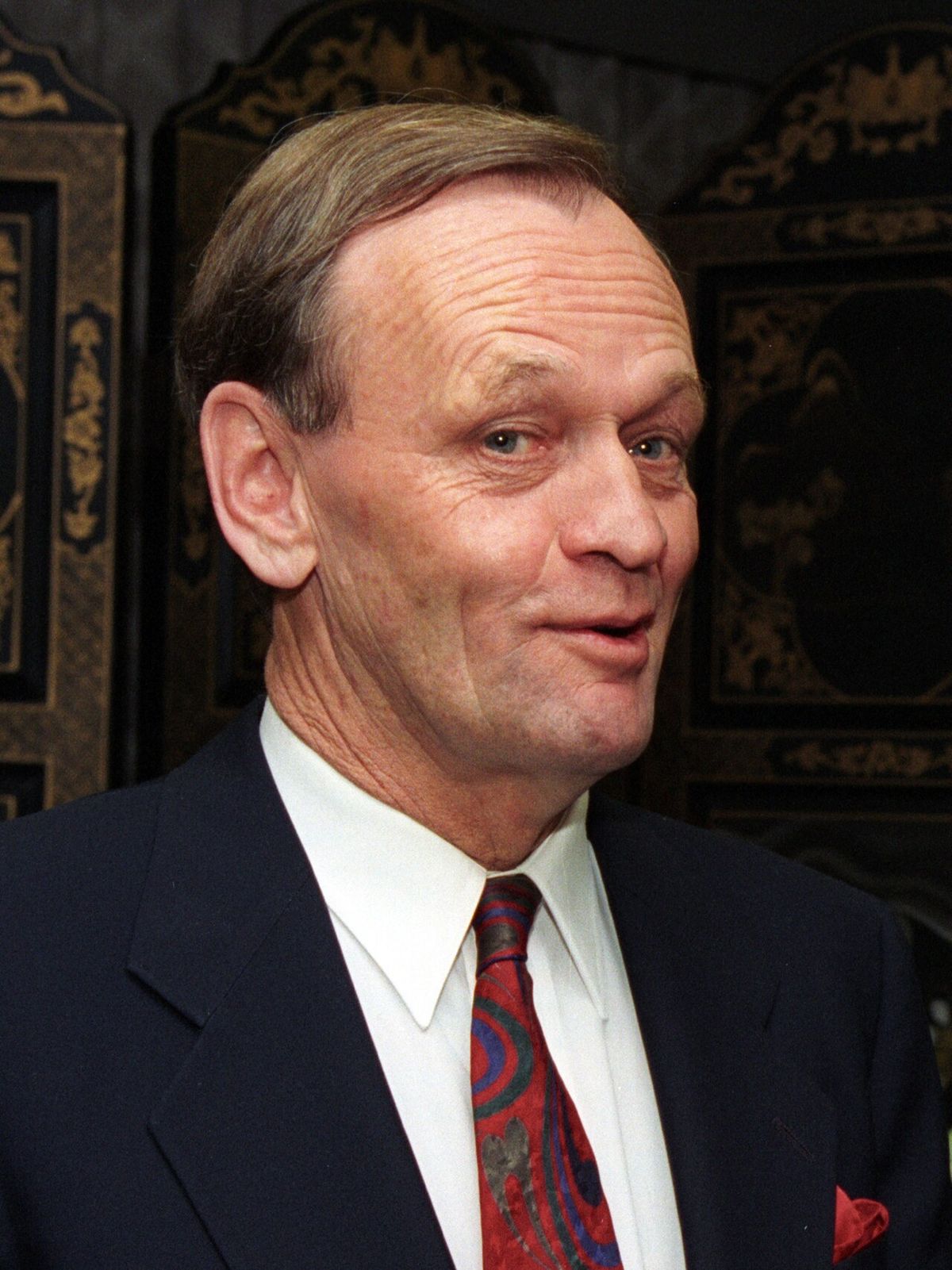
The Canadian government's involvement with the F-35 program began in 1997 under Prime Minister Jean Chrétien's Liberal government. The Department of National Defence committed US$10 million to join the Concept Demonstration phase of the Joint Strike Fighter program, making Canada an informed partner. In 2002, Canada elected to become a level-three partner in the project alongside nations like Norway, Denmark, Turkey, and Australia. This required an additional investment of US$100 million from DND and another US$50 million from Industry Canada over ten years for the System Development and Demonstration work. A significant milestone occurred in 2006 when Canada, along with the United States, the United Kingdom, and other allies, signed a memorandum of understanding for Production, Sustainment and Follow-on Development spanning 2007 to 2051, at an anticipated cost of over half a billion dollars to Canada.
The primary rationale for joining the program was economic, driven by a desire to ensure Canadian aerospace companies could compete for contracts within the massive JSF project. Former Assistant Deputy Minister Alan S. Williams stated that fears of being shut out from such a large program motivated the investment. By participating, Canadian firms gained access to leading-edge practices in composites, manufacturing, and logistics. The partnership also allowed the Canadian Forces to evaluate the F-35 as a future CF-18 replacement and ensured improved interoperability with major allies. The industrial benefits began materializing quickly, with 144 contracts awarded to Canadian companies, universities, and government facilities between 2002 and 2012, valued at US$490 million. The expected value of contracts from 2013 to 2023 was estimated at US$1.1 billion, and the total potential estimated value of Canada's involvement in the JSF project ranged from US$4.8 billion to US$6.8 billion.
The 2010 Announcement and Mounting Controversy
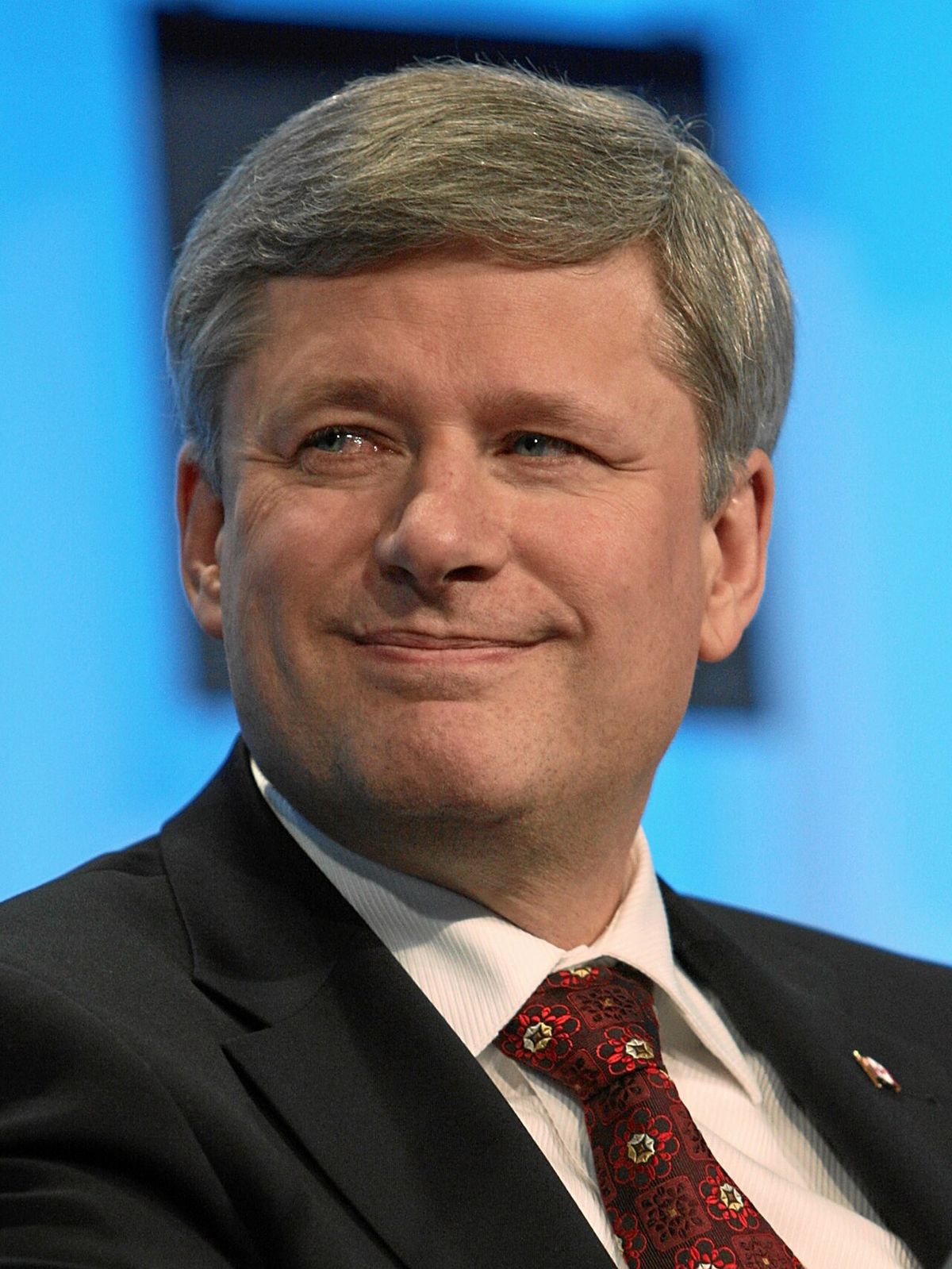
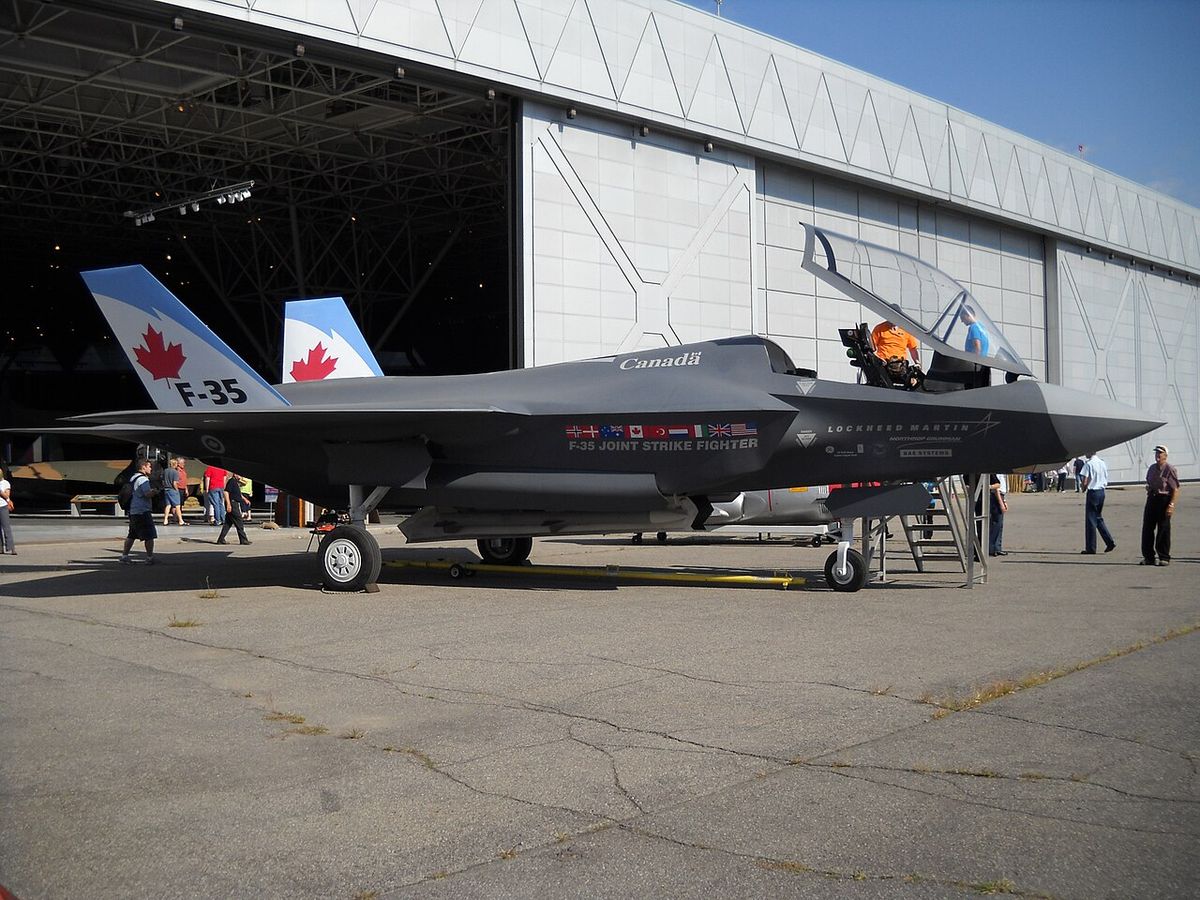
On 16 July 2010, Prime Minister Stephen Harper's Conservative government announced its intention to procure 65 F-35 aircraft to replace the RCAF's CF-18 Hornets. The government estimated the acquisition cost at $9 billion CAD and a total program cost including maintenance and ancillary expenses projected at $16 billion CAD. Deliveries were planned to begin in 2016. The announcement was immediately controversial because the government stated it would sign a sole-sourced, untendered contract with Lockheed Martin, bypassing a competitive process. This approach, combined with the government's refusal to provide detailed costing, became a major political issue. Defence Minister Peter MacKay initially told the House of Commons there would be an open competition before reversing this position six weeks later to confirm the sole-source purchase.
The lack of a competition drew fierce criticism from opposition parties, defence analysts, and former officials. Retired ADM Alan Williams testified before a parliamentary committee in October 2010 arguing that sole-sourcing left the process vulnerable to fraud and wasted taxpayer dollars. In October 2010, Auditor General of Canada Sheila Fraser identified systemic problems and indicated the F-35 may cost far more than the budgeted numbers. In November 2010, representatives of Boeing and Dassault Aviation formally complained before a parliamentary committee that their fighters were not considered. In December 2010, Eurofighter and Saab offered their fighters for less than the F-35's cost. The government's refusal to provide detailed costing became a major cause of a finding of contempt of Parliament. This contributed to the defeat of the Conservative government through a non-confidence vote on 25 March 2011. The F-35 purchase was a major issue in the 2011 federal election, which resulted in a Conservative majority government. In April 2012, with the release of a highly critical Auditor General report on the failures of the government's F-35 program, the procurement was labelled a national scandal by the media.
Political Reversals and the Launch of a Competition
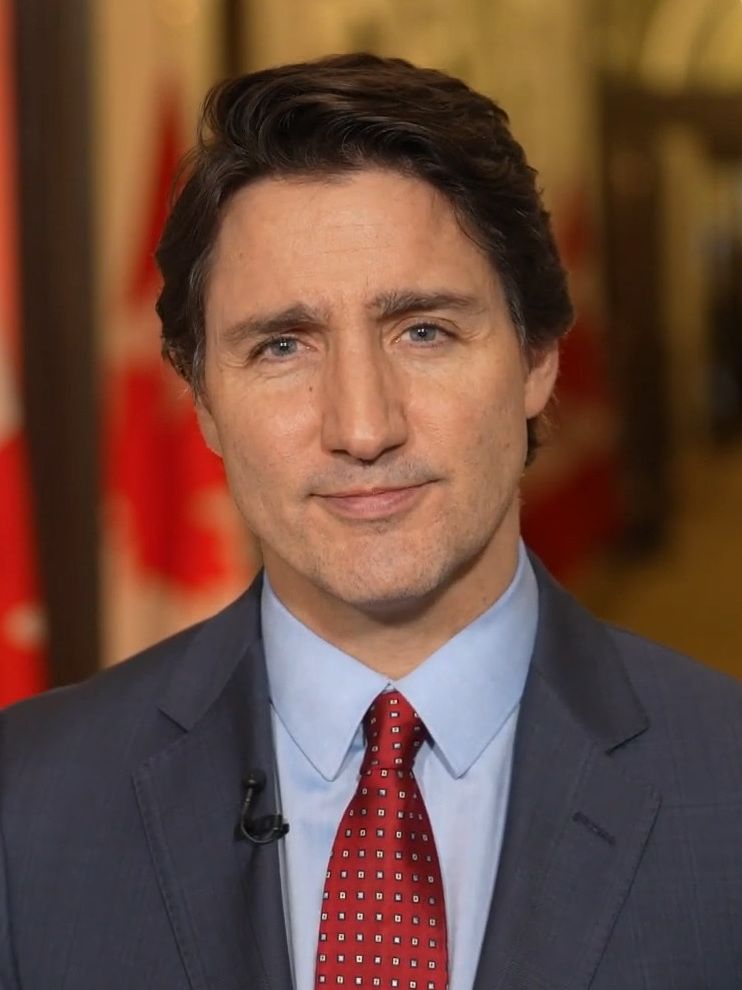
A major political shift occurred with the 2015 federal election. The Liberal Party under Justin Trudeau won a majority partly on a campaign promise to not buy the F-35 and instead opt for a lower-priced option through a competition. This led to the launch of a formal competition to select a new fighter known as the Future Fighter Capability Project. The competition, launched by the Trudeau government, included several aircraft types, including the F-35. After a multi-year evaluation process the government announced on 28 March 2022 that the competition had selected the F-35A as the winning aircraft. Negotiations with Lockheed Martin began for the purchase of 88 aircraft, a significant increase from the original plan for 65. By 20 December 2022 the Department of National Defence received approval to spend $7 billion on an initial batch of 16 F-35As and related equipment including training systems and support infrastructure. This decision marked a full-circle return to the F-35, but through a competitive process the government argued would ensure value and transparency.
Current Status and Industrial Benefits
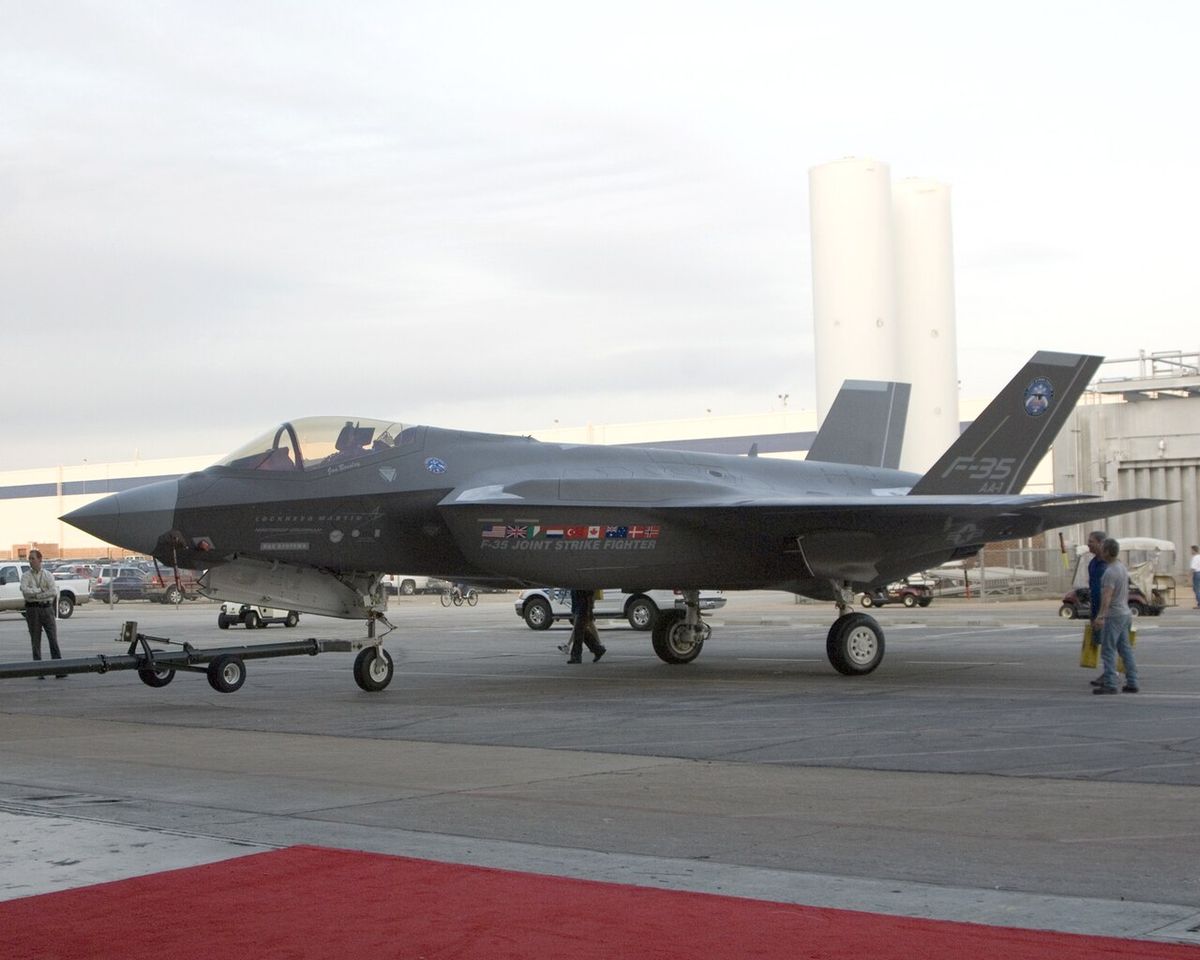
As of 2026, Canada is under contract for its F-35 fleet, with the first aircraft expected to be delivered that year. The total procurement is valued at approximately $19 billion CAD for 88 aircraft, with production and sustainment activities projected to continue through 2058 and expected to generate more than $15.5 billion CAD in economic value for Canada over its lifespan. Over 110 Canadian companies have contributed to the F-35 global supply chain. Each aircraft contains over $3.2 million CAD in Canadian-made components from suppliers in six provinces producing items like the horizontal tail in Winnipeg, engine sensors in Ottawa, and composite panels in Lunenburg, Nova Scotia. More than 30 Canadian firms are suppliers to Lockheed Martin's global F-35 assembly operations. Lockheed Martin Canada currently employs 1,000 Canadians across five locations, with employment continuing to grow.
Key industrial milestones and contributions include the following achievements by Canadian industry. Canadian firms secured contracts valued at US$490 million between 2002 and 2012. The expected value of contracts from 2013 to 2023 was estimated at US$1.1 billion. The total potential estimated value of Canada's involvement in the JSF project ranged from US$4.8 billion to US$6.8 billion. By 2013 the potential benefits to Canadian firms had risen to $9.9 billion. Since 2004, Lockheed Martin has delivered over $13.9 billion CAD in economic benefits under Canada's Industrial and Technological Benefits policy. The industrial partnership continues to be a point of negotiation, as the Canadian government seeks expanded commitments from Lockheed Martin for domestic jobs and sustainment work.
Strategic Rationale and Allied Interoperability
The Royal Canadian Air Force and successive governments have cited several strategic reasons for selecting the F-35. These include its status as a fifth-generation fighter with advanced stealth, sensors, supersonic speed, and networking capabilities. Military officials have argued that stealth technology is essential for pilot survivability in contested environments during expeditionary missions and provides an element of surprise when defending Canadian airspace. The F-35 is also the fighter of choice for Canada's closest allies including the United States, Denmark, and Norway who all plan to operate the aircraft in the Arctic region. This commonality ensures a high degree of interoperability for joint operations within the North American Aerospace Defense Command (NORAD) and NATO. Proponents including retired military officers state the F-35 provides the best value for money and the best platform to address Canada's security needs through to 2050. They emphasize that buying an aircraft at the beginning of its technological lifespan, with significant growth potential, is preferable to acquiring a platform nearing obsolescence.
Critics have argued that less expensive fourth generation fighters could meet Canada's needs. In December 2010, Eurofighter and Saab offered their fighters for less than the F-35's cost. Defence analyst Philippe Lagassé disagreed that stealth benefits domestic interception. The Government of Canada stated that the F-35's stealth was the best way to ensure pilots could safely complete future missions. Chief of the air staff, Lieutenant-General André Deschamps, stated that stealth adds survivability for foreign missions and the element of surprise in Canada's airspace.
Procurement Costs and Comparative Estimates
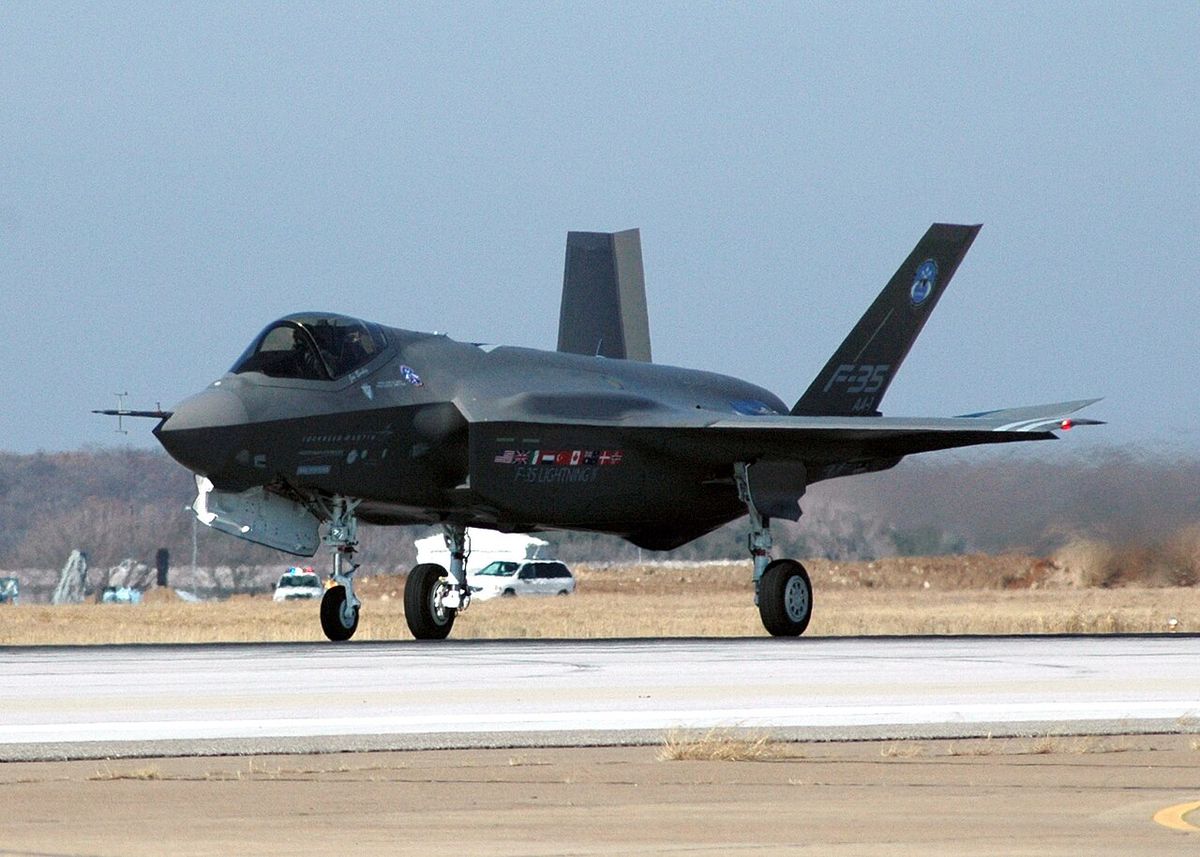
The cost of the F-35 program has been a source of considerable controversy in Canada since the government announced its intention to purchase the aircraft in 2010. Estimates have fluctuated dramatically over time, with the government initially stating a cost of C$9 billion for 65 aircraft in 2010 while the Parliamentary Budget Officer later estimated a total cost of C$29.3 billion over 30 years. This discrepancy became a major source of political conflict and was a key issue in the 2011 federal election. The controversy culminated in the Conservative government being found in contempt of Parliament in March 2011 over its refusal to disclose detailed costing information to the House of Commons.
| Date | Government/Announcement | Notes |
|---|---|---|
| July 2010 | Harper Government Announcement | Acquisition cost only. Total with ancillaries estimated at $16 billion. |
| 2012 | Auditor General Report | Found government cost estimates unreliable and incomplete. |
| December 2022 | Initial Approval | For first batch of 16 aircraft, including training, weapons, and infrastructure. |
| 2023 | Final Commitment | Total estimated contract value for full fleet of 88 aircraft. |
On 16 July 2010, the government announced plans to acquire 65 F-35s with an estimated $9 billion acquisition cost. Former Minister of National Defence Peter MacKay argued that ancillary cost estimates were grossly exaggerated because they included pilot salaries and fuel, which were never before factored into procurement costs. The auditor general later concluded that in the lead-up to this announcement, key steps were taken out of sequence and key decisions were made without required approvals. The auditor general also claimed ministers were not fully informed of the F-35 procurement rules. On 28 March 2022, the government announced negotiations would begin to purchase 88 F-35A aircraft. By 20 December 2022, the Department of National Defence received approval to spend $7 billion on 16 F-35As and related equipment.
Questions about Lockheed Martin F-35 Lightning II Canadian procurement
What are the industrial benefits for Canada from this deal?
As a result of Canada's involvement in the JSF project, 144 contracts were awarded to Canadian companies, universities, and government facilities between 2002 and 2012, valued at US$490 million. The expected value of contracts from 2013 to 2023 is US$1.1 billion. The total potential estimated value of Canada's involvement ranges from US$4.8 billion to US$6.8 billion. By 2013, the potential benefits to Canadian firms had risen to $9.9 billion. Since 2004, Lockheed Martin has delivered over $13.9 billion CAD in economic benefits under Canada's Industrial and Technological Benefits policy.
Has the cost of the F-35 program changed since it was first proposed?
Yes. In July 2010, the government announced plans to acquire 65 F-35s for an acquisition cost of C$9 billion. The Auditor General's 2012 report found these estimates unreliable. By 2022, the government approved spending $7 billion for an initial batch of just 16 aircraft. The final commitment for 88 aircraft is valued at approximately $19 billion CAD, a significant increase from the original projections.
Didn't the Liberal Party promise not to buy the F-35 in 2015?
Yes. During the 2015 election campaign, the Liberal Party under Justin Trudeau promised not to buy the F-35 and to select a lower-priced option through a competition. After winning, the government launched the Future Fighter Capability Project, a formal competition that included the F-35. On 28 March 2022, that competition selected the F-35A as the winning aircraft.
How does the F-35 enhance Canada's Arctic defence and NORAD role?
The government and military officials state the F-35's stealth technology provides an element of surprise for defending Canadian airspace and survivability for pilots on missions, particularly for foreign deployments. The aircraft is also the fighter of choice for key allies like the United States, Denmark, and Norway, who plan to operate it in the Arctic region. This commonality ensures a high degree of interoperability for joint continental defence operations within NORAD and allied missions within NATO. Officials like former Chief of the Air Staff Lieutenant-General André Deschamps have argued this stealth capability is the best way to ensure pilots can safely complete future missions.
How many F-35s is Canada buying and when will they arrive?
Canada is buying 88 F-35A aircraft. This decision was announced on 28 March 2022 after a formal competition. The first aircraft is expected to be delivered in 2026. By 20 December 2022, the Department of National Defence received approval to spend $7 billion on an initial batch of 16 F-35As and related equipment. The total contract value for the full fleet is approximately $19 billion.
Why did Canada choose the F-35 over other fighter jets?
Canada chose the F-35 after a formal competition concluded it was the only fifth-generation design that could meet the country's needs. The selection was based on its advanced stealth, sensor, and networking capabilities, which are deemed essential for future security. The aircraft also ensures interoperability with key NATO allies. Industrial benefits from Canada's long involvement in the Joint Strike Fighter program since 1997 were also a factor, with over 110 Canadian companies contributing to the supply chain.
Sources and further reading
- Lockheed Martin F-35 Lightning II Canadian procurement (Wikipedia)
- Canada (f35.com)
- Canada to push Lockheed for more F-35 jobs ahead of ... (flightglobal.com)
- Powering Canada's Aerospace Future: The F-35 Industrial ... (lockheedmartin.com)
- Lockheed Martin makes no promises on extras for F-35 ... (hilltimes.com)
Checked by the Nosy Mag desk. Last updated 2026-10-29.