Fixed election dates in Canada
Fixed election dates in Canada are statutory provisions that schedule general elections at regular intervals, typically every four years, at the federal, provincial, and territorial levels. These laws were introduced to provide electoral predictability and reduce the advantage a governing party holds in being able to call a snap election for short-term political gain. However, the legislation does not override the constitutional authority of the governor general or lieutenant governors to dissolve a legislature on the advice of the first minister, meaning early elections remain possible. The system creates a framework for planning but does not guarantee that elections will always occur on the prescribed date.
Legal and constitutional framework
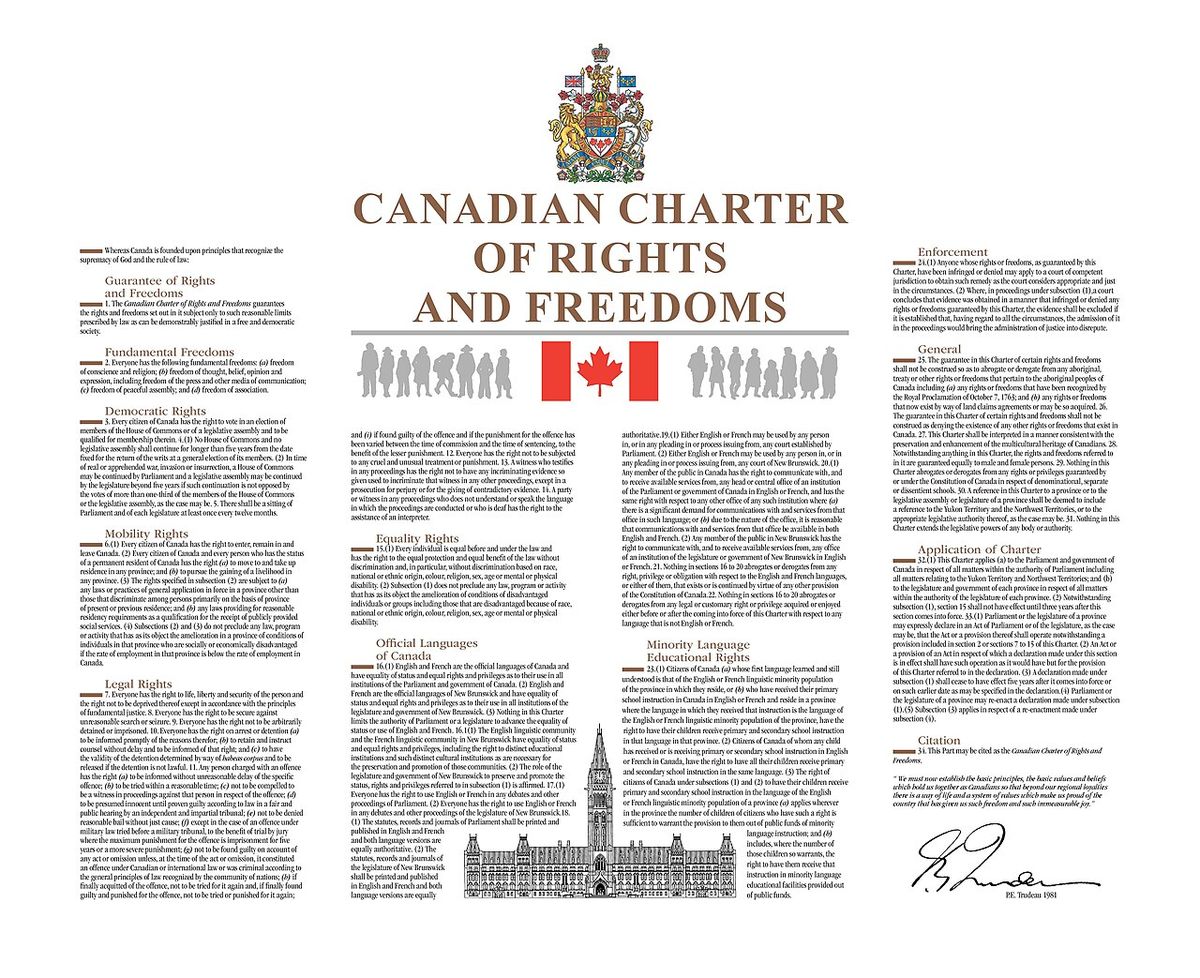
The legal foundation for fixed election dates in Canada exists alongside, but does not supersede, core constitutional principles. Section 50 of the Constitution Act, 1867, and section 4 of the Canadian Charter of Rights and Freedoms impose a hard limit, stating no federal parliament or provincial legislative assembly may continue for longer than five years from the return of the election writs. Fixed-date laws are ordinary statutes passed by simple majority in their respective legislatures, meaning they can be amended or repealed by another majority vote. They operate within this five-year ceiling, usually setting a four-year cycle. The Charter's notwithstanding clause cannot be used to bypass the five-year limit on a legislature's term. An exception to the limit exists for times of real or apprehended war, invasion, or insurrection, allowing an extension if opposed by no more than one third of the legislative members.
The constitutional conventions of responsible government are paramount. The power to dissolve a legislature and call an election remains a prerogative power exercised by the governor general at the federal level, and by lieutenant governors and commissioners in the provinces and territories, on the advice of the prime minister or premier. All fixed-date legislation includes explicit language preserving this discretionary power. Consequently, these laws primarily alter the default maximum duration of a parliament or legislature, not the executive's ability to seek an early dissolution. This legal reality was confirmed by the federal court in 2008, which dismissed a challenge to an early election call, stating the remedy lay with voters, not the judiciary.
Federal implementation and early tests
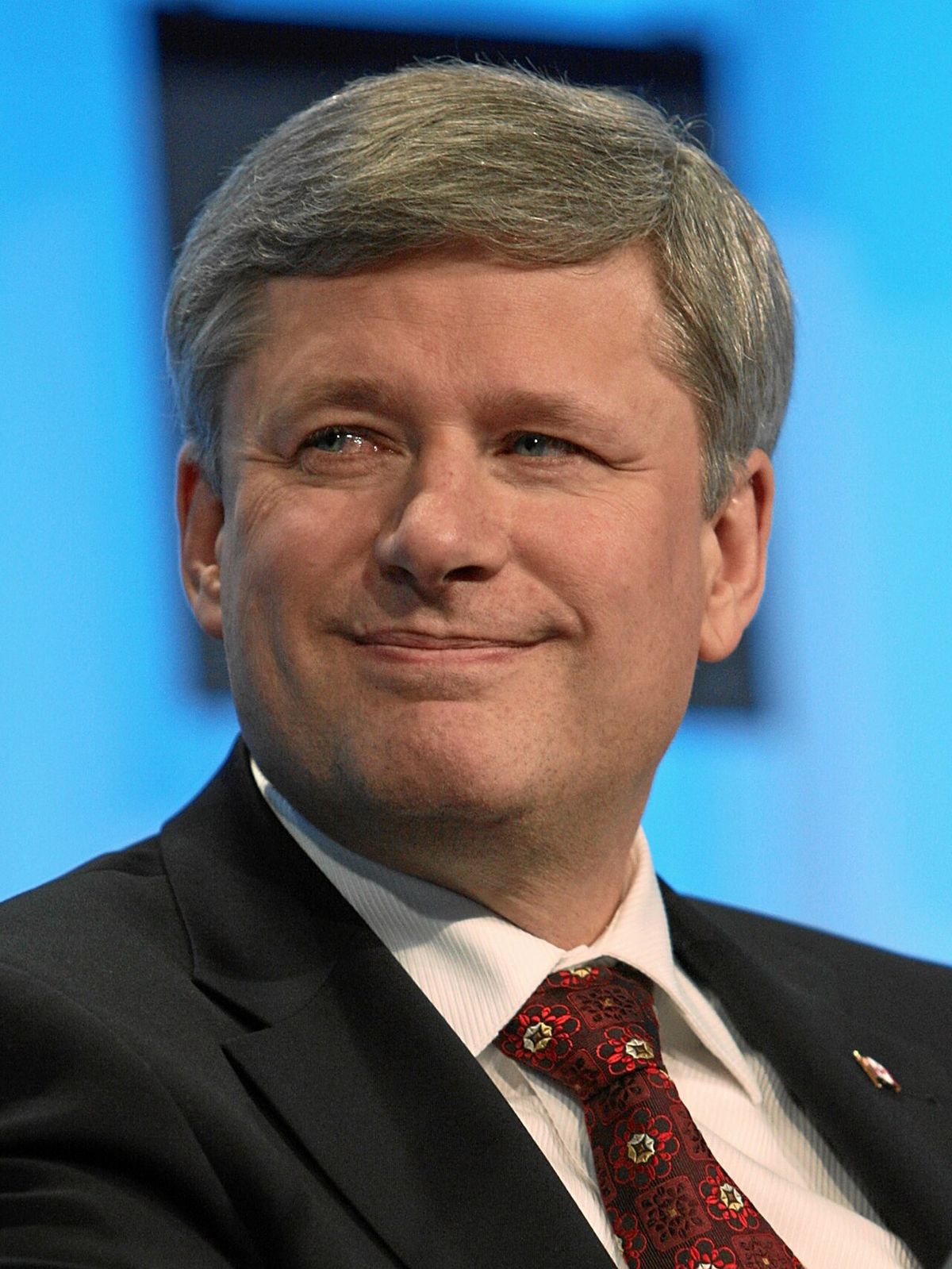
The federal fixed election date regime was established by An Act to Amend the Canada Elections Act, which received royal assent on May 3, 2007, under Prime Minister Stephen Harper's Conservative government. The law scheduled general elections for the third Monday in October in the fourth calendar year following the previous election, starting October 19, 2009. During the legislative process, the Senate, then dominated by the Liberal Party, added an amendment to allow date modifications to avoid clashes with religious holidays or other votes, but the House of Commons rejected it. Harper argued the change would prevent snap elections for political advantage and level the playing field for all parties. The enacted law, however, explicitly stated that nothing in it affected the governor general's powers to dissolve Parliament.
The limitations of the law were quickly demonstrated. Prime Minister Harper requested the dissolution of Parliament on September 7, 2008, leading to an election on October 14, 2008, nearly a full year before the first fixed date of October 19, 2009. The advocacy group Democracy Watch initiated a court challenge, arguing the early call violated the fixed-date law. The Federal Court dismissed the application in 2008, with Justice Michel M.J. Shore ruling the applicants misunderstood the separation of powers and that the ballot box, not the court, was the proper venue for such a dispute. This established that the dates were not legally binding on the prime minister. The subsequent 2011 election was also early, triggered by a vote of non-confidence on a contempt of Parliament motion. The 41st Parliament was the first to reach its maximum life under the revised law.
Provincial and territorial adoption
The adoption of fixed election dates across Canada's provinces and territories has been a staggered process, with each jurisdiction setting its own schedule and rules. British Columbia was the pioneer, amending its Constitution Act in 2001 to set elections for the second Tuesday in May every four years, a date later changed to the third Saturday of October in 2017. Newfoundland and Labrador followed in 2004, setting its election date for the second Tuesday in October. Most other provinces enacted legislation between 2005 and 2008. Nova Scotia was the last province to introduce such legislation, doing so after the 2021 election, but it repealed the law on March 26, 2025, before any fixed-date election could be held under it.
Territories adopted the practice later, with the Northwest Territories setting a date in 2007, Nunavut in 2014, and Yukon becoming the last jurisdiction in Canada to pass fixed election date legislation in December 2020. The specific dates and contingencies vary. Several provinces, including Manitoba, Quebec, and Saskatchewan, have provisions to postpone their fixed date if it would overlap with a scheduled federal election period, typically moving the vote to a date in the following April. Alberta has revised its fixed date multiple times, most recently in 2024 to set elections for the third Monday in October.
- British Columbia: First in Canada (2001). Current date: third Saturday in October.
- Ontario: Legislation was in effect from 2005 to 2025, when it was repealed by the Doug Ford government on November 27, 2025.
- Quebec: Legislation passed in 2013. First fixed-date election was October 1, 2018.
- Nova Scotia: Introduced and then repealed legislation (2021 to 2025) before holding a fixed-date election.
- Yukon: Last territory to adopt, with legislation passed in 2020.
- Alberta: Date changed in 2024 to the third Monday in October.
The table below illustrates the diversity of current fixed election dates across Canadian jurisdictions, based on legislation as of late 2025. For example, the federal law sets the date for the third Monday in October every four years, starting from October 19, 2009. In contrast, Alberta fixed its election date for the third Monday in October in 2024, while British Columbia holds its elections on the third Saturday of October. Other provinces like Saskatchewan and Manitoba also have October election dates, though on different Mondays, demonstrating the varied approaches within the national framework.
| Jurisdiction | Fixed Election Date |
|---|---|
| Federal | Third Monday in October |
| Alberta | Third Monday in October |
| British Columbia | Third Saturday in October |
| Manitoba | First Tuesday in October |
| New Brunswick | Third Monday in October |
| Newfoundland and Labrador | Second Tuesday in October |
| Northwest Territories | First Tuesday in October |
| Nunavut | Last Monday in October |
| Prince Edward Island | First Monday in October |
| Quebec | First Monday in October |
| Saskatchewan | Last Monday in October |
| Yukon | First Monday of November |
Municipal elections
Municipal governance falls under provincial and territorial jurisdiction, and all ten provinces and two of the three territories have established four-year terms of office for municipal officials with elections held on a fixed date. These municipal election dates are separate from provincial fixed dates. The Northwest Territories is the exception, where municipalities may have two or three-year terms. A key distinction at the municipal level is the absence of mechanisms for early dissolution. Unlike the federal and provincial systems, there is no procedure for a municipal council to call a snap election or be forced into one by a non-confidence vote. The next widespread cycle of general local elections across many provinces is scheduled for October 17, 2026. Administration is decentralized, with each local government responsible for running its own election, while provincial bodies like Elections BC oversee campaign financing and advertising rules for local contests.
Notable exceptions and early dissolutions
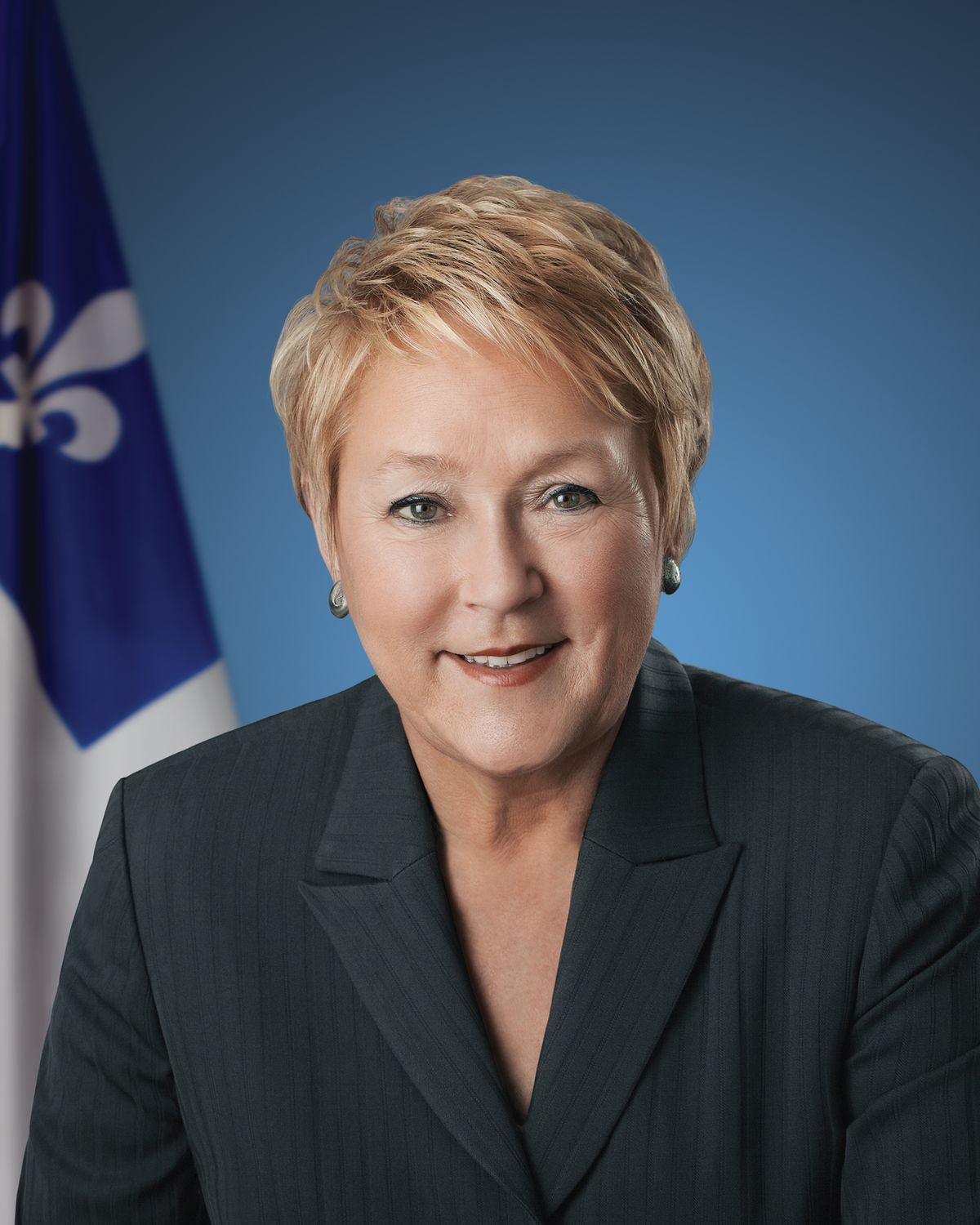
The history of fixed election dates in Canada is marked by several notable instances where elections were called before the scheduled date, demonstrating the non-binding nature of the laws. At the federal level, the 2008 and 2011 elections both occurred early, with the 2008 case leading to the definitive court challenge. In Quebec, the first election under its 2013 fixed-date law was scheduled for October 3, 2016, but Premier Pauline Marois requested dissolution of the minority government in March 2014, leading to an election in April of that year. The first Quebec election actually held on its fixed date was on October 1, 2018. In Ontario, the 2014 election was called early during a minority parliament, and the 2025 election was called early by Premier Doug Ford despite his majority government, preceding the government's repeal of the fixed-date law later in 2025.
In Nova Scotia, Premier Tim Houston's government passed fixed-date legislation after the 2021 election, setting the first fixed date for the third Tuesday of July. However, Houston called a snap election for November 26, 2024, and the legislature repealed the fixed-date law on March 26, 2025. In Alberta, the Election Amendment Act, 2011 provided for an election between March 1 and May 31, 2012, and subsequent elections in that three-month window. Amendments in 2021 fixed the date on the last Monday of May, and further amendments in 2024 set it for the third Monday in October. These events collectively show that fixed election dates serve as a default calendar rather than an immutable rule, with the ultimate timing often subject to political circumstances and the prerogative of first ministers.
Election timing and the electoral cycle
The establishment of fixed election dates has created a more predictable electoral cycle, particularly for administrative bodies like Elections Canada and its provincial counterparts. For federal fixed-date elections, the pre-election period defined in law begins on June 30 of the election year, triggering specific rules for advertising and spending. This allows for longer-term planning by electoral agencies, political parties, and third parties. The scheduled dates also influence the timing of by-elections, which are held to fill vacancies in legislatures and are not affected by fixed-date legislation. For example, a set of federal by-elections was held on August 31, 2026. Provincial election periods are similarly structured. In Quebec, for the 2026 fixed-date election, the writ must be issued by August 29, with the election period running from August 30 to election day on October 5, 2026.
The predictability of the cycle also shapes political financing and third-party advertising rules. Laws in provinces like Quebec strictly control election expenses during the official period to ensure financial fairness among candidates and limit the influence of money. Third parties, such as advocacy groups, face restrictions on spending to influence the vote but are generally permitted to express opinions if it involves minimal or no cost, such as through free social media posts. The fixed calendar allows these rules to be applied consistently and gives all participants a clearer timeframe for compliance, even if an early election call can compress the timeline unexpectedly. The control of expenses aims to ensure candidates and parties remain the primary focus during an election, with transparency provided through post-election financial reporting to bodies like Élections Québec.
Questions about Fixed election dates in Canada
Are fixed election dates in Canada legally binding?
No, fixed election dates are not legally binding on the prime minister or premiers. They are established by regular statutes, not constitutional amendments. The constitutional authority to dissolve a legislature and call an election remains with the governor general or lieutenant governor, who acts on the advice of the first minister. This means a governing party can still request an early election, as happened federally in 2008 and in several provinces. The Federal Court confirmed this in 2008, dismissing a legal challenge to an early election call.
Which province was first to have fixed election dates?
British Columbia was the first jurisdiction in Canada to adopt fixed election dates, amending its Constitution Act in 2001. The original legislation set elections for the second Tuesday in May every four years, starting in 2005. This date was later changed by amendments in 2017 to the third Saturday in October. BC's early adoption served as a model for other provinces and the federal government, which followed with its own legislation in 2007.
What is the next fixed federal election date?
The next federal general election is scheduled for the third Monday in October in the fourth calendar year following the 2025 election. Based on the fixed-date law, this would be October 15, 2029. This date assumes the parliament runs its full four-year term and is not dissolved earlier by the governor general on the advice of the prime minister. The five-year constitutional maximum term would extend to 2030 if the government chose to wait.
Can a fixed election date be changed or postponed?
Yes, fixed election dates can be changed by new legislation, as they are ordinary statutes. For example, Alberta changed its date in 2024, and Ontario repealed its law entirely on November 27, 2025. Several provincial laws include provisions to postpone the fixed date if it would overlap with a federal election period. In such cases, the provincial election is typically moved to a date in the following April. The date can also be effectively overridden by an early election call from the premier.
Do fixed election dates apply to municipal elections?
Yes, all provinces and two territories have fixed four-year terms for municipal elections, with dates set by provincial legislation. These municipal election dates are separate from provincial fixed dates. For instance, the next widespread general local elections in many provinces are scheduled for October 17, 2026. Unlike provincial systems, municipal councils cannot call early council-wide elections. The Northwest Territories differs, with municipal terms of two or three years.
What happened with fixed election dates in Nova Scotia?
Nova Scotia was the last province to introduce fixed election date legislation, doing so after the 2021 election under Premier Tim Houston. The law set the first fixed date for the third Tuesday of July. However, Houston called a snap election for November 26, 2024, before that first fixed date arrived. Subsequently, the Houston government repealed the fixed election date legislation on March 26, 2025, meaning Nova Scotia no longer has such a law.
Sources and further reading
- Fixed election dates in Canada (Wikipedia)
- 2026 provincial election: limited interventions for third ... (electionsquebec.qc.ca)
- 2026 General Local Elections (elections.bc.ca)
Checked by the Nosy Mag desk. Last updated 2026-10-24.