List of cities in Canada
Canadian cities form the primary administrative and population centres of the nation's provinces and territories, each governed by distinct incorporation criteria set by their respective provincial or territorial legislatures. The designation of a municipality as a city is a significant legal status that confers specific powers and responsibilities, though the population thresholds and processes for achieving this status vary widely across the country. This list encompasses all incorporated cities in Canada, providing a factual overview of their distribution and the unique rules that define them. Understanding these municipal structures is essential for grasping the governance, demographics, and regional diversity of Canada.
Definition and Provincial Criteria
The legal designation of a city in Canada is not uniform and is determined by provincial or territorial legislation, not by the federal government. Each province establishes its own population thresholds and other requirements for a municipality to incorporate as or become a city. Once granted, city status is typically permanent, even if the population later falls below the initial requirement. This has led to situations like the City of Melville in Saskatchewan, which retains its status despite a population below 5,000, and the City of Greenwood in British Columbia, with a population of approximately 665. The criteria are designed to reflect a community's capacity for self-governance and the provision of urban services, though some eligible large towns choose not to apply for city status.
In Alberta, a community must generally have a population of at least 10,000, with a majority of buildings on parcels smaller than 1,850 square metres to qualify for city status. British Columbia sets its threshold at 5,000 people. Manitoba requires a population of 7,500 for a community to seek city status. Ontario's process is application-based, where a municipality with over 10,000 people may request designation from the provincial Ministry of Municipal Affairs and Housing. Saskatchewan's Cities Act stipulates a population of 5,000, though historical exceptions exist. Quebec's system is distinct, as provincial law currently does not formally contain the designation of 'city', using 'ville' for all municipalities, though the term 'city' is used informally in English.
Key provincial incorporation thresholds vary across Canada. In Alberta, a community must have at least 10,000 people and a majority of buildings on parcels under 1,850 square metres to qualify as a city. For British Columbia, the population threshold for city status is 5,000 people. In Manitoba, a community may seek city status once it reaches a population of 7,500. Ontario confers city status upon request after a municipality surpasses 10,000 people, while Saskatchewan requires a town to have 5,000 people to incorporate as a city.
- Alberta: 10,000 population.
- British Columbia: 5,000 population.
- Manitoba: 7,500 population to apply.
- Ontario: 10,000 population to apply.
- Saskatchewan: 5,000 population (per The Cities Act).
These numerical benchmarks are central to municipal planning and identity. Notably, some significant urban centres like Ajax and Oakville in Ontario, with populations well over 100,000, remain officially designated as towns by choice. The three territories each have only one incorporated city, which serves as the territorial capital. The process shows the decentralized nature of Canadian municipal governance, where provincial priorities shape local administrative structures.
Regional Distribution of Cities
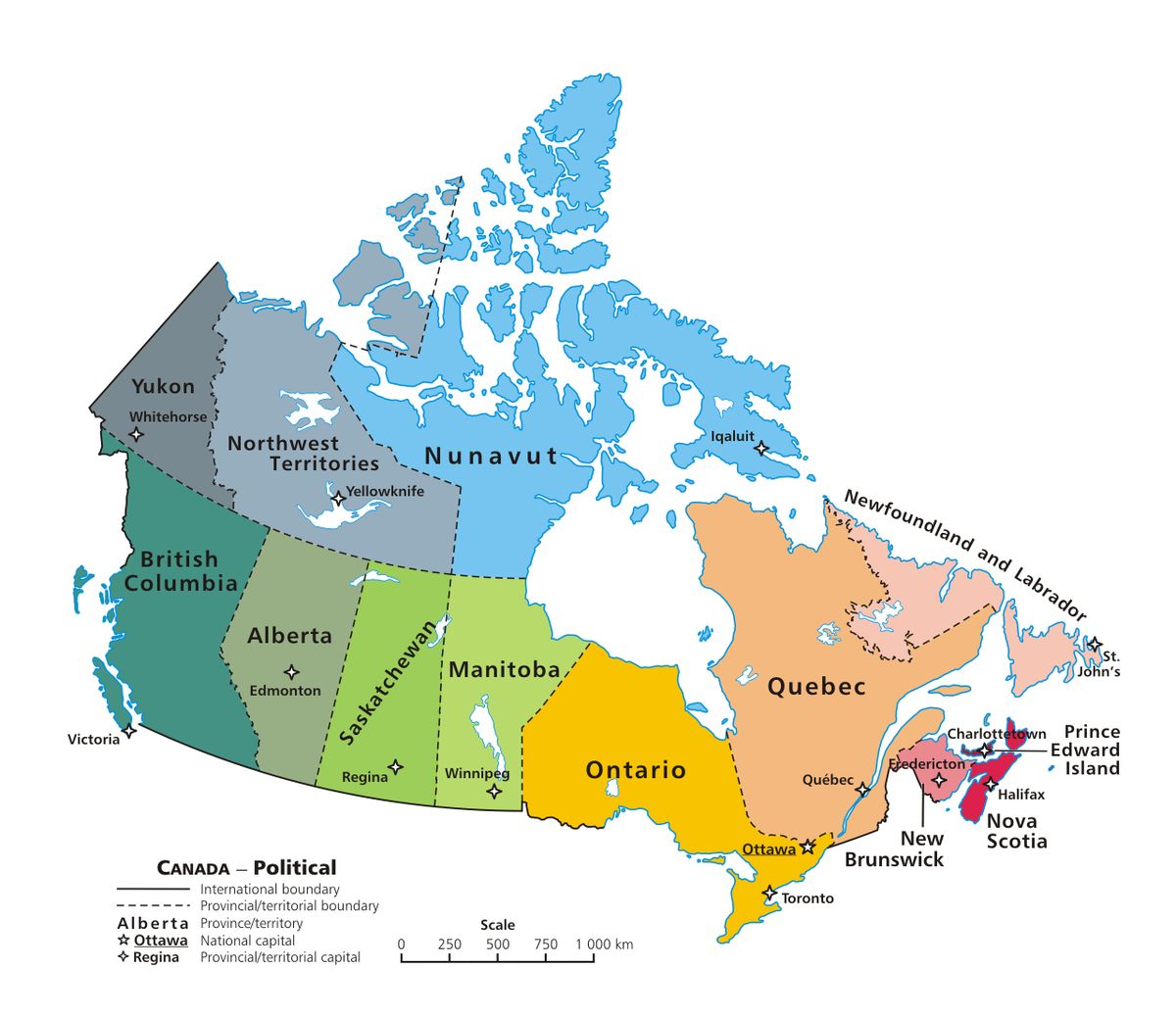
The number of incorporated cities varies dramatically across Canada, reflecting historical settlement patterns, population density, and provincial policy. Quebec has by far the greatest number, with 223 'villes'. Ontario follows with 52 cities, and British Columbia has 53. The prairie provinces of Alberta, Saskatchewan, and Manitoba have 19, 16, and 10 cities respectively. Atlantic Canada has fewer cities, with New Brunswick having eight, Newfoundland and Labrador three, and Prince Edward Island two. Nova Scotia is a unique case, as it no longer has any incorporated cities following municipal amalgamations in the 1990s, with former cities like Halifax and Sydney now part of regional municipalities.
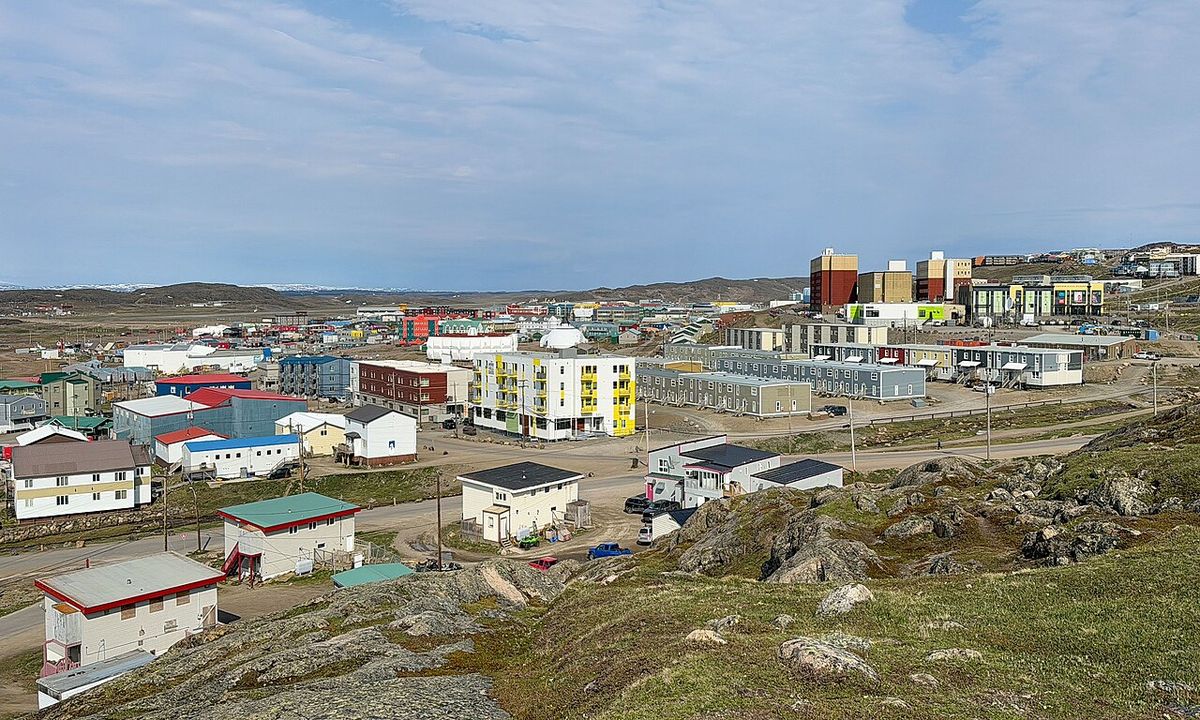
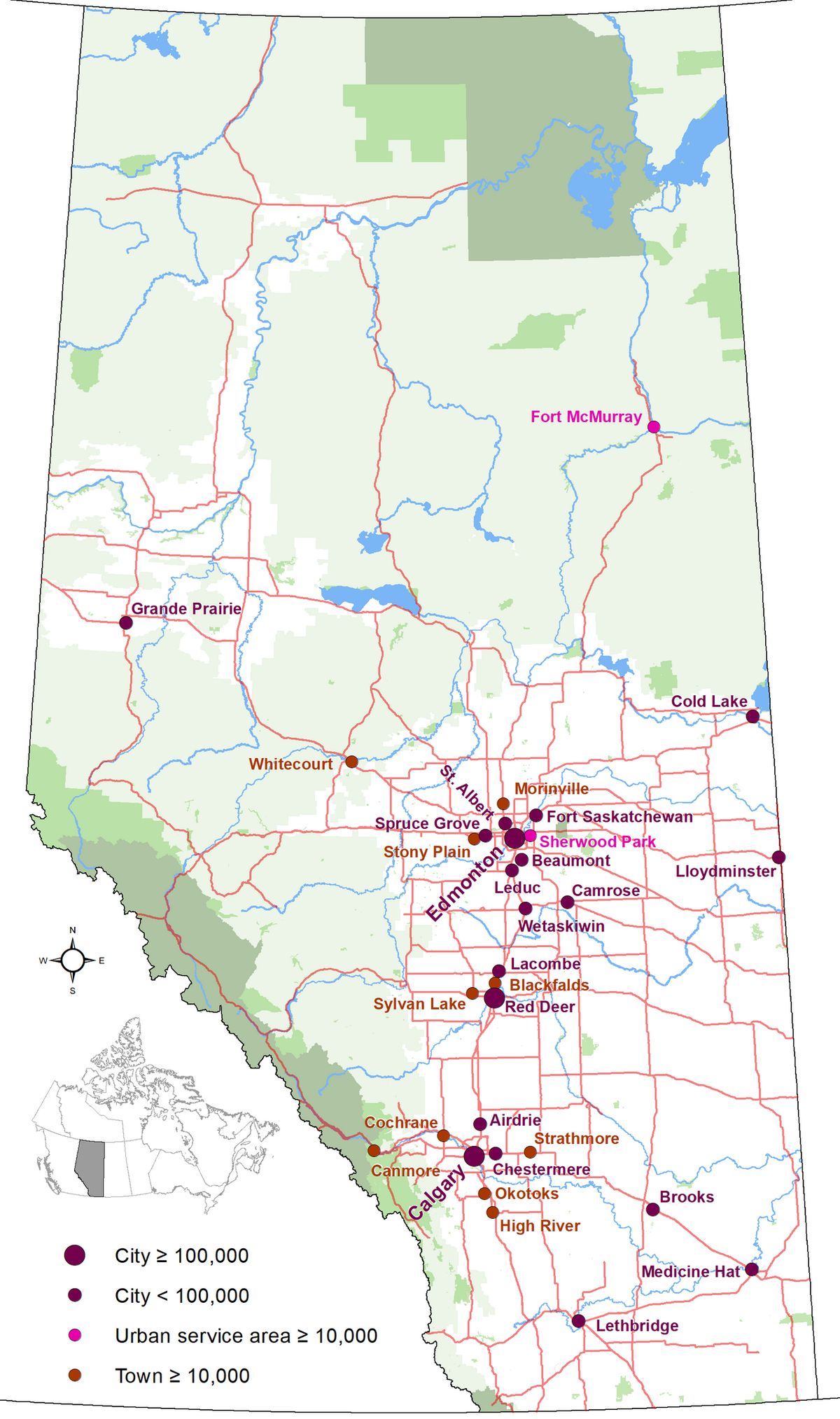
The three northern territories each contain only one incorporated city, which is also the territorial capital. Yellowknife is the city of the Northwest Territories, Iqaluit is the city of Nunavut, and Whitehorse is the city of Yukon. This reflects the smaller, more dispersed populations in Canada's north. In Alberta, notable urban service areas like Fort McMurray and Sherwood Park function as significant population centres but remain unincorporated as hamlets. The distribution highlights the concentration of Canada's urban infrastructure in the southern regions of the country, particularly within the Quebec City-Windsor Corridor and the Lower Mainland of British Columbia.
Notable Cities and Status Changes
Several cities in Canada hold notable positions due to their size, history, or unique status circumstances. The largest municipalities by population, such as Toronto, Montreal, and Vancouver, are all incorporated as cities. At the other end of the spectrum, Greenwood, British Columbia, is often cited as one of the smallest cities in Canada, with a population of approximately 665, demonstrating the permanence of the designation once granted. Richmond Hill, Ontario, became the province's newest city on March 25, 2019, after transitioning from a town. Beaumont, Alberta, incorporated as a city on January 1, 2019.
In Saskatchewan, the City of Melville is a notable example of a community retaining city status despite its population falling below the 5,000 threshold in the 1990s. The town of Kindersley has expressed interest in applying for city status upon reaching the 5,000 population milestone. Morden, Manitoba, became a city on August 24, 2012, and Warman, Saskatchewan, followed on October 24, 2012. In the territories, Dawson City, Yukon, was historically incorporated as a city but was reduced to town status in the 1980s after criteria changed, though it held the official title 'Town of the City of Dawson' until 2001.
Public Holidays in Canadian Cities (2026 Context)
While city governance is separate from holiday observance, statutory public holidays across Canada create a complex patchwork that employers and residents in every city must manage. These holidays are set at both the federal and provincial levels, meaning entitlement can differ depending on an employee's work location and whether their workplace is federally regulated. For the year 2026, several key dates illustrate this regional variation. New Year's Day is observed nationwide on Thursday, January 1, 2026. Good Friday is a widespread holiday on Friday, April 3, 2026, with Easter Monday on April 6, 2026, though Easter Monday is not a statutory holiday in all provinces, such as British Columbia.
Family Day presents a clear example of regional differences, falling on Monday, February 16, 2026, in provinces including Alberta, British Columbia, Ontario, Saskatchewan, and New Brunswick, but it is not observed nationwide. In Nova Scotia, the same date is observed as Nova Scotia Heritage Day. Quebec observes Saint-Jean-Baptiste Day on Wednesday, June 24, 2026. Canada Day is on Wednesday, July 1, 2026. The first Monday in August (August 3, 2026) is known by various names like Civic Holiday, British Columbia Day, New Brunswick Day, or Saskatchewan Day, depending on the province, and is not a statutory holiday in all jurisdictions. Remembrance Day on Wednesday, November 11, 2026, is a statutory holiday in some provinces like British Columbia but not in others like Ontario, where it is not a general public holiday for all workers.
Select 2026 statutory holiday dates include New Year's Day on Thursday, January 1. Good Friday is on Friday, April 3, and Easter Monday is on Monday, April 6. Victoria Day is on Monday, May 18. Canada Day is on Wednesday, July 1. The Civic Holiday, also known as B.C. Day or New Brunswick Day in some regions, is on Monday, August 3. Labour Day is on Monday, September 7. The National Day for Truth and Reconciliation is observed on Wednesday, September 30. Thanksgiving is on Monday, October 12. Remembrance Day is on Wednesday, November 11.
| Holiday | Date | Key Regional Notes |
|---|---|---|
| New Year's Day | Thu, Jan 1 | National holiday. |
| Family Day | Mon, Feb 16 | AB, BC, SK, ON, NB. NS observes Heritage Day. |
| Good Friday | Fri, Apr 3 | Widely observed. |
| Victoria Day | Mon, May 18 | Celebrated in most provinces. |
| Saint-Jean-Baptiste Day | Wed, Jun 24 | Quebec only. |
| Canada Day | Wed, Jul 1 | National holiday. |
| Civic Holiday / BC Day | Mon, Aug 3 | Not a statutory holiday in all provinces. |
| Labour Day | Mon, Sep 7 | National holiday. |
| National Day for Truth and Reconciliation | Wed, Sep 30 | For federally regulated workers. |
| Remembrance Day | Wed, Nov 11 | Statutory holiday in some provinces (e.g., BC) but not all (e.g., ON). |
The National Day for Truth and Reconciliation on September 30, 2026, is a holiday for federally regulated workers but is not a universal statutory holiday for all workers across Canada. Christmas Day in 2026 falls on a Friday, and Boxing Day follows on Saturday. When a holiday falls on a weekend, many jurisdictions provide a substitute weekday as the paid day off. Employers must check the specific substitution rules that apply to their workplace and jurisdiction. This complex system requires employers with a national workforce to verify the rules in each employee's province or territory of work. Provincial rules also govern eligibility for holiday pay and the substitution of holidays.
Municipal Governance and Distinctions
City status in Canada is one tier within a broader hierarchy of municipal classifications that includes towns, villages, rural municipalities, and regional municipalities. The powers and responsibilities of a city council are typically broader than those of a town, often encompassing more complex urban planning, transportation, and utility services. However, the specific powers are granted by provincial statutes, such as Alberta's Municipal Government Act or Ontario's Municipal Act. The mayor and council of a city are elected by local residents to make bylaws, set property tax rates, and administer local services like police, fire protection, parks, and roads.
The distinction between a city and a town is not always based solely on population, as cultural and historical factors can influence a community's choice to remain a town. In Nova Scotia, a major shift in governance occurred with the dissolution of standalone cities in favour of regional municipalities, such as the Halifax Regional Municipality and the Cape Breton Regional Municipality. This model consolidates services across a larger geographic area. In Quebec, all municipalities are 'villes' under the law, making the English distinction between city and town informal. Understanding these governance models is key to understanding how local services are delivered and funded in urban centres across the country.
Related Lists and Context
The list of incorporated cities is one of several important demographic and administrative lists for Canada. Related lists provide different lenses through which to view Canadian municipalities. The list of the largest municipalities in Canada by population includes cities, towns, and regional municipalities, offering a pure demographic ranking. The list of the largest cities and towns in Canada by area measures physical size, which can be distinct from population density. Historical lists, such as the list of cities and towns of Upper Canada, provide context for the development of urban centres in Ontario. Other lists capture cultural elements, such as the list of Canada city name etymologies, which explores the linguistic origins of place names, and the list of city nicknames and slogans.
For statistical purposes, the list of largest Canadian cities by census tracks population changes over time through official Statistics Canada data. Complementary lists exist for other municipal types, including the list of towns in Canada and the list of villages in Canada. Another related list is the list of the largest municipalities in Canada by population. Together, these resources form a comprehensive picture of human settlement and local governance in the country. They illustrate the diversity of communities from major metropolitan centres to small towns.
Questions about List of cities in Canada
What is the population required to become a city in Canada?
The required population varies by province. Common thresholds include 5,000 people in British Columbia and Saskatchewan, 7,500 in Manitoba, and 10,000 in Alberta and Ontario. However, these are not automatic triggers. In Ontario, for example, a municipality must apply for city status after surpassing 10,000 people, and the province must grant it. Once designated, a city typically retains its status even if the population later declines below the initial threshold.
Which Canadian province has the most cities?
Quebec has the most incorporated cities, with 223 'villes'. This reflects both its large population and its distinct municipal classification system where all municipalities are termed 'ville'. Following Quebec, British Columbia has 53 cities and Ontario has 52. The prairie and Atlantic provinces have significantly fewer, and the territories each have only one incorporated city, which is also the territorial capital.
Is there a city in every Canadian province and territory?
Every province and territory has at least one significant urban centre, but not all have incorporated cities. All three territories have one incorporated city each: Yellowknife, Iqaluit, and Whitehorse. Within the provinces, Nova Scotia is the exception, as it no longer has any incorporated cities. Its major urban centres, like Halifax and Sydney, are now part of larger regional municipalities. All other provinces have at least two incorporated cities.
What is the newest city in Canada?
In Ontario, Richmond Hill became a city on March 25, 2019. In Alberta, Beaumont incorporated as a city on January 1, 2019. Other relatively recent changes include Morden, Manitoba, becoming a city on August 24, 2012, and Warman, Saskatchewan, on October 24, 2012. The status of 'newest' is therefore time-bound and provincial.
How many cities are there in Canada?
This total is derived by adding the counts from each province and territory. Quebec has the largest number with 223 villes. British Columbia follows with 53 cities, and Ontario has 52 cities. The three territories each have only one incorporated city, which is their respective capital. Nova Scotia is a unique case as it no longer has any incorporated cities due to municipal amalgamations in the 1990s, where former cities became part of regional municipalities.
What is the smallest city in Canada?
The City of Greenwood in British Columbia is one of the smallest cities in Canada, with a population of just 665 people. It incorporated as a city when its population exceeded 5,000 and retains that status despite the significant decline. In Saskatchewan, the City of Melville also maintains its city status even though its population dropped below the 5,000 threshold in the 1990s. The criteria for city status vary by province, and once granted, it is typically not revoked due to population loss, which allows for these small cities to exist.
Sources: Wikipedia and current public reporting, checked by the Nosy Mag desk. Last updated 2026-10-27.