Elizabeth May
Elizabeth Evans May is a Canadian politician, environmentalist, lawyer, and author who has served as the Member of Parliament for Saanich, Gulf Islands since 2011. She is the leader of the Green Party of Canada, a position she first held from 2006 to 2019 and returned to in 2022. May is the longest-serving female leader of a federal party in Canadian history and the first Green Party candidate ever elected to the House of Commons. Her career has been defined by decades of environmental advocacy and parliamentary work.
Early Life and Immigration to Canada
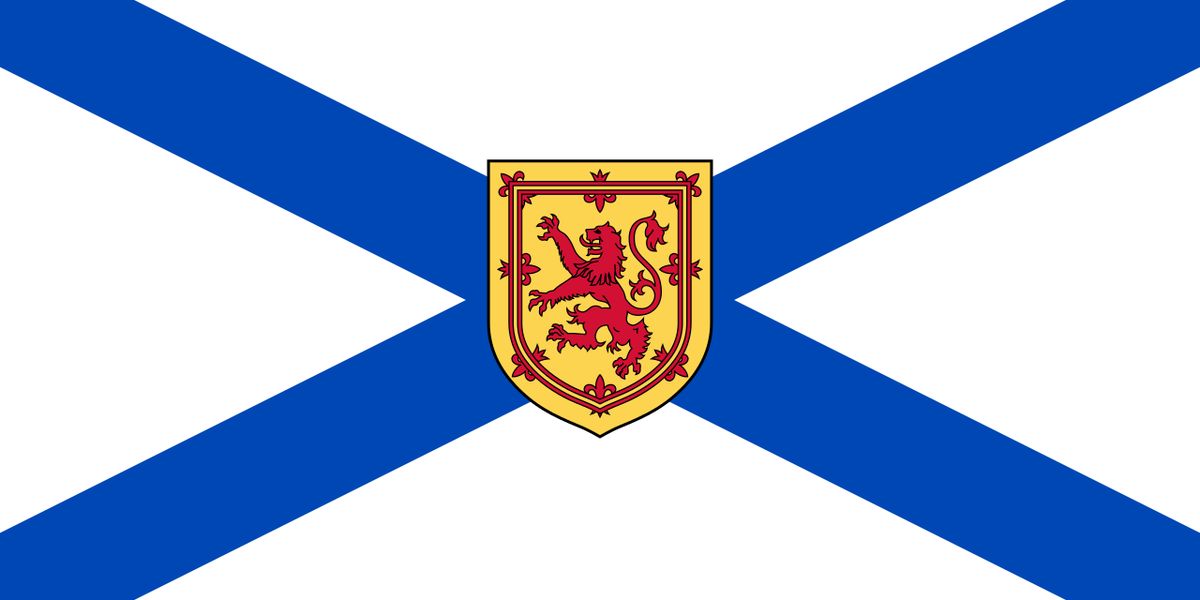
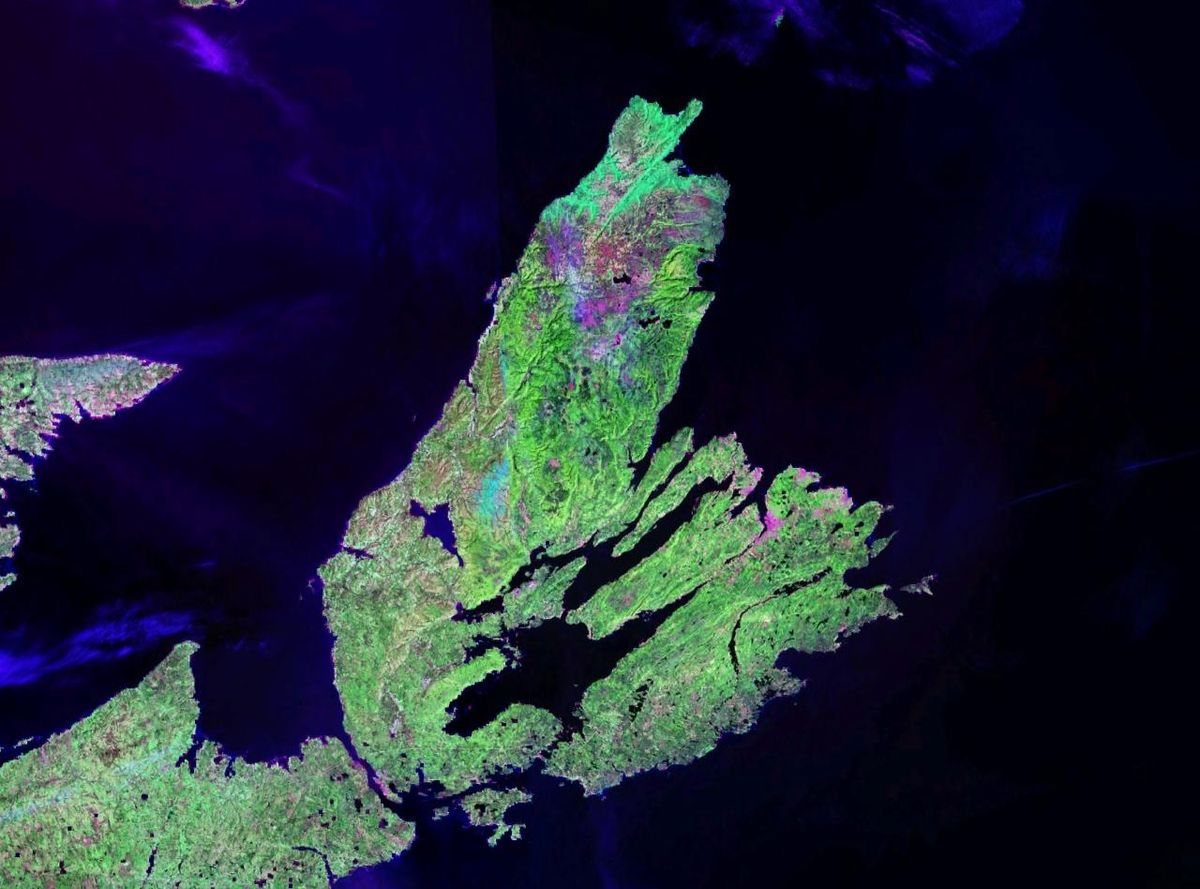
Elizabeth May was born on June 9, 1954, in Hartford, Connecticut, to parents John Middleton May, an accountant, and Stephanie Middleton, a sculptor, pianist, and writer. Her mother was also a prominent anti-nuclear activist. Her father was born in New York City and raised in England. In 1972, the family moved to Margaree Harbour on Cape Breton Island, Nova Scotia. There, they purchased and operated a converted schooner named the Marion Elizabeth as a gift shop and restaurant, a business the family ran until 2002. May formally became a Canadian citizen in 1978, which required her to relinquish her United States citizenship under the nationality laws of the time. She attended St. Francis Xavier University but dropped out. Returning to Margaree Harbour, May took correspondence courses in restaurant management. She later attended Dalhousie University in Halifax, graduating in 1983 with a law degree. May also studied theology at Saint Paul University but withdrew due to schedule conflicts.
Environmental Activism and Legal Foundation
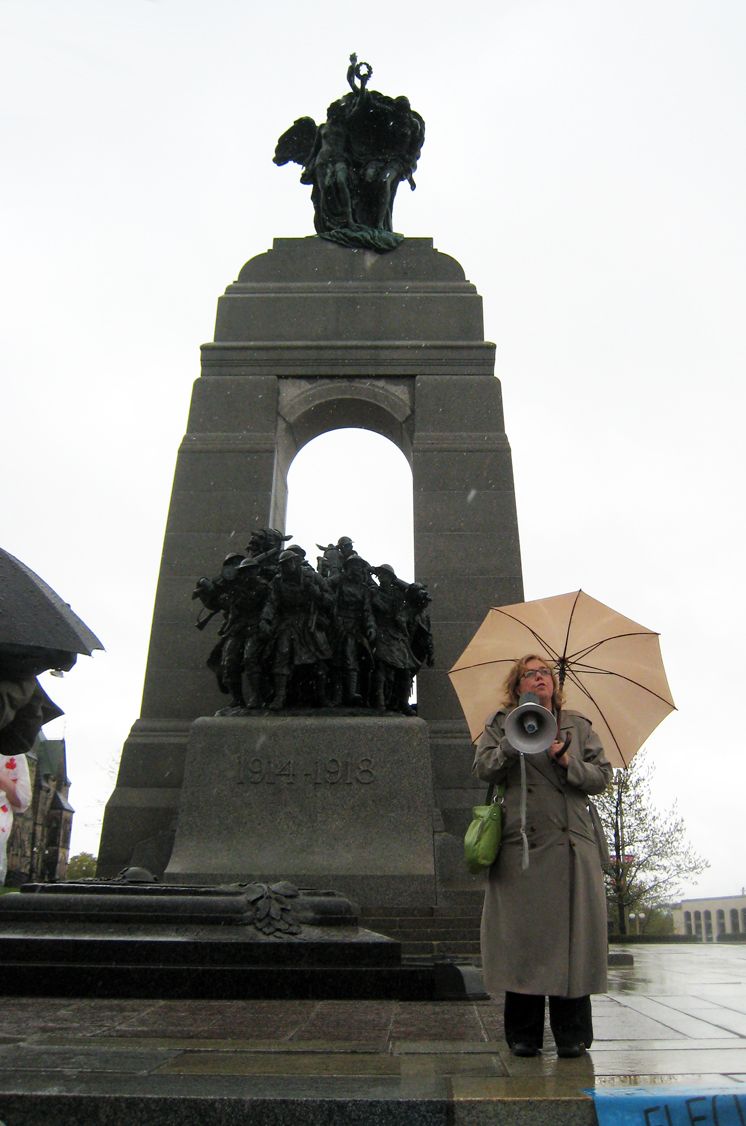
May first became known in the mid-1970s by leading a grassroots campaign that successfully stopped proposed aerial insecticide spraying in Nova Scotia. She later went to court to prevent herbicide spraying, winning a temporary injunction in 1982, but the case was lost after two years. Legal costs from litigation by Scott Paper forced her family to sacrifice their home and seventy acres of land. By the time the judge ruled the chemicals were safe, the export of 2,4,5-T from the U.S. had been banned. In 1980, she helped launch the Small Party, which ran 12 candidates in six provinces in the federal election. May ran in Cape Breton Highlands, Canso against former Deputy Prime Minister Allan J. MacEachen, placing last with 272 votes. After graduating from Dalhousie, she worked as an environmental lawyer in Halifax before moving to Ottawa in 1985 to work as Associate General Counsel at the Public Interest Advocacy Centre. In 1986, she was appointed Senior Policy Advisor to federal Environment Minister Thomas McMillan. In this role, she was involved in negotiating the Montreal Protocol and the creation of several national parks, including South Moresby. She resigned in 1988 after permits were granted for the Rafferty-Alameda Dams without a proper environmental assessment, a decision later struck down by the Federal Court. May helped found the Canadian Environmental Defence Fund and served as the first volunteer executive director of Cultural Survival Canada from 1989 to 1992. She worked for the Algonquian of Barriere Lake from 1991 to 1992. She has taught courses at Queen's University School of Policy Studies and was the inaugural holder of the Elizabeth May Chair in Women's Health and Environment at Dalhousie University in 1998.
Leadership of the Sierra Club of Canada
In 1989, Elizabeth May became the founding executive director of the Sierra Club of Canada. During her seventeen-year tenure, she built the organization into a national force. Her awards during this period include the International Conservation Award from the Friends of Nature in 1985, the United Nations Global 500 Award in 1990, and the award for Outstanding Leadership in Environmental Education by the Ontario Society for Environmental Education in 1996. In November 2005, she was appointed an Officer of the Order of Canada. She announced her resignation from the Sierra Club in April 2006, with the board president noting she had led the club from its infancy.
Green Party Leadership and Path to Parliament
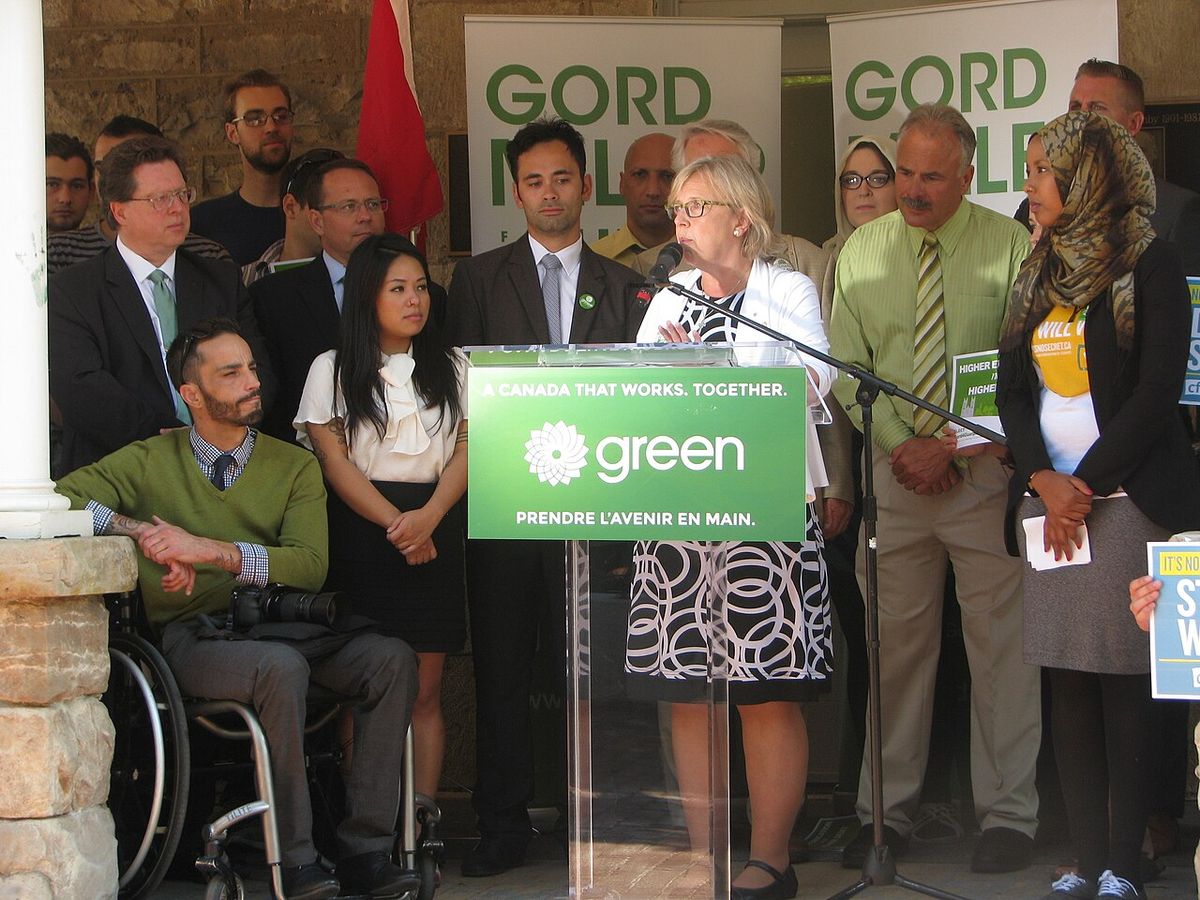
Elizabeth May entered the Green Party leadership race on May 9, 2006. She won on August 26, capturing 65.3 percent of the vote on the first ballot, defeating David Chernushenko and Jim Fannon. Her early platform included a pledge to renegotiate the North American Free Trade Agreement. She first sought a seat in a November 2006 byelection in London North Centre, finishing second to Liberal Glen Pearson, achieving the Green Party's best percentage result at that time. For the 2008 general election, she ran in Central Nova against Conservative Defence Minister Peter MacKay, following an agreement with Liberal leader Stéphane Dion. May was initially excluded from the televised leaders' debates but was later invited after public pressure. She received 32 percent of the vote in Central Nova, while the party's national popular vote was 6.8 percent. For the 2011 election, she shifted to the British Columbia riding of Saanich, Gulf Islands, challenging Conservative cabinet minister Gary Lunn. Despite again being excluded from the national debates by the broadcast consortium, she defeated Lunn. This victory made her the first Green Party member ever elected to the House of Commons. The party's national popular vote in that election was 4 percent.
Parliamentary Work and Legislative Achievements
As an MP, Elizabeth May tabled Private Member's Bill C-442 in 2012 to create a national framework for Lyme disease, citing its spread linked to climate change. The bill received royal assent on December 16, 2014, becoming the first piece of Green Party legislation ever enacted. Her colleagues voted her Parliamentarian of the Year in 2012, Hardest Working MP in 2013, and Best Orator in 2014 through Maclean's magazine awards. She was the first MP to critique Bill C-51, the Anti-terrorism Act, in February 2015, stating it was not fixable and should be repealed. She and fellow Green MP Bruce Hyer tabled sixty amendments to the bill, all rejected. In April 2015, she successfully had two amendments to Bill C-46, the Pipelines Safety Act, adopted. These were the first Green Party amendments to a government bill ever adopted. One amendment enabled Aboriginal governing bodies to be reimbursed for spill-related actions, and the other changed language to strengthen the polluter-pays principle. In December 2014, she presented a petition from 9/11 Truth organizations, stating it was an MP's obligation despite personal disagreement. In October 2015, Prime Minister-designate Justin Trudeau invited her to be part of the Canadian delegation to the United Nations Climate Change Conference in Paris. In 2016, she objected to Conservative MP Michelle Rempel using the word "fart" in the House of Commons.
- Tabling and passing Bill C-442 on Lyme disease (2014).
- Having two amendments to the Pipelines Safety Act adopted (2015).
- Being voted Parliamentarian of the Year (2012), Hardest Working MP (2013), and Best Orator (2014) by fellow MPs.
- Arrested on March 23, 2018, for civil contempt during a protest against the Kinder Morgan Trans Mountain pipeline expansion. Charged with criminal contempt, she pleaded guilty on May 28, 2018, and was fined $1,500.
- Part of the Canadian delegation to the 2015 United Nations Climate Change Conference in Paris.
- Has called for doubling Canada's greenhouse gas emission reduction targets to 60% from 2005 levels.

Second Leadership Tenure and the 2025 Election
Following the resignation of Annamie Paul after the 2021 election, May announced she would run again for the Green Party leadership. Running on a joint ticket with human rights activist Jonathan Pedneault, she won the leadership election on November 19, 2022, proposing a co-leadership model. As the party’s constitution did not formally recognize co-leadership, Pedneault served as deputy leader while they sought a constitutional amendment. The proposed change was not approved due to internal disagreement. Pedneault resigned as deputy leader on July 9, 2024, citing personal reasons. He returned in January 2025 to serve as co-leader pending a membership vote, which was approved on February 4, 2025. In the 2025 federal election, May won re-election in Saanich, Gulf Islands, but the party failed to elect any other MPs, making her its sole representative. On August 19, 2025, she announced her intention to resign as party leader and not lead the Greens into the next election. She voted in favour of the 2025 federal budget, helping it pass, a decision she later stated she regretted.
Public Statements and Controversies
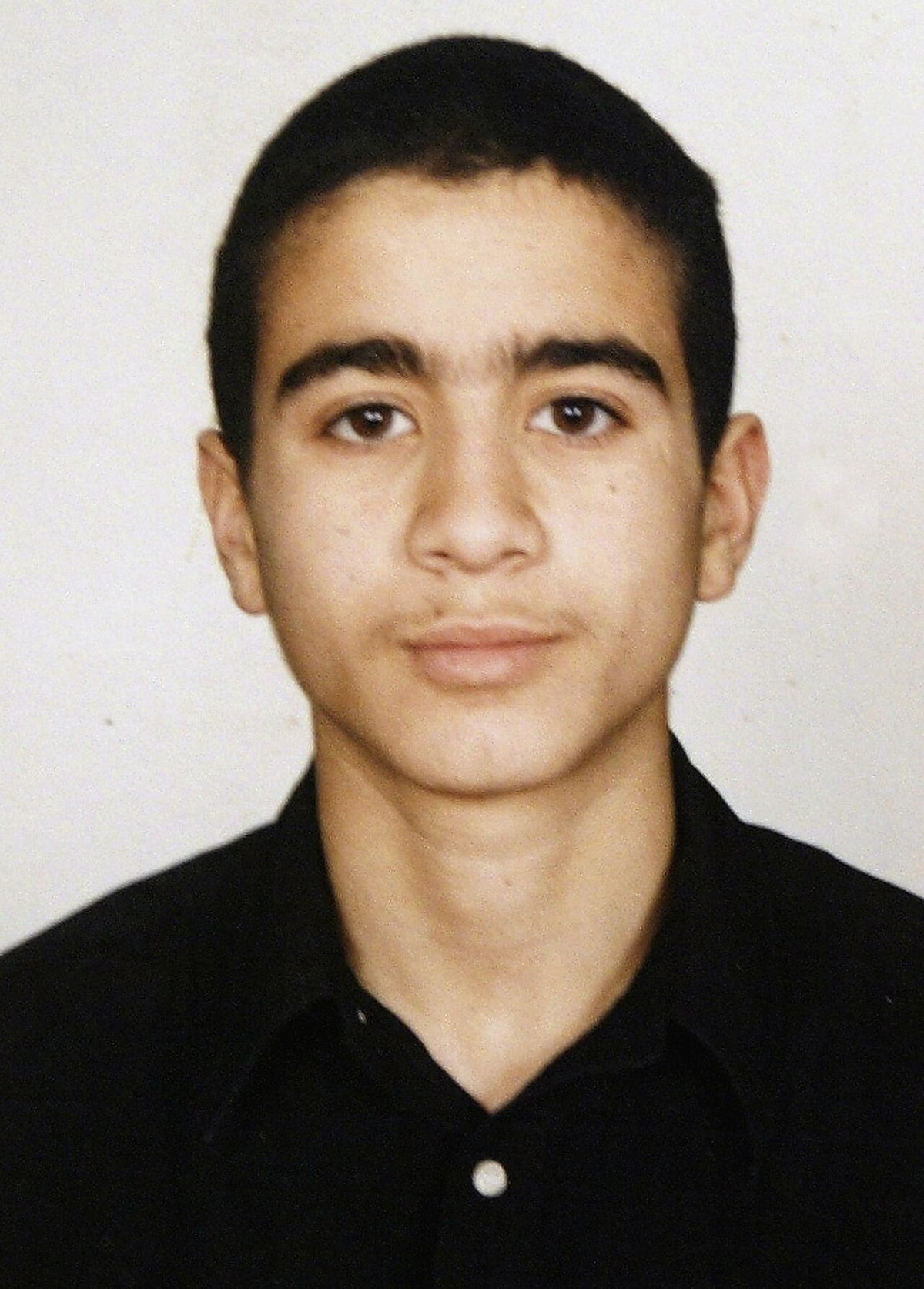
In 2006, during a visit to a convent in London, Ontario, May's comments on abortion were initially reported incompletely. She clarified that her full statement emphasized that making abortion illegal would lead to desperate women dying from unsafe procedures, and she was attempting to argue that a pro-life stance should support legal abortion. In a 2011 interview, she affirmed her support for reproductive choice. In 2007, she compared Prime Minister Stephen Harper's climate policies to Neville Chamberlain's appeasement of the Nazis, drawing criticism from the Canadian Jewish Congress. She noted she was referencing a similar analogy by journalist George Monbiot. In November 2011, she tweeted concerns that WiFi was a "possible human carcinogen" and might be related to the disappearance of pollinating insects. In June 2013, the party's platform was found to reference support for government-subsidized homeopathy, which May said was included by accident. In October 2014, she defended Jian Ghomeshi on Twitter but later stated she regretted it, saying she had not read the allegations of physical violence. At the 2015 Parliamentary Press Gallery dinner, she said "Welcome back, Omar Khadr" and added "You've got more class than the whole fucking cabinet," later blaming fatigue. In 2019, she stated the Green Party would not ban MPs from reopening the abortion debate, citing the party's policy against whipping votes, but later said any MP who did so would risk removal from caucus.
Personal Life and Honours
Elizabeth May has one daughter, Victoria Cate May Burton, with former partner Ian Burton. Her daughter was the Green candidate in Berthier, Maskinongé in 2015. May announced her engagement to John Kidder, brother of actress Margot Kidder, on November 27, 2018. They married on April 22, 2019, at Christ Church Cathedral in Victoria, British Columbia. May is a practising Anglican and has expressed interest in becoming ordained as an Anglican priest. She cites Jesus Christ as her personal hero for leading a non-violent revolution. At the time of the 2025 election, she lived in Sidney, British Columbia. Her honours and awards include the International Conservation Award (1985), the Commemorative Medal for the 125th Anniversary of the Confederation of Canada (1992), the Harkin Award from the Canadian Parks and Wilderness Society (2002), the Couchiching Award for Excellence in Public Policy (2006), and the Canadian Version of the Queen Elizabeth II Diamond Jubilee Medal (2012). She was named one of the world's most influential women by Newsweek magazine in 2010. She has received honorary doctorates from Mount Saint Vincent University (2000), the University of New Brunswick (2003), Mount Allison University (2007), and the Atlantic School of Theology (2015).
Questions about Elizabeth May
How long has Elizabeth May been the Green Party leader?
Elizabeth May's first term as leader lasted from August 2006 to November 2019. She returned to the leadership after winning an election on November 19, 2022. She announced on August 19, 2025, her intention to resign as leader. Her total tenure makes her the longest-serving female leader of a federal party in Canada.
What is Elizabeth May's riding and when was she first elected?
Elizabeth May represents the riding of Saanich, Gulf Islands in British Columbia. She first won this seat in the 2011 federal election, defeating Conservative cabinet minister Gary Lunn. This made her the first Green Party MP. She has been re-elected in every subsequent election, including in 2015, 2019, 2021, and 2025.
What is Elizabeth May's background before politics?
Before politics, May was an environmental lawyer and activist. She served as Senior Policy Advisor to the federal Environment Minister from 1986 to 1988, working on the Montreal Protocol. She was the founding executive director of the Sierra Club of Canada from 1989 to 2006. She also helped found the Canadian Environmental Defence Fund and worked with Indigenous communities.
What are some of Elizabeth May's key achievements as an MP?
Her Private Member's Bill C-442 on Lyme disease became law in 2014, the first Green Party bill enacted. She successfully amended the Pipelines Safety Act in 2015. She was voted Parliamentarian of the Year by her peers in 2012. She has been a persistent critic of security and environmental legislation. She has also served on the House of Commons Standing Committee on Environment and Sustainable Development.
Has Elizabeth May ever been arrested?
Yes, she was arrested on March 23, 2018, for civil contempt during a protest against the Kinder Morgan Trans Mountain pipeline expansion in British Columbia. The charges were escalated to criminal contempt of court. She pleaded guilty on May 28, 2018, and was sentenced to pay a $1,500 fine. Fellow MP Kennedy Stewart was also arrested in the same incident.
What awards has Elizabeth May received?
She was appointed an Officer of the Order of Canada in 2005 and received the United Nations Global 500 Award in 1990. Other awards include the International Conservation Award, the Harkin Award, and the Couchiching Award. She has received multiple honorary doctorates. In Parliament, she was voted Parliamentarian of the Year, Hardest Working MP, Best Orator, and Most Knowledgeable Parliamentarian in 2020.
Sources and further reading
- Elizabeth May (Wikipedia)
- Elizabeth May, Member of Parliament (ourcommons.ca)
- Elizabeth May on Health (openparliament.ca)
Checked by the Nosy Mag desk. Last updated 2026-10-25.