Odawa
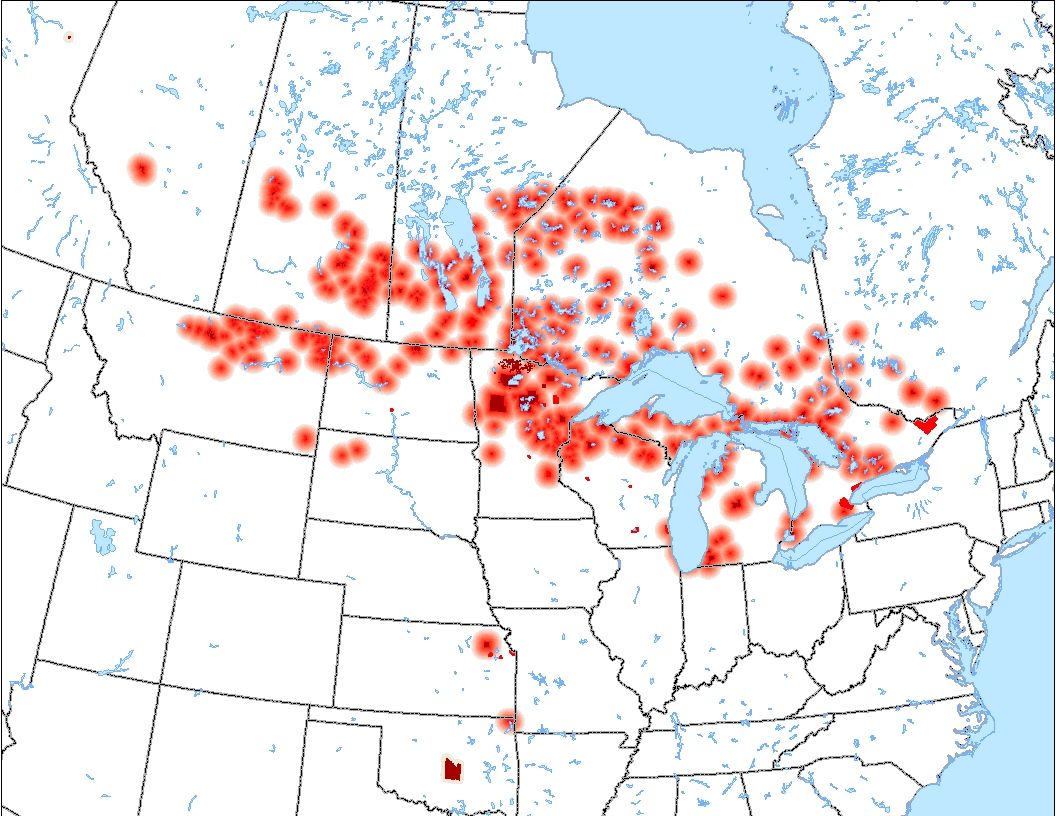
The Odawa, also historically referred to as the Ottawa, are an Indigenous North American people and one of the three original nations of the Anishinaabe confederacy known as the Council of Three Fires. Primarily inhabiting the Eastern Woodlands region, their traditional territory spans parts of present-day Ontario, Michigan, Wisconsin, and Ohio. The Odawa are historically renowned as skilled intertribal traders and were central participants in the North American fur trade with European colonists. Today, their communities are represented by federally recognized tribes in the United States and numerous First Nations bands in Canada, with a total population of approximately 15,000 people maintaining their distinct language and cultural practices.
Origins, Migration, and Archaeological Evidence
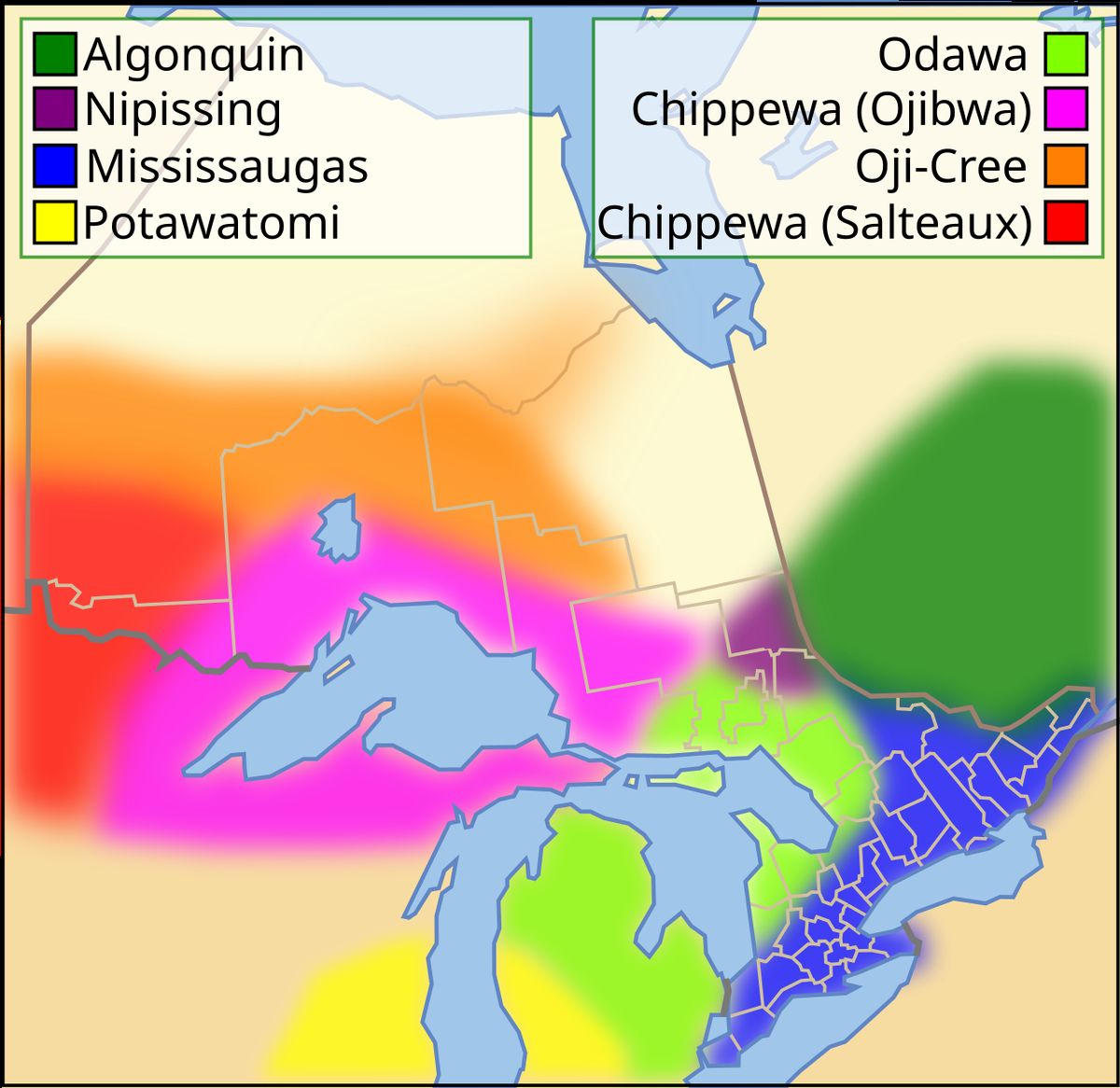
According to Anishinaabe oral tradition recorded in birch bark scrolls called Wiigwaasabak, the Odawa originated from the Dawnland region along the East Coast of North America, also known as Turtle Island. Directed by spiritual miigis beings described as luminescent, the Anishinaabe peoples moved inland along the Saint Lawrence River. At the Third Stopping Place near what is now the Straits of Mackinac, Michigan, the southern group of Anishinaabeg divided into the three distinct nations of the Ojibwe, Odawa, and Potawatomi. Archaeological evidence suggests the Odawa may have evolved from the Saugeen complex people, a Hopewell influenced group located on the Bruce Peninsula during the Middle Woodland period from about 200 BCE to 500 CE. The Hopewell tradition was a widely extended trading network, and some of these peoples constructed earthwork mounds for burials, a practice that ended around 250 CE, though the Saugeen mounds have not been excavated. The Odawa consider Manitoulin Island and the Bruce Peninsula in what is now Ontario as their original homeland, and by the time of early European contact in the 17th century, their territory also included areas around the northern shores of Lake Huron and had expanded westward along the Ottawa River.
Identity, Language, and the Source of a Name
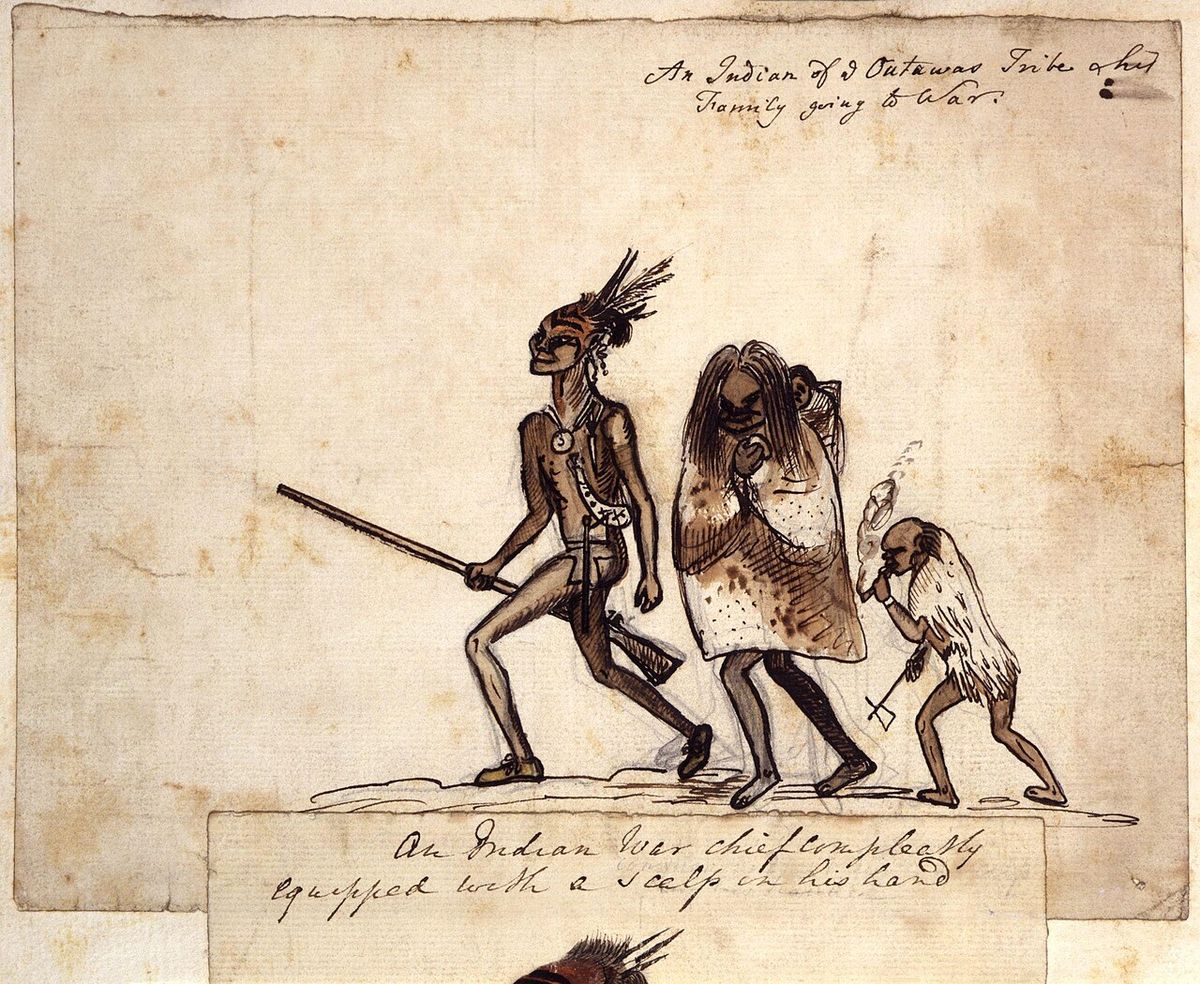
The name Odawa is derived from the Anishinaabe word 'adaawe', meaning 'to trade', which reflects their historical role as intertribal traders and barterers. Their neighbours applied this name because they were noted for dealing in cornmeal, sunflower oil, furs and skins, rugs and mats, tobacco, and medicinal roots and herbs. In their own language, the Odawa identified as Anishinaabe meaning 'people', but the exonym 'Wadaawewinini(wag)' or 'men who trade' was commonly used by others. The English transcription 'Ottawa' is the source for the names of the Ottawa River and the city of Ottawa, Ontario, though the Odawa homeland at contact was well to the west of this area. A recorded but disputed meaning comes from missionary Frederic Baraga, who transliterated a term as 'Watawawininiwok', meaning 'men of the bulrushes', though this is more appropriately associated with the Matàwackariniwak, an Algonquin band on the Ottawa River. The Odawa dialect, called Daawaamwin by its speakers, is part of the larger Ojibwe language group within the Algonquian family and is characterized by frequent syncope, a linguistic process where vowels are omitted. In the early 21st century, of an estimated 5,000 ethnic Odawa and an additional 10,000 people with some Odawa ancestry, only about 500 people in Ontario and Michigan speak the language, with three fluent speakers remaining in the Ottawa Tribe of Oklahoma.
The Council of Three Fires and the Fur Trade Economy
The Odawa were a central member of the long term alliance known as the Council of Three Fires, alongside the Ojibwe and Potawatomi. This confederacy collectively fought against the Haudenosaunee Confederacy to the east and the Dakota people to the west. With the arrival of Europeans, the Odawa became deeply enmeshed in the fur trade, acting as crucial intermediaries whose trade network defined many tribal names for Europeans. Due to this network, many interior nations became known by Odawa exonyms, such as Winnebago (from Wiinibiigoo) for the Ho-Chunk and Sioux (from Naadawensiw) for the Dakota. From the early days of New France, colonists in Quebec usually referred to any Algonquian speaker from the Great Lakes as an Odawa because of their trade importance. The most highly prized fur was beaver, but the trade also included deer, marten, raccoon, fox, otter, and muskrat. In exchange, the Odawa received European goods like hatchets, knives, kettles, traps, needles, fish hooks, cloth, blankets, jewelry, and later firearms and alcohol. Up to the time of French official Nicolas Perrot, the Odawa held a monopoly on all fur trade that came through Green Bay, Wisconsin, or Sault Ste. Marie, Michigan, and were known to exploit tribes without canoes by trading old iron and worn out goods for extravagant quantities of furs.
Wars, Strategic Alliances, and Key Conflicts
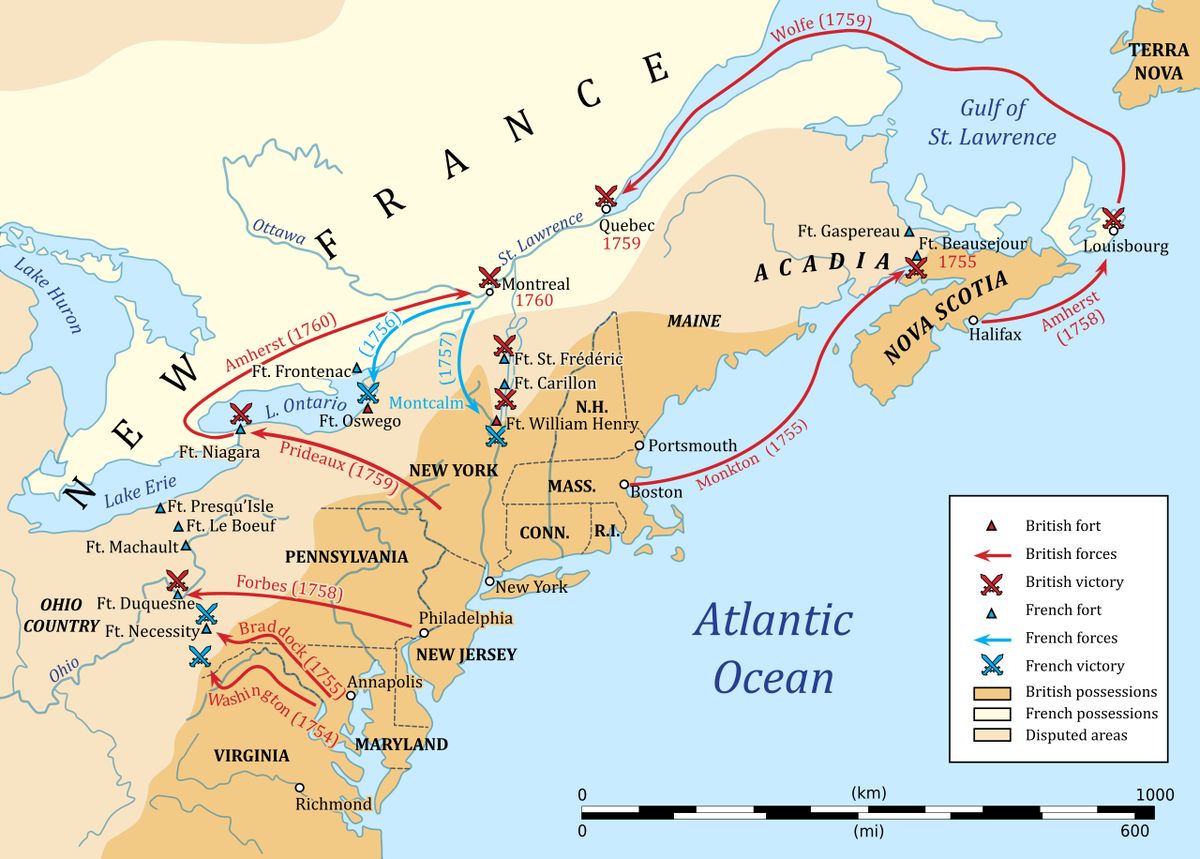
The Odawa had disputes and warfare with other tribes, particularly over the lucrative fur trade, including a war against the Mascouten. In the mid 17th century the Odawa allied with other Algonquian tribes around the Great Lakes against the powerful Mohawk and their Haudenosaunee allies in the Beaver Wars. The European introduction of guns disrupted the traditional balance of power, but by the mid 17th century, new infectious diseases caused more severe population loss than warfare. In 1701, the French built Fort Detroit, attracting many Odawa to move there from Manitoulin Island, along with Wyandot communities. Their area eventually extended into present day Ohio, where they settled along the Maumee, Auglaize, and Blanchard rivers. In the mid 18th century, the Odawa allied with their French trading partners against the British. A notable event was the 1752 raid on the Miami village of Pickawillany, led by Frenchman Charles Langlade with Odawa, Potawatomi, and Ojibwe warriors. The raid killed Miami chief Memeskia, who was boiled and eaten, captured English traders, and seized trade goods worth over $300,000 in today's currency, an action believed to have helped spark the French and Indian War.
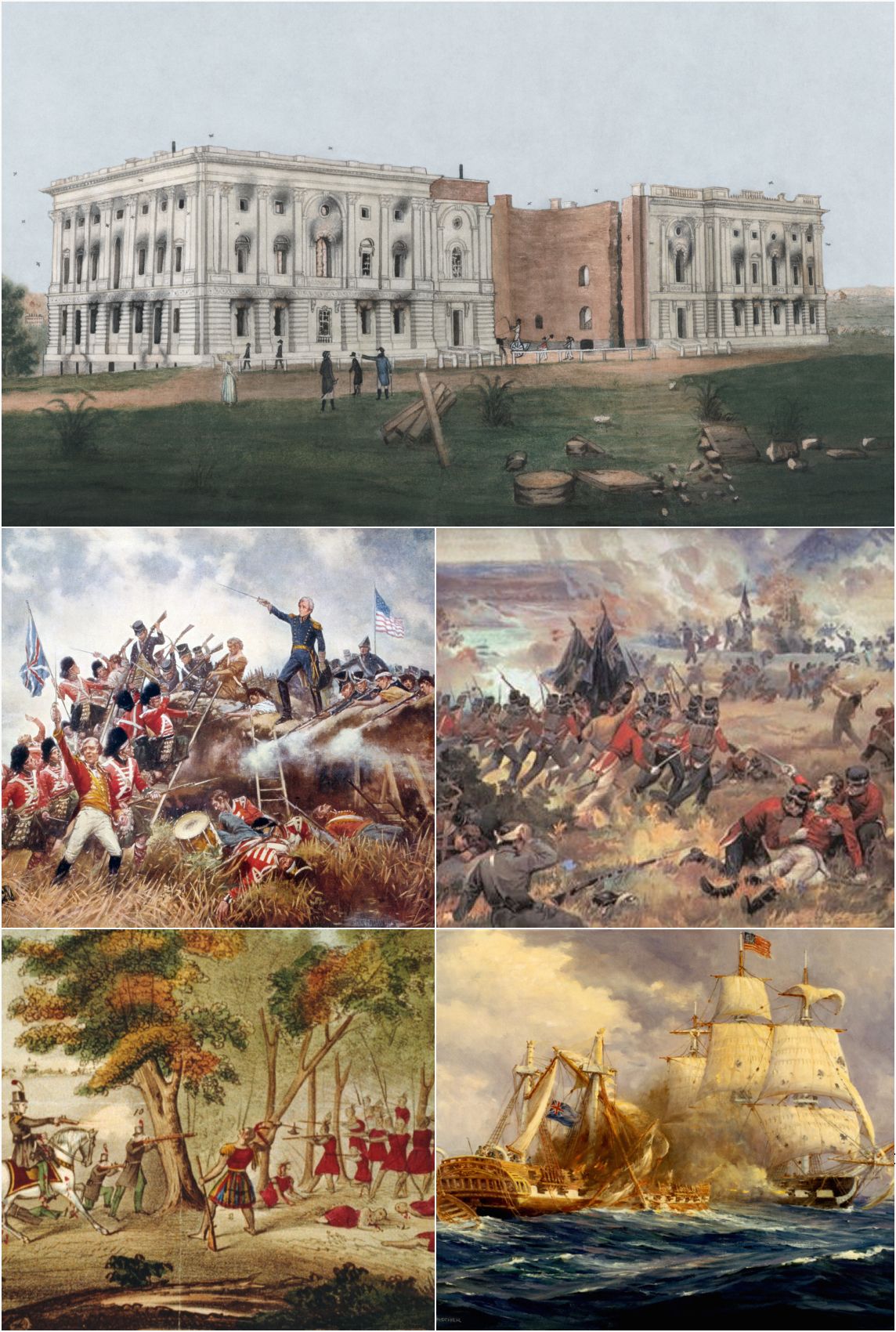
Following the British victory in 1763, Odawa chief Pontiac, reportedly born at the confluence of the Maumee and Auglaize rivers, led a major rebellion against British rule. Later, during the American Revolutionary War, Chief Egushawa, who had a village at the mouth of the Maumee River where Toledo later developed, led the Odawa as an ally of the British. In the 1790s, Egushawa joined a broad tribal confederacy including the Wyandot, Shawnee, Lenape, and Mingo to fight the United States in the Northwest Indian War. This conflict included the 1792 killing of American peace envoy Major Alexander Truman at Lower Tawa Town, an Ottawa village in Ohio. The war ended with the Indian confederacy's defeat at the Battle of Fallen Timbers in 1794 by General Anthony Wayne, who had built Fort Defiance, across the river from Pontiac's reported birthplace.
Treaty Era, Land Cessions, and Forced Removals
A series of treaties with the United States government dramatically reduced Odawa land holdings and led to forced removals. The 1795 Treaty of Greenville, following the Northwest Indian War, forced the Odawa and other Western Confederacy tribes to cede all of Ohio to the United States, except the northwest area controlled by the Detroit Odawa. In 1807, under the Treaty of Detroit, the Detroit Odawa joined with the Ojibwe, Potawatomi, and Wyandot to cede large portions of southeastern Michigan and a section of northwest Ohio near the Maumee River to the United States, represented by Michigan Territory governor William Hull. Many Odawa bands subsequently moved into northern Michigan, while others retained small pockets of land in the Maumee River territory at Roche de Boeuf and Wolf Rapids. Following the War of 1812, the Ohio Odawa ceded their remaining lands in 1817, accepting small reservations at Blanchard's Creek and the Little Auglaize River, totalling 34 square miles, for which they were paid annuities for ten years. After passage of the Indian Removal Act of 1830, the US government arranged for the Odawa to cede their reserves in 1831.
- 1830: The US Congress passes the Indian Removal Act.
- 1831: Under continued settler pressure, the Ohio Odawa cede their 1817 reserves.
- 1839: The last Odawa band, led by Ottokee, a grandson of chief Pontiac, removes from the mouth of the Maumee River in Ohio to Kansas.
- Key Removal Bands: The four Ohio bands removed were the Blanchard's Creek, Little Auglaize, Roche de Boeuf, and Wolf Rapids bands.
- Removal Destination: All were removed to areas in Kansas, then part of Indian Territory, with some later relocating to Oklahoma.

Modern Demographics and Community Structures
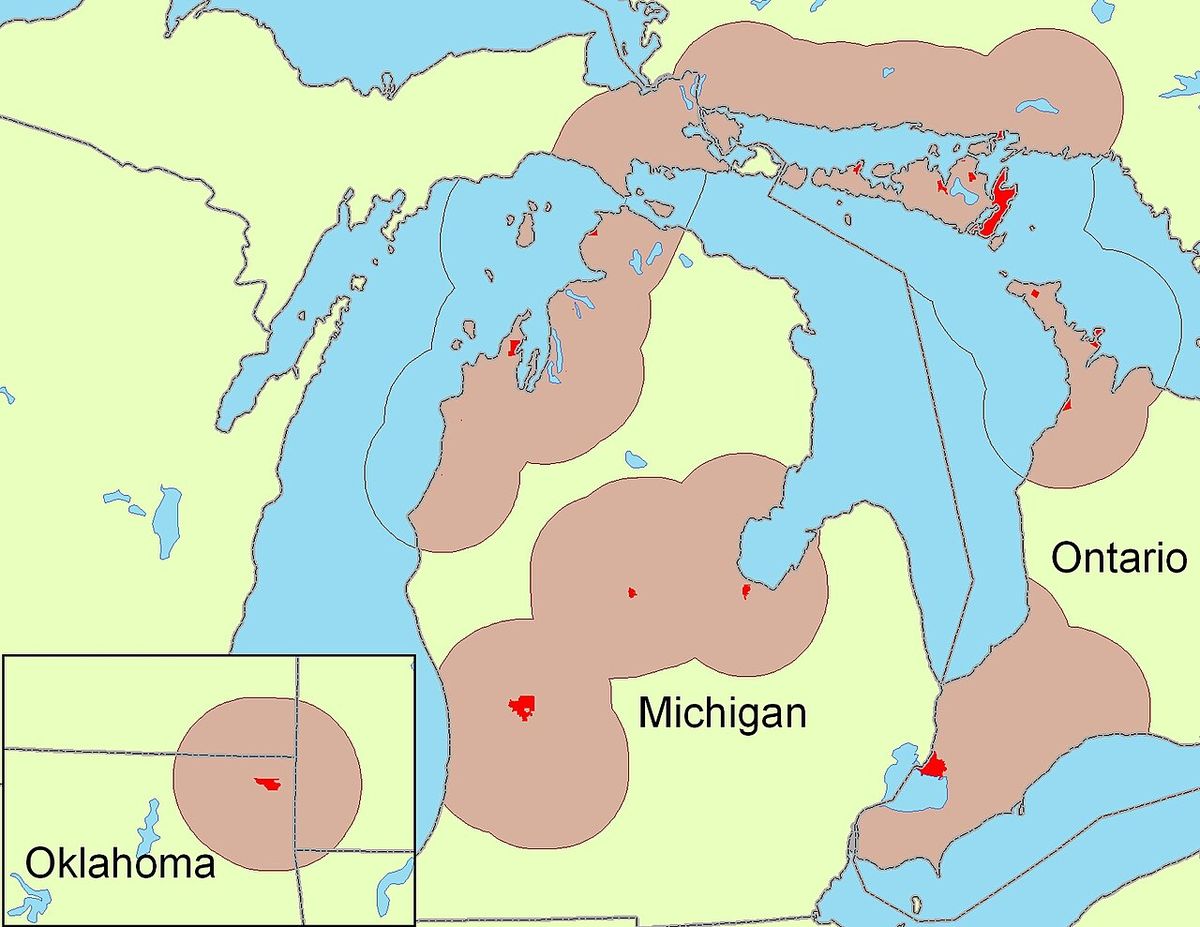
In the 21st century, Odawa people live in both Canada and the United States, with a total population of approximately 15,000. Community structures differ by country, with recognized First Nations bands in Canada and federally recognized tribes in the United States. Historical population estimates provide context for modern numbers, with a 1906 count showing 1,497 Ojibwe and Odawa on Manitoulin and Cockburn Island, about half being Odawa, and 5,587 scattered Ojibwe and Odawa in Michigan in 1900, with about two thirds Odawa. The Ottawa Tribe of Oklahoma, with about 4,700 enrolled members, represents descendants of those removed from Ohio in the 1830s. In Michigan, several bands maintain federal recognition and reservations, including the Little Traverse Bay Bands and the Grand Traverse Band of Ottawa and Chippewa Indians, the latter being the subject of a major two year anthropological study by Jane Willetts Ettawageshik. In Ontario, Odawa communities are represented by First Nations such as M'Chigeeng on Manitoulin Island. Anthropological work has helped preserve oral histories, with Ettawageshik's recorded stories translated by Howard Webkamigada and published as 'Ottawa Stories from the Springs'.
| Community / Jurisdiction | Approximate Population / Notes | Key Locations |
|---|---|---|
| Ottawa Tribe of Oklahoma | ~4,700 enrolled members (early 21st century) | Miami, Oklahoma |
| Odawa in Michigan (various bands) | Majority of ~10,000 US Odawa population | Grand Traverse, Little Traverse Bay, Little River Reservations |
| Odawa in Ontario, Canada | Several thousand | M'Chigeeng First Nation, Manitoulin Island |
| Total Odawa population | ~15,000 | Distributed across Ontario, Michigan, Oklahoma |
Historical Villages and Contemporary Settlements
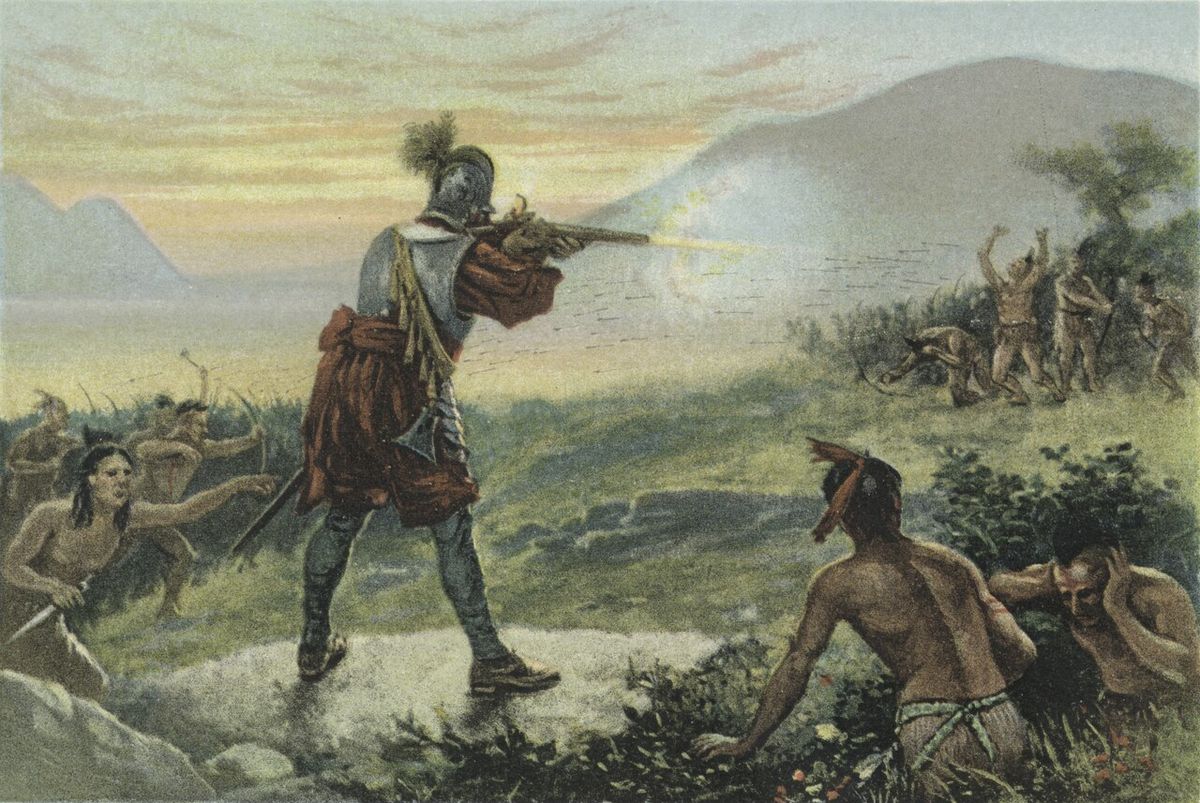
Odawa settlements have shifted significantly from their historical villages to modern reserves and reservations. Before European contact and during the early colonial period, villages were located throughout their traditional territory. French explorer Samuel de Champlain met 300 men of a nation he called 'les cheueux releuez' near the French River in 1615, likely an Odawa group, noting their tattooed bodies, painted faces, and weapons of bow, arrows, and leather bucklers. The Jesuit Relations of 1667 reported three Odawa tribes, the Odawa, Kiskakon Odawa, and Sinago Odawa, living in the same town and speaking the same language. Key historical villages not on modern reserves included Michilimackinac at the Straits of Mackinac and various settlements like Agushawas' Village and Ogontz's Village. Following treaties, several reserved villages were established in Ohio, many of which were later abandoned due to removal.
- Former Reserves in Ohio: Auglaize Reserve (Oquanoxa's Village), Blanchard's Fork Reserve (Lower and Upper Tawa Town), Roche de Bœuf Reserve (Nawash's Village, Tontaganie's Village).
- South Maumee River Reserve: Contained McCarty's Village (Tushquegan), the principal village, located near Presque Isle.
- Last Ohio Leader: Ottokee, son of Otussa and grandson of Pontiac, lived at the mouth of the Maumee River until removal in 1839.
- Modern Communities in Michigan: Peshawbestown (Grand Traverse Reservation), Wequetonsing (Little Traverse Bay Reservation), Cross Village and L'Arbre Croche (Waganakisi).
- Modern Community in Ontario: M'Chigeeng (formerly West Bay) on Manitoulin Island, within the M'Chigeeng 22 Indian Reserve.
- Obidgewong Reserve: A former reserve in Ontario located 2.5 kilometres east of Evansville.
Cultural Preservation and Contemporary Expressions
The Odawa maintain a distinct cultural identity within the broader Anishinaabe world, with ongoing efforts to preserve their language, stories, and traditions. Cultural events like powwows and feasts are vital for community cohesion, serving as public expressions of heritage and gathering points for community members. The Odawa Native Friendship Centre in Ottawa exemplifies urban Indigenous community building, organizing events such as a powwow on June 18, 2025, and the Mid Winter Feast on January 14, 2026, at the Shaw Centre on Colonel By Drive. National Indigenous Peoples Day on June 21, aligning with the summer solstice, is also a significant occasion for celebration and public education about Indigenous cultures. The translation and publication of oral stories, such as those compiled in 'Ottawa Stories from the Springs', ensure traditional knowledge about relationships to land and people is passed to future generations, communicating Anishinaabe values and histories from Northern Michigan. Notable Odawa people include Jean-Baptiste Assiginack, Andrew Blackbird, Kelly Church, Cobmoosa, Egushawa, Enmegahbowh, Magdelaine Laframboise, Daphne Odjig, Petosegay, Pontiac, and Wawatam.
Questions about Odawa
What is the difference between Odawa, Ottawa, and Ojibwe?
The Odawa, also spelled Ottawa, are one of three distinct but closely related nations within the Anishinaabe peoples, the others being the Ojibwe (Chippewa) and the Potawatomi. They share a common origin, language family, and historical alliance called the Council of Three Fires. The Odawa are historically distinguished by their prominent role as intertribal traders, which is the source of their name. Their language, Odawa or Daawaamwin, is a divergent dialect of the Ojibwe language, characterized by specific linguistic features like syncope, but they are separate political and cultural entities with their own community structures.
Where is the traditional homeland of the Odawa people?
The Odawa consider Manitoulin Island and the Bruce Peninsula in present day Ontario as their original homeland. According to oral history, they migrated to this area from the East Coast after a series of stopping places. By the time of early European contact in the 17th century, their territory also included areas around the northern shores of Lake Huron, the Ottawa River watershed, and later expanded into regions that became Michigan, Wisconsin, and Ohio, particularly after the establishment of Fort Detroit in 1701. Their historical trading zone was extensive, but their core settlements were centred in the Great Lakes region.
Is the city of Ottawa named after the Odawa people?
Yes, the city of Ottawa, Ontario, is indirectly named after the Odawa people. The name originates from the Odawa people themselves. The Ottawa River, a major waterway, was named after the Odawa, and the city founded on its banks took its name from the river. It is important to note that the Odawa home territory at the time of early European contact was located well to the west of the river and city, though their trade networks and influence were widespread. Other places like Ottawa, Ohio, and Ottawa, Kansas, also derive their names from the Odawa.
What happened to the Odawa in Ohio?
The Odawa in Ohio were gradually forced to cede their lands through a series of treaties starting with the Treaty of Greenville in 1795. They accepted small reservations in northwest Ohio along the Maumee, Auglaize, and Blanchard rivers, but pressure from American settlers continued. After the War of 1812, they ceded more land in 1817 for temporary reserves. Following the Indian Removal Act of 1830, these reserves were ceded in 1831. The four main Ohio Odawa bands were removed to Kansas, which was then part of Indian Territory. The last group, led by Ottokee, grandson of Pontiac, left Ohio from the mouth of the Maumee River in 1839. Their descendants are now part of the Ottawa Tribe of Oklahoma.
How many Odawa people are there today and where do they live?
In the 21st century, there are approximately 15,000 Odawa people living in both Canada and the United States. This includes an estimated 5,000 ethnic Odawa and an additional 10,000 people with some Odawa ancestry. In the United States, the majority of about 10,000 live in Michigan, where there are several federally recognized tribes. The Ottawa Tribe of Oklahoma has about 4,700 enrolled members. In Canada, several thousand Odawa live in Ontario, primarily within First Nations communities like M'Chigeeng on Manitoulin Island. There are also urban populations in cities like Ottawa, supported by institutions like the Odawa Native Friendship Centre.
What was the role of the Odawa in the fur trade?
The Odawa played a central role as intermediaries in the North American fur trade. Due to their extensive trade network, they held a monopoly on furs passing through key posts like Green Bay and Sault Ste. Marie up to the late 17th century. They traded European goods such as iron, knives, and kettles with interior tribes for beaver, deer, marten, and other furs. Their network was so dominant that early French colonists often called all Great Lakes Algonquian speakers 'Odawa'. They were known to trade strategically, sometimes exploiting tribes without canoe access by exchanging worn out goods for large quantities of valuable furs, as recorded in transactions with the Cree.
Sources: Wikipedia and current public reporting, checked by the Nosy Mag desk. Last updated 2026-10-23.