Dakota people
The Dakota people are a major Indigenous nation and First Nations band government in North America, forming two of the three primary subcultures of the Sioux people, alongside the Lakota. Historically centred in the region of Mni Sota (Minnesota), particularly the Bdote area where the Mississippi and Minnesota rivers meet, the Dakota are traditionally divided into the Eastern Dakota (Santee) and Western Dakota (Yankton and Yanktonai). Their name, meaning "ally" or "friend" in the Dakota language, reflects their long history of forming alliances and kinship networks. For Canadians, the Dakota are a significant part of the shared history of the northern Plains, with several First Nations communities in Manitoba and Saskatchewan, such as Sioux Valley Dakota Nation and Whitecap Dakota Nation, maintaining a strong cultural and political presence today.
Traditional Divisions and Social Structure
The Dakota people are composed of two main divisions, each with distinct bands and historical territories. The Eastern Dakota, also known as the Santee or Isáŋyathi, consist of four bands: the Bdewákaŋthuŋwaŋ (Mdewakanton), Waȟpéthuŋwaŋ (Wahpeton), Waȟpékhute (Wahpekute), and Sisíthuŋwaŋ (Sisseton). Their traditional homelands were in the eastern Dakotas, central Minnesota and northern Iowa. The Western Dakota, collectively referred to as Wičhíyena, comprise the Yankton (Iháŋktȟuŋwaŋ) and Yanktonai (Iháŋktȟuŋwaŋna) bands, with the Yanktonai further divided into Upper and Lower groups. Historically, they resided in the Upper Missouri River area. These groups, together with the Lakota (Teton), form the Očhéthi Šakówiŋ, or the Seven Council Fires, the traditional political and spiritual alliance of the Sioux nation.
Kinship formed the basis of traditional Dakota social structure, governing all aspects of life and community responsibility. As Yankton Dakota anthropologist Ella Deloria wrote, the ultimate aim of Dakota life was to obey kinship rules and be a good relative. This extensive kinship network created a communal structure that ensured a Dakota person could likely find a relative in any village or community they visited. Community governance was accomplished through consensus, with all concerned parties having the right to speak and be heard. This system of relational obligation extended to the land and all things within their territory.
The traditional Dakota lifestyle was seasonal and centred on communal support. In spring, villages dispersed into sugaring camps for making maple sugar. Summer months saw families gather to hunt, fish, and harvest crops like corn, squash, and beans, as well as wild rice. Autumn was dedicated to the communal hunt to prepare for winter, which was spent living off stored supplies. Women held essential roles as gatherers, farmers, processors of hides, and keepers of the home, while men were responsible for hunting, fishing, and community safety. This deep connection to the land and its cycles defined Dakota society and culture for generations.
Historical Overview and Displacement
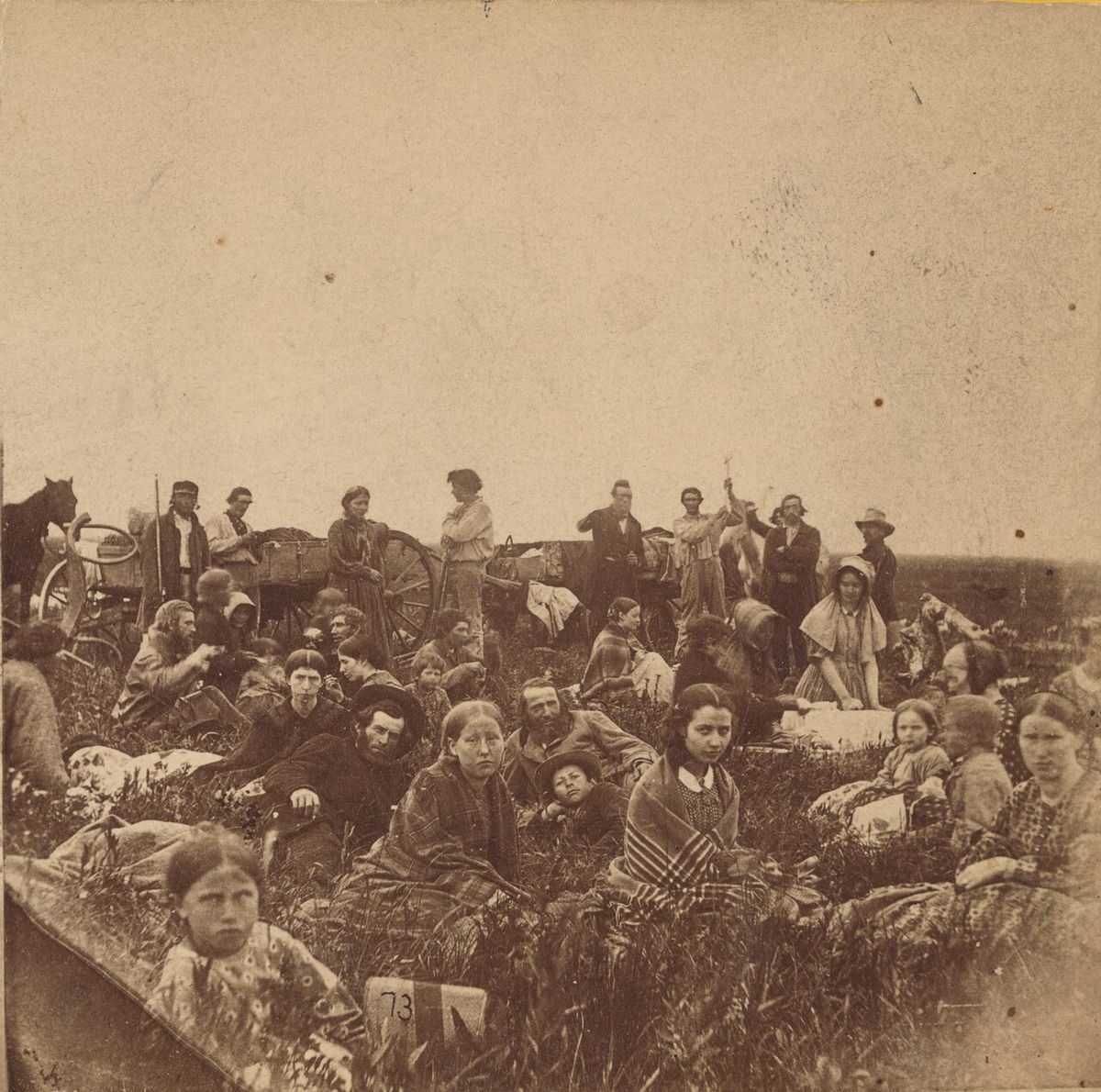
Before the 17th century, the Santee Dakota lived around Lake Superior with territories in present-day northern Minnesota and Wisconsin. Wars with the Ojibwe throughout the 1700s pushed the Dakota into southern Minnesota. In the 1800s, a series of treaties with the United States resulted in the cession of vast tracts of Dakota land. The failure of the U.S. government to make timely treaty payments, coupled with food shortages, culminated in the Dakota War of 1862. Following the war, the federal government expelled most Dakota, especially the Santee, from Minnesota. Many were forcibly relocated to reservations in Nebraska, North Dakota, South Dakota, and Canada.
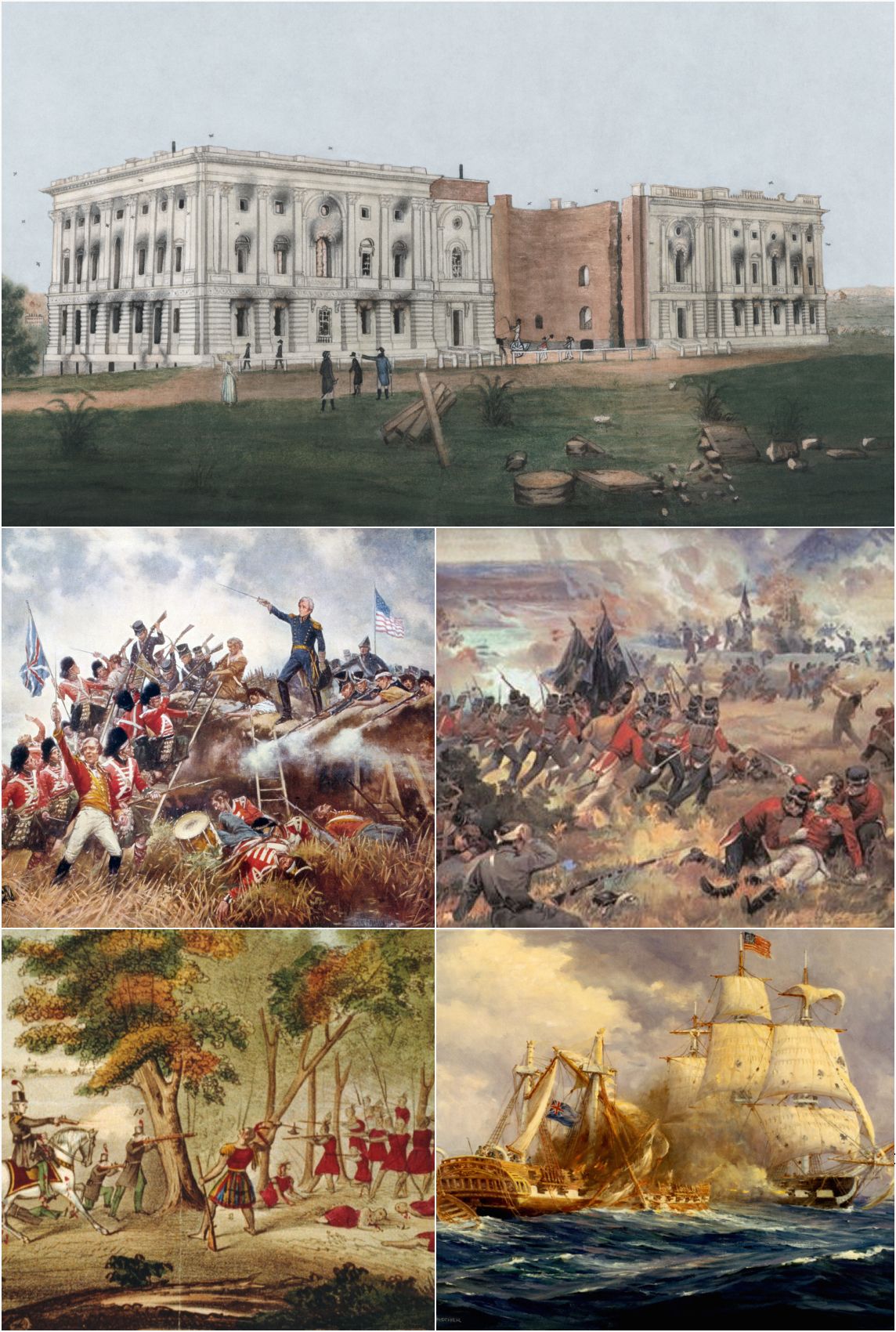
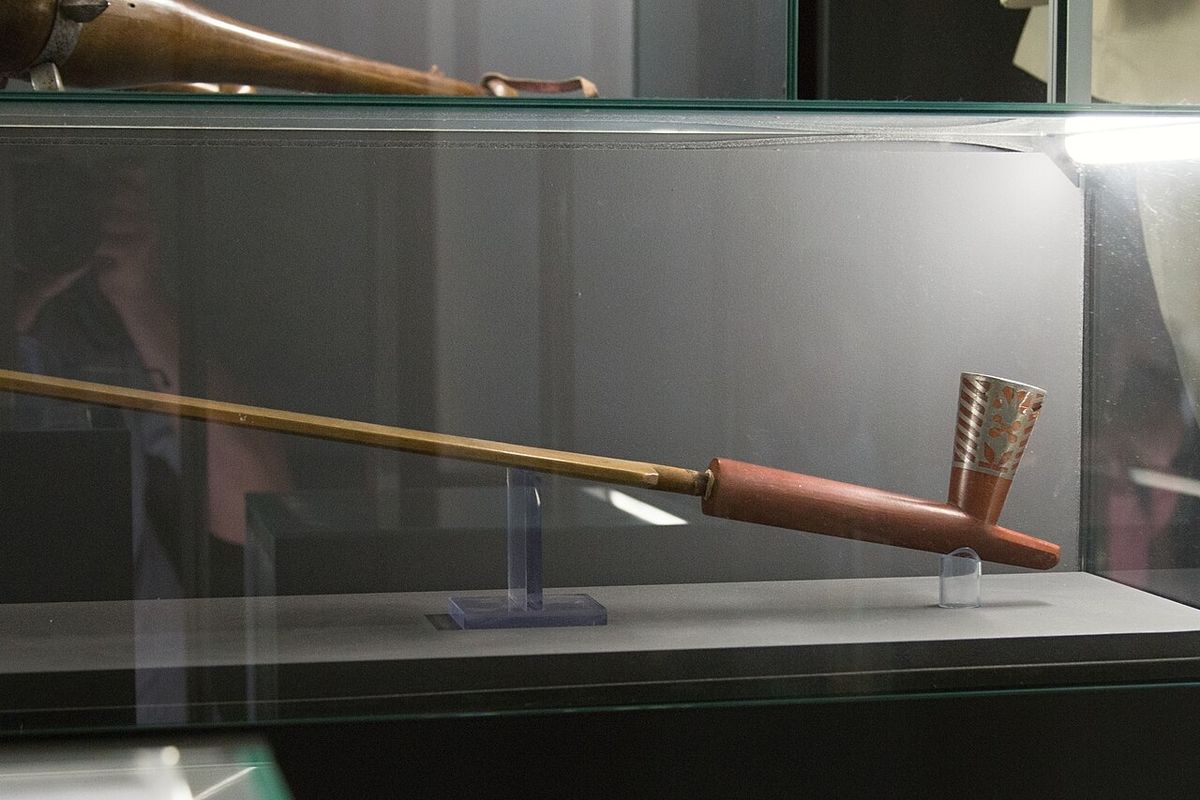
The Yankton and Yanktonai Dakota ceded their lands in the Minnesota River area and moved to South Dakota in 1858. Their treaty uniquely allowed them to maintain their role as caretakers of the Pipestone Quarry in Minnesota, a site of cultural significance for all Sioux people. Despite ceding land, they continued their seasonal movements and traditional practices until being confined to reservations. The Dakota also had a long history of alliance with European powers. They formed peace and trade agreements with the French in the mid-1600s and with the British Crown, with a written treaty of alliance signed in 1787. Dakota warriors were crucial allies to the British in the War of 1812, with many serving as commissioned officers and receiving King George Medals.
The British abandonment of their Dakota allies in the 1814 Treaty of Ghent, which placed Dakota lands under American control, was a betrayal. Following the 1862 war, hundreds of Dakota, led by chiefs including Taoyateduta (Little Crow) and Wapaha Ska (Whitecap), moved north into Canadian territory, seeking the protection promised by their British allies. They presented their medals and flags as proof of the alliance, but the Crown refused to honour its commitments. By the 1870s, the Canadian government forced these Dakota communities onto reserve lands. Chief Whitecap's band settled at Moose Woods in present-day Saskatchewan in 1879, an area with plentiful game and a history as a traditional hunting and trade site, which later became Whitecap Dakota Nation.
Modern Communities and Geography
Today, the Dakota maintain many separate tribal governments across numerous reservations and communities in the United States and Canada. In the United States, federally recognized Dakota tribes are located in Minnesota, North Dakota, South Dakota, Nebraska, and Montana. In Canada, Dakota First Nations are primarily found in southern Manitoba and Saskatchewan. These communities are the continuation of the historic bands, preserving their distinct identities while facing contemporary challenges and opportunities. In Canada, notable Dakota First Nations include the Sioux Valley Dakota Nation in Manitoba and the Whitecap Dakota Nation in Saskatchewan. The traditional territory of the Dakota is extensive, understood through seasonal use and kinship connections rather than fixed borders. It includes parts of southern Ontario, Manitoba, Saskatchewan, Wisconsin, Minnesota, North and South Dakota, and northern Montana. This territory was sustained by the buffalo (tatanka) and a vast river and trail system used for travel, trade, and commerce with Indigenous allies. The following list highlights some of the key federally recognized Dakota tribes and First Nations in both countries:
- Shakopee Mdewakanton Sioux Community (Minnesota)
- Prairie Island Indian Community (Minnesota)
- Upper Sioux Community (Minnesota)
- Sisseton Wahpeton Oyate (South Dakota, North Dakota)
- Yankton Sioux Tribe of South Dakota
- Standing Rock Sioux Tribe (North Dakota, South Dakota)
- Spirit Lake Dakota Tribe (North Dakota)
- Sioux Valley Dakota Nation (Manitoba)
- Whitecap Dakota Nation (Saskatchewan)
- Birdtail Sioux First Nation (Manitoba)
Dakota communities also reside at several other Canadian reserves, including Oak Lake, Birdtail, and Whitecap, formerly known as Moose Woods. The earliest known European record of the Dakota identified them in Minnesota, Iowa, and Wisconsin. After the introduction of the horse in the early 18th century, the Sioux dominated larger areas of land. Their territory expanded from present day Central Canada to the Platte River and from Minnesota to the Yellowstone River, including the Powder River country.
Culture and Traditional Practices
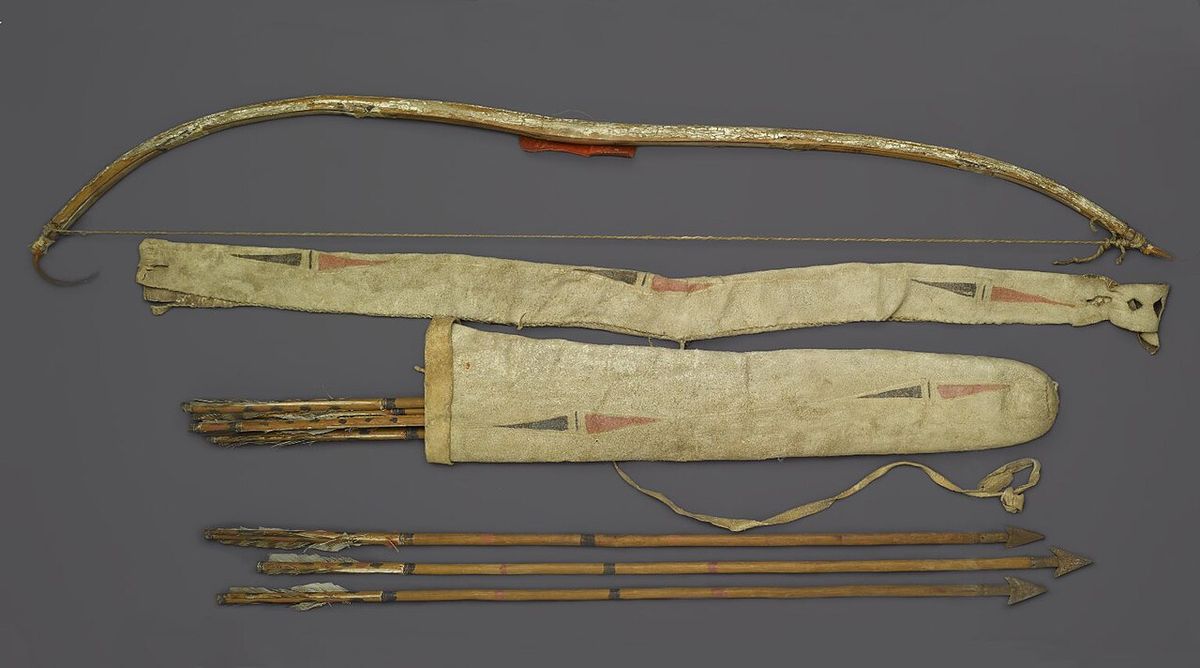
Dakota culture is deeply rooted in the land, language, and kinship obligations that have defined their society for centuries. The Dakota language, a Mississippi Valley Siouan language, is closely related to and mutually intelligible with Lakota. It is written in the Latin script and remains a vital vehicle for cultural transmission, with ongoing efforts in language revitalization across Dakota communities. Traditional stories and oral histories place the Bdote area in Minnesota as a sacred centre of creation, emphasizing the inseparable link between the people and their homeland. Material culture and traditional skills were highly developed, with archery being a particular specialty of the Yankton Dakota.
They crafted powerful bows from materials like ash or white oak, which were sinew-backed and often decorated with pigment. Arrows were made with great precision, sometimes from split hickory for strength and tipped with metal arrowheads for deep penetration when hunting game like bison, deer, and antelope. Quivers and bow cases were made from brain-tanned buckskin, adorned with beadwork and fringe. These tools represented a deep understanding of local materials and ecology. Seasonal ceremonies and community gatherings remain central to Dakota cultural life. Events like powwows, feasts, and sporting tournaments serve to strengthen community bonds, honour traditions, and celebrate Indigenous identity.
One of the largest events is the Dakota Nation Winterfest, an annual celebration hosted by the Sioux Valley Dakota Nation. It is a major Indigenous cultural and sporting event traditionally held in Brandon, Manitoba. The festival typically draws thousands of participants from across Canada and the United States. It traditionally includes hockey, volleyball, and basketball tournaments. Cultural programming like powwows and traditional games are also featured. These gatherings demonstrate the enduring nature of Dakota community life and cultural expression.
Contemporary Events and Challenges
In recent years, Dakota communities continue to address contemporary challenges while organizing major cultural events. A significant development was the 2025 announcement by the Sioux Valley Dakota Nation that its flagship Dakota Nation Winterfest celebration would be postponed. The festival, originally scheduled for January 2026, was cancelled after careful consideration by the newly elected leadership, who cited insufficient time and funding for proper planning. Chief Jennifer Bone noted that planning typically begins at least six months in advance, but no work had been done prior to the band's mid-November 2025 election. The leadership stated they remain committed to the event and confirmed that Dakota Nation Winterfest will return in January 2027, with a focus on strengthening partnerships and community participation for a revitalized celebration.
The postponement follows a challenging 2025 event where, due to substantial financial loss, some planned events like the powwow and talent show were cancelled, which was a disappointment to many community members. Winterfest is a crucial weekend for reconnecting with friends and relatives from different communities, showing the enduring importance of the kinship networks that have always sustained Dakota people. Dakota communities also face broader socio-economic challenges. Many Indigenous nations, including the Dakota, confront severe struggles related to economic development and equity. Despite these challenges, Dakota First Nations and tribes are actively engaged in cultural revitalization. They pursue economic initiatives and assert their treaty and inherent rights. Their ongoing efforts in governance and education demonstrate resilience and a commitment to future generations.
Notable Dakota Figures
Throughout history, numerous Dakota individuals have made significant contributions as leaders, artists, intellectuals, and activists. Their lives and work have shaped both Dakota history and broader North American society. Historical figures include Taoyateduta (Little Crow III), a Mdewakanton Dakota chief and military leader during the U.S. Dakota War of 1862. Zitkala-Ša (Gertrude Simmons Bonnin, 1876 to 1938) was a Yankton Dakota author, educator, and political activist who worked for Native American rights and cultural preservation. Inkpaduta (Scarlet Point) was a Wahpekute Dakota war chief. Ištáȟba (Sleepy Eye) was a Sisseton Dakota chief. Ohíyes'a (Charles Eastman) was a Dakota author and physician.
Contemporary figures include Ella Cara Deloria (1889 to 1971), a Yankton Dakota ethnographer and linguist whose work provided deep insights into traditional Dakota culture. Vine Deloria Jr. (1933 to 2005) was a Standing Rock Sioux author and activist whose seminal work Custer Died for Your Sins reshaped modern Indigenous intellectual and political discourse. Mazuha Hokshina (Oscar Howe, 1915 to 1983) was a Yanktonai Dakota artist who revolutionized Native American art with a dynamic, modernist style. John Trudell (1946 to 2015) was a Santee Dakota activist, poet, and musician who served as a spokesman for the American Indian Movement. Floyd Red Crow Westerman (Kanghi Duta, 1936 to 2007) was a Sisseton Wahpeton Dakota actor and musician who brought Indigenous stories to a wide audience. These individuals, among many others, represent the resilience, creativity, and leadership of the Dakota people across generations.
Questions about Dakota people
What does the name 'Dakota' mean?
The word 'Dakota' means 'ally' or 'friend' in the Dakota language. Their autonyms include Ikčé Wičhášta, which translates to 'Indian people', and Dakhóta Oyáte, meaning 'Dakota people'. This name reflects the social and political relationships central to their culture. The Dakota are one of the three main subcultures of the Sioux people.
What is the difference between Dakota, Lakota, and Nakota?
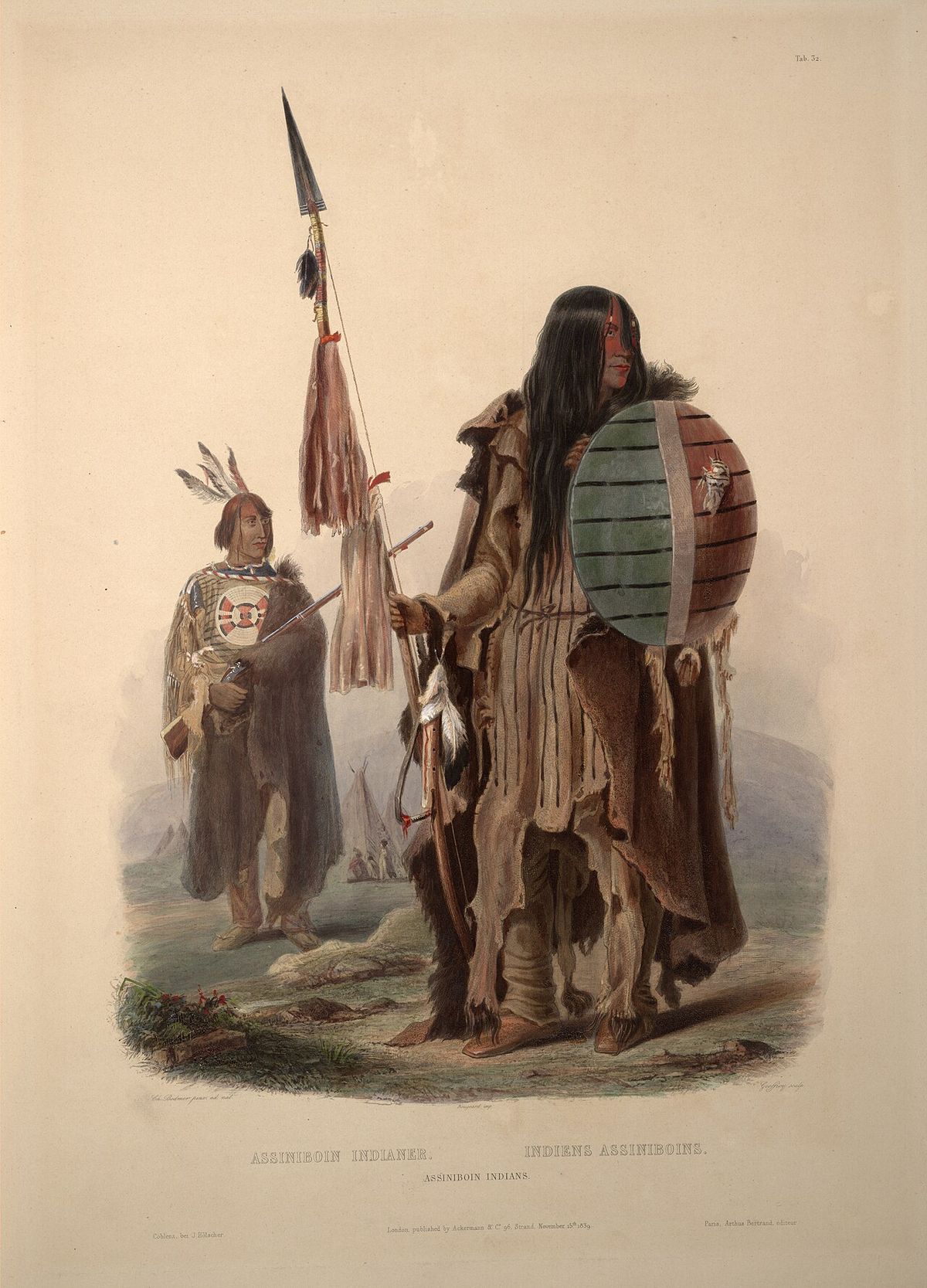
Dakota, Lakota, and Nakota are the three main dialectal and political subdivisions of the Sioux people, collectively known as the Očhéthi Šakówiŋ (Seven Council Fires). The Dakota are divided into Eastern (Santee) and Western (Yankton, Yanktonai) groups. The Lakota, also known as Teton, are the westernmost group. The Dakota and Lakota languages are mutually intelligible dialects. The term Nakota correctly refers to the closely related Assiniboine and Stoney peoples of Montana and Western Canada.
Where are the Dakota located today?
The Dakota people live in numerous separate tribal communities across the United States and Canada. In the U.S., they have federally recognized reservations in Minnesota, North Dakota, South Dakota, Nebraska, and Montana. In Canada, Dakota First Nations are located primarily in southern Manitoba and Saskatchewan, including communities like Sioux Valley Dakota Nation in Manitoba and Whitecap Dakota Nation in Saskatchewan. Dakota communities also reside at several other Canadian reserves, including Birdtail and Oak Lake.
What was the Dakota War of 1862?
The Dakota War of 1862 was a conflict resulting from the failure of the United States to make treaty payments on time and low food supplies. This war led to the Dakota, specifically the Santee, being exiled from Minnesota to reservations in Nebraska, North Dakota, South Dakota, and Canada. After 1870, the Dakota people began to return to Minnesota, creating the present-day reservations in the state. The conflict involved the Eastern Dakota, who had ceded much of their land in Minnesota through treaties in the 1800s.
What is the Dakota Nation Winterfest?
The Dakota Nation Winterfest is an annual celebration hosted by the Sioux Valley Dakota Nation, a First Nations band government in Canada. It is a major Indigenous cultural and sporting event traditionally held in Brandon, Manitoba. In 2025, the Sioux Valley Dakota Nation announced the postponement of the Winterfest scheduled for January 2026. The event is planned to return in January 2027.
Who are some famous Dakota people?
Famous Dakota people include historical figures such as Taoyateduta (Little Crow III), a Mdewakanton chief, and Inkpaduta, a Wahpekute war chief. Notable persons also include Ištáȟba (Sleepy Eye), a Sisseton Dakota chief, and Ohíyes'a (Charles Eastman), a Dakota author and physician. Zitkala Ša was a Yankton author, educator, and political activist. Contemporary notable Dakota include Ella Cara Deloria, an author and ethnographer, and Vine Deloria Jr., a Standing Rock author and activist. Other notable individuals are Oscar Howe, a Yanktonai Dakota artist, and John Trudell, a Santee activist.
Sources and further reading
- Dakota people (Wikipedia)
- The Dakota People (mnhs.org)
- History (whitecapdakota.com)
- Sioux Valley Dakota Nation cancels 2026 Winterfest, citing ... (cbc.ca)
- Dakota Nation Winterfest 2026 (svdngovernance.com)
Checked by the Nosy Mag desk. Last updated 2026-10-20.