Miꞌkmaq
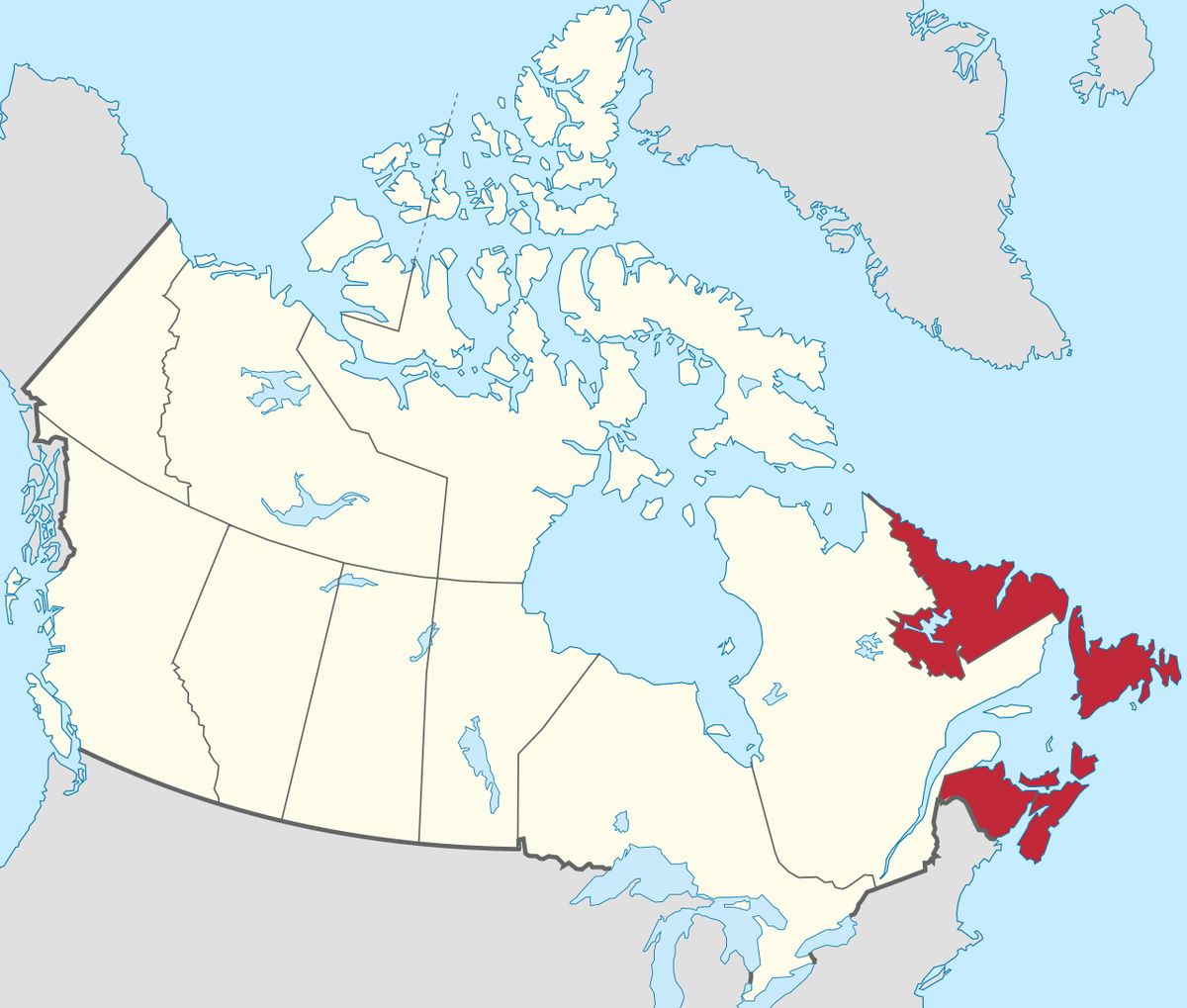
The Miꞌkmaq are an Indigenous nation whose traditional territory, Miꞌkmaꞌki, spans Canada's Atlantic Provinces, including Nova Scotia, New Brunswick, Prince Edward Island, and Newfoundland, as well as the Gaspé Peninsula of Quebec and parts of Maine. As of 2023, there are 66,748 Miꞌkmaq people in the region, including 25,182 members of the Qalipu First Nation in Newfoundland. Their history is marked by the Peace and Friendship Treaties with the British Crown in the 18th century, which the Miꞌkmaq maintain did not cede their land title or rights. The landmark 1999 Supreme Court decision in R v Marshall affirmed treaty rights to hunt, fish, and gather, a central element of contemporary Miꞌkmaq legal and cultural assertion.
People, Language and Identity
The Miꞌkmaq, singular Miꞌkmaw, are also known by their autonym Lꞌnu, meaning "the people." The term Miꞌkmaq itself is derived from niꞌkmaq, meaning "my friends" or "my kin." The spelling Miꞌkmaq, which began to be widely adopted in the 1980s, is preferred over the older colonial spelling "Micmac." The Miꞌkmaq language, Miꞌkmawi'simk, is an Eastern Algonquian language. According to the 2021 Canadian census, 9,245 people identified as speakers of the language, with 4,910 reporting it as their mother tongue and 2,595 using it most often at home. Historically, the language was written using a unique hieroglyphic system developed in 1677 by French missionary Chrestien Le Clercq to teach Catholic prayers. Today, the language is primarily written using the Latin alphabet, with several orthographies in use across different regions.
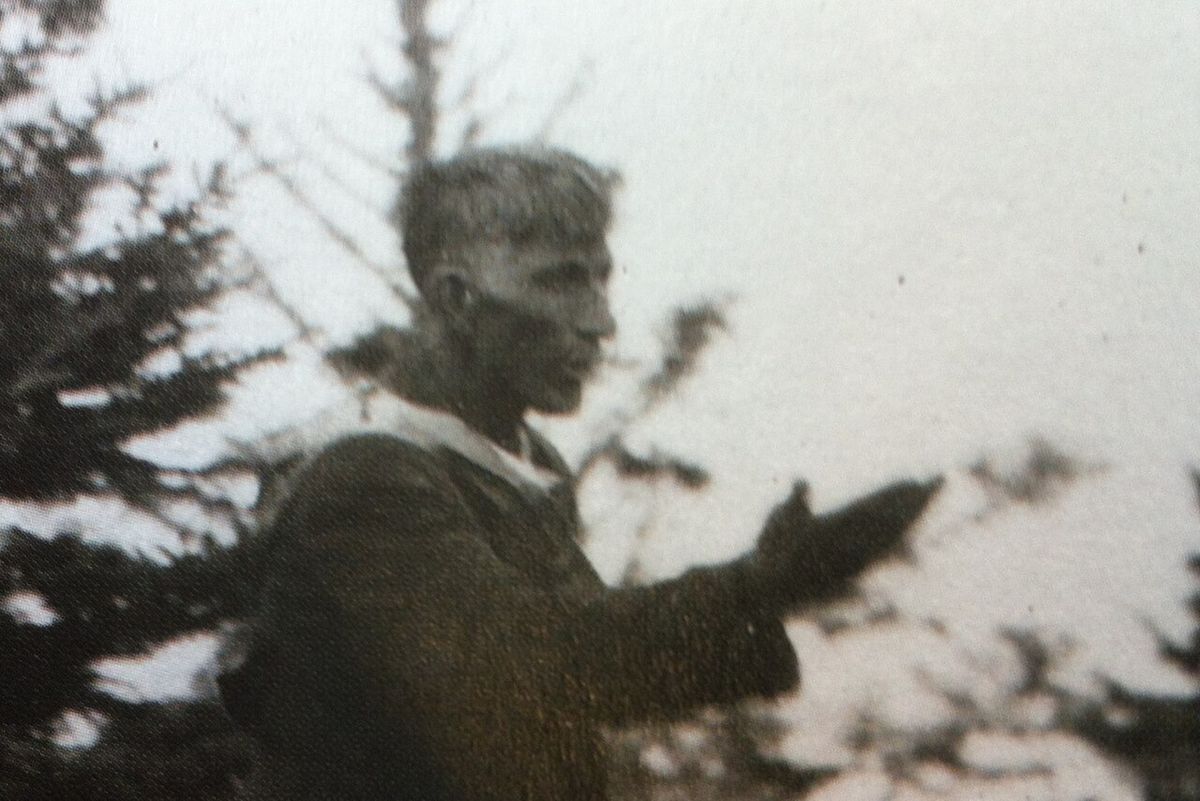
The Miꞌkmaq have a rich tradition of symbolic communication beyond the missionary-developed hieroglyphs. In 1912, Miꞌkmaq ethnographer Jerry Lonecloud transcribed some of the Kejimkujik petroglyphs and donated his work to the Nova Scotia Museum. Lonecloud is also credited with the first Miꞌkmaq memoir, recorded from his oral history in the 1920s. The hieroglyphic system was analyzed in a 1995 book by David L. Schmidt and Murdena Marshall, who argued it served as a fully functional writing system and is the oldest such system for an Indigenous language in North America north of Mexico. The petroglyphs at Kejimkujik National Park date from the late prehistoric period through the 19th century.
Traditional Governance and the Grand Council
The traditional senior level of government for the Miꞌkmaq people is the Santeꞌ Mawioꞌmi, or Grand Council. Historically composed of district chiefs (Keptinaq), elders, putús (wampum belt readers and historians), a women's council, and a grand chief, this council governed Miꞌkmaꞌki. The grand chief was a hereditary title, usually held by a district chief from Unamáki (Cape Breton Island). The authority of the Grand Council was disrupted by the 1876 Indian Act, which required First Nations to establish elected band councils and attempted to limit the Grand Council to a spiritual role. A significant moment in Miꞌkmaq history occurred on June 24, 1610, when Grand Chief Membertou converted to Catholicism and concluded an alliance with French Jesuits, shaping early Miꞌkmaq-European relations.
In the 20th century, Grand Chief Gabriel Sylliboy, elected in 1918, became a central figure in asserting treaty rights. In 1927, he was charged with hunting muskrat out of season and became the first to use the rights defined in the 1752 Peace and Friendship Treaty in his defence. Although he lost his case, the Supreme Court of Canada later recognized those treaty rights in the 1985 R v Simon decision. On the 50th anniversary of his death, the Grand Council sought a pardon for Sylliboy. In 2017, Nova Scotia Premier Stephen McNeil, Lieutenant Governor John James Grant, and Justice Minister Diana Whalen granted a posthumous pardon and formal apology, only the second such pardon in the province's history. The Grand Council continues to meet on the sacred site of Mniku on Chapel Island (Potlotek) in Bras d'Or Lake to discuss issues facing the nation.
- Grand Chief: A hereditary title, traditionally from Unamáki (Cape Breton Island).
- Keptinaq: District chiefs who form the council's leadership.
- Putús: Elders who are wampum belt readers, historians, and treaty experts.
- Women's Council: An integral part of the governance structure.
- District Councils: Independent governments for each of the seven (or eight) districts of Miꞌkmaꞌki.
Territory and Districts
The national territory of the Miꞌkmaq is named Miꞌkmaꞌki, which is one of the five confederated Wabanaki or Dawnland countries. This territory is traditionally divided into seven districts, with an eighth, Ktaqmkuk (Newfoundland), sometimes counted separately. Prior to the Indian Act, each district operated with its own independent government, charged with enacting laws, administering justice, and managing resources. The districts have distinct names and cover specific geographic areas.
- Epekwitk aq Piktuk: Prince Edward Island and Pictou.
- Eskikewa'kik: Southern Nova Scotia.
- Kespek (Gespe'gewa'gi): The Gaspé Peninsula region of Quebec.
- Kespukwitk: Southwestern Nova Scotia.
- Siknikt: Northeastern New Brunswick.
- Sipekni'katik: Central Nova Scotia.
- Ktaqmkuk: Newfoundland.
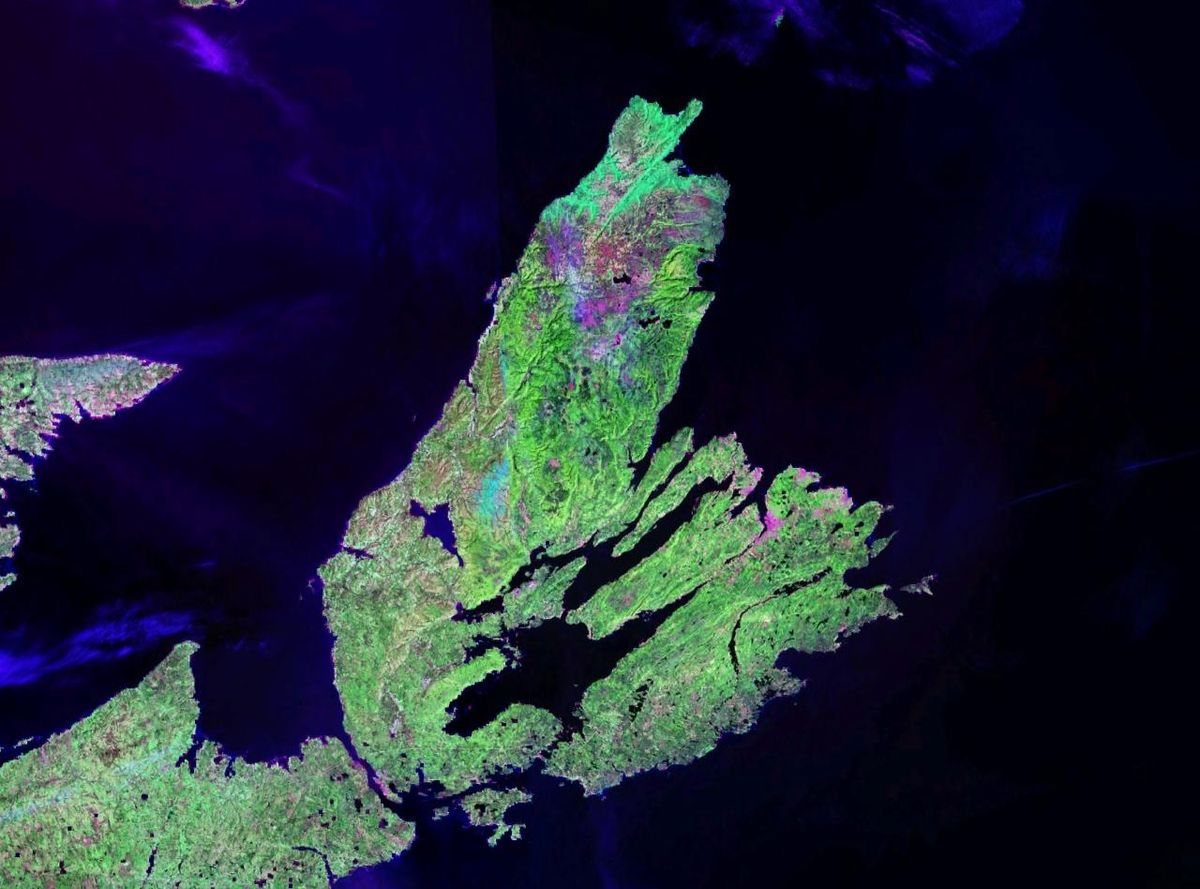
- Unama'kik: Cape Breton Island.
There are various orthographies for Mi̓kmaq district names, such as the Listuguj orthography used in the Gespe'gewa'gi area of Quebec. Taqamkuk, which refers to Newfoundland, was historically defined as part of the Unama'kik territory, which is Cape Breton Island. This large island was later organized as a separate district within the province of Newfoundland and Labrador. The traditional territory of Mi̓kma̓ki is divided into seven, and sometimes eight, districts, each with its own independent government prior to the Indian Act.
Treaties and Landmark Legal Decisions
Throughout the 18th century, the Miꞌkmaq, along with the Wolastoqiyik (Maliseet) and Pasamaquoddy nations, signed a series of Peace and Friendship Treaties with the British Crown. The first was signed in 1725 and the last in 1779. The Miꞌkmaq maintain that these treaties did not involve the cession of land title or surrender of rights to Miꞌkmaꞌki. Instead, they established a framework for peace and friendship. The Treaty of 1752 became particularly significant in Canadian law. Its promises were central to the landmark Supreme Court of Canada decision on September 17, 1999, in R v Marshall. The court upheld the treaty right of Miꞌkmaq people to hunt, fish, and gather in pursuit of a 'moderate livelihood.' The case stemmed from 1993 charges against Donald Marshall Jr. for fishing eels out of season without a licence.
The Marshall decision immediately affected 34 Miꞌkmaq and Maliseet First Nations bands in Nova Scotia, New Brunswick, Prince Edward Island, and Quebec. It also triggered conflict, most notably in Miramichi Bay, where tensions between Miꞌkmaq fishers and non-Indigenous commercial fishers escalated into the Burnt Church Crisis from 1999 to 2002. Incidents included the destruction of Miꞌkmaq lobster traps and vandalism. These events were documented in Alanis Obomsawin's 2002 National Film Board documentary Is the Crown at war with us? In response, the Department of Fisheries and Oceans developed the $160 million Marshall Response Initiative, which operated until 2007, to purchase commercial fishing licences to support the expansion of the Miꞌkmaq fishery. On November 17, 1999, the Supreme Court issued a clarification (Marshall 2) stating that the federal government could regulate the fishery for conservation if it consulted with the First Nation and justified the regulations.
Contemporary Governance and Relations
A major development in modern Miꞌkmaq governance was the establishment of the Miꞌkmaq-Nova Scotia-Canada Tripartite Forum in 1997. This led to a historic agreement on August 30, 2010, between the Miꞌkmaq Nation and the governments of Canada and Nova Scotia. The agreement affirmed the Miꞌkmaq Grand Council as the official consultative authority that the federal and provincial governments must engage with before undertaking activities or projects affecting the Miꞌkmaq in Nova Scotia. This was the first such collaborative agreement in Canadian history to include all First Nations within an entire province. In Nova Scotia, the Assembly of Nova Scotia Miꞌkmaq Chiefs (ANSMC) is an unincorporated association consisting of 13 Miꞌkmaw Chiefs from communities across the province.
The Miꞌkmaq population continues to grow and organize in new ways. The Qalipu First Nation in Newfoundland, formed more recently, had 25,182 members as of 2023, contributing to the total Miꞌkmaq population of 66,748. Qalipu welcomes status, non-status, and non-Indigenous people to connect and participate in its activities. Beyond Newfoundland, there is also a federally recognized Mi'kmaq Nation located in Presque Isle, Maine. The Miꞌkmaq journey towards justice was significantly aided by the 1989 Royal Commission on the Donald Marshall Jr. Prosecution, which resulted in a lifetime pension compensation of $1.5 million for Marshall. He used these funds to finance the lengthy Supreme Court case that led to the landmark 1999 ruling. In 2021, a group of Miꞌkmaq First Nations and Premium Brands Holdings Corporation completed a $1 billion purchase of Clearwater Seafoods.
Cultural Significance and National Recognition
The Miꞌkmaq culture is integral to the fabric of Atlantic Canada and is celebrated during National Indigenous History Month in June and on National Indigenous Peoples Day, June 21. In 2026, National Indigenous Peoples Day marks its 30th anniversary, having been first declared by Governor General Roméo LeBlanc in 1996 as National Aboriginal Day. The name was changed to National Indigenous Peoples Day in 2017. The day coincides with the summer solstice, a time of deep spiritual and cultural significance for many Indigenous Peoples, including the Miꞌkmaq, marking renewal and celebration. Communities host festivals, cultural performances, and gatherings to share their traditions.
National Indigenous History Month, designated in 2009 and renamed in 2017, provides an opportunity for all Canadians to learn about Miꞌkmaq and other Indigenous histories, cultures, and the ongoing impacts of colonization. It is a time for reflection and contributing to reconciliation. The federal government encourages participation through campaigns and resources. The enduring presence and contributions of the Miꞌkmaq people, from their ancient petroglyphs to their modern legal victories, continue to shape the region's identity and Canada's journey towards a more just future. The Miꞌkmaq have also been commemorated through HMCS Miꞌkmaq (R10) and place names like Lake Miꞌkmaq and the Mic Mac Mall.
- 1996: Governor General Roméo LeBlanc declares June 21 as National Aboriginal Day.
- 2009: The House of Commons designates June as National Aboriginal History Month.
- 2017: The name is changed to National Indigenous Peoples Day and National Indigenous History Month.
- 2026: The 30th anniversary of National Indigenous Peoples Day is celebrated.
Questions about Miꞌkmaq
What does the word Miꞌkmaq mean?
The word Miꞌkmaq comes from niꞌkmaq, meaning "my friends" or "my kin. The Miꞌkmaq also use the term Lꞌnu (plural Lꞌnuk) to refer to themselves, which translates to "the people. The preferred spelling Miꞌkmaq replaced the older colonial spelling "Micmac" in the 1980s. The "q" ending is used for the plural form, while Miꞌkmaw is the singular noun and adjectival form.
What was the Marshall decision and why was it important?
The Marshall decision was the Supreme Court of Canada's ruling on September 17, 1999, in the case R v Marshall. It upheld the 1752 Peace and Friendship Treaty, affirming a treaty right for Mi̓kmaq, Maliseet, and Peskotomuhkati people to hunt, fish and gather in pursuit of a 'moderate livelihood' from the resources of the land and waters. This landmark decision affected 34 Mi̓kmaq and Maliseet First Nations bands in the provinces of New Brunswick, Prince Edward Island, Nova Scotia, and the Gaspé region of Quebec. The ruling triggered significant negotiations, such as the Marshall Response Initiative, and also led to conflicts over fishery rights, including the Burnt Church Crisis.
Who was Gabriel Sylliboy and why was he pardoned?
Gabriel Sylliboy was a respected Mi̓kmaq religious leader and traditional Grand Chief, first elected to that position in 1918. In 1927, he was charged by Nova Scotia with hunting muskrat pelts out of season and became the first person to use the rights defined in the Treaty of 1752 in his court defence, though he lost his case. On the 50th anniversary of his death in 2017, the Grand Council requested a pardon, and Nova Scotia Premier Stephen McNeil granted a posthumous pardon. Lieutenant-Governor John James Grant, McNeil, and Justice Minister Diana Whalen issued a formal apology, noting it was the second posthumous pardon in Nova Scotia's history.
What is the Miꞌkmaq Grand Council?
The Mi̓kmaq Grand Council, known as Sante̓ Mawio̓mi, is the traditional senior level of government for the Mi̓kmaq people. Historically, it was composed of district chiefs called Keptinaq, elders, historians known as putús, a women's council, and a grand chief, and it traditionally met on the island of Mniku in Cape Breton. Its authority was disrupted by the 1876 Indian Act, which required elected band councils. On August 30, 2010, a historic agreement with Canada and Nova Scotia affirmed the Grand Council as the official consultative authority for the Mi̓kmaq Nation in Nova Scotia, which was the first such collaborative agreement in Canadian history.
How many people speak the Miꞌkmaq language?
According to the Canadian 2021 census, 9,245 people identified as speakers of Mi̓kmawi'simk, the Mi̓kmaq language. Of that number, 4,910 people reported it as their mother tongue, and 2,595 reported using it most often at home. The Mi̓kmaq language is an Eastern Algonquian language that was once written using a hieroglyphic system created in 1677 by French missionary Chrestien Le Clerq. Today, the language is primarily written using letters of the Latin alphabet.
What is Miꞌkmaꞌki and how is it divided?
Miꞌkmaꞌki is the traditional national territory of the Miꞌkmaq people, encompassing parts of Atlantic Canada, Quebec, and Maine. It is traditionally divided into seven districts, with an eighth district, Ktaqmkuk (Newfoundland), sometimes included. The districts are Epekwitk aq Piktuk, Eskikewa'kik, Kespek (Gespe'gewa'gi), Kespukwitk, Siknikt, Sipekni'katik, Ktaqmkuk, and Unama'kik. Each district historically had its own independent government before the Indian Act.
Sources and further reading
- Miꞌkmaq (Wikipedia)
- National Indigenous Peoples Day (rcaanc-cirnac.gc.ca)
- Mi'kmaq Nation | Presque Isle, ME (micmac-nsn.gov)
- June is National Indigenous History Month, 2026 (eapon.ca)
- Qalipu First Nation, Qalipu Mi'kmaq First Nation (qalipu.ca)
Checked by the Nosy Mag desk. Last updated 2026-10-22.