Indigenous peoples in Quebec
Indigenous peoples in Quebec are the descendants of the original inhabitants of the territory now constituting the province. They comprise eleven distinct nations, including ten First Nations and the Inuit of Nunavik. With a population of 141,915 people, they represent approximately two percent of Quebec's population. These nations possess unique histories, languages, and cultures, with governance structures ranging from band councils under the federal Indian Act to the municipal system of the Kativik Regional Government. Their relationships with the governments of Quebec and Canada are shaped by historic agreements, land claims, and contemporary advocacy for rights and cultural preservation.
Nations and Communities
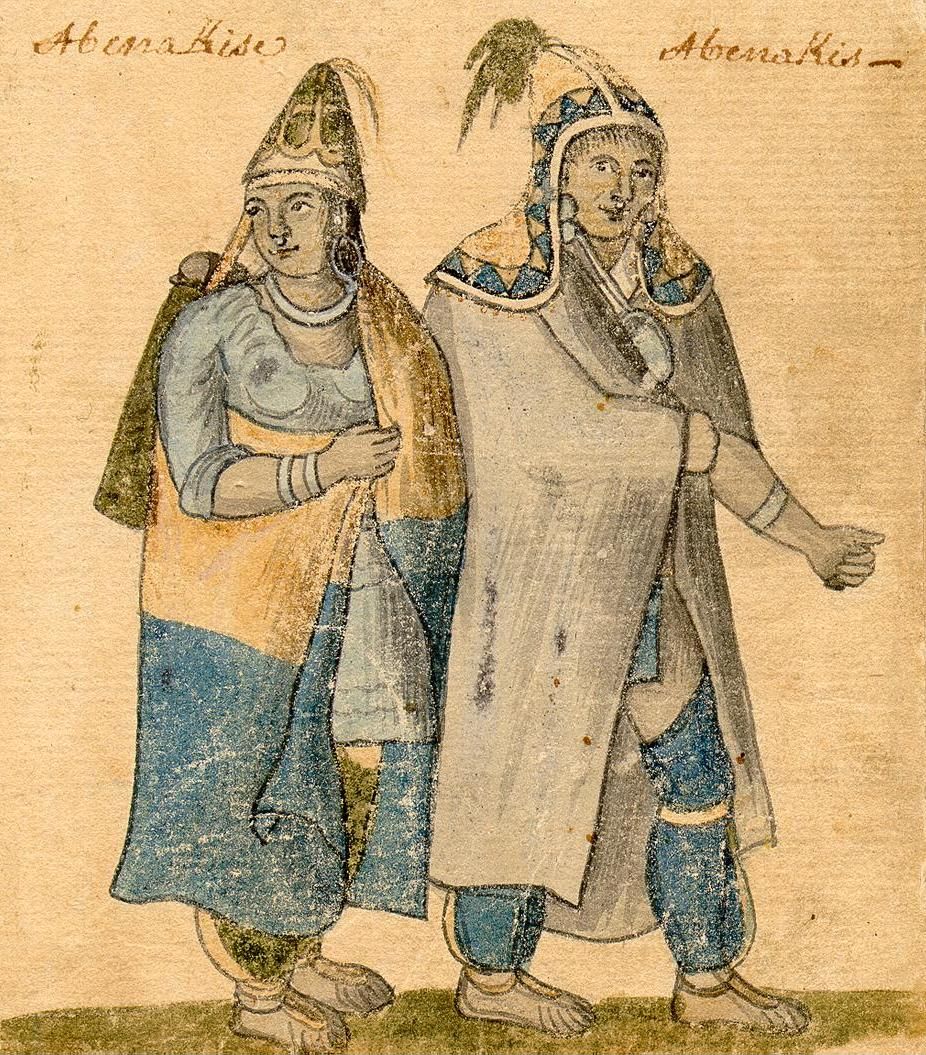
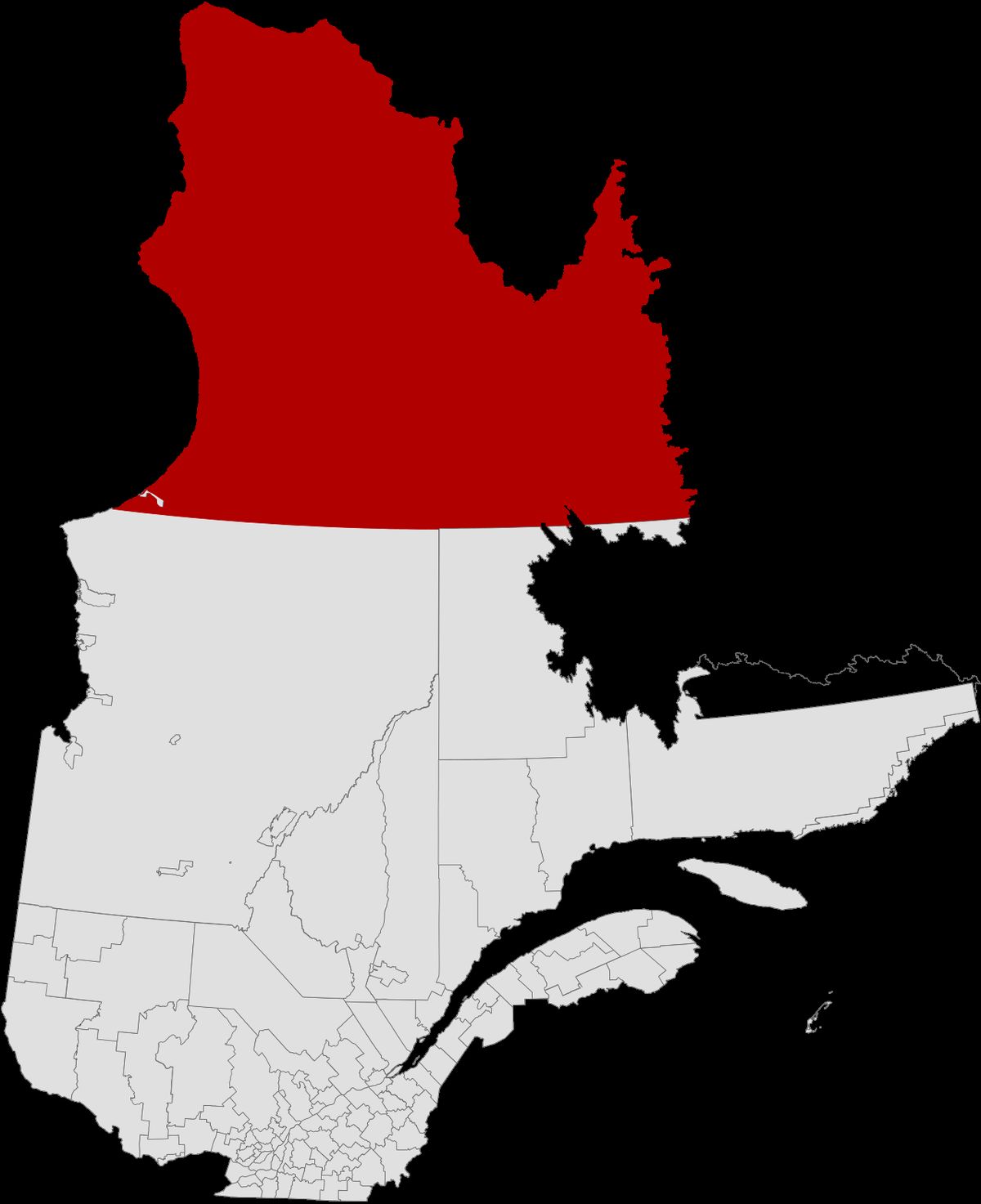
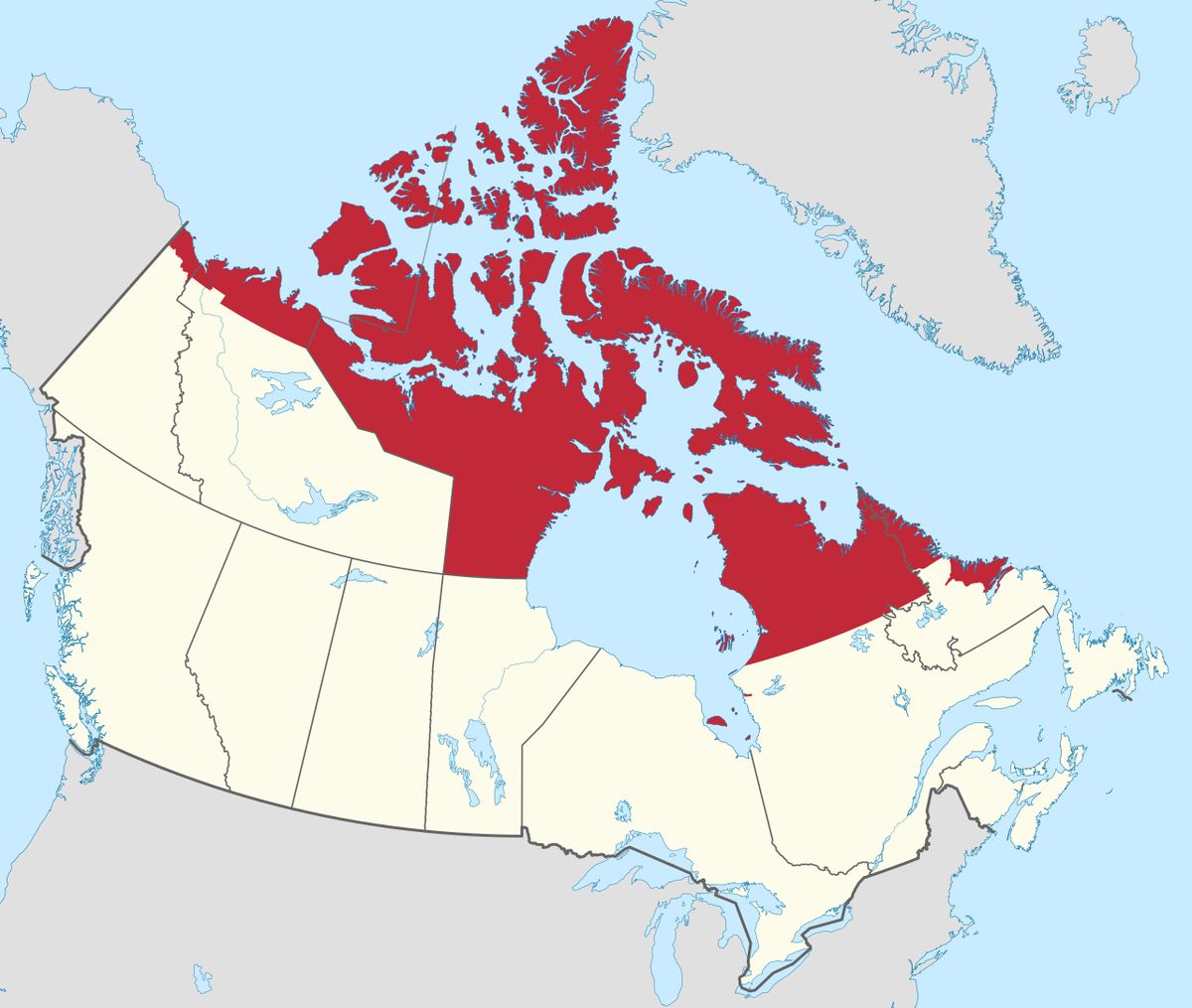
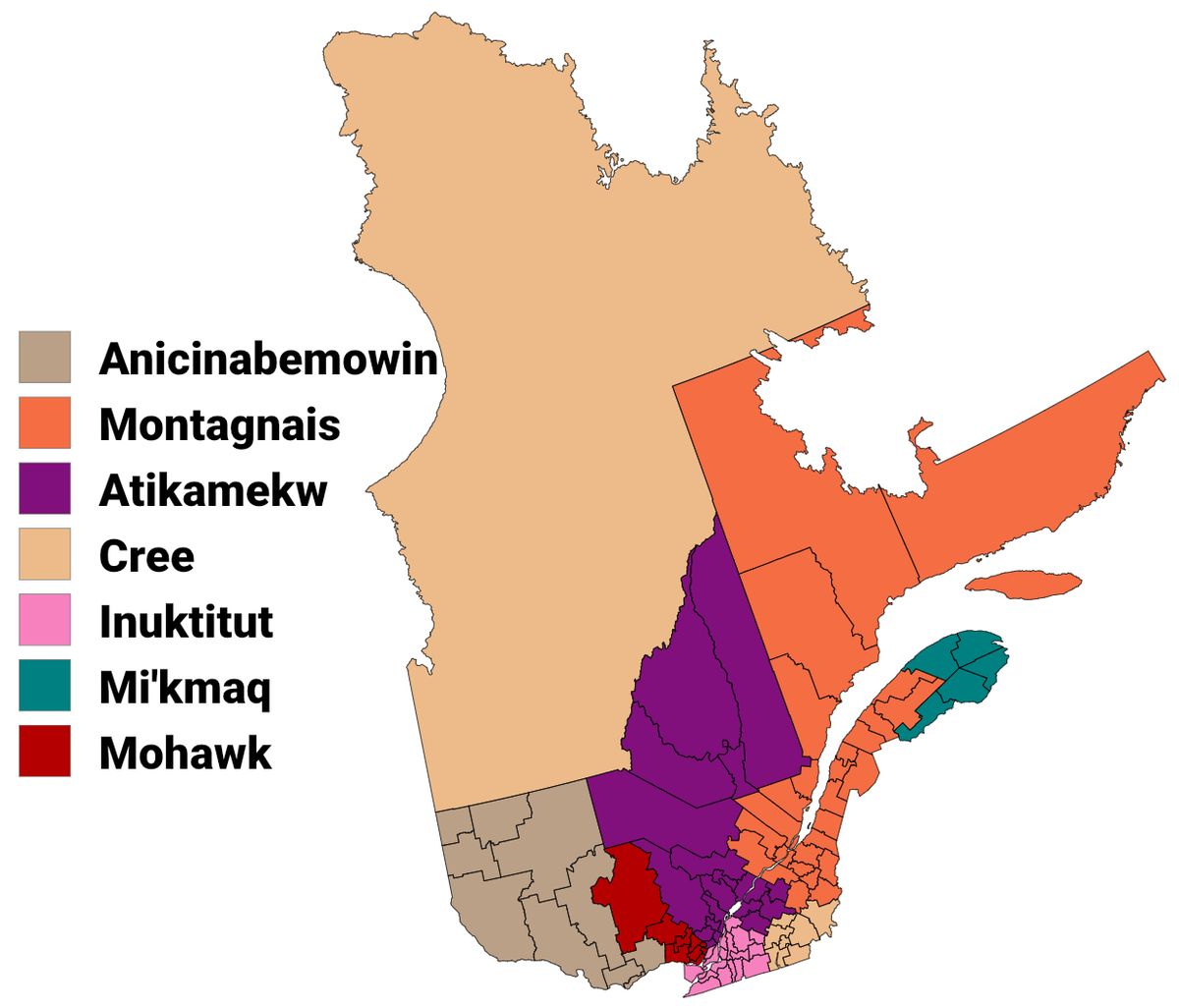
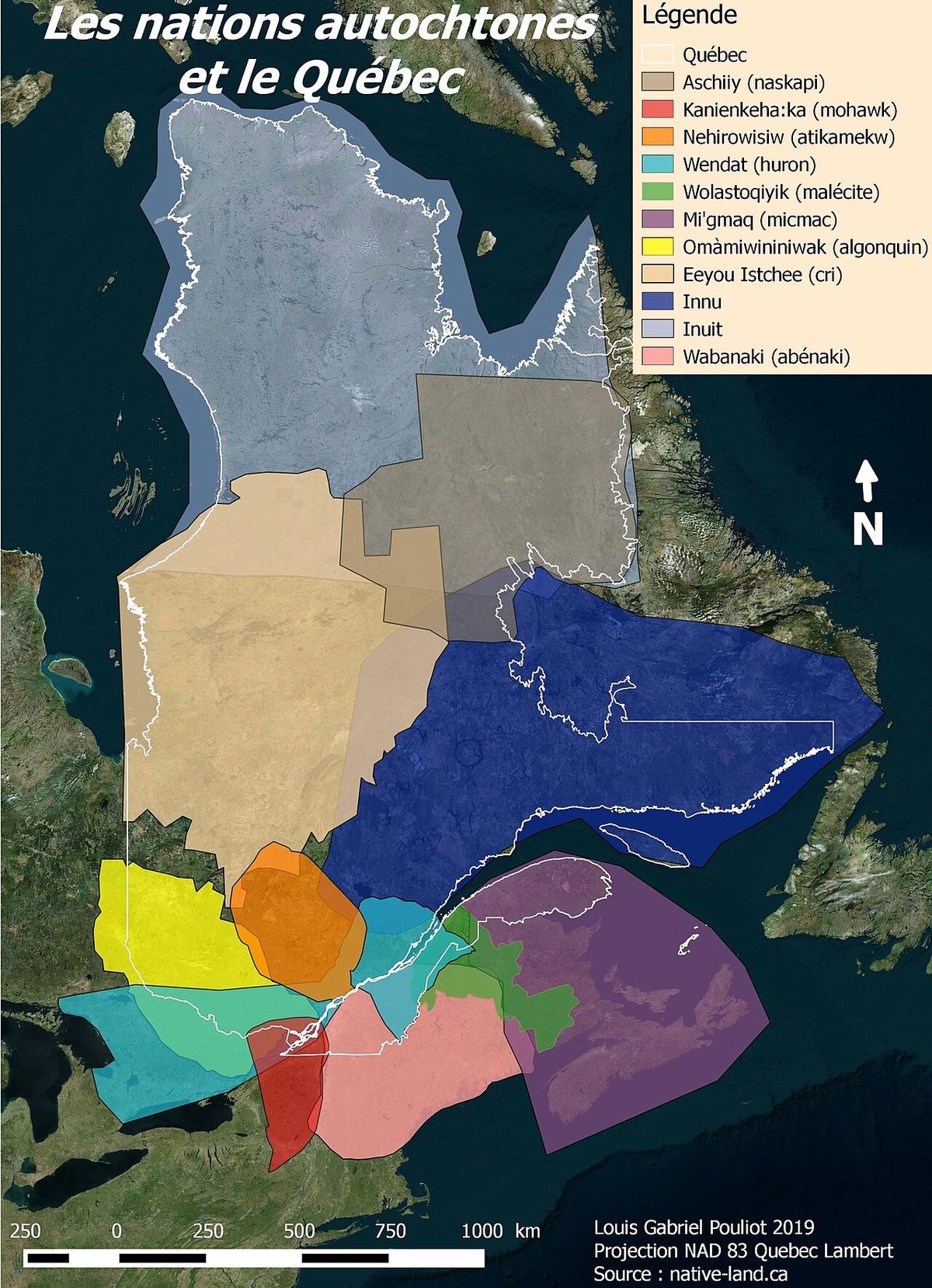
Quebec is home to eleven Indigenous nations, each with a distinct cultural and linguistic identity. The ten First Nations are the Abenaki, Algonquin (Anishinaabeg), Atikamekw, Cree, Innu, Maliseet, Mi'kmaq, Mohawk, Naskapi, and Wendat (Huron-Wendat). The eleventh nation is the Inuit of Nunavik, Quebec's Arctic region. These nations are distributed across 55 communities, which include Indian reserves, settlements, and northern villages. The majority of First Nations communities are located in the southern and central regions of the province, while the 14 Inuit communities are all coastal villages in Nunavik, governed by the Kativik Regional Government.
The population sizes of these nations vary considerably. The Cree are the most populous First Nation in Quebec, with approximately 25,000 people across ten communities in the northern James Bay region. The Innu number around 18,000 people across nine communities, primarily in the Côte-Nord region. The Mohawk population is approximately 13,000, with communities at Kahnawà:ke, Kanesatake, and Akwesasne. The Algonquin population is around 12,000 across nine communities in Outaouais and Abitibi-Témiscamingue. The Inuit population of Nunavik was 12,129 in 2015. Smaller nations include the Atikamekw (4,900), Mi'kmaq (4,300), Wendat (approximately 2,800), Abenaki (1,900), Naskapi (1,000), and Maliseet (570).
Community governance follows different models. Most First Nations operate with band councils elected under the federal Indian Act, administering reserve lands such as Odanak (Abenaki) and Listuguj (Mi'kmaq). The Inuit, Cree, and Naskapi operate under the self-government provisions of the James Bay and Northern Quebec Agreement. The Inuit villages, including Akulivik, Aupaluk, and Ivujivik, function as northern village municipalities under Quebec's jurisdiction. The Naskapi Nation of Kawawachikamach is a single, distinct First Nation community located in northern Quebec, recognized separately from the Innu.
Linguistic and Cultural Diversity
The Indigenous nations of Quebec speak languages belonging to three major linguistic families. The Algonquian language family is the most widely represented, encompassing the languages of the Cree, Innu, Algonquin, Atikamekw, Mi'kmaq, Abenaki, Maliseet, and Naskapi nations. The Iroquoian family includes the languages of the Mohawk and the Wendat, though Wendat is no longer widely spoken as a first language. The Eskaleut language family is represented by Inuktitut, specifically the Nunavimmiutitut dialect spoken by the Inuit of Nunavik, which had a 98 percent native language retention rate as of 2023.
Cultural practices are deeply tied to the land and traditional economies. For northern nations like the Inuit, Cree, and Innu, hunting, fishing, and trapping remain vital for subsistence, culture, and identity. The southern nations, such as the Mohawk and Wendat, have economies that blend traditional practices with contemporary business and tourism. Each nation maintains distinct artistic traditions, spiritual beliefs, and social structures. The concept of the land is central, not only as a resource but as a foundational element of worldview and history.
The transmission of knowledge and roles within communities is specific and gendered. Women in many nations have traditional responsibilities for gathering and preparing food, while men are often involved in fishing and hunting large animals like caribou. Younger generations access traditional knowledge through participation in these activities, but environmental changes can disrupt this intergenerational transmission. The effects of climate change differ within communities based on these traditional roles and relationships with nature, influencing safety, food security, and cultural education.
Governance and Land Administration
Governance structures for Indigenous peoples in Quebec are complex and vary by nation and legal framework. Most First Nations operate under the federal Indian Act, with elected band councils administering reserve lands. Reserves are federal lands set aside for the exclusive use and benefit of a First Nation, such as Wendake (Huron-Wendat) and Kitigan Zibi (Algonquin). Some communities, like the Cree, Inuit, and Naskapi, are governed through modern land claim agreements which provide them with different models of self-government. The Inuit of Nunavik, for example, are not subject to the Indian Act. Their 14 northern villages are municipal entities under Quebec jurisdiction, coordinated by the Kativik Regional Government.
The administration of land is categorized under major agreements. These agreements classify land into three categories. Category I Lands are lands reserved for the exclusive use and benefit of the Indigenous signatory nations. Category II Lands are public lands where the Indigenous nations have exclusive hunting, fishing, and trapping rights. Category III Lands are remaining public lands where the nations have certain non-exclusive rights to harvest wildlife. This system grants significant autonomy over traditional territories while creating a shared governance framework with Quebec and Canada.
Historic Agreements and Legal Frameworks
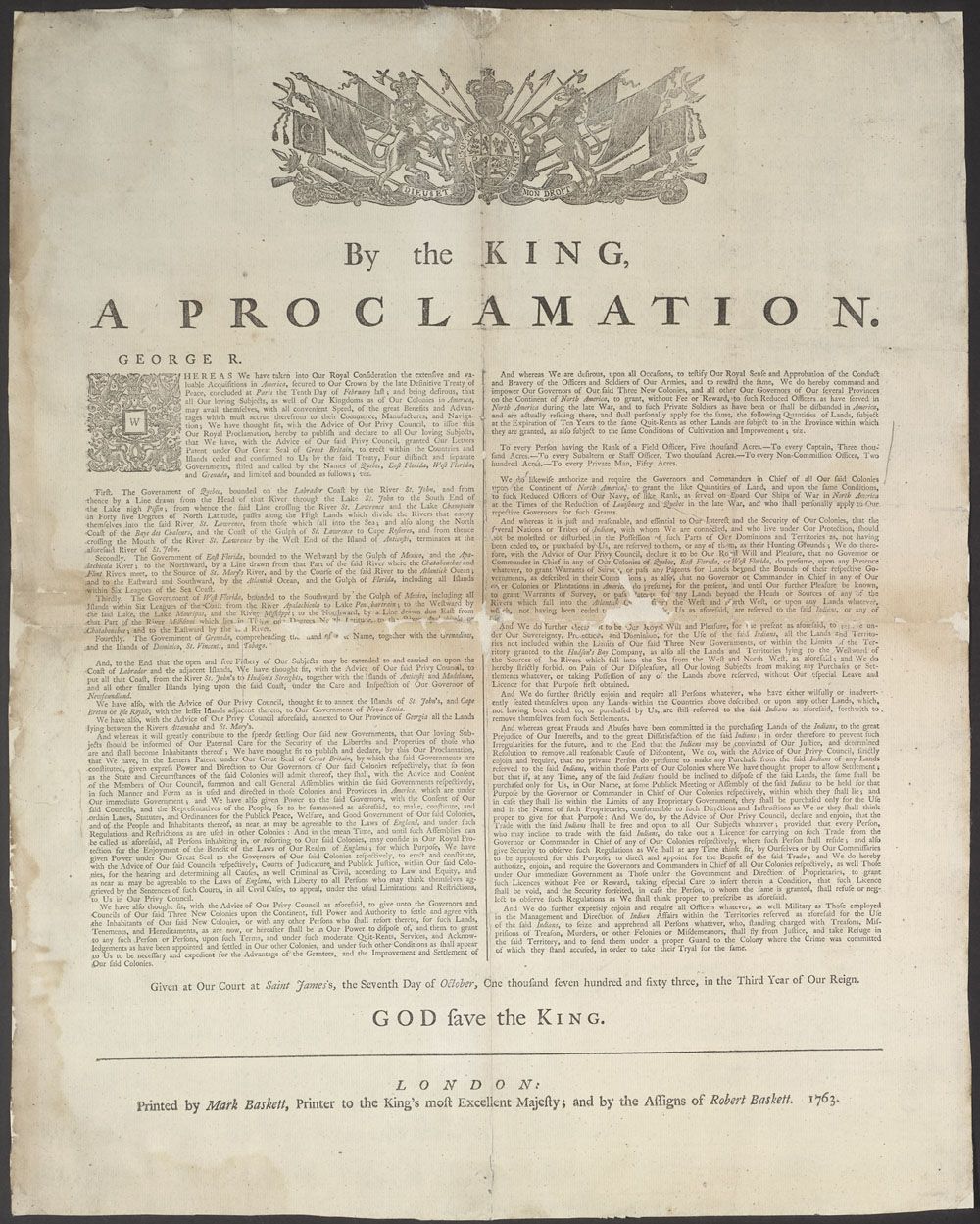
The relationship between Indigenous peoples and the Crown in Quebec is framed by a history of treaties, proclamations, and modern comprehensive land claims. Early diplomatic relations included the Treaty of 1752 with the Mi'kmaq and the Murray Treaty of Longueuil in 1760. The Royal Proclamation of 1763 is a foundational document that recognized Indigenous land title and established a protocol for land acquisition by the Crown. The James Bay and Northern Quebec Agreement was Canada's first modern treaty and set a precedent for subsequent agreements, addressing land rights, self-governance, and economic compensation for the Cree and Inuit of the region.
Other key legal instruments shape the contemporary landscape. Quebec's Charter of the French Language includes provisions regarding the teaching of Indigenous languages. At the international level, the United Nations Declaration on the Rights of Indigenous Peoples (UNDRIP) was adopted by Canada, receiving royal assent in June 2021, which commits the government to its implementation. These frameworks provide the basis for ongoing negotiations over specific claims, self-determination, and the protection of rights within the province. The Jay Treaty of 1794 also remains a reference point for discussions on cross-border rights, particularly for nations like the Mohawk whose territories straddle the Canada-United States border.
Demographic Profile and Regional Distribution
The Indigenous population in Quebec totals 141,915 people, representing approximately two percent of the provincial population. This total includes the populations of the ten First Nations and the Inuit of Nunavik. Government data from December 2025 indicated the registered First Nations and Inuit population was approximately 131,050, with about 81,252 living on-reserve or on Crown land and 49,798 living off-reserve. The Inuit population of Nunavik continues to grow, accompanied by strong cultural revitalization efforts. The Huron-Wendat Nation at Wendake reported a membership of approximately 2,800 people.
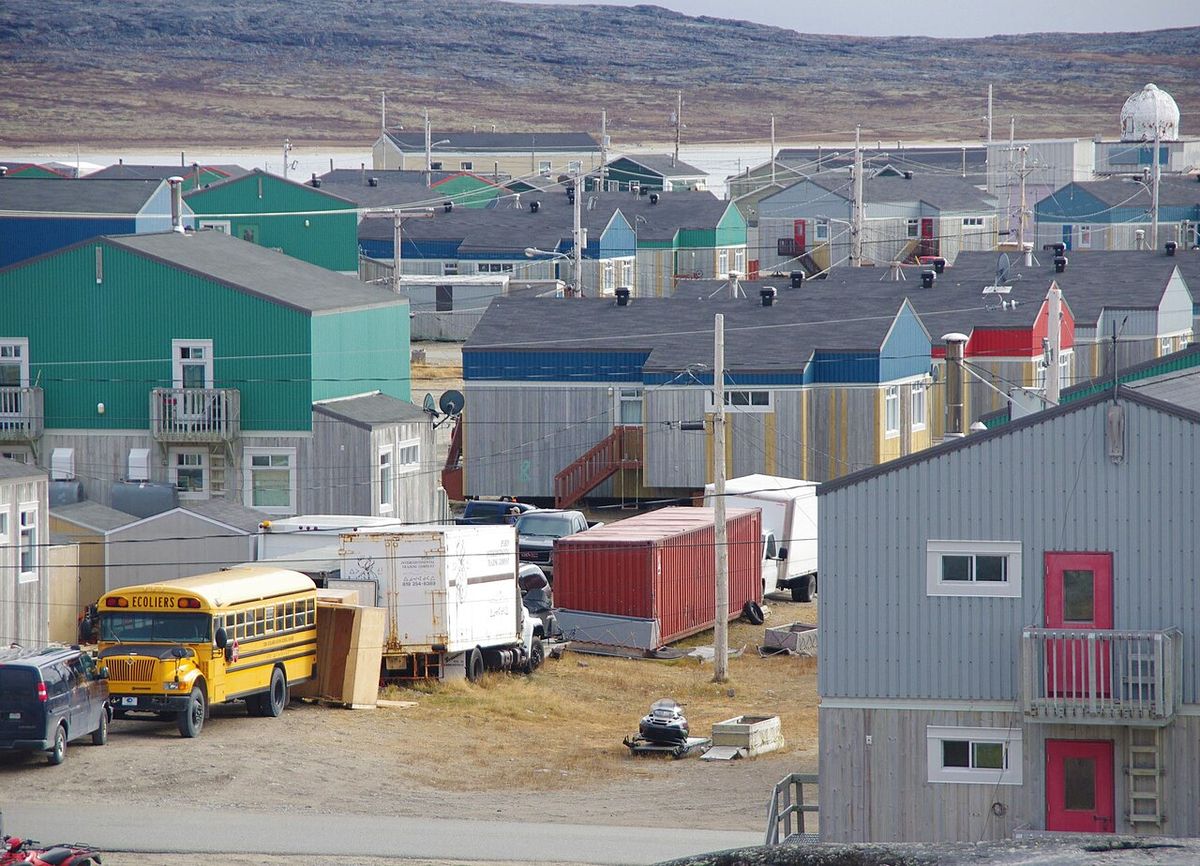
Socio-economic conditions vary widely between communities, particularly between urban and remote settings. Many urban Indigenous people have access to standard municipal services. In contrast, remote northern communities, especially the Inuit villages of Nunavik, face significant challenges related to the high cost of living, food insecurity, housing shortages, and limited access to healthcare and infrastructure. Climate change poses a disproportionate threat to these communities, impacting ice stability for travel and hunting, permafrost, and wildlife patterns.
The geographic distribution of the population is concentrated in specific regions. The Nunavik, Terres-Cries-de-la-Baie-James, and Côte-Nord regions together account for around 50 percent of Quebec's Indigenous population. The Cree communities are located across the James Bay region, the Innu are primarily on the North Shore, and the Inuit are along the coasts of Hudson Bay, Hudson Strait, and Ungava Bay. Southern communities like Kahnawà:ke, Kanesatake, and Wendake are located near major urban centres, facilitating different economic and social interactions with the non-Indigenous population.
Contemporary Issues and Advocacy
Indigenous leaders and communities in Quebec are actively engaged in advocacy concerning land rights, environmental protection, and social justice. A persistent issue is the perception that Indigenous concerns are marginalized in provincial politics, with leaders citing a lack of respect and engagement from government parties. Specific claims related to historic grievances and land titles continue to be negotiated. The implementation of the United Nations Declaration on the Rights of Indigenous Peoples (UNDRIP) at both federal and provincial levels is a key focus, requiring governments to align laws and policies with minimum standards for survival, dignity, and well-being.
Many nations operate their own school boards or education programs to teach Indigenous languages and cultures alongside the provincial curriculum. Indigenous tourism has also grown as a means of economic development and cultural sharing, promoting authentic experiences for visitors. The path forward involves continued negotiation, recognition of jurisdiction, and addressing the socio-economic gaps that persist for many communities, all while strengthening the distinct identities of the eleven nations within Quebec. Specific community challenges are noted, such as the multiple displacements experienced by the Naskapi Nation throughout the 20th century.
First Nations and Inuit Communities by Population
The eleven Indigenous nations in Quebec include ten First Nations and the Inuit Nation. The First Nations are the Abenaki, Algonquin, Atikamekw, Cree, Innu, Maliseet, Mi'kmaq, Mohawk, Naskapi, and Wendat. The Cree are the most populous First Nation in Quebec with approximately 25,000 people. The Inuit of Nunavik numbered 12,129 people in 2015. These nations are distributed across 55 communities throughout the province.
| Nation | Approximate Population | Number of Communities | Primary Region(s) |
|---|---|---|---|
| Cree | 25,000 | 10 | Terres-Cries-de-la-Baie-James |
| Innu | 18,000 | 9 | Côte-Nord, Lac-Saint-Jean |
| Mohawk | 13,000 | 3 | Montreal region, Outaouais |
| Algonquin | 12,000 | 9 | Outaouais, Abitibi-Témiscamingue |
| Inuit (Nunavik) | 12,129 (2015) | 14 | Nunavik |
| Atikamekw | 4,900 | 4 | Mauricie |
| Mi'kmaq | 4,300 | 3 | Gaspésie |
| Wendat (Huron-Wendat) | 2,800 | 1 (Wendake) | Quebec City region |
| Abenaki | 1,900 | 2 | Centre-du-Québec, Mauricie |
| Naskapi | 1,000 | 1 | Nord-du-Québec |
| Maliseet | 570 | 2 | Bas-Saint-Laurent |
Larger nations like the Cree and Inuit are concentrated in northern Quebec. The Inuit live in Nunavik, which is the Quebec part of the larger Inuit Nunangat territory. Smaller nations like the Maliseet, with approximately 570 people, are located in southern regions such as Bas-Saint-Laurent. The Maliseet First Nation, Wolastoqiyik Wahsipekuk, has members in the communities of Cacouna and Kataskomiq. The Algonquin, with about 12,000 people, live in communities in the Outaouais and Abitibi-Témiscamingue regions.
Questions about Indigenous peoples in Quebec
How many Indigenous nations are there in Quebec?
There are eleven distinct Indigenous nations in Quebec. This total includes ten First Nations and one Inuit Nation. The ten First Nations are the Abenaki, Algonquin, Atikamekw, Cree, Innu, Maliseet, Mi'kmaq, Mohawk, Naskapi, and Wendat. These nations are distributed across 55 communities in the province.
What is the population of Indigenous peoples in Quebec?
The Indigenous population of Quebec is 141,915 people. This figure includes the ten distinct First Nations communities and the one Inuit community in the province. Together, these Indigenous peoples represent approximately two percent of Quebec's total population. The population is distributed across numerous communities throughout the province, from the northern region of Nunavik to areas in southern Quebec.
Where do the Inuit of Quebec live?
The Inuit of Quebec live in Nunavik, the Arctic region located above the 55th parallel. They reside in 14 coastal northern villages, which are regulated by the Kativik Regional Government. These villages include Akulivik, Inukjuak, Kuujjuaq, Puvirnituq, and Salluit. The residents of these villages are almost all Inuit and are known as Nunavimmiut.
Do Indigenous communities in Quebec speak French or English?
Indigenous language retention varies by nation. In Nunavik, 98 percent of Inuit speak Nunavimmiutitut, a dialect of Inuktitut, as their native language, but they also learn English and French in school. Many First Nations communities have their own Algonquian or Iroquoian languages as first languages, such as Cree, Innu-aimun, or Mohawk. English is commonly spoken in many communities, particularly those near the Ontario or US borders, while French is more prevalent in communities within predominantly Francophone regions of Quebec.
What are the main challenges facing Indigenous communities in Quebec today?
Key challenges include addressing socio-economic gaps, particularly in remote northern communities where high costs, housing shortages, and food insecurity are prevalent. Climate change disproportionately affects these communities by threatening traditional hunting and travel routes. Land rights and treaty implementation remain ongoing issues, as does ensuring adequate funding and respect for self-determination. The Naskapi Nation, for example, was displaced multiple times in the 20th century.
What is the James Bay and Northern Quebec Agreement?
The James Bay and Northern Quebec Agreement was Canada's first modern treaty. It was signed between the Cree and Inuit of northern Quebec, the Quebec government, and the federal government. The agreement covers the vast territories where Inuit, Cree, and Naskapi communities are located. It created a system of land categories, with Category I lands reserved for the exclusive use of these Indigenous nations. The agreement also led to the formation of local and regional self governing institutions such as the Kativik Regional Government.
Sources and further reading
- Indigenous peoples in Quebec (Wikipedia)
- Indigenous communities in Quebec (sac-isc.gc.ca)
- Indigenous peoples of Quebec | Social Sciences and ... (ebsco.com)
- The 11 Indigenous nations of Québec (quebec.ca)
- Indigenous peoples, Ouranos (ouranos.ca)
Checked by the Nosy Mag desk. Last updated 2026-10-31.