Indigenous data governance
Indigenous data governance refers to the systems, principles, and practices through which Indigenous peoples assert control over the collection, ownership, access, and use of data related to their communities, lands, cultures, and resources. It is a critical component of self-determination, enabling Indigenous nations to make informed decisions that reflect their own priorities and worldviews. In Canada, the movement encompasses distinct strategies developed by First Nations, Métis, and Inuit peoples, often formalized through frameworks like the First Nations Data Governance Strategy. The governance of Indigenous data challenges colonial data practices and seeks to rectify historical misrepresentation and exploitation by ensuring data serves Indigenous-defined needs and benefits.
Definition and Scope of Indigenous Data
Indigenous data encompasses a wide range of information that pertains to Indigenous peoples, their territories, and their ways of life. This includes statistical and administrative data such as census information, health records, and educational outcomes collected by governments and other institutions. It also extends to information about the environment, natural resources, and non-human entities that are integral to Indigenous worldviews and stewardship practices. Crucially, Indigenous data includes cultural heritage knowledge such as oral histories, clan systems, languages, and the locations of significant cultural sites like archaeological areas. This data can be generated by Indigenous communities themselves, by tribal governments, or by external entities like federal agencies, universities, and corporations. The fundamental purpose of governing this data is to ensure it is available and useful for Indigenous nations when making critical decisions about resource management, community development, and cultural preservation. Without Indigenous control, data collected by external entities often fails to capture community contexts and can lead to policies that are misaligned with or harmful to Indigenous interests.
The Imperative for Indigenous Data Governance
Historically, data about Indigenous peoples in Canada has largely been considered government data under Crown copyright, limiting Indigenous access and control over information such as archaeological site records that are of deep significance to their nations. This lack of governance has had tangible negative consequences, as data that misrepresents communities can inform discriminatory policies and perpetuate colonial practices. For instance, health data may be aggregated in ways that obscure specific community needs, or environmental data may be used without consent for resource extraction. Indigenous data governance directly addresses these issues by repositioning authority over data, making it a key mechanism for enabling self-determination and rebuilding strong Indigenous nations. The movement asserts that data sovereignty is an inherent right, flowing from the right to self-government. This right has gained formal international recognition through the United Nations Declaration on the Rights of Indigenous Peoples (UNDRIP), adopted by the United Nations in 2007. In Canada, the 2023 to 2026 Data Strategy for the Federal Public Service explicitly called for Inuit and Métis to develop their own data strategies. The First Nations principles of OCAP were an early framework addressing the lack of Indigenous authority in data production.
Foundational Principles and Frameworks
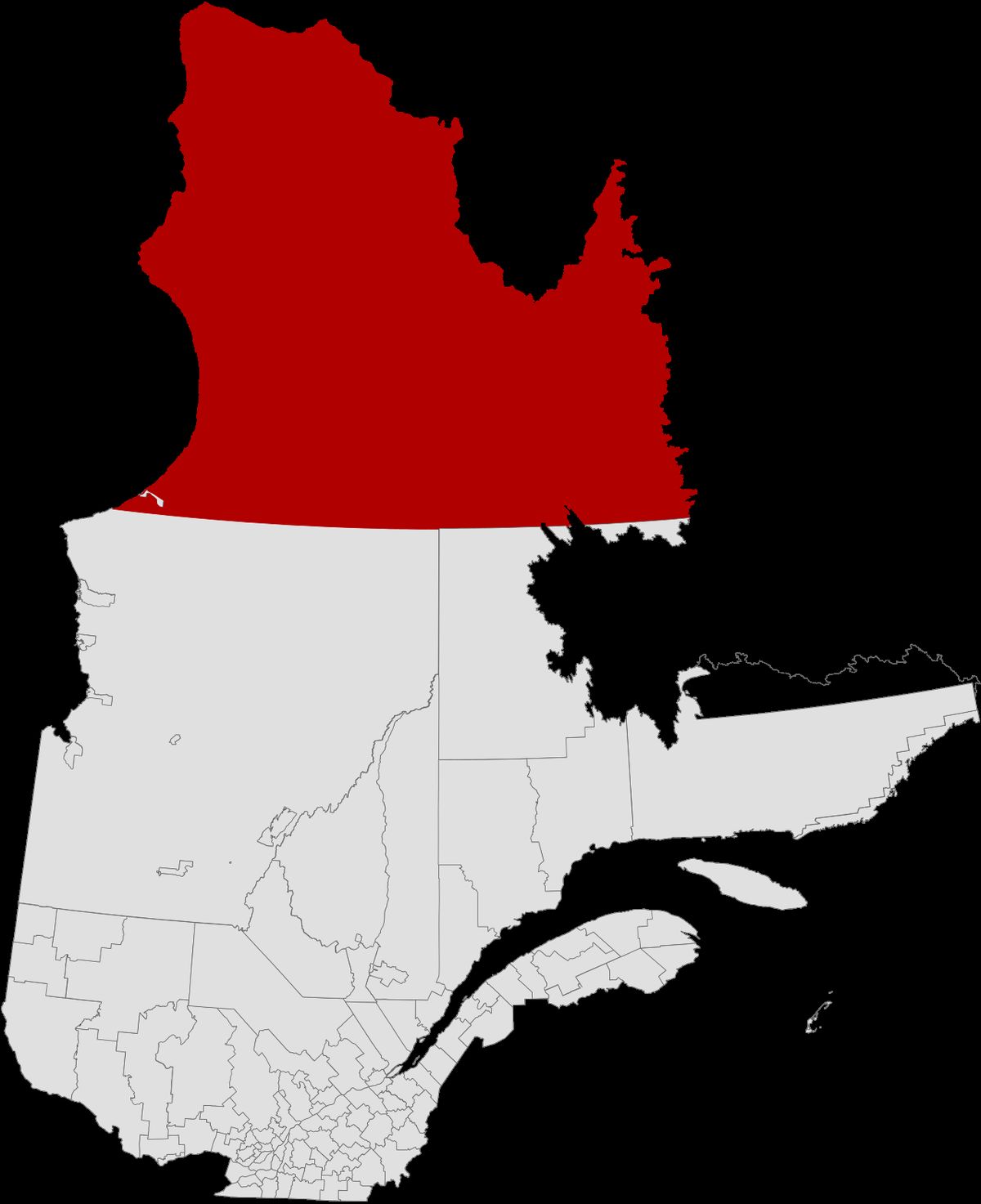
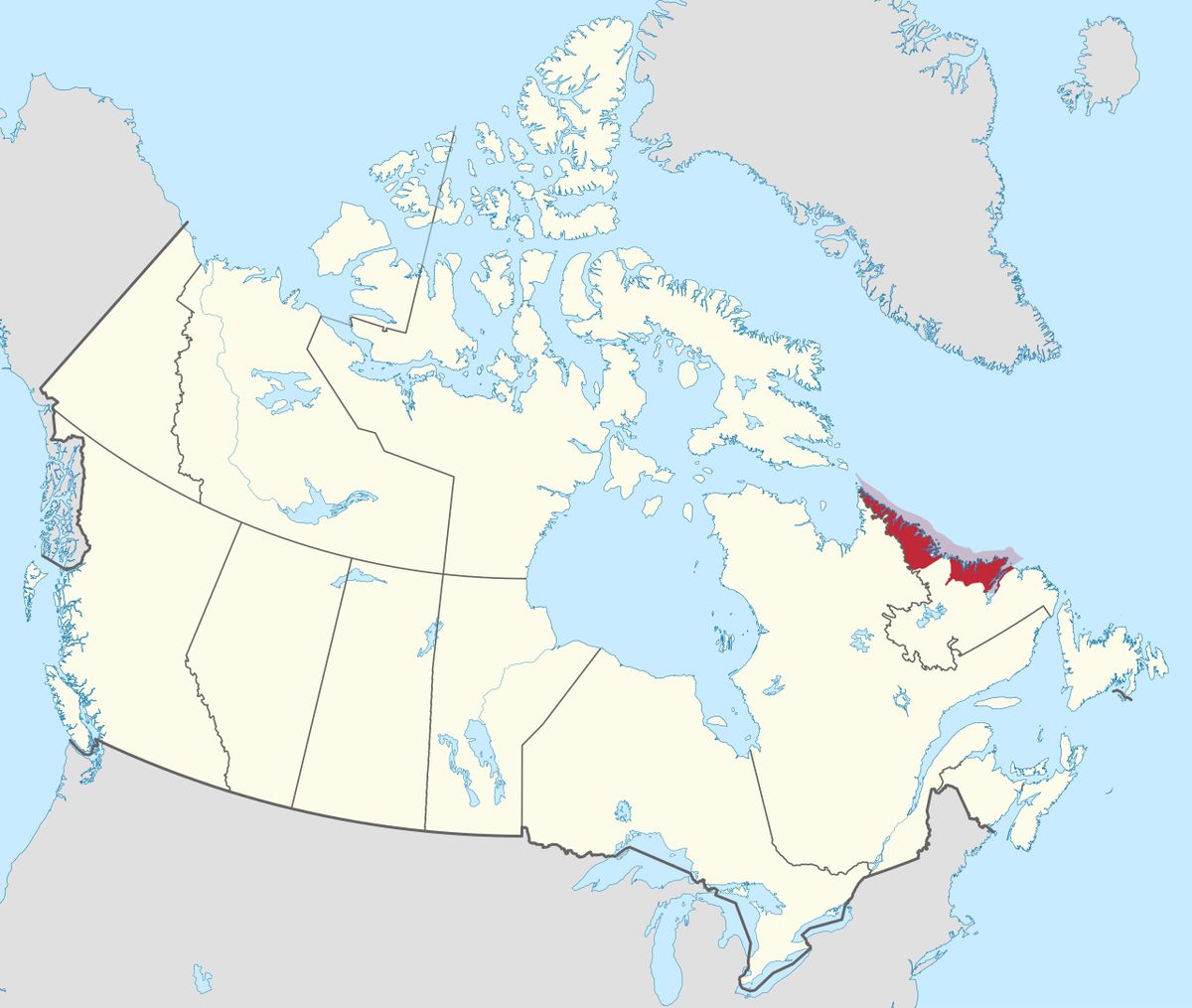
A critical foundation of Indigenous data governance in Canada is the OCAP® principles, developed by the First Nations Information Governance Centre. OCAP® stands for Ownership, Control, Access, and Possession, asserting that First Nations collectively own their data, control all aspects of its management, must have access to information about themselves, and should hold physical possession of it. For Métis peoples, the Métis National Council has outlined similar priorities encapsulated in the OCAS principles, which emphasize Ownership, Control, Access and Stewardship. Inuit data sovereignty is guided by the National Inuit Strategy on Research, which stresses Inuit self-determination in data, ensuring initiatives are relevant, beneficial, and respect cultural integrity and the control of the four Inuit regions: Inuvialuit, Nunavut, Nunavik, and Nunatsiavut. At a global level, the CARE principles for Indigenous data governance, created by the Global Indigenous Data Alliance in 2019, provide a people-oriented framework that complements technical open data standards like the FAIR principles. Common values across all frameworks include ethical stewardship, transparency, and the design of data ecosystems that deliver collective benefits to Indigenous communities rather than serving external academic, government, or commercial interests alone.
- Data Sovereignty: The inherent right of Indigenous nations to govern data in accordance with their laws, governance structures, and traditions.
- Ethical Stewardship: Data collection and use must follow standards prioritizing community safety, dignity, and benefit.
- Nation-to-Nation Relationships: Data governance reflects inherent rights and the relationship with the Canadian state.
- Transparency and Accountability: Clear agreements on data use, security, and accountability to Indigenous communities are required.
- Collective Benefit: Data ecosystems should enable Indigenous Peoples to derive benefits, supporting capacity building and equitable outcomes.
- Capacity Building: Supporting communities to collect, manage, and interpret their own data is essential.
- Free, Prior, and Informed Consent: This is a prerequisite for ethical data collection and use.
- Respect for Cultural Protocols: Data activities must acknowledge Indigenous cultural values, knowledge systems, and priorities.
The First Nations Data Governance Strategy
The First Nations Data Governance Strategy represents a comprehensive, nationally coordinated plan to achieve data sovereignty for First Nations across Canada. Developed by the First Nations Information Governance Centre and its regional partners, the strategy was delivered to the Government of Canada in the spring of 2020. The strategy articulates a collective vision forged through extensive engagement with First Nations leadership, rights holders, and data sovereignty experts over several years. Its central operational goal is the establishment of a national network of fully functioning, interconnected Regional Information Governance Centres. These RIGCs are intended to serve as First Nations-led data and statistical service centres, building the capacity for every First Nation to manage its data in alignment with its distinct world view. The strategy is designed as an incremental plan to ensure no First Nation is left behind in the evolving digital environment, empowering communities to use their own data to inform decisions, improve outcomes, and collaborate on common priorities. The strategy supports the data interests, gaps, and priorities of Indigenous peoples in order to enable Indigenous self-determination.
Current Initiatives and Evolving Landscape
The field of Indigenous data governance is dynamic, with numerous ongoing initiatives, conferences, and capacity-building efforts reflecting its growth and application. The Chiefs of Ontario Research and Data Management Sector hosted the Powering Up Data Sovereignty Conference from May 12 to 14, 2026, bringing together experts and leaders. Academic and community collaborations are also proliferating, such as the weekly IDX Webinar Series held every Wednesday from August to December 2026, which discusses advancing Indigenous Data Sovereignty and Governance. A specific webinar hosted by the Collaboratory for Indigenous Data Governance on March 18, 2026, discussed applying Indigenous data governance to reframe global biodiversity data as relational infrastructures. Another webinar scheduled for October 28, 2026, focuses on a Wabanaki-led biodiversity data infrastructure. The Collaboratory for Indigenous Data Governance also facilitates sector-specific workshops, such as a two-day virtual workshop on Indigenous Data Sovereignty needs in agriculture held on November 16-17, 2022. These activities show the growing recognition that Indigenous data governance is essential not only for community well-being but also for ethical and effective research and policy in broader societal contexts including technology and environmental management. The development of the IEEE 2890 to 2025 standard for data provenance is another key initiative.
Application in Policy, Research, and Technology
Implementing Indigenous data governance requires concrete changes in how governments, institutions, and researchers engage with Indigenous data. In British Columbia, the Declaration Act Action Plan included specific measures, with the Ministry of Citizens’ Services holding six Zoom Circle meetings with Indigenous governing entities from April 2025 to March 2026. The development of technical standards is another key area of application, such as the IEEE 2890 to 2025 Recommended Practice for Provenance of Indigenous Peoples’ Data, which details the process for describing and recording the origin and history of data related to Indigenous peoples. In the area of emerging technology, webinars examine the serious risks and strategic opportunities artificial intelligence presents for Indigenous self-determination, noting that data is extracted globally without consent. Ethical practice mandates free, prior, and informed consent for data collection and use, transparency in agreements, and respect for cultural protocols. This approach moves beyond viewing Indigenous knowledge as a simple public good to recognizing its embedded relational, cultural, and spiritual contexts. The FAIR principles of open data focus on increasing data sharing and accessibility devoid of historical context and power dynamics, which the CARE principles counter.
Distinctions Among First Nations, Métis, and Inuit Approaches
While united by the common goal of data sovereignty, the approaches of First Nations, Métis, and Inuit peoples reflect their unique histories, governance structures, and priorities. The First Nations strategy is notably centralized around the FNIGC and the OCAP® principles, with a focus on building a national network of Regional Information Governance Centres. The Métis National Council’s framework stresses the need for data that is specifically disaggregated to reflect Métis identities, distinct from First Nations and Inuit, and aligns data governance with Métis nationhood, cultural traditions, and political structures. Inuit data sovereignty, guided by the National Inuit Strategy on Research, emphasizes regional control, recognizing the distinct governance of the four Inuit regions over data concerning their populations and ensuring data initiatives contribute directly to Inuit well-being. The federal 2023 to 2026 Data Strategy for the Federal Public Service explicitly called for Inuit and Métis to develop their own data strategies, acknowledging these distinct paths and the need for support tailored to each group. This pluralism ensures that data governance structures are not imposed but are developed from within each people’s own governance models and worldviews.
The Global Context and the CARE Principles
Indigenous data governance is a global movement, with international frameworks developed to guide ethical practice. The CARE principles for Indigenous data governance were created by the Global Indigenous Data Alliance in 2019 as a framework for open data initiatives and other projects to incorporate Indigenous data sovereignty. CARE stands for Collective Benefit, Authority to Control, Responsibility, and Ethics, positioning them as an extension and critical counterpart to the FAIR principles of open data which focus on Findability, Accessibility, Interoperability, and Reusability. In contrast to the data-oriented FAIR principles, the CARE principles are people and purpose oriented, and are rooted in Indigenous world views. They assert that data should provide Collective Benefit to Indigenous peoples, that Indigenous communities have the Authority to Control their data, that those working with data have a Responsibility to engage ethically, and that data governance must be grounded in Ethics that prioritize Indigenous values and rights. These principles are being applied in diverse settings, as seen in webinars discussing Indigenous Data Sovereignty in Taiwan scheduled for August 26, 2026. Data sovereignty holds significance for Indigenous peoples as marginalized groups because it allows them to protect their land, cultural heritage and knowledge from exploitation.
Questions about Indigenous data governance
What are the OCAP® principles?
The OCAP® principles are a foundational framework for First Nations data governance in Canada, developed by the First Nations Information Governance Centre. They stand for Ownership, meaning First Nations collectively own their data. Control affirms the right to control all aspects of data management from collection to disclosure. Access guarantees First Nations have access to information and data about themselves regardless of where it is held. Possession refers to the physical stewardship of data to ensure control and safeguard its integrity. These principles assert Indigenous authority over data and are a direct response to historical practices where external entities controlled information about First Nations communities.
What is the First Nations Data Governance Strategy?
The First Nations Data Governance Strategy is a national plan to achieve data sovereignty for First Nations across Canada. Developed by the First Nations Information Governance Centre and delivered to the Government of Canada in the spring of 2020, its core vision is to build a network of First Nations-led Regional Information Governance Centres. These centres will serve as data and statistical service hubs to support individual First Nations in managing their own data. The strategy was created through extensive engagement with leadership and experts and aims to ensure every First Nation can use data to inform community decisions, improve outcomes, and collaborate on shared priorities. The strategy supports the data interests, gaps, and priorities of Indigenous peoples to enable self-determination.
How do the CARE principles relate to Indigenous data governance?
The CARE principles for Indigenous data governance are a global framework created by the Global Indigenous Data Alliance in 2019. They are designed to guide open data initiatives and other data practices to respect Indigenous data sovereignty. CARE stands for Collective Benefit, Authority to Control, Responsibility, and Ethics. Unlike the more technically focused FAIR principles for open data, the CARE principles are people and purpose-oriented, rooted in Indigenous worldviews. They emphasize that data should benefit Indigenous communities collectively, that Indigenous peoples have the authority to control their data, that those using the data have a responsibility to engage ethically, and that data governance must be based on ethical considerations centred on Indigenous values and rights. The FAIR principles focus on data sharing devoid of historical context.
What is the difference between data governance and data sovereignty?
In an Indigenous context, data sovereignty refers to the inherent right of Indigenous peoples to govern data about their communities, cultures, lands, and resources. It is a foundational principle based on self-determination and nationhood, recognized internationally through UNDRIP. Data governance is the practical implementation of that right, encompassing the systems, rules, protocols, and practices that are put in place to exercise control over data. Governance involves the who, how, and when of data management: who collects it, how it is stored and protected, who can access it, and for what purposes it can be used. Sovereignty is the right. Governance is the exercise of that right through concrete policies, infrastructure like Regional Information Governance Centres, and frameworks like OCAP®.
How are Métis and Inuit peoples advancing their own data governance?
Métis and Inuit peoples are developing distinct data governance strategies that reflect their unique identities and priorities. The Métis National Council has outlined priorities based on the OCAS principles, emphasizing self-determination, the need for data that specifically identifies Métis people separately from First Nations and Inuit, and capacity building within Métis nations. Inuit data sovereignty is guided by the National Inuit Strategy on Research, which focuses on Inuit self-determination in data, ensuring data initiatives are relevant and beneficial to Inuit well-being, respect cultural integrity, and recognize the control of the four Inuit regions: Inuvialuit, Nunavut, Nunavik, and Nunatsiavut. Both approaches stress respect for their specific cultural, legal, and political traditions in data management.
Why is Indigenous data governance important for all Canadians?
Indigenous data governance supports the path to reconciliation and the implementation of the United Nations Declaration on the Rights of Indigenous Peoples. When Indigenous nations control their own data, they can make better-informed decisions about health, education, resource management, and community development, leading to stronger, more self-sufficient communities. This contributes to a more equitable and just society. Indigenous data governance leads to more accurate and relevant data for policymakers, which can result in more effective and culturally appropriate programs and services. It also establishes ethical standards for research and data use that benefit all sectors by promoting respect, collaboration, and shared benefit. Data sovereignty allows Indigenous peoples to protect their land and cultural heritage from exploitation.
Sources and further reading
- Indigenous data governance (Wikipedia)
- First Nations Data Governance Strategy (fnigc.ca)
- The Collaboratory for Indigenous Data Governance ... (indigenousdatalab.org)
- Indigenous Data Sovereignty | SFU Library (lib.sfu.ca)
- Indigenous Data Governance (bornontario.ca)
Checked by the Nosy Mag desk. Last updated 2026-11-01.