Sixty Years' War
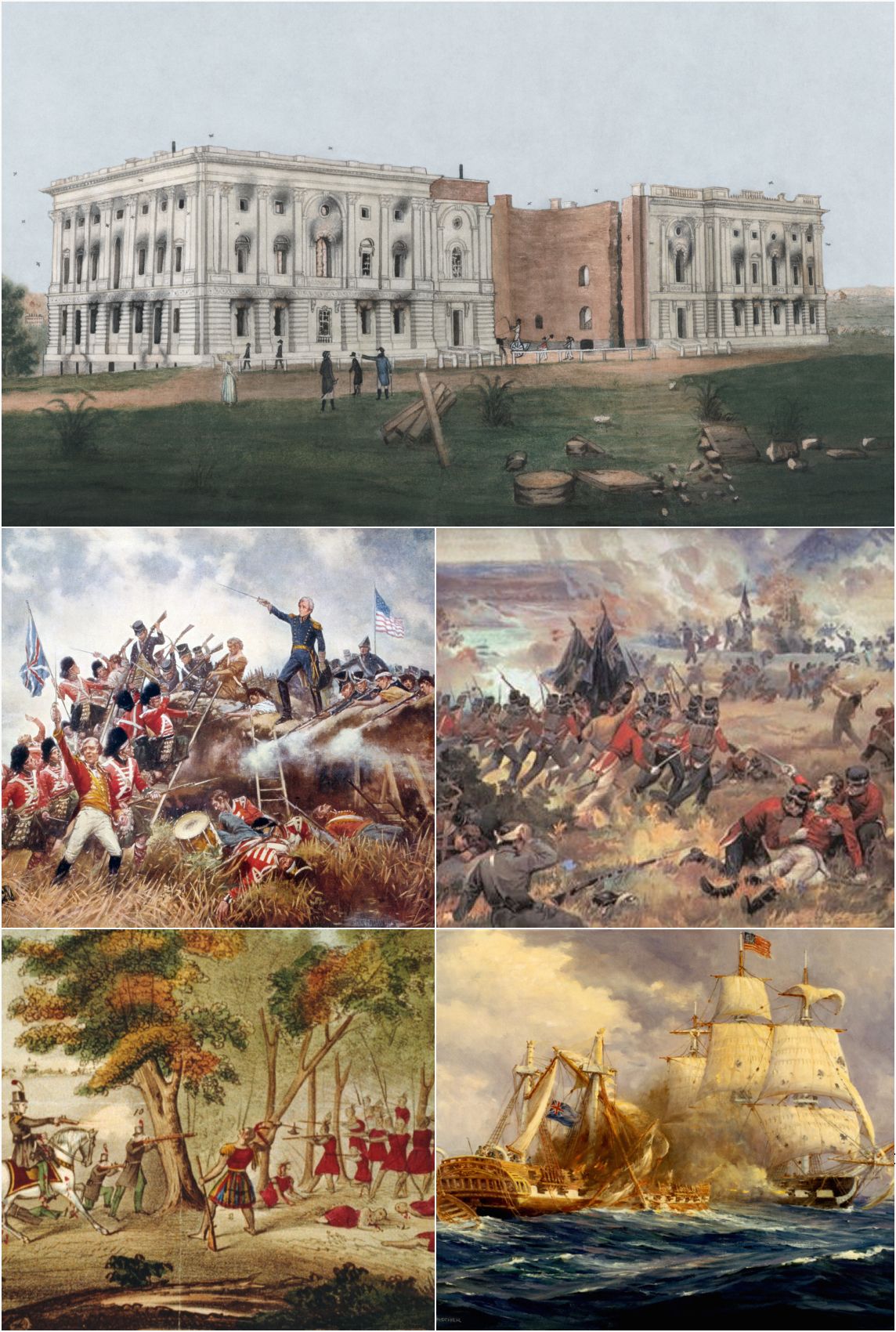
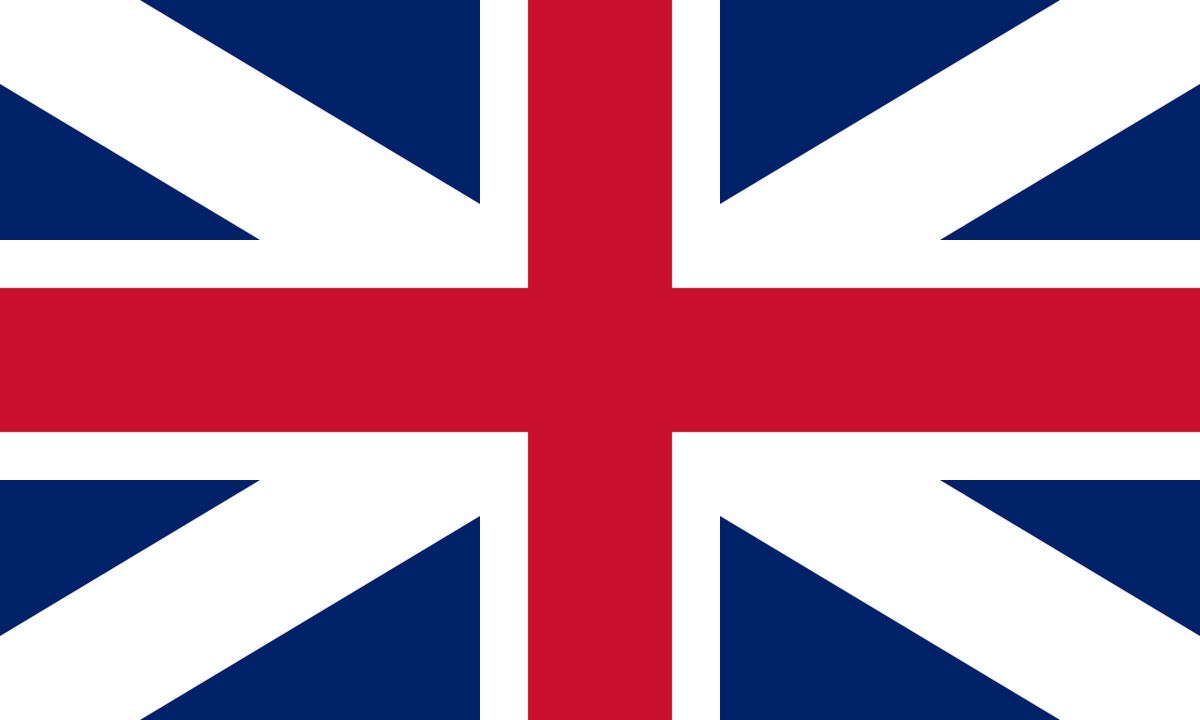
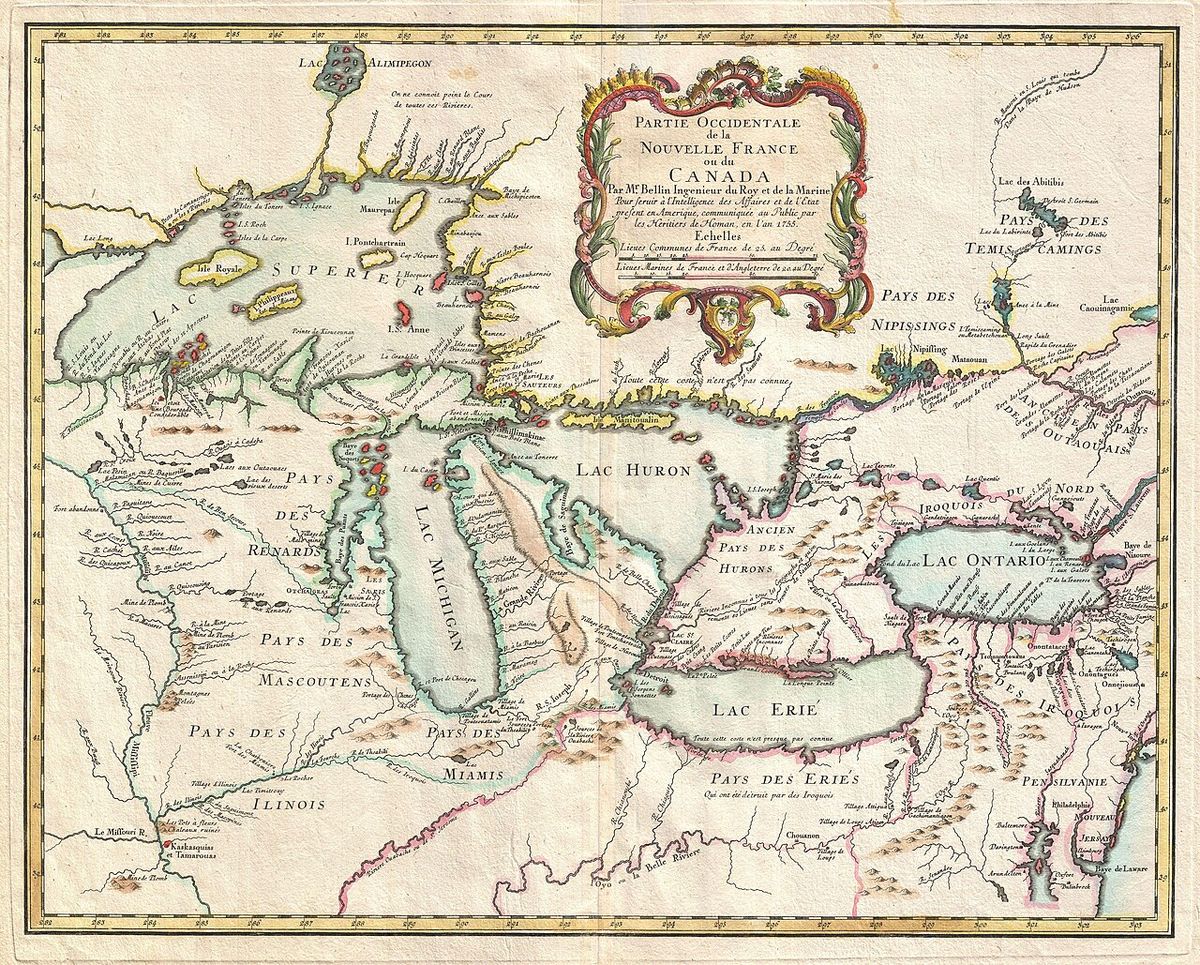
The Sixty Years' War was a prolonged military struggle for control of the North American Great Lakes region, spanning from 1754 to 1815. This era of conflict, a framework used by academic historians, encompassed the French and Indian War, Pontiac's War, Lord Dunmore's War, the western theater of the American Revolution, the Northwest Indian War, and the War of 1812. The series of wars fundamentally reshaped the continent, determining the political boundaries between British North America, later Canada, and the United States. It marked the end of French colonial power in the interior, the marginalization of Indigenous nations, and set the stage for westward expansion and eventual Canadian Confederation.
Concept and Historical Framework
The term Sixty Years' War provides a cohesive framework for understanding a series of interconnected conflicts in the Great Lakes basin over two generations. Academic historians employ this concept to view the period from 1754 to 1815 not as isolated wars but as a continuous struggle for geopolitical dominance. The core of the conflict was control over the strategic pays d'en haut, or upper country, encompassing the Ohio Country and the Great Lakes including Lake Champlain and Lake George. This prolonged contest involved four principal actors: the British Empire, the French colonial empire, the nascent United States, and the diverse Indigenous nations of the region. The framework highlights how each successive war grew from the unresolved tensions of the previous one, particularly regarding land, sovereignty, and trade relationships. The final outcome established the Great Lakes as a permanent international boundary and dictated the future trajectories of both Canada and the United States, moving them from colonial outposts to nation states.
The French and Indian War (1754 to 1763)
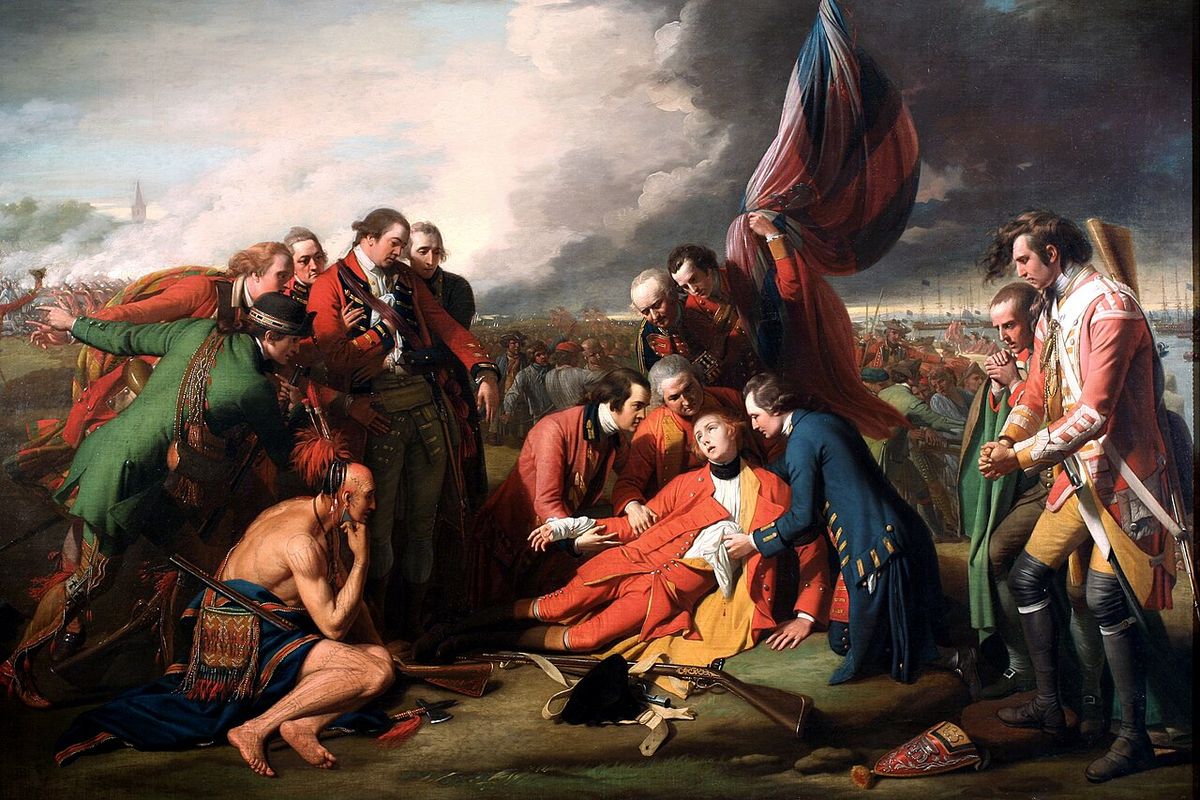
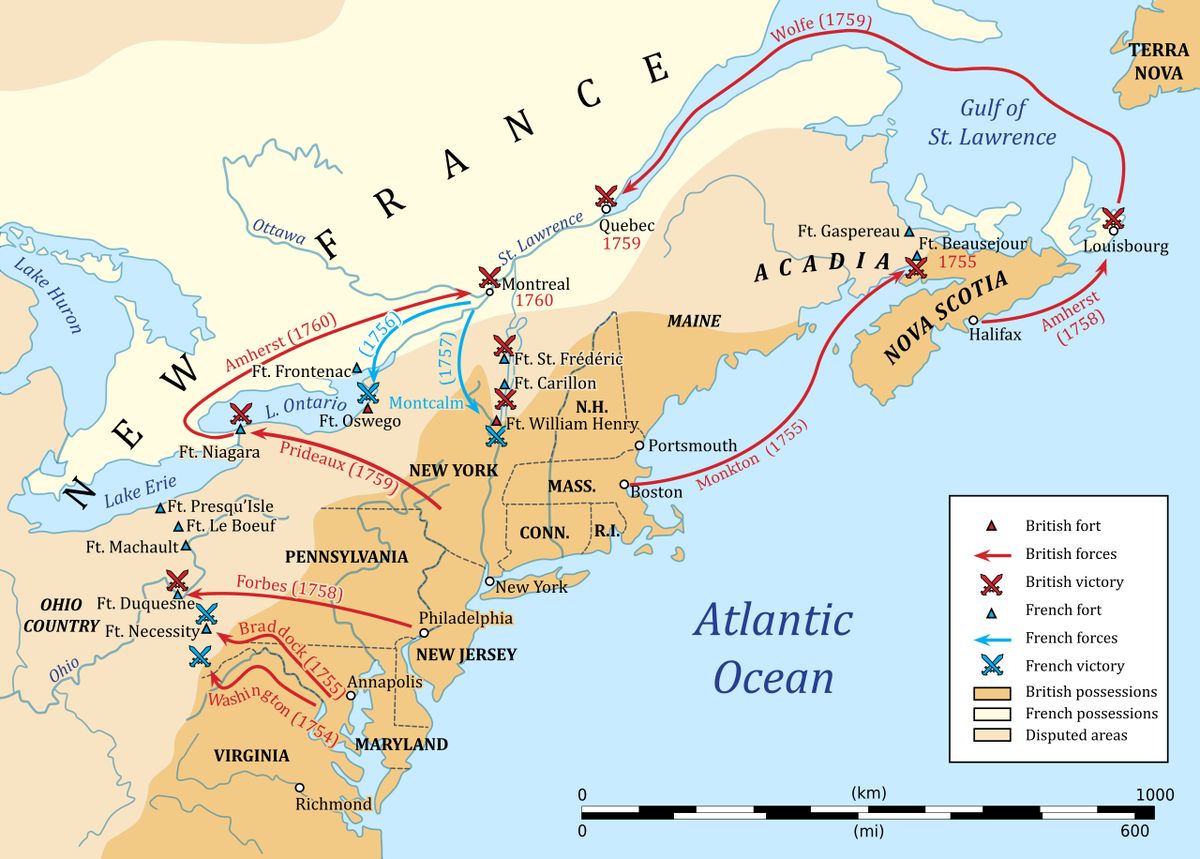
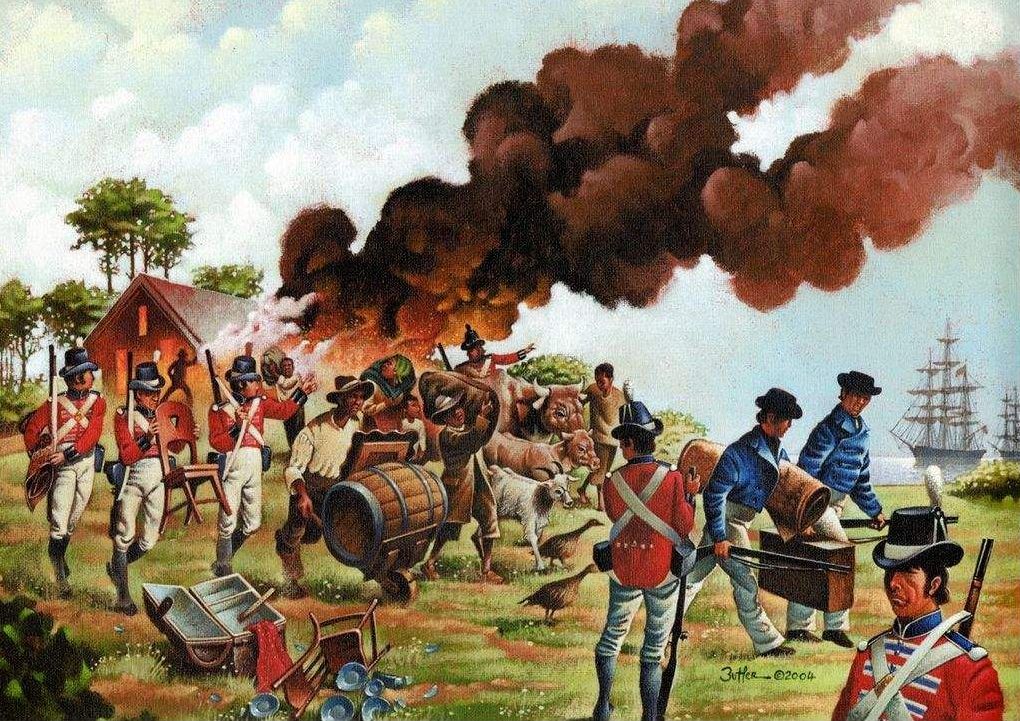
The opening phase of the Sixty Years' War was the North American theatre of the global Seven Years' War, known in the United States as the French and Indian War. Hostilities began in the Ohio Valley in May 1754 when a contingent of Virginia militiamen guided by Iroquois warriors surprised a party of French soldiers. The conflict pitted the colonies of British America against New France, each supported by Indigenous allies and their European metropoles, with the Iroquois Confederacy largely attempting neutrality except for the Mohawks who fought as British allies. The French, aided by Canadian militia and nations from the pays d'en haut, initially scored victories, defeating General Edward Braddock's expedition at the Battle of the Monongahela in 1755 and capturing Fort Oswego on Lake Ontario in 1756 and Fort William Henry in 1757. The war's tide turned in 1758 when the British captured the fortress of Louisbourg, followed by the decisive Battle of the Plains of Abraham at Quebec City in 1759 under General James Wolfe against the Marquis de Montcalm. Montreal fell in 1760, effectively ending French rule, and the 1763 Treaty of Paris formally ceded New France to Britain, marking the end of French colonial power in the region and laying the bicultural foundations for modern Canada. The British victory, however, created a new imperial authority in the Great Lakes, unsettling the existing network of Indigenous alliances and trade that had long been centred on French posts.
Indigenous Resistance and British Policy
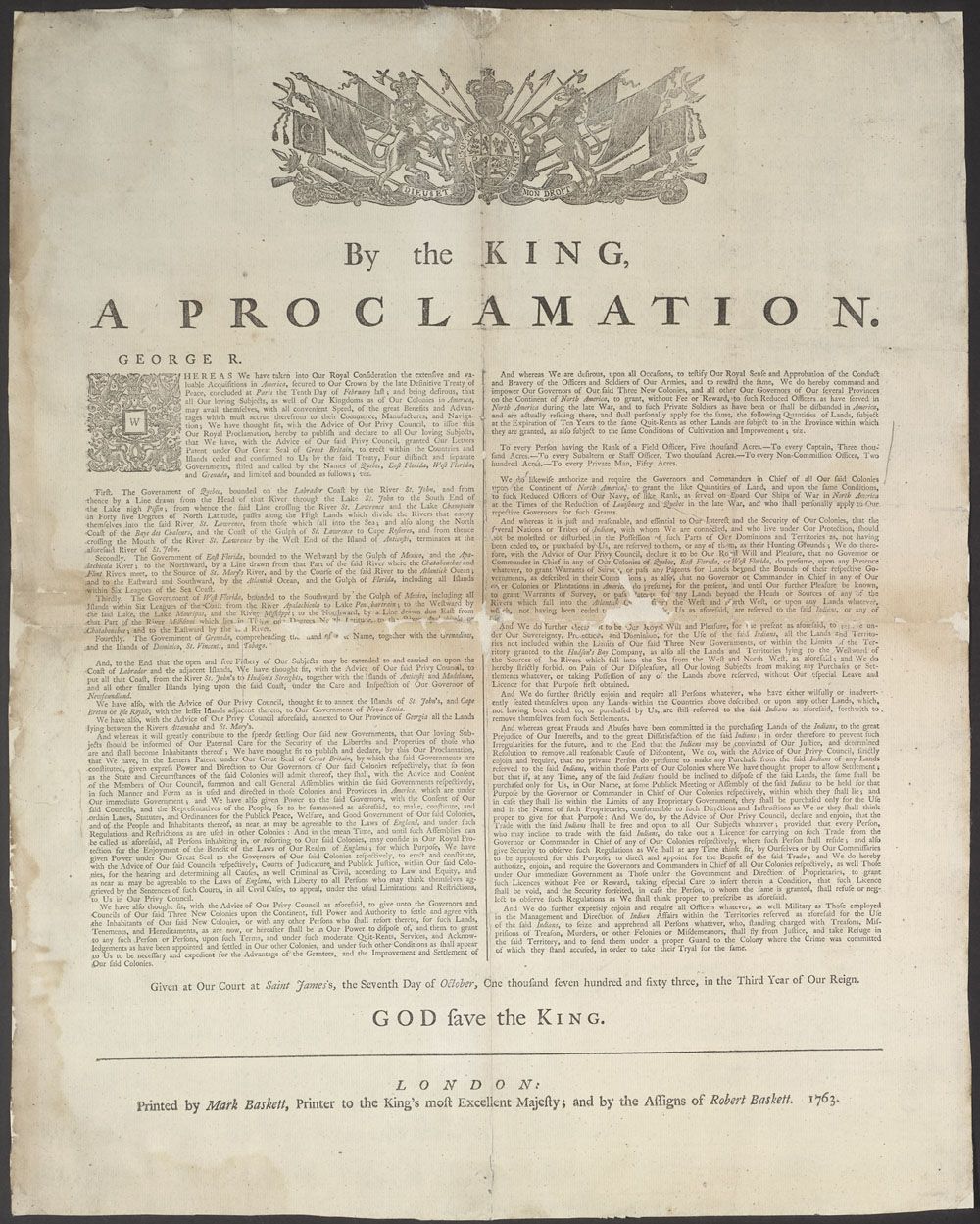
The British conquest directly triggered the next conflict, Pontiac's War, from 1763 to 1765, as Indian allies of the defeated French launched a war due to dissatisfaction with British handling of tribal diplomacy. Dissatisfied with British policies and the loss of their French trade partners, a broad confederacy of Indigenous nations led by the Odawa leader Pontiac launched a coordinated assault on British forts from Detroit to Pennsylvania and New York, and even down the Mississippi. The coalition achieved significant early success, capturing several outposts, but could not seize the critical forts at Detroit or Pitt. British military expeditions in 1764 led by Colonel John Bradstreet and Colonel Henry Bouquet forced negotiations over the next two years, and though the Indigenous nations did not drive the British away, the uprising prompted a major policy shift from London. The British government issued the Royal Proclamation of 1763, which aimed to stabilize the frontier by prohibiting American colonial settlement west of the Appalachian Mountains and establishing a protected Indigenous territory. This proclamation angered American colonists seeking western land and is cited as a contributing cause of the American Revolution. The murder of Pontiac in 1769 by a Peoria Indigenous man led to war between rival Indigenous nations in the Illinois Country. The period also included Lord Dunmore's War in 1774, where Virginia militia clashed with Shawnee and Mingo nations over Kentucky, forcing them to cede their hunting grounds south of the Ohio River and beginning a period sometimes called the Twenty Years War for the Shawnee against frontier incursions.
The American Revolution and Its Western Front
The American Revolutionary War (1775 to 1783) opened a new and brutal front in the Sixty Years' War, with the Royal Proclamation's restrictions fuelling colonial resentment. British commanders in Canada, notably in Quebec, worked with Indigenous allies including nations from the Great Lakes confederacies to provide a strategic diversion from the primary coastal battles. These allies saw the conflict as a way to resist American expansion onto their lands, and many conflicts in this western theater hardened the animosity between the tribal nations and the emerging United States. The war spilled onto the frontier with raids and counter-raids, complicating the American war effort and ensuring the interior remained a zone of conflict. The 1783 Treaty of Paris, which ended the revolution, had deep consequences for the region without any consultation of the Indigenous nations who lived there, as Great Britain ceded the Old Northwest, the homeland of many of its Indigenous allies, to the United States. This grant gave the new nation claims to all lands east of the Mississippi River down to the Gulf of Mexico, a diplomatic betrayal that left the Indigenous nations to face American expansion alone and set the stage for the next major conflict. The British retained their military posts in the Great Lakes region for some time after the treaty, further complicating American authority in the territory and providing a point of contact and support for ongoing Indigenous resistance.
The Northwest Indian War and American Expansion
From 1785 to 1795, a large confederacy of Indigenous nations, including the Shawnee, Miami, Wyandot, and others, resisted American settlement north of the Ohio River which they sought to establish as a permanent boundary. They won crushing victories over U.S. forces in 1790 under Chief Little Turtle and again in 1791, inflicting St. Clair's Defeat which was the worst loss ever suffered by the U.S. Army against Indigenous forces. The confederacy gained material support from the British, who still occupied forts in the region, and the United States was forced to rebuild its army under General Anthony Wayne. The U.S. finally defeated the confederacy at the Battle of Fallen Timbers in 1794 near present-day Toledo, Ohio, and the subsequent 1795 Treaty of Greenville forced the confederacy to cede most of the modern state of Ohio to the United States. President Thomas Jefferson later promoted policies of assimilation and removal to avoid costly wars, which deepened Indigenous resentment. The U.S. Congress passed the Northwest Ordinance, which stated Indigenous lands and property would not be taken without consent unless in a just and lawful war authorized by Congress. Key events in this war included the following.
- 1790: Harmar's Defeat, a major victory for the Indigenous confederacy near present-day Fort Wayne, Indiana.
- 1794: Battle of Fallen Timbers, decisive U.S. victory under General Anthony Wayne.
- 1795: Signing of the Treaty of Greenville, opening much of Ohio to U.S. settlement.
Tecumseh's Confederacy and the War of 1812
The final phase of the Sixty Years' War merged with the War of 1812, driven by continued American expansion and the rise of a new Indigenous resistance movement under Shawnee leader Tecumseh and his brother Tenskwatawa, the Prophet. They forged a pan-tribal confederacy to halt American hegemony and create an independent Indigenous territory in the Old Northwest, but while Tecumseh was away seeking southern allies, his confederacy's village at Prophetstown was destroyed by forces under William Henry Harrison at the Battle of Tippecanoe in 1811. When the United States declared war on Britain in June 1812, British Canadian forces and their Indigenous allies once again joined together, with the British seeing them as crucial manpower for the frontier war effort against American invasions. Indigenous fighters were central to early British Canadian successes, including the capture of Fort Detroit in 1812 and victories at the River Raisin and the Battle of Fort Dearborn near present-day Chicago, as well as the sieges of Prairie du Chien. The war featured numerous bloody border engagements, with American invasions repelled at battles like Queenston Heights, Chrysler's Farm, and the burning of York. The conflict ended with the Treaty of Ghent signed in 1814, which restored the pre-war status quo and required Britain to return captured outposts. The subsequent Rush-Bagot Agreement began the process of demilitarizing the Great Lakes and solidifying them as the permanent border. This left Britain's Indigenous allies without the territorial gains or buffer state they had fought for, ending the sixty-year era of European allies in their struggle against westward expansion.
Consequences and Legacy
The conclusion of the Sixty Years' War in 1815 had far-reaching consequences for the political and social development of North America. The United States secured its northern border along the Great Lakes and was free to focus resources and military power on expansion south and west, leading directly to the Creek War, the Seminole Wars, and the Black Hawk War of 1832. The United States and the Sauk later signed a treaty in 1816, but the United States used that treaty to claim Sauk lands east of the Mississippi River. The Ohio River remained a significant cultural and political border between southern slave states and the free Northwest Territory, contributing to regional economic and social divisions that would help shape the American Civil War. For British North America, the end of hostilities and the stable border allowed for the peaceful development and increasing immigration from Europe into Upper and Lower Canada, paving the way for their union and eventual Confederation in 1867 as an autonomous Dominion under the Crown. The war's most deep and tragic legacy was for the Indigenous nations of the Great Lakes, who no longer had European allies in their struggle and faced relentless pressure from settlers, leading to forced removals, marginalization, or destruction, while French communities south of the lakes were soon Americanized. The period cemented patterns of diplomacy and conflict that defined North American history for the next century.
Major Engagements and Outcomes
The Sixty Years' War involved the British Empire, the French colonial empire, the United States, and various American Indian nations. The series of conflicts progressively shifted control from Indigenous and French hands to British and American authority. Key treaties like the Treaty of Paris in 1763 and the Treaty of Greenville in 1795 sequentially reduced Indigenous territorial sovereignty. This process helped to crystallize the modern borders between the United States and British Canada over six decades.
| Conflict | Dates | Primary Adversaries | Key Outcome |
|---|---|---|---|
| French and Indian War | 1754 to 1763 | Britain vs. France & Indigenous Allies | British control of Canada. France expelled from mainland North America via Treaty of Paris 1763. |
| Pontiac's War | 1763 to 1765 | British vs. Indigenous Confederacy under Pontiac | Royal Proclamation of 1763. British policy change to manage frontier settlement. |
| Lord Dunmore's War | 1774 | Virginia vs. Shawnee & Mingo | Shawnee ceded hunting grounds south of the Ohio River (Kentucky). |
| Western Theater, American Revolution | 1775 to 1783 | U.S. vs. Britain & Indigenous Allies | U.S. gained claim to Old Northwest via Treaty of Paris 1783, ignoring Indigenous land rights. |
| Northwest Indian War | 1785 to 1795 | U.S. vs. Western Indigenous Confederacy | U.S. control of Ohio secured via Treaty of Greenville 1795 after Battle of Fallen Timbers. |
| War of 1812 (Great Lakes Theater) | 1812 to 1815 | U.S. vs. Britain & Tecumseh's Confederacy | Military stalemate. Treaty of Ghent 1814. Great Lakes established as permanent demilitarized border. |
The sequential conflicts demonstrate the relentless pressure of American expansion into the Ohio Country and Great Lakes region. Indigenous confederacies, such as the one led by Tecumseh, sought to resist this expansion even with support from European allies like Great Britain. Each major treaty, such as the one concluding the Northwest Indian War, reset the boundaries of power. The process culminated in a continental map that favoured the United States and British Canada, marginalizing the Indian nations after six decades of connected warfare.
Historiography and Modern Commemoration
The concept of the Sixty Years' War as a unified historical framework is primarily used by academic historians to provide coherence to a complex period. Scholars like Andrew Cayton promote this interpretation to view the era as a whole rather than as isolated events, arguing that while the wars in the Great Lakes region were downplayed by colonial powers along the Atlantic coast, their influence on North American development was immense. The United States greatly expanded in size, setting their shared border with British Canadians along the Great Lakes. French communities south of the lakes were soon Americanized, and Indian nations were marginalized, removed, or destroyed. Modern institutions like the Canadian War Museum actively work to preserve and interpret this history, integrating it into the broader narrative of Canada's military past. These efforts highlight how the legacies of these eighteenth and early nineteenth century conflicts remain relevant, informing contemporary understandings of borders, treaties, and Indigenous-settler relations.
Questions about Sixty Years' War
Why is it important to Canadian history?
This period is foundational to modern Canada. The French and Indian War resulted in British control of New France, creating the bicultural bedrock of the country. The subsequent conflicts, especially the War of 1812, directly defended British North America from American invasion and ultimately solidified the Great Lakes as the international boundary. The resolution of these wars allowed for the secure development and increased immigration from Europe into Upper and Lower Canada, leading toward Confederation in 1867 as an autonomous Dominion. It also fundamentally shaped Canada's early relationships with Indigenous nations and established a lasting border with the United States.
Who were the key Indigenous leaders during this period?
Key Indigenous leaders during this period included Pontiac, an Odawa war chief who led a major uprising against the British from 1763 to 1765. Another prominent leader was Tecumseh, a Shawnee war chief who formed a confederacy to resist American expansion in the Old Northwest leading up to the War of 1812. His brother Tenskwatawa, the Prophet, was also a key religious leader. These leaders exemplified the efforts of Indigenous nations to maintain their land and autonomy against colonial expansion.
What was the Royal Proclamation of 1763 and why did it matter?
Issued by King George III after Pontiac's War, the Royal Proclamation of 1763 aimed to stabilize the frontier by drawing a boundary along the Appalachian Mountains beyond which colonial settlement was forbidden. It established a large Indigenous territory and required that all land purchases be made through the Crown. While intended to prevent conflict, it infuriated American colonists and land speculators eager for western land and is considered a contributing cause of the American Revolution. For Indigenous peoples, it represented a rare royal guarantee of their land rights, though it was largely ignored by settlers and later governments, including the United States after independence.
How did the War of 1812 fit into the Sixty Years' War?
The War of 1812 was the culminating military episode of the Sixty Years' War. It saw the final major alliance between British Canadian forces and a large Indigenous confederacy under Tecumseh fighting against the United States. The war's campaigns in the Great Lakes region, including the sieges of Detroit and Prairie du Chien, were a direct continuation of the struggle for control of the Old Northwest. Its conclusion in a stalemate and the subsequent Rush-Bagot Agreement finally established the Great Lakes as a permanent, accepted border, ending the cycle of warfare over the region that had begun in 1754.
What were the long-term consequences for Indigenous nations?
The long-term consequences were severe and lasting. By 1815, Indigenous nations had lost their European military allies, first the French and then the British after the Treaty of Ghent. The United States and British North America were free to expand westward without the counterbalance of a rival imperial power supporting Indigenous sovereignty. This led to forced land cessions, policies of assimilation and removal like those promoted by President Jefferson, and widespread marginalization. The wars destroyed the possibility of an independent Indigenous territory in the Great Lakes or Ohio Valley, embedding nations within the borders and legal systems of the two new nation-states and setting the stage for further conflicts like the Black Hawk War.
What was the Sixty Years' War?
The Sixty Years' War was a military struggle for control of the North American Great Lakes region, including Lake Champlain and Lake George, from 1754 to 1815. It is a term used by academic historians to view this era as a whole rather than as isolated events. The conflict involved the British Empire, the French colonial empire, the United States, and various American Indian nations. It encompassed multiple wars over generations, including the French and Indian War, Pontiac's War, Lord Dunmore's War, the western theater of the American Revolution, the Northwest Indian War, and the War of 1812. This prolonged contest ultimately resulted in the United States greatly expanding in size and setting its shared border with British Canada along the Great Lakes, while Indian nations were marginalized or removed.
Sources and further reading
- Sixty Years' War (Wikipedia)
- Seven Years' War (thecanadianencyclopedia.ca)
- Timeline of conflict since 1914 (iwm.org.uk)
- Canadian War Museum (warmuseum.ca)
Checked by the Nosy Mag desk. Last updated 2026-10-23.