List of newspapers in Canada
The newspaper industry in Canada is a component of the nation's media scene. The first newspaper was the Halifax Gazette, printed in Halifax by John Bushell on March 23, 1752. The industry includes national and local dailies, community weeklies, alternative publications, and multicultural papers. As of 2016, there were 98 daily newspapers in Canada, with a combined average daily circulation of 5.2 million.
Historical Development
The history of Canadian newspapers began in the era of British colonial administration, as there were no printing presses during the period of French control. The Halifax Gazette, printed by John Bushell on March 23, 1752, is recognized as the first Canadian newspaper. Over the subsequent decades, newspapers emerged in other colonial centres. The Quebec Gazette is the predecessor to the Quebec Chronicle-Telegraph, which is the oldest continuously operating newspaper in North America. These early publications were often politically driven. The expansion of European-based settlement into the Canadian Prairies and the completion of the Canadian Pacific Railway facilitated the westward spread of newspapers. This period also saw significant milestones in inclusive publishing, such as Mary Ann Shadd founding and editing the Provincial Freeman in Ontario in 1854, making her the first Black woman to publish and edit a newspaper in North America.
The industry's structure continued to evolve with technological changes, including the shift to digital production and online distribution. Historical archives, such as the ProQuest Historical Newspapers: Canada Collection, now provide access to 18 influential titles from five provinces, offering high-resolution page views from their first issues to the present. These archives serve as a primary source for researchers, containing contemporary accounts of events like the building of the transcontinental railway and various social movements. The collection allows users to browse newspapers exactly as they first appeared, with articles, photos, and advertisements in their original context.
Industry Structure and Circulation
As of 2016, the Canadian newspaper industry comprised 98 daily newspapers, which included 84 paid publications and 14 free publications. The total weekly circulation for print and online editions reached 31.6 million, with an average daily circulation of 5.2 million. The linguistic breakdown of these dailies showed that 85 per cent were published in English, 13 per cent in French, and 2 per cent in Chinese. Newspapers are traditionally divided into two main physical formats: broadsheets and tabloids. Broadsheets, which are folded twice into bundled sections, are used by most local and national daily newspapers, such as the National Post and the Globe and Mail. Approximately 64 per cent of Canadian daily newspapers are broadsheets. Tabloids are half the size of broadsheets and are often folded or stapled like books. They account for 36 per cent of dailies and are the preferred format for many weekly and local daily papers.
The term 'tabloid' also refers to a style of populist, sensational journalism, exemplified by the Sun Media Corporation chain in cities like Toronto, Edmonton, Ottawa, and Calgary, as well as the French-language Le Journal de Montréal and Le Journal de Québec. Beyond dailies, the industry includes a strong sector of non-daily publications. These encompass local weeklies serving towns and rural areas, alternative weeklies often distributed for free in urban centres, and a wide array of ethnic, multicultural, and student newspapers. Revenue models vary, with paid dailies relying on subscriptions and advertising, while many weeklies and alternative papers are advertiser-supported and offered at no cost to readers.
Types and Formats of Publications
Canadian newspapers are published in several distinct categories, each serving different audiences and purposes. Daily newspapers provide comprehensive coverage of news, business, sports, and entertainment, typically organized into dedicated sections. Major national dailies include the Globe and Mail and the National Post, while significant local dailies include the Toronto Star, Montreal Gazette, and Vancouver Sun. Local weekly newspapers form the backbone of community journalism in hundreds of towns and cities, reporting on municipal affairs, local events, and regional sports. Examples span from the Bow Valley Crag and Canyon in Banff, Alberta to the Hants Journal in Windsor, Nova Scotia, and the Whitewood Herald in Saskatchewan. These papers often have deep roots in their communities and provide a platform for local voices and issues.
Alternative weekly newspapers are typically free, urban-focused publications that offer a left-leaning or counter-cultural perspective on news, arts, and politics. They are usually published in a tabloid format and rely heavily on advertising and classifieds. Notable examples include the Georgia Straight in Vancouver, NOW in Toronto, and The Coast in Halifax. Multicultural or ethnic newspapers serve Canada's diverse linguistic and cultural communities, publishing content in languages other than English or French. This category includes publications like the Chinese-language Sing Tao Daily, The Canadian Jewish News, and the Portuguese-language O Mundial in Winnipeg. Student newspapers are independently operated at universities, funded by student fees and advertising, with major examples being The Ubyssey at the University of British Columbia and The Varsity at the University of Toronto.
Notable Publications by Region
The newspaper landscape in Canada is characterized by strong regional titles that have served their communities for decades or even centuries. In Atlantic Canada, historic dailies like the Halifax Chronicle Herald and the Saint John Telegraph-Journal have long been institutions. The Quebec Chronicle-Telegraph holds the distinction of being the oldest continuously published newspaper in North America. In Quebec, major French-language dailies such as Le Devoir and La Presse are influential, alongside the tabloid Le Journal de Montréal. Ontario is home to the country's largest newspaper market, anchored by the Toronto Star, the Globe and Mail, and the National Post. The province also has a dense network of community weeklies, such as the Woodstock Sentinel-Review and the Elliot Lake Standard.
Western Canada has several prominent newspapers founded during the region's settlement boom. In Manitoba, the Winnipeg Free Press is a major daily, while community papers like The Reminder in Flin Flon serve the north. Saskatchewan and Alberta have strong regional dailies including the Regina Leader-Post, Saskatoon StarPhoenix, Calgary Herald, and Edmonton Journal. British Columbia's media scene includes the Vancouver Sun and The Province as major dailies, alongside influential weeklies like the Prince George Citizen and alternative papers like the Georgia Straight. In the territories, publications such as Yellowknifer in the Northwest Territories and Nunatsiaq News in Nunavut provide necessary news coverage to northern and Indigenous communities. The following list highlights a selection of significant newspapers from various provinces and territories.
- Alberta: Calgary Herald, Edmonton Journal, Lethbridge Sun Times, Fort Macleod Gazette
- British Columbia: Vancouver Sun, The Province, Victoria Times Colonist, Georgia Straight
- Manitoba: Winnipeg Free Press, Winnipeg Sun, The Reminder (Flin Flon)
- New Brunswick: Telegraph-Journal (Saint John), Times & Transcript (Moncton), The Daily Gleaner (Fredericton)
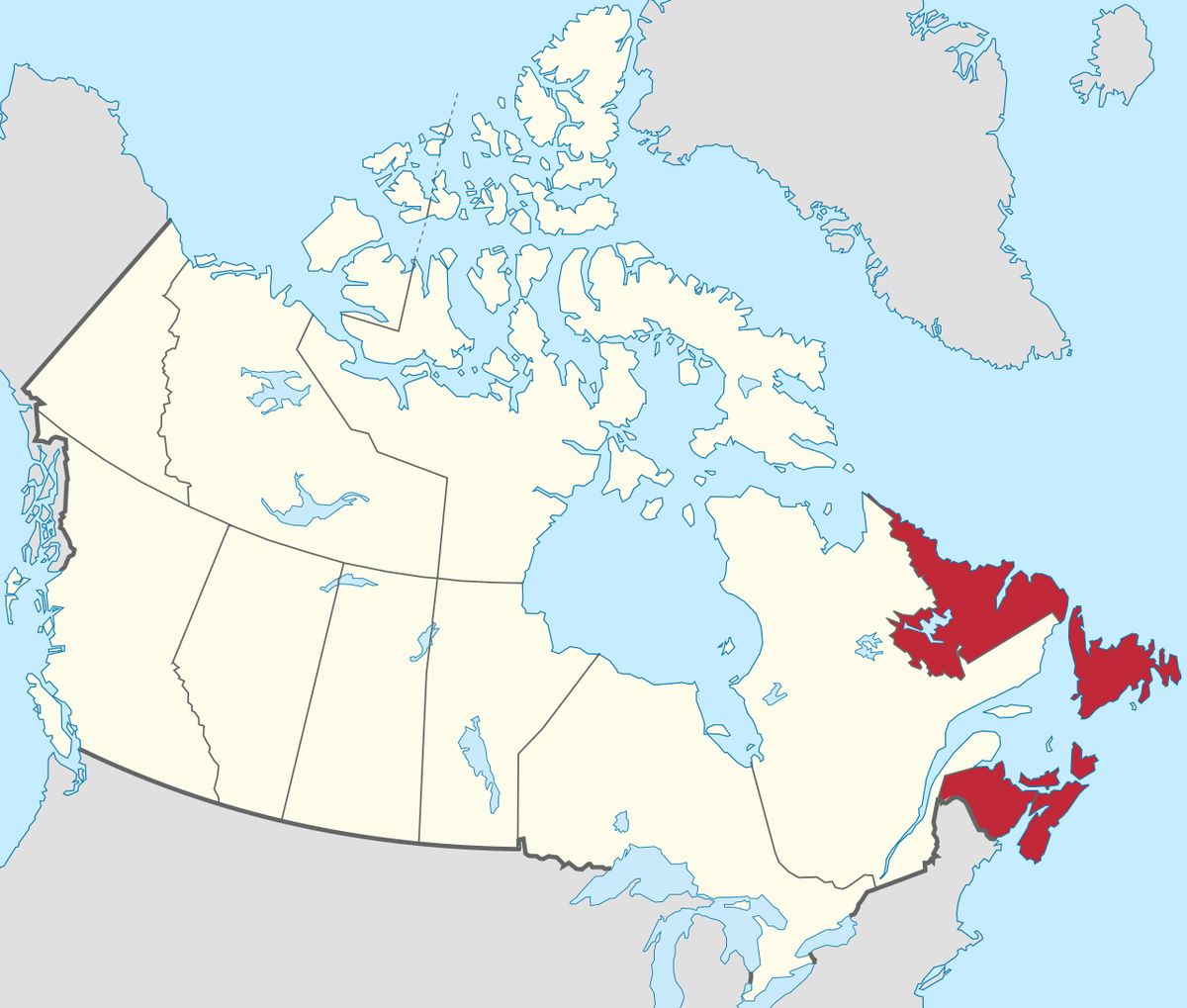
- Newfoundland and Labrador: The Telegram (St. John's), Le Gaboteur
- Northwest Territories: Yellowknifer
- Nova Scotia: Chronicle Herald (Halifax), The Hants Journal (Windsor)
- Nunavut: Nunatsiaq News (Iqaluit), Kivalliq News (Rankin Inlet)
- Ontario: Toronto Star, Globe and Mail, Ottawa Citizen, Woodstock Sentinel-Review
- Prince Edward Island: The Guardian (Charlottetown), Journal Pioneer (Summerside)
- Quebec: La Presse (Montreal), Le Devoir (Montreal), Le Soleil (Quebec City), Quebec Chronicle-Telegraph
- Saskatchewan: Regina Leader-Post, Saskatoon StarPhoenix, Whitewood Herald
Digital Archives and Historical Research
Newspapers are invaluable primary sources for historians, genealogists, and researchers, offering a detailed public record of events as they were perceived at the time. Major digitization projects have made vast collections of historical Canadian newspapers accessible online. The ProQuest Historical Newspapers: Canada Collection is a premier academic resource that brings together 18 influential newspapers from five provinces, providing content from their first historical issue to the present. This collection includes titles such as the Toronto Star, Ottawa Citizen, The Globe and Mail, Edmonton Journal, and The Vancouver Sun. Researchers can browse high-resolution page views that preserve the original layout, including articles, photographs, advertisements, and editorials, allowing for an authentic examination of the past.
Other resources, like the Ancestry.com Newspapers.com Stories and Events Index, allow individuals to search for ancestors by name in Canadian newspapers available from the 1800s to the present. These archives are not limited to major metropolitan papers but also include many local and community publications. Newspapers publish vital records like birth, marriage, and death announcements, alongside reports on community events, crimes, political scandals, and everyday life. newspapers are products of their time and may contain the biases of their authors as well as terminology that is now considered offensive or obsolete. Nevertheless, they provide the most comprehensive record of community life available for many periods in Canadian history.
Challenges and Contemporary Landscape
The newspaper industry faces significant challenges from digital disruption, declining print advertising revenue, and changing reader habits. This has led to consolidation of ownership, staff reductions, and, in some cases, the closure of longstanding publications. Despite these pressures, newspapers continue to adapt by strengthening their online presence, implementing paywalls for digital content, and exploring new revenue models. The rise of digital newsstreams, such as the Canadian Newsstream database which provides full-text access to over 400 current Canadian news sources, demonstrates the industry's shift towards digital aggregation and archiving. This service offers content from newspapers, newswires, and broadcasts dating back to the 1970s.
Community and alternative weeklies often face particular financial vulnerability but remain important for local accountability journalism and covering stories overlooked by larger media outlets. The commitment to serving specific audiences is also evident in the resilience of multicultural and Indigenous newspapers. Publications like Ha-Shilth-Sa, the newspaper of record for the Nuu-chah-nulth people first published in 1974, are central to representing Indigenous perspectives and issues. Digitization efforts continue to expand, with major indexes adding new records from hundreds of newspapers, ensuring that historical content remains accessible for future generations. The enduring presence of newspapers, in both print and digital forms, shows their ongoing function in documenting Canadian society.
Questions about List of newspapers in Canada
What was the first newspaper published in Canada?
The first newspaper published in Canada was the Halifax Gazette. Its inaugural issue was printed in Halifax by John Bushell on March 23, 1752. This newspaper marked the beginning of the print journalism industry in the country. It served as an important early source of news and information for the colonial population.
What is the oldest continuously operating newspaper in North America?
The oldest continuously operating newspaper in North America is the Quebec Chronicle-Telegraph, which is based in Quebec City. This publication traces its origins back to the Quebec Gazette. It has maintained publication without interruption for centuries. This record establishes its unique place in the history of North American journalism.
How many daily newspapers are there in Canada?
As of 2016, there were 98 daily newspapers operating across Canada. This figure included 84 publications that relied on paid circulation. There were 14 newspapers that were distributed free of charge. These numbers provide a snapshot of the daily print news picture at that time.
Who was Mary Ann Shadd and what was her contribution to Canadian newspapers?
Mary Ann Shadd was an abolitionist, educator, and journalist who made a significant contribution to Canadian newspapers. In 1854, she founded and edited the Provincial Freeman, an anti-slavery newspaper published in Ontario. Through this work, she became the first Black woman to publish and edit a newspaper in North America. Her newspaper was a vital voice for abolitionist causes and Black communities.
What are some major archives for historical Canadian newspapers?
A major archive for historical Canadian newspapers is the ProQuest Historical Newspapers: Canada Collection. This digital resource offers online access to 18 influential Canadian newspapers from their very first issues. Another useful tool for researchers is the Ancestry.com Newspapers.com Stories and Events Index, which aids in genealogical searches. These archives help preserve and provide access to important historical records.
Sources and further reading
- List of newspapers in Canada (Wikipedia)
- Newspapers in Canada (thecanadianencyclopedia.ca)
- ProQuest Historical Newspapers: Canada Collection (about.proquest.com)
- Canada, Newspapers.com™ Stories and Events Index, ... (ancestry.ca)
Checked by the Nosy Mag desk. Last updated 2026-11-02.