Lacrosse in Canada
Lacrosse is Canada's official national summer sport, a designation formalized by the National Sports of Canada Act in 1994. With deep roots in the traditional games of First Nations, such as baggataway and tewaarathon, lacrosse was adopted by European settlers in the mid-19th century. The sport evolved into two main modern variants: field lacrosse, which was dominant until the 1930s, and the uniquely Canadian invention of box lacrosse, played indoors. Governed nationally by Lacrosse Canada (formerly the Canadian Lacrosse Association), the sport maintains a strong presence through amateur clubs, professional leagues, and highly competitive national teams.
Origins and First Nations Heritage
The origins of lacrosse lie in the traditional ball games played for centuries by First Nations across North America long before European contact. These games were known by various names, including baggataway among Algonquian-speaking peoples and tewaarathon among the Mohawk. They were far more than recreation, serving vital cultural functions such as training young men for warfare and hunting, settling disputes, strengthening diplomatic ties, and honouring spiritual beliefs. Matches involved large numbers of warriors, sometimes from 100 to 1,000 per side, on fields that could stretch from about 500 metres to 3 kilometres in length. In 1763, during Pontiac's Rebellion, a lacrosse game was used as a diversion to stage an ambush on British forces at Fort Michilimackinac. According to historian Francis Parkman, the event was a premeditated stratagem where the cries of players changed to war whoops. The first documented European description of the game was recorded in 1637 by French Jesuit missionaries in present-day Ontario.
Adoption and Codification in the 19th Century
The adoption of lacrosse by non Indigenous Canadians began in earnest in the mid 1800s, primarily among the Anglophone middle class in Montreal. The first recorded game between Europeans and First Nations took place in 1843, and in 1856, the Montreal Lacrosse Club was established. By the mid-1860s there were active teams in eastern Ontario. A central figure in this era was Dr. George Beers, a Montreal dentist and nationalist who advocated for lacrosse as a distinctly Canadian national sport, preferable to British imports like cricket. He standardized rules and equipment, introducing a rubber ball and designing a standardized stick. In 1875, Beers and others formed the National Lacrosse Association, the first national sport governing body in North America. In 1880 this league became the National Amateur Lacrosse Association. By the 1880s, organized lacrosse had spread nationwide and become a popular spectator sport. The 1860s saw the rise of the aggressively competitive Montreal Shamrocks, an Irish Catholic team whose style contrasted with the more gentlemanly ideals of the middle class Protestant clubs. This tension often erupted into violent confrontations during games. Promoters used the ideal of Muscular Christianity to deal with the violence, though rhetoric later focused on winning at all costs. By the early 1890s, lacrosse was Canada's most popular summer game. The early 1900s were a golden age with the establishment of two professional leagues. However, escalating violence and a thin organizational base, lacking support from schools or churches, led to the collapse of the professional leagues in 1914. The game's base of support shrank to Montreal, Victoria, Vancouver, New Westminster, and a few small towns.
The Rise of Box Lacrosse and Modern Governance
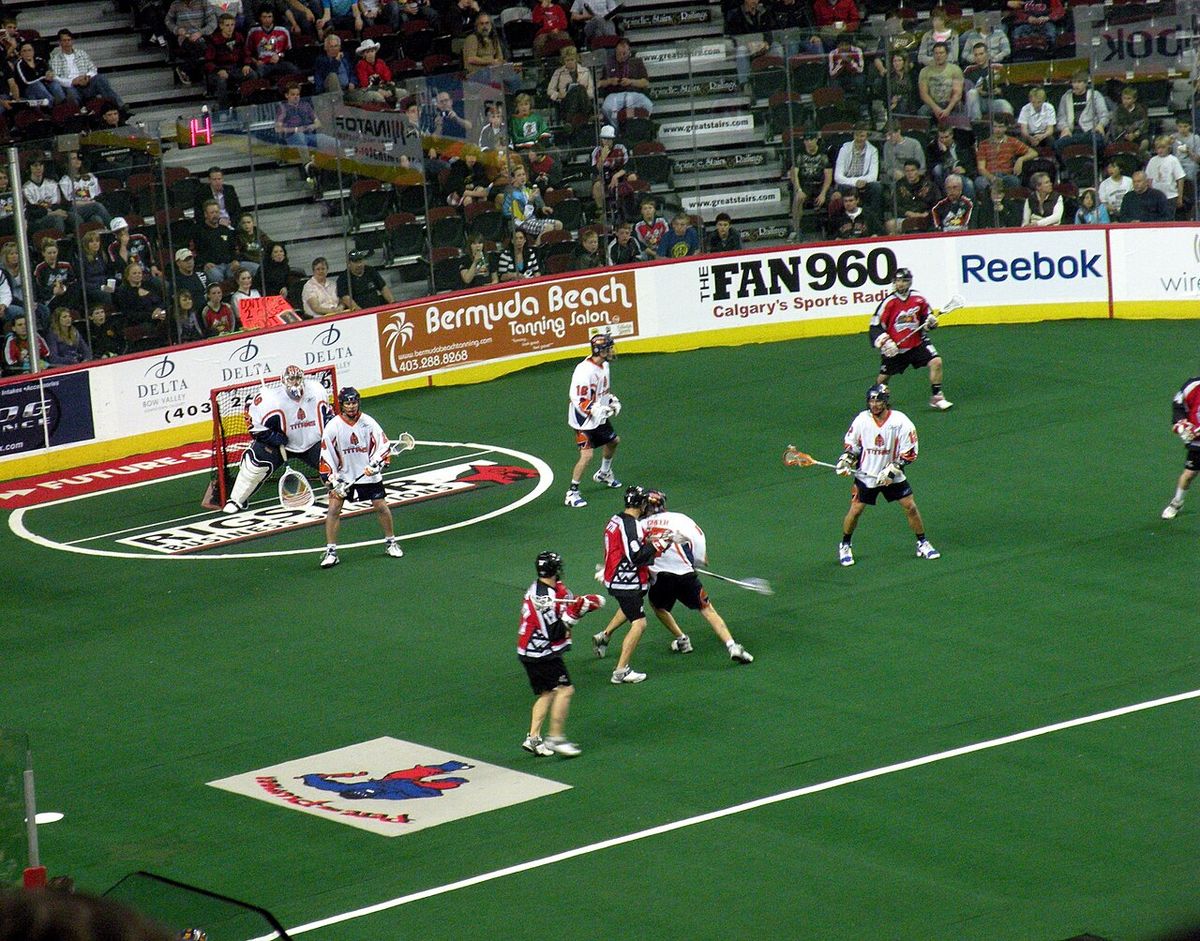
In 1931, big city hockey promoters introduced box lacrosse to turn winter hockey fans into a year round audience. Box lacrosse was played in a smaller indoor arena space, and competitions could also be held in baseball stadiums. The play was violent. Not enough cities could support teams, however, and the hard times of the Great Depression in the 1930s reduced the number of fans. Entrepreneurs, while failing to make a major commercial success, transformed Canadian amateur lacrosse, making it quite different from field lacrosse as played in the United States, Britain, and Australia. The Canadian Lacrosse Association, founded in 1925, is the governing body of lacrosse in Canada. It conducts national junior and senior championship tournaments for men and women in both field and box lacrosse. In 1987 the National Lacrosse League began. It has clubs in twelve cities in the United States and Canada. The league represents the top level of professional box lacrosse competition.
The National Sport Debate and Official Recognition
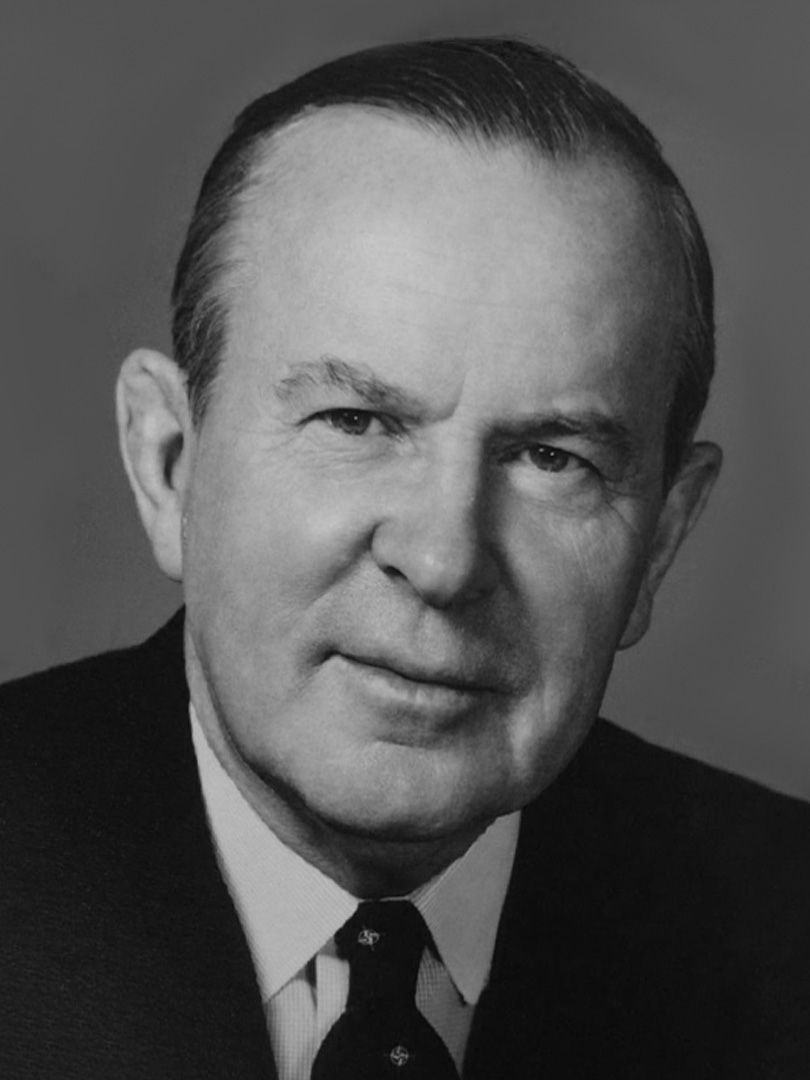
In May 1964, former Canadian Amateur Hockey Association president and then current member of parliament Jack Roxburgh did extensive research to find if Canadian parliament had ever declared a national game. He found no law was ever enacted. The Canadian Press reported that the myth of lacrosse as Canada's national game possibly came from a book published in 1869 titled Lacrosse, the National Game of Canada. His endeavour to declare hockey as Canada's national game coincided with the Great Canadian Flag Debate of 1964. On October 28, 1964, Roxburgh moved to introduce Bill C-132 to declare hockey as the national game. Canadian Lacrosse Association members responded by calling it insulting and out of line. On June 11, 1965, Bob Prittie introduced a separate bill to have lacrosse declared as Canada's national game, stating it was fitting when considering other national symbols. The choice of Canada's national game was debated in 1965, but neither bill was passed when parliament was dissolved. In 1967, Prime Minister Lester B. Pearson proposed to name national summer and winter games, but nothing was resolved. Finally in April 1994, Bill C-212 was passed to recognize hockey as Canada's official winter game, and lacrosse as its summer game.
Contemporary Landscape and International Success
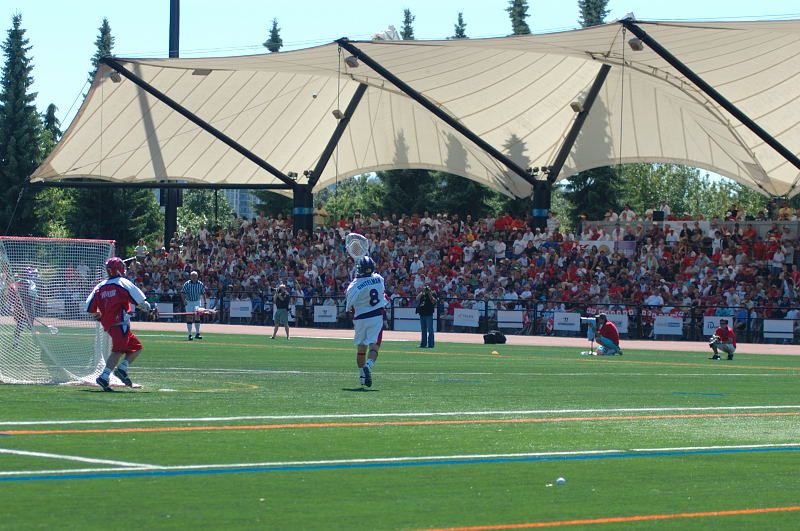
Today, lacrosse in Canada thrives at amateur, professional, and international levels. The sport is organized provincially by associations like the Ontario Lacrosse Association, which oversees a vast network of players. At the elite level, Canadian national teams are perennial contenders in world championships for both field and box lacrosse. A landmark victory came at the 2006 World Lacrosse Championship in London, Ontario, where Canada's men's field team defeated the United States 15-10 to break a 28 year American winning streak. Canada participated in the inaugural World Indoor Lacrosse Championship in 2003. The sport continues to innovate with the development of the faster paced sixes format, which has been included in the 2028 Olympic programme. Canada will host the 2026 Pan American Sixes Lacrosse Championship in Oshawa, Ontario, an event that will serve as an initial Olympic qualifying tournament pending final IOC approval. Lacrosse Canada also organizes a full slate of national championships across the country. The 2026 IIJL World U16 Lacrosse Championship will be held in Brantford, Ontario. The Canadian Lacrosse Hall of Fame continues to induct new members, including the Team Canada Women's Sixes 2022 squad in the Class of 2026.

Structure and Key Organizations
The Canadian Lacrosse Association, founded in 1925, is the governing body of lacrosse in Canada. Its Board of Directors is largely made up of elected lacrosse representatives. At the provincial level, the Ontario Lacrosse Association (OLA) controls the majority of lacrosse in Ontario and is governed by a larger board also populated by members with a strong lacrosse background. OLA lacrosse officials are sanctioned by the OLA, and represented by the Ontario Lacrosse Referees Association (OLRA). The OLRA has a governing structure that is open only to box lacrosse officials who officiate Junior, Senior or Major series games, though most officials do not work at that level. The OLRA is an extension of the OLA and not an independent union. The National Lacrosse League is a professional box lacrosse league, with franchises in Canada and the United States. Great achievements in Canadian Lacrosse are recognized by the Canadian Lacrosse Hall of Fame. In June 2010, the Canadian Lacrosse Association had its charitable status revoked as part of a Revenue Canada crackdown on Parklane Financial's tax shelter scheme, in which charitable organizations issued receipts far in excess of material donations.
Championship Events and National Schedule
Lacrosse Canada oversees national championship tournaments for men and women in both field and box lacrosse. In 2026, championships will span coast to coast, with events in seven major cities. The junior A box lacrosse championship for the Minto Cup is an annual highlight, with the Raiders capturing the historic 2026 title. The 2026 season also includes significant international hosting duties, demonstrating Canada's role as a global hub for the sport. The Pan-American Sixes Lacrosse Championship in Oshawa is a key continental event. Other notable 2026 events include the Alumni and First Nations Cup in Langley, British Columbia, which brings together top U17 and U19 men's field lacrosse athletes.
| Event Type | Host Location (2026) | Dates or Notes |
|---|---|---|
| National Championships (Various) | Halifax, Nova Scotia | Multiple events throughout the year |
| National Championships (Various) | Calgary, Alberta | Multiple events throughout the year |
| National Championships (Various) | St. John's, Newfoundland and Labrador | Multiple events throughout the year |
| National Championships (Various) | Whitby, Ontario | Multiple events throughout the year |
| National Championships (Various) | Saskatoon, Saskatchewan | Multiple events throughout the year |
| National Championships (Various) | Edmonton, Alberta | Multiple events throughout the year |
| National Championships (Various) | Langley, British Columbia | Multiple events throughout the year |
| Pan American Sixes Championship | Oshawa, Ontario | September 29 - October 4 |
| IIJL World U16 Lacrosse Championship | Brantford, Ontario | August 25 - 29 |
| Alumni and First Nations Cup | Langley, British Columbia | Brings together U17/U19 athletes |
Questions about Lacrosse in Canada
What are the origins of lacrosse in Canada?
Lacrosse was played by First Nations in Canada before the arrival of European colonists. The game was called baggataway and tewaarathon, which was played by two teams with 100 to 1,000 men each on a field that stretched from about 500 metres to 3 kilometres long. The first documented European description was in 1637 by French Jesuit missionaries. The Anglophone middle class of Montreal adopted the game in the mid-1800s, with the first known game between Europeans and First Nations taking place in 1843.
When was lacrosse declared Canada's national sport?
Lacrosse was formally declared Canada's National Summer Sport by the National Sports of Canada Act, Bill C-212, in April 1994. This legislation also named ice hockey as the official winter sport. This followed decades of debate, including failed bills in 1965 to declare either hockey or lacrosse as the sole national game. The common myth that it was declared earlier stems from promotional books like the 1869 title Lacrosse, the National Game of Canada.
What is the difference between field lacrosse and box lacrosse?
Field lacrosse is the original outdoor game played on a large field, which was the only version in Canada until the 1930s. Box lacrosse is a uniquely Canadian variant invented in 1931 by hockey promoters. It is played indoors in a smaller, boarded arena space, often in hockey rinks or baseball stadiums. The indoor version features faster play, is higher scoring, and historically has been more violent. This transformation made Canadian amateur lacrosse distinct from the field lacrosse played internationally.
Who is Dr. George Beers and what was his role?
Dr. George Beers was a Montreal dentist and Canadian nationalist in the mid 1800s. He actively advocated for lacrosse to become Canada's national sport instead of cricket. Beers was instrumental in standardizing the game's rules and equipment, notably introducing a rubber ball and designing a standardized stick. His efforts led to the formation of the National Lacrosse Association in 1875, the first national sport governing body in North America.
Is there a professional lacrosse league in Canada?
Yes, the primary professional lacrosse league in Canada is the National Lacrosse League (NLL). The NLL was founded in 1987 and is a professional box lacrosse league with franchises in twelve cities across both Canada and the United States. Earlier professional lacrosse leagues were set up in the early 1900s, but they collapsed in 1914 due to escalating violence. Their failure was also due to a thin organizational infrastructure, as the sport was not supported by institutions like schools or churches.
What major lacrosse event is Canada hosting in 2026?
In 2026, Canada is hosting several major lacrosse events. The premier event is the Pan American Sixes Lacrosse Championship in Oshawa, Ontario from September 29 to October 4, which will serve as an initial Olympic qualifier for the 2028 Games. Canada will also host the IIJL World U16 Lacrosse Championship in Brantford, Ontario from August 25 to 29. The Alumni and First Nations Cup will be held in Langley, British Columbia.
Sources and further reading
- Lacrosse in Canada (Wikipedia)
- Lacrosse Canada Opens Applications for Officials in ... (lacrosse.ca)
- Canada to Host 2026 Pan-American Sixes Lacrosse ... (worldlacrosse.sport)
- History of Canada's Summer National Sport (richmondlacrosse.com)
Checked by the Nosy Mag desk. Last updated 2026-11-02.