History of Nunavut
The history of Nunavut encompasses millennia of human habitation, from the arrival of Paleo-Eskimo cultures to the establishment of Canada's newest territory in 1999. For thousands of years, the region has been home to successive Indigenous cultures, including the Pre-Dorset, Dorset, and Thule peoples, the latter being the direct ancestors of the modern Inuit. The modern political creation of Nunavut was the result of decades of Inuit advocacy and negotiation, culminating in the landmark Nunavut Land Claims Agreement of 1993. This agreement led to the territory's formal establishment on April 1, 1999, after a six-year transition period.
Ancient Cultures and Early Inhabitants
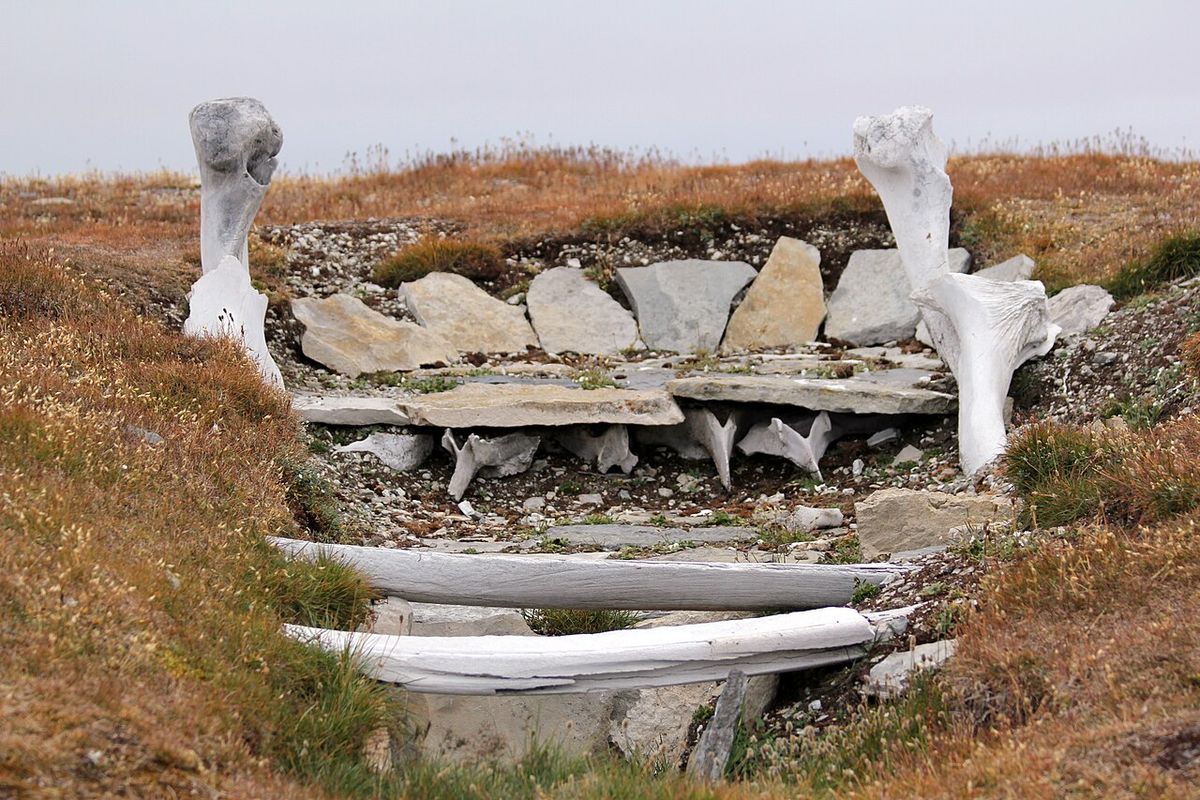
Mainland Nunavut was first populated approximately 4500 years ago by the Pre-Dorset culture, a diverse Paleo-Eskimo people who migrated westward from the Bering Strait region. Archaeological evidence suggests the Pre-Dorset were seasonally mobile, moving between settlements to take advantage of available resources. This culture was succeeded around 2800 years ago by the Dorset culture, which showed distinct differences in technology, art, and building styles. The Dorset culture notably lacked the bow and arrow, a tool used by their predecessors, and their relationship to the Pre-Dorset remains unclear to scholars.
Some Norse sagas mention a location called Helluland, which has been controversially linked to Baffin Island, suggesting possible but unconfirmed contact with the Dorset people. The Thule people, the direct ancestors of the modern Inuit, began their migration from Alaska into the Northwest Territories and Nunavut in the 11th century. By the year 1300, Thule settlement covered most of modern Nunavut. Several hypotheses explain this migration, including the historically dominant model proposed by archaeologist Robert McGhee, which links the movement to changes in bowhead whale populations caused by the Medieval Warm Period.
Other theories cite population pressure, warfare, or the search for Greenlandic iron deposits. The Thule migration coincided with the decline and disappearance of the Dorset culture between 800 and 1500 CE. While Thule settlers may have adopted some Dorset hunting technology, there is virtually no archaeological evidence confirming direct contact between the two populations. The Thule culture successfully adapted to the Arctic environment and became the foundation for modern Inuit society.
European Exploration and the Fur Trade
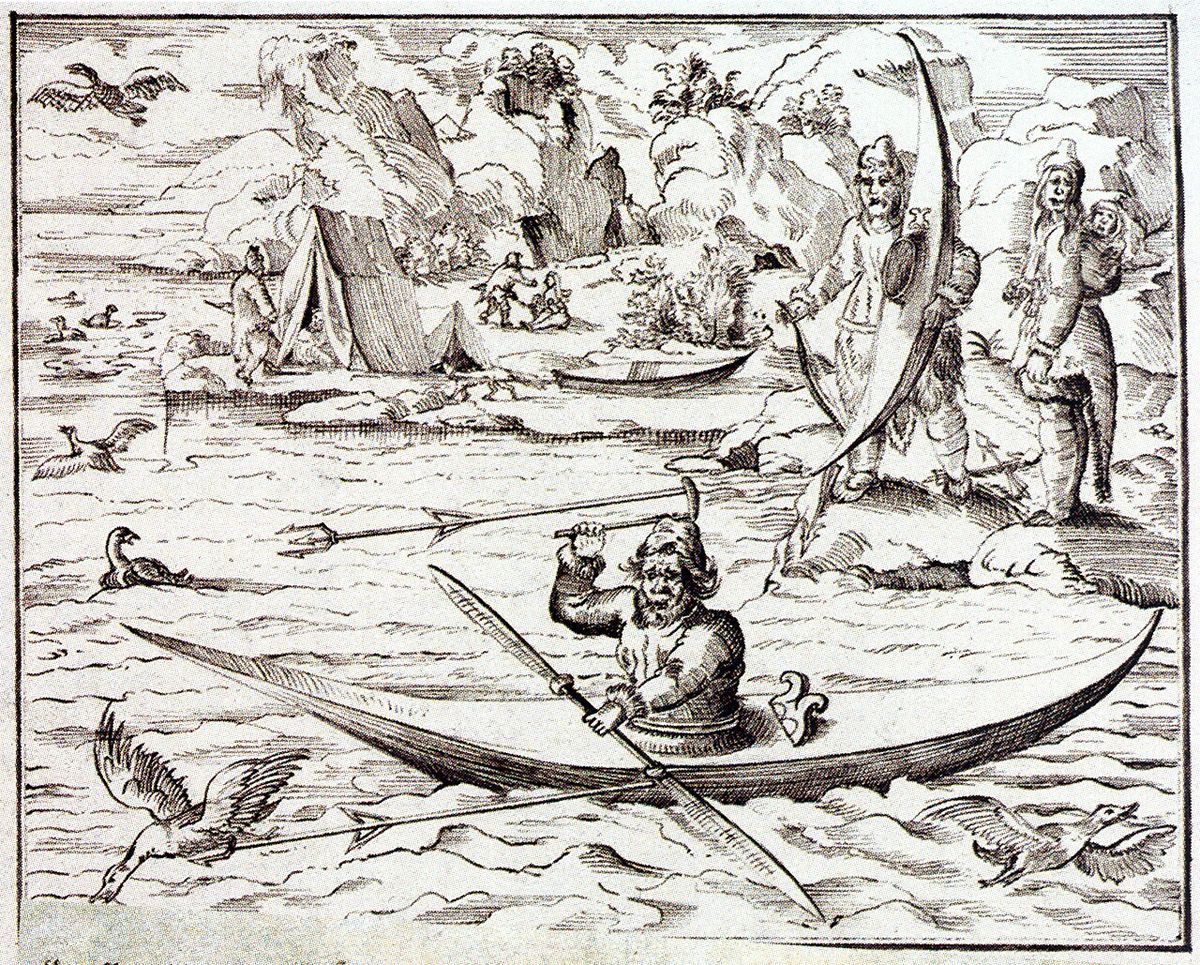
The written historical record for Nunavut begins in 1576 with the English explorer Martin Frobisher. While leading an expedition to find the Northwest Passage, Frobisher believed he had discovered gold ore around the body of water now known as Frobisher Bay on Baffin Island. Although the ore proved worthless, this voyage marked the first recorded European contact with the Inuit. Other 17th-century explorers followed in search of the passage, including Henry Hudson, William Baffin, and Robert Bylot.
Beginning around the 1820s, commercial whalers visited the region and started hunting thousands of whales. Whaling operations were soon established in Cumberland Sound and near Herschel Island, initiating a trading relationship between whalers and Inuit. Inuit began working with whaling crews, hunting in exchange for goods like tea, tobacco, equipment, and guns, while the whalers sought furs and labour. By the late 19th century, whalers were a common presence, but they also introduced addictive substances like alcohol and new diseases that devastated Inuit communities.
As whaling declined in the early 20th century, the fur trade became the main economic activity. The Hudson's Bay Company established operations and acted as a de facto intermediary for government, with rudimentary governance and social services administered through its trading posts and those of Christian missionaries. The fur trade led many Inuit to relocate and abandon traditional hunting in favor of fur trapping. The region was initially administered as part of the Northwest Territories, and by the end of 1912, the territory only administered lands north of the 60th parallel north and east of Yukon.
Sovereignty, Relocation, and Colonial Administration
The Arctic islands that constitute much of Nunavut were transferred from British to Canadian sovereignty in 1880, though the region was largely administered as part of the Northwest Territories. For decades, the federal government exercised minimal direct control, with the Hudson's Bay Company and missionaries providing the primary points of contact. This changed during the Cold War, when the Canadian government initiated a program of forced Inuit relocations to assert sovereignty in the High Arctic. In 1953, the first group was relocated from Inukjuak, Quebec, and Pond Inlet, Nunavut, to Resolute and Grise Fiord on Cornwallis and Ellesmere Islands.
The relocated Inuit were promised homes and game but found neither upon arrival. They were forced to endure extreme environmental conditions, including 24-hour darkness in winter and 24-hour sunlight in summer, which did not occur in northern Quebec. Although initially told they could return home after a year, this offer was withdrawn to protect Canada's sovereignty claims. Through immense hardship, the displaced Inuit eventually learned the local beluga whale migration routes and survived by hunting over an area of 18,000 square kilometres annually.
The government held hearings on the relocation program in 1993, resulting in a report by the Royal Commission on Aboriginal Peoples. Compensation of $10 million was paid to survivors and their families, but an official government apology was not issued until August 18, 2010. The story of this relocation is detailed in Melanie McGrath's book The Long Exile: A Tale of Inuit Betrayal and Survival in the High Arctic. This event remains a significant and painful chapter in the relationship between the Inuit and the Canadian state.
The Path to Nunavut
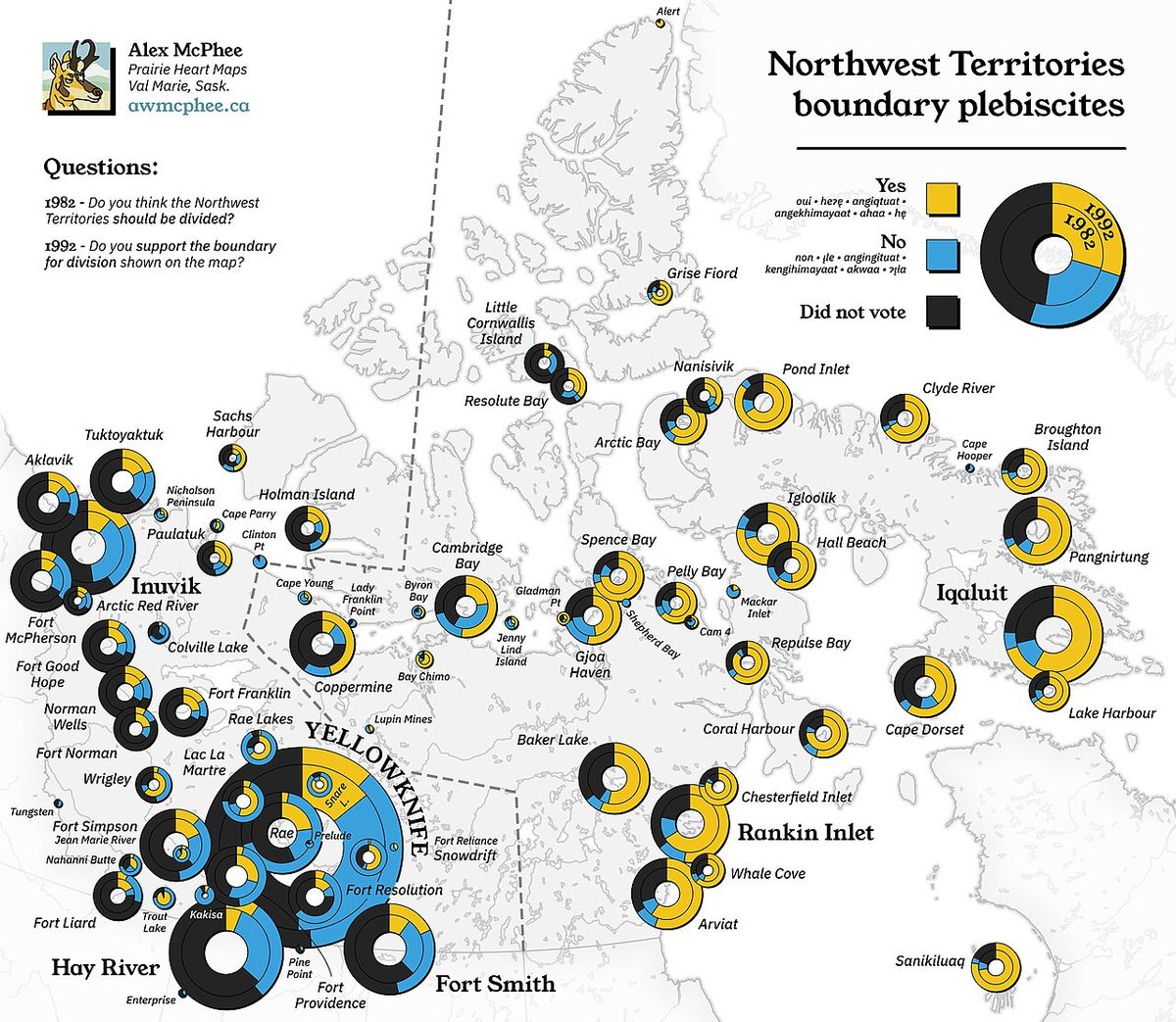
The movement for Inuit self-government gained momentum in the latter half of the 20th century. In 1976, the Inuit Tapiriit Kanatami submitted a formal land claims proposal to the Government of Canada, which included the concept of dividing the Northwest Territories. Public sentiment was tested in a plebiscite on April 14, 1982, where a majority of Northwest Territories residents voted in favour of division. The federal government gave conditional agreement seven months later.
The negotiation process was managed by the Tungavik Federation of Nunavut, established to broker a land claims agreement. A second plebiscite in 1992 confirmed the proposed boundary between the future territories. The landmark Nunavut Land Claims Agreement was finalized and signed on May 25, 1993. This agreement was ratified by nearly 85 percent of Inuit voters in a referendum held in September 1992.
The Canadian Parliament subsequently passed the Nunavut Land Claims Agreement Act and the Nunavut Act on June 10, 1993, setting a six-year transition period for establishing the new territory. This legislative action fulfilled the government's commitment from the land claims agreement. The process demonstrated the effectiveness of Inuit political organization and negotiation. The following timeline outlines key events in the path to Nunavut's creation.
- 1976: Inuit Tapiriit Kanatami submits formal land claims proposal including division.
- April 14, 1982: Plebiscite favours division of the Northwest Territories.
- 1992: Boundary plebiscite confirms the proposed line.
- September 1992: Land claims agreement is ratified by 85% of Inuit voters.
- May 25, 1993: Nunavut Land Claims Agreement is signed.
- June 10, 1993: Nunavut Act and Land Claims Agreement Act are passed by Parliament.
Establishment and Growth of the New Territory
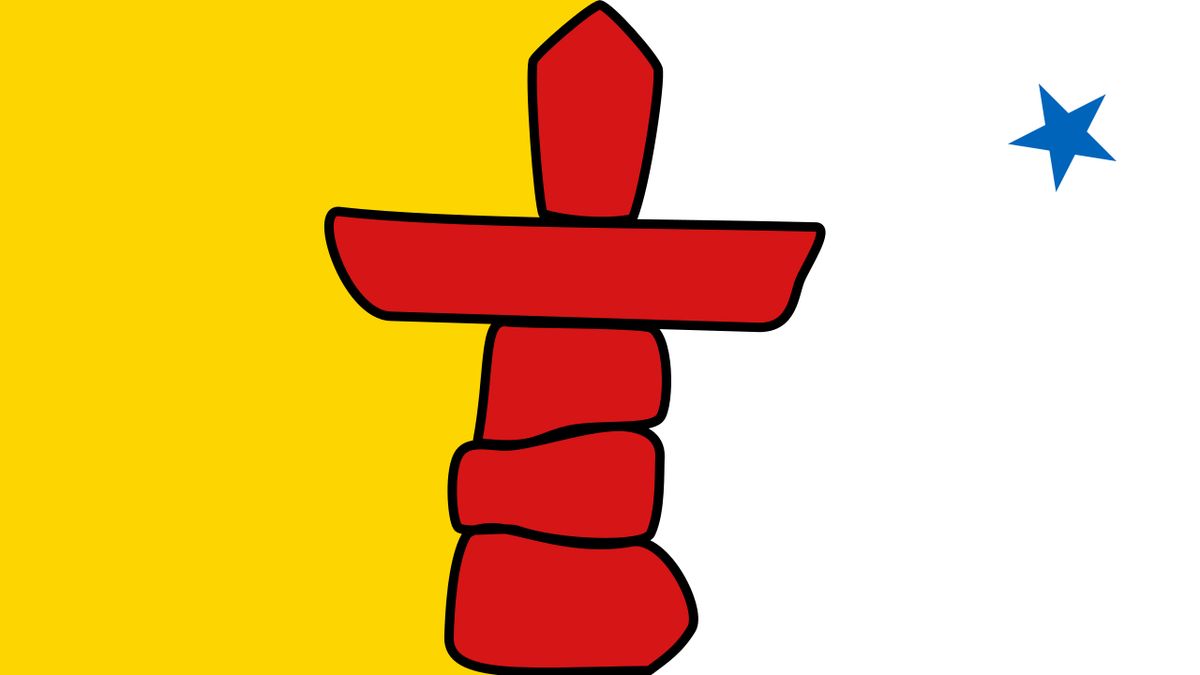
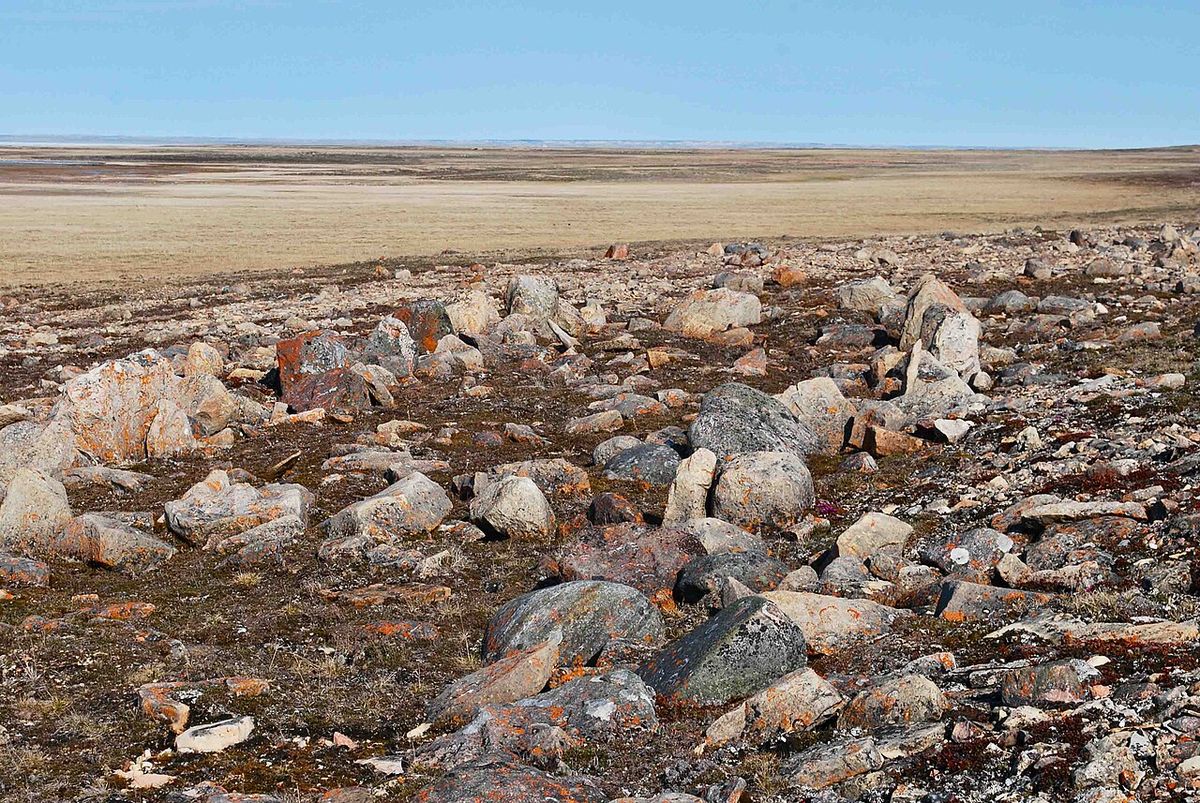
After a six-year transition period, the territory of Nunavut was formally established on April 1, 1999. The map of Canada was redrawn as the Northwest Territories divided to create a homeland for the Inuit of Canada. In the years leading up to 1999, Inuit leaders prepared everything from new territorial symbols on flags and licence plates to the buildings for a legislative assembly and new electoral districts. The new territory is geographically vast, encompassing Arctic terrain north of the treeline, from the glacial fiords of eastern Baffin Island to the rolling rock hills of western Hudson Bay.
Nunavut's population has grown significantly since its inception. By the second quarter of 2026, Statistics Canada reported 42,215 people called Nunavut home. The territory continues to develop its governance and economy. A major recent milestone was the signing of the Nunavut Lands and Resources Devolution Agreement on January 18, 2024, between the federal and territorial governments.
This agreement, the largest land transfer in Canadian history, gives the Government of Nunavut control over the territory's land and resources, marking a significant step in its political evolution. The devolution process transfers responsibilities similar to those of provinces. It is expected to provide Nunavut with greater authority over economic development and resource management. This achievement builds on the foundation of self-determination established by the 1993 land claims agreement.
Cultural Continuity and Modern Expression
Inuit culture has demonstrated remarkable resilience throughout Nunavut's history. The Inuit language, Inuktitut, remains vital, often heard in community playgrounds, supported by deliberate policies of Inuit leaders. Traditional hunting and food sharing continue to be critical aspects of community economies and cultural identity. Visual arts have served as a powerful medium for cultural expression and transmission, with artists like graphic artist Pudlo Pudlat and sculptor Qaqaq Ashoona gaining acclaim.
Figures like photographer Peter Pitseolak documented a traditional way of life undergoing immense change. Cultural milestones since 1999 include Inuit filmmaker Zacharias Kunuk taking Inuktitut-language film to international audiences. The establishment of Quttinirpaaq National Park on Ellesmere Island, initially created in 1988 and renamed with its Inuit name in 1999, protects the most northerly land in North America. The territory's name itself, meaning 'Our Land' in Inuktitut, reflects the deep connection between the people and their homeland.
This cultural continuity balances a respect for elders and ancient traditions with the flexibility and ingenuity prized in Inuit society. Modern challenges include maintaining linguistic strength and adapting to economic changes. The arts sector provides both cultural reinforcement and economic opportunities. The history of Nunavut is a continuing story of adaptation and self-determination.
Nunavut Day and Commemoration
Nunavut Day is celebrated annually on July 9 to honour the passing of the Nunavut Land Claims Agreement Act and the Nunavut Act in 1993. First celebrated in 2000, the day marks the foundational political achievement that made the territory possible, rather than the official establishment date of April 1, 1999. It is a public holiday in the territory, recognized by the Government of Nunavut. The day holds deep significance as a celebration of Inuit culture, self-determination, and a major historical milestone.
Celebrations typically feature community events such as traditional games, music, storytelling, and feasts. These activities serve to connect younger generations with elders and affirm the strength of Inuit traditions. In 2026, the statutory holiday marked 33 years since the legislation was passed. Nunavut Day provides an opportunity for all Canadians to reflect on the territory's unique history and the ongoing journey of self-government that the creation of Nunavut represents.
Key Figures in Nunavut's History
Several individuals played instrumental roles in the cultural and political history leading to Nunavut. John Amagoalik, born November 26, 1947, is often called the 'Father of Nunavut' for his leadership in the land claims process and the establishment of the territory. He also worked to secure an apology for the High Arctic relocation. Inuit guide Tookoolito (Hannah), born on Cape Searle, accompanied explorer Charles Hall on Arctic expeditions and saved crew members during the ill-fated Polaris expedition.
Artist Peter Pitseolak used photography to document traditional Inuit life during a period of immense change. Political leader and scholar Peter Jull wrote extensively on the process of building Inuit self-government, including his 1988 article 'Building Nunavut: A Story of Inuit Self Government'. These figures, among many others, contributed to the cultural preservation and political advancement that defined Nunavut's path to becoming a territory.
Questions about History of Nunavut
What was the Nunavut Land Claims Agreement?
The Nunavut Land Claims Agreement was a comprehensive land claim signed on May 25, 1993, between the Inuit of the Nunavut Settlement Area, represented by the Tungavik Federation of Nunavut, and the Government of Canada. It recognized Inuit title to certain lands, established wildlife management boards, and provided financial compensation. It also led to the commitment to create the new Territory of Nunavut. The agreement was ratified by nearly 85 percent of Inuit voters in a referendum in September 1992.
Who were the original inhabitants of Nunavut?
The lands of Nunavut have been inhabited for thousands of years by successive Indigenous cultures. The first were the Pre-Dorset, a Paleo-Eskimo culture that arrived around 4500 years ago. They were followed by the Dorset culture approximately 2800 years ago. The Thule people, the direct ancestors of the modern Inuit, began migrating into the region from Alaska in the 11th century and had settled most of the area by 1300 CE.
What was the High Arctic relocation?
The High Arctic relocation was a Cold War-era program where the Canadian government forcibly relocated Inuit families from Inukjuak, Quebec, and Pond Inlet, Nunavut, to Resolute and Grise Fiord on Cornwallis and Ellesmere Islands in 1953. The stated purpose was to assert Canadian sovereignty. The relocated Inuit endured extreme hardship and were misled about conditions. The government apologized on August 18, 2010, and provided a $10 million compensation package.
What is the population of Nunavut?
Nunavut's population has grown since its creation. According to Statistics Canada, in the second quarter of 2026, the population was 42,215. The majority of the territory's inhabitants are Inuit. The population represents a significant increase from the time of the territory's establishment in 1999.
When did Nunavut become a territory?
Nunavut was formally established as a Canadian territory on April 1, 1999. This followed a six-year transitional period after the Nunavut Land Claims Agreement was signed on May 25, 1993. The Nunavut Land Claims Agreement Act and the Nunavut Act were passed by the Canadian Parliament on June 10, 1993. The territory was created from the eastern part of the Northwest Territories.
What is Nunavut Day and when is it celebrated?
Nunavut Day is celebrated each year on July 9. The day marks the passing of the Nunavut Land Claims Agreement Act and the Nunavut Act by the Canadian Parliament on June 10, 1993. First celebrated in 2000, Nunavut Day is a public holiday in the territory meant to honour Inuit culture and the achievement of the land claims agreement. Community events highlight traditional games, music, and storytelling.
Sources and further reading
- History of Nunavut (Wikipedia)
- The Creation of Nunavut (canadashistory.ca)
- Nunavut (thecanadianencyclopedia.ca)
- Nunavut Day 2026 in Canada: History, Meaning & How It's ... (remitly.com)
- Nunavut History | Qaujigiartiit Health Research Centre (healthnuqaujigiaruti.ca)
Checked by the Nosy Mag desk. Last updated 2026-10-23.