History of immigration to Canada
The history of immigration to Canada details the movement of people to modern-day Canada. The modern Canadian legal regime was founded in 1867, but Canada also has legal and cultural continuity with French and British colonies in North America that go back to the 17th century. Until then, the land was inhabited by many distinct Indigenous peoples for thousands of years. Indigenous peoples contributed significantly to the culture and economy of the early European colonies to which was added several waves of European immigration. More recently, the source of migrants to Canada has shifted away from Europe and towards Asia and Africa. Canada's cultural identity has evolved constantly in tandem with changes in immigration patterns.
Early Encounters and Colonial Foundations
The earliest human migration to the land that became Canada occurred thousands of years ago as Indigenous peoples moved across the Bering land bridge. The first documented European contact is evidenced by the Viking settlement at L'Anse aux Meadows in Newfoundland around the year 1000. Centuries later, Basque fishermen and whalers established seasonal outposts on the coasts of Labrador and Newfoundland. The era of sustained European colonization began with John Cabot's 1497 landing, claimed for England, and Jacques Cartier's 1534 exploration for France. These early colonies, part of New France, relied on a small population engaged in the fur trade and subsistence agriculture, numbering only about 70,000 by 1760. British settlement also took root, particularly in Newfoundland and Nova Scotia, setting the stage for colonial rivalry.
Contact with Europeans had catastrophic consequences for Indigenous peoples, as diseases like smallpox decimated entire communities. Relations between settlers and Indigenous nations varied widely. The French developed trading alliances with Huron peoples, while the Iroquois Confederacy, often armed by the British, became dedicated opponents. The colonial competition between France and Britain to populate their territories with loyal subjects marked the beginning of immigration as a deliberate political and economic strategy in the region.

Settlement Expansion and Nation Building
Following Confederation in 1867, the new Dominion of Canada pursued an aggressive policy to settle its vast western territories. The Dominion Lands Act of 1872, akin to the American Homestead Act, offered land to settlers to encourage agricultural development. Under Interior Minister Clifford Sifton from 1896 to 1905, the government launched an extensive advertising campaign across Western Europe and Scandinavia, promoting the Canadian Prairies. This campaign was successful, changing the demographic makeup of the region. The non-Aboriginal population of the North-West Territories grew from 56,446 in 1881 to 98,967 in 1891, and to 211,649 by 1901.
Ethnic bloc settlements became a defining feature of the prairies, as groups like Ukrainians, Poles, Germans, and Scandinavians settled together on land reminiscent of their homelands. The completion of the Canadian Pacific Railway in 1885 was a crucial infrastructure project, both enabling this settlement and relying on immigrant labour for its construction. Immigration briefly halted during the North-West Rebellion of 1885 but surged again afterwards. The populations of Saskatchewan and Alberta grew sufficiently to achieve provincial status in 1905. This period of mass immigration peaked in 1913 when Canada welcomed over 400,000 newcomers. The wave continued until the Great Depression and the Dirty Thirties led to a mass exodus from the prairies, ending this major era of western settlement.
Legislative Evolution and Restrictive Policies
Canada's approach to regulating immigration has shifted deeply over time, often reflecting prevailing social and racial attitudes. The first Immigration Act of 1869 was relatively open, focusing on immigrant safety. However, as immigration increased, so did restrictive and discriminatory legislation. The Chinese Immigration Act of 1885 was the first law to exclude immigrants based on ethnic origin, imposing a head tax that was raised to $500 by 1903. The Immigration Act of 1906 expanded categories of prohibited immigrants and granted the government broad powers to deport individuals. Further restrictions targeted other Asian immigrants. A 1908 gentlemen's agreement with Japan limited immigration.
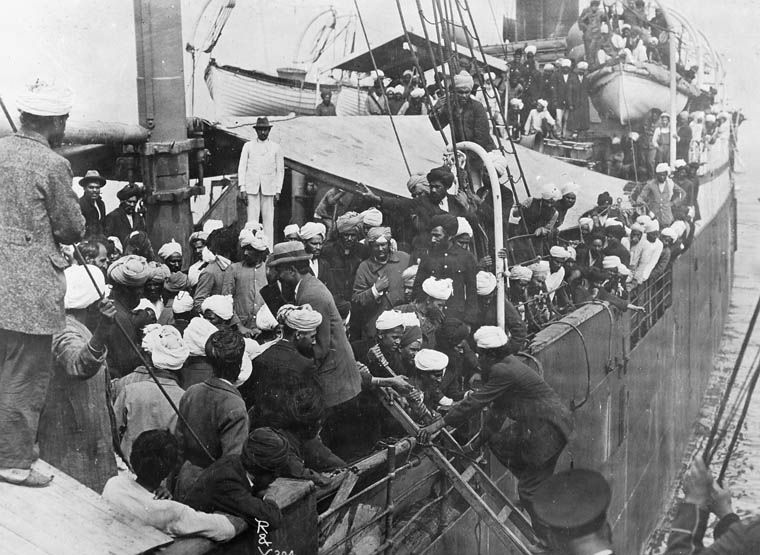
That same year, the government enacted the Continuous Journey Regulation, which required immigrants to arrive by a direct, uninterrupted voyage from their country of origin. Since no direct steamship service existed from India to Canada, this regulation effectively barred Indian immigration. Its enforcement was starkly demonstrated in 1914 with the Komagata Maru incident, where a ship carrying 376 British subjects from Punjab was denied entry and forced to return to India. The Chinese Immigration Act of 1923, often called the Exclusion Act, virtually banned Chinese immigration altogether until its repeal in 1947. These policies created a framework that favoured immigrants from Britain, the United States, and Northern Europe while systematically excluding others.
- 1869: First Immigration Act focuses on safety of passage.
- 1885: Chinese Immigration Act imposes a head tax.
- 1906: Immigration Act expands deportation powers.
- 1908: Continuous Journey Regulation blocks Indian immigration.
- 1908: Gentlemen's agreement limits Japanese immigration.
- 1923: Chinese Immigration Act (Exclusion Act) passes.
- 1947: Exclusion Act is repealed.
Post-War Shifts and the Modern Immigration System
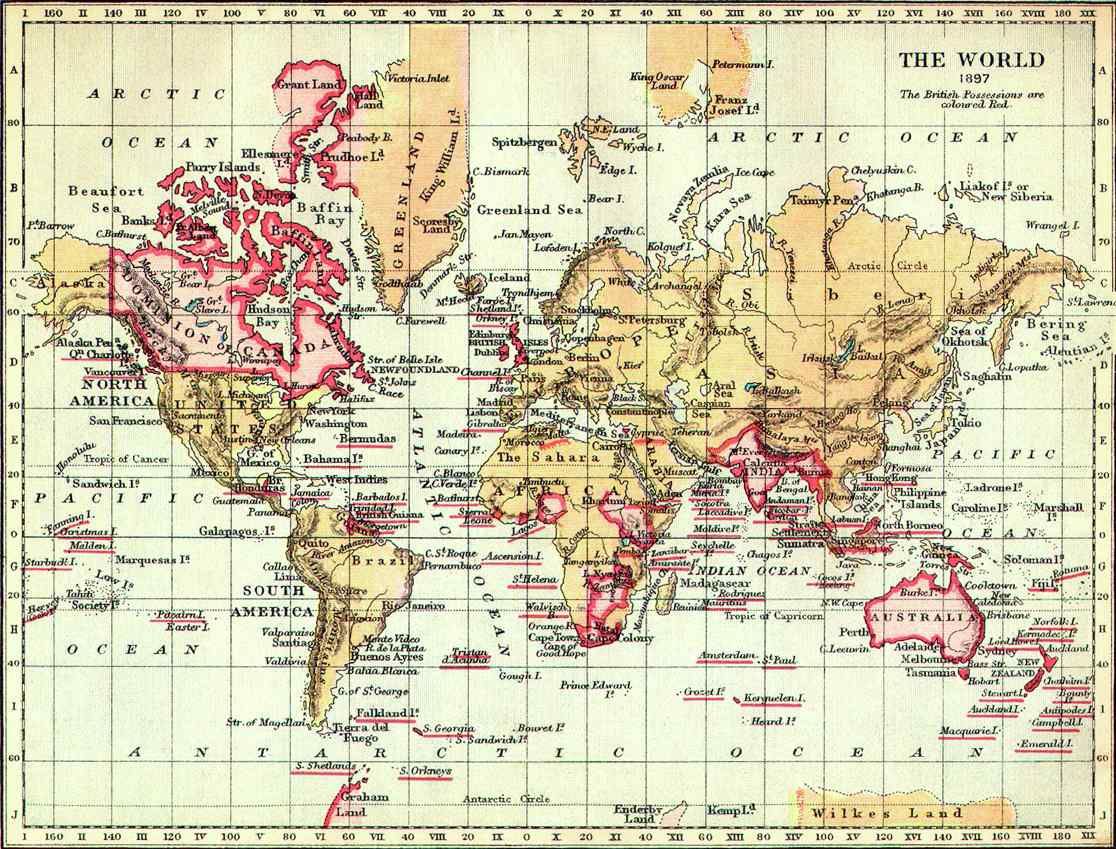
The aftermath of World War II and the evolving global order prompted major changes in Canadian immigration policy and nationality law. The Canadian Citizenship Act of 1946, which took effect on January 1, 1947, created a distinct Canadian citizenship for the first time, separate from British subject status. The post-war economic boom drove demand for labour, leading to increased immigration from across Europe. Canada also began to respond to international humanitarian crises, accepting 37,500 Hungarian refugees in 1956 and 1957.
This period also saw Canada become a leader in refugee resettlement. In 1972, Canada issued visas to approximately 6,000 Ugandan Asians expelled by Idi Amin. Later in the 1970s and 1980s, Canada welcomed large numbers of refugees from Chile, Vietnam, Cambodia, and Laos. On February 15, 1977, Canada removed restrictions on dual citizenship. These changes, coupled with the official adoption of multiculturalism policy in 1971, reoriented Canada's immigration system towards skills-based selection and humanitarian obligations.
Demographic Transformations and Recent Trends
The sources and scale of immigration to Canada have undergone dramatic changes since the late 20th century. For the first century after Confederation, the vast majority of immigrants came from Europe, particularly the British Isles. The 1871 Census showed that 83.6 percent of the foreign-born population was from the British Isles. This proportion steadily declined as waves from Eastern and Southern Europe arrived. The most significant change began in the 1970s, as the source regions shifted decisively from Europe to Asia, Africa, and the Middle East. By 2011, the National Household Survey recorded a foreign-born population of 6,775,700 people, representing 20.6 percent of the total population, the highest proportion since 1931.
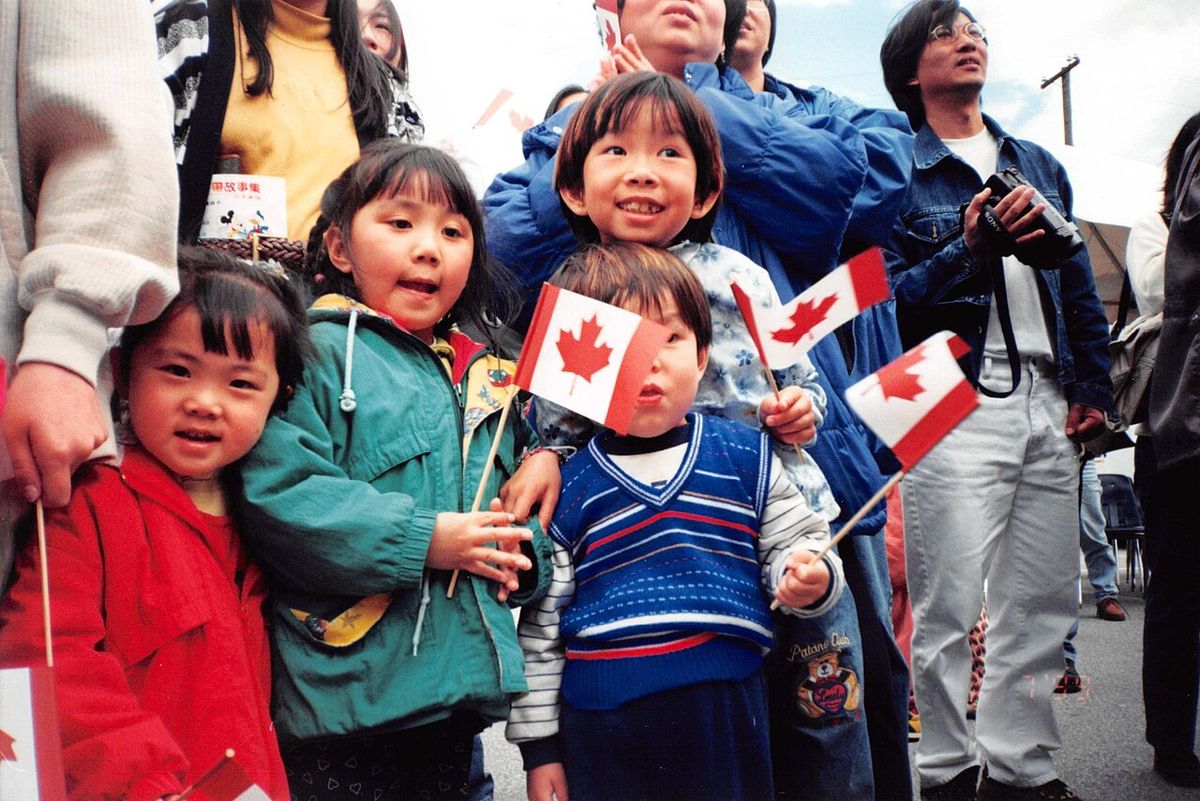
Annual immigration levels have remained consistently high since the early 1990s. The top source countries are now in Asia. In 2018, for example, Canada received 321,035 immigrants, with the top three source countries being India (69,973), the Philippines (35,046), and China (29,709). This shift has fundamentally altered the cultural and ethnic composition of Canadian society. The historical pattern of immigration has not been steady, with major fluctuations tied to global events like world wars and economic depressions.
| Period | Immigration Context | Key Figure or Trend |
|---|---|---|
| Late 1800s | Varied annual admissions | 6,300 to 133,000 immigrants per year |
| Early 1900s | Western settlement promotion | Peak of over 400,000 in 1913 |
| World War I | Dramatic decline | Fewer than 34,000 in 1915 |
| Post-1950s | Steady increase | Rising foreign-born population |
| 1990s, present | High sustained levels | Average ~235,000 immigrants per year |
Regional Immigration Histories
Immigration patterns have varied significantly across Canada's regions, influenced by geography, economy, and local history. In British Columbia, early non-Indigenous settlement was driven by the gold rushes of the 1850s and 1860s, attracting a diverse mix of Americans, Chinese, and Europeans via California. The Chinese population was particularly significant, owning 60 percent of the land in the Lillooet Land District in the 1870s and 1880s. The construction of the Canadian Pacific Railway relied heavily on Chinese labour, after which restrictive head taxes and exclusion acts were imposed. British Columbia's immigration remained largely sea-based until the railway's completion, after which settlement expanded into the Interior.
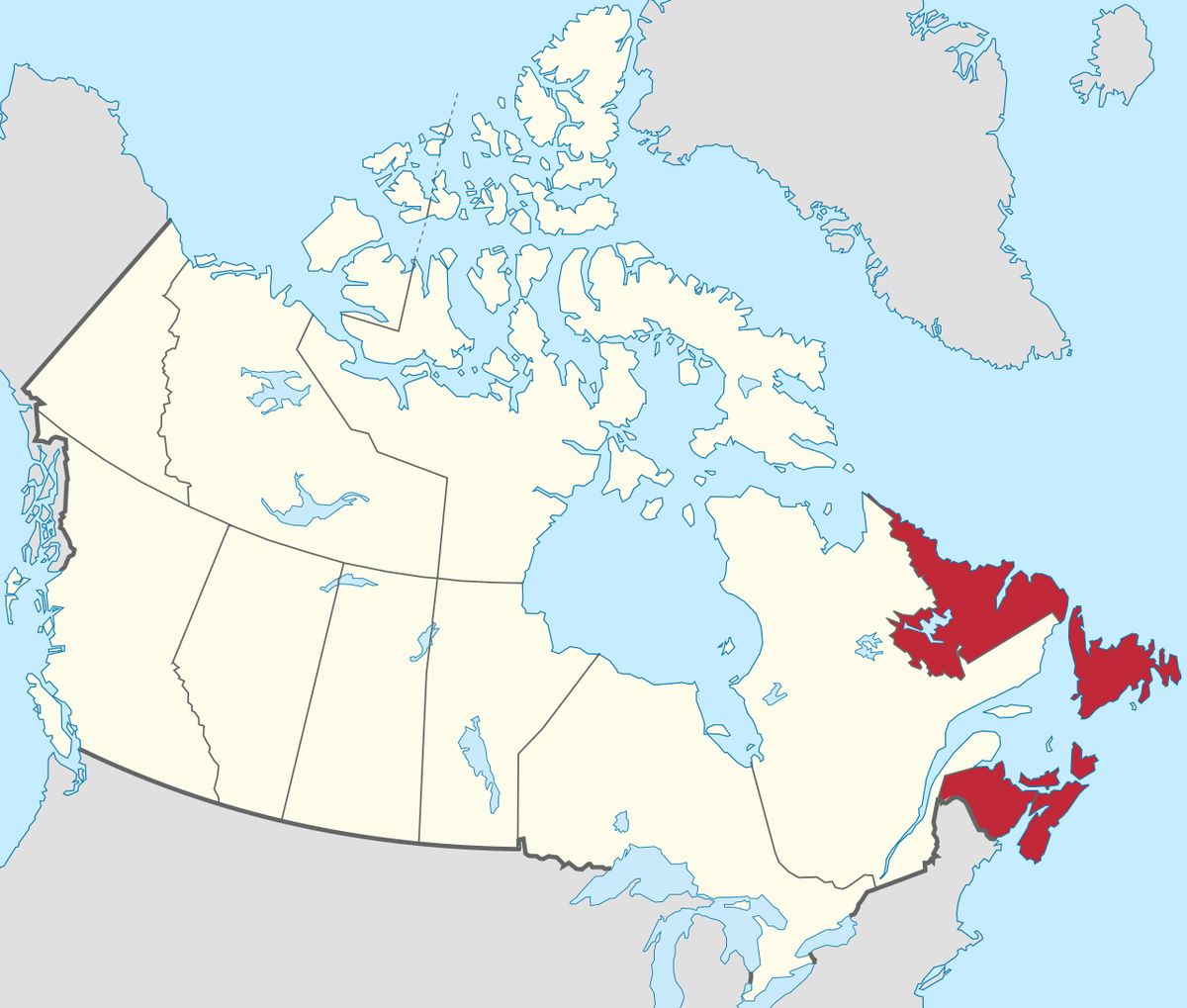
In Atlantic Canada, early European settlement included French Acadians and, later, significant numbers of British Loyalists fleeing the American Revolution. The region also became a destination for Black Loyalists and later for refugees from the War of 1812 and the Underground Railroad. The Prairie provinces were changed by the homesteading campaigns of the late 19th and early 20th centuries. Ontario and Quebec, as the historical centres of New France and Upper Canada, received the earliest French and British settlers, with later waves of immigration diversifying their urban centres, particularly Toronto and Montreal.
- British Columbia: Shaped by gold rushes, railway construction, and early Asian immigration.
- Atlantic Canada: Settled by Acadians, Loyalists, and Black refugees.
- Prairie Provinces: Changed by agricultural homesteading campaigns post-1872.
- Ontario & Quebec: Core areas of French and British colonial settlement, later hubs for global immigration.
Questions about History of immigration to Canada
What was the first law to restrict immigration to Canada based on race?
The first law to restrict immigration based on ethnic origin was the Chinese Immigration Act of 1885. It imposed a head tax on every Chinese person seeking entry into Canada. This was a direct response to the arrival of Chinese labourers who worked on the Canadian Pacific Railway. The tax was increased to $100 in 1900 and then to $500 in 1903.
When did Canada create its own citizenship separate from being a British subject?
Canada created its own distinct citizenship with the Canadian Citizenship Act of 1946, which took effect on January 1, 1947. Before this, Canadians were considered British subjects. The act established the criteria for becoming a Canadian citizen. This made Canada the second nation in the British Commonwealth to establish its own nationality law.
What was the Komagata Maru incident?
The Komagata Maru incident was a 1914 challenge to Canada's restrictive immigration laws. A Japanese steamship, the Komagata Maru, carried 376 passengers from Punjab, India, to Vancouver. Under the Continuous Journey Regulation of 1908, the passengers were denied entry because their journey involved stops. After a two-month standoff, the ship was forced to return to India. The passengers consisted of 340 Sikhs, 24 Muslims, and 12 Hindus.
How has the source of immigrants to Canada changed over time?
The source of immigrants has shifted dramatically from primarily European to predominantly Asian. Throughout the 20th century, waves arrived from other parts of Europe. Since the 1970s, following changes to discriminatory policies, the majority of immigrants have come from Asia, Africa, and the Middle East. In 2018, the top three source countries were India, the Philippines, and China.
When did Canada allow dual citizenship?
Canada removed restrictions on dual citizenship on February 15, 1977. The Citizenship Act of 1977 repealed many provisions from the 1946 legislation that had governed the loss of citizenship. Under this new act, Canadian citizens could generally hold another country's citizenship without facing involuntary loss of their Canadian status. Exceptions to this rule involve revocation only on specific grounds such as immigration fraud or criminality.
Sources and further reading
- History of immigration to Canada (Wikipedia)
- Immigration and Impact, Interactive Timeline (cihs-shic.ca)
- Canadian Immigration Acts and Legislation (pier21.ca)
- 150 years of immigration in Canada (www150.statcan.gc.ca)
- Immigration (thecanadianencyclopedia.ca)
Checked by the Nosy Mag desk. Last updated 2026-10-29.