History of Edmonton
The history of Edmonton is a chronicle of transformation from an ancient gathering place and fur trade fort to a modern metropolis and the capital of Alberta. Its story is defined by its strategic location on the North Saskatchewan River, which made it a hub for the fur trade, a gateway to the northern frontier, and later the centre of Canada's oil industry. Key events such as the signing of Treaty 6, the arrival of the railway, the post-war oil boom, and devastating moments like the 1987 tornado have shaped its identity. Today, Edmonton is a diverse, growing city that continues to honour its layered past while building its future.
Ancient and Fur Trade Foundations
The area now known as Edmonton has been a gathering place for millennia, with evidence of human activity dating back to around 3,000 BC and potentially as early as 10,000 BC following the retreat of the last ice age. First Nations groups utilized the resources of the region, and a significant ancient trail, the Old North Trail, passed through what are now the neighbourhoods of Old Strathcona and Rossdale. In 1795, the Montreal based North West Company established Fort Augustus northeast of Edmonton, near present day Fort Saskatchewan. The rival Hudson's Bay Company responded by building Edmonton House adjacent to it just a few months later. In 1802, both forts were moved to the Rossdale Flats near present day downtown. The forts were moved again in 1813. Following the merger of the two companies in 1821, the Fort Augustus name was dropped and Fort Edmonton became the central hub for the HBC's North Saskatchewan District operations.
Fort Edmonton remained at the Rossdale site until 1830, when a flood of the North Saskatchewan River forced a relocation to higher ground near the present Alberta Legislature Building. The fort served as the region's commercial and social centre for decades, but the decline of the fur trade beginning in the 1860s led to its eventual abandonment. The physical structures of Fort Edmonton were dismantled in 1915, though its legacy is preserved at Fort Edmonton Park. The first agricultural settlement outside the fort walls began in the 1870s, with pioneer farms laid out in long, narrow river lots that deviated from the standard grid survey used across the Prairies. This early pattern formed the initial structure for the community that would become the Town of Edmonton, incorporated in 1894. The town encompassed the modern Boyle Street and McCauley neighbourhoods.
From Town to Capital City (1870 to 1914)
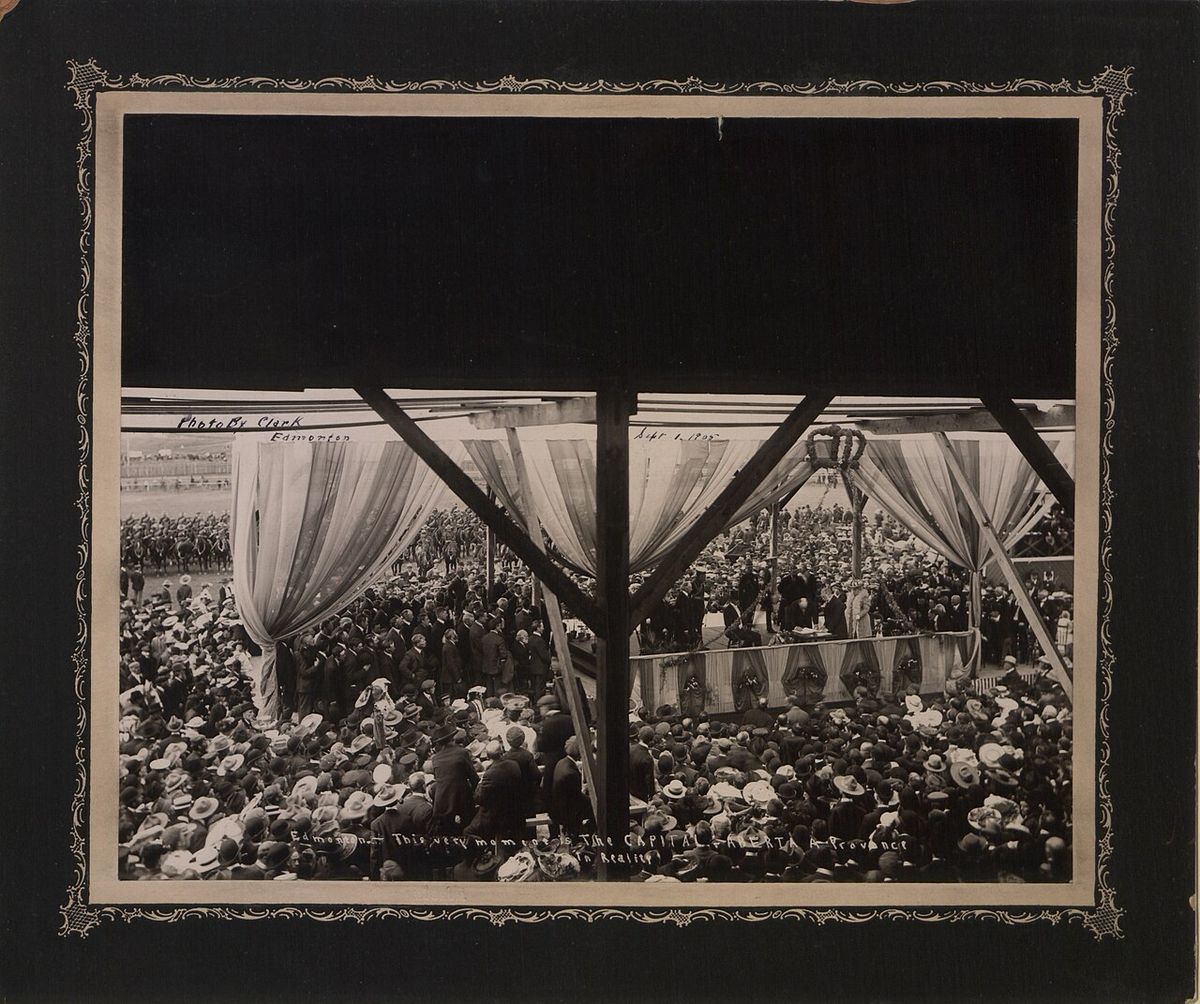
The 1870s marked the beginning of permanent settlement beyond the fort's palisades, and a crucial moment for the region occurred in 1876 with the signing of Treaty 6 between First Nations and the Crown. This treaty ceded a vast territory, including the Edmonton area, to the Canadian government. The arrival of the Calgary and Edmonton Railway in 1891 was a major catalyst for growth, though the tracks stopped on the south bank of the river, leading to the establishment of the separate community of Strathcona. Edmonton itself was connected by rail in 1903 with the completion of the Edmonton, Yukon and Pacific Railway across the Low Level Bridge. Rapid growth followed Edmonton's incorporation as a city in 1904, and it was shortly thereafter designated the capital of the new province of Alberta. Edmonton gained a direct railway connection to Winnipeg with the 1905 arrival of the Canadian Northern Railway. The period from 1905 to 1913 was one of explosive growth and transformation, with the city's population soaring from under 10,000 to over 72,500 by 1914.
Key developments during this boom included the 1907 founding of the University of Alberta in Strathcona and the 1912 amalgamation of Edmonton with the City of Strathcona, uniting both sides of the river. The city's commercial core shifted west from the original Boyle Street district to the area that is now downtown Edmonton. New residential neighbourhoods such as Glenora, Highlands, and Westmount were developed during this time of economic momentum. This era was also characterized by intense real estate speculation, which came to an abrupt end just before the outbreak of the First World War, leading to a severe economic downturn that caused the population to decline sharply.
Wars, Depression and the Gateway to the North
Growth remained slow through the 1920s and 1930s, but the city solidified its role as a transportation and supply centre for Canada's north. The opening of Blatchford Field in 1926, Canada's first licensed airfield, was a landmark event. Aviators like Wilfrid R. "Wop" May and Max Ward used it as a base for delivering mail and supplies to remote northern communities, cementing Edmonton's identity as the "Gateway to the North." This strategic importance was magnified during the Second World War, when Edmonton became a major staging base for the construction of the Alaska Highway and a key stop on the Northwest Staging Route for aircraft being sent to the Soviet Union.
The Post War Oil Boom and Bust
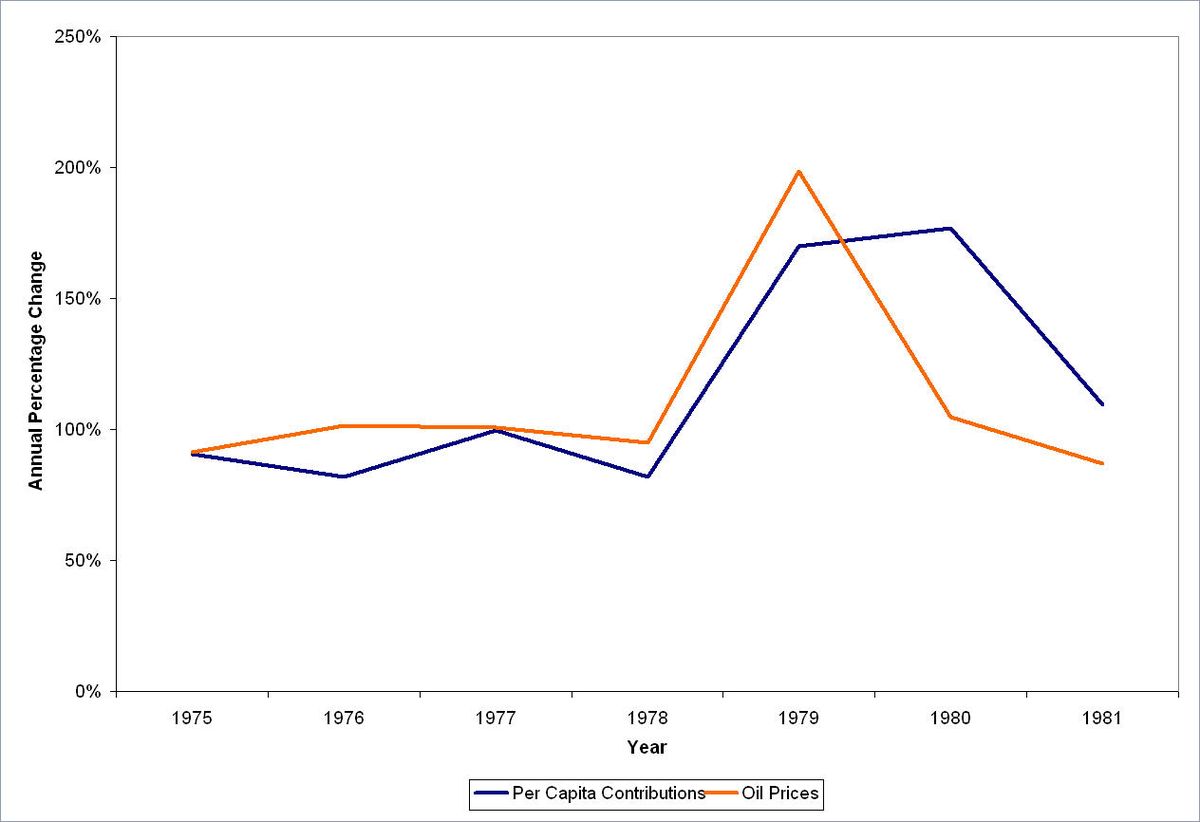
Edmonton's modern economic character was fundamentally altered on February 13, 1947, with the discovery of major oil reserves near Leduc, south of the city. This was followed by other significant finds, such as at Redwater. Because most of Alberta's oil reserves were concentrated in the central and northern parts of the province, Edmonton naturally became the administrative and service headquarters for the industry, earning the title "Oil Capital of Canada." The ensuing boom drove phenomenal growth, with the city's population nearly doubling from 149,000 in the early 1950s to 269,000 by the end of the decade. A second, even larger boom occurred in the 1970s, triggered by high world oil prices following the 1973 oil crisis and the 1979 Iranian Revolution.
The boom era saw the city host major international events like the 1978 Commonwealth Games and the 1983 Summer Universiade. It also gave rise to major developments like West Edmonton Mall, which opened in 1981 as the world's largest shopping mall and remains a major tourist attraction. However, the prosperity ended abruptly in the early 1980s due to a combination of falling world oil prices and the introduction of the federal National Energy Program in 1981. Although the program was later scrapped, the 1986 oil price collapse led to a severe recession. The city's population had reached 521,000 by 1981, but economic recovery was stalled for over a decade. This difficult period was punctuated by tragedy on July 31, 1987, when an F4 tornado tore through parts of the city, killing 27 people. The community's response helped popularize Edmonton's "City of Champions" slogan, originally coined in 1984.
Recent Growth and Diversification
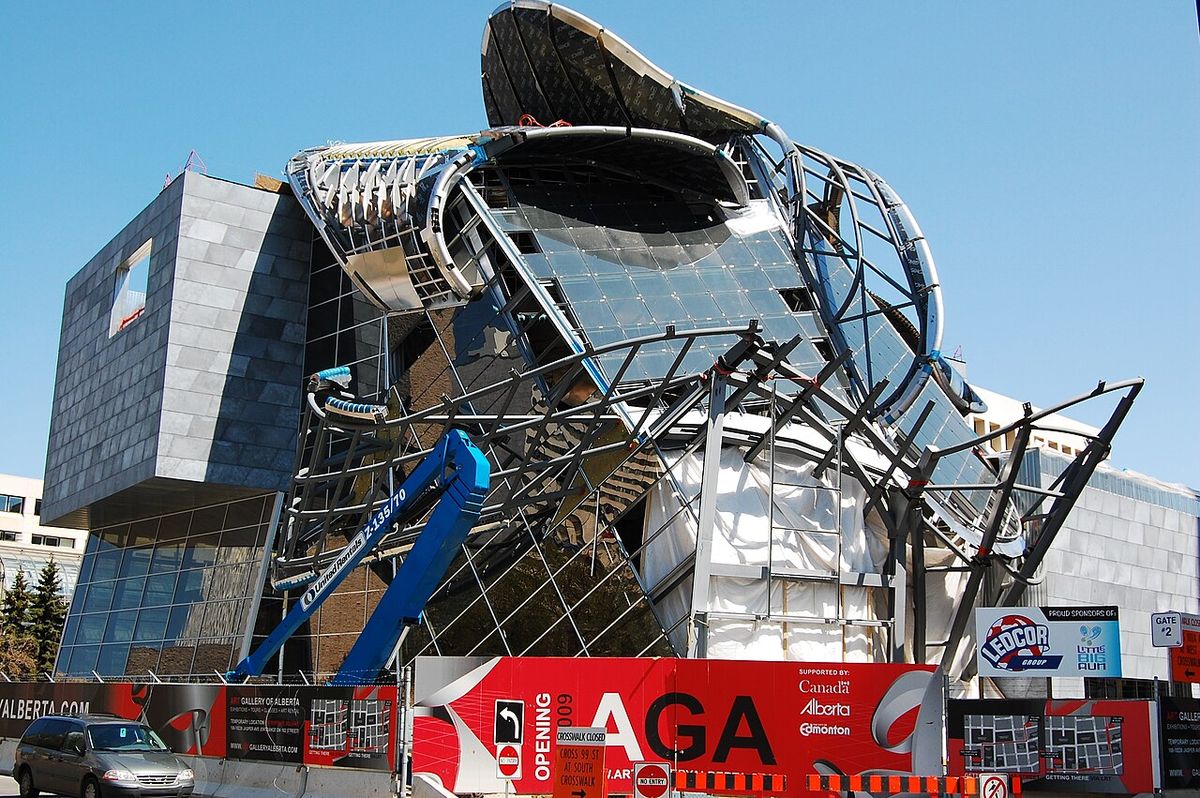
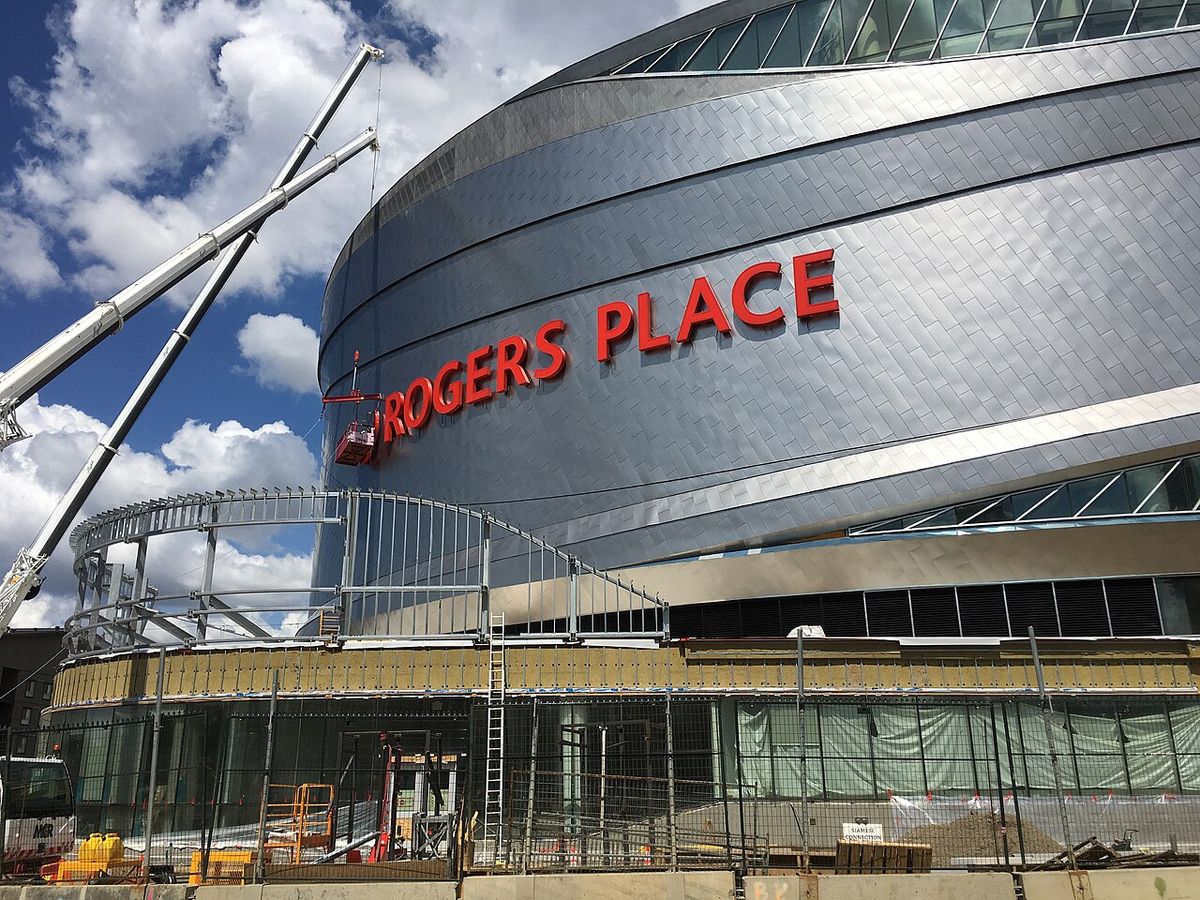
A sustained recovery began in the late 1990s, aided by rising oil prices and concerted efforts to diversify the economy into sectors like technology. Downtown Edmonton, which had suffered from high vacancy rates, began a significant renaissance. Major projects symbolizing this new era include the Art Gallery of Alberta opened in 2010, the EPCOR Tower completed in 2010, and the Ice District anchored by Rogers Place arena, which opened in 2016 as the new home of the Edmonton Oilers. In 2018, the completion of the Stantec Tower made it the tallest building in Canada outside of Toronto. The metropolitan area's population surpassed one million people in 2008. Growth has continued through suburban expansion with new communities like Windermere and Heritage Valley, as well as increased density in the core.
The city's transportation infrastructure reached a milestone in 2016 when the final northeast leg of the Anthony Henday Drive was completed. This made Edmonton the first city in Canada to have a 100 percent free flowing highway ring road. The city also hosted matches of the 2015 FIFA Women's World Cup at Commonwealth Stadium. This economic prosperity brought in large numbers of workers from all over Canada. Many of these new workers were young men.
Cultural Heritage and Commemoration
Edmonton actively celebrates its complex history through numerous festivals and civic initiatives. The annual Edmonton Heritage Festival, a three day outdoor celebration of global cultures typically held in August, features food, performances, and exhibits from dozens of cultural communities. The Historic Festival and Doors Open Edmonton, held in July, offers tours and events that connect residents with the city's architectural and social history. The city also demonstrates a strong commitment to recognizing the contributions of all its communities. In February 2026, the City of Edmonton's theme for Black History Month is "Hidden Histories and Bold Futures," aligning with the national theme honouring 30 years of Black History Month in Canada.
This commitment is supported by concrete actions, such as the creation of the Black History Month Initiative Fund in 2024, managed by the Africa Centre. In 2025, this fund distributed resources to 28 community projects aimed at celebrating Black communities and fostering cross cultural engagement. The city's broader Anti racism Strategy and co created Anti Black Racism Action Plan further show this dedication to equity and inclusion. These efforts ensure the stories of all Edmontonians are part of the city's ongoing historical narrative.
- Edmonton Heritage Festival: A three day multicultural celebration typically in August.
- Historic Festival and Doors Open Edmonton: An annual July event featuring plaque ceremonies, library tours, and site openings.
- Black History Month (February 2026): City theme is "Hidden Histories and Bold Futures".
- Black History Month Initiative Fund: Established in 2024, managed by the Africa Centre.
- Anti Black Racism Action Plan: Co created by City Administration and Edmonton's Black communities.
- University of Alberta free course: "Black Canadians: History, Presence and Anti racist Futures" sponsored by the city.
Population Growth and Key Milestones
Edmonton grew from a small fur trade post into a major metropolitan centre. The city's growth occurred in dramatic surges, often tied to transportation links and resource discoveries. For example, the arrival of the Canadian Northern Railway in 1905 provided a direct connection to Winnipeg. The major oil discovery near Leduc in 1947 triggered a boom, with the city's population increasing from 149,000 to 269,000 during the 1950s. Another period of rapid growth coincided with high world oil prices in the 1970s, and the population reached 521,000 by 1981. In 2008, the Edmonton metropolitan area surpassed one million people, becoming the most northern city in North America with a metropolitan population of over one million.
| Period/Year | Approximate Population | Key Event or Catalyst |
|---|---|---|
| 1904 | 8,000+ | Incorporation as a city. Becomes Alberta's capital. |
| 1914 | 72,500 | Peak before World War I downturn. |
| 1950s | 149,000 to 269,000 | Post war Leduc oil boom. |
| 1981 | 521,000 | Peak before National Energy Program and oil price collapse. |
Questions about History of Edmonton
How did the discovery of oil affect Edmonton?
The discovery of major oil reserves at Leduc in 1947 fundamentally transformed Edmonton. As most of Alberta's oil fields were in central and northern regions, the city became the administrative, service, and refining centre for the industry, earning the title "Oil Capital of Canada. This triggered massive population growth and economic prosperity through the 1950s and again in the 1970s. The subsequent oil busts in the 1980s caused severe recession, leading to a long period of economic diversification that continues to shape the city's economy today.
What are some major cultural festivals in Edmonton?
Edmonton hosts several major cultural festivals that celebrate its heritage and diversity. The Edmonton Heritage Festival, typically held each August, is a large three day outdoor event featuring food, performances, and exhibits from numerous cultural communities. The Historic Festival and Doors Open Edmonton, held in July, offers tours and events focused on the city's architectural and social history. The city also observes Black History Month in February with a dedicated theme and funded community initiatives, with the 2026 theme being "Hidden Histories and Bold Futures."
When was Edmonton founded?
Edmonton's origin as a permanent settlement dates to the establishment of Fort Augustus by the North West Company in 1795, with the rival Hudson's Bay Company building Edmonton House nearby the same year. The first settlement outside of the fort began in the 1870s with pioneer farmers. The Town of Edmonton was formally established in 1894 and it became a city in 1904, shortly after becoming Alberta's capital. However, the area's history is far deeper, with evidence of First Nations inhabitants hunting and gathering in the region as early as 10,000 BC.
Why is Edmonton called the 'Gateway to the North'?
Edmonton earned the nickname 'Gateway to the North' due to its historical role as a major supply and transportation hub for northern Canada. This identity was solidified with the 1926 opening of Blatchford Field, Canada's first licensed airfield. Pioneering aviators like Wilfrid R. 'Wop' May used it as a base to distribute mail, food, and medicine to remote northern communities. During the Second World War, Edmonton became a major base for the construction of the Alaska Highway and its airport was a critical station on the Northwest Staging Route. This strategic logistical function firmly established the city's gateway status.
What was the impact of the 1987 Edmonton tornado?
The F4 tornado that struck Edmonton on July 31, 1987, was a devastating event that killed 27 people and caused severe damage in neighbourhoods including Beaumont, Mill Woods, and Evergreen. The day became known locally as 'Black Friday'. In the aftermath, then mayor Laurence Decore cited the community's response as evidence that Edmonton was a 'city of champions,' which popularized the city's unofficial slogan. This slogan was further embraced in a sporting context later in 1987 when the Edmonton Oilers won the Stanley Cup and the Edmonton Eskimos won the Grey Cup, capping a tragic yet unifying year for the city.
What recent developments have changed Edmonton's downtown?
Downtown Edmonton has undergone significant revitalization and rapid development in the 21st century. Key projects include the 2010 opening of the new Art Gallery of Alberta and the completion of the EPCOR Tower, the first new office tower in 22 years at the time. The downtown Ice District, anchored by the Rogers Place arena which opened in 2016, has been a major catalyst. The 2018 completion of the Stantec Tower made it the tallest building in Canada outside of Toronto. This renaissance, featuring new clubs, shops, and residential high rises, has reduced office vacancy rates and increased the number of people living in the core.
Sources and further reading
- History of Edmonton (Wikipedia)
- Black History Month (edmonton.ca)
- Historic Festival and Doors Open Edmonton (historicedmonton.ca)
- Edmonton Heritage Festival | Canada's Alberta (travelalberta.com)
- Time Periods | City of Edmonton Archives (edmontonhistoricalboard.com)
Checked by the Nosy Mag desk. Last updated 2026-11-01.