Helluland
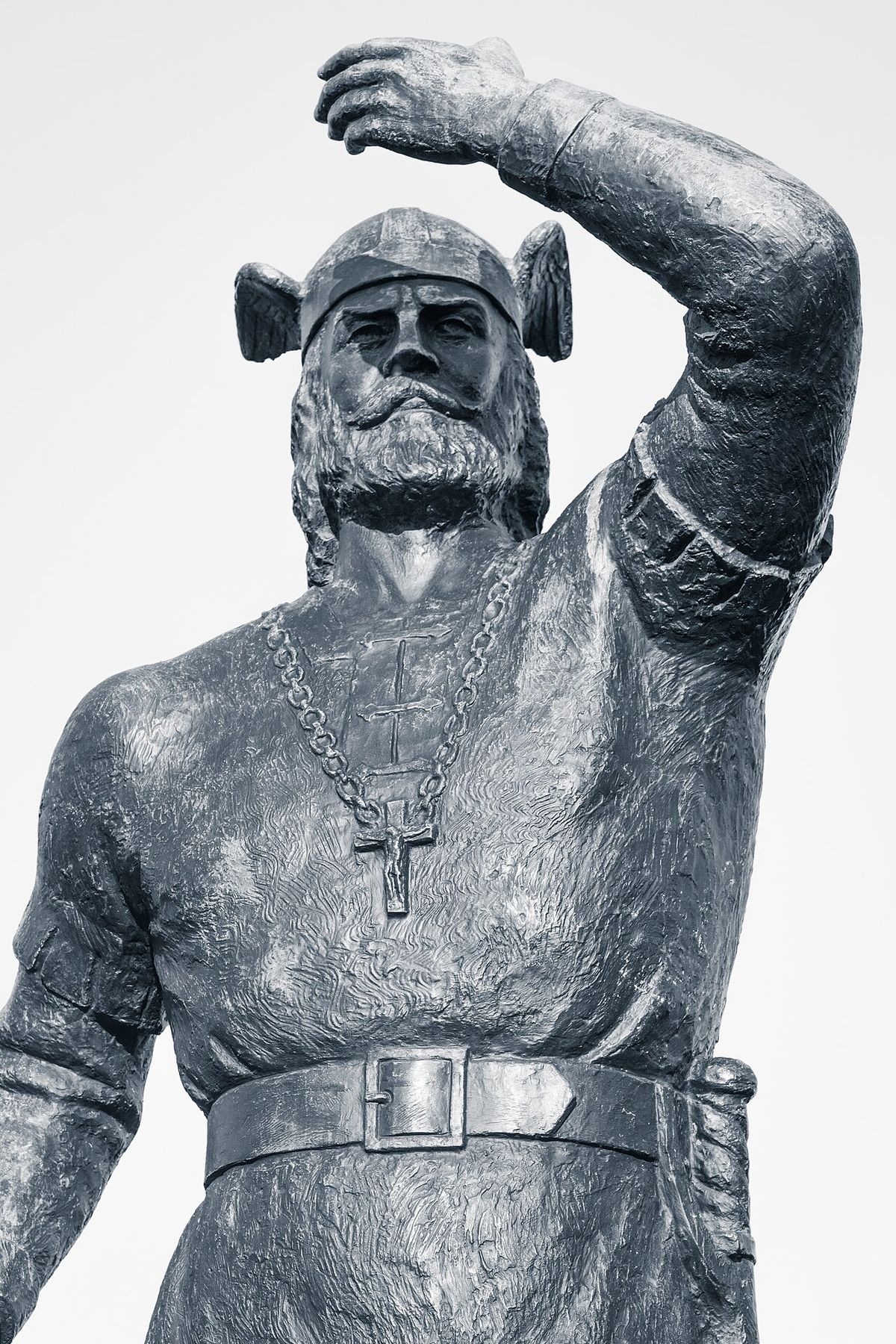
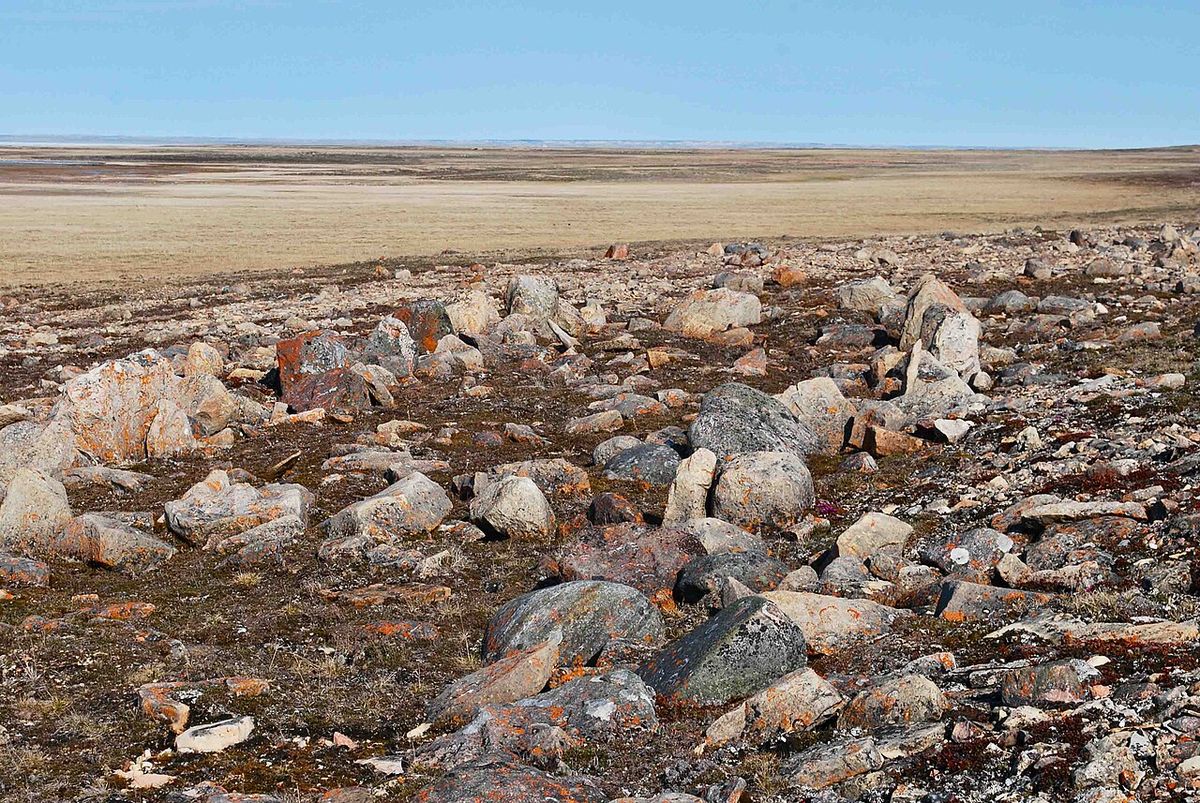
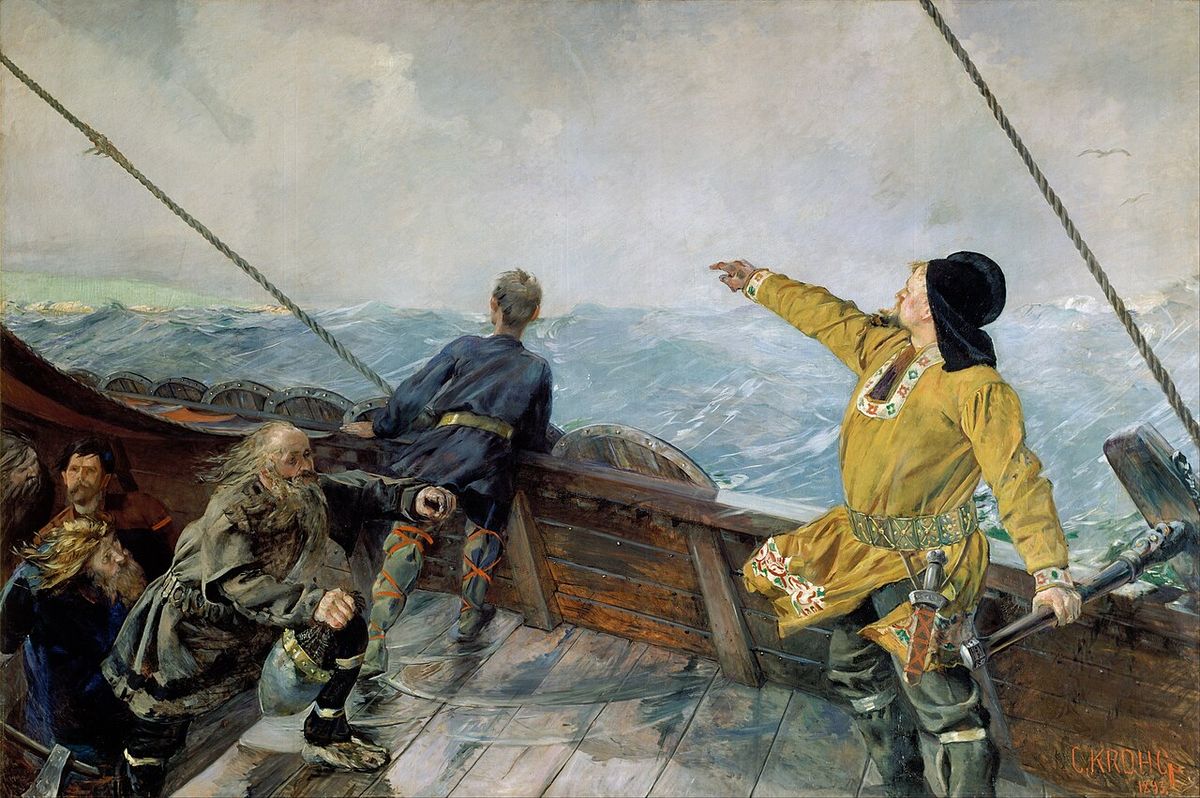
Helluland is the name given by Norse explorers around the year 1000 AD to a region of North America, identified by most modern scholars as Baffin Island in the present-day Canadian territory of Nunavut. It was the first of three lands encountered during the Viking voyages westward from Greenland, followed by Markland and Vinland. The name, meaning 'Land of Flat Stones' in Old Norse, originates from the sagas that describe a barren, rocky coastline. According to the Greenland Saga, Leif Erikson gave the land this name after his crew found many large, flat stones there.
Historical accounts in the Norse sagas
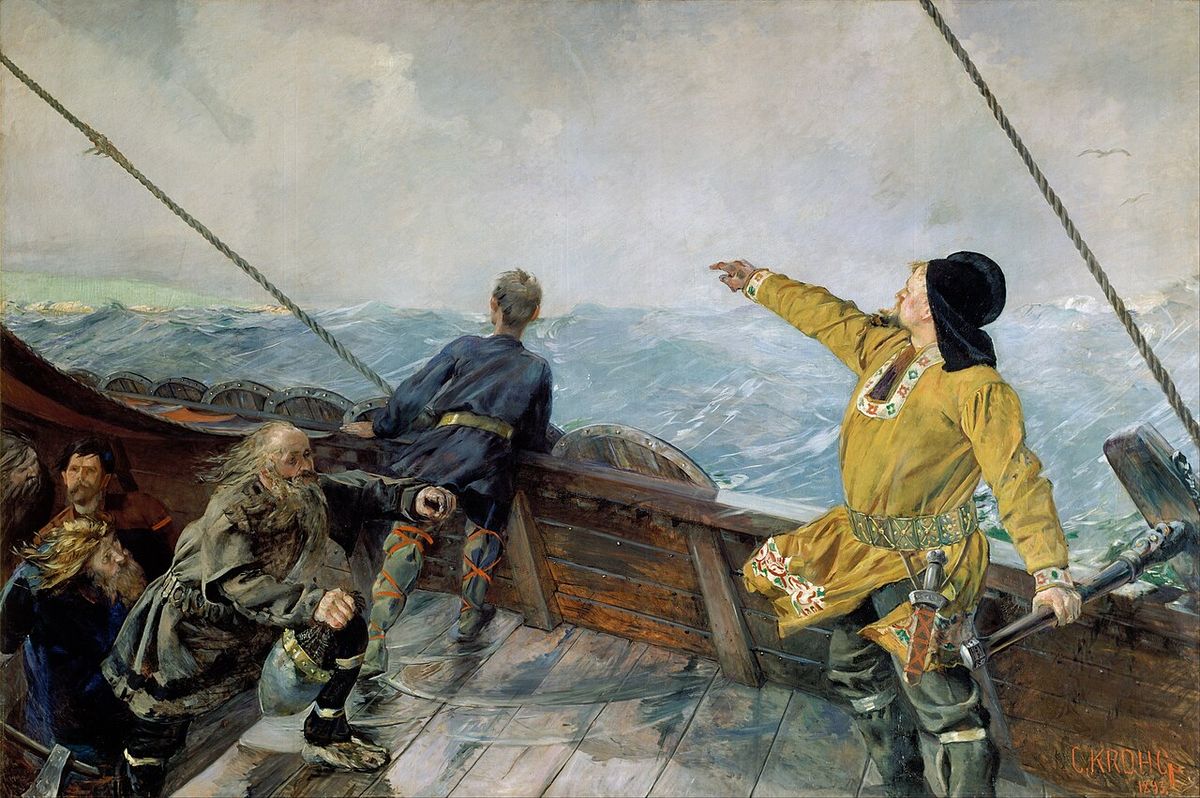
The primary sources for Helluland are two medieval Icelandic sagas, the Saga of Erik the Red and the Greenland Saga, which recount the voyages westward from Greenland. According to the sagas, Bjarni Herjólfsson was the first to sight the lands but did not land. His descriptions later inspired Leif Erikson to mount an expedition. Around the year 1000, Leif Erikson deliberately sailed to find these lands, making Helluland his first documented landing. The Greenland Saga states that the explorers found many large, flat stones so big that two men could lie stretched out on them heel to heel. They also reported an abundance of arctic foxes in the area. Based on this inhospitable terrain of rock and little else, Leif Erikson decided against attempting settlement and sailed south to the more promising Markland and Vinland.
The sagas characterize the entire region as an 'obygdir', a Norse term for an uninhabited or wilderness area. Later legendary sagas, such as the Saga of Halfdan Eysteinsson and the tale of Örvar-Oddr, reference Helluland's wilderness and even mention a location within it called Skuggifjord, which some scholars associate with the Hudson Strait. The Saga of Halfdan Eysteinsson, written no earlier than the mid-14th century, fragmentarily states that a character named Ragnar brought Helluland's uninhabited regions under his sway. The tale of Örvar-Oddr, from the latter half of the 13th century, describes a pursuit into the Skuggifjord within Helluland's obygdir, noting a strongly built fortified structure. These later, more fantastical stories suggest Helluland entered the Norse geographical imagination as a distant, mysterious frontier. The name itself is purely descriptive, derived from the Old Norse word 'hella', meaning a flat stone or slab. This direct naming convention contrasts with the more evocative names given to the other lands, like Vinland (Wine Land), and shows the initial Norse impression of a barren, stone-covered coast.
Modern identification and geographical debate
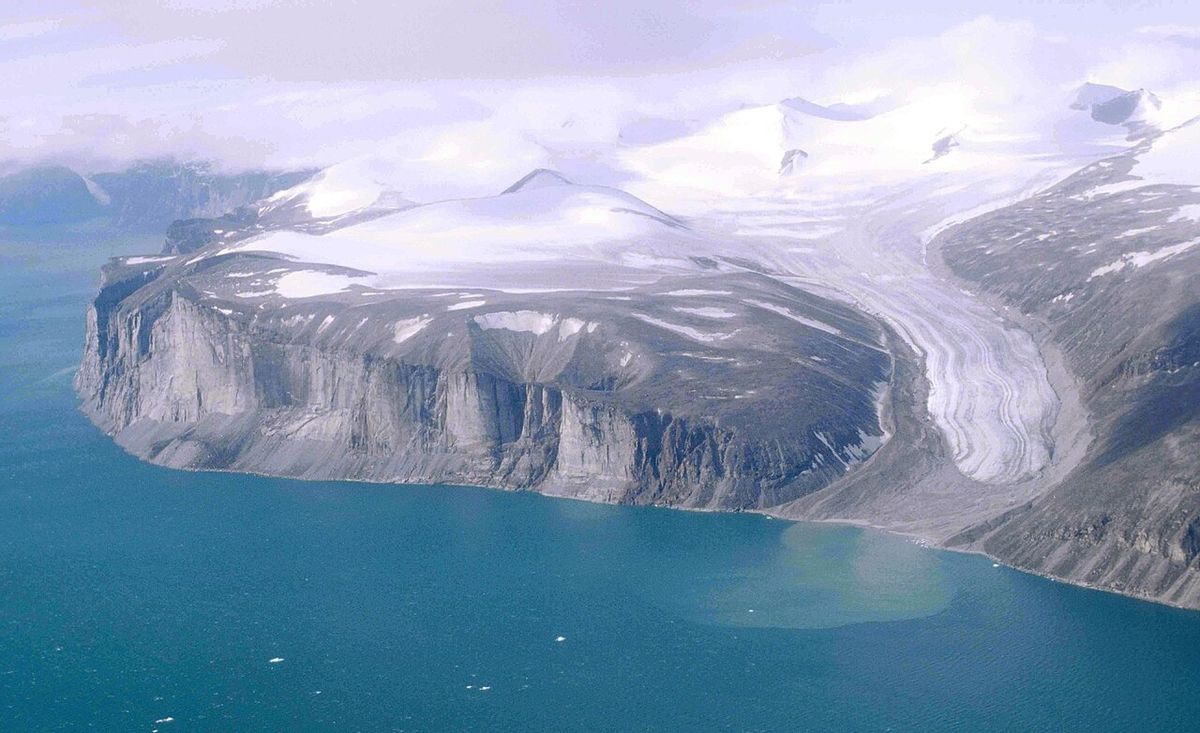
The consensus among historians and archaeologists since the late 19th century is that Helluland corresponds to Baffin Island in the Canadian Arctic. This identification is based primarily on the saga description of a high-latitude land of flat stones, which matches the rugged, rocky terrain of the Baffin Island coastline. The sailing directions and sequence of lands described, first a barren stone land, then a forested land (Markland, widely agreed to be Labrador), and finally a more temperate land (Vinland, associated with Newfoundland), fit the geographical progression southward along the North American coast. Some early 20th century scholars proposed more specific locations, such as medical missionary Sir Wilfred Grenfell, who wrote in his work 'The Romance of Labrador' that Helluland likely corresponded to Kangalaksiorvik Bay, a fjord about 100 miles south of the Torngat Mountains. Grenfell described its south side as having endless acres of flat stones, south of which lay the wooded Markland and, further south, Vinland the Good.
In ancient Icelandic scholarship, the understanding of Helluland evolved and expanded. A note in Arthur Middleton Reeves' 1906 work, The Norse Discovery of America, indicates that later Icelandic geographers referred to the entire northern coast of America west of Greenland as 'Helluland it Mikla', or Great Helluland. These same geographers called the island of Newfoundland 'Litla Helluland', or Little Helluland. This suggests a broadening of the term over centuries, possibly reflecting a lack of precise knowledge about the continent's geography and a tendency to apply known names to larger areas. Today, the focused identification with Baffin Island is reinforced by archaeological findings on the island itself, which provide material evidence of a Norse presence that aligns with the saga accounts of contact in that region. The debate between Baffin Island and specific Labrador locations like Kangalaksiorvik Bay continues among a minority of researchers, but the Baffin Island theory holds the most support within mainstream scholarship and guides most contemporary archaeological fieldwork.
Archaeological investigations and the Dorset connection
The most significant archaeological work related to Helluland has been conducted on Baffin Island, seeking physical proof of the Norse presence described in the sagas. For decades, the only confirmed Norse site in North America was L'Anse aux Meadows in Newfoundland, a settlement dating to around 1000 AD with eight sod buildings and artifacts found in the 1960s. Research on Baffin Island, led notably by Canadian archaeologist Patricia Sutherland, has aimed to identify evidence of Norse exploration and interaction further north. Sutherland's work, often associated with the Helluland Archaeology Project, re-examined artifacts collected from several Baffin Island sites over a number of years, including material from museum collections. Her analysis pointed to potential evidence of European contact during the Dorset culture period, the people the sagas term skrælings, and suggested the Vikings had been on Baffin for an extended period with a likely established trading relationship.
Sutherland and her team identified several artifact types that she argued were indicative of Norse presence or influence from sites such as Tanfield Valley. These included pieces of spun yarn made from animal hair that corresponded to yarn found in Norse settlements in Greenland. Other finds were tally sticks of a style used in Norse Greenland, whetstones for sharpening metal tools with traces of iron and bronze metallurgy, and architectural remains suggesting European-style masonry and turf construction. Her findings led some colleagues, like Memorial University professor emeritus James Tuck, to state that while her evidence was compelling before, they found it convincing now. However, the most contentious findings centred on the yarn, initially thought to be a technology introduced by the Norse.
Subsequent research by other scholars has challenged this interpretation. Textile specialist Michele Hayeur Smith of Brown University argued in a 2018 study in the Journal of Archaeological Science that the Dorset people had their own long-standing, sophisticated tradition of spinning thread from sinew and animal hair. She noted that sinew was being spun and plied at least as early, if not earlier, than yarn at Dorset sites like Nanook, and that the practice of spinning hair and wool into plied yarn most likely developed naturally within indigenous Arctic fibre technologies, not through contact with Europeans. Other archaeologists, such as William W. Fitzhugh of the Smithsonian Institution, have called for more published evidence, noting that the Dorset were using spun cordage by the 6th century and that there is insufficient proof to support Sutherland's claims. The debate highlights the complex question of distinguishing between independent technological development and genuine evidence of transatlantic contact.
The Helluland Archaeology Project has identified several potential pre-Columbian European archaeological sites. These sites are located on Baffin Island and northern Labrador. They include Tanfield Valley, Avayalik at the far north of the Labrador Peninsula, and Willows Island at the southern part of Baffin Island. The project also includes a site at Pond Inlet in the far north of Baffin Island. These locations were selected for their potential to show pre-Columbian European activity.
- Tanfield Valley (Baffin Island): A multi-component site examined for Norse-era artifacts like yarn and worked wood, and signs of metallurgy.
- Avayalik at the far north of the Labrador Peninsula: Surveyed for evidence of early European presence.
- Willows Island at the southern part of Baffin Island: Examined for structural remains and artifacts.
- Pond Inlet (Nunguvik) in the far north of Baffin Island: Another site of interest for early contact archaeology.
Patricia Sutherland's findings strengthened the case for a Viking camp on Baffin Island. Her research brought significant attention to the possibility of Norse activity there. When asked if she might have been fired from the Canadian Museum of Civilization because her research was out of step with government views, Sutherland agreed. The Canadian Museum of Civilization is now called the Canadian Museum of History.
Helluland in the context of Norse exploration
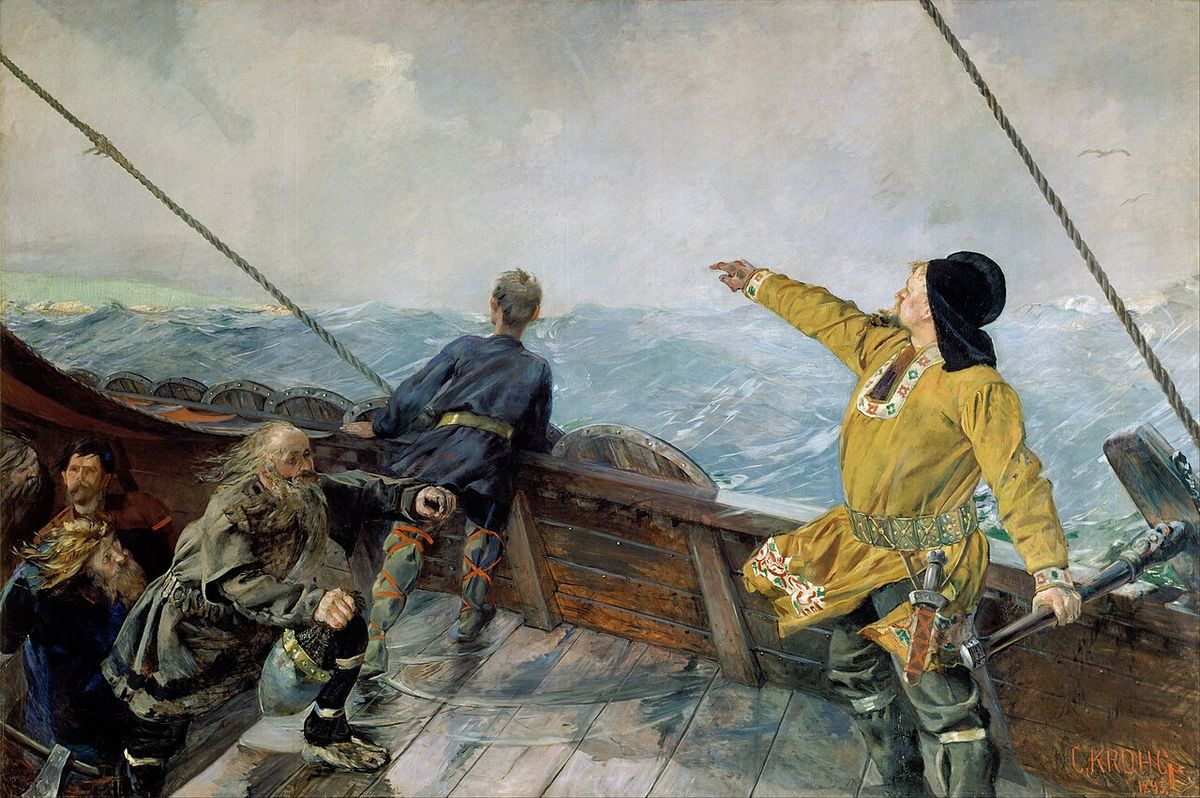
Helluland was not an isolated discovery but part of a broader pattern of Norse expansion across the North Atlantic in the late 10th and early 11th centuries. This period saw the settlement of Iceland and Greenland, followed by exploratory voyages further west. The sequence of lands, Helluland, Markland, Vinland, represents a logical southward exploration along the North American coastline from the Arctic to the Gulf of St. Lawrence. Helluland's primary role in these voyages was as a navigational landmark and a source of raw materials. The sagas mention the abundance of arctic foxes, whose pelts would have been a valuable trade commodity for the Norse. The flat stones themselves may have held some utility, though the land offered little for agriculture or permanent settlement, leading Leif Erikson to continue south.
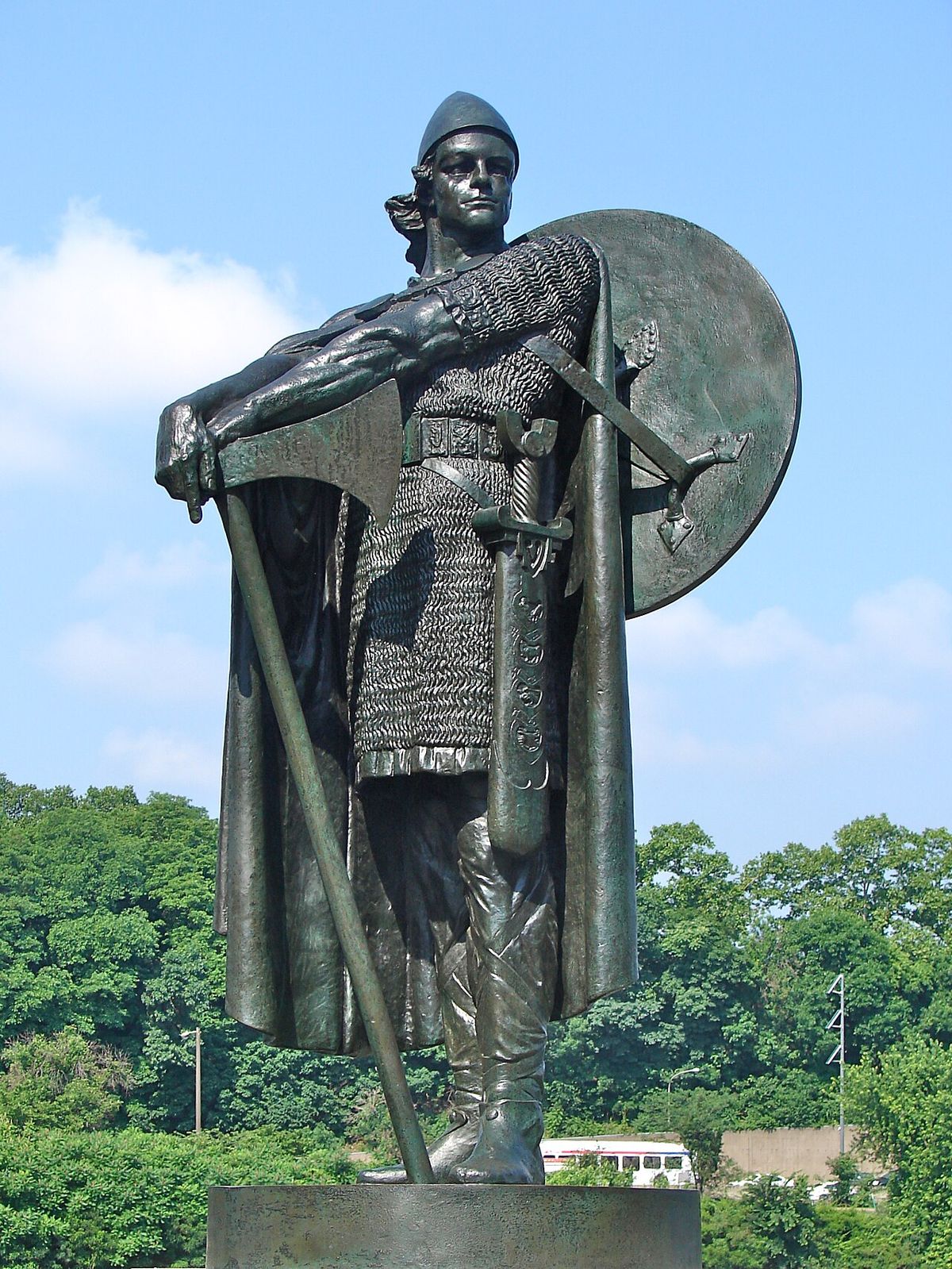
The exploration of these lands was not solely the work of Leif Erikson. According to the sagas, his brother Thorvald Erikson later sailed to Vinland and was killed in a skirmish with Indigenous people. The most ambitious attempt at settlement was led by Thorfinn Karlsefni Thórdarson, who organized an expedition with families and livestock with the goal of colonizing Vinland. The sagas note that Thorfinn Karlsefni further explored the lands around AD 1000. While the sagas focus on Vinland as the settlement goal, Helluland remained a known geographical entity. The later, legendary sagas that mention Helluland indicate it persisted in Norse lore as a distant, wild frontier. The exploration of these areas was short-lived, with the Norse abandoning their North American ventures within a few decades due to the distances involved, limited resources, and conflicts with Indigenous inhabitants. Greenland remained the westernmost Norse settlement, but knowledge of the lands beyond, including Helluland, was preserved in the Icelandic literary tradition for centuries.
Cultural and historical significance in Canada
Helluland occupies a unique place in Canada's historical narrative as the first named part of the country encountered by Europeans. It pushes the documented timeline of European awareness of the continent back by nearly five centuries before the voyages of John Cabot. This fact is commemorated in Canada through events like Leif Erikson Day, celebrated on October 9th, which honours Norse exploration. Communities with Scandinavian heritage actively keep this history alive, such as the Scandinavian Community Centre in Burnaby, British Columbia, which hosted a Leif Erikson Day Festival on October 4, 2026, from 12:30 PM to 6:30 PM. The story of Helluland also intersects deeply with Indigenous history, representing an early point of contact between two Old World populations, the Norse and the Dorset culture, on Canadian soil.
The archaeological investigation of Helluland sites is part of a larger national engagement with history and heritage. Events like Historic Places Days in July 2026, which encourage visits to historic sites with tours and photo contests, reflect a public interest in uncovering layered histories. The National Trust for Canada's photo contest from July 11 to 19, 2026, with a theme of 'Every Place Communicates a Story', invited Canadians to capture historic places for a chance to win prizes including a grand prize of $1,000. Gatherings like the Indigenous History & Heritage Gathering in Winnipeg from March 2 to 4, 2026, focus on Indigenous perspectives that are crucial to understanding the context of Norse contact. The research into Norse-Dorset contact encourages a more complex understanding of the Arctic's past, moving beyond simple narratives of discovery to examine moments of potential interaction, trade, and parallel technological development. For modern Inuit communities in Nunavut, the history of the Dorset (Tuniit) and the questions surrounding Norse contact are part of the deep history of their homeland.
Museums across Canada integrate this history into public programming. The Rossland Museum in British Columbia, for instance, participates in Historic Places Days with guided tours of outdoor exhibits at 11 am, 1 pm, and 3 pm daily through the summer. Other institutions, like Fort Malden, host Living History Festivals in August 2026 with re-enactments and demonstrations that, while focused on later periods, reflect the same public appetite for historical engagement that surrounds early exploration tales. The ongoing scholarly discussion, while sometimes contentious, shows the dynamic nature of historical interpretation and the importance of material evidence in shaping our understanding of the past. It demonstrates how a name from a thousand-year-old saga continues to inspire research, debate, and public curiosity about Canada's earliest chapters.
Comparison of evidence from key North American Norse sites
L'Anse aux Meadows is located on the northern tip of Newfoundland. It remains the only confirmed Norse site in North America outside of Greenland. In contrast, Tanfield Valley on Baffin Island is a proposed site central to the Helluland debate. Several sites in the Eastern Arctic show potential evidence of Norse activity, but they are not universally confirmed.
| Site/Evidence | Location | Status & Key Findings | Cultural Association & Interpretation |
|---|---|---|---|
| L'Anse aux Meadows | Northern Newfoundland | Confirmed Norse Settlement. 8 sod buildings, iron smithy, bronze ringed pin, definitive Norse artifacts. | Norse (Vinland base). UNESCO World Heritage Site, the only confirmed Norse site in North America outside Greenland. |
| Tanfield Valley | Baffin Island, Nunavut | Proposed Norse Contact Site. Spun yarn, tally sticks, whetstones with metal traces, possible masonry and turf construction. | Dorset site with debated Norse contact evidence. Suggests extended Viking presence and trading. |
| Baffin Island Yarn | Various Baffin Sites | Disputed Artifact. Simple two-ply yarn from animal hair, compared to three-ply s-twist yarn from Lascaux. | Sutherland: Norse introduction. Hayeur Smith/Fitzhugh: Indigenous Dorset technology dating to Middle Dorset period. |
| Dorset Spun Cordage | Arctic Sites | Established Indigenous Technology. Spun sinew thread dated to at least 6th century AD, pre-dating Norse. | Demonstrates sophisticated indigenous fibre technology, complicating Norse attribution for later yarn finds. |
The definitive evidence at L'Anse aux Meadows includes unmistakable architectural remains of Norse style discovered in the 1960s. In contrast, the evidence from Tanfield Valley is circumstantial and debated, as artifacts like yarn and worked wood could be explained by indigenous Dorset technology. The scholarly rebuttal notes that spun cordage was used by Paleoeskimo communities a millennium before Norse activity, and even earlier examples exist, such as three-ply yarn from the Paleolithic era found at Lascaux caves in France, which was made with three s-twist strands that were z-plied. The ongoing research at Baffin Island sites seeks to find incontrovertible proof, such as a Norse structure or a distinctly Norse artifact in a secure archaeological context, that would confirm a site. Until such evidence is found, Helluland's physical legacy remains a compelling hypothesis driving further fieldwork and analysis.
Ongoing research, critiques, and future directions
The story of Helluland is actively evolving, with archaeological work on Baffin Island and in Labrador continuing amidst strong academic debate about the interpretation of artifacts like yarn and whetstones. Future investigations are likely to employ advanced techniques such as soil chemistry analysis, detailed radiocarbon dating of contested artifacts, and ground-penetrating radar to search for subsurface structures without large-scale excavation. The focus is shifting towards understanding the nature of interaction, if it occurred. Researchers are increasingly interested in models of small-scale, seasonal trade or resource extraction, rather than full-scale settlement, which would leave a subtler archaeological footprint. The goal is to move beyond the binary question of 'contact or no contact' and explore the potential nuances of early transarctic connections, including the possibility that Norse items reached Dorset sites through long-distance Indigenous trade networks.
This research is increasingly conducted in partnership with Inuit communities in Nunavut, integrating traditional knowledge with archaeological science. The history of the Dorset and the Norse is part of the Arctic's human story, and local perspectives are vital to its interpretation. The Helluland narrative is being incorporated into broader public history initiatives across Canada. Museums engage with themes of exploration and contact through events like the Halloween Hoot at a historic site on October 17, 18, 24, and 25, 2026, which transforms a location into a family-friendly Halloween haven with haunted houses and crafts. Other programs include workshops like those at Fort William Historical Park where participants can create 19th-century inspired items, and events like the Geminids meteor shower viewing at the David Thompson Astronomical Observatory. These programs, while not directly about Vikings, exist within a cultural ecosystem that values hands-on history. As new findings emerge from ongoing projects and as critiques like those regarding textile technology are addressed, they will continue to refine our understanding of this earliest chapter in the long history of human movement and encounter in what is now Canada. The journey from a saga's description of flat stones to a complex archaeological inquiry epitomizes the ongoing process of historical discovery.
Questions about Helluland
Where was Helluland located?
Most scholars identify Helluland as Baffin Island in the present-day Canadian territory of Nunavut. This identification is based on the saga description of a high-latitude land of flat stones, which matches Baffin Island's geography, and the logical sailing sequence from Greenland. A minority of earlier scholars, like Sir Wilfred Grenfell, suggested locations in northern Labrador, specifically Kangalaksiorvik Bay about 100 miles south of the Torngat Mountains. The Baffin Island theory is the dominant view supported by modern archaeology and historical analysis.
Who discovered Helluland?
Bjarni Herjólfsson was the first to sight the lands but did not land. The first documented landing and exploration was made by the explorer Leif Erikson around the year 1000 AD, who named the place Helluland, meaning 'Land of Flat Stones'. Leif Erikson is therefore credited with its exploration and naming during his voyage that also led him to Markland and Vinland. The sagas also note that Thorfinn Karlsefni further explored the lands around AD 1000.
Is there archaeological proof of Vikings on Baffin Island?
There is suggestive but contested archaeological evidence. Researcher Patricia Sutherland and the Helluland Archaeology Project have pointed to artifacts from sites like Tanfield Valley, including spun yarn matching Norse Greenlandic yarn, tally sticks, whetstones with metal traces, and possible architectural remains, as indicators of a Norse presence. However, other scholars like Michele Hayeur Smith and William W. Fitzhugh argue these artifacts, particularly the yarn, could be the product of indigenous Dorset culture technology that predates the Norse. As of now, there is no universally accepted, incontrovertible proof like a Norse structure, leaving the question open for further research.
What does the name Helluland mean and who named it?
The name Helluland comes from Old Norse. It is a compound word: 'hella' means a flat stone or slab, and 'land' means land. Therefore, Helluland translates directly to 'Land of Flat Stones' or 'Stone Land'. This descriptive name was given by Leif Erikson based on the dominant feature his crew observed, as recorded in the Greenland Saga and the Saga of Erik the Red. The saga text explicitly states, 'This land they gave name to, and called it Helluland (stone-land).'
Did the Norse meet Indigenous people in Helluland?
The sagas refer to the Indigenous people of the region as 'skrælings', who historians believe were the Dorset culture, known as Tuniit in Inuit oral history. While the sagas do not detail a specific meeting in Helluland itself, they describe encounters further south in Vinland. Archaeological research on Baffin Island investigates the potential for contact and trade between the Norse and the Dorset. Most historians believe any contact in the Helluland region was likely limited and did not result in major cultural changes for either group. The scholarly debate often centres on whether artifacts found in Dorset contexts are evidence of this contact or independent innovation.
How is Leif Erikson's voyage commemorated in Canada today?
Leif Erikson's voyage, which included the discovery of Helluland, is commemorated in Canada through Leif Erikson Day on October 9th. This day honours Norse exploration and Scandinavian heritage. Communities across Canada host festivals and events, such as the Leif Erikson Day Festival at the Scandinavian Community Centre in Burnaby, British Columbia, scheduled for October 4, 2026. The history is explored through museum exhibits, archaeological projects like the Helluland Archaeology Project, and during national celebrations like Historic Places Days in July 2026, which feature historical tours and photo contests at sites across the country.
Sources: Wikipedia and current public reporting, checked by the Nosy Mag desk. Last updated 2026-10-27.