Markland
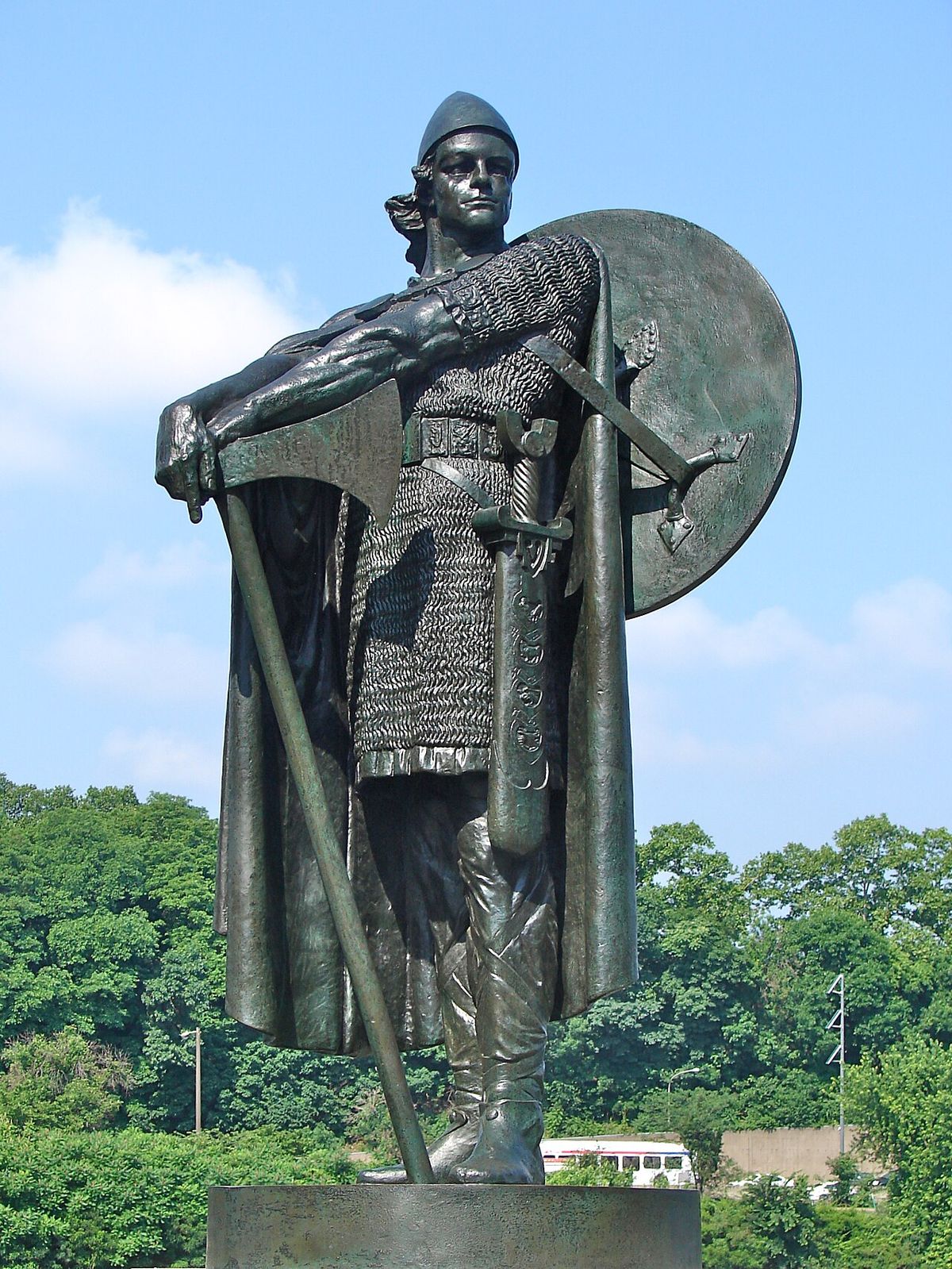
Markland is the name given to a forested region of North America's Atlantic coast, first encountered by Norse explorer Leif Eriksson around the year 1000 AD. Described in the Icelandic sagas as lying south of the rocky Helluland and north of the more hospitable Vinland, Markland represented a crucial timber resource for the Norse settlements in Greenland. While never permanently settled by Norsemen, its existence is a key piece of evidence for pre-Columbian transatlantic contact and Norse exploration of what is now eastern Canada. The story of Markland is primarily known from medieval Icelandic literature and a single mention in a southern European chronicle.
Historical Accounts and the Sagas
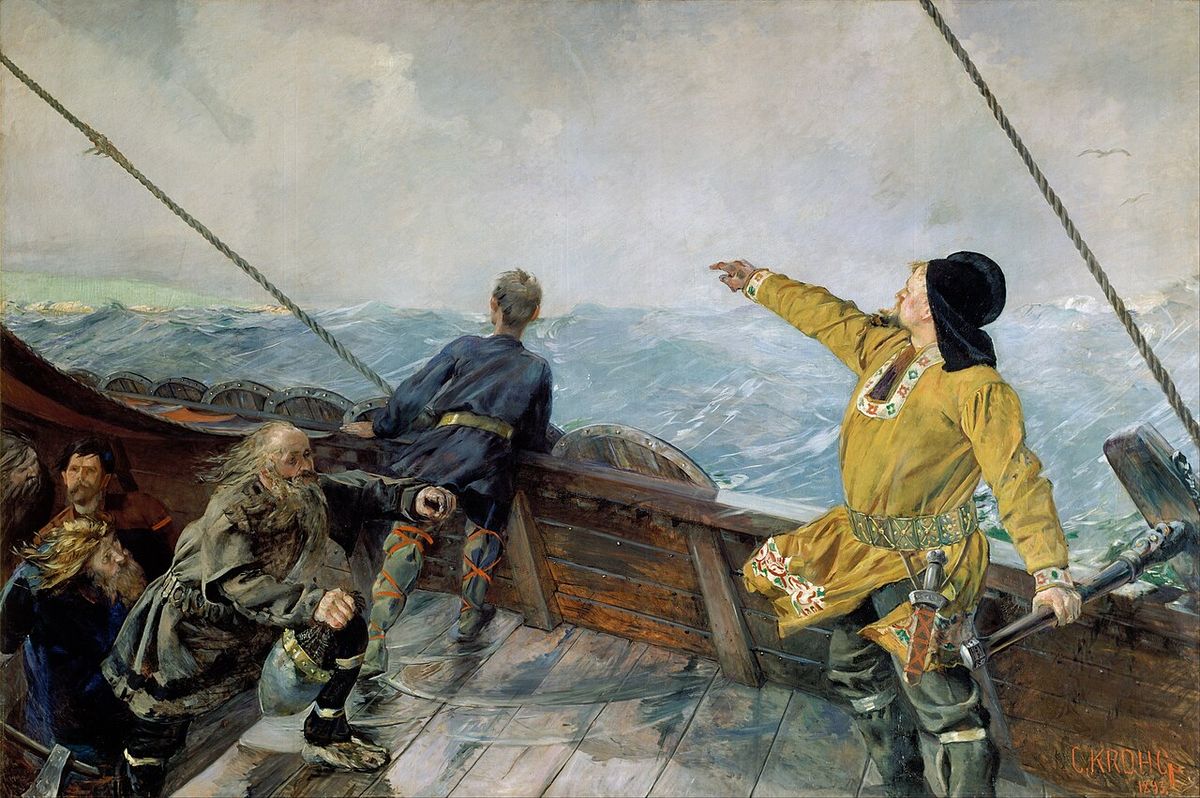
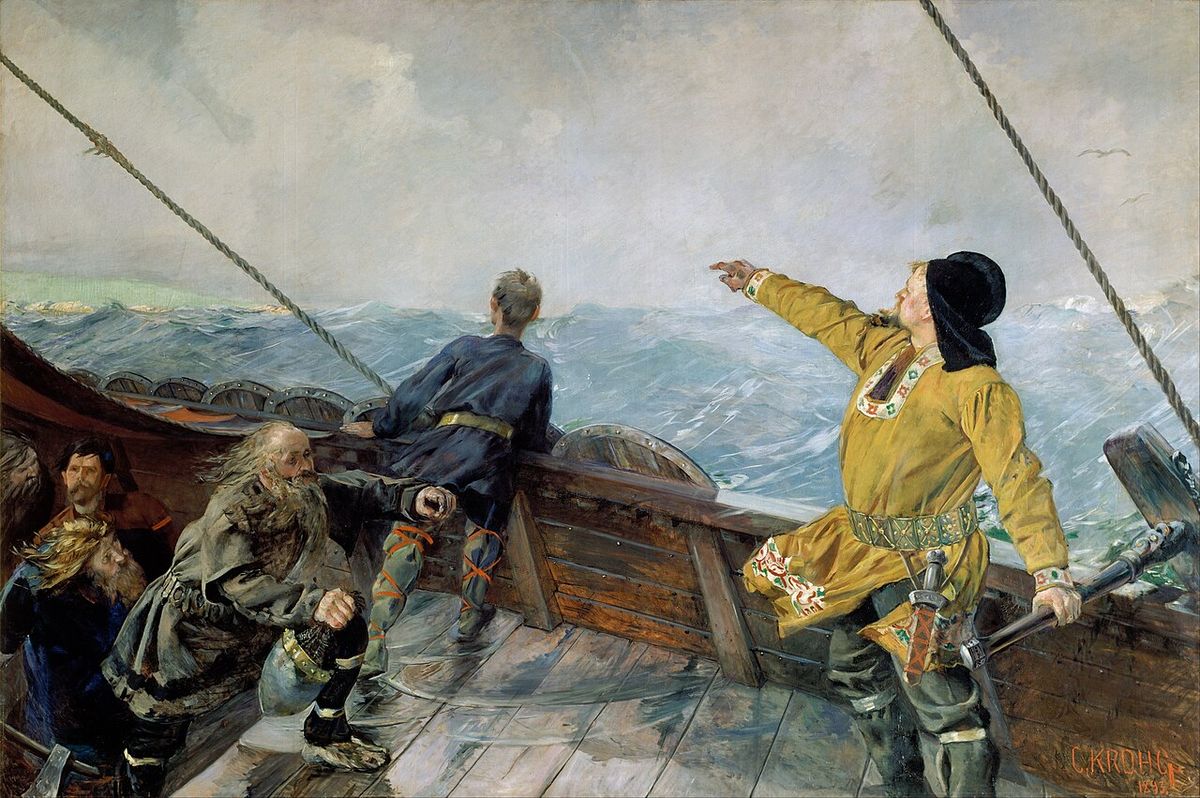
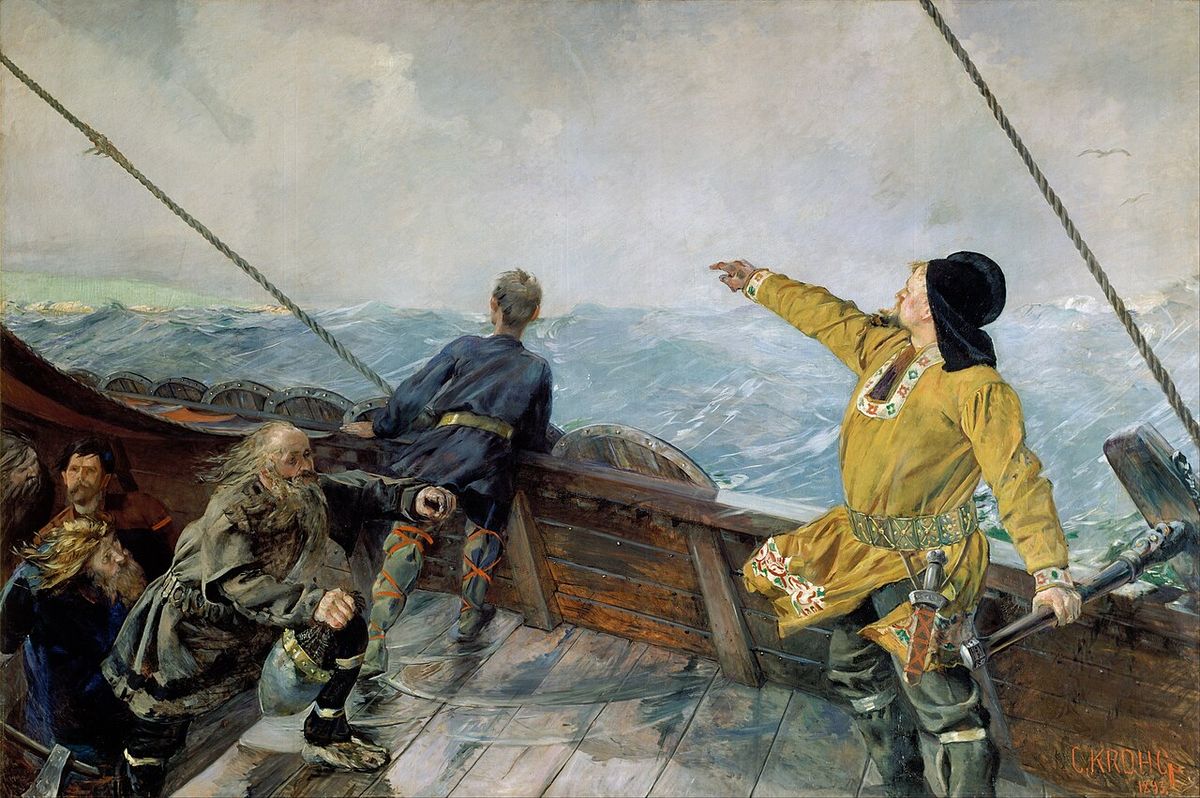
The primary sources for knowledge of Markland are the medieval Icelandic sagas, specifically the Saga of the Greenlanders and the Saga of Erik the Red. These texts recount that Leif Eriksson began a voyage around 1002 or 1003, following a route previously seen by another Norse sailor, Bjarni Herjólfsson. Eriksson's journey led him to three distinct lands. The first was a barren, rocky place he named Helluland, meaning Land of the Flat Stones. Sailing further, he reached a flat, heavily wooded land with white sandy beaches, which he called Markland, or Forest Land. The Saga of the Greenlanders tells that Eriksson's crew cut down trees to bring back to Greenland. The saga also tells of about 160 men and women led by Thorfinn Karlsefni who used Markland for winter shelter around 1010 during their attempt to colonize Vinland. The Saga of Erik the Red provides additional geographical context, placing Markland south of Helluland, north of Vinland off Kjalarnes, and northwest of an island called Bjarney. It also notes that Karlsefni thought a country called Hvítramannaland might lie somewhere opposite Markland's coast.
Geographical Location and Debates
Pinpointing the exact location of Markland remains a subject of scholarly debate, though a consensus places it somewhere on the Labrador coast of modern Canada. This identification is based on the saga descriptions of a forested land situated between the rocky Helluland and Vinland. Labrador's extensive boreal forest, part of the northern hemisphere's taiga region, fits the description of a Forest Land. Specific areas like Cape Porcupine have been suggested as potential candidates for the site. Scholars caution that climate variations, such as the Medieval Warm Period and the subsequent Little Ice Age, may have altered vegetation patterns since the Viking era, making precise correlation challenging. The particular part of the Labrador coast is difficult to pinpoint, as Helluland has been placed everywhere from Baffin Island to the northern Labrador coast beyond Groswater Bay to the southern Labrador Coast. This range of possibilities for Helluland directly affects where Markland is believed to have begun. Some theories have proposed locations as far south as the Strait of Belle Isle, but the dominant view remains focused on central Labrador.
Economic Importance and Later Voyages
Markland's primary significance to the Norse was economic, serving as a vital source of lumber. Greenland, with its limited native forests, relied on driftwood and imported timber. The dense woods of Markland represented a valuable and relatively accessible resource. Historical records indicate that voyages from Greenland to Markland for timber likely continued for centuries after the initial discovery. An Icelandic document from 1347 records a Greenlandic ship that was blown off course and ended up in Iceland while returning from Markland. The document does not specify where Markland was, implying it was a known destination for Greenlandic sailors. Unlike Vinland, there is no saga evidence of attempts at permanent agricultural settlement in Markland, reinforcing its role as a resource outpost. The wood gathered would have been used for shipbuilding, house construction, and toolmaking in the Greenland settlements.
Markland in Medieval Records
Beyond the Nordic sagas, Markland appears in a singular European record. In the first half of the 14th century, the Milanese friar Galvaneus Fiamma mentioned Markland in a chronicle. This reference is significant as it is the only known mention of any part of the New World in medieval non-Nordic literature prior to Christopher Columbus's voyage in 1492. It suggests that knowledge of the Norse discoveries had filtered into southern European scholarly circles. Fiamma's chronicle is known as the Cronica universalis. The mention is brief and does not provide details, indicating the information was likely secondhand and vague. This record confirms that rumors of lands across the Atlantic persisted in some medieval writings outside Scandinavia.
Modern Legacy and Public Engagement in Canada
The story of Markland and the Norse in North America continues to capture public imagination and is a staple of Canadian heritage programming. Numerous living history events across Canada incorporate Viking reenactment. For example, the annual Days of Yore event at Heritage Park in Calgary, scheduled for August 1 and 2, 2026, features an immersive Viking camp with artifacts on display, blacksmithing and cooking demonstrations. Similarly, the History Matters lecture series hosts talks on topics like The Story of Markland and Lockeport Icelanders on January 21, 2026. These events are part of a broader culture of historical engagement, such as the nationwide Historic Places Days from July 11 to 25, 2026, which is the 9th annual event encouraging exploration of hundreds of historic sites across Canada. Major historical reenactment festivals in Canada and abroad often feature Viking themes. The list of events for 2026 includes dozens of international gatherings that celebrate this period. In Newfoundland, the Norstead Viking Village near L'Anse aux Meadows offers a historical interpretation site that contextualizes the Markland voyages. The site features replica buildings and ships, and hosts seasonal events that draw connections to the broader Norse exploration of the region.
- Days of Yore at Heritage Park, Calgary (August 1-2, 2026) includes a live armoured skirmish and an accurate medieval camp.
- History Matters lecture: The Story of Markland and Lockeport Icelanders (January 21, 2026 at 7:00-8:30 PM AST).
- Jorvik Viking Festival in York, England (February 16-22, 2026).
- Viking Festival at Historiske Avaldsnes, Norway (June 5-7, 2026).
- Medeltidsveckan på Gotland, Sweden (August 2-9, 2026).
- Trelleborg Vikingfestival, Denmark (July 11-19, 2026).
- Víkingahátíð í Hafnarfirði, Iceland (June 16-21, 2026).
- International Viking market in Ribe, Denmark (April 27, May 3, 2026).
Archaeology and Ongoing Research
While no archaeological site has been conclusively identified as Markland, the search forms part of the broader investigation into Norse activity in North America. Research often focuses on the Labrador coast, comparing saga descriptions with geographical and environmental data. The confirmed Norse site at L'Anse aux Meadows in Newfoundland, associated with Vinland, provides a framework for what temporary resource extraction sites in Markland might have looked like, though they were likely less substantial. Archaeologists and historians continue to examine coastal areas, analyze climatic data from the period, and study Indigenous oral histories for potential correlations. The discovery of any Norse artifacts along the Labrador coast would significantly advance understanding of Markland's specific location and the nature of the Norse visits there. Surveys have been conducted in areas like the Lake Melville region and the central Labrador coast, but no definitive Norse artifacts have been found to date. Researchers also analyze pollen and soil cores to reconstruct historical forest cover and identify areas that may have been attractive for timber harvesting a thousand years ago.
Comparative Norse Lands in North America
The Norse exploration of North America around 1000 AD identified three main lands, each with distinct characteristics and purposes. Understanding Markland requires seeing it in relation to Helluland and Vinland, as described in the sagas. Leif Eriksson discovered these lands, with Markland being south of Helluland and north of Vinland. The Saga of the Greenlanders describes Markland as a flat and wooded land with white sandy beaches. Eriksson's crew cut down trees there to take to Greenland because Greenland has only one small forest. This comparative view highlights Markland's unique role as the resource-rich middle ground between the barren north and the more inviting south. While Helluland was notable for its flat rocks and Vinland for its agricultural potential, Markland was valued for its practical commodity of wood. The voyages to these lands were not random but followed a logical progression down the coast. The sagas suggest the Norse may have also explored areas beyond these three named lands, but Markland, Helluland, and Vinland are the only ones described in detail.
| Land Name | Old Norse Meaning | Description in Sagas | Modern Proposed Location | Primary Norse Interest |
|---|---|---|---|---|
| Helluland | Land of the Flat Stones | Covered with flat rocks, barren. | Baffin Island and/or Northern Labrador | Possible landmark, not a resource site. |
| Markland | Forest Land | Flat, wooded, with white sandy beaches. | Labrador coast (e.g., Cape Porcupine) | Timber gathering for Greenland. |
| Vinland | Wine Land or Meadow Land | Mild climate, wild grapes, suitable for settlement. | Northern Newfoundland (e.g., L'Anse aux Meadows) | Colonization and exploration. |
Cultural Impact and Naming
The name Markland has persisted in various forms beyond the historical record, appearing in modern contexts across Canada and in historical reenactment groups. In Canada, place names and event titles sometimes echo this Viking past. For instance, the town of Markham, Ontario, hosts an annual Remembrance Day Parade on November 7, 2026, organized by the Markham District Veteran Association. A medieval reenactment group simply named Markland schedules events for its 2027 season near Vienna, Maryland, with camping available, indicating the name's adoption by living history enthusiasts. These uses demonstrate how the Old Norse term for a forested land has transcended its original context to become a label for communities and groups interested in history. The Markland group in Maryland is part of the Society for Creative Anachronism and focuses on recreating aspects of early medieval life. In academic circles, the name is used in titles of scholarly papers and conferences discussing Norse exploration and its impact on the historical understanding of the North Atlantic.
Questions about Markland
Where was Markland located?
Markland is widely believed by historians to have been located on the Labrador coast of present-day Canada. The Icelandic sagas describe it as a flat, forested land with white sandy beaches, situated south of the rocky Helluland and north of Vinland. While the exact location is debated, the heavily forested taiga region of Labrador matches the saga's description of a Forest Land. Specific areas like Cape Porcupine have been suggested as possible candidate sites. Some scholars propose it may have stretched from the Groswater Bay area south towards the Strait of Belle Isle.
Did the Vikings settle in Markland?
There is no evidence from the sagas or archaeology that the Norse established a permanent, year-round settlement in Markland. The primary purpose of voyages to Markland was to gather timber, a scarce resource in Greenland. The Saga of the Greenlanders does mention that Thorfinn Karlsefni's expedition of about 160 people used Markland for winter shelter around 1010 during their voyage to Vinland, but this was a temporary stopover. Unlike Vinland, where short-lived colonization was attempted, Markland functioned as a resource outpost. No structures or middens indicative of long-term habitation have been found.
Why was Markland important to the Vikings?
Markland was critically important as a source of lumber for the Norse settlements in Greenland. Greenland's environment offered very little native timber, forcing the settlers to rely on driftwood or imports. The dense forests of Markland provided a relatively accessible and valuable supply of wood for building, ship repair, and toolmaking. This economic imperative is why the Greenlanders continued to make voyages to Markland for centuries, as evidenced by the 1347 record of a ship returning from there. The timber was essential for maintaining the seafaring capabilities and structures of the Greenlandic Norse community.
What is the earliest record of Markland?
The earliest records of Markland are found in the Icelandic sagas, namely the Saga of the Greenlanders and the Saga of Erik the Red. These sagas describe events from around 1000 AD. Outside of the Nordic world, the earliest known mention is by the Milanese friar Galvaneus Fiamma in his Cronica universalis, written in the first half of the 14th century. This reference is the only known pre-Columbian mention of the New World in non-Nordic medieval literature.
Are there any events in Canada today about Markland?
Yes, the story of Markland and the Viking era is featured in various Canadian heritage and living history events. For instance, the Days of Yore festival at Heritage Park in Calgary (August 1-2, 2026) includes an immersive Viking camp with demonstrations of blacksmithing and cooking. Lecture series like History Matters host talks on related topics, such as The Story of Markland and Lockeport Icelanders scheduled for January 21, 2026. Nationwide initiatives like Historic Places Days from July 11-25, 2026, also encompass sites and stories related to early Canadian history. In Newfoundland, the Norstead Viking Village provides a permanent historical interpretation site connected to the Norse explorations.
How does Markland relate to L'Anse aux Meadows?
Markland and the L'Anse aux Meadows site in Newfoundland are connected through the Norse exploration narrative described in the sagas. L'Anse aux Meadows is a UNESCO World Heritage site and the only confirmed Norse settlement in North America, widely associated with Vinland. The sagas position Vinland south of Markland. It is believed that Norse voyages from Greenland to Vinland would have passed by or stopped at Markland along the way, primarily to harvest timber. While L'Anse aux Meadows represents a base for exploration, Markland was a resource region. Archaeologists theorize that L'Anse aux Meadows may have served as a staging post for journeys to resource areas like Markland.
Sources: Wikipedia and current public reporting, checked by the Nosy Mag desk. Last updated 2026-10-27.