Economy of Canada
The economy of Canada is an advanced, diversified mixed economy and the eleventh-largest in the world by nominal GDP as of 2026. It is supported by abundant natural resources, extensive international trade networks, and a highly developed service sector that employs about three-quarters of the workforce. The nation's economic structure is unique among developed countries for the significant role of its primary sector, including forestry and petroleum, and its position as a net energy exporter. Canada maintains strong economic fundamentals, including a highly efficient social security system, a world-leading banking sector, and low levels of corruption, though it faces persistent challenges in housing affordability.
Contemporary Economic Structure
The Canadian economy has transformed from a largely rural system to an urbanized, industrial one since the early 20th century. Today, the service industry dominates, accounting for 70% of GDP and employing about three-quarters of the national workforce. The retail sector is the single largest employer within services, engaging almost 12% of Canadians. Business services, including finance, real estate, and communications, form the second-largest component and are concentrated in major urban centres like Toronto, Montreal, and Vancouver. Government-influenced sectors like education and healthcare are also substantial, with healthcare being the third-largest industry in the country.
Despite the dominance of services, Canada retains an unusually important primary sector for a developed nation. The forestry and petroleum industries are the most prominent components, sustaining many communities in northern Canada where agriculture is difficult. Canada is one of the world's largest suppliers of agricultural products, particularly wheat and other grains from the Prairies, and a leading exporter of numerous metals including zinc, uranium, gold, and nickel. The country also maintains a sizeable manufacturing sector, though its relative share of GDP has declined from 29% at its World War II peak to 10.37% by 2017. This sector is centred in southern Ontario and Quebec, with automobiles and aeronautics as key industries.
The real estate, rental, and leasing sector forms a critical backbone of the economy, comprising over 13% of GDP in 2024. Housing investment alone accounted for 25% of national wealth that year, up from 21% in 2021. Other high-value industries include a high-tech defence sector centred on aerospace and cyber technology, contributing over $9.6 billion to GDP and exporting close to $8 billion annually. Tourism is another major pillar, attracting over 20 million international visitors annually and contributing over $100 billion to the economy in 2024 while supporting nearly 1.8 million jobs. Canada spends around 1.70% of its GDP on advanced research and development across various sectors.
Monetary Policy and Central Banking
The Bank of Canada, the nation's central bank, is mandated to conduct monetary policy to preserve the long-term purchasing power of the Canadian dollar. Since the early 1990s, the central element of this policy has been inflation targeting, with a goal set at 2%, the midpoint of a 1% to 3% range. This framework aims to keep inflation low, stable, and predictable to foster sustained economic growth, employment gains, and an improved standard of living. Following the Great Recession, the bank's approach was revised to allow for more flexible inflation targeting in situations favourable to employment or economic growth, as argued by then-Governor Mark Carney in 2011. In 2026, the Bank of Canada reassessed its mandate in response to the COVID-19 pandemic and a trade war with the United States, adjusting its framework to prioritize reducing inflation, rising housing costs, and building protection against supply shocks. The Bank of Canada has increased its mortgage bond holdings to target 50 percent of the fixed rate primary issuances.
Energy and Natural Resources
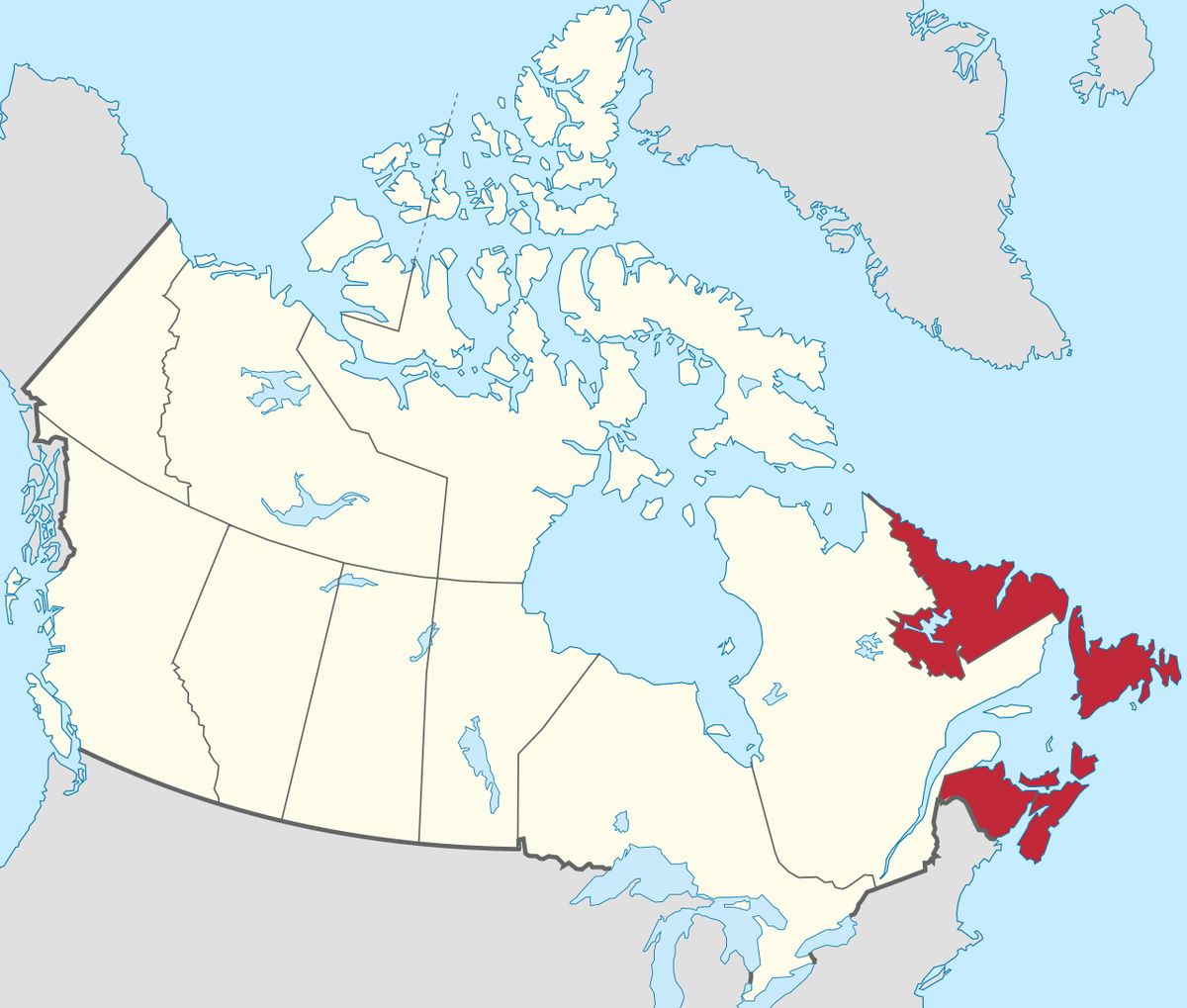
Canada is one of the few developed nations that is a net exporter of energy, a status derived from its vast and diverse resource base. The country possesses the fourth-largest oil reserves in the world, primarily located in Alberta's Athabasca oil sands, which constitute about 13% of global oil reserves. Atlantic Canada holds vast offshore deposits of natural gas. The oil and gas industry is a major economic driver but also a significant source of greenhouse gas emissions, representing 27% of Canada's total, an increase of 84% since 1990 largely due to oil sands development.
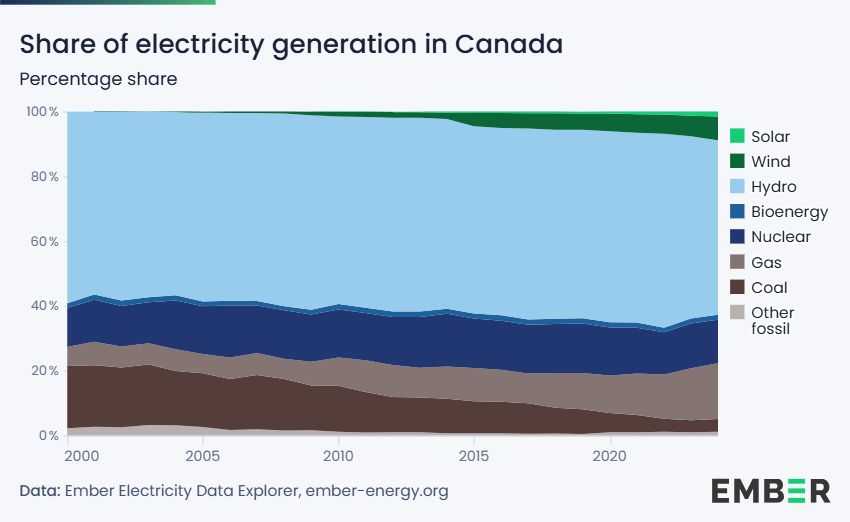
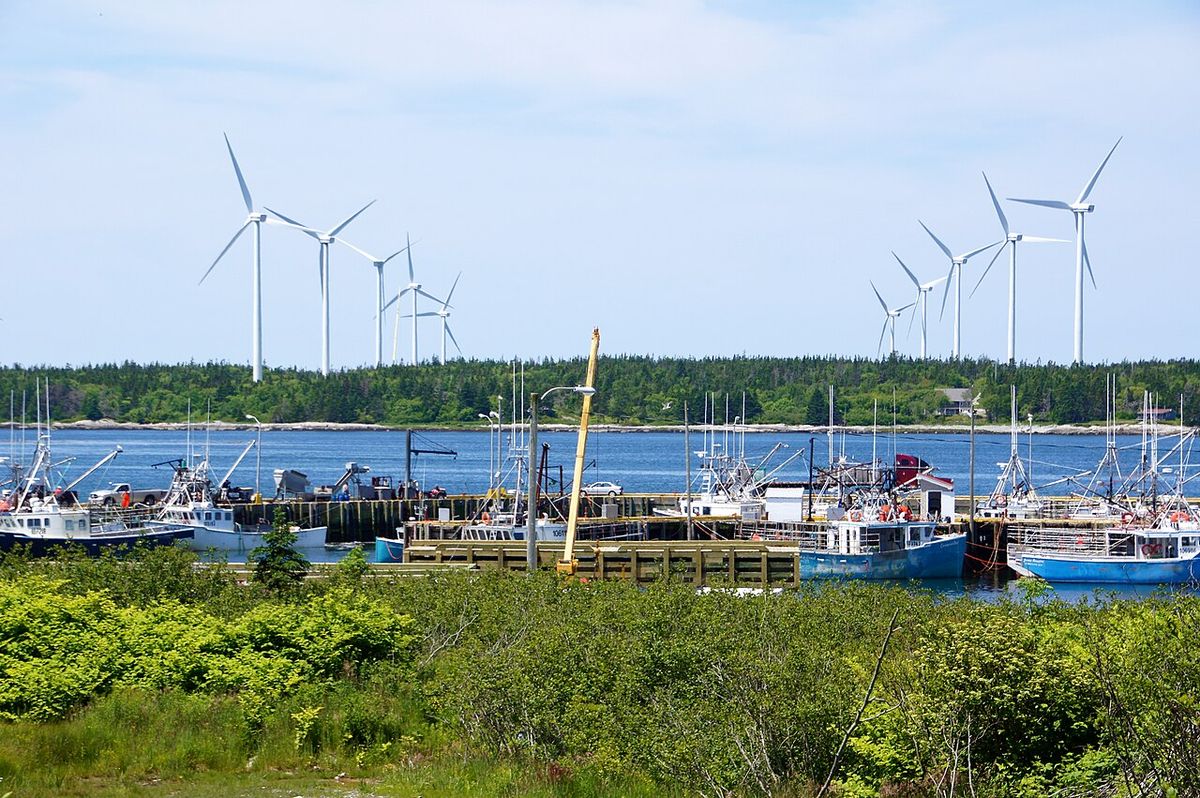
The electricity sector is organized provincially and is a major part of the national infrastructure. Hydroelectricity is the dominant source, accounting for 59% of all generation in 2016 and making Canada the world's second-largest producer after China. Major hydro projects in Quebec, British Columbia, Manitoba, and Newfoundland and Labrador have significantly expanded capacity since 1960. Nuclear power is the second-largest single source, providing 15% of total electricity, with Ontario generating more than half of its power from nuclear plants. Fossil fuels provide 19% of electric power, with coal, natural gas, and oil used primarily in Alberta, Saskatchewan, Nova Scotia, and remote communities. Non-hydro renewable sources are a fast-growing segment, reaching 7% of generation in 2016.
- Key Metal Producers (2019): Among the world's largest producers of potash (1st), nickel (2nd), aluminum (4th), cobalt (5th), tungsten (7th), and cadmium (8th).
- Key Energy Producers (2019): 2nd largest global producer of uranium.
- Other Resources (2019): 4th largest world producer of sulfur. 10th largest of graphite. 6th largest of salt. 13th largest world producer of gypsum. 14th worldwide producer of antimony.
Trade and Economic Integration
Canada's economic integration with the United States has deepened significantly since World War II, shaping its trade policy for decades. Key milestones include the 1965 Automotive Products Trade Agreement, which opened borders for auto trade, and the 1988 Canada, United States Free Trade Agreement (FTA), which eliminated bilateral tariffs. This was expanded to include Mexico under the 1994 North American Free Trade Agreement (NAFTA), later replaced by the Canada, United States, Mexico Agreement (CUSMA). As of 2023, Canada is a signatory to 15 free trade agreements with 51 countries, facilitating broad market access.
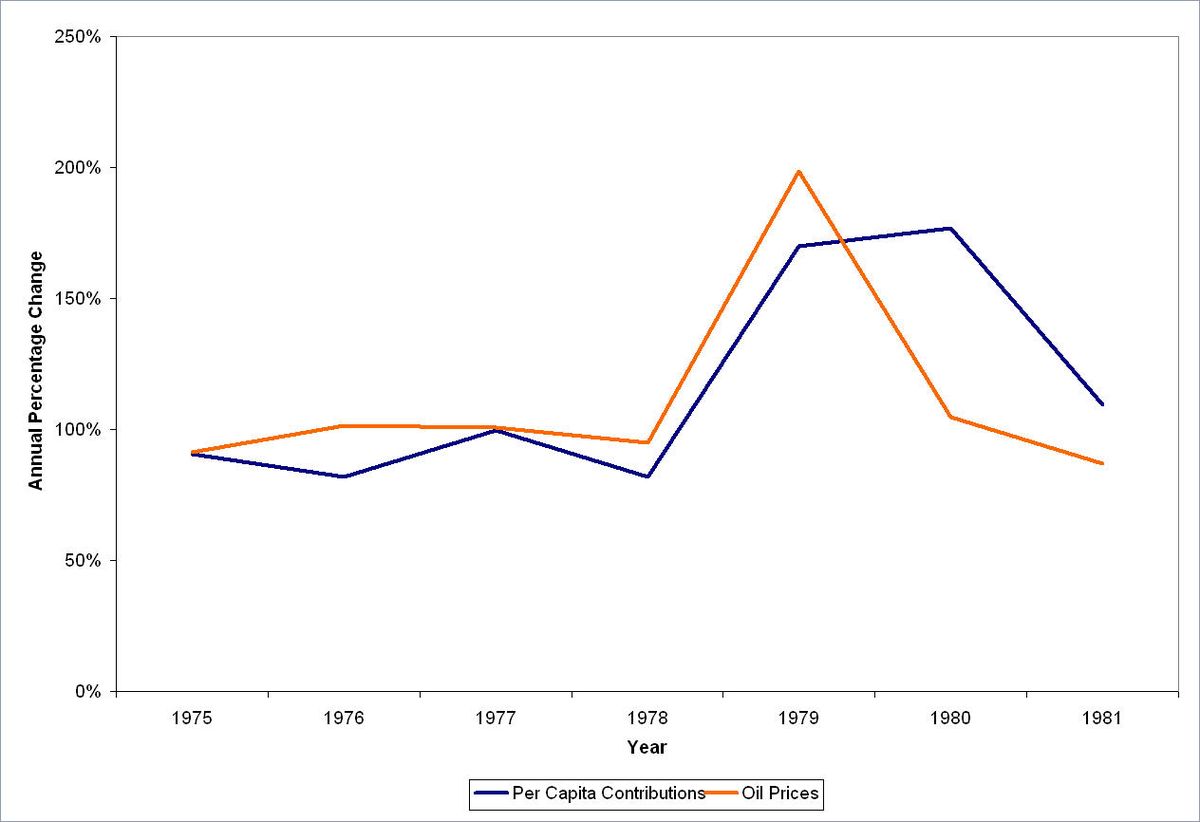
The early 1980s saw a period of economic nationalism with policies like the National Energy Program (NEP) and the Foreign Investment Review Agency (FIRA), aimed at ensuring energy self-sufficiency and reviewing foreign ownership. These were largely dismantled in the mid-1980s, with FIRA renamed Invest in Canada to encourage foreign investment. The controversial NEP, which forced Alberta to sell oil at low prices to eastern Canada, was eliminated in 1985 after a collapse in oil prices. Today, Canada has the second-largest foreign direct investment to GDP ratio in the G20 and the lowest net debt-to-GDP ratio in the G7.
Recent trade tensions, particularly with the United States, have posed significant challenges. The imposition of U.S. tariffs in 2025 led to a sharp decline in Canadian export volumes, especially in the auto and manufacturing sectors. By early 2026, however, data showed a recovery in export volumes, supported by rising energy production and commodity prices, with shipments back above pre-tariff levels by March and April. The global average U.S. tariff rate rose to 11.2% in 2025, a level not seen since the 1940s, creating widespread uncertainty. Canada's export sector shrank outside of a recession for the first time, but economists projected a return to more historical growth rates in coming years assuming trade disputes are resolved.
Recent Economic Performance and Outlook
After a contraction in the fourth quarter of 2025, real GDP rebounded strongly in the second quarter of 2026, putting to rest fears of a recession. Growth in the third quarter of 2026 came in at an annualized rate of 2.6%, far exceeding the Bank of Canada's expectation of 0.5% expansion. For the full year 2026, annual average growth was projected at 2.2%, following expected growth of 1.2% in 2025. Key drivers of the recovery included a rebound in export volumes, increased household spending on rent and financial services, and rising government investment, particularly in weapons systems.
The labour market showed mixed signals during this period. Employment rose steadily from September to November 2025, lowering the unemployment rate to 6.8% by year-end from above 7% earlier. The employment rate improved to 60.9% in December 2025. However, the first two months of 2026 saw cumulative employment losses, concentrated in Ontario and Quebec among private sector employees. By May 2026, the national employment rate was reported at 60.7%. Inflationary pressures fluctuated, with the headline consumer inflation rate averaging 2.3% from September to December 2025 before easing to 1.8% in February 2026. Lower energy prices and the elimination of the consumer carbon levy in April 2025 exerted downward pressure, while higher grocery prices pushed inflation up.
Demographic shifts and the housing market presented distinct challenges. Rapid population growth, which had masked economic weakness, began fading as federal efforts to reduce temporary migration led to a declining population for three consecutive quarters by mid-2026. This acted as a drag on overall GDP growth, though per capita GDP showed improvement. The housing market exhibited sharp regional divergence. In Toronto and Vancouver, sales were at multi-decade lows and prices remained below early 2022 peaks, with Ontario experiencing its weakest homebuilding period since the 1990s. In other regions, sales recovered and construction was near record levels. Nationally, housing affordability remained worse than pre-pandemic levels, acting as a constraint on mobility and economic competitiveness.

Sectoral Performance and Key Industries
Canada's manufacturing sector has undergone a long-term relative decline but remains a vital component, particularly in central Canada. At its peak during World War II in 1944, manufacturing accounted for 29% of GDP, falling to 10.37% by 2017. The sector was hit hard during the Great Recession. Southern Ontario and Quebec host branch plants of major American, Japanese, and European automakers, supported by Canadian parts giants like Magna International and Linamar Corporation. The steel industry is another manufacturing pillar, with Canada ranking as the world's nineteenth-largest steel exporter in 2018. In 2017, heavy industry accounted for 10.2% of the country's greenhouse gas emissions.
Canada is a global agricultural powerhouse, particularly in wheat and other grains from the Prairies. The agriculture and agri-food manufacturing sector contributed $49.0 billion to GDP in 2015, accounting for 2.6% of the total. The industry receives significant government support, with approximately CDN$4.6 billion spent in 2000, though Canada has advocated for reducing market-influencing subsidies through the World Trade Organization. The sector is also a notable source of emissions, accounting for 8.4% of Canada's greenhouse gas emissions. Canada has an important high-tech industry and a growing film, television, and entertainment sector, investing around 1.70% of its GDP on advanced research and development across various economic sectors. The defence industry, centred on aerospace, simulation, and cyber technology, is a notable high-tech exporter, with nearly 600 firms contributing over $9.6 billion to GDP.
| Industry Sector | Approx. Share of GDP | Key Notes |
|---|---|---|
| Real Estate, Rental & Leasing | Over 13% (2024) | Housing investment was 25% of national wealth in 2024. |
| Manufacturing | 10.37% (2017) | Down from 29% in 1944. |
| Tourism | Contributed >$100B (2024) | Supports ~1.8 million jobs. |
| Defence Sector | >$9.6B | Export-driven, ~600 firms. |
Financial System and Household Economics
Canada maintains a highly developed and stable banking sector, with the Toronto Stock Exchange ranked as the tenth-largest stock exchange in the world by market capitalization. The country's cooperative banking sector is notably strong, with the world's highest per-capita membership in credit unions. This financial stability contributes to Canada's high rankings on economic freedom and low levels of corruption. The average household disposable income per capita is well above the OECD average, reflecting a generally high standard of living supported by a social security system that spent roughly 23.1% of GDP on social expenditure.
Household finances showed resilience in the face of recent economic turbulence. During the second half of 2025, household wealth continued to rise as equity markets strengthened. The pace of mortgage borrowing edged higher in the fourth quarter even as demand for non-mortgage debt declined. While the ratio of household credit market debt to disposable income increased in recent quarters, the household debt service ratio edged lower in late 2025 as interest costs eased. These indicators suggest Canadian households were managing debt loads effectively amid a stabilizing interest rate environment, though high household debt remains a perennial concern for economic policymakers. As of July 2019, total household credit was CAD$2.2 trillion.
Questions about Economy of Canada
What is the current size and rank of Canada's economy?
As of 2026, Canada has the eleventh largest economy in the world in nominal terms. Its GDP per capita in purchasing power parity terms ranks third among the G7 countries. The country has an advanced and diversified mixed economy that relies on abundant natural resources and well-developed international trade networks. Canada also maintains a highly efficient social security system, with social expenditure at roughly 23.1% of GDP.
What are the largest industries in Canada?
The service sector is the largest industry in Canada, accounting for 70% of GDP and employing about three quarters of the workforce. The real estate sector alone comprises over 13% of GDP. Other major industries include energy, where Canada is a net exporter with vast oil reserves, and manufacturing which is centred in southern Ontario and Quebec. Canada is also one of the world's largest suppliers of agricultural products, such as wheat and other grains from the Canadian Prairies.
How is Canada's economy performing in 2026?
In 2026, the Canadian economy showed signs of rebounding from trade-related challenges. Real GDP grew at an annualized rate of 2.6% in the third quarter, exceeding expectations. Annual average growth for 2026 was projected at 2.2%. Export volumes recovered to above pre-tariff levels by spring 2026.
How important is trade with the United States to Canada's economy?
Economic integration with the United States is critically important. The U.S. is by far Canada's largest trading partner. In 2009, 73% of Canada's exports went to the United States, and 63% of Canada's imports were from the United States. Tariffs imposed in 2025 caused a sharp decline in Canadian export volumes, particularly in autos and manufacturing.
What is Canada's role in global energy markets?
Canada is one of the few developed nations that is a net exporter of energy. It possesses the fourth largest oil reserves in the world, primarily from the Alberta oil sands, which give Canada about 13% of global oil reserves. The country is also the world's second largest producer of hydroelectricity, with hydro power accounting for 59% of all electric generation in Canada in 2016. Atlantic Canada also has vast offshore deposits of natural gas.
What are the main economic challenges facing Canada?
Key challenges include persistently low housing affordability, which ranks among the worst in the developed world. Business investment has been weak, acting as an Achilles' heel for productivity. The economy remains highly sensitive to U.S. trade policy and global commodity prices. Demographic shifts, as population growth slows, also present a headwind to overall GDP growth.
Sources and further reading
- Economy of Canada (Wikipedia)
- Quarterly Economic and Trade Report: Winter 2026 (international.canada.ca)
- The state of Canada's economy halfway through 2026 (thebusinesscouncil.ca)
- Recent developments in the Canadian economy: Spring ... (www150.statcan.gc.ca)
- Projections (bankofcanada.ca)
Checked by the Nosy Mag desk. Last updated 2026-11-01.