Amalgamation of Toronto
The amalgamation of Toronto refers to the process of merging, annexing, and consolidating surrounding municipalities into the city of Toronto, Ontario, culminating in the creation of the unified "megacity" on January 1, 1998. This event, imposed by the provincial government of Mike Harris, dissolved the two-tier federation of Metropolitan Toronto and its six lower-tier cities. The 1998 amalgamation was highly controversial and widely opposed by local residents and politicians. It was pursued as a cost-saving and administrative efficiency measure. The resulting single-tier City of Toronto became the fifth-most populous city proper in North America at the time.
Early Foundations and Nineteenth-Century Growth
The story of Toronto's amalgamation begins with its colonial founding. The town of York was established on August 27, 1793, within the surveyed township of York, on land that had previously been known by the Indigenous name Toronto. This settlement, named for Prince Frederick, Duke of York and Albany, was incorporated as the City of Toronto on March 6, 1834, with a population of 9,250. The city had five wards, bounded by Bathurst Street to the west, Parliament Street to the east, Lake Ontario to the south and a line analogous to Dundas Street to the north. An adjacent area known as the Liberties was abolished in 1859. For nearly fifty years, these boundaries remained static while surrounding communities developed independently. The village of Yorkville was founded in 1830 and incorporated in 1853, followed by the villages of Brockton in 1876 and Parkdale on June 28, 1878, the latter covering 487 acres from Dufferin Street to Roncesvalles Avenue and from the lake to the Grand Trunk Railway. The village of Weston was incorporated in 1881, the same year Brockton became a town. These early municipalities set the stage for the eventual expansion of the urban core through annexation.
The Era of Annexation (1883 to 1914)
Starting in 1883, Toronto began a sustained period of geographic growth by annexing neighbouring municipalities and unincorporated lands. This process continued until 1914, during which time the city's physical size nearly quadrupled to approximately 80 square kilometres. Through a series of individual annexations, Toronto absorbed numerous small communities, extending its reach and consolidating its role as the dominant urban centre in the region. This flurry of activity halted after 1914, and no more expansion of Toronto's boundaries would take place until 1967, creating a long period of static borders. The period established a pattern of central growth absorbing peripheral settlements, a theme that would recur in different forms throughout the twentieth century as the city's influence spread.
Municipal Proliferation and the Path to Metro
Between 1915 and the creation of Metropolitan Toronto, the surrounding area saw further subdivision into smaller municipalities, reflecting suburban growth. The Township of North York was severed from the Township of York in 1922. In 1923, the village of Forest Hill was incorporated on November 23 on land from York Township, taking effect on January 1, 1924, and the exclave township of East York was also severed from York. The village of Swansea was incorporated in 1925 from York Township land, and the village of Long Branch was severed from Etobicoke Township in 1931. This proliferation of small, independent municipalities around the core city created significant challenges for coordinated planning and delivery of major services like roads and water across the rapidly urbanizing region. The postwar boom exacerbated these issues, leading directly to the provincial intervention that created a new level of government to manage the region's common needs.
The Creation and Structure of Metropolitan Toronto
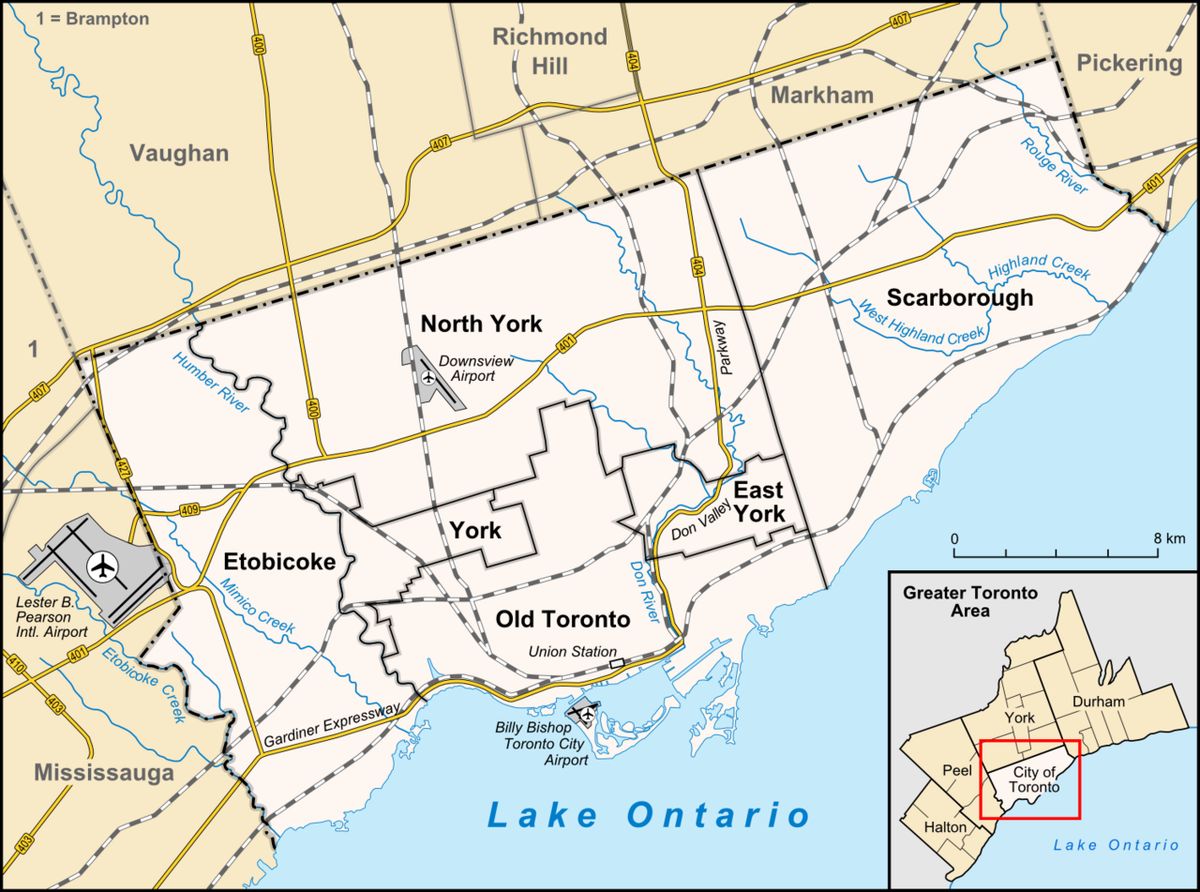
Rapid post-Second World War suburban development created challenges for coordinated planning and service delivery across the Toronto region. In response, the Province of Ontario passed the Metropolitan Toronto Act in 1953, creating a new regional level of government known as the Municipality of Metropolitan Toronto, which took effect in 1954. Metro Toronto was a federation that included the City of Toronto and twelve surrounding municipalities: the towns of New Toronto, Mimico, Weston, and Leaside. The villages of Long Branch, Swansea, and Forest Hill. And the townships of Etobicoke, York, North York, East York, and Scarborough. The metropolitan government was responsible for region-wide services like major highways, water supply, and public transit. The Metropolitan Toronto Council initially consisted of 12 councillors from Toronto, including the mayor, and one representative from each of the other twelve municipalities. The area of Metro Toronto was the portion of York County south of Steeles Avenue, which was severed from the county. The area north of Steeles later became York Region. Metro also had planning authority over land in adjacent townships like Vaughan and Markham for up to 46 metres from a metropolitan road, although these areas had no representation on the Metro Council.
Consolidation within Metro: The 1967 Mergers
A significant internal reorganization occurred within the Metropolitan Toronto federation in 1967. Seven of the smaller municipalities were merged with their larger neighbours, reducing the number of lower-tier municipalities from thirteen to six. This restructuring created the configuration of the old City of Toronto plus five surrounding boroughs that would persist until 1998. The specific mergers were detailed and deliberate. The City of Toronto annexed the village of Forest Hill and the village of Swansea. The town of Leaside merged with the Township of East York to become the Borough of East York. The town of Weston combined with the Township of York to form the Borough of York. The village of Long Branch and the towns of Mimico and New Toronto were dissolved into the Township of Etobicoke, forming the Borough of Etobicoke. The Township of North York became the Borough of North York, and Scarborough became the Borough of Scarborough. These boroughs were later promoted to city status between 1979 and 1983. In 1974, a small land transfer also saw the West Rouge area of Pickering, south of Twyn Rivers Drive and east of Port Union Road, annexed into Scarborough, concurrent with the creation of Durham Region.
The Political Battle for the 1998 Megacity
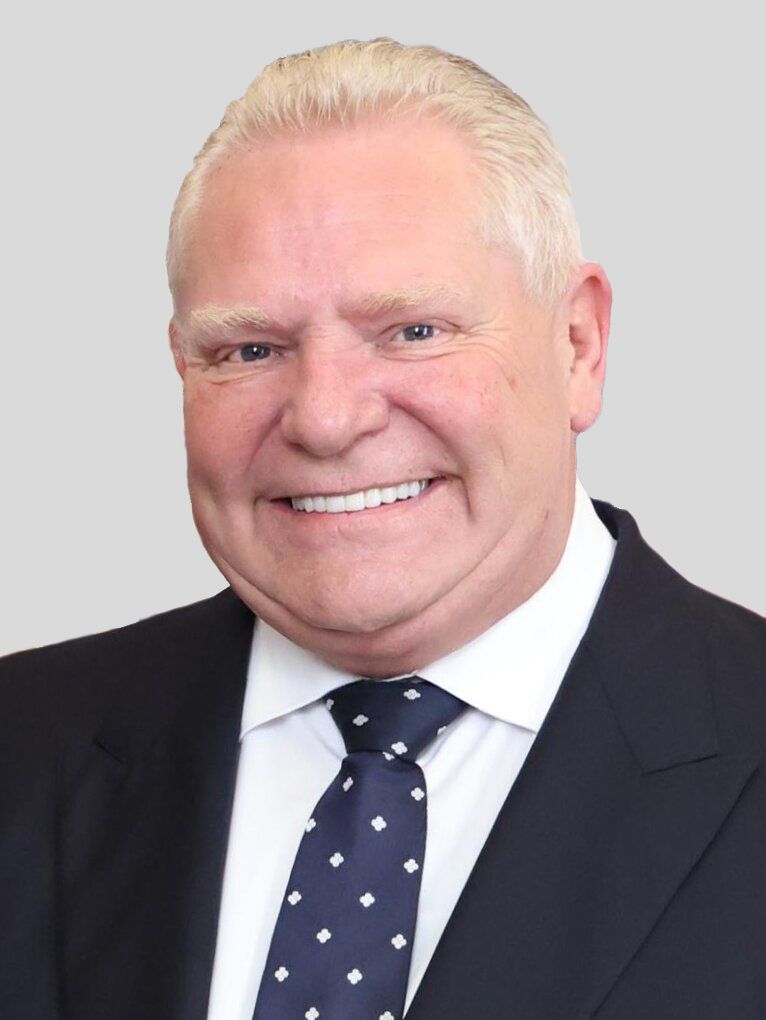
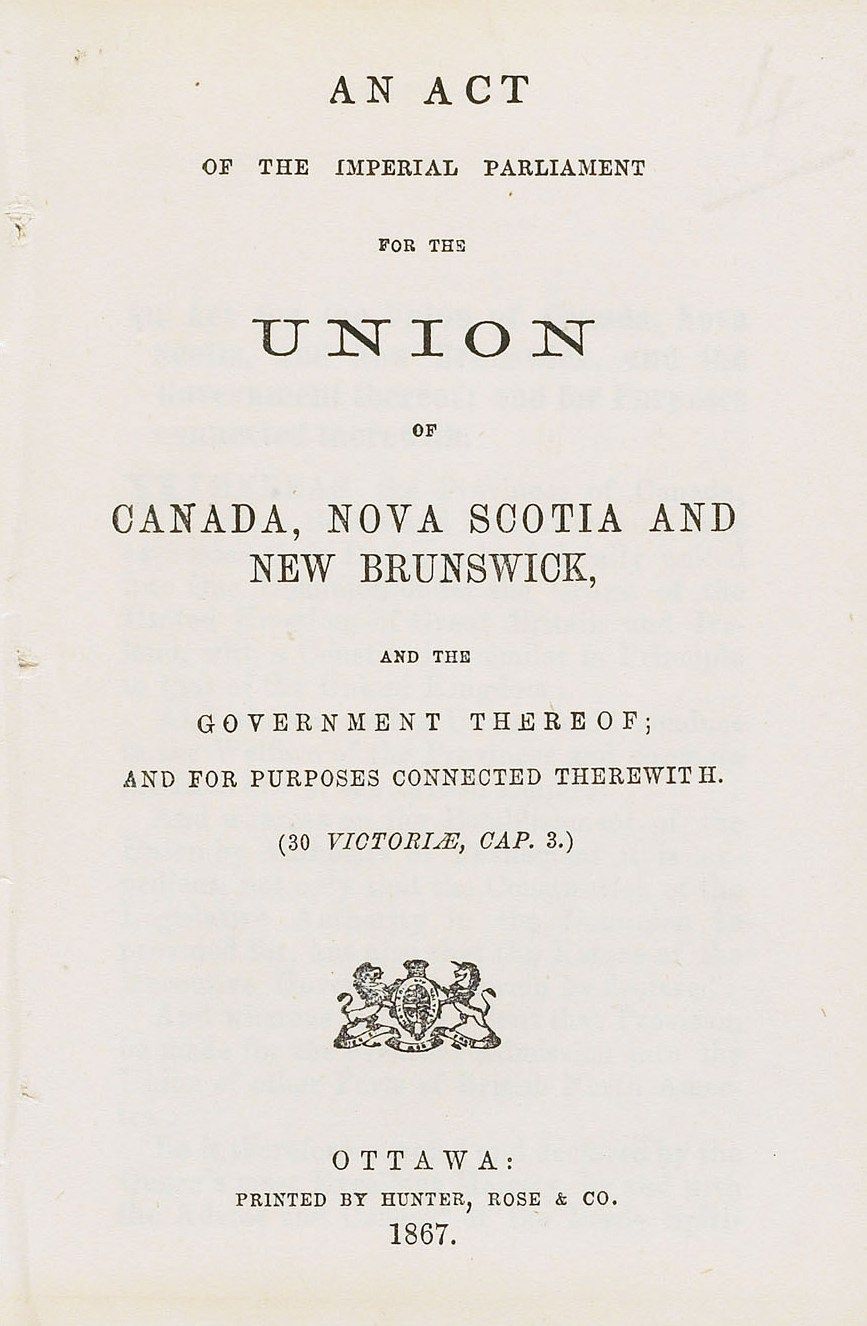
The most dramatic and controversial consolidation was imposed by the Progressive Conservative government of Premier Mike Harris. Through the City of Toronto Act 1997 (Bill 103), the government dissolved both the Metropolitan Toronto level of government and its six constituent cities, merging them into a single-tier "megacity" effective January 1, 1998. The amalgamation was justified by the province as a cost-saving measure and a way to create a stronger, more unified city for global competition. Opposition was fierce and widespread, creating a period of intense public debate. All six mayors, including Mel Lastman of North York and Barbara Hall of Toronto, campaigned against it, as did former mayor John Sewell. In a municipal referendum held in 1997, over three-quarters of participating voters rejected the megacity plan, with about one-third of eligible voters turning out. However, under Section 92(8) of the Constitution Act, 1867, municipalities are creatures of the province, and the referendum was not binding. The provincial government proceeded despite the public opposition. In the legislature, opposition parties staged a lengthy filibuster by tabling approximately thirteen thousand amendments to the bill, each naming a specific city street whose residents would need to be consulted. This tactic lasted two weeks but did not prevent passage. One amendment, concerning Cafon Court in Etobicoke, was accidentally passed when not enough government MPPs were present, but the government later passed another amendment to rescind it. The bill ultimately passed, and the first election for the new megacity was held in 1997, with Mel Lastman defeating Barbara Hall to become its inaugural mayor.
Outcomes, Costs, and Lasting Effects
The promised financial benefits of amalgamation failed to materialize as projected. In 2007, Barry Hertz reported in the National Post that the projected cost savings of $865 million by 2000 never happened. He also noted that government staff had grown, with the city employing 4,015 more people in 2007 than it did in 1998. Before amalgamation, 73 percent of the expenses taken over by the new city came from Metro Toronto, meaning the majority of programs were already integrated at the regional level. The amalgamation created a massive, centralized municipal government with a single mayor and council representing the entire geographic area of the former Metro Toronto. Critics argued the megacity diminished local democracy and community representation. The physical and cultural legacies of the former municipalities remain deeply embedded. Canada Post mailing standards do not forbid the use of old city names, relying on postal codes for accurate delivery. Duplicate street names across the amalgamated city also serve as a reminder of its composite history, requiring disambiguation by neighbourhood or postal code. The Toronto City Archives holds extensive records from the pre-amalgamation municipalities, preserving their distinct histories for researchers.
Key Dates in Toronto's Amalgamation History
The amalgamation of Toronto was the creation of the city limits of Toronto after amalgamating, annexing, and merging with surrounding municipalities since the 18th century. The most recent amalgamation occurred in 1998, which dissolved the federation of Metropolitan Toronto and its constituent municipalities to create the current megacity. The process began with the founding of the unincorporated town of York in 1793, which was later incorporated as the City of Toronto in 1834. Starting in 1883, the city undertook numerous annexations of smaller municipal entities, unincorporated communities, and parcels of land, which continued until 1914.
- 1793: The unincorporated town of York is founded on August 27 within York Township.
- 1834: York is incorporated as the City of Toronto on March 6, with a population of 9,250.
- 1883 to 1914: A period of sustained annexation expands Toronto's area nearly fourfold to about 80 km².
- 1954: The Municipality of Metropolitan Toronto is created, federating Toronto with twelve surrounding municipalities.
- 1967: Mergers within Metro reduce the number of lower-tier municipalities from thirteen to six, creating the boroughs.
- 1979 to 1983: The boroughs of North York, York, Etobicoke, and Scarborough are promoted to city status.
- 1997: Bill 103 (City of Toronto Act) is passed by the Ontario legislature. A municipal referendum shows over 75% opposition to amalgamation.
- 1998: The "megacity" of Toronto is formed on January 1, dissolving Metro Toronto and its six cities.
This long-term trend of municipal consolidation was driven by provincial policy decisions. In Canada, the creation of municipalities falls under provincial jurisdiction. Provincial legislation, the Metropolitan Toronto Act, created the Metropolitan Toronto level of government in 1953, which took effect in 1954. Another round of provincial mergers was conducted among the municipalities of Metropolitan Toronto in 1967. The 1998 amalgamation was enacted by an act of the Government of Ontario, which dissolved the federation to form a single-tier City of Toronto.
Population, Scale, and North American Context
The 1998 amalgamation created a city of immense scale within the Canadian and North American context. Upon its creation, the new Toronto's population of approximately 2.3 million made it larger than six Canadian provinces. It immediately became the fifth-largest city proper in North America, behind only Mexico City, New York City, Los Angeles, and Chicago. This demographic heft led commentators to describe the unified Toronto as a virtual city-state. The table below illustrates the population ranking of the new city upon its creation in 1998, a status that shifted when it surpassed Chicago by 2013.
| City | Continent | Rank (1998) |
|---|---|---|
| Mexico City | North America | 1 |
| New York City | North America | 2 |
| Los Angeles | North America | 3 |
| Chicago | North America | 4 |
| Toronto | North America | 5 |
The unified city became the fifth-most populous city proper in North America after the 1998 amalgamation. Supporters of the merger, such as Ontario municipal affairs minister Al Leach, touted it as a measure that would produce a stronger, more unified Toronto better equipped to compete in a global marketplace. Opponents, including mayors Mel Lastman and Barbara Hall, campaigned against the merger, which was widely opposed in Toronto and the other municipalities. The amalgamation was proposed as a cost-saving measure by the Progressive Conservative provincial government under Mike Harris, but cost savings never materialized according to a 2007 report.
Archival Records and Historical Resources
The complex history of Toronto's amalgamation is preserved in extensive archival collections. The Toronto City Archives holds many resources about the former municipalities that existed before the 1998 merger. Records are often organized by the pre-amalgamation municipality and include a wide variety of materials. The proceedings of the City of Toronto Council from 1834 to 1997 are available in printed format. Former assessment rolls, which are property tax records from 1834 to 1997, are available on microfilm or microfiche. Published reports cover topics such as public transit, social services, public health, public works, and emergency services from both the old City of Toronto and annexed areas like Parkdale and Yorkville. The archives also hold records of the former Metropolitan Toronto government. Other valuable resources include fire insurance plans from 1880 to 1924, available online, city directories for most years from 1834 to 2001, and a wide selection of maps and aerial photographs. Key reference books available for researchers include 'Toronto: The Place of Meeting' by Frederick H. Armstrong, 'Toronto, No Mean City' by Eric Arthur, and illustrated histories by J.M.S. Careless and James Lemon. Major photographic collections, such as the Globe and Mail fonds and the William James Family fonds, document Toronto's people, places, and events from the early to mid-20th century, providing a visual record of the city's evolution.
Questions about Amalgamation of Toronto
What was the main reason for the 1998 Toronto amalgamation?
The Progressive Conservative provincial government under Premier Mike Harris proposed amalgamation primarily as a cost-saving measure and an administrative improvement. The government argued that merging seven municipal governments into one would eliminate duplication and reduce waste. It was also touted by Municipal Affairs Minister Al Leach as a way to create a stronger, more unified city with a single voice better equipped to compete in the global marketplace. However, subsequent analyses, including a 2007 report by Barry Hertz in the National Post, found that the promised cost savings did not materialize and city staff numbers grew post-amalgamation.
Did Toronto residents vote in favour of amalgamation?
No, Toronto residents overwhelmingly voted against amalgamation. In 1997, the six municipalities held a non-binding referendum on the megacity proposal where over three-quarters of participating voters rejected the amalgamation plan. Voter turnout for this referendum was about one-third of eligible voters. Despite this clear expression of public opposition, the provincial government proceeded with the merger, as municipalities are legally institutions of the province under the Constitution and local referendums have no legal force to bind the provincial legislature.
Which municipalities were merged to create the megacity in 1998?
On January 1, 1998, the federation of Metropolitan Toronto and its six lower-tier constituent municipalities was dissolved. These six municipalities were the City of Toronto, the Borough of East York, the City of Etobicoke, the City of North York, the City of Scarborough, and the City of York. They were merged into a single-tier City of Toronto. The regional government of Metropolitan Toronto itself was also dissolved in this amalgamation.
Who was the first mayor of the amalgamated City of Toronto?
The first mayor of the amalgamated City of Toronto was Mel Lastman. The election for the new megacity was held in November 1997, prior to the formal amalgamation date of January 1, 1998. Lastman, the former mayor of North York, defeated Barbara Hall, the former mayor of the old City of Toronto, in the mayoral race. Lastman had been a vocal opponent of the amalgamation during the debate but successfully campaigned to lead the new entity once the provincial decision was finalized.
What was Metropolitan Toronto and how did it work?
Metropolitan Toronto was a regional municipality, or a two-tier federation of municipal governments, created by the Province of Ontario in 1953 to take effect in 1954. It was established to coordinate services and planning across the growing urban region. Initially, it comprised the City of Toronto and twelve surrounding towns, villages, and townships. After a merger in 1967, it consisted of six municipalities: Toronto, East York, Etobicoke, North York, Scarborough, and York. Metro Toronto was responsible for region-wide services such as major roads, public transit (the TTC), water supply, and policing. Its council included representatives from all member municipalities, and it had planning authority even over strips of land in adjacent townships. It was dissolved in the 1998 amalgamation.
Can you still use the names of the old cities like Etobicoke or Scarborough?
Yes, the names of the former municipalities remain in common use for postal addresses and local identity. Canada Post mailing standards do not forbid the use of the old city names, as the postal code ensures accurate delivery. The neighbourhoods and communities within the megacity strongly retain their historical identities linked to these former cities. Duplicate street names that exist in different parts of the amalgamated city are often disambiguated in everyday use by referring to the former municipality, such as "Main Street in Scarborough" versus "Main Street in Toronto," or by using the postal code.
Sources and further reading
- Amalgamation of Toronto (Wikipedia)
- Toronto's Struggle Against Amalgamation (thecanadianencyclopedia.ca)
- Resources on Former Municipalities (toronto.ca)
- The amalgamation of Toronto: some of the lessons learned (municipalworld.com)
Checked by the Nosy Mag desk. Last updated 2026-10-29.