Transport Canada
Transport Canada is the federal department responsible for developing and overseeing policies, regulations, and services for all modes of transportation within the country. It promotes safe, secure, efficient, and environmentally responsible transportation systems across road, rail, marine, and air sectors. The department is led by the Minister of Transport and is headquartered in Ottawa, with regional offices across Canada. Its work directly impacts the daily lives of Canadians, from vehicle safety standards and airport security to the regulation of railways and the safety of waterways.
History and Evolution
The Department of Transport was created in 1935 under Prime Minister William Lyon Mackenzie King to consolidate Canada's changing transportation landscape. It merged the former Department of Railways and Canals, the Department of Marine, and the Civil Aviation Branch from the Department of National Defence. The department's first minister, C. D. Howe, used the portfolio to rationalize transportation governance, creating entities like the National Harbours Board and Trans-Canada Air Lines. The Department of Transport Act formally came into force on November 2, 1936, cementing its role. For decades, Transport Canada held wide operational responsibilities, directly running services like the Canadian Coast Guard, the Saint Lawrence Seaway, major airports, and Crown corporations like Via Rail and CN Rail.
A major reorganization in 1994 fundamentally changed the department's scope through significant budget cuts and the transfer of operational assets. This process saw CN Rail privatized, the coast guard transferred to Fisheries and Oceans, and many ports and airports handed over to local operating authorities. Transport Canada emerged from this period focused primarily on policy development and regulatory oversight rather than direct service delivery. In 2004, the department introduced non-passenger screening to enhance airport and civil aviation security. A further major shift occurred on November 18, 2025, when the department surrendered almost all of its aviation wing to the Department of National Defence. The department's 2025 to 2026 and 2026 to 2027 Departmental Plans outlined priorities to make Canada's economy more resilient and trade more competitive through federal programming, while continuing to enhance comprehensive transportation safety and security.
Organizational Structure and Headquarters
Transport Canada is led by the Minister of Transport, Steven MacKinnon, who is supported by a Parliamentary Secretary. The department's senior management includes a Deputy Minister, an Associate Deputy Minister, and several Assistant Deputy Ministers overseeing key areas such as Safety and Security, Policy, Programs, and Finance. Other senior officials include the Chief Financial Officer and Assistant Deputy Minister for Finance and Management Services, the Chief Service and Digital Officer, the Director General of Communications, and the Chief Audit and Evaluation Executive. The department also has a Departmental General Counsel, a Chief Economist, and an Assistant Deputy Minister for the Supply Chain Office and for High Frequency Rail, reflecting evolving transportation priorities.
Its headquarters are located at Place de Ville, Tower C, in Ottawa. Transport Canada maintains a network of regional headquarters across the country to administer its programs locally, each led by a Regional Director General. These regional offices are strategically located in major cities to manage transportation issues specific to their areas, including Vancouver, Edmonton, Winnipeg, Toronto, Montreal, and Moncton. The regions are Atlantic, Quebec, Ontario, and Prairie and Northern, with the National Capital Region in Ottawa handling international flights and certain large aircraft operations. The department's structure facilitates the enforcement of acts like the Aeronautics Act and the Canada Shipping Act across the country through a distributed workforce of inspectors and technical experts.
Regulatory Enforcement and Key Legislation
Transport Canada's regulatory power is derived from a suite of federal acts, which its inspectors are responsible for enforcing. Inspectors receive delegated authority from the Minister of Transport and carry official credentials, and they are recognized as public officers under the Criminal Code of Canada. The department's enforcement mandate covers a broad spectrum of transportation activities, ensuring compliance with national safety and security standards. This work is critical to maintaining public confidence in the integrity of Canada's transportation networks and involves everything from vehicle safety checks to marine accident investigations.
Transport Canada is responsible for enforcing several pieces of Canadian legislation. This includes the Aeronautics Act, the Transportation of Dangerous Goods Act, 1992, and the Motor Vehicle Safety Act. Other key laws are the Canada Transportation Act, the Railway Safety Act, the Canada Shipping Act, 2001, and the Marine Transportation Security Act. Enforcement actions can range from routine inspections and certifications to investigations of accidents and security breaches. The department operates the Canadian Transport Emergency Centre (CANUTEC) to assist emergency response and handle dangerous goods emergencies. Transport Canada provides services mandated by acts and regulations, such as certification for Canadian seafarers. It also manages a database of traffic collisions in Canada.
- The Aeronautics Act, governing civil aviation.
- The Transportation of Dangerous Goods Act, 1992, regulating hazardous materials across all modes.
- The Motor Vehicle Safety Act, establishing standards for cars and trucks.
- The Canada Transportation Act, covering economic regulation of the transportation system.
- The Railway Safety Act, focusing on rail operations and infrastructure.
- The Canada Shipping Act, 2001, governing marine commerce and safety.
- The Marine Transportation Security Act, addressing threats to marine facilities and vessels.
Road and Rail Transportation
Road Transportation
In the road sector, Transport Canada establishes national safety standards for vehicles under the Motor Vehicle Safety Act, which was enacted in 1971. The department acts as a federal funding partner with provincial and territorial governments for jointly-funded highway infrastructure projects. It also manages a national database of traffic collision data, which informs safety research and policy development. Specific programs include providing safety and testing information for child car seats, maintaining a public safety recalls database for vehicles and seats, and investigating reported safety defects. In 2026, the department co-hosted the International Technical Conference on Enhanced Safety of Vehicles (ESV 2026) in Toronto, highlighting its ongoing role in vehicle safety innovation and its proposal to update regulatory requirements for child restraint systems.
Rail Transportation
Transport Canada's rail responsibilities focus on safety, security, and service. Key areas include inspecting railway infrastructure like bridges and grade crossings, regulating the transport of dangerous goods by rail, and developing operating rules. The department oversees Railway Operating Certificates, noise and vibration requirements, and work/rest rules for railway employees. It also regulates public and private railway crossings, including sightlines, blocked crossing complaints, and train whistling procedures. Following shipper complaints about service, the government launched the Rail Freight Service Review in 2008, which led to the Fair Rail Freight Service Act becoming law on June 26, 2013. The department continues to oversee the relationships between shippers and major railways like Canadian National Railway and Canadian Pacific Railway, ensuring accountability within the federally regulated rail system.
Marine and Aviation Transportation
Marine Transportation
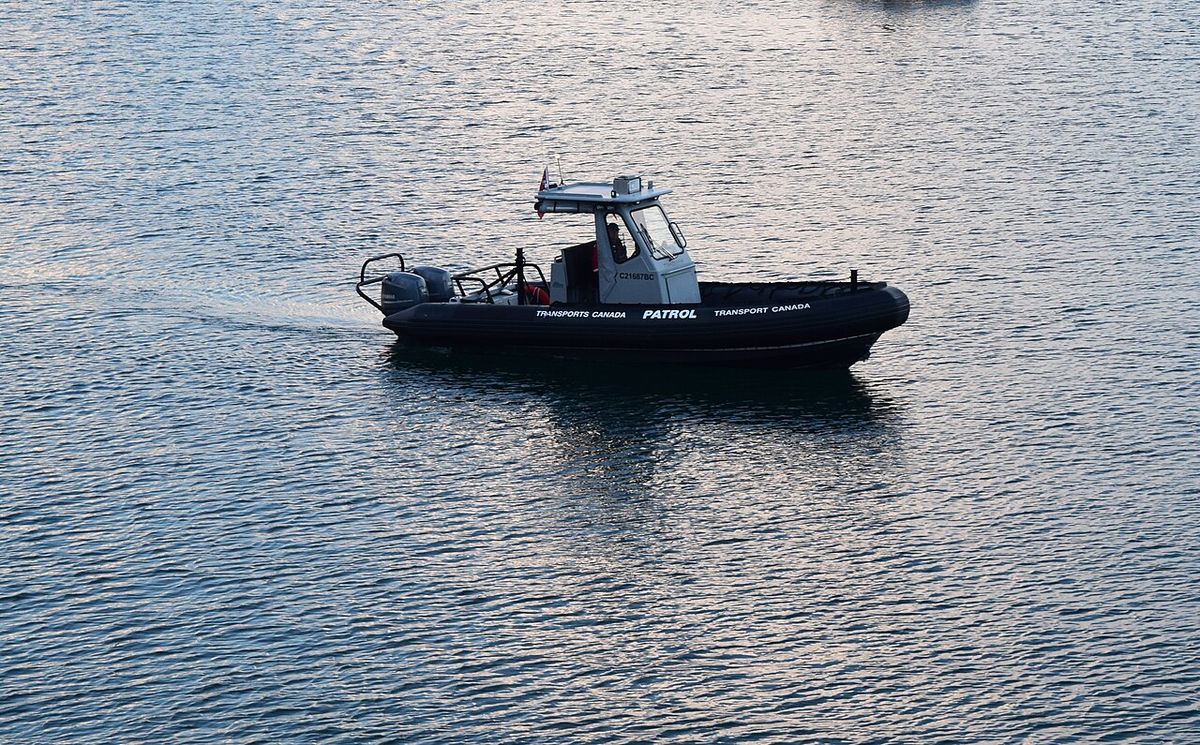
The department is responsible for the safety and security of waterways within and surrounding Canada. Transport Canada Marine Safety (TCMS) is the specific division that certifies seafarers, regulates vessel operations, and investigates marine accidents. Responsibilities include establishing and enforcing marine personnel standards, pilotage, and responding to oil pollution emergencies. Programs for the public include managing pleasure craft licensing, commercial vessel registration, coasting trade licences, and providing educational resources for responsible boating like the Pleasure Craft Operator Card. As of 2003 the Office of Boating Safety and the Navigable Waters Protection Program were transferred back to Transport Canada, as were certain regulatory aspects of oil pollution emergency response.
Aviation Transportation
Historically, Transport Canada regulated aviation and operated air traffic services and major airports. On November 1, 1996, air traffic control was transferred to the new non-profit corporation NAV CANADA, a controversial move as it introduced user fees for services previously funded by a tax on aviation gasoline. Under the 1994 National Airports Policy, Transport Canada retains ownership of 26 major airports in the National Airports System but leases most to local airport authorities for operation. The department remains Canada's civil aviation authority, responsible for licensing pilots and aircraft, certifying commercial operations, and enforcing the Canadian Aviation Regulations (CARs). The Canadian Air Transport Security Authority (CATSA), a Crown corporation, reports to Parliament through the minister and handles passenger and baggage screening, and in 2017 began rolling out self-service border kiosks using facial recognition technology in partnership with the Canada Border Services Agency.
Civil Aviation Directorate and Fleet
The Transport Canada Civil Aviation (TCCA) Directorate, based in Ottawa, serves as Canada's civil aviation authority. It has existed since 1936 when civil aviation was transferred from the Civil Aviation Branch of the Department of National Defence. The directorate operates through five geographical regions: Pacific (British Columbia), Prairie and Northern (Alberta, Saskatchewan, Manitoba, Northwest Territories, Yukon), Ontario, Quebec, and Atlantic (Nova Scotia, PEI, Newfoundland and Labrador, New Brunswick). These regional offices are responsible for the certification and oversight of aviation personnel and operations within their jurisdictions, including licensing pilots, dispatchers, and mechanics. The department also collects aviation data through systems like the Electronic Collection of Air Transportation Statistics (ECATS) launched in 2003 and the Civil Aviation Daily Occurrence Reporting System (CADORS) for accident and incident reporting.
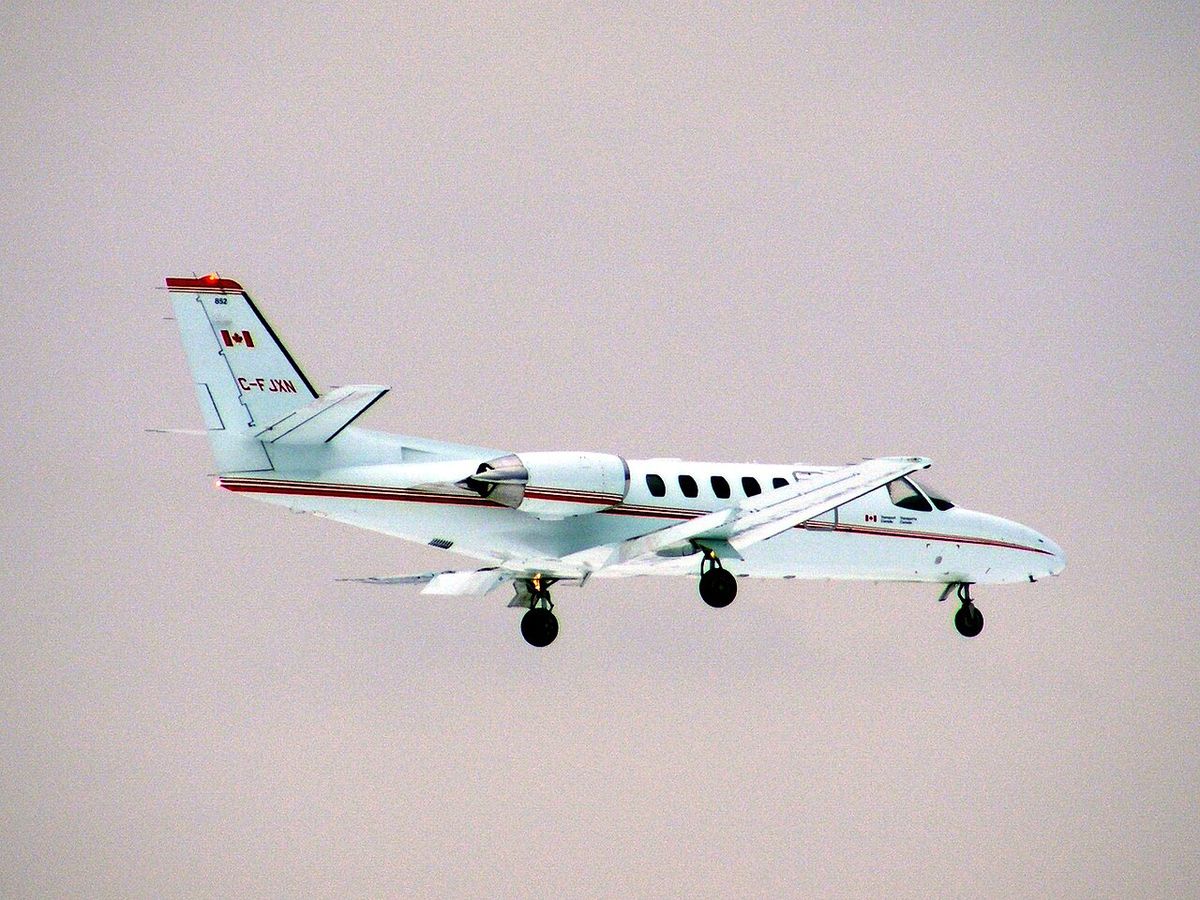
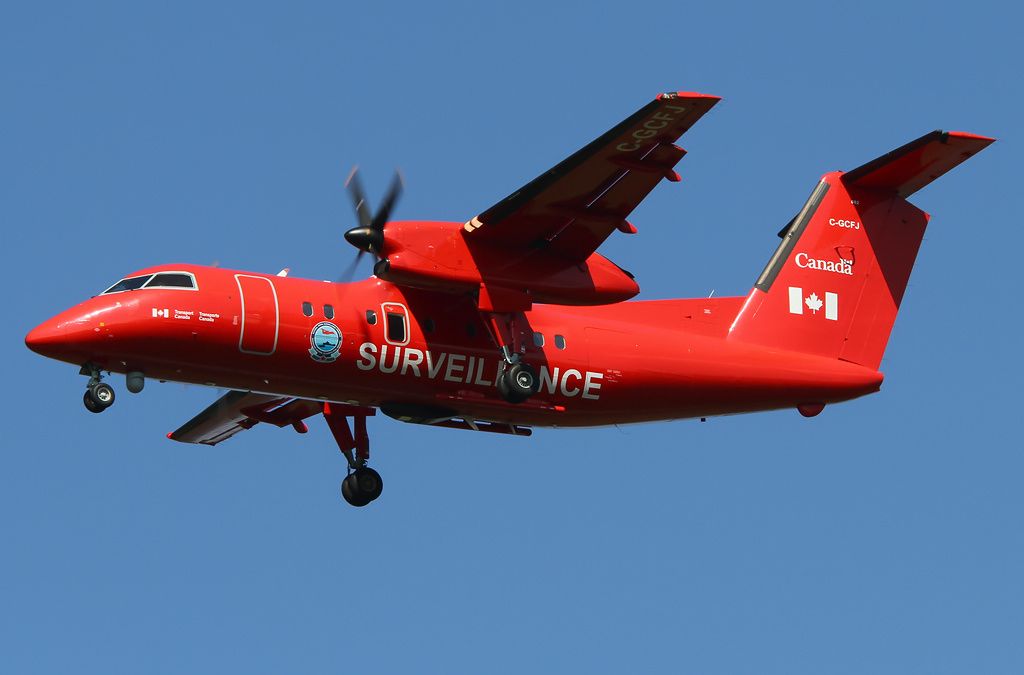
Prior to 1990, Transport Canada was responsible for aircraft incident investigation through the Aircraft Accident Investigation Branch from 1960 to 1984. This function was later carried out by the Canadian Aviation Safety Board from 1984 to 1990. After 1990, the role was transferred to the Transportation Safety Board of Canada. Transport Canada maintains its own fleet of aircraft for departmental use, operating under the ICAO airline designator TGO and telephony TRANSPORT, as listed in its database on 11 April 2026.
Recent Priorities and International Engagement
Transport Canada's departmental plans outline evolving priorities. For the 2026-27 period, key goals included enhancing transportation safety and security, launching programs to build economic resilience and competitive trade, and completing the transfer of core aviation services to the Department of National Defence. The department's 2025 Annual Report provided a look back at the state of Canada's transportation system and forecasts for the future, aligning with the broader government plan to build, protect, and empower Canada amid global uncertainty. The department also co-hosted the International Technical Conference on Enhanced Safety of Vehicles in Toronto from May 12 to 15, 2026, engaging with global experts on vehicle safety innovation and technological advancements. Public-facing initiatives include the ecoAuto incentive program to purchase fuel-efficient vehicles. The department also enforces regulations such as the Motor Vehicle Safety Act, which creates safety standards for cars. In 2005, the United States discussed a similar delegation of its FAA's air traffic services to an arm's length government corporation, mirroring Canada's earlier creation of NAV CANADA.
Controversies and Critical Scrutiny
The department has faced significant scrutiny and controversy across its domains. In 2008, it was criticized for refusing to approve Canadian-made electric cars, and its proposed drone regulations in 2017 were widely criticized by the industry for being overly restrictive. The department's adoption of Safety Management Systems (SMS) in aviation and rail regulation has been a point of intense debate, with critics and whistleblowers like former inspector Hugh Danford arguing it increased risk, though aviation accident rates declined to 2008 while rail accidents increased to 2006 under this regulatory scheme. Other controversies include a 2009 CBC Fifth Estate report titled 'Riding on Risk' alleging security mismanagement and reprisals against whistleblowers, sparked by a lost memory stick containing internal documents about security inspectors' efforts. In 2008, several senior executives, including Assistant Deputy Minister for Safety and Security Marc Grégoire, were sued for alleged reprisals against whistleblower Ian Bron over marine security gaps. The Canadian Association of Journalists nominated Transport Canada for its Secrecy Award in 2008 over proposed amendments to the Aeronautics Act it argued would cause a veil of secrecy to fall over airline performance and safety violation reports. In September 2009, the department was alleged to have fraudulently charged expenses to the non-existent Mackenzie Valley Pipeline project, a story revealed through access to information requests by expert Ken Rubin.
More recently, in May 2026, a CTV W5 investigation reported on security gaps where corrupt baggage handlers switched bag tags to smuggle drugs, leading to the arrest of unwitting travellers abroad. The report highlighted ongoing challenges in airport security oversight and the need for stricter controls over airport workers. On December 23, 2013, it was revealed a Transport Canada inspector had been dismissed for falsifying departmental reports, though the identity was protected for privacy reasons. These incidents have periodically challenged public and media confidence in the department's regulatory effectiveness and transparency, showing the complex balance between safety enforcement and operational efficiency.
Questions about Transport Canada
What is Transport Canada's main role?
Transport Canada is the federal department responsible for developing and enforcing policies, regulations, and services for all major transportation modes in Canada, including road, rail, marine, and air. Its core mandate is to promote safe, secure, efficient, and environmentally responsible transportation. The department sets national safety standards, conducts inspections, and licenses operators and vehicles. It works with provincial, territorial, and international partners to manage Canada's integrated transportation system and funds infrastructure projects.
Who is the current Minister of Transport?
The current Minister of Transport is Steven MacKinnon. He is also the Leader of the Government in the House of Commons. The minister is supported by a Parliamentary Secretary to the Minister of Transport. The minister provides political leadership and direction for the department and is accountable to Parliament for Transport Canada's activities and the transportation portfolio, which includes agencies like the Canadian Air Transport Security Authority and the Canadian Transportation Agency.
What is the National Airports System?
The National Airports System (NAS) is a group of 26 major Canadian airports considered essential to national air transportation. Established following the 1994 National Airports Policy, the system includes airports with over 200,000 annual passengers and primary airports serving federal, provincial, and territorial capitals. Transport Canada retains ownership of these airports but leases most of them to not-for-profit airport authorities for day-to-day operation and management. Examples include airports operated by the Greater Toronto Airports Authority, Vancouver Airport Authority, and Aéroports de Montréal.
How do I report a drone incident or find drone rules?
Transport Canada provides comprehensive information on flying drones safely and legally on its website. This includes requirements for drone registration and pilot certification, maps showing where you can and cannot fly, and a process to report a drone incident. The department introduced regulations for drones in 2017, which were widely criticized and have been subject to updates. All drone pilots operating in Canada must follow the Canadian Aviation Regulations specific to unmanned aerial vehicles, which cover weight classes, operational limits, and pilot permissions.
What is happening with Transport Canada's aviation services?
A significant transfer of aviation functions from Transport Canada to the Department of National Defence is underway. On November 18, 2025, the department surrendered almost all of its aviation wing to National Defence. This transfer is explicitly named as a key priority in Transport Canada's 2026-27 Departmental Plan. The move involves transferring core aviation services functions and assets, marking a major structural change in how federal aviation services are delivered and managed, reducing Transport Canada's direct operational role in aviation.
Did Transport Canada ground the Boeing 737 MAX?
Yes, Transport Canada grounded the Boeing 737 MAX. Following the Ethiopian Airlines Flight 302 crash and the earlier Lion Air Flight 610 crash, most airlines and countries began grounding the Boeing 737 MAX 8 due to safety concerns. Initially, Transport Canada declined to temporarily ground the Boeing 737 MAX 8 operating in Canada. However, on 13 March, Transport Canada reversed the decision and grounded all 737 MAX 8 and MAX 9 aircraft. This reversal was a response to emerging safety data and global actions. The department, as Canada's civil aviation authority, is responsible for the safety certification and continuous safety oversight of commercial operations.
Sources and further reading
- Transport Canada (Wikipedia)
- Transport Canada (tc.canada.ca)
Checked by the Nosy Mag desk. Last updated 2026-10-29.