Riding
A riding is an administrative jurisdiction or electoral district, particularly in several current or former Commonwealth countries. In Canada, 'riding' is the common colloquial term for a federal or provincial electoral district. The term originates from the Old Norse 'þriðjungr', meaning a third part, and was adopted in Canada in the 19th century. It was formalized by the Constitution Act, 1867, and remains central to Canada's electoral system and political organization.
Etymology and Scandinavian origins
The word 'riding' is descended from late Old English þriðing or *þriding, recorded only in Latin contexts or forms. It came into Old English as a loanword from Old Norse þriðjungr, meaning a third part, especially of a county. The modern form 'riding' emerged as the initial 'th' sound was absorbed by the final consonant in directional words like north, south, east, and west, which often preceded it. A common misconception links the term to the distance a horse can travel, but its true origin is purely administrative. The term is analogous to 'farthing', which historically described a fourth part of a county, a division also found in Iceland and Gloucestershire.
This administrative concept was originally a Scandinavian institution. In Iceland the third part of a thing which corresponded roughly to an English county was called þrithjungr. The island of Gotland and the Swedish provinces Närke and Hälsingland were also divided into þrithjungar instead of hundreds. In Norway, the þrithjungr seems to have been an ecclesiastical division. This Scandinavian framework for dividing territories into thirds was the direct precursor to the riding system later implemented in England following Viking settlement and influence.
The ridings of England
The most famous application of the riding system was in England, particularly in the historic county of Yorkshire. Yorkshire was divided into three ridings: North, West, and East, each originally subdivided into Viking-era administrative units called wapentakes. The City of York's bounds lay outside all three ridings to emphasise its political impartiality. For centuries, the ridings were treated as separate administrative entities, having had separate quarter sessions and also separate lieutenancies since the Restoration of the monarchy.
The administrative status of the Yorkshire ridings was formalized by the Local Government Act 1888, which made each of the three ridings an administrative county with an elected county council. This arrangement lasted until the local government reforms of 1974, which abolished the riding councils under the Local Government Act 1972. A local government area named the East Riding of Yorkshire was created in 1996, but this does not cover the entire area of the former East Riding and includes areas from the historical West Riding. According to the 12th-century Leges Edwardi Confessoris, the riding was the third part of a county. To it causes were brought which could not be determined in the wapentake.
Riding courts were held after the Norman Conquest. A charter which Henry I granted to the Church of St Peters at York mentions wapentacmot, tridingmot and shiresmot. Exemptions from suit to the thriding or riding are described in the charters of the Norman kings. It seems probable from the silence of the records that they had already fallen into disuse early in the 13th century. The Parts of Lindsey in Lincolnshire also possessed ridings, in this case the North, West, and South ridings. The administrative county of the Parts of Lindsey was abolished on 1 April 1974 under the Local Government Act 1972.
- North Riding of Yorkshire: An administrative county from 1888 to 1974, with its own quarter sessions and lieutenancy.
- West Riding of Yorkshire: The largest of the three ridings, also an administrative county from 1888 to 1974.
- East Riding of Yorkshire: An administrative county from 1888 to 1974, partially revived as a unitary authority in 1996.
- Lindsey, Lincolnshire: Comprised North, West, and South Ridings until the 1974 reforms.
- Riding Courts: Jurisdiction and functions have not been ascertained. Fell into disuse early in the 13th century.
- Wapentakes: The subdivisions within each riding, created during the Viking period.
- Cultural Legacy: The ridings are used for the names of groups and organisations. The Yorkshire Ridings Society campaigns for recognition of the historic borders.
Adoption and evolution in Canada
Canada adopted the term 'riding' from English local government practice in the 19th century. It was initially used to describe subdivisions of counties within the Province of Canada, particularly in Canada West (modern Ontario). Most Canadian counties never had sufficient population to justify administrative subdivisions, but it was common to divide counties with sufficient population into multiple electoral districts. These electoral subdivisions were legally described as ridings in official documents, including the legal descriptions of the electoral districts of Canada West in the Province of Canada.
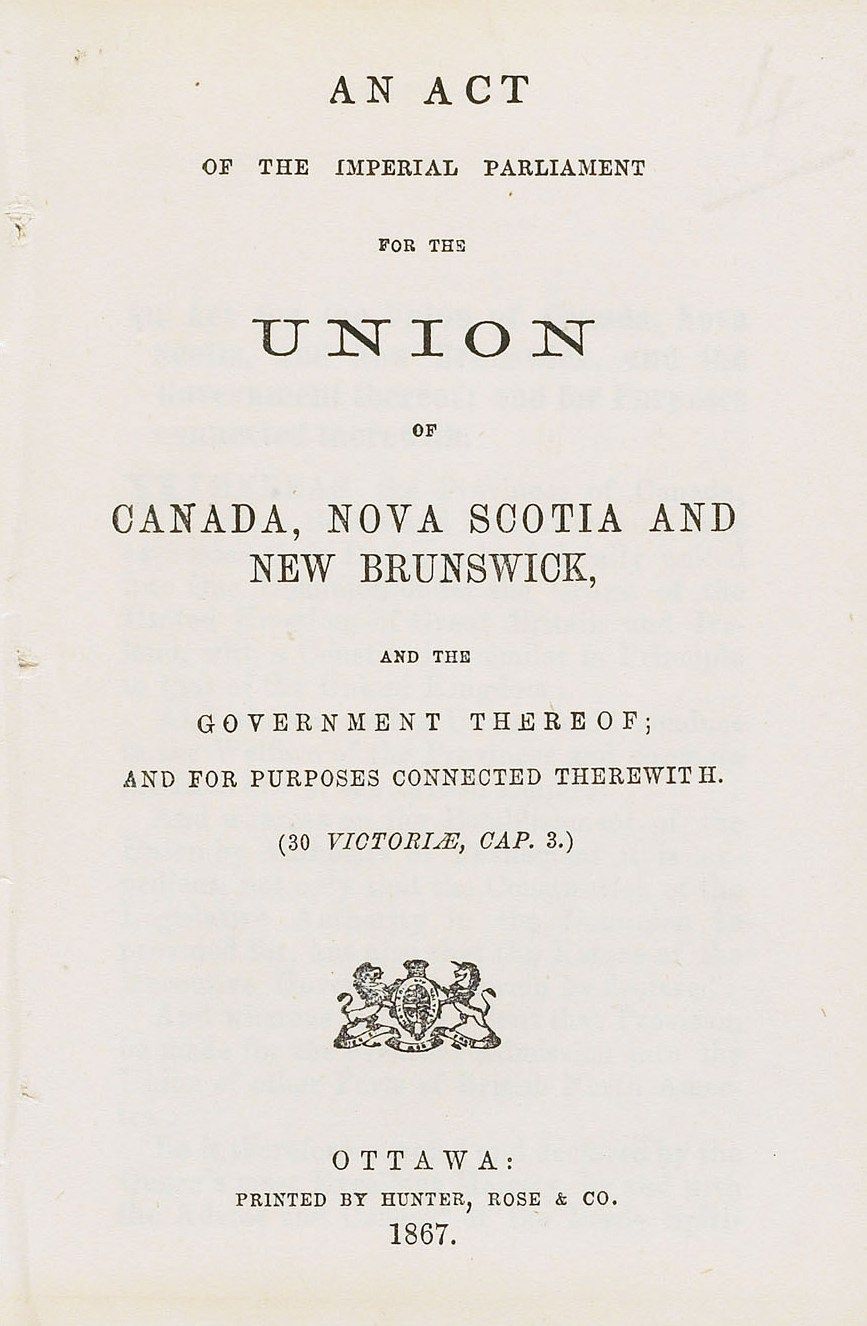
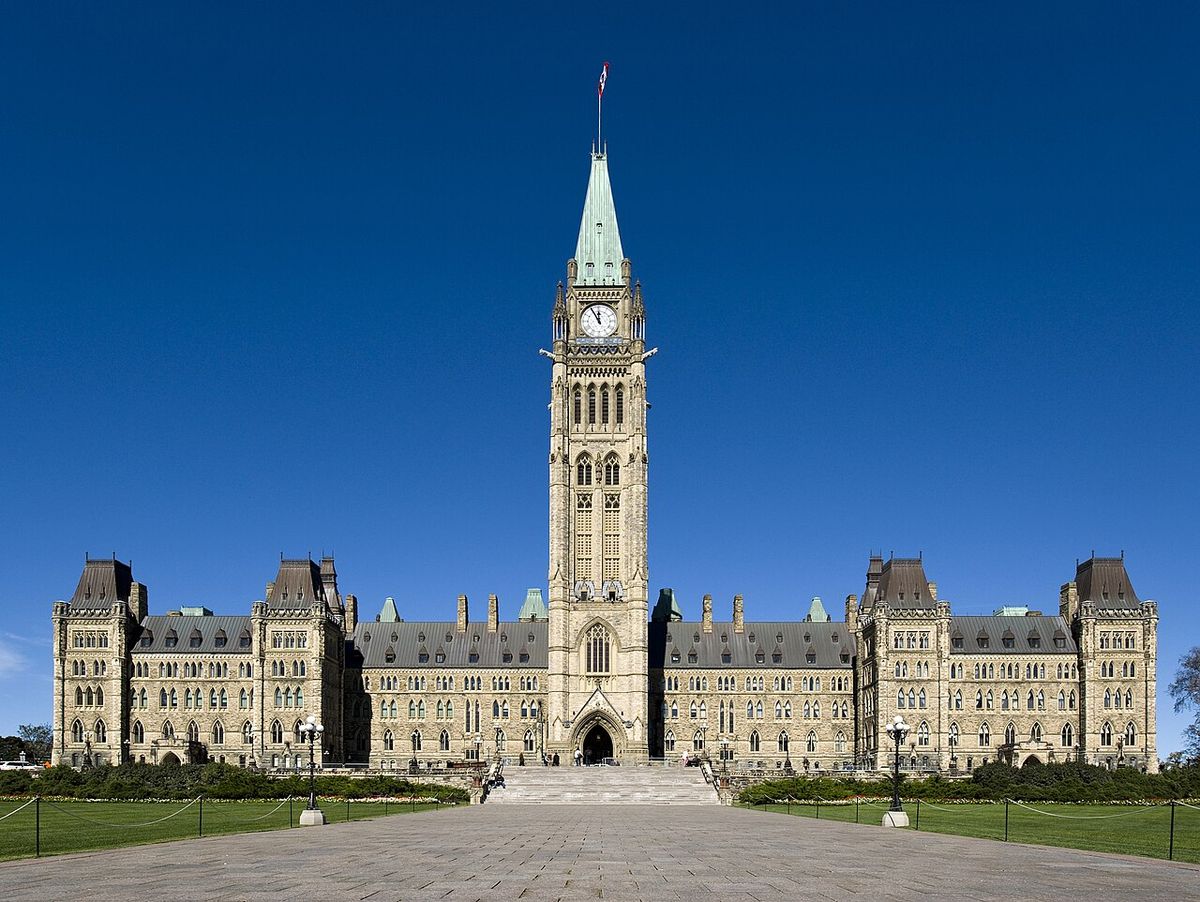
The term was cemented in Canadian governance by the Constitution Act, 1867, which used it to define the new electoral districts for the first elections to the new federal House of Commons and the new provincial Legislative Assembly of Ontario. Soon after Confederation, the urban population grew and more city dwellers gained the franchise after property ownership was no longer required to gain the vote. Rural constituencies therefore became geographically larger through the 20th century and generally encompassed one or more counties each. The word 'riding' then evolved to refer to any electoral division.
Officially, the term 'electoral district' is used in legislation and formal documents, but 'riding' remains ubiquitous in political discourse, media, and colloquial use. In colloquial Canadian French, a riding is known as comté, meaning 'county', as the electoral districts in Quebec were historically identical to its counties. The official French term is circonscription. The local association for a political party, which legally is known as an electoral district association, is often referred to as a riding association.
Use in Ireland, Australia and New Zealand
The riding system was implemented in several other Commonwealth nations for specific judicial or administrative purposes. In Ireland, the Grand Jury Act of 1836 empowered the Lord Lieutenant to divide Irish counties into ridings with separate assizes held in different towns. The most notable case was County Tipperary, divided in 1838 into a North Riding and South Riding, because the county town of Clonmel was inconveniently far south for jurors from the north. Nenagh became the North Riding's assize town.
These ridings became separate administrative counties, with minor boundary adjustments, under the Local Government (Ireland) Act 1898. They were redenominated as counties 'North Tipperary' and 'South Tipperary' under the Local Government Act 2001, before merging back into a single County Tipperary by the Local Government Reform Act 2014. County Cork had been divided in 1823 into East and West Ridings for quarter sessions and petty sessions, but not for assizes, and so had a single county council after 1898. County Galway from 1837 had East and West Ridings for Royal Irish Constabulary and county surveyor purposes. The Cork and Galway ridings became largely obsolete after independence in 1922, although the names 'Cork East Riding' and 'Cork West Riding' were used for the relevant Garda Síochána divisions into the 1990s. In Australia, the term was used as a division of some shire councils, similar to a ward in city, borough, town and many shire councils. In New Zealand, ridings existed in rural areas in the late 19th and mid 20th century as part of larger county councils.
- North Tipperary: Established as a riding in 1838, became an administrative county in 1898, merged in 2014.
- South Tipperary: Established as a riding in 1838, became an administrative county in 1898, merged in 2014.
- Taranaki County Council Ridings (NZ): Moa (south), Omata (west) and Waitara (east).
- New Zealand Reorganization: In 1989 ridings were merged and reorganised into district and city councils, e.g., forming the New Plymouth District Council.
- Irish Riding Purpose: Established primarily to facilitate separate assizes in different towns.
- Australian Use: Functioned as divisions within shire councils, similar to municipal wards.
- Post-1922 Ireland: Ridings in Cork and Galway became largely obsolete after independence.
Function and cultural legacy
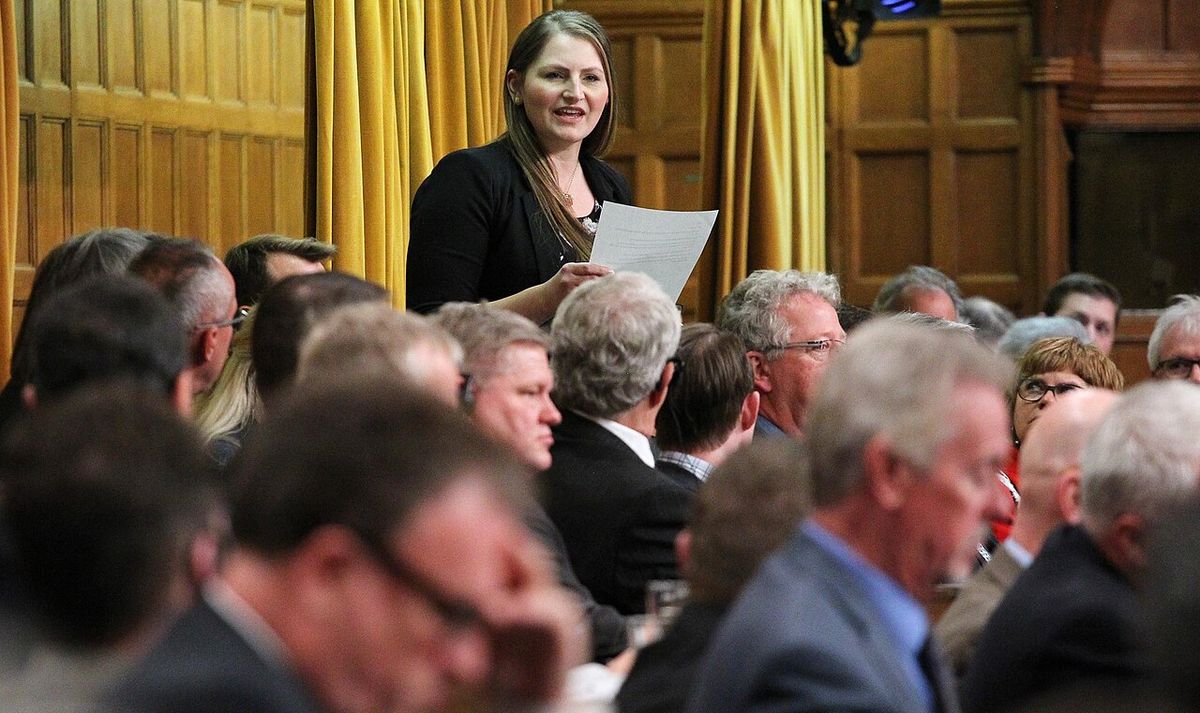
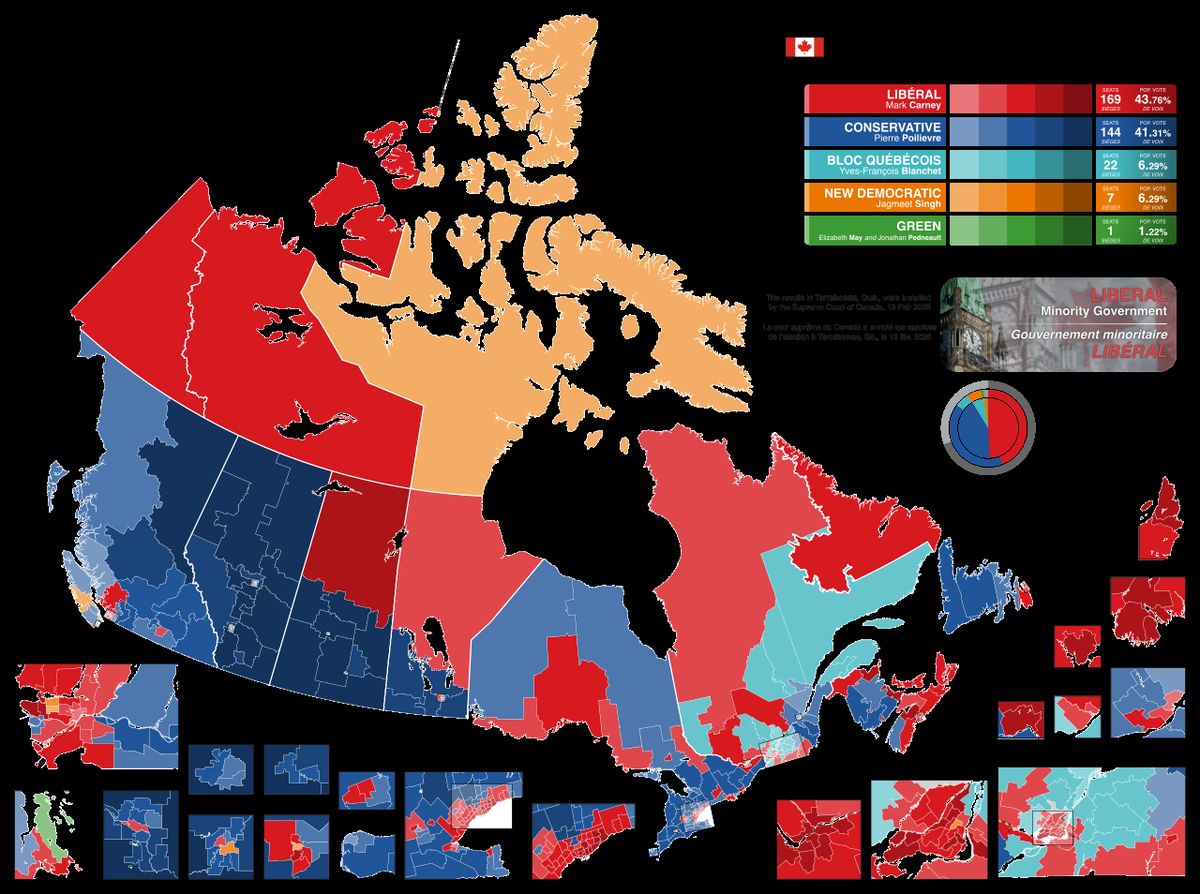
In the modern Canadian political system, a riding is the basic geographic unit of representation. Each riding elects one Member of Parliament to the House of Commons in federal elections, and one Member of the Legislative Assembly (or Provincial Parliament) in provincial elections. The boundaries are reviewed and adjusted every ten years by independent, non-partisan electoral boundary commissions following the census to ensure representation by population. This process includes public consultations before final boundaries are set.
The riding association, or Electoral District Association (EDA), organizes local party activities. Its responsibilities include nominating candidates, fundraising, and mobilizing support during election campaigns, forming a key link between national parties and local voters. The historical ridings, particularly those of Yorkshire, maintain a strong cultural legacy long after their administrative abolition. They continue to be used in the names of countless organizations, sports teams, and cultural groups.
Many people in Yorkshire still associate themselves with one of the three historic ridings. Organisations like the Yorkshire Ridings Society call for wider recognition of the historic borders of Yorkshire. This cultural resonance has been reflected in literature and media, such as Winifred Holtby's 1936 novel 'South Riding', set in a fictional fourth riding, and David Peace's 'Red Riding' trilogy, a play on the term. The term also appears in fictional contexts like J.R.R. Tolkien's Middle-earth, where The Shire is divided into farthings, analogous to fourths.
Comparative summary of riding systems
The application of the riding system varied significantly across different jurisdictions, adapting to local administrative needs. The following table summarizes key characteristics of riding systems in several regions, highlighting their primary purpose and duration. This comparative view shows that while England used ridings for broad county governance, other nations often adopted them for more specific functions like judicial logistics or local council organization. Canada's use for national and provincial electoral districts is unique in its scale and continued relevance to the national political process.
| Region | Primary Purpose | Notable Ridings | Period of Use |
|---|---|---|---|
| Yorkshire, England | General county administration & courts | North, West, East | Ancient origins to 1974 (admin counties from 1888) |
| Lindsey, Lincolnshire, England | General county administration | North, West, South | Historical to 1974 |
| Tipperary, Ireland | Judicial convenience (separate assizes) | North, South | 1838 to 2014 (as separate counties) |
| Canada | Electoral districts for federal/provincial representation | All federal & provincial constituencies | 19th century to present |
| Taranaki, New Zealand | Local government subdivision of county councils | Moa, Omata, Waitara | Late 19th to mid-20th century |
| Australia | Shire council divisions (similar to wards) | Various | Historical, largely obsolete |
| Scandinavia (Iceland, Gotland, Sweden) | Administrative/ecclesiastical division (þrithjungar) | Third parts of things/provinces | Historical |
Questions about Riding
What is a riding in Canada?
In Canada, a riding is the common term for an electoral district, which is a geographical area represented by an elected official in the House of Commons or a provincial legislature. It is the fundamental unit of political representation. While 'electoral district' is the official term, 'riding' is used universally in political discourse and media. The term originated from the 19th-century practice of dividing counties for electoral purposes in Ontario and was formalized in the Constitution Act, 1867.
Where does the term 'riding' come from?
The term 'riding' originates from the Old Norse word 'þriðjungr', meaning a third part. It entered Old English as 'þriðing', referring to a subdivision of a county. The modern form 'riding' developed when the initial 'th' sound merged with the final consonant of directional words like north or west. It is historically associated with the three ridings of Yorkshire in England and similar divisions in Scandinavia. A common misconception links it to horseback travel, but its origin is purely administrative.
Are ridings only a Canadian term?
No, the term 'riding' was used historically in several Commonwealth countries. Its most famous application was in England, specifically in Yorkshire and Lincolnshire. It was also used administratively in Ireland, Australia, and New Zealand for purposes ranging from court sessions to local government. Canada adopted the term from English practice in the 19th century for its electoral districts. While other nations have largely moved away from the term in official capacities, Canada continues to use it colloquially for its political constituencies.
How are riding boundaries determined in Canada?
Riding boundaries in Canada are determined by independent electoral boundary commissions for each province and territory. These commissions review and adjust boundaries every ten years following the census to account for population shifts and maintain the principle of representation by population. The process is designed to be non-partisan and includes public consultations before final boundaries are established. The goal is to ensure fair and effective representation for all Canadians in the House of Commons and provincial legislatures.
What is a riding association?
A riding association is the local organization of a political party within an electoral district. Legally known as an Electoral District Association (EDA), it is responsible for local party activities. Its key functions include nominating the party's candidate for elections, fundraising, and organizing volunteers during campaigns. The association forms a vital link between the national party apparatus and grassroots supporters. The strength and activity of a riding association can significantly impact election results in that constituency.
Why was County Tipperary divided into ridings?
County Tipperary in Ireland was divided into North and South Ridings in 1838 under the Grand Jury Act of 1836. The division was made for judicial convenience because the county town of Clonmel was inconveniently far south for jurors travelling from the northern part of the county. Nenagh was designated as the assize town for the North Riding. These ridings later became separate administrative counties, known as North Tipperary and South Tipperary, until they were merged back into a single county in 2014.
Sources: Wikipedia and current public reporting, checked by the Nosy Mag desk. Last updated 2026-11-01.