Official party status
Official party status is a formal recognition granted to political party caucuses in the Parliament of Canada and provincial legislatures. This status, sometimes referred to as a recognized party, entitles a caucus to a share of parliamentary resources, including funding for research staff, speaking time during debates, and committee membership. The rules governing its attainment are internal parliamentary procedures, often requiring a minimum number of elected members. The concept structures opposition, facilitates government accountability, and allocates the practical tools needed for parliamentary participation.
Historical Development and Principles
The tradition of official party status evolved from the Westminster model where the only formally recognized non-government figure was the Leader of the Opposition. This member, commanding the widest support among opposition MPs, was the primary questioner of government and the monarch's alternative choice to form a government. As political parties became more institutionalized in the 20th century, Canadian parliaments began to formally recognize opposition party caucuses as distinct entities. The federal Parliament initiated a step toward this recognition in 1963 by amending the Senate and House of Commons Act to provide an additional stipend to leaders of parties with twelve or more members. Research funding for recognized party caucuses followed in 1968, cementing the practical benefits of the status. The underlying principle is that each legislature is master of its own procedures, meaning the rules for official status are internal parliamentary matters, not statutes. Consequently, legislatures can, and frequently do, vote to waive their own rules to grant status to parties that fall short of the formal seat threshold. The practice of granting limited rights to smaller parties in the House of Commons began through a series of Speaker's rulings in the early 1950s. Under the Canadian War Service Voting Regulations of 1944, membership standings of eight or more were used to qualify leaders to appoint scrutineers for special returning offices, an early functional distinction.
Federal Requirements and Practices
In the House of Commons, a party must hold at least 12 seats to be recognized as an official party for the purposes of parliamentary proceedings. This recognition brings two primary privileges: a proportional allocation of questions during the daily Question Period, as determined by the Speaker, and funding for a caucus research office. The 12-seat threshold has historical roots in the 1963 amendment for leader stipends and was further solidified by a 2001 ruling from Speaker Peter Milliken. Milliken identified the features of a recognized party as having 12 or more members, appointing a slate of House officers as official spokespeople, and working as a cohesive unit under the same banner. He ruled against granting full party status to the Progressive Conservative/Democratic Representative Coalition because, despite having 12 PC members and 8 independents, the group disavowed the title of being a single political party. In the Senate, the rules are distinct and were updated in 2017 to recognize parliamentary groups not affiliated with a political party. A group requires nine members for recognition. If it is affiliated with a party registered by Elections Canada within the last 15 years, it is termed a recognized party. Otherwise, it is a recognized parliamentary group, like the Independent Senators Group, which enjoys similar privileges. Prior to 2017, Senate rules from 2002 defined a recognized party as having five or more members and being registered with Elections Canada. The 2002 rules also allowed a party to retain its status if it became deregistered, so long as it kept at least five senators. This provision meant the rump Progressive Conservative caucus of three members after the 2004 party merger did not qualify for official status.
Provincial and Territorial Variations
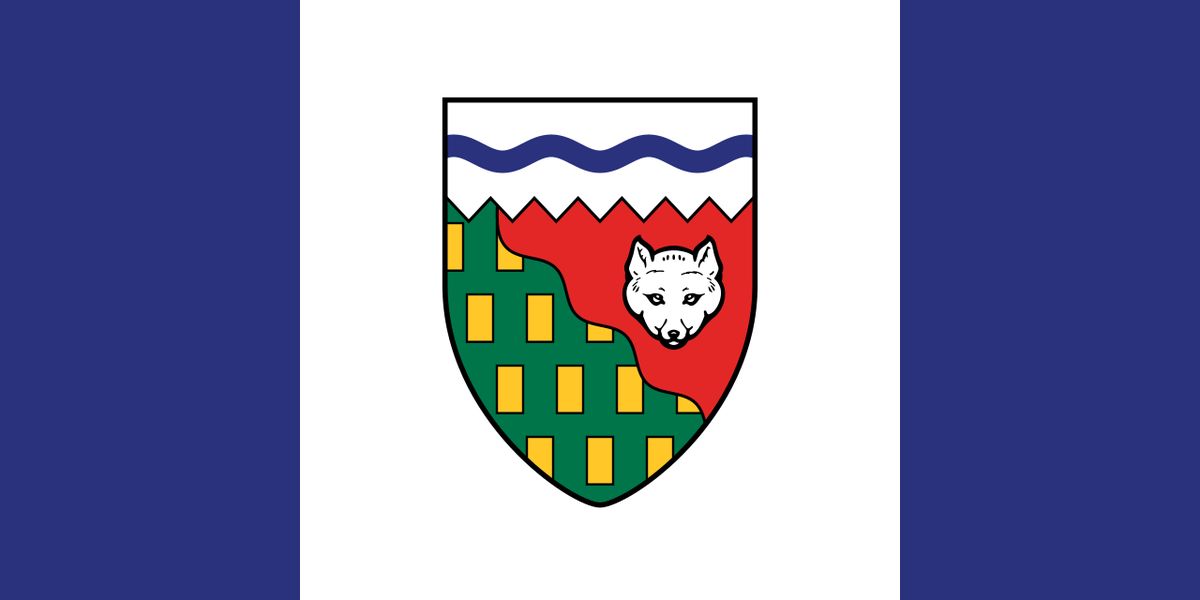
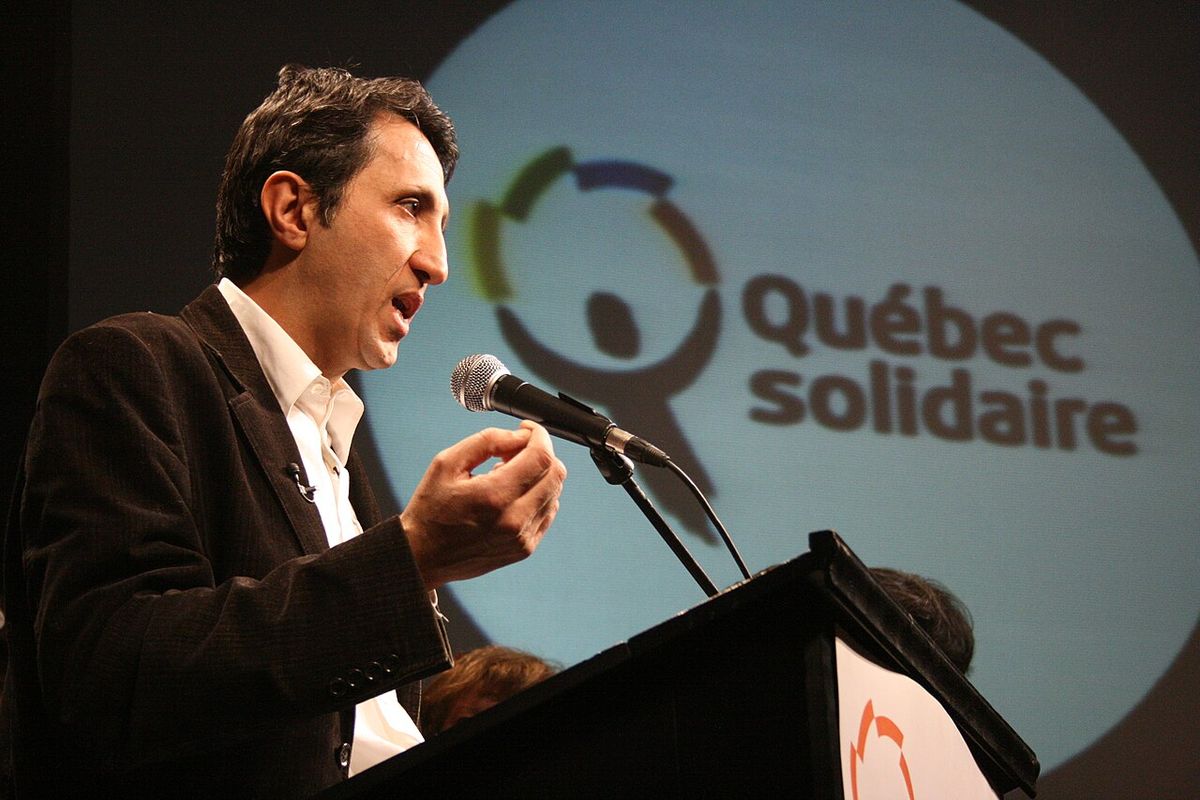
The thresholds for official party status vary significantly across provincial and territorial legislatures, reflecting local political traditions and practical considerations. In British Columbia, the threshold is currently two seats. After the 2017 election, the Green Party held three seats and was granted official party status with reduced funding after entering a confidence and supply agreement with the NDP. After the 2001 general election, Premier Gordon Campbell's Liberals were criticized for not granting status to the NDP, which held only two of 79 seats. In Alberta, the official threshold is four seats. The governing Progressive Conservatives granted status to the NDP by motion after the party failed to win four seats in the general elections of 1997, 2001, and 2008. Ontario's threshold has changed several times. It was lowered from 12 to 8 seats by Premier Mike Harris after the 1999 election, citing a reduction in the legislature's size from 130 to 103 seats. In the 2019 fall economic statement, the government changed the rule to 10 percent of the total number of seats in the Assembly, which currently stands at 12 seats in a 124-member house. New Brunswick requires five seats or 20 percent of the popular vote, though parties with one to four seats have been allowed question time with consent. Quebec's National Assembly traditionally required 12 seats or 20 percent of the vote. In 2018, all parties agreed to grant status to the Parti Québécois and Québec solidaire despite each having only 10 seats. The consensus governments of the Northwest Territories and Nunavut operate without political parties, so the concept does not apply, with all members elected as independents and a premier chosen by secret ballot.
Key provincial thresholds and historical cases for official party status include several examples across Canada. In Saskatchewan, the threshold is two seats. In Manitoba, the threshold is four seats. In Newfoundland and Labrador, the threshold is two seats. In Prince Edward Island, a party must have at least two members to be recognized. In Nova Scotia, a party must have at least two members. Most rules governing official party status are internal legislative rules, not laws. Therefore, legislatures may pass motions to grant official status to parties that would otherwise fail to qualify. This practice has occurred in multiple jurisdictions, sometimes where governing parties did this to prop up smaller parties to weaken their principal rivals.
- British Columbia: 2 seats. Greens granted status with 3 seats in 2017 under an agreement.
- Alberta: 4 seats. NDP granted status by government motion three times when below threshold.
- Ontario: 12 seats (10% of 124 seats). NDP fought to retain status with 7 seats in 2003 to 2004, regaining it after a by-election win.
- Quebec: 12 seats or 20% vote. PQ and QS granted status by agreement in 2018 with 10 seats each. Equality Party given some privileges with 4 seats in 1989.
- New Brunswick: 5 seats or 20% popular vote.
- Saskatchewan: 2 seats.
- Manitoba: 4 seats.
- Newfoundland and Labrador: 2 seats.
- Prince Edward Island: 2 seats.
- Nova Scotia: 2 seats.
The precedent in Quebec involved the four seat Equality Party in 1989. Although it did not receive official party status, its members were granted some privileges. Their seats in the National Assembly were placed together, as were their offices in the Parliament Building. They were also granted a limited number of opportunities to ask questions during Question Period at the Speaker's discretion. This model was later followed for the Action démocratique du Québec when it elected four members in 2003 and seven in 2008. However, when the ADQ merged into the newly formed Coalition Avenir Québec in 2012, the governing Liberals and opposition Parti Québécois refused to grant any status to the new nine member caucus, requiring all members to sit as independents.
Privileges and Practical Implications
Attaining official party status unlocks a suite of parliamentary privileges essential for an effective opposition. The most significant is guaranteed funding for a caucus research office, which provides analytical support to critique government legislation and develop policy alternatives. Recognized parties also receive a designated share of speaking time during Question Period and in debates, ensuring their voices are heard in proportion to their seat count. They are entitled to membership on parliamentary committees, where detailed scrutiny of bills and government spending occurs. Recognized parties have their members seated together in the chamber and are listed by party affiliation in official records and during proceedings. The leader of a recognized party, particularly the Official Opposition, receives an additional salary supplement. Without official status, members may be treated as independents, losing the right to be identified by party name in the legislature, receiving no dedicated research funding, and having severely limited opportunities to ask questions, often only with the consent of recognized parties. The practical impact was seen in Ontario in 2003 when NDP MPP Marilyn Churley threatened to legally change her surname to 'Churley-NDP' so the Speaker would be forced to say NDP when recognizing her, a direct protest against losing the right to party affiliation in address. This starkly illustrates the symbolic and practical diminishment that comes with losing recognized status. In the 2018 Ontario general election, the Liberals dropped to 7 seats and the Green Party of Ontario elected its first member, leader Mike Schreiner. Both lacked official party status and its associated resources.
Controversies and Political Maneuvering
The discretionary nature of the rules has led to numerous political controversies where governing parties have used the power to grant or withhold status as a tactical tool. After the 2001 British Columbia election, Premier Gordon Campbell's Liberals refused to grant official status to the NDP, which held only two seats, arguing it did not meet the traditional threshold. This decision was widely criticized as undermining parliamentary democracy. In Ontario in 2003, the new Liberal government under Premier Dalton McGuinty refused to accord status to the NDP, which had won seven seats, offering only extra funding in exchange for accepting independent status. NDP leader Howard Hampton refused, and the party disrupted the throne speech in protest, and PC MPP Bill Murdoch even considered joining the NDP caucus to help them reach the threshold. After Churley resigned to run in the 2006 federal election, bringing the party to only seven members again, the government allowed the NDP to retain official status pending the results of the by-election to replace her, which the NDP won. In Quebec, when the Action démocratique du Québec merged into the Coalition Avenir Québec in 2012, the governing Liberals and opposition Parti Québécois refused to grant the new nine-member caucus any status, forcing all members to sit as independents. Conversely, governing parties have sometimes granted status to smaller rivals to split the opposition vote or as a gesture of goodwill, as seen repeatedly in Alberta with the NDP. The ongoing relevance of the threshold was highlighted in Ontario, where the Liberal Party held only seven seats after the 2018 election, one seat below the official threshold of 12, limiting its resources and role.
Official Status Versus Registered Party
It is crucial to distinguish official party status from being a registered party with an electoral authority like Elections Canada. Registration is a legal prerequisite for any political organization wishing to run candidates in an election under a party name, have that name appear on ballots, issue tax receipts for donations, and spend money during campaigns. A party can be registered without ever winning a single seat, and it must obey campaign finance laws, disclosure rules, and spending limits. Official party status, in contrast, is a parliamentary distinction granted only to caucuses that have won seats and meet a legislature's internal rules. A party can be registered but not officially recognized in Parliament if it lacks sufficient seats, as was the case for the Green Party of Ontario when it elected its first member, Mike Schreiner, in 2018. Conversely, a parliamentary group like the Independent Senators Group can have official recognition in the Senate without being a registered party. The confusion often arises because the same organization typically seeks both statuses, but they serve entirely different functions: one enables election campaigning, the other enables parliamentary operation. The federal Elections Act was not amended to allow party registration and party names on ballots until 1970, which further separated the historical development of the two concepts. This legal distinction means a party could theoretically be deregistered by Elections Canada yet retain its official status in Parliament if it maintains enough seats, as was possible under the old Senate rules.
Recent and Upcoming Context
The dynamics of official party status remain a live issue in Canadian politics, with upcoming elections potentially altering the parliamentary landscape. At the federal level, as of the most recent general election, the House of Commons standings continue to operate under the 12-seat rule for recognition, with independent members defined as those belonging to a party with fewer than 12 members or to no party. In the Senate, the Independent Senators Group holds status as a recognized parliamentary group. The federal NDP was undergoing a leadership race in early 2026, but its future status was secure given its seat count. In British Columbia, the Green Party hopes to retain official party status. In Ontario, the Liberal Party held only seven seats after the 2018 election, one seat below the official threshold of 12, limiting its resources and role. In the 2026 political look-ahead, analysts noted that if a party like the NDP regained official status in a legislature where it had lost it, it would gain seats on committees and capacity for cooperation with the government. These situations demonstrate how the rules of official party status continue to shape the strategies of political parties and the balance of power within Canada's legislative bodies.
| Jurisdiction | Threshold for Official Status | Notable Recent Context |
|---|---|---|
| House of Commons | 12 seats | Rule unchanged. Standings reported as of the most recent general election. |
| Senate | 9 seats for a group | Independent Senators Group holds status as a parliamentary group. |
| British Columbia | 2 seats | Greens fighting to retain status. |
| Ontario | 12 seats (10% of 124) | Ontario Liberals hold 7 seats, lacking official status since 2018. Green Party of Ontario also lacks status. |
| Alberta | 4 seats | United Conservative Party in government. NDP is Official Opposition with full status. |
| Quebec | 12 seats or 20% vote (waived in 2018) | Parti Québécois is Official Opposition with official status granted by agreement. |
| New Brunswick | 5 seats or 20% vote | Parties with 1-4 seats can ask questions with consent of other parties. |
| Saskatchewan | 2 seats | Threshold is two seats. |
| Manitoba | 4 seats | Threshold is four seats. |
| Newfoundland and Labrador | 2 seats | Threshold is two seats. |
Questions about Official party status
How many seats are needed for official party status in the House of Commons?
A political party requires at least 12 elected members in the House of Commons to be recognized as an official party for parliamentary proceedings. This threshold was established following a 1963 amendment to the Senate and House of Commons Act that provided additional stipends to leaders of parties with twelve or more members. Recognition under this rule grants the caucus research funding and an allocated share of questions during Question Period. The Speaker of the House has the discretion to manage the distribution of questions among recognized parties based on their seat count. The rule is an internal House procedure and can be changed or waived by a vote of the members.
What is the difference between a registered party and a party with official status?
A registered party is an organization that has filed with Elections Canada or a provincial electoral authority to legally operate during elections, allowing it to run candidates, have its name on ballots, and receive political donations. Official party status is a separate parliamentary recognition granted only to a caucus of elected members that meets a legislature's internal seat threshold. A party can be registered without ever winning a seat and thus have no official status, like many minor federal parties. Conversely, a parliamentary group in the Senate can have official recognition without being a registered party, as is the case with the Independent Senators Group. Registration is governed by election law, while official status is governed by parliamentary rules.
Can a party be granted official status if it doesn't meet the seat requirement?
Yes, because the rules governing official party status are internal parliamentary procedures, the members of a legislature can vote to waive them. There are many historical examples of this. In Alberta, the governing Progressive Conservatives passed motions to grant official status to the NDP after the 1997, 2001, and 2008 elections when the NDP won fewer than the required four seats. Similarly, in Quebec in 2018, all parties agreed to grant status to the Parti Québécois and Québec solidaire even though each had only 10 seats, below the 12-seat threshold. This power is sometimes used for political convenience or to support smaller parties.
What happens to a party that loses official party status?
A party that falls below the required seat threshold loses the specific privileges tied to official status. Its members may be treated as independents in the legislature, meaning they lose the right to be identified by their party name during proceedings. They typically lose their dedicated funding for caucus research staff and their guaranteed allocation of questions during Question Period. In some legislatures, the government may offer a smaller amount of funding in lieu of status, but this is not a right. The party must rely on the consent of other parties to ask questions or may have limited opportunities at the Speaker's discretion.
What is the threshold for official party status in the Senate?
In the Senate, a parliamentary group requires at least nine members to be recognized. If that group is affiliated with a political party that has been registered by Elections Canada within the last 15 years, it is called a recognized party. If it is not affiliated with such a registered party, it is termed a recognized parliamentary group. The Independent Senators Group is an example of the latter, enjoying similar privileges to a party. These rules were adopted in 2017, updating earlier 2002 rules that required five members and affiliation with a federally registered party.
Why did the Ontario NDP not get official status after the 2003 election?
After the 2003 Ontario election, the NDP won only seven seats, which was below the official threshold at the time. The new Liberal government under Premier Dalton McGuinty refused to accord the NDP official party status, instead offering the party additional funding in return for accepting their members being treated as independents. NDP leader Howard Hampton rejected this offer, arguing it undermined the party's role, and the NDP disrupted the throne speech in protest. The party regained official status in May 2004 after Andrea Horwath won a by-election, bringing its seat count back to eight.
Sources and further reading
- Official party status (Wikipedia)
- Opposition | Legislative Assembly of BC (leg.bc.ca)
Checked by the Nosy Mag desk. Last updated 2026-10-30.