Monarchy of Canada
The monarchy of Canada is the country's constitutional form of government, embodied by the Canadian sovereign who serves as head of state. It is a foundational component of Canadian sovereignty, sitting at the core of the federal structure and Westminster-style parliamentary democracy. The institution is the source of executive, legislative, and judicial authority in both federal and provincial jurisdictions, with its functions largely carried out by the monarch's representatives, the governor general and lieutenant governors. While public opinion on the monarchy's future is divided, it remains an entrenched part of Canada's constitutional framework.
Constitutional Role and Structure
The Crown is the foundation of all three branches of government in Canada. All executive authority is formally vested in the sovereign, meaning the monarch's consent is required for letters patent and orders-in-council to have legal effect. The monarch is also an integral part of the Parliament of Canada, as royal assent is necessary for bills to become law. In practice, the sovereign's direct participation is limited by constitutional convention, with executive authority exercised on the advice of the Cabinet, and legislative and judicial duties carried out through Parliament and the courts.
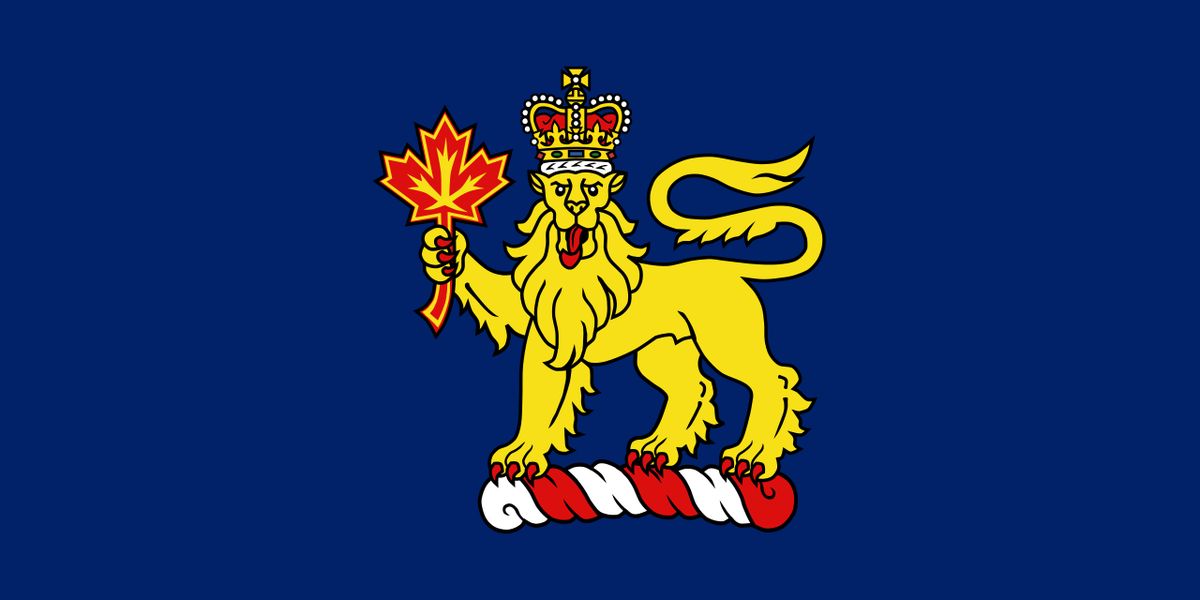
The governor general of Canada carries out almost all of the royal governmental and ceremonial duties within the federal sphere. In each province a lieutenant governor represents the Crown. The territories, falling under federal jurisdiction, have commissioners who represent the federal Crown-in-Council directly. This system positions the Crown as a nonpartisan safeguard and the ultimate guarantor of Canada's continuous governance.
The sovereign and viceroys hold reserve powers, which include a duty to act directly under the doctrine of necessity to prevent genuinely unconstitutional acts. The monarchy's role is thus both symbolic and functional, acting as a stabilizing force. The separation of the head of state and head of government is a key feature, with the Prime Minister leading the government while the monarch embodies the state. The institution is considered deeply entrenched in Canada's governmental framework.
Its historical roots stretch back to the 15th century through colonial claims made in the name of French and British crowns. With the exception of Newfoundland from 1649 to 1660, no part of modern Canada has ever been a republic. The Crown's evolution into a distinctly Canadian institution accelerated after the Statute of Westminster in 1931, which ended British legislative authority over Canada. Canada has been described as one of the oldest continuing monarchies in the world.

The Monarch and the Commonwealth
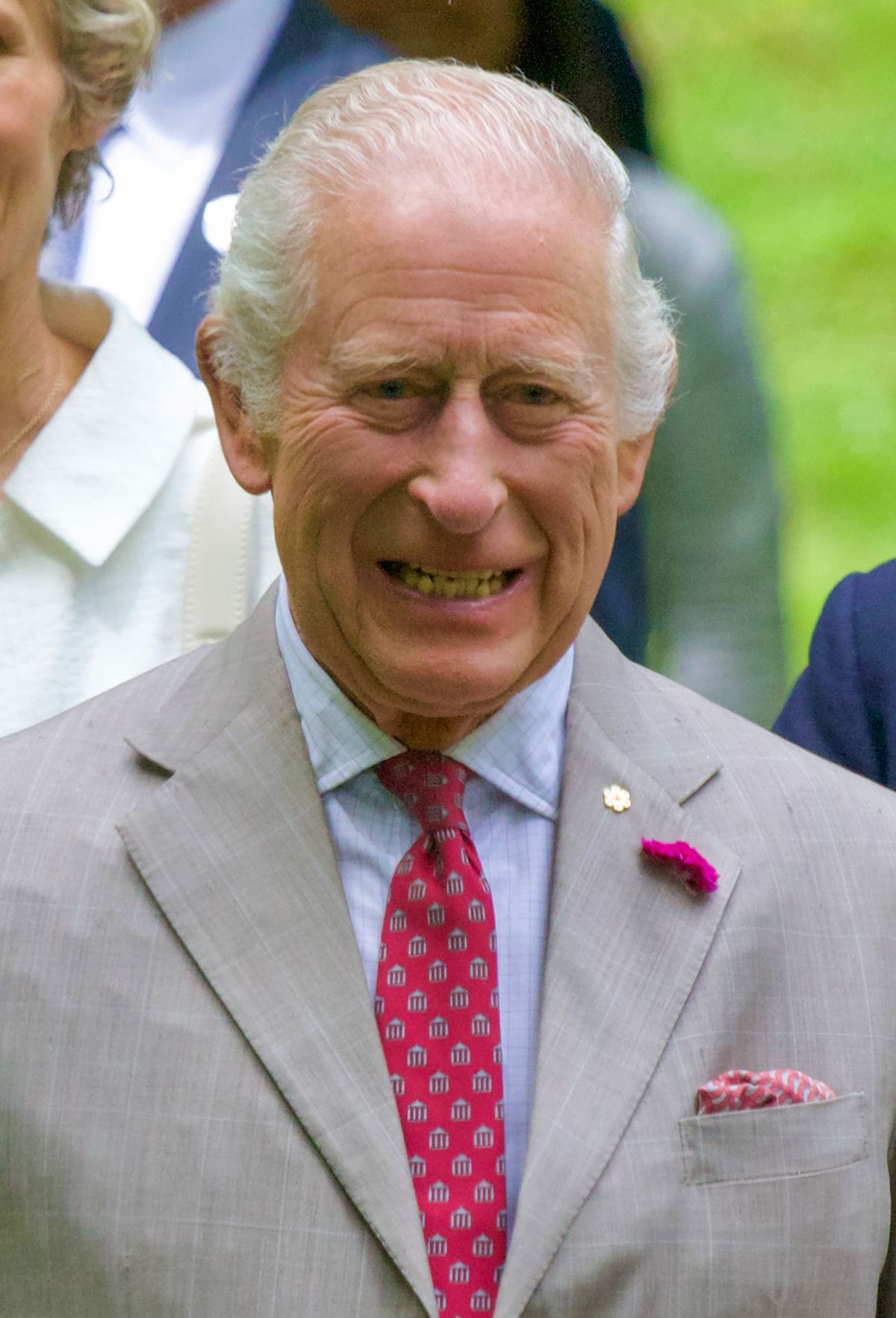
King Charles III is monarch of Canada and of 14 other independent countries within the Commonwealth of Nations. Despite this shared person, each country's monarchy is legally distinct. The King's role as monarch of Canada is separate from his position as monarch of any other country. This separation is reflected in his official Canadian title, King of Canada, and in the fact that only Canadian federal ministers may advise him on matters of the Canadian state.
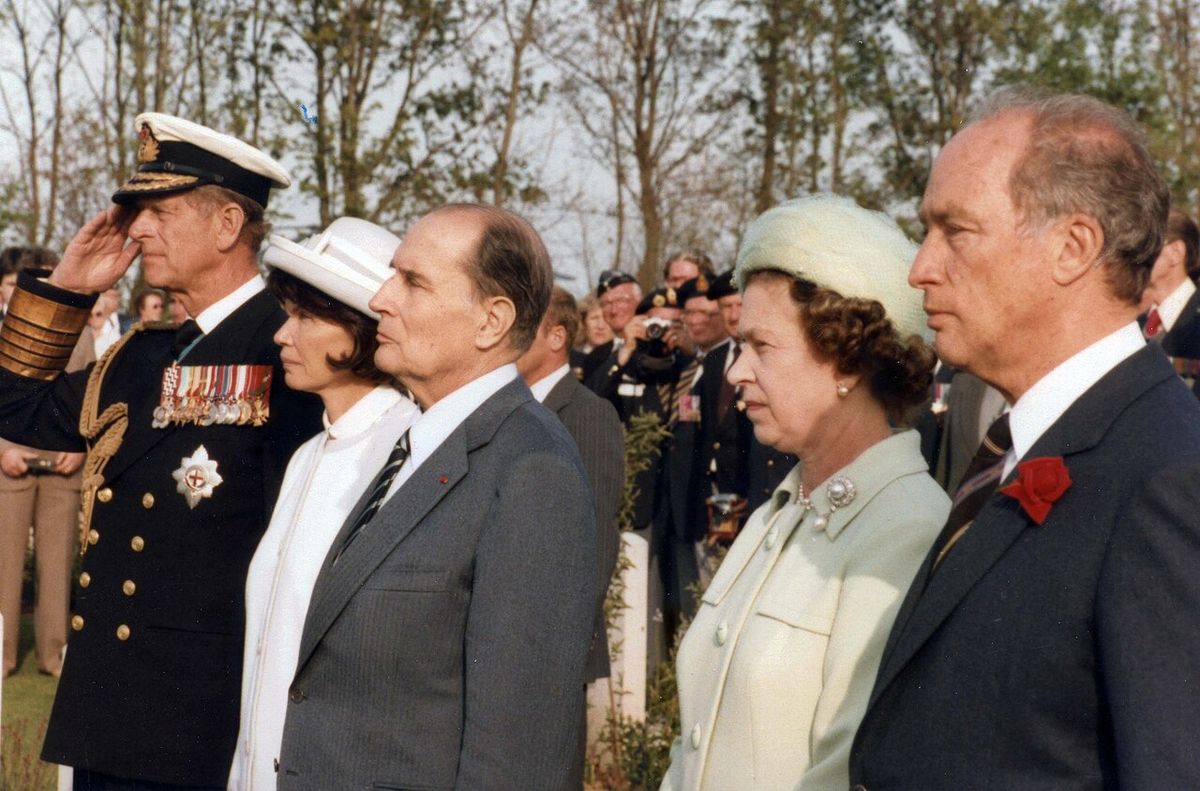
When the monarch or other members of the royal family are acting specifically as representatives of Canada, they use Canadian symbols such as the national flag, Canadian Forces uniforms, and Canadian-owned vehicles for travel. The monarch resides in the United Kingdom, and viceroys in Canada conduct most royal duties, but the sovereign can perform Canadian constitutional duties while abroad. Weekly communications between the governor general and the monarch keep the sovereign abreast of Canadian affairs. Financially, the sovereign only draws from Canadian funds for support when performing duties as King of Canada, either within the country or representing it overseas.
Canadians do not pay any money to the monarch or other royals for personal income or to support royal residences outside Canada. The monarchy has five key aspects within Canada: constitutional, national, international, religious, and the welfare and service monarchy. The national aspect includes ceremonies like the Speech from the Throne and Remembrance Day participation, while the international dimension encompasses the monarch's role as head of the Commonwealth. The religious aspect is seen in the monarch's title including 'by the grace of God' and the requirement that the sovereign be Anglican, as per the Act of Settlement, 1701.
The welfare monarchy is demonstrated through royal patronage of charities and organizations. Members of the royal family found and support charities, fundraise, and give patronage to civil and military groups across Canada. This combination of roles ensures the Crown touches various parts of Canadian public life. The Crown thus ceased to be an exclusively British institution and in Canada became a Canadian, or domesticated, establishment.
Succession, Demise of the Crown, and Regency
Succession to the Canadian throne is governed by common law and statutes such as the Bill of Rights, 1689, and the Act of Settlement, 1701, which are considered part of Canadian law. The current heir apparent is William, Prince of Wales, followed by his eldest child, Prince George. The relationship between the Commonwealth fields requires that any change to the rules of succession needs the unanimous consent of all these countries. This was demonstrated by the 2011 Perth Agreement and the subsequent Succession to the Throne Act, 2013, passed by the Canadian Parliament.
This act removed male preference from the succession and eliminated disqualification arising from marriage to a Roman Catholic. Canadian courts have ruled these succession laws are incorporated into the Constitution of Canada. Upon the death of a monarch, succession is immediate and automatic. The phrase 'the King is dead. Long live the King' reflects this instant transition.
The governor general-in-council publicly proclaims the new sovereign at Rideau Hall. For King Charles III in September 2022, the Chief Herald of Canada read the proclamation. A period of mourning follows, during which portraits of the deceased monarch are draped in black and government house staff wear black armbands. The prime minister is responsible for convening Parliament to table a resolution of loyalty and condolence, which is seconded by the leader of the official opposition.
The day of the sovereign's funeral, held in the United Kingdom, is typically declared a federal holiday in Canada. Canada has no laws allowing for a regency, should the sovereign be a minor or debilitated. As the Letters Patent, 1947, issued by King George VI permit the governor general to exercise almost all of the monarch's powers, the viceroy acts as the personal representative even if the monarch is incapacitated. The intent has been that the Canadian Parliament would pass a bill if the need for a regency arose.
- Heir Apparent: William, Prince of Wales.
- Second in Line: Prince George of Wales.
- Key Statute: Act of Settlement, 1701.
- Unanimity Requirement: All Commonwealth fields must agree to change succession rules.
- Recent Change: Succession to the Throne Act, 2013, enacted gender-neutral succession.
- Accession Proclamation: Made by the governor general-in-council at Rideau Hall.
Public Opinion and the Republican Debate
Public sentiment regarding the monarchy is mixed and has shifted following the death of Queen Elizabeth II. Support for the monarchy is highest among Baby Boomers and in Atlantic Canada and British Columbia. Support is lowest in Quebec. Despite the debate, a majority of Canadians expect the country will still be a monarchy twenty years from now.
Polls reveal a degree of personal detachment from the institution. Many Canadians find the royal family irrelevant to them personally. A significant portion believe the royal family is becoming less relevant over time. When asked about the continuation of the constitutional monarchy, a plurality believed it was time for it to end.
Favourability ratings for individual royals vary, with Princess Kate and Prince William viewed more favourably than King Charles III. The notion of Prince William becoming king in 2022 instead of Charles was supported by nearly half of Canadians. The transition to King Charles III has involved tangible national symbols. In 2023, the Government of Canada announced the King's portrait would appear on the obverse of Canadian coins.
A transitional 2023 coin design honoured Queen Elizabeth II. The new effigy by Canadian artist Steven Rosati was unveiled in late 2023. Most 2024-dated coins feature the King's portrait, facing left, opposite to the direction his mother faced. All Canadian coins bear the image of the monarch with the inscription Dei gratia Rex.
Legal Foundations and Key Court Rulings
The legal basis for the monarchy in Canada is woven from historic statutes and court rulings. The Supreme Court of Canada unanimously declared in the 1981 Patriation Reference that the English Bill of Rights of 1689 is in force as part of Canadian law. In O'Donohue v. Canada (2003), the Ontario Superior Court of Justice found the Act of Settlement, 1701, is part of the laws of Canada. The court also found its rules of succession are incorporated into the Constitution of Canada.
This was echoed in a 2014 Ontario Superior Court ruling, later upheld by the Court of Appeal of Ontario. That ruling stated the Act of Settlement is an imperial statute that became part of Canadian law. It also stated the rules of succession are part of the constitution's fabric. The process for altering succession laws highlights Canada's independent legal status.
During the 1936 abdication crisis of Edward VIII, the Canadian Cabinet, led by Prime Minister William Lyon Mackenzie King, refused to accept that whoever was monarch of the UK automatically became monarch of Canada. They insisted that the laws of succession were part of Canadian law. They said Canada's request and consent were required for the British abdication legislation to apply. This was formalized through Order-in-Council P.C. 3144 and the Succession to the Throne Act, 1937, which brought the Act of Settlement into Canadian law.
More recently, the Succession to the Throne Act, 2013, was challenged on the basis that it required unanimous provincial consent under the Constitution Act, 1982. The Quebec Superior Court dismissed this challenge. The Quebec Court of Appeal later also dismissed the challenge. These courts ruled that Canada did not need to change its own laws or constitution for the amended British succession rules to be effective.

The Crown in Canadian Life and Symbols
The monarchy manifests in numerous aspects of Canadian public life and symbolism. The sovereign is the fount of honour, and various Canadian orders, decorations, and medals are issued in the Crown's name. Key ceremonies involving the Crown include the Speech from the Throne, which opens Parliament. Another key ceremony is the presentation of new governors general with their commissions.
Royal tours by the monarch and other members of the royal family have been a consistent feature. Queen Elizabeth II undertook 22 official tours of Canada during her reign. The monarch's annual Christmas Message is also broadcast to Canadians. Beyond ceremony, the Crown is a legal entity central to the state's operation.
All prosecutions are carried out in the monarch's name, as in 'R. v. [Accused]'. The Crown is also a party to all civil litigation involving the government. The Oath of Allegiance is sworn to the monarch as a symbol of loyalty to the Canadian state and its constitution. This oath is sworn by new citizens, members of the Canadian Armed Forces, and parliamentarians.
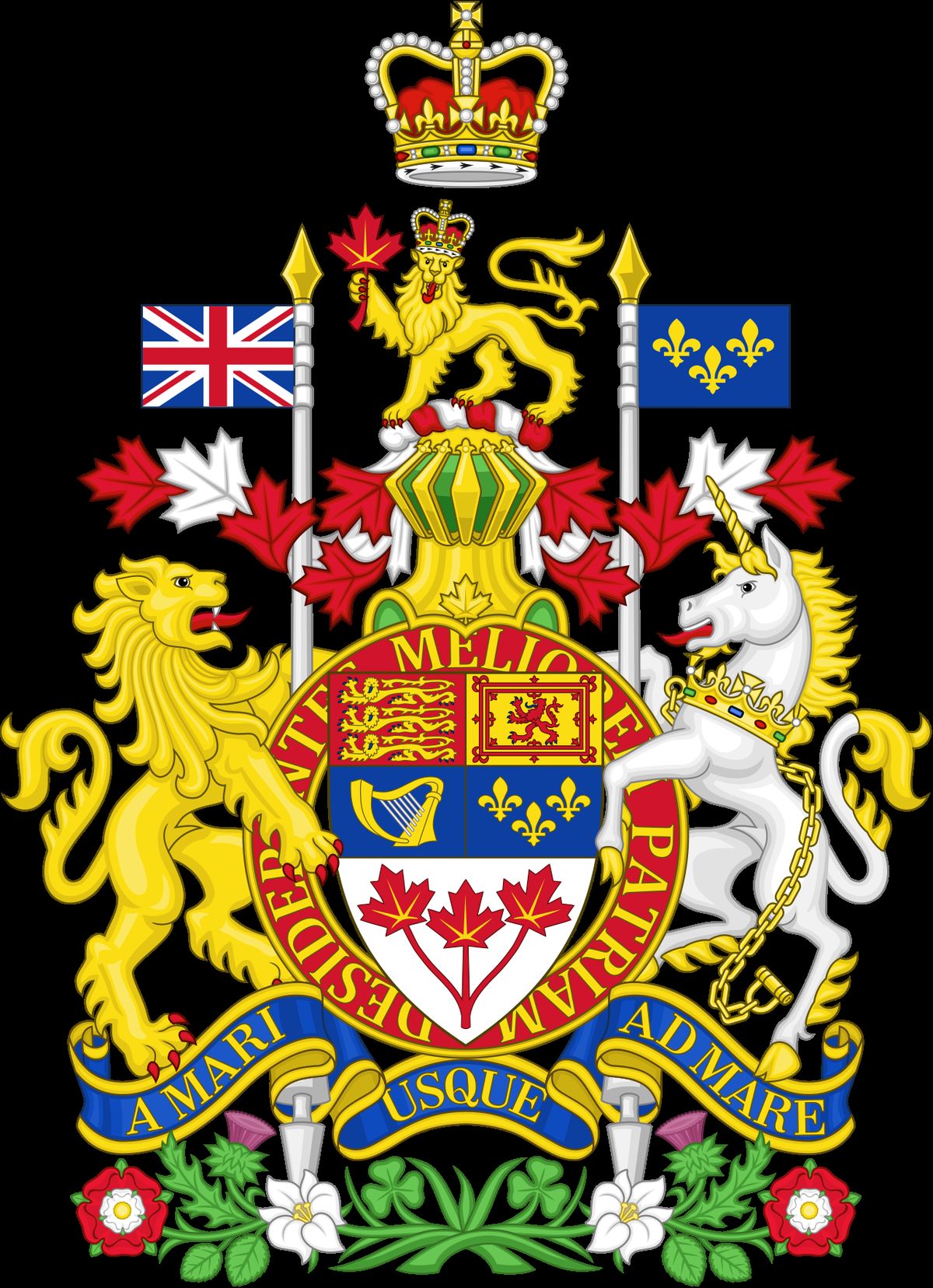
The royal arms of Canada and various other symbols, such as the crown on police and military badges, are daily reminders of the monarchy's presence. The institution also has a philanthropic dimension, known as the welfare monarchy. Members of the royal family serve as patrons for hundreds of Canadian charitable, cultural, and military organizations. This patronage provides visibility and support for a wide range of causes.
| Symbol/Area | Manifestation |
|---|---|
| Currency | Monarch's portrait on coins and banknotes |
| Legal System | Prosecutions in the monarch's name (R. v.) |
| Oaths | Oath of Allegiance sworn to the monarch |
| Honours System | Orders (e.g., Order of Canada) issued in Crown's name |
| Ceremonial | Speech from the Throne, royal tours |
| Patronage | Royal support for charitable and cultural organizations |
Questions about Monarchy of Canada
Who is the current King of Canada?
The current monarch of Canada is King Charles III. He acceded to the throne on 8 September 2022 following the death of his mother, Queen Elizabeth II. He was officially proclaimed Sovereign of Canada in a ceremony at Rideau Hall in Ottawa. His coronation took place on 6 May 2023 in the United Kingdom.
What is the role of the governor general?
The governor general of Canada is the monarch's representative in the federal sphere. This viceroy carries out almost all of the royal governmental and ceremonial duties within Canada. These duties include giving royal assent to bills and summoning and dissolving Parliament on the Prime Minister's advice. The governor general is appointed by the monarch on the advice of the Canadian Prime Minister.
Do Canadians pay money to the royal family?
Canadians do not pay any money to the King or any other member of the royal family for personal income. Canadians also do not pay to support royal residences outside of Canada. The sovereign only draws from Canadian funds for support in the performance of his duties when in Canada or acting as King of Canada abroad. These expenditures are for the performance of his duties as monarch of Canada.
What is the public support for the monarchy in Canada?
Public opinion is divided on the monarchy in Canada. Support is highest among older generations and in Atlantic Canada. Support is lowest in the province of Quebec. Polls show a degree of personal detachment, with many Canadians finding the royal family irrelevant to them.
How is the new monarch proclaimed in Canada?
Upon a monarch's death, succession is immediate and automatic. The governor general-in-council meets at Rideau Hall to publicly proclaim the new sovereign. For King Charles III, the Chief Herald of Canada read the royal proclamation aloud in September 2022. The Prime Minister announces the demise in Parliament and moves for an address of loyalty and condolence.
Can Canada change the rules of royal succession?
Canada can change the rules of royal succession, but any change requires the unanimous consent of all Commonwealth fields. This is due to the shared nature of the monarchy. Canada implemented changes from the 2011 Perth Agreement through its own Succession to the Throne Act, 2013. Canadian courts have ruled that succession rules are incorporated into the Constitution of Canada.
Sources and further reading
- Monarchy of Canada (Wikipedia)
- Canada Monarchy Support Declines (angusreid.org)
- Public Appetite for a Republic Dwindles Across Canada (researchco.ca)
- Honouring Tradition Through Transition: A tribute to ... (mint.ca)
Checked by the Nosy Mag desk. Last updated 2026-10-28.