LGBTQ rights in Canada
LGBTQ rights in Canada are among the most extensive in the world. The legal framework began with the decriminalization of same-sex activity in 1969 and has progressed through landmark court decisions, nationwide same-sex marriage legalization in 2005, and a statutory ban on conversion therapy in 2022. These rights are constitutionally protected under the Canadian Charter of Rights and Freedoms, which the Supreme Court has interpreted to include sexual orientation and gender identity. Public acceptance is strong, with major cities hosting Pride celebrations and Canada ranking highly on global indices for LGBTQ safety and equality.
Historical Foundations and Indigenous Traditions
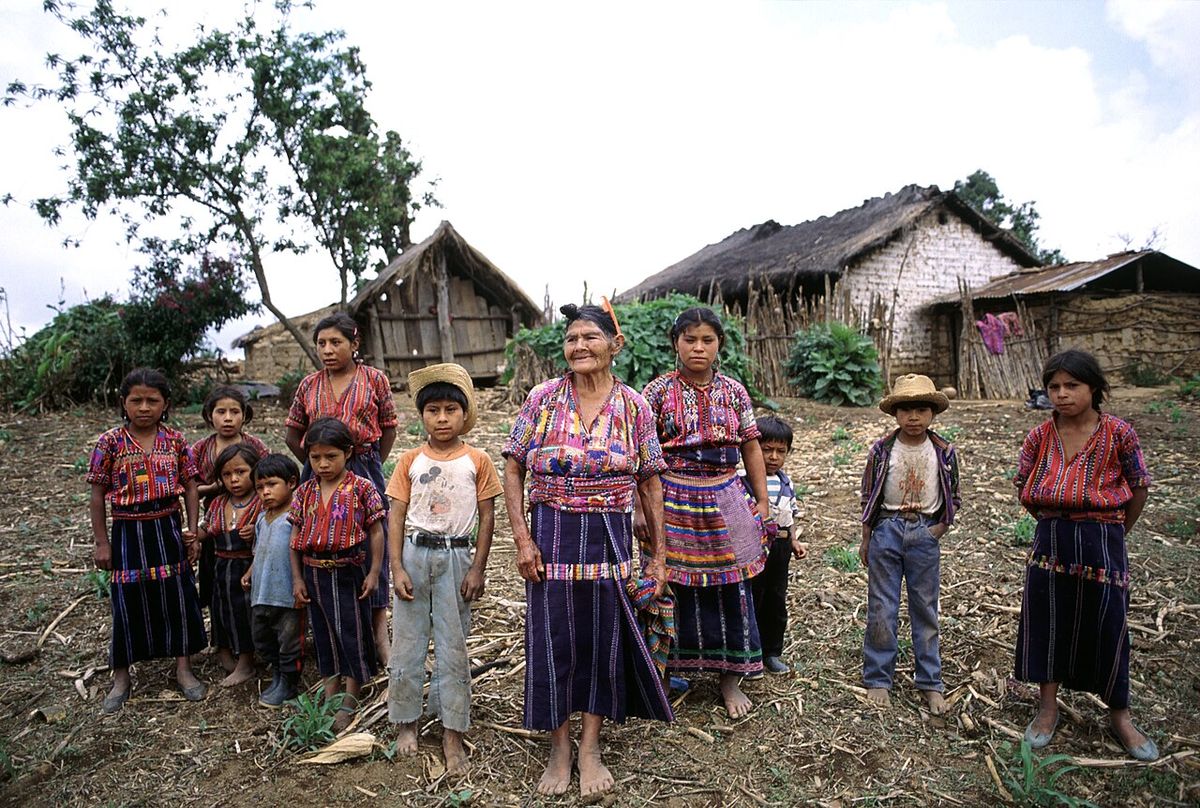
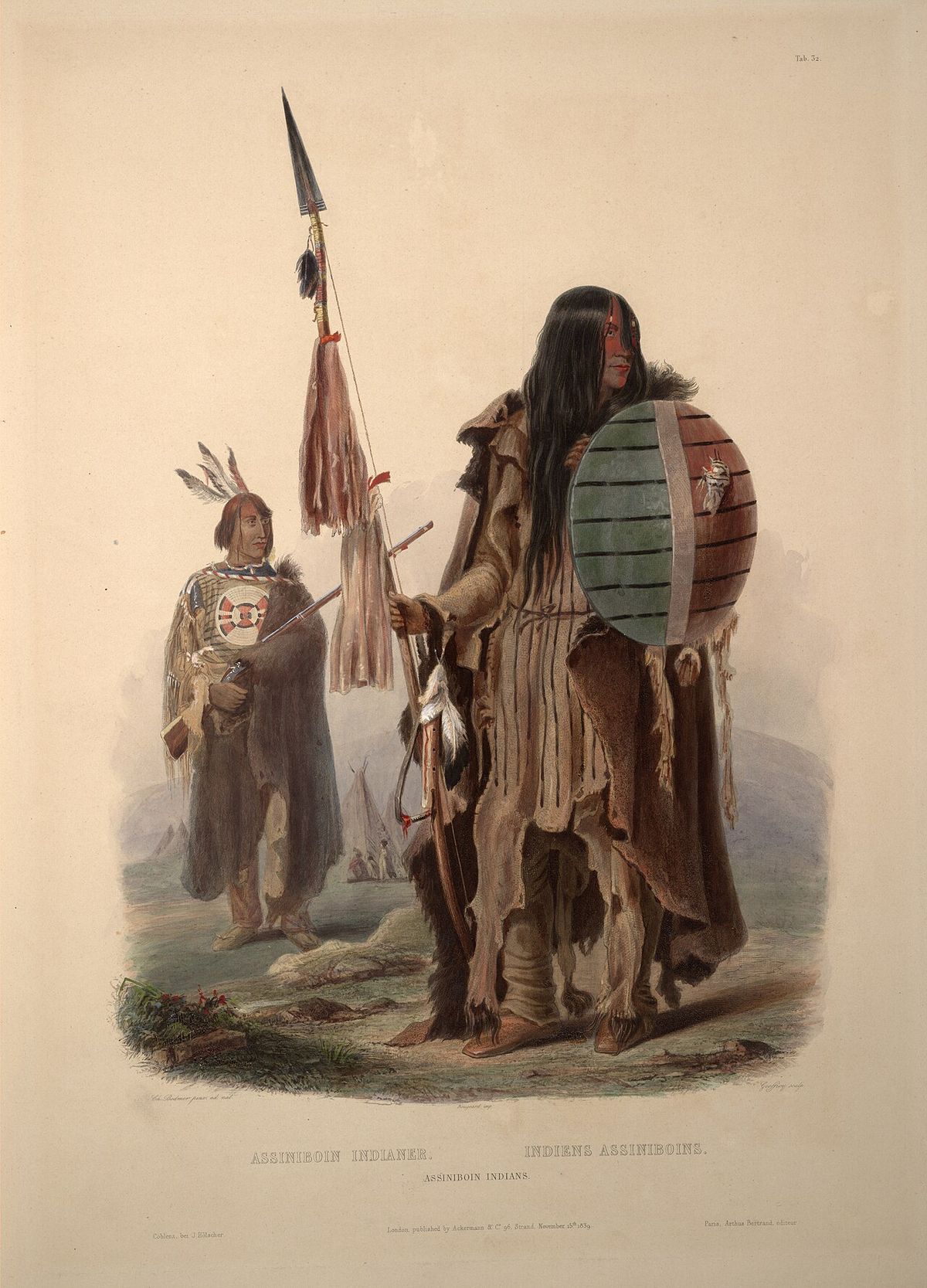
The history of gender and sexual diversity in Canada predates European colonization, with many Indigenous nations recognizing distinct gender roles and identities. Various groups had specific terms for individuals whose gender identity or expression differed from their sex assigned at birth. The Cree used napêw iskwêwisêhot for those assigned male at birth who lived as women, and iskwêw ka napêwayat for the opposite. The Ktunaxa term titqattek described women who took on masculine roles like hunting and warfare, while the Blackfoot term aakíí'skassi referred to men who dressed and lived as women. Other groups, including the Inuit, Assiniboine, Tlingit, Tsimshian, and Ojibwe, had their own recognized terms and roles for such individuals, who were often held in positions of reverence as spiritual healers, caretakers, or warriors. European colonizers frequently mislabeled these individuals with derogatory terms like "berdache," and the spread of Christianity led to the suppression of these traditions. In the early 1990s, Indigenous communities began reclaiming these concepts, leading to the modern umbrella term "two-spirit," often incorporated into acronyms like LGBTQ2S or 2SLGBTQ+ to honour this cultural heritage.
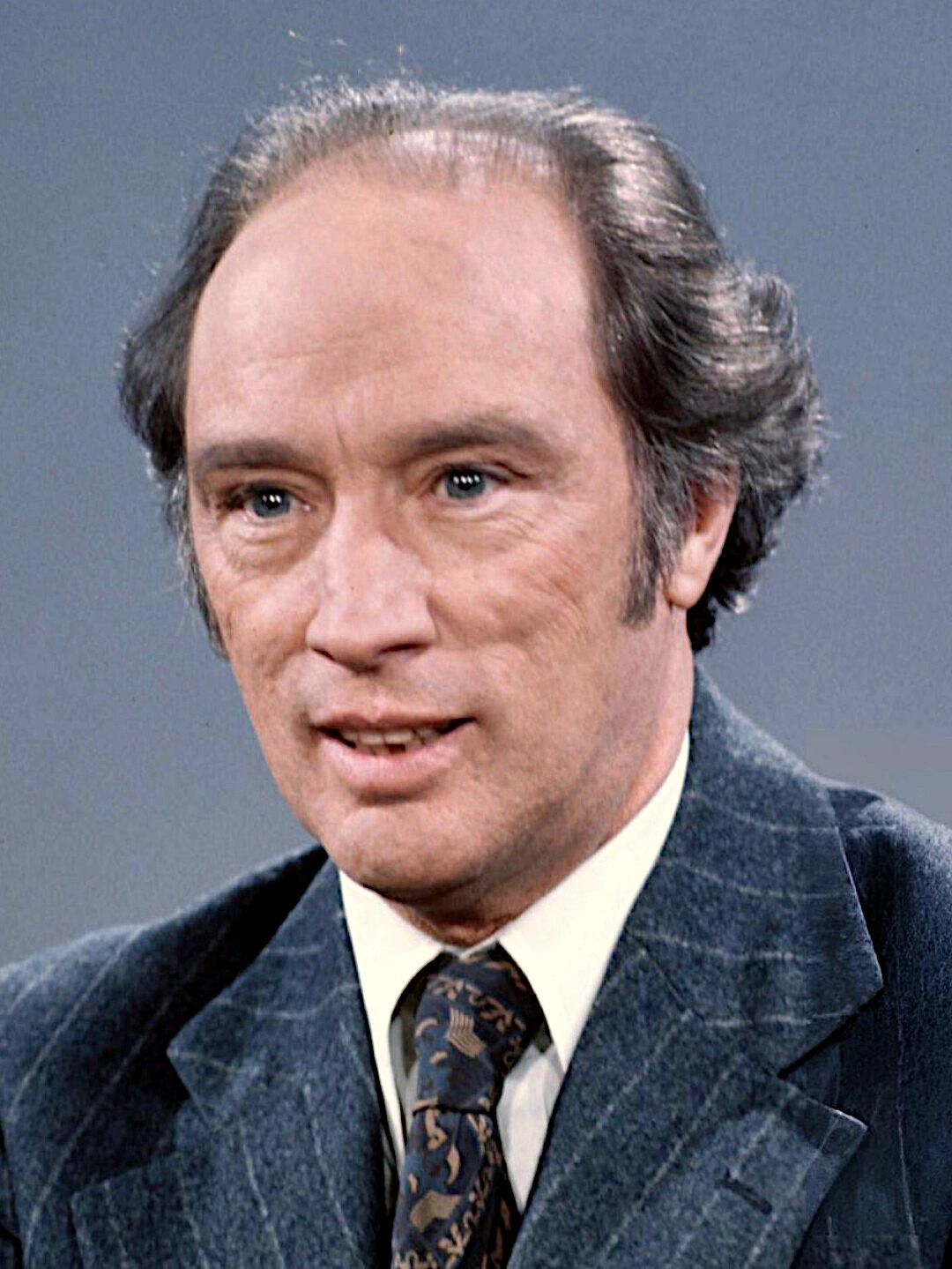
Under British colonial law, same-sex sexual activity between men was a capital crime, though no records of executions exist. In the 19th and early 20th centuries, laws against "gross indecency" were enforced. A significant case was that of Everett George Klippert, who in 1965 was sentenced to indefinite imprisonment as a "dangerous sexual offender" after admitting to consensual sexual relations with men. His case became a catalyst for change. On June 27, 1969, the Criminal Law Amendment Act, commonly known as Bill C-150, received royal assent, decriminalizing private homosexual acts between consenting adults over the age of 21. Then-Justice Minister Pierre Trudeau famously stated, "There's no place for the state in the bedrooms of the nation." Up until 1973, homosexuality was classified as a mental illness in North America, leading to harmful practices like electroshock therapy and lobotomies, before being declassified following a decision by the American Psychiatric Association.
Constitutional Protections and the Charter
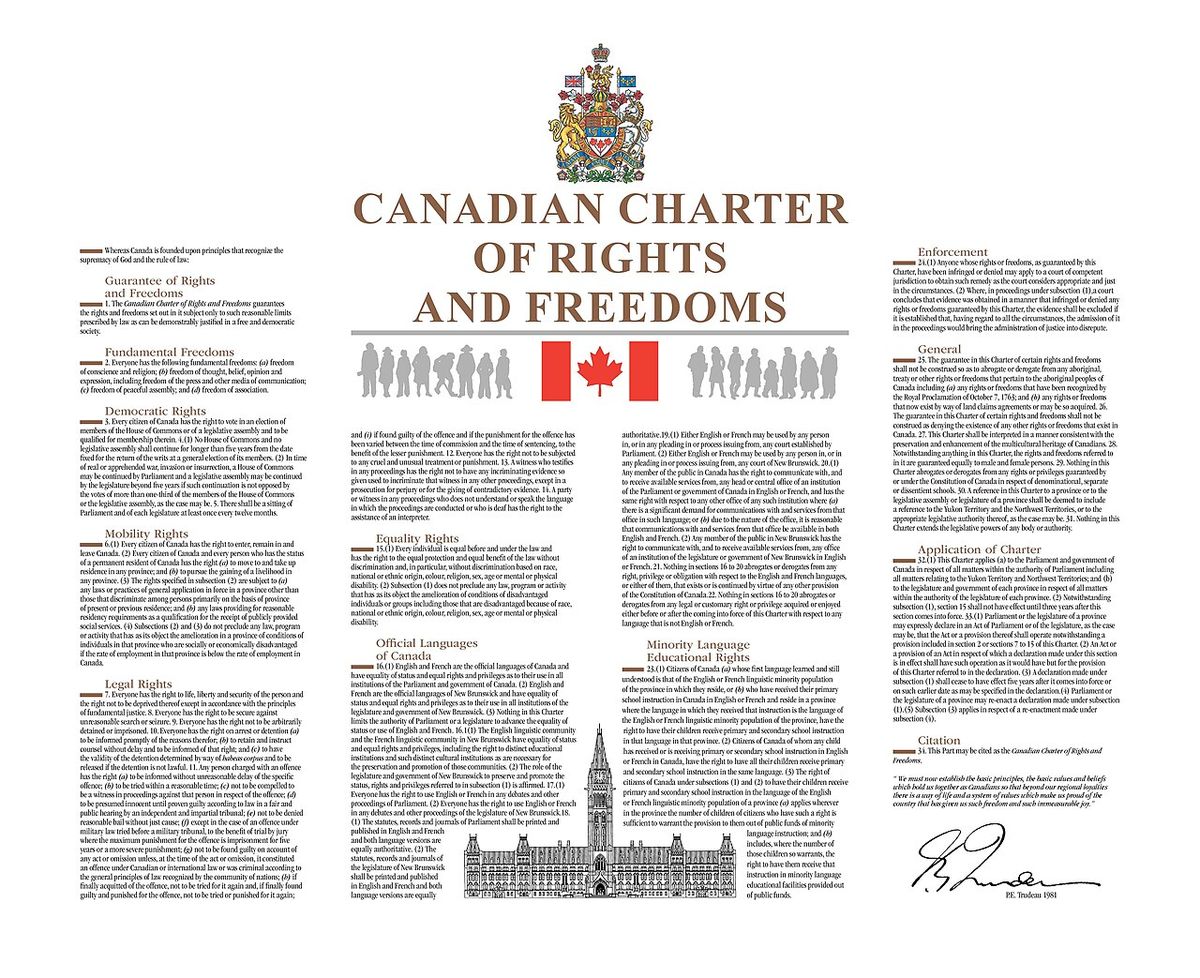
The Canadian Charter of Rights and Freedoms, enacted in 1982 and in force since 1985, forms the central legal instrument for LGBTQ rights. While the Charter does not explicitly list sexual orientation or gender identity, the Supreme Court of Canada has interpreted its equality rights clause, Section 15, to provide comprehensive protection. In the landmark 1995 case Egan v Canada, the Court ruled that sexual orientation is an "analogous ground" to those explicitly listed in Section 15, such as race and sex, thereby granting constitutional protection against discrimination. This interpretation was later extended to include transsexuality and HIV/AIDS status under the grounds of sex and disability. Section 15 applies to all government laws and actions, but not directly to the private sector. However, courts must interpret all laws, including provincial human rights statutes, consistently with Charter values, ensuring a broad influence on Canadian law.
The Charter also contains mechanisms that can limit or suspend these rights. Section 1 allows governments to justify "reasonable limits" on rights in a free and democratic society, tested through criteria known as the Oakes Test. More notably, Section 33, the notwithstanding clause, permits Parliament or a provincial legislature to declare that a law shall operate temporarily despite violating certain Charter rights, including equality rights. This clause has been used by provinces in matters affecting LGBTQ youth. In 2023, Saskatchewan invoked it for a law requiring parental consent for students under 16 to use preferred names or pronouns in school. In 2024, Alberta passed several laws affecting transgender youth and used the notwithstanding clause in 2025 via Bill 9 to shield them from immediate court challenges. The federal Parliament has never used the notwithstanding clause.
Legislative Milestones and Legal Recognition
Following decriminalization, a series of legislative and judicial milestones solidified LGBTQ equality. A major step was the 1998 Supreme Court decision in Vriend v Alberta, which ruled that the province's omission of sexual orientation from its human rights law was itself a violation of the Charter, compelling all jurisdictions to include it. By 2017, all provinces, territories, and the federal government explicitly prohibited discrimination based on both sexual orientation and gender identity in their human rights acts. The legalization of same-sex marriage began provincially, with Ontario becoming the first jurisdiction to legalize it in 2003. On July 20, 2005, Canada enacted the federal Civil Marriage Act, becoming the fourth country worldwide and the first in the Americas to legalize same-sex marriage nationally. Subsequent legal recognitions included adoption rights for same-sex couples across all provinces and territories, and the ability for transgender people to change their legal gender markers, though the specific rules vary by jurisdiction.
In 2022, Canada became the third country in the world and the first in North America to statutorily ban conversion therapy nationwide for both minors and adults. This made it a crime to subject anyone to conversion therapy as defined by law in the Criminal Code. The age of consent for sexual activity was equalized at 16 in 1987. Close-in-age exemptions exist for youth aged 12 to 15, and a higher age of consent of 18 applies where a relationship of trust, authority, or dependency exists. These legislative changes are part of major legal shifts in support of LGBTQ rights in Canada over recent decades. The transformation has moved from a history of criminalization to a framework of legal recognition and protection.
- 1969: Decriminalization of homosexual acts (Bill C-150).
- 1995: Supreme Court rules sexual orientation is protected under Charter (Egan v Canada).
- 1998: Supreme Court rules human rights laws must include sexual orientation (Vriend v Alberta).
- 2003: Same-sex marriage legalized in Ontario.
- 2005: Civil Marriage Act legalizes same-sex marriage nationwide.
- 2017: All jurisdictions explicitly include gender identity in human rights laws.
- 2022: Nationwide criminal ban on conversion therapy enacted.
Division of Powers and Human Rights Jurisdiction
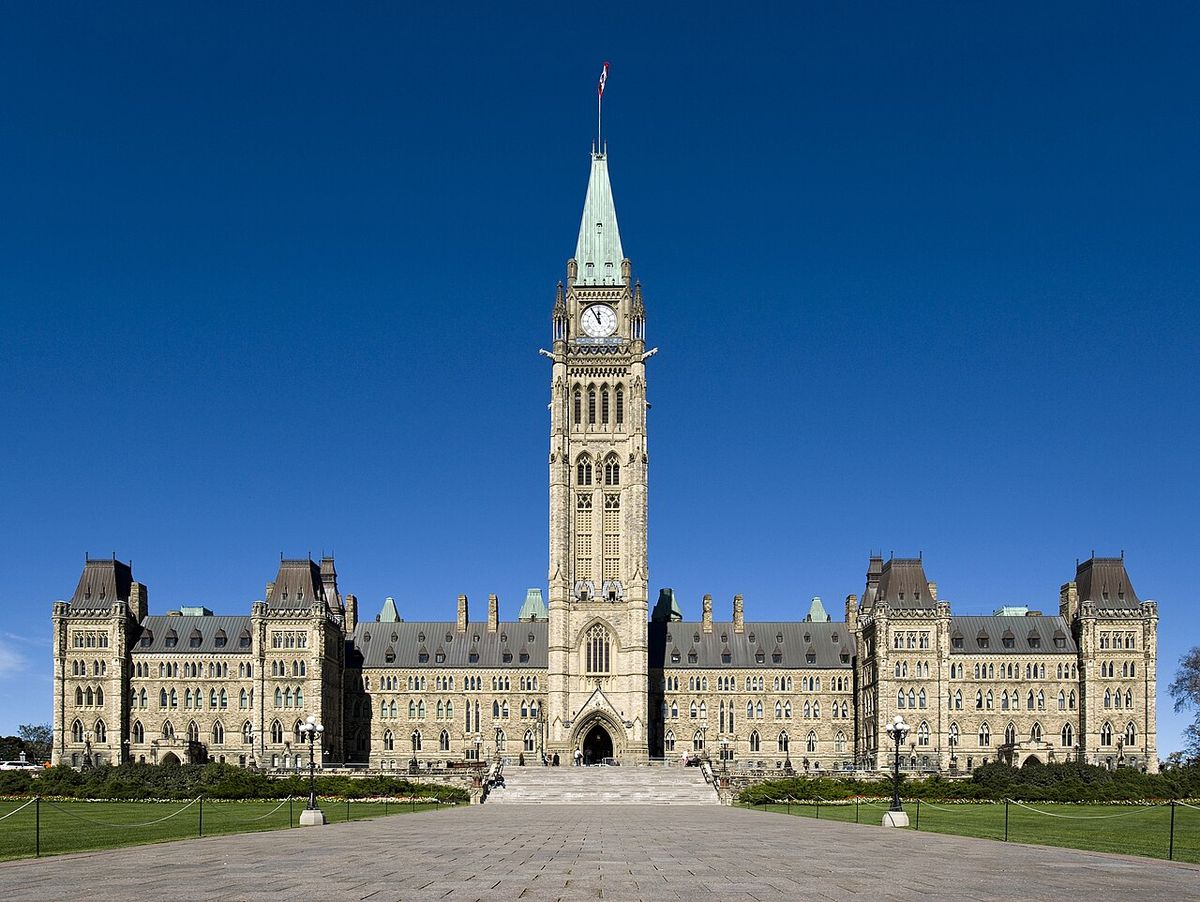
The Canadian federation divides law-making powers between the federal and provincial governments, which significantly impacts how LGBTQ rights are implemented. The federal government holds exclusive authority over criminal law and marriage. This power has been used to decriminalize same-sex activity, legalize same-sex marriage, and ban conversion therapy. Provincial governments, however, have jurisdiction over a wide array of areas critical to daily life, including education, health care, child welfare, adoption, vital statistics for changing gender markers, and most employment and housing regulations. Consequently, while the federal Charter sets the standard, the specific rules for changing a birth certificate, accessing gender-affirming care, or filing a discrimination complaint against a landlord are determined by provincial law. This division means that advocacy for LGBTQ rights often requires parallel efforts at both the federal and provincial levels to achieve consistent protection across the country.
This division extends to human rights enforcement. The federal Canadian Human Rights Act applies mainly to federal government institutions and federally regulated industries like banks and airlines. Provincial human rights acts have a much broader reach, covering most schools, hospitals, rental housing, and private businesses. A complaint about discrimination at a restaurant, for example, would be handled by a provincial human rights commission or tribunal. This system ensures that protections against discrimination based on sexual orientation and gender identity are woven into the fabric of daily commercial and social life across Canada's provinces and territories.
Public Opinion and Social Acceptance
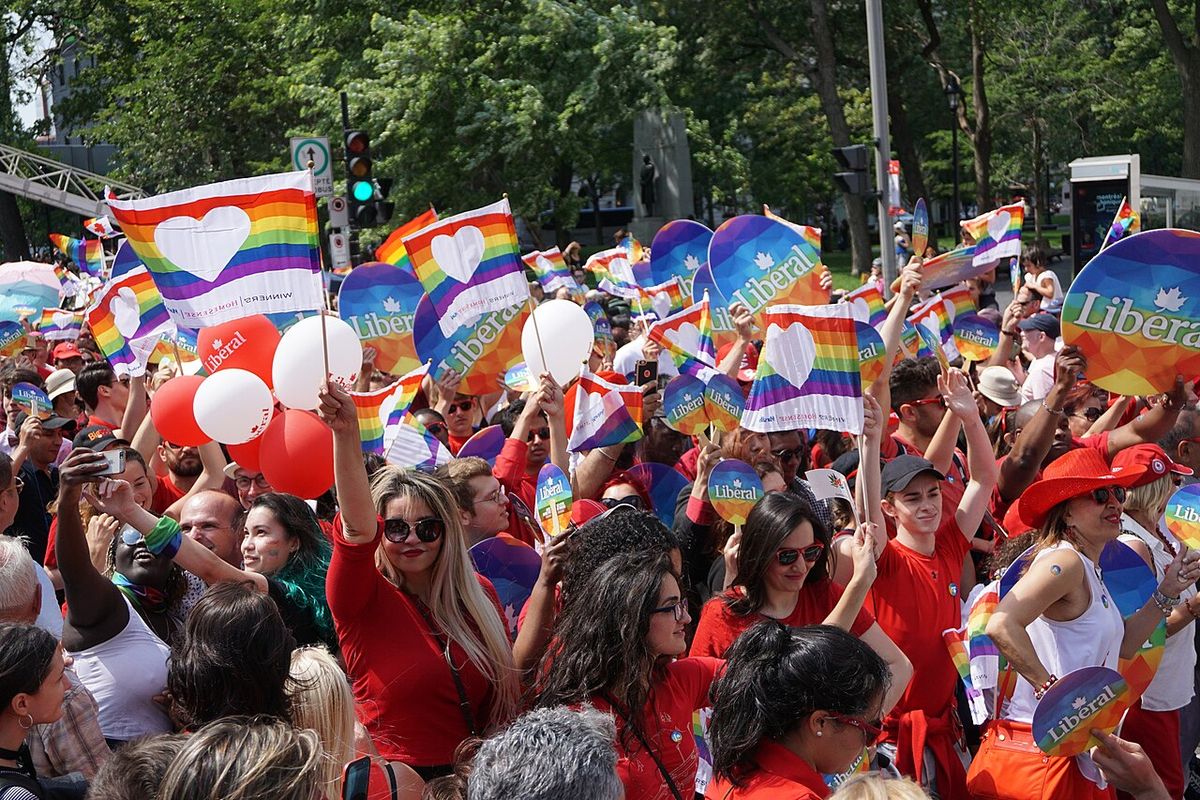
Legal advancements in Canada have been accompanied by steadily high levels of public support for LGBTQ rights, though nuances exist. A 2020 Pew Research study found 85% of Canadians favoured social acceptance of homosexuality, rising to 92% among those aged 18 to 29. Polls from 2013 showed strong majority support for same-sex marriage, with 70% agreeing same-sex couples should have equal adoption rights and 76% believing they could raise children as successfully as other parents. A 2020 Privy Council Office poll indicated 91.8% of Canadians would be comfortable with a gay, lesbian, or bisexual neighbour, and 87.6% with a transgender neighbour. Canada's reputation is reflected in international indices, ranking first in the 2023 LGBTQ+ Danger Index, first in the 2024 Gay Travel Index, and ninth in the 2024 Equaldex Equality Index.
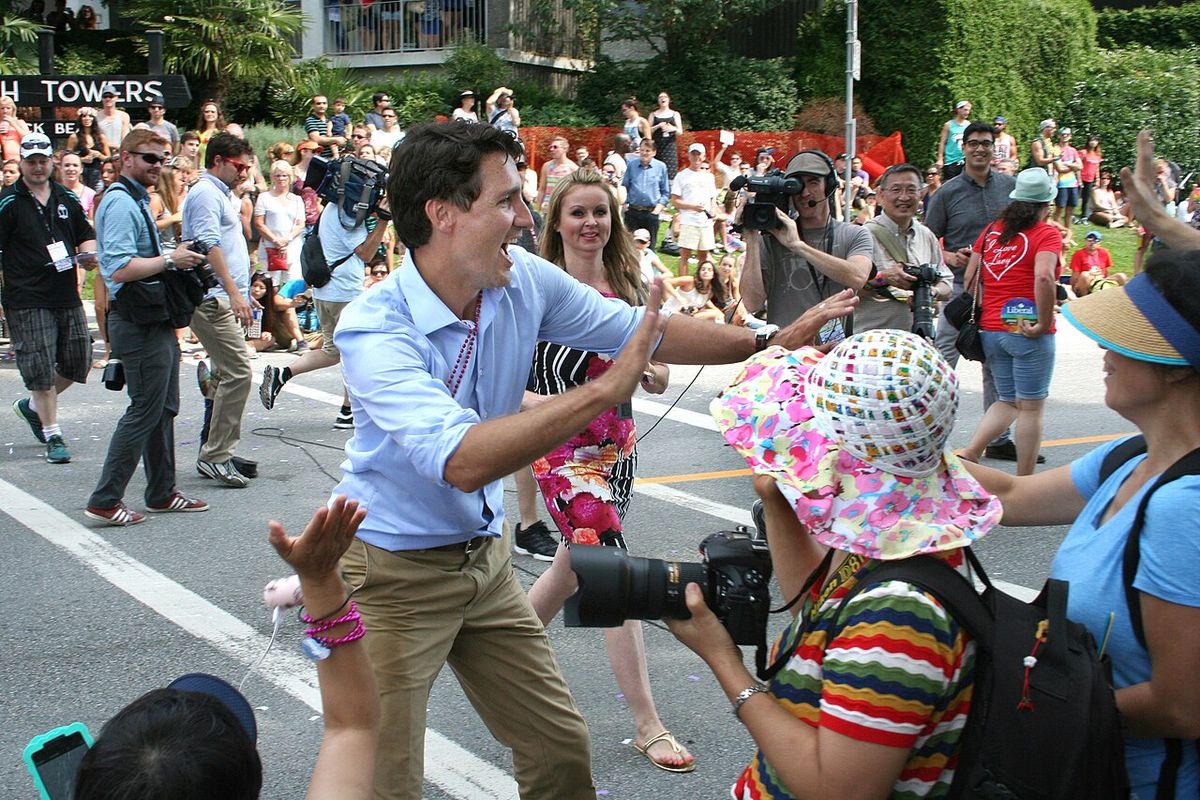
Recent polling reveals more complex attitudes, particularly regarding transgender issues. A 2024 Ipsos global survey found a strong majority of Canadians support protecting transgender people from discrimination in employment, housing, and business access. However, support for specific measures like health insurance coverage for gender transition or expansive gender options on government documents was lower and had declined since 2023. The survey also noted generational divides, with younger Canadians more supportive of specific actions like access to single-sex facilities corresponding to gender identity, while older Canadians showed higher general support for anti-discrimination protections. Major urban centres like Toronto's Church and Wellesley, Montreal's Gay Village, Vancouver's Davie Village, and Ottawa's Bank Street Gay Village host visible communities and annual Pride celebrations that draw participation from all levels of government.
| Support Measure | Level of Support | Context |
|---|---|---|
| Social acceptance of homosexuality | 85% | 2020 Pew Research |
| Comfort with LGB neighbour | 91.8% | 2020 Privy Council Office poll |
| Comfort with transgender neighbour | 87.6% | 2020 Privy Council Office poll |
| Protection from discrimination for transgender people | Strong majority | 2024 Ipsos survey |
| Health insurance for gender transition | Lower support, below global average | 2024 Ipsos survey |
International Advocacy and Current Terminology
Canada actively promotes LGBTQ rights on the international stage, advocating for the human rights of lesbian, gay, bisexual, transgender, queer, two-spirit, and intersex persons globally. The government uses bilateral and multilateral channels to oppose the criminalization of consensual same-sex conduct, which persists in over 70 countries, and to condemn violence and discrimination. Canada is a founding member of key international coalitions, including the UN LGBTI Core Group and the Equal Rights Coalition, and participates in the Organization of American States LGBTI Core Group. These groups work within international frameworks to advance equality and challenge laws that impose harsh penalties, including the death penalty which exists in six countries. This advocacy is based on the principle that human rights are universal and apply to all people regardless of sexual orientation or gender identity.
Terminology in Canada has evolved to be more inclusive of Indigenous identities. The acronym 2SLGBTQ+ is increasingly used, placing "2S" for "two-spirit" first to recognize the precedence of Indigenous peoples and their traditional concepts of gender and sexuality. The federal government often uses LGBTQ2I in its international communications. This shift reflects a broader commitment to reconciliation and the recognition that Indigenous traditions of gender diversity were suppressed by colonization. Canada's international advocacy focuses on ensuring all people, regardless of sexual orientation or gender identity, can enjoy the universal human rights declared in documents like the Universal Declaration of Human Rights.
- UN LGBTI Core Group: Informal UN group where Canada works to advance LGBTI rights.
- Equal Rights Coalition (ERC): Intergovernmental group dedicated to protecting LGBTI human rights.
- OAS LGBTI Core Group: Policy-coordination group within the Organization of American States.
- Key Advocacy Areas: Decriminalization, anti-violence, anti-discrimination, and health equity.
Questions about LGBTQ rights in Canada
What is the 'notwithstanding clause' and how has it been used for LGBTQ issues?
Section 33 of the Charter, the notwithstanding clause, allows Parliament or a provincial legislature to pass a law that operates despite certain Charter rights for a five-year period. It has been used by provinces in recent years concerning LGBTQ youth. Saskatchewan invoked it in 2023 for a law on parental consent for student pronoun use. Alberta used it in 2025 to shield laws affecting transgender youth from court challenges. The federal government has never used this clause.
What does '2S' mean in 2SLGBTQ+?
The "2S" stands for "two-spirit. This is a modern umbrella term proposed by Indigenous groups in the early 1990s to honour traditional and cultural gender diversity. It refers to a person who embodies both a masculine and a feminine spirit, a concept recognized by many First Nations groups before colonization. The term is frequently used by First Nations groups today and is included in acronyms like LGBT2S or LGBTQ2S to denote two-spirited people.
Are there laws against conversion therapy in Canada?
Yes. In 2022, Canada enacted a nationwide criminal ban on conversion therapy, becoming the third country in the world and the first in North America to do so. The law makes it a crime to subject anyone, minor or adult, to practices aimed at changing their sexual orientation or gender identity. The ban is statutory, meaning it is written into the Criminal Code of Canada.
How does the Canadian Charter of Rights protect LGBTQ people?
The Charter's Section 15 guarantees equality before and under the law. In the 1995 case Egan v Canada, the Supreme Court ruled that sexual orientation is an "analogous ground" protected under this section, offering constitutional protection against discrimination by governments. This interpretation has been extended to cover gender identity and expression. While the Charter applies directly to government actions, it guides the interpretation of all laws, including provincial human rights codes that protect against private-sector discrimination.
When was homosexuality decriminalized in Canada?
Same-sex sexual activity between consenting adults in private was decriminalized in Canada on June 27, 1969. This occurred when the Criminal Law Amendment Act, 1968-69, also known as Bill C-150, received royal assent. The decriminalization applied to private acts between individuals over the age of 21. The age of consent for homosexual acts was lowered to 14 in 1987, equalizing it with heterosexual acts, and was later raised to 16 in 2019.
Is same-sex marriage legal across Canada?
Yes, same-sex marriage is legal across Canada. The country became the fourth in the world and the first in the Americas to legalize same-sex marriage nationwide in 2005. This followed the enactment of the federal Civil Marriage Act on July 20, 2005. Legalization occurred first in Ontario in 2003, and by the time of the federal law, eight of ten provinces and one of three territories had already legalized it.
Sources and further reading
- LGBTQ rights in Canada (Wikipedia)
- The human rights of lesbian, gay, bisexual, transgender ... (international.gc.ca)
- 2SLGBTQ+ History (thecanadianencyclopedia.ca)
- Canadians Support Protection of The LGBT+ Community ... (ipsos.com)
Checked by the Nosy Mag desk. Last updated 2026-10-27.