Gregor Robertson
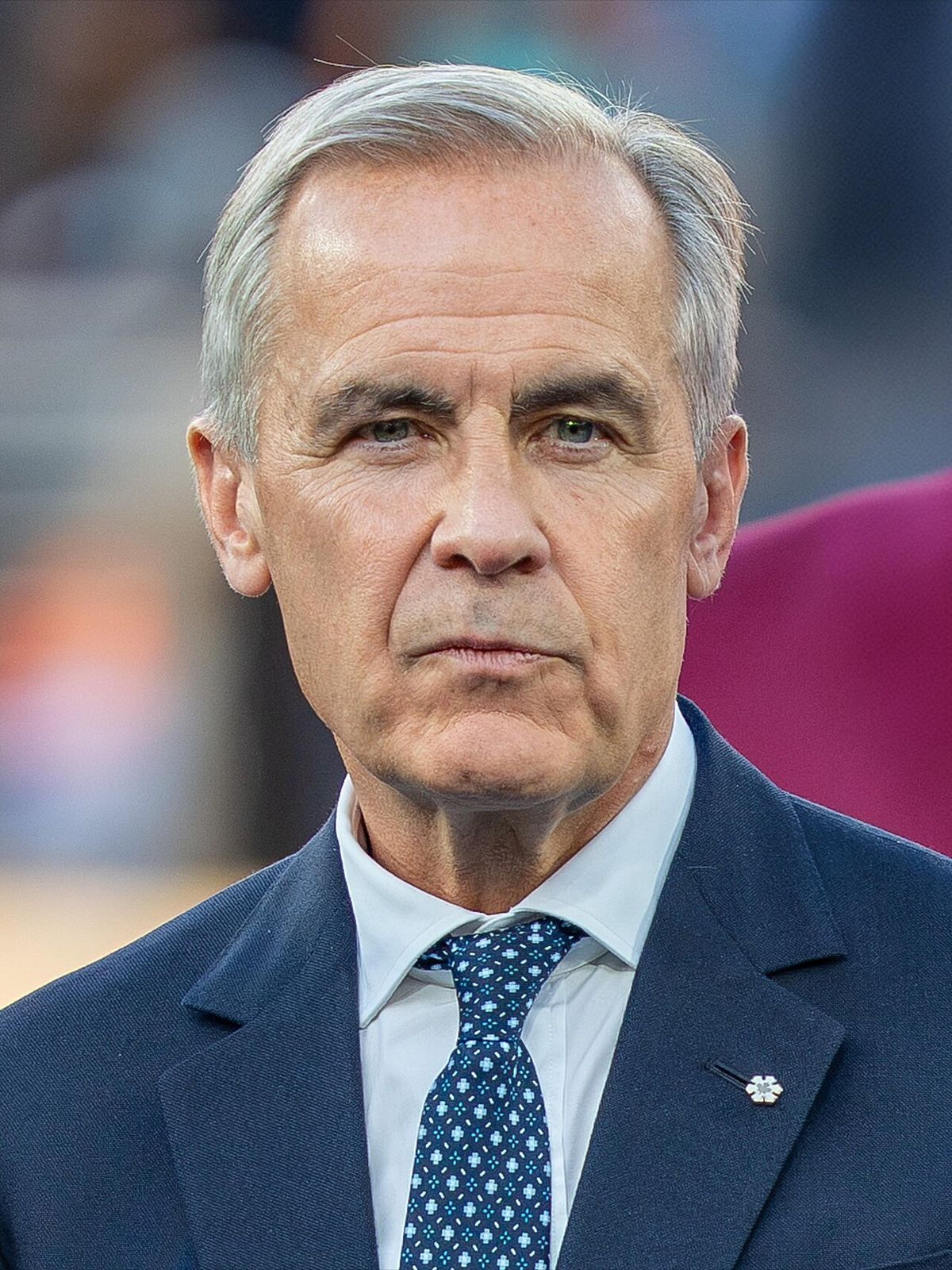
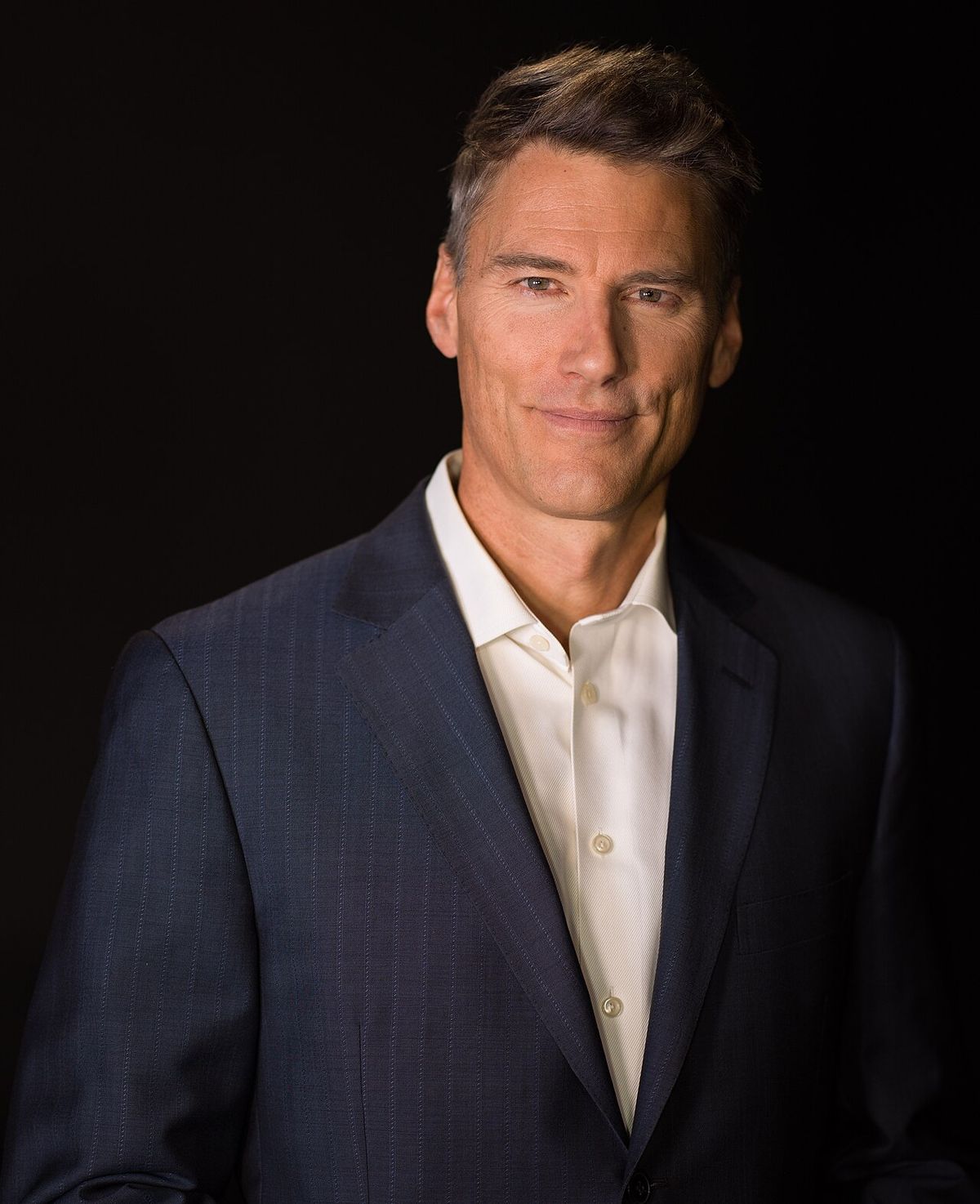
Gregor Angus Bethune Robertson is a Canadian politician and businessman who currently serves as the federal Minister of Housing and Infrastructure and the Minister responsible for Pacific Economic Development Canada. He was first elected as the Member of Parliament for Vancouver Fraserview, South Burnaby in the 2025 federal election as a Liberal candidate. Robertson is best known for his decade-long tenure as the 39th mayor of Vancouver, British Columbia, from 2008 to 2018, during which he championed ambitious environmental and housing policies. His political career, which also includes service as a provincial Member of the Legislative Assembly, has been defined by a focus on urban sustainability, economic development, and addressing the housing affordability crisis.
Early Life and Pre-Political Career
Gregor Robertson was born in North Vancouver in 1964 to a family of Scottish descent. His father, John Robertson, was a lawyer, and his mother, Corneil Therrien, was a teacher. After his parents divorced, he spent parts of his youth in Portola Valley, California, and North Vancouver, graduating from Carson Graham Secondary School in 1982. He attended Colorado College and the University of British Columbia, earning a Bachelor of Arts in English and Biology in 1986. Initially aspiring to become a physician, Robertson was rejected from the University of British Columbia School of Medicine and instead completed Emergency Medical Technician training. He worked as a cowboy in British Columbia's Cariboo region, restored a sailboat, and sailed across the Pacific Ocean for 18 months with his then wife, Amy Oswald. He lived and farmed in New Zealand before returning to Canada to purchase land in Glen Valley near Fort Langley, where he worked as a farmer. Robertson later co-founded Happy Planet, a Vancouver-based company producing organic beverages and soups, an endeavour that led to his recognition as one of Canada's 'Top 40 under 40' by The Globe and Mail. His community involvement included serving as a director for the public foundation Tides Canada from 2002 until 2004, when he entered provincial politics.
Provincial Politics and Entry into Municipal Office
Robertson entered electoral politics with the British Columbia New Democratic Party, winning a high-profile nomination battle against trade union leader Judy Darcy. He was elected as the Member of the Legislative Assembly for Vancouver-Fairview in the 2005 provincial election, defeating Liberal candidate Virginia Greene. During his time as an MLA, he served as the Opposition Critic for Advanced Education and Small Business Critic, and co-chaired the Caucus Climate Change Taskforce. In February 2008, Robertson announced his intention to run for Mayor of Vancouver, securing the Vision Vancouver party's nomination that June by defeating councillors Raymond Louie and Allan De Genova. He subsequently resigned from the Legislative Assembly effective July 15, 2008, to focus on his mayoral campaign against the Non-Partisan Association's Peter Ladner. Robertson won the November 2008 municipal election by a solid margin, with his Vision Vancouver slate also capturing seven of the ten seats on Vancouver City Council.
Mayoral Tenure and Key Policy Initiatives
Gregor Robertson served three terms as mayor, from 2008 to 2018, becoming the longest consecutive serving mayor in Vancouver's history. His administration was defined by several major policy pillars focused on economic growth, housing, environmental sustainability, and transportation. In 2011, his government created the city's first comprehensive Economic Action Strategy, which helped spur job growth in sectors like green energy and digital media. During his tenure, the Conference Board of Canada identified Vancouver as the fastest-growing metropolitan economy in the country, with the city's unemployment rate falling to 4.5 per cent by 2018, one of the lowest nationally. Robertson also chaired the Mayors’ Council on Regional Transportation and was instrumental in securing funding for the Broadway subway extension of the Millennium Line in 2016. He announced in January 2018 that he would not seek re-election, concluding his mayoralty on November 5, 2018.
Housing and Homelessness Policies
Addressing housing affordability and homelessness was a central and complex challenge throughout Robertson's time as mayor. Shortly after taking office in December 2008, he opened low-barrier HEAT shelters during an extreme cold snap, which were filled to capacity. In 2011, by the end of his first term, over 90 per cent of Vancouver's homeless population were reportedly sleeping in shelters or temporary spaces. In 2014, he oversaw the creation of the Vancouver Affordable Housing Agency to develop housing for low to moderate-income households. A significant innovation was the introduction of Canada's first vacancy tax, the Empty Homes Tax, approved in November 2016. This annual tax of 1 per cent on a property's assessed value applied to homes left vacant for more than six months, generating $30 million for affordable housing in its first year and over $194 million by 2025. Robertson also lobbied the provincial government for measures to cool the housing market, leading to the introduction of a 15 per cent Foreign Buyers’ Tax in Metro Vancouver in August 2016. In partnership with the British Columbia government, his administration built 600 units of temporary modular housing within 18 months, providing homes and support services. Despite these efforts, the annual homeless count increased from 1,576 in 2008 to 2,181 in 2018, a rise Robertson attributed to a lack of provincial and federal support and an influx of people from other provinces. A 2016 study found 52 percent of homeless people surveyed in the Downtown Eastside had migrated from outside Vancouver.
Environmental Leadership and the Greenest City Action Plan
Robertson's most internationally recognized achievement was the Greenest City Action Plan, launched with the goal of making Vancouver the world's greenest city by 2020. The plan, approved by city council in 2011, set ten ambitious goals across areas like carbon reduction, green jobs, and air quality. Under this framework, Vancouver became the first city in North America to regulate embodied carbon in construction and set a target to transition to 100 per cent renewable energy by 2050. The city also pioneered the use of sewage heat recovery to warm homes, reducing greenhouse gas emissions by 65 per cent in the False Creek neighbourhood. In 2016, Vancouver was ranked the third greenest city globally by the Global Green Economy Index and was the top-ranked North American city in the Arcadis Sustainable City Index. Key initiatives and recognitions under the plan included:
- The 2013 designation of Vancouver as the Global Earth Hour Capital by the World Wildlife Fund.
- The 2016 introduction of the Zero Emissions Building Plan, aiming for all new constructions to be zero emissions by 2030.
- Achieving the 2020 target of 50 per cent of all trips made by sustainable modes (walking, cycling, transit) by 2015.
- Implementing a city-wide system to turn organic waste into compost and capture landfill methane for heating.
- Setting a goal to eliminate fossil fuels and switch to 100 per cent renewable energy by 2050.
Gregor Robertson continues to advocate for climate action in his post-mayoral roles. As of 2025, he serves as the global ambassador of the Global Covenant of Mayors for Climate and Energy, which is the largest city alliance for climate leadership with over 13,000 cities worldwide. He is also a special envoy in the Coalition for High Ambition Multilevel Partnerships (CHAMP), a role he was appointed to in 2024. In 2022, his climate leadership was recognized when he was named to Business Insider's inaugural Climate Action 30 list of top global leaders.
Transportation and Urban Livability
Robertson's administration significantly expanded Vancouver's cycling infrastructure and promoted sustainable transportation. A flagship project was the creation of the Seaside Greenway, an active transportation corridor from downtown to Jericho Beach that involved repurposing a lane on the Burrard Bridge and closing Point Grey Road to through traffic. Between 2009 and 2014, the city built a network of protected bike lanes, including the Central Valley Greenway connecting Vancouver to New Westminster. These efforts, combined with the launch of the Mobi bike-share system in 2016, contributed to an 85 per cent increase in bicycle ridership between 2006 and 2016. On transit, Robertson was a vocal critic of the disruption caused by Canada Line construction but later called the line a 'great start'. As chair of the Mayors’ Council on Regional Transportation, he helped secure funding for the Broadway subway extension to reduce congestion on the busy 99 B-Line bus route. His focus on livability also included a 2014 bylaw to protect trees on private property from being cut down, aimed at halting the rapid reduction of the city's tree canopy. Between 2009 and 2011, the city exceeded its target for new childcare spaces by 153, and by 2018 had committed to creating 1,064 additional spaces.
Federal Political Career
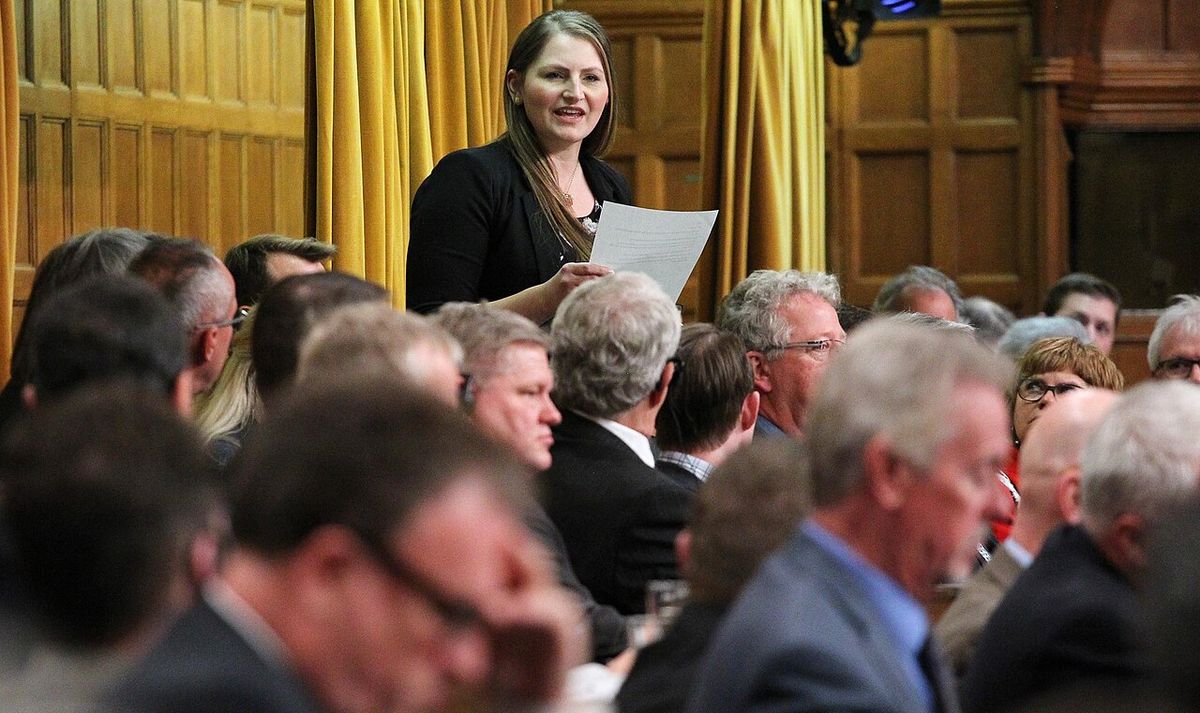
After leaving municipal politics, Gregor Robertson successfully transitioned to federal office. In the 2025 Canadian federal election, he was elected as the Liberal Member of Parliament for the new riding of Vancouver Fraserview, South Burnaby, winning with 52.3 per cent of the vote. Prime Minister Mark Carney subsequently appointed him to the Cabinet as the Minister of Housing and Infrastructure and Minister responsible for Pacific Economic Development Canada. In this role, Robertson has introduced legislation such as Bill C-20, the Build Canada Homes Act, and has been a prominent voice in parliamentary debates on housing and the economy. In September 2025, the Build Canada Homes agency was launched with $13 billion in funding. By June 2026, it reported commitments for more than 11,000 new homes. In November 2025, he announced the Build Communities Strong Fund, launched in April 2026 with $51 billion earmarked over 10 years. Robertson's parliamentary voting record includes several key positions on recent motions and bills:
- Voted Yes on Bill S-210 respecting Ukrainian Heritage Month (Vote #180).
- Voted No on the Opposition Motion concerning the affordability crisis (Vote #179).
- Voted Yes on Bill C-39 respecting certain measures to strengthen the economy (Vote #178).
- Voted Yes on the fifth report of the Standing Committee on Health (Vote #175).
- Voted No on the Opposition Motion concerning diesel prices (Vote #176).
Indigenous Reconciliation and Other Civic Actions
Robertson's tenure included significant steps toward reconciliation with local First Nations. In 2014, Vancouver declared itself a 'City of Reconciliation', formally acknowledging that the city is on the unceded territories of the Musqueam, Squamish, and Tsleil-Waututh Nations. His council established regular meetings with the councils of these three nations to implement joint actions. The city strongly opposed the Trans Mountain pipeline expansion, taking legal action alongside the First Nations and travelling to Ottawa to petition federal leaders. In 2017, the city permanently raised the flags of the three host nations in the council chambers and returned a burial site to the Musqueam community, protecting it from development. Other notable civic events and actions during his mayoralty included:
- Overseeing temporary bylaw changes for security during the 2010 Winter Olympics in July 2009.
- Requesting and securing a Vancouver Charter amendment in January 2009 to borrow $458 million to complete the 2010 Olympic Village.
- Responding to the 2011 Vancouver Stanley Cup riot on June 15, 2011, which opponents labelled 'Robertson's Riot'.
- Implementing a tree protection bylaw on private property in April 2014.
- Participating in the 2013 Walk of Reconciliation, which drew over 70,000 people.
Questions about Gregor Robertson
What is Gregor Robertson's current role in the Canadian government?
Gregor Robertson currently serves as the federal Minister of Housing and Infrastructure and the Minister responsible for Pacific Economic Development Canada. He was appointed to this Cabinet position by Prime Minister Mark Carney on May 13, 2025, after being elected as the Liberal Member of Parliament for Vancouver Fraserview, South Burnaby. In this role, he oversees the Build Canada Homes agency, launched with $13 billion in funding, and the Build Communities Strong Fund, which is earmarked for $51 billion over ten years. Robertson is one of the few Canadian politicians to have served at all three levels of government.
How long was Gregor Robertson the mayor of Vancouver?
Gregor Robertson served as the 39th mayor of Vancouver for three consecutive terms, from 2008 to 2018. His decade in office makes him the longest consecutive serving mayor in the city's history. He was first elected in the 2008 municipal election, then re-elected by a landslide in 2011 and again in 2014. He announced in January 2018 that he would not seek re-election, and his term concluded on November 5, 2018.
What was the Greenest City Action Plan?
The Greenest City Action Plan was a comprehensive sustainability strategy launched under Mayor Robertson with the goal of making Vancouver the world's greenest city by 2020. Approved by city council in 2011, the plan set ten goals across areas including carbon reduction, green jobs, and waste management. Key achievements included Vancouver becoming the first North American city to regulate embodied carbon, setting a target for 100 per cent renewable energy by 2050, and using sewage heat recovery to warm homes. The plan contributed to Vancouver being ranked the third greenest city globally in 2016.
What is Vancouver's Empty Homes Tax and did it work?
The Empty Homes Tax was Canada's first municipal vacancy tax, created by Mayor Robertson and the Vision Vancouver council in November 2016. It placed a 1 per cent annual tax on the assessed value of residential properties left vacant for more than six months to encourage renting or selling. The tax was successful in generating revenue for affordable housing, bringing in $30 million in its first year and more than $194 million by 2025. The policy was part of Vancouver's efforts to address housing affordability and the impact of vacant properties.
What did Gregor Robertson do before entering politics?
Before politics, Gregor Robertson had a varied career as a businessman, farmer, and adventurer. After university, he worked as a cowboy in British Columbia's Cariboo region, restored a sailboat, and sailed across the Pacific Ocean for 18 months. He lived and farmed in New Zealand before returning to Canada to farm in Glen Valley near Fort Langley. He later co-founded Happy Planet, a successful Vancouver-based company that produces organic juices and soups, which led to his recognition as one of Canada's 'Top 40 under 40'. He also worked as an Emergency Medical Technician.
How did Gregor Robertson address homelessness as mayor of Vancouver?
As mayor, Robertson employed a multi-faceted approach to homelessness, including immediate shelter provision and longer-term housing construction. He opened low-barrier HEAT shelters during cold weather and, in partnership with the British Columbia government, built 600 units of temporary modular housing with support services within 18 months. He also created the Vancouver Affordable Housing Agency in 2014 to develop affordable units. Despite these efforts, the number of homeless people counted in Vancouver increased from 1,576 in 2008 to 2,181 in 2018. Robertson attributed this rise to insufficient support from other levels of government and an influx of people from other provinces.
Sources and further reading
- Gregor Robertson (Wikipedia)
- Gregor Robertson, Liberal MP for Vancouver Fraserview, ... (openparliament.ca)
Checked by the Nosy Mag desk. Last updated 2026-10-28.