Wiikwemkoong First Nation
Wiikwemkoong First Nation, also known as Wiikwemkoong Unceded Territory, is a First Nation community located on Manitoulin Island in Northern Ontario. It is the largest Anishinaabe community on the island and is uniquely recognized as an unceded Indigenous reserve in Canada, meaning it has never relinquished its land title to the Crown through treaty or surrender. The community is governed by the peoples of the Three Fires Confederacy, comprising Ojibwe, Odawa, and Potawatomi nations. Wiikwemkoong is a significant cultural and political centre, known for its stewardship of traditional territories, its annual pow-wow, and its growing leadership in Indigenous tourism.
Geography and communities
Wiikwemkoong Unceded Territory occupies a large peninsula on the eastern end of Manitoulin Island, connected to the main island by an isthmus separating South Bay from Manitowaning Bay. The reserve's land area of 412.97 square kilometres makes it the fifth-largest Indian reserve in Canada by area. Its primary land border is with the township of Assiginack to the west, while it is nearly surrounded by water boundaries with Northeastern Manitoulin and the Islands. The main access route is Wiikwemkong Way, which connects to Ontario Highway 6 at Manitowaning. In addition to the primary settlement of Wiikwemkong, the reserve encompasses several smaller communities including Buzwah, Kaboni, Murray Hill, South Bay, Two O'Clock, Wabozominissing, and Wikwemikonsing. The First Nation also holds and manages Point Grondine Park, an 18,000-acre wilderness park on the mainland near Killarney, which was established as a tourism and land management initiative in 2015. This park remained largely unoccupied and unused after the Point Grondine band moved to Wiikwemkong in the 1940s until its development six decades later.
History and unceded status
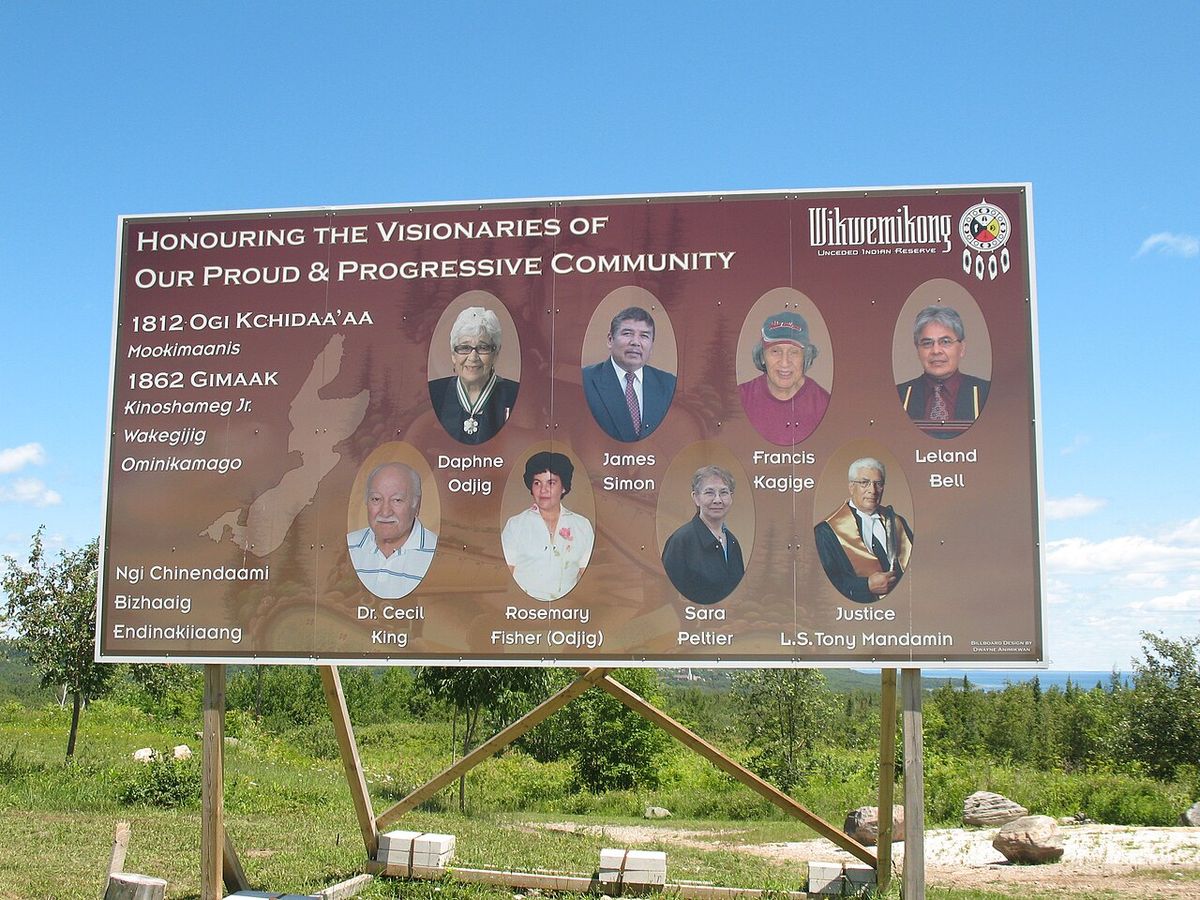
The history of Wiikwemkoong is deeply tied to the treaty processes on Manitoulin Island. From 1836 to 1862, a large portion of the island was set aside as the Manitoulin Island Indian Reserve under the Bond Head Treaty. In 1862, under the MacDougall Treaty, most of the island was ceded for non-Indigenous settlement, leading to the creation of new reserves at West Bay, Sheguiandah, Sheshegwaning, and Cockburn Island. However, the bands occupying what is now Wiikwemkoong maintained that the signatories did not represent them, and they refused to cede their land. This stance established the area's enduring status as unceded territory. A significant administrative amalgamation occurred on August 20, 1968, uniting the Manitoulin Island Unceded Indian Reserve, Point Grondine, and South Bay bands to form the Wikwemikong Unceded Indian Reserve. The community's foundational governance document, the Wiikwemkoong G'chi Naaknigewin, was ratified in 2014, formally changing the name to Wiikwemkoong Unceded Territory and reinforcing its unique political and legal identity. The First Nation has an ongoing land claim regarding the jurisdiction of the Wikwemikong islands, filed in 1984, denied by the government in 1997, with negotiations restarting in 2007 and continuing as of 2022.
Governance and population
Wiikwemkoong is governed according to the principles of the Three Fires Confederacy, a long-standing alliance of the Ojibwe, Odawa, and Potawatomi peoples. The community operates under its own constitution, the Wiikwemkoong G'chi Naaknigewin, which was ratified in 2014. This document guides the Nation's self-determination and governance structures. According to the latest federal profiles, Wiikwemkoong has a total registered population of 9,545 people as of September 2026. Of this number, 3,328 members reside on the reserve, representing a significant and active community on Manitoulin Island. The governance model emphasizes building partnerships with various organizations and different levels of government while reinforcing Anishinaabe values and traditions. The Robinson Treaties of 1850 established the model for subsequent treaties, creating reserves on Crown Land acquired through treaty. The Robinson-Huron and Robinson-Superior treaties surrendered nearly 15,000,000 hectares of land in exchange for 24 reserves and payments.
Community infrastructure and services
Wiikwemkoong provides a range of services and infrastructure for its citizens. The community is served by several churches, including Holy Cross Church, Buzwah Church (Saint Ignatius), Kaboni Catholic Church (St. Anthony Daniel Parish), South Bay Catholic Church (Our Lady of Grace), and the Wikwemikong Fellowship. Education is delivered through Wasse Abin Junior School for junior kindergarten to Grade 4, Wasse Abin Pontiac School for Grades 5 to 8, and Wasse Abin High School. Healthcare services are provided by two clinics: the Nadmadwin Mental Health Clinic and the Wiikwemkoong Health Centre. Transportation links include Wiikwemkong Way as the main arterial road, while Ontario Northland operates a twice-daily bus service connecting the reserve to other parts of Manitoulin Island and to Sudbury. The closest airport is the Manitowaning/Manitoulin East Municipal Airport in Manitowaning, Ontario, though it offers no commercial service. The community also organizes events like the Elders and Youth Gathering scheduled for May 29-30, 2026, to support intergenerational connection and knowledge sharing.
Culture and major events
Wiikwemkoong is a centre for Anishinaabe culture and artistic expression. The community is home to the De-ba-jeh-mu-jig Theatre Group, a professional theatre company that stages plays about First Nations life and culture, often performed within the historic mission ruins next to Holy Cross Church. The most prominent cultural event is the Wiikwemkoong Cultural Festival, commonly known as the Wiikwemkoong Pow-Wow. Held every Civic Holiday weekend, which is the first weekend in August, it is the largest and oldest pow-wow in Eastern Canada and is considered a major event on the North American pow-wow circuit. The 65th Annual Cultural Festival was scheduled for August 2-3, 2026, at Thunderbird Park. The event attracts many Indigenous dancers who compete in categories such as traditional, grass, jingle, and fancy dancing across all age ranges. The festival generates significant tourism revenue and is a major celebration of heritage. Other cultural and community landmarks include the Bebamikawe Memorial Trail, a 14-kilometre trail system with an outdoor fitness park and lakefront picnic pavilion. The trail system features multiple scenic lookouts with educational signage describing the historic and ecological significance of the area. It is Manitoulin Island's only professionally built trail network, designed for use in all four seasons and accommodating hikers and mountain bikers.
Tourism and economic development strategy
Under the banner of Wikwemikong Tourism, the First Nation has become a recognized leader in Indigenous tourism, developing a sustainable strategy since 2008. Tourism manager Luke Wassegijig outlined the community's approach at the Forward Summit conference at Casino Rama in September 2026, emphasizing community investment, passion, and infrastructure development as key pillars. He noted that in 2008, about 80 per cent of tourism revenue came from the single weekend of the cultural festival, prompting a strategy to build a foundation for sustainable tourism development. Wiikwemkoong offers a variety of nature-based and cultural experiences from an Indigenous perspective, including culinary tours, reconciliation and educational interpretive tours, and wilderness eco-adventures. A major asset is the Bebamikawe Memorial Trail, a 14-kilometre trail system with an outdoor fitness park, scenic lookouts, and educational signage. The First Nation also provides trail development services for other communities, specializing in planning, designing, and building non-motorized trail systems for First Nations and municipalities. The flagship tourism project is the expansion of Point Grondine Park, an 18,000-acre wilderness park on the mainland. A $12 million expansion, largely community-financed, aims to create one of Ontario's newest signature Indigenous tourism experiences, focusing on land management and cultural reclamation through interpretive spaces. Wassegijig stated that the expansion is an opportunity for the community to see the benefits of tourism and to reclaim culture through interpretive spaces within the park. The community's tourism strategy is built on several operational principles as explained by its managers. These include the necessity of community investment and buy-in, with 100 per cent of initial investment for Indigenous tourism coming from the community itself, and the need for passionate individuals to operate tourism businesses.
Notable citizens
Wiikwemkoong has produced many notable individuals who have made significant contributions in various fields across Canada and beyond. Jeannette Corbiere Lavell is an Indigenous women's rights advocate, while Josephine Mandamin is a celebrated water and environmental activist known for her Great Lakes walks. Leonard S. Mandamin serves as a judge of the Federal Court of Canada, and Daphne Odjig is a renowned Odawa/Potawatomi visual artist and a founding member of the Professional Native Indian Artists Inc. Autumn Peltier is an internationally recognized water activist and Anishinaabe water commissioner, and her relative Sladen Peltier works as an actor. Peggy Margaret Pitawanakwat made history by becoming the community's first woman chief in 1997. Joseph Shawana is a chef promoting Indigenous cuisine, and Crystal Shawanda is a Juno Award-winning country music singer and songwriter. The next generation is represented by Jack Nesbitt, a hockey player selected in the first round of the 2025 NHL draft. Other notable citizens include Kelly Babstock, a PWHL hockey player, Chris Simon, an NHL hockey player, and Shayne Corson, an NHL hockey player.
Etymology and name evolution
The name Wiikwemkoong has a specific meaning rooted in the Anishinaabemowin language. In the local Manitoulin dialect, the placename is wiikwemkong, using the locative suffix -ong meaning 'at'. It derives from wiikwemik, which refers to a 'bay with a gently sloping bottom'. The spelling Wikwemikong comes from other Ojibwe dialects that retain the vowel 'i'. The initial element wiikwe- appears in other forms meaning 'bay'. The final element -mik is a variant of the medial element aamik-, which appears in words describing shoals or breakers, contradicting the folk etymology that it means 'beaver'. The community's official name has evolved over time. The reserve was formerly called the Manitoulin Unceded Indian Reserve. On August 20, 1968, the Wiikwemkong Band changed the name to Wikwemikong Unceded Indian Reserve following the amalgamation of three bands. The current name, Wiikwemkoong Unceded Territory, was adopted in 2014 upon the ratification of the Wiikwemkoong G'chi Naaknigewin constitution. This change reflected a renewed assertion of sovereignty and a return to a spelling closer to the local dialect, solidifying a distinct identity for the Nation.
Questions about Wiikwemkoong First Nation
What does 'unceded territory' mean for Wiikwemkoong?
Unceded territory means that Wiikwemkoong First Nation has never signed a treaty surrendering its land title to the Crown or the Canadian government. Unlike many First Nations across Canada, the ancestors of Wiikwemkoong did not agree to the 1862 MacDougall Treaty that ceded most of Manitoulin Island. They maintained that the signing bands did not represent them, and they have continuously asserted their sovereignty and jurisdiction over their traditional lands. This unique legal and political status is central to the community's identity and governance.
Where is Wiikwemkoong located?
Wiikwemkoong Unceded Territory is located on the eastern peninsula of Manitoulin Island in Northern Ontario. The reserve itself covers 412.97 square kilometres, making it the fifth-largest Indian reserve in Canada by area. It is connected to the rest of Manitoulin Island by an isthmus between South Bay and Manitowaning Bay. The First Nation also owns and manages Point Grondine Park, a large 18,000-acre wilderness area on the mainland near Killarney, Ontario.
What is the Wiikwemkoong Pow-Wow?
The Wiikwemkoong Cultural Festival, commonly called the Wiikwemkoong Pow-Wow, is a major Indigenous cultural event held every Civic Holiday weekend, which is the first weekend in August. It is the largest and oldest pow-wow in Eastern Canada and attracts dancers, drummers, and visitors from across North America. The event features competition in dance styles such as traditional, grass, jingle, and fancy dancing across all age categories. The 65th annual festival was scheduled for August 2-3, 2026, at Thunderbird Park.
How many people live in Wiikwemkoong?
According to the latest federal First Nation profiles from September 2026, Wiikwemkoong has a total registered population of 9,545 citizens. Of this number, 3,328 members were listed as residing on the reserve itself. The remaining members live off-reserve in other communities across Canada. This makes Wiikwemkoong the largest Anishinaabe community on Manitoulin Island.
What tourism experiences does Wiikwemkoong offer?
Wiikwemkoong, through Wikwemikong Tourism, offers a wide array of authentic Indigenous tourism experiences. These include guided cultural and interpretive tours, wilderness adventures like hiking and canoeing in Point Grondine Park, and culinary experiences. A key feature is the Bebamikawe Memorial Trail, a 14-kilometre trail system with fitness stations and scenic lookouts. The community is also expanding Point Grondine Park with a $12 million investment to create a signature wilderness destination.
Who are the governing peoples of Wiikwemkoong?
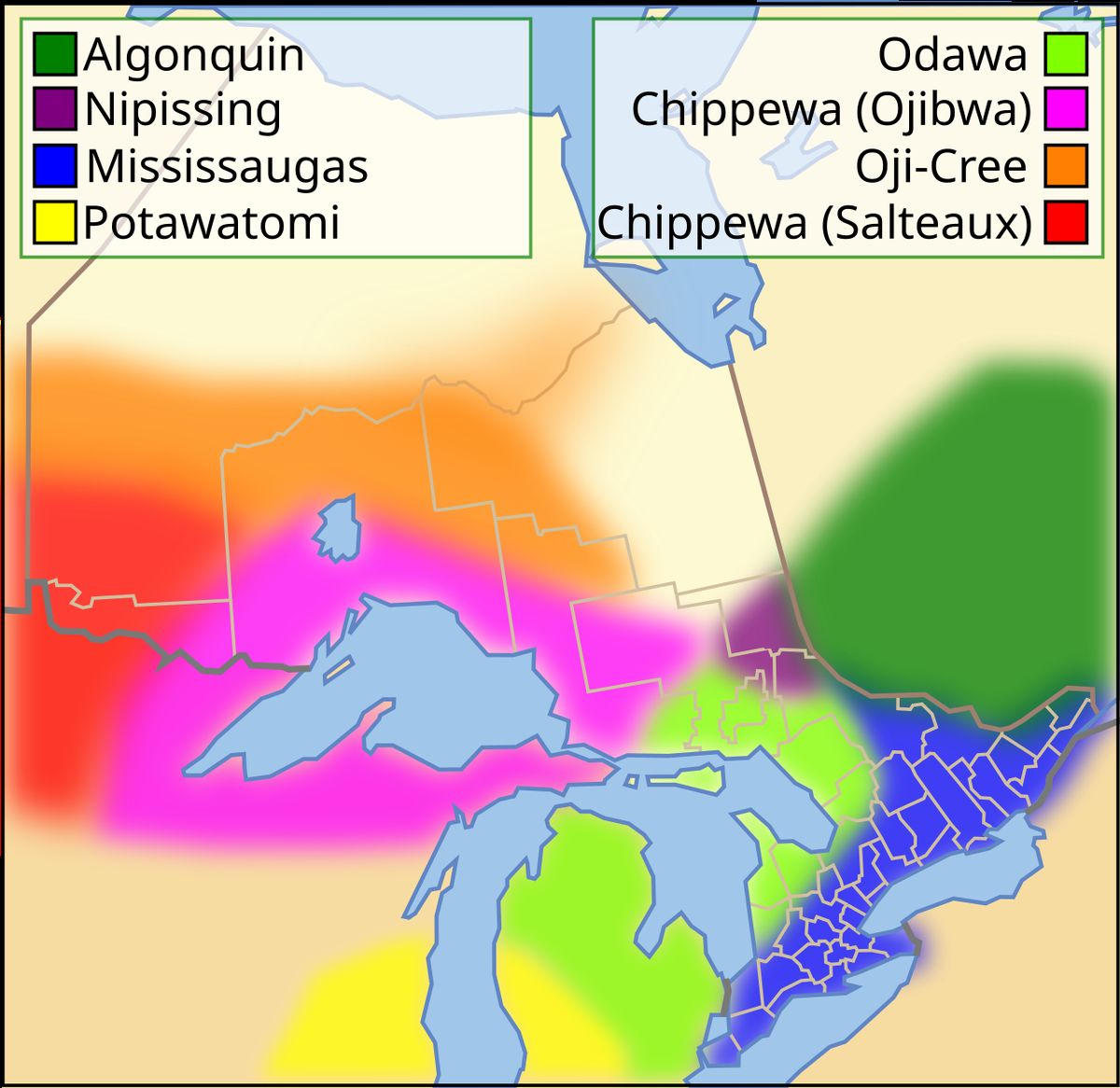
Wiikwemkoong is governed by the peoples of the Three Fires Confederacy, a long-standing alliance of three distinct Anishinaabe nations: the Ojibwe, the Odawa, and the Potawatomi. This confederacy, also known as the Council of Three Fires, forms the political and cultural foundation of the community. The reserve is occupied by Ojibwa, Odawa, and Potawatomi peoples under the Council of Three Fires. The Nation operates under its own constitution, the Wiikwemkoong G'chi Naaknigewin, ratified in 2014, which guides its self-determination and governance based on Anishinaabe values and traditions.
Sources and further reading
- Wiikwemkoong First Nation (Wikipedia)
- Welcome, Wiikwemkoong Unceded Territory (wiikwemkoong.ca)
- Wikwemikong Tourism (wikytours.com)
- Wiikwemkoong manager provides First Nation's tourism ... (anishinabeknews.ca)
Checked by the Nosy Mag desk. Last updated 2026-11-01.