Textile arts of the Indigenous peoples of the Americas
The textile arts of the Indigenous peoples of the Americas are decorative, utilitarian, ceremonial, or conceptual artworks made from plant, animal, or synthetic fibers by Indigenous peoples of the Americas. These arts have a long history, with the oldest known textiles in the Americas dating to between 10,100 and 9,080 BCE. For Canadians, these traditions are a vital part of the continent's history and a living expression of Indigenous resilience, creativity, and identity. From ancient fabrics preserved in Florida's peat bogs to the contemporary weaving collectives of Maya artisans, these arts encapsulate deep philosophical knowledge and social organization. Their ongoing practice and revival, particularly in regions like the Northwest Coast, show their enduring significance.
Ancient Foundations and Preservation
The history of Indigenous textile arts in the Americas is ancient, with some of the earliest evidence dating back over twelve thousand years. Fragments of rope and textiles unearthed in Guitarrero Cave in Peru have been dated to between 10,100 and 9,080 BCE, representing the oldest known textiles in the Americas. In North America, the Windover Archaeological Site in Florida has yielded remarkably preserved pieces of fabric from burials in a peat pond, dating to approximately 6,000 BCE. These 7,000- to 8,000-year-old fabrics were found wrapped around bodies, with eighty-seven pieces associated with thirty-seven burials. Researchers identified seven distinct weaves in the Windover fabric, with one type featuring twenty-six strands per inch, and the yarn was likely made from local palm leaves such as cabbage palm or saw palmetto. The survival of these ancient textiles is exceptionally rare, as most organic materials disintegrate rapidly unless preserved by special environmental conditions like the dry desert sands of Peru or the anaerobic peat bogs of Florida. Twined textiles from the Norte Chico civilization in Peru, dating from 2500 to 1800 BCE, have survived precisely because of the extremely dry conditions of the desert sands where they were found.
Andean Weaving Traditions
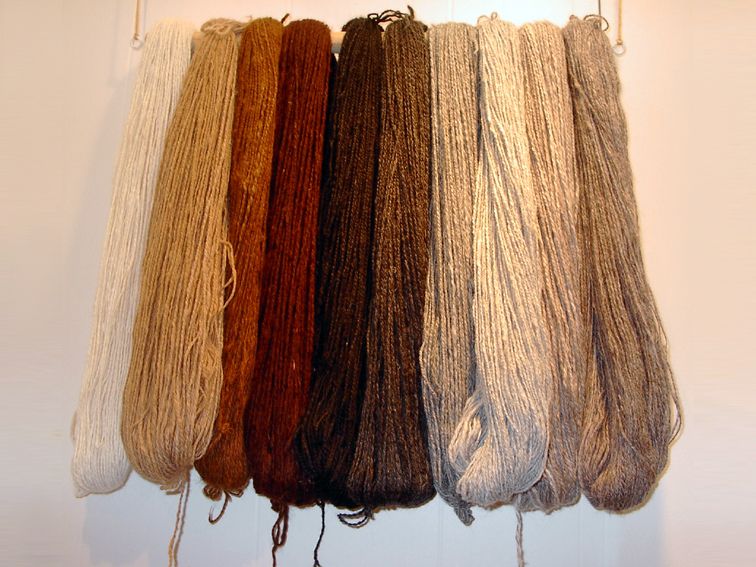
The Andes region is home to one of the world's most sophisticated and enduring textile traditions, with a continuous history stretching back thousands of years. The primary fibres used are cotton and the wool of camelids, specifically alpacas, llamas, and the highly prized vicuña. For the Inca Empire, textiles were a paramount form of artistic expression and a tool of state administration. The most common grade of Inca weaving was awaska, made from llama or alpaca wool with about 120 threads per inch, used for clothing by the general population of the Andean highlands. Lighter cotton clothing was produced on the warmer coastal lowlands, using Peruvian Pima cotton which is still regarded as one of the finest cottons available. The finest cloth, known as qompi, was reserved for nobility and the emperor, woven from baby alpaca and vicuña wool with a thread count exceeding 600 threads per inch, a density not surpassed globally until the 19th century. This cloth was so smooth that the first Spanish explorers described Inca textiles made of vicuña fibre as silk. Today, communities like Coroma in Bolivia remain major centres for ceremonial textile production, where, as one Aymara elder noted, sacred weavings express community philosophy and social organization and help differentiate one community from a neighbouring group. Andean women continue to wear and use aguayos, clothes woven from camelid fibres with geometric designs for carrying babies or goods.
Textile Arts of Mesoamerica and the Caribbean
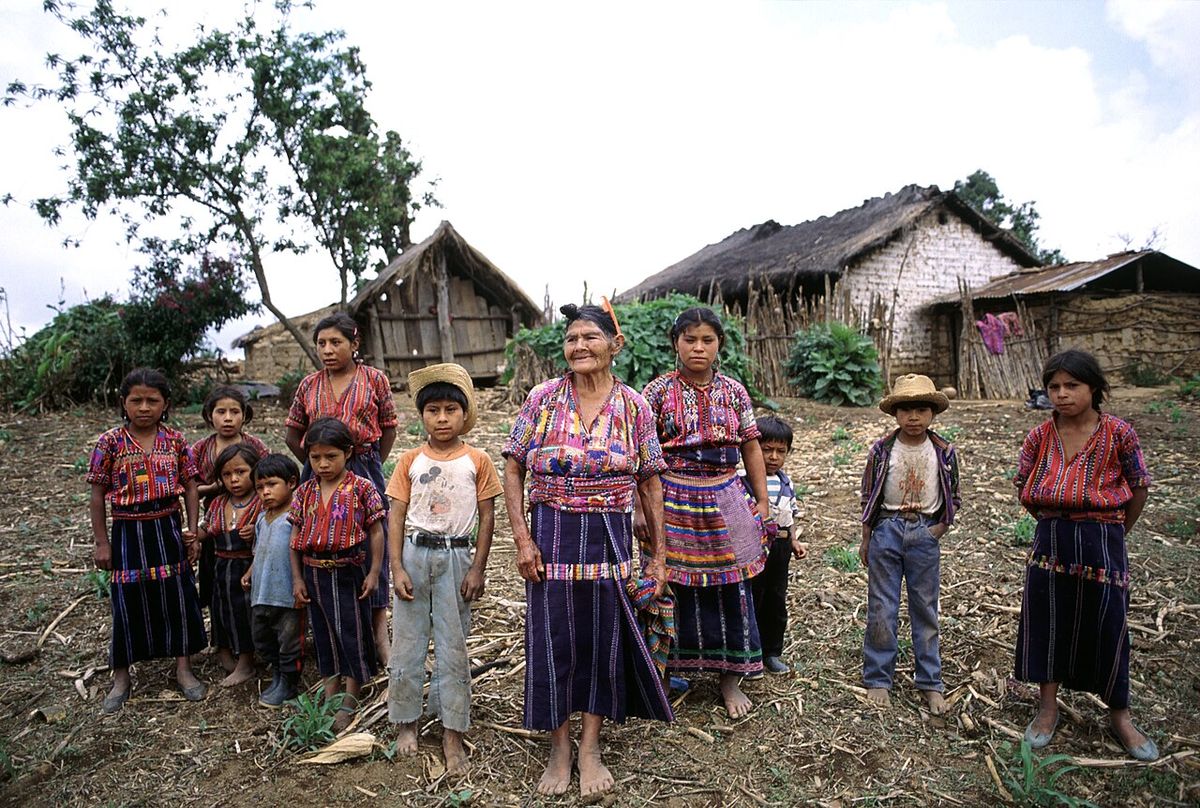
In Mesoamerica and the Circum-Caribbean region, distinct textile traditions have flourished, each with unique techniques and cultural meanings. Maya women in Guatemala and Mexico have woven cotton on backstrap looms for centuries, creating items such as huipils or traditional blouses. These textiles often feature representations of animals, plants, and figures from oral history. In modern times, weaving serves as both a vital art form and a crucial source of income, with many artisans organizing into collectives to improve their economic prospects and expand the reach of their work in the world. To the south, the Guna people of Panama and Colombia are renowned for their molas, which are cotton panels created using a reverse appliqué technique. Originally based on traditional body art, mola designs now incorporate a wide range of influences, including modern pop culture. Two mola panels form the front and back of a woman's blouse, and when the garment is no longer worn, the molas can be disassembled and sold as individual artworks to collectors, ensuring the art form's economic and cultural sustainability.
Northwest Coast Weaving and Ceremonial Regalia
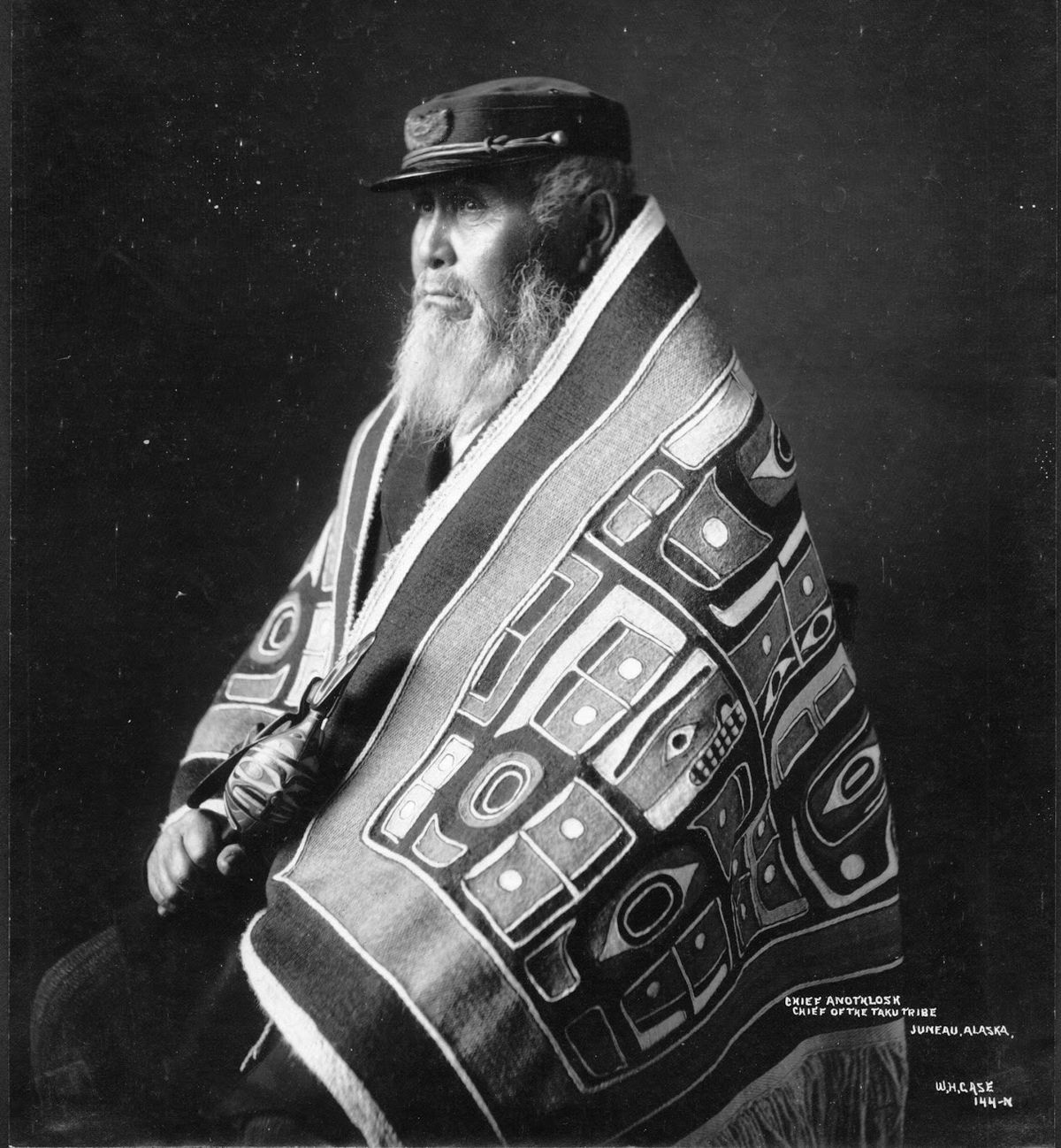
The textile arts of the Northwest Coast, encompassing nations in both Canada and the United States, are renowned for their technical complexity and deep ceremonial significance. Two of the most demanding techniques are Chilkat weaving and Ravenstail weaving, which combine mountain goat, dog, or sheep wool with shredded cedar bark to create textiles featuring curvilinear formline designs. A single Chilkat blanket, such as those featuring the prevalent Diving Whale design, can take an entire year to weave. The late Tlingit master weaver Jennie Thlunaut was instrumental in the dramatic revival of these traditions in the 20th century. Another paramount ceremonial textile is the button blanket, a wool blanket embellished with appliqué and mother-of-pearl buttons that display family crests. These blankets are worn at significant events like potlatches. Despite severe historical pressures, including the Canadian Potlatch Ban which led to the confiscation of regalia and imprisonment of participants, these textile traditions are actively practiced today. Key historical examples in museum collections illustrate their diversity.
- Chilkat Robe (Late 1800s, Tlingit): Features the Diving Whale design with a spirit face outlined in blue instead of the typical yellow.
- Chilkat Robe (Pre-1860s): Notable for being made entirely with indigenous dyes, indicating an early creation date.
- Chilkat Robe (Pre-1945, Tlingit): An unusual piece missing its side fringe, possibly made as a display piece for sale.
- Button Blanket (Circa 1870 to 1919, Kwakwa̱ka̱ʼwakw): Shares similarities with a blanket worn by Lucy (Homiskanis) Hunt in the late 1800s.
- Button Blanket (Pre-1915, Kwakwa̱ka̱ʼwakw): Thought to originate from northern Vancouver Island, its central design resembles sacred cedar bark regalia.
- Button Blanket by Mrs. Seaweed (Circa 1929, Kwakwa̱ka̱ʼwakw): Depicts the thunderbird ancestor surrounded by coppers, symbols of wealth.
These garments were worn by people of very high standing, such as Inca nobility and royalty, and the designs are layered with meaning. Visiting community members have remarked on the uniqueness of older Chilkat robes, noting that the spirit face can be smaller in size and inverted. The presence of supernatural imagery, such as hands, is also distinctive in some of these historic textiles from Northwest Coast tribes. Chilkat and Ravenstail weaving are considered among the most difficult techniques in the world, with a single blanket taking a year to weave.
Southwestern and Oasisamerican Textiles
In the dry regions of Oasisamerica, which includes the Pueblo and Navajo (Diné) cultures, textile arts are deeply connected to community and identity. Pueblo men traditionally weave cotton on upright looms, producing mantas and sashes typically made for ceremonial use for the community rather than for outside commercial markets. Navajo weaving, predominantly done by women, has evolved into a major art form known for its pictorial and abstract rug designs. These weavings draw on a rich blend of influences from historic Navajo, Spanish, Asian, and Persian sources. The foundation fibre is often wool from Navajo-Churro sheep or other breeds. Notable 20th century weavers include Clara Sherman and the celebrated medicine man and weaver Hosteen Klah, who co-founded the Wheelwright Museum of the American Indian. Contemporary artists like Hopi weaver Ramona Sakiestewa and Navajo weaver Melissa Cody continue to innovate, exploring non-representational abstraction and experimenting with new materials in their work, ensuring the tradition remains dynamic and forward-looking.
Woodlands and Eastern Traditions
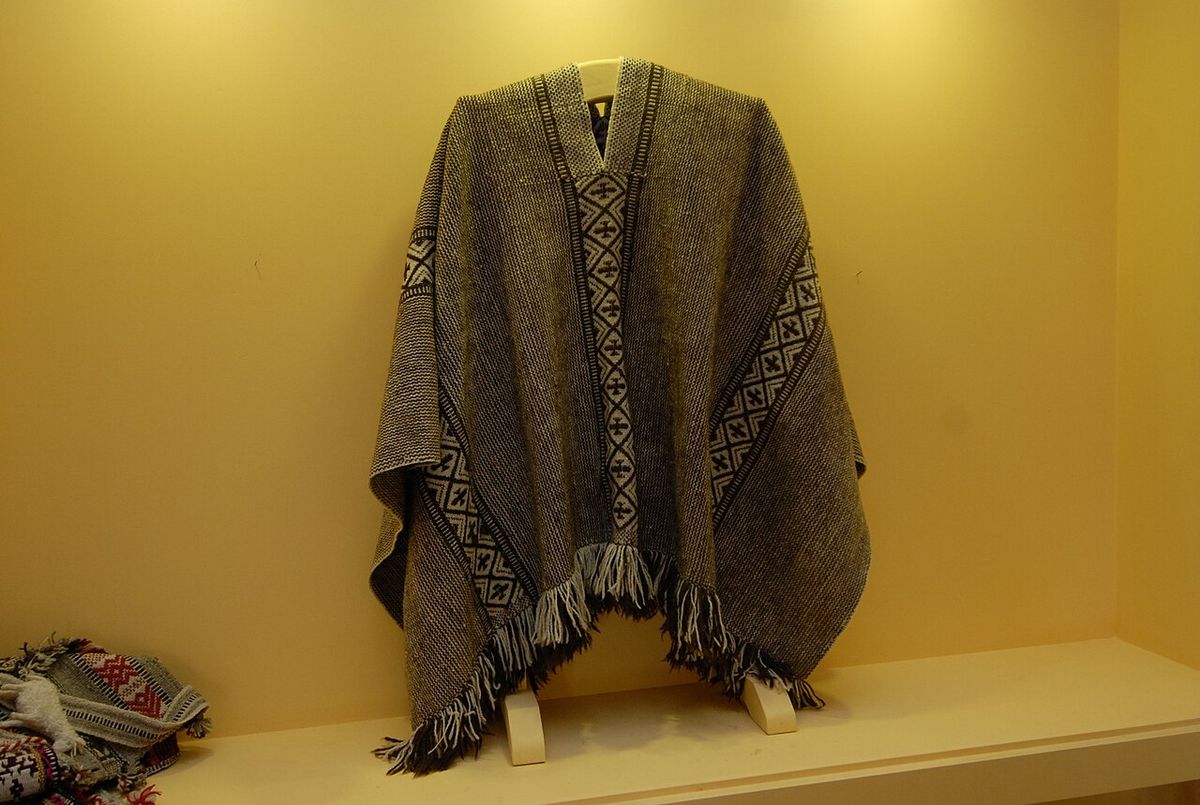
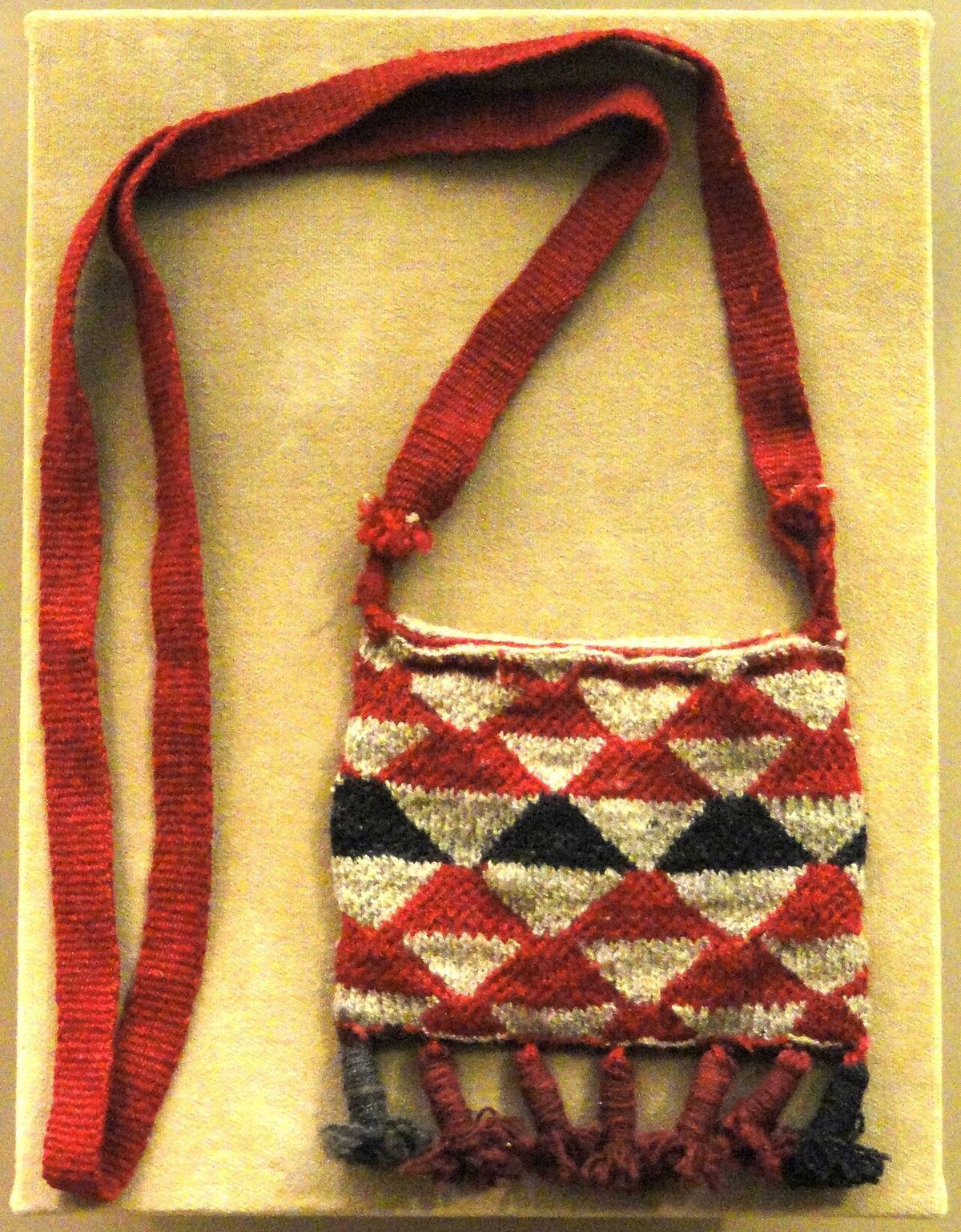
Across the Northeastern and Southeastern Woodlands of North America, Indigenous nations developed distinctive textile arts adapted to their environments and materials. In the Great Lakes and Prairie regions, tribes are known for their ribbonwork, where strips of silk ribbons are cut and appliquéd in layers to create designs defined by negative space. These designs, found on clothing and blankets, often reflect the clan or gender of the wearer and are a prominent feature of powwow and other dance regalia. These tribes also have a strong tradition of fingerwoven sashes. In the Southeastern Woodlands, the Seminole people developed an elaborate appliqué patchwork tradition after gaining access to sewing machines in the late 19th and early 20th centuries. Seminole patchwork, characterized by its colourful geometric patterns, came into full flower in the 1920s and remains a defining art form for the tribe today. Further south, in the Southern Cone, Mapuche women historically wove textiles and ponchos using llama and alpaca wool before Spanish colonists introduced sheep, which then became the primary fibre source for their weaving practices.
Materials, Techniques, and Cultural Meanings
The diversity of Indigenous American textile arts is rooted in the wide array of materials and techniques developed over millennia. Common materials include cotton, various animal wools, bark cloth, feathers, and beads, used in practices that encompass weaving, knitting, embroidery, featherwork, skin-sewing, and beadwork. Basketry is closely associated with these textile arts. Specific techniques often carry deep cultural meanings, such as the three-dimensional embroidery, tie-dye, and brocade noted in exhibitions of Andean, Panamanian, and Guatemalan work. The materials themselves are frequently significant, with certain fibres like vicuña wool or cedar bark denoting status or spiritual connection. The choice of geometric versus curvilinear designs, as seen in Andean aguayos versus Northwest Coast formline, reflects distinct worldviews and aesthetic principles. These arts are not merely decorative, they are often ceremonial or conceptual, serving as vehicles for history, law, and social structure, as expressed by the Aymara elder from Coroma who linked sacred weavings to philosophy and social organization.
Contemporary Practice, Markets, and Preservation
Today, the textile arts of Indigenous peoples are living practices that embody cultural continuity, resilience, and innovation. They serve as powerful expressions of Indigenous identity and philosophy, often passed down through generations within families and communities. Modern weavers and artisans balance the preservation of traditional techniques, materials, and motifs with contemporary influences and new market demands. Exhibitions and digital projects, such as those supported by institutions and corporate sponsors like the Bank of America Art Conservation Project, help to bring these arts to wider audiences and fund their preservation. In Canada, businesses and online markets offer modern fabric collections with over 550 choices, organized by themes and patterns found in traditional native arts, making these designs accessible for new creative projects while honouring their origins. Events like the Summer Indigenous Artisans Market in 2026 provide direct platforms for commerce and celebration. The active practice of these arts, from the backstrap looms of Maya cooperatives to the ceremonial button blankets of the Northwest Coast, demonstrates their unbroken role in community life, social organization, and economic sustenance, maintaining their relevance in the 21st century. Funding for related digital catalogues has been provided by academic centres such as the Emory Center for Digital Scholarship, aiding in the documentation and study of these traditions.
Questions about Textile arts of the Indigenous peoples of the Americas
What are the oldest known Indigenous textiles in the Americas?
The oldest known Indigenous textiles in the Americas are some early fiberwork found in Guitarrero Cave, Peru, dating back to 10,100 to 9,080 BCE. In North America, the oldest known textiles are twine and plain weave fabrics preserved in a peat pond at the Windover Archaeological Site in Florida, with the earliest dating to 6,000 BCE. These ancient textiles are preserved only by special environmental conditions, such as the dry desert sands in Peru or the anaerobic environment of a peat pond in Florida. Without these specific conditions, such fragile materials would typically disintegrate rapidly over time.
What is Chilkat weaving and why is it significant?
Chilkat weaving is a technically demanding textile art form from the Northwest Coast, practiced by nations like the Tlingit. It combines mountain goat, dog, or sheep wool with shredded cedar bark to create ceremonial robes and blankets featuring complex curvilinear formline designs. A single Chilkat blanket can take a year to weave. This tradition, along with Ravenstail weaving, is regarded as one of the most difficult in the world. It experienced a major revival in the 20th century, significantly aided by master weaver Jennie Thlunaut.
What are molas and who creates them?
Molas are colourful cotton panels created by the Guna people of Panama and Colombia using a reverse appliqué technique. In this process, layers of different coloured fabric are sewn together and parts are cut away to reveal the layers beneath, forming elaborate geometric and figurative designs. Originally based on traditional body painting, mola designs now incorporate a wide array of influences, including pop culture. Two mola panels form the front and back of a Guna woman's blouse.
What was qompi in the Inca Empire?
Qompi was the finest grade of cloth produced in the Inca Empire, reserved exclusively for the nobility, royalty, and the emperor himself. It was woven from the highest quality materials available, primarily the wool of baby alpaca and the exceptionally soft vicuña. Inca weavers achieved a thread count of more than 600 threads per inch in qompi, a density that was not exceeded anywhere in the world until the Industrial Revolution in the 19th century. This cloth was so smooth that Spanish explorers described it as 'silk'.
What is a button blanket?
A button blanket is a ceremonial wool blanket worn by Indigenous peoples of the Northwest Coast, such as the Kwakwa̱ka̱ʼwakw. It is made by adorning a trade blanket with appliqué designs and hundreds of mother-of-pearl buttons. The designs typically represent family crests and ancestral figures, making each blanket a unique identifier of lineage and status. These blankets are worn at important community events like potlatches. Despite the historical Potlatch Ban, the creation and use of button blankets continues as a resilient cultural practice.
How have Indigenous textile arts adapted in modern times?
Indigenous textile arts have dynamically adapted to modern contexts while maintaining core cultural values. Many artisans, such as Maya weavers, have formed collectives to improve their economic standing and expand the market for their work globally. Contemporary artists like Melissa Cody (Navajo) and Ramona Sakiestewa (Hopi) experiment with non-representational abstraction and use experimental materials in their weaving. Traditional designs are also being translated into new formats, such as commercial fabric collections that allow for broader use while honouring artistic heritage.
Sources and further reading
- Textile arts of the Indigenous peoples of the Americas (Wikipedia)
- Threads of Time: Tradition and Change in Indigenous ... (carlos.emory.edu)
- Native Fabric Collections (creatorsgifts.ca)
- Textile Arts of the Pacific Northwest (artsandculture.google.com)
Checked by the Nosy Mag desk. Last updated 2026-11-02.