Siksika Nation
The Siksika Nation (Blackfoot: Siksiká) is a First Nation in southern Alberta, Canada, and a founding member of the Blackfoot Confederacy. Its name derives from the Blackfoot words sik (black) and iká (foot). With a population of approximately 7,800 people, it is the second-largest land-based First Nation in Canada. The Nation's reserve, Siksika 146, is located about 95 kilometres east of Calgary. The Siksika Nation is governed by a chief and twelve councillors elected every three years.
Governance and Leadership
The Siksika Nation is governed through a democratic electoral system established under its own customs and the Indian Act. Leadership consists of one Chief and twelve Councillors, all elected by the Nation's voting members for three-year terms. The current Chief is Ouray Crowfoot. The Council works on behalf of the membership and is accountable to them, operating through the Office of Siksika Nation Ohkinniinaa ki Ninaaiksl. This office provides leadership and guidance, working closely with Nation departments and with municipal, provincial, federal, and international partners. The leadership structure supports the community's needs while committing to open and respectful communication between elected officials and members.
The Siksika Nation is actively developing a framework for self-government, aiming to define and control its own destiny beyond the jurisdiction of the Indian Act. This move represents a significant step toward greater autonomy and the revitalization of traditional governance models. The Tribal Administration, led by officials including Richard Sparvier, Van Le, Tom Many Heads, and Hossam Yaqoub, supports this vision by nurturing the growth, independence, and well-being of Siksika culture. The administration delivers a wide range of programs and services designed to meet community needs. Council staff, including Mariah Little Chief, Sharon Brass, and Allison Duck Chief, provide essential support to the elected leadership in their daily operations and long-term planning for the Nation's future.
Traditional Territory and Reserve
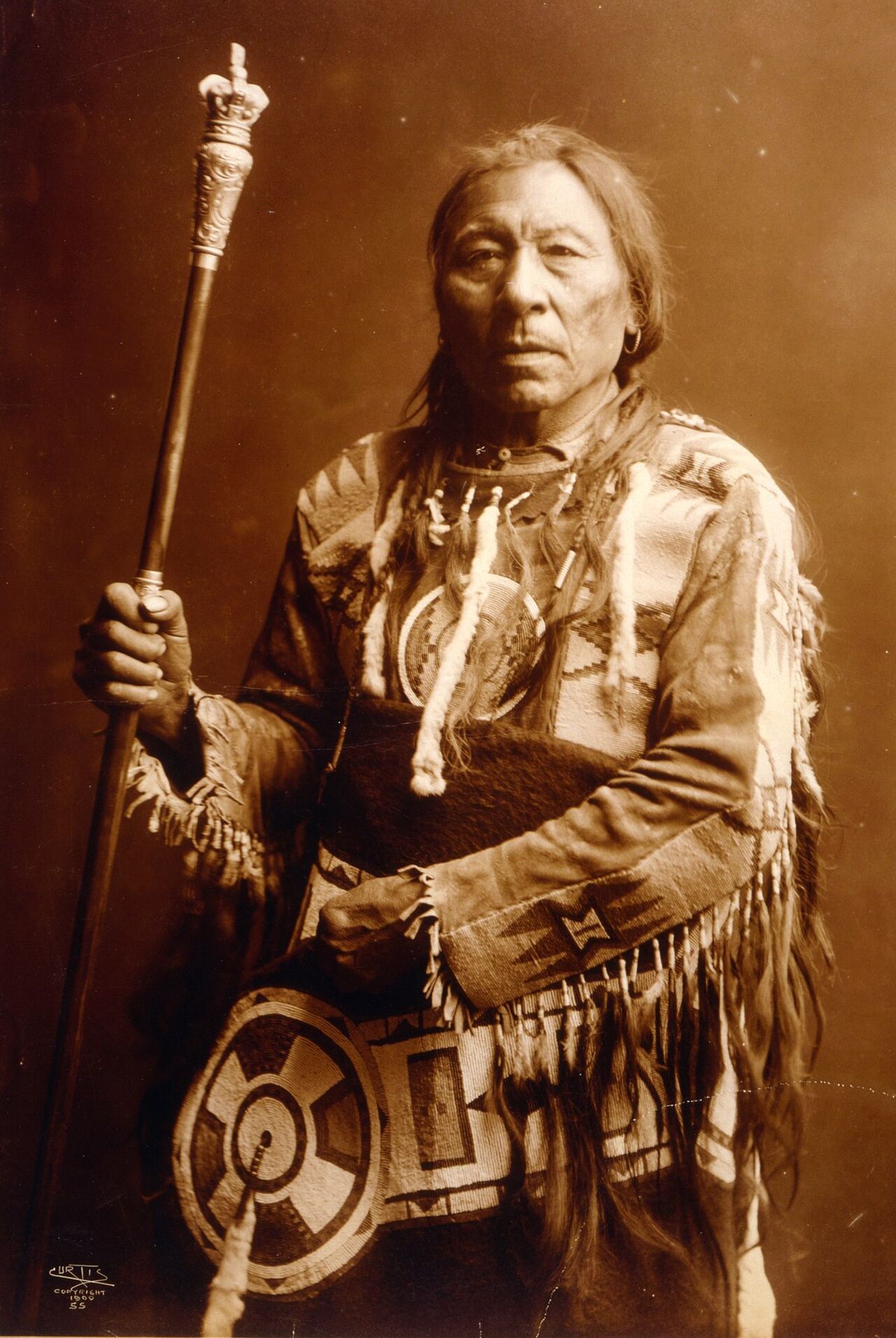
The traditional territory of the Siksika, part of the Niitsítapi (Original People), historically spanned a vast region of the Northern Plains. This territory stretched from the North Saskatchewan River in present-day Alberta and Saskatchewan south to the Yellowstone River in Montana. Its western boundary was the Rocky Mountains, and it extended east to the confluence of the North and South Saskatchewan Rivers and the Great Sand Hills in Saskatchewan. This expansive land supported the Siksika way of life as skilled buffalo hunters and nomadic people. Today, the core of the Nation is located on the Siksika 146 reserve, approximately 95 kilometres east of Calgary. The reserve is situated just three kilometres south of the Trans-Canada Highway (Highway 1), with its administrative and business district located adjacent to the community of Gleichen.
Siksika 146 is the second-largest land-based First Nation reserve in Canada. The Nation's proximity to Calgary provides both challenges and opportunities for economic development and cultural preservation. The strategic location near major transportation routes facilitates business and visitor traffic. The reserve contains prairie grasslands and productive agricultural land, which have been central to both traditional lifeways and modern economic ventures. The Siksika Nation continues to maintain deep cultural and spiritual connections to its broader traditional territory, which remains a fundamental part of its identity and history. This connection is actively honoured through cultural practices and the ongoing assertion of rights within the historic territory.
Historic Land Claims and the 2022 Global Settlement
The Siksika Nation's relationship with the Crown has been deeply shaped by a longstanding dispute over land. The Nation argued this transfer was illegal, a position bolstered in 1980 when the government admitted no proof existed that CPR had acquired the rights to the land. Initial compensation was limited, such as a 1991 agreement for $4.9 million for lost mineral rights, which did not address the full scope of the loss. Negotiations for a comprehensive settlement spanned decades, beginning in earnest in 1960 under Chief Clarence McHugh. The process culminated in a historic referendum in December 2021, where 77 percent of voting members ratified the Global Settlement Agreement. This agreement was formally signed on June 2, 2022, at Blackfoot Crossing Historical Park. The settlement provides a $1.3 billion one-time payment and the right to purchase 115,000 acres of land from willing sellers. It represents a resolution to multiple claims related to the 1910 Surrender and subsequent grievances. A direct payment of $20,000 was distributed to each band member following the settlement.
The settlement funds are being managed to benefit the Nation for generations. Key priorities for the trust include improving education, infrastructure, and mental health services. Funding is also allocated for essential initiatives like residential school searches and the establishment of a permanent police force for the reserve. This agreement marks the conclusion of a 60-year negotiation process and is viewed as a critical step toward redressing historical wrongs and enabling the Nation to build a more secure and self-determined future. In 2010, the Nation also reached an agreement with the governments of Canada and Alberta to settle land claims, receiving $50 million and new water rights to be put in a trust.
Economic Development and Enterprises
The Siksika Nation pursues economic self-sufficiency through its economic authority, Siksika Resource Development Limited (SRDL), founded in 1997. SRDL manages a diverse portfolio of enterprises and properties aimed at generating revenue and creating employment for community members. One significant venture was a 2016 application for a licence to produce medical marijuana, in partnership with Siksika Herbz Ltd and Frozen Penguin Ltd of Kelowna, British Columbia. The proposal involved constructing a 25,000-square-foot facility on the Nation, with anticipated annual revenues of $15 million intended to support social services and address issues like the opioid epidemic and housing. As of 2020, this proposal remained under review by federal authorities, and the partnership planned to employ modern technologies like RotoGro to maximize profits for the nation.
SRDL continues to engage in community-focused initiatives that blend economic activity with social and environmental benefits. In July 2022, Siksika Renewable Development Limited, a part of SRDL, partnered with volunteers to plant 300 Saskatoon berry trees near the Siksika Business Plaza. This project aims to enhance local food security and support sustainable economic growth. The Nation's Economic Development department also hosts training workshops, such as a two-day Indigenous Entrepreneur Training event scheduled for January 2026 at Blackfoot Crossing. These efforts are part of a broader strategy to foster business skills and economic independence within the community, ensuring that development aligns with Siksika values and long-term well-being. The revenue generated from these enterprises is directed back into the community to fund essential services and social programs.
Community Services and Infrastructure
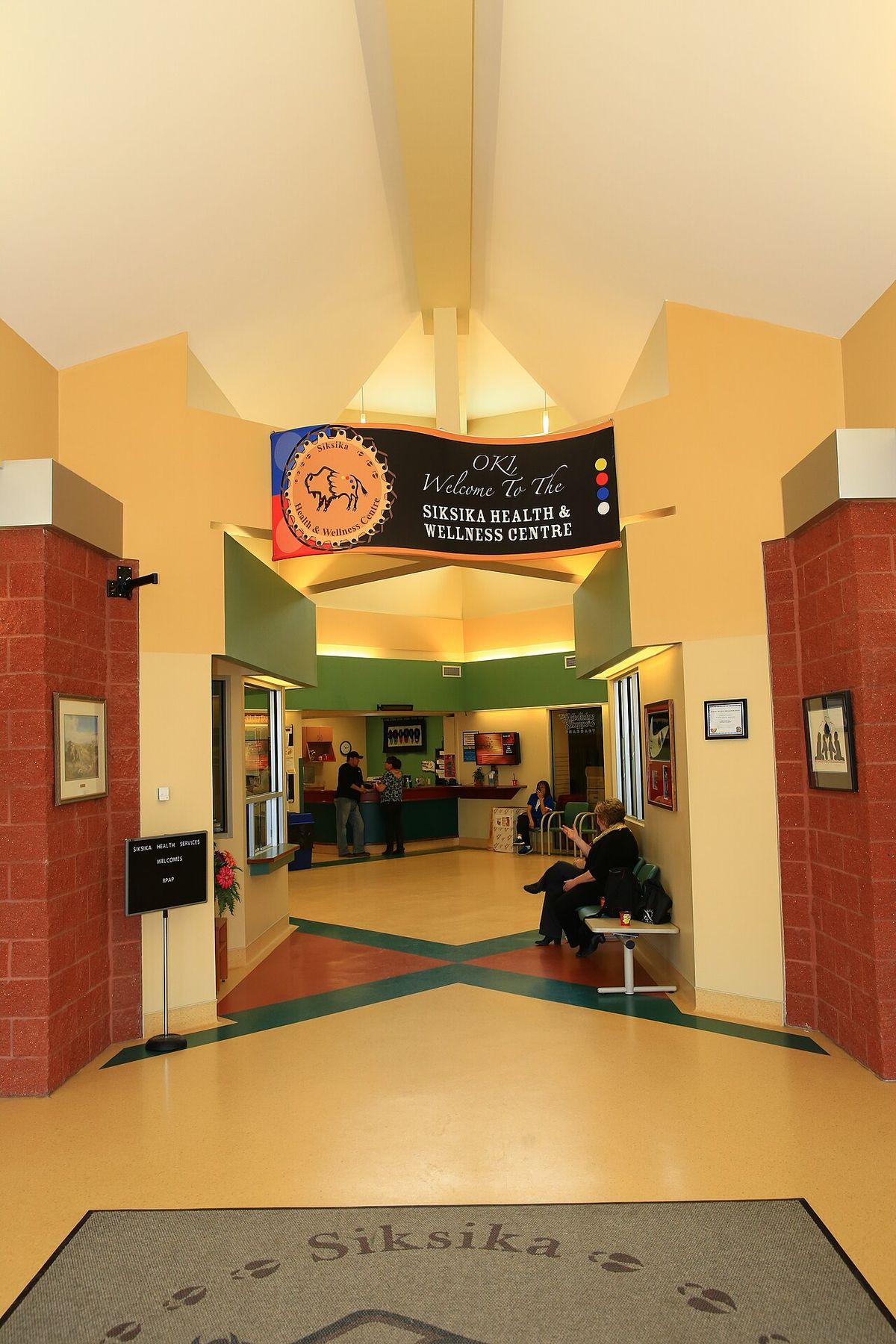
The Siksika Nation administers a wide array of programs and services designed to support the health, safety, and cultural vitality of its members. A key agency is Siksika Family Services Corporation, which provides child and family support. Through federal and provincial funding, such as the Rapid Housing Initiative, the service is establishing a transitional housing community named Children's Village. This development will consist of 24 units intended to support vulnerable families and youth undergoing cultural reunification. The initiative addresses critical housing needs while providing a stable environment for healing and family preservation, reflecting a holistic approach to community wellness.
Other essential services are managed by the Siksika Nation Tribal Administration, which oversees public works, health, education, and cultural programs. The administration coordinates community events that strengthen social bonds, such as a Community BBQ hosted by Siksika Public Works in August 2026. The Nation also actively celebrates and honours its heritage, with the Tribal Administration marking National Indigenous Peoples Day on June 21, 2026. Infrastructure development, funded in part by the Global Settlement, is a major priority to improve living conditions, utility services, and community facilities. These combined efforts in service delivery and infrastructure aim to nurture the growth, independence, and well-being of the Siksika people and their culture. The goal is to create a sustainable and supportive environment for all members of the Nation, with funding also supporting essential services like education and mental health.
Culture and Notable Contributions
The Siksika Nation possesses a rich cultural heritage rooted in the Blackfoot language and traditions. The Blackfoot language, an Algonquian language, is central to the Nation's identity, with ongoing efforts to preserve and promote its use. Cultural expression thrives through art, music, ceremony, and public events like the annual Siksika Nation Fair, which in 2026 featured performances by the renowned group Northern Cree. The Blackfoot Singers from Siksika are also celebrated cultural ambassadors, participating in events like the 2026 National Gathering at Tsuut'ina. These activities reinforce community bonds and share Siksika culture with a wider audience, ensuring traditions are passed to future generations.
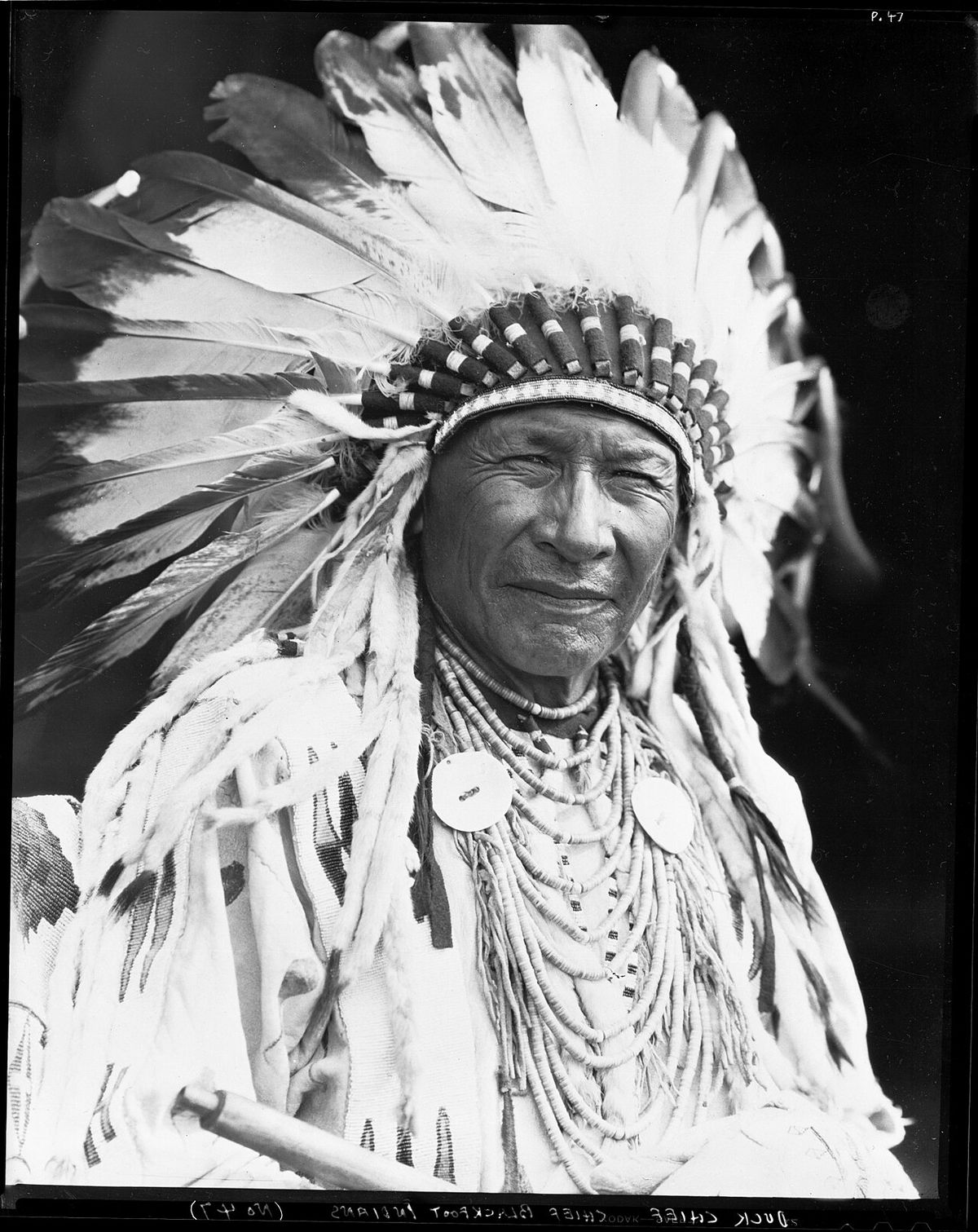
Siksika individuals have made significant contributions across numerous fields, highlighting the talent and resilience of the Nation. Notable people include Chief Ouray Crowfoot, the current chief who signed the 2022 Global Settlement Agreement, and the historical chief Crowfoot who signed Treaty 7. Other notable Siksika people are artist Gerald McMaster, interdisciplinary artist and Governor General's award winner Adrian Stimson, and country singer Armond Duck Chief. The list also includes physicist Corey Gray, filmmaker Sinakson Trevor Solway, and former professional hockey player Robin Big Snake. These achievements span leadership, arts, sciences, and athletics.
- Ouray Crowfoot: Current Chief and signatory of the 2022 Global Settlement Agreement.
- Adrian Stimson: Interdisciplinary artist and 2018 Governor General's Award winner in Visual and Media Arts.
- Gerald McMaster: Artist, curator, and author with a national profile.
- Corey Gray: Physicist and science communicator.
- Armond Duck Chief: Country singer and songwriter.
- Sinakson Trevor Solway: Filmmaker.
- Robin Big Snake: Former professional hockey player.
- Maggie Black Kettle: Storyteller, educator, dancer, actress, and community leader.
- Aatsista-Mahkan (Running Rabbit): Historical figure.
Recent Events and Community Life
Community life on the Siksika Nation is dynamic, marked by a calendar of cultural, administrative, and social events. In 2026, the Nation's schedule reflected this blend, from official closures for National Indigenous Peoples Day to community barbecues and large gatherings. The Siksika Nation Fair remains a major annual event, bringing together members and visitors for celebration. The Nation also engages in broader political and cultural networks, such as participating in a Confederacy Conference in September 2026 and sending delegates and performers to inter-nation gatherings. These events foster unity, celebrate heritage, and provide forums for discussion on issues affecting the community. They demonstrate the active and engaged nature of Siksika community life throughout the year.
The administrative operations of the Nation continue to evolve. The SNTA (Siksika Nation Tribal Administration) office closure on June 22, 2026, in lieu of National Indigenous Peoples Day, is one example of honouring cultural observance within official functions. The leadership continues to advocate for the community's interests, as seen in the 2026 meeting with Indigenous Services Canada. The call for unity, respect, and electoral accountability following a decisive referendum in October 2026 shows the ongoing democratic engagement of the membership. These recent activities illustrate a community actively shaping its present and future through both tradition and modern governance, working to build a strong and self-reliant future for all its people.
Questions about Siksika Nation
Where is the Siksika Nation located?
The Siksika Nation is located in southern Alberta, Canada. Its reserve, Siksika 146, is situated approximately 95 kilometres east of Calgary and about three kilometres south of the Trans-Canada Highway. The administrative and business district is adjacent to the town of Gleichen. The Nation's traditional territory historically spanned a much larger area, from the North Saskatchewan River down to the Yellowstone River in Montana, with the Rocky Mountains to the west.
What was the 2022 Global Settlement Agreement?
The Global Settlement Agreement, signed on June 2, 2022, is a historic land claim settlement between the Siksika Nation and the governments of Canada and Alberta. It resolves grievances related to the illegal taking of 115,000 acres of land in the 1910 Surrender. The agreement includes a one-time payment of $1.3 billion and grants the Nation the right to purchase back 115,000 acres of land from willing sellers. It also provided a direct payment of $20,000 to each band member and establishes funding for community services like education, infrastructure, and mental health. The settlement concluded a 60-year negotiation process.
Who is the current Chief of the Siksika Nation?
The current Chief of the Siksika Nation is Ouray Crowfoot. He was a signatory to the landmark 2022 Global Settlement Agreement. The Nation is governed by a Chief and twelve Councillors, all elected by the membership for three-year terms. The Council works through the Office of Siksika Nation Ohkinniinaa ki Ninaaiksl to provide leadership and maintain relationships with various partners.
What is the Siksika Nation's population?
The Siksika Nation has a population of approximately 7,800 members. This makes it one of the larger First Nations in Canada. The population resides both on the Siksika 146 reserve and in urban centres across the country. The Nation is the second-largest land-based First Nation in Canada, referring to the size of its reserve land base.
What is the Blackfoot Confederacy?
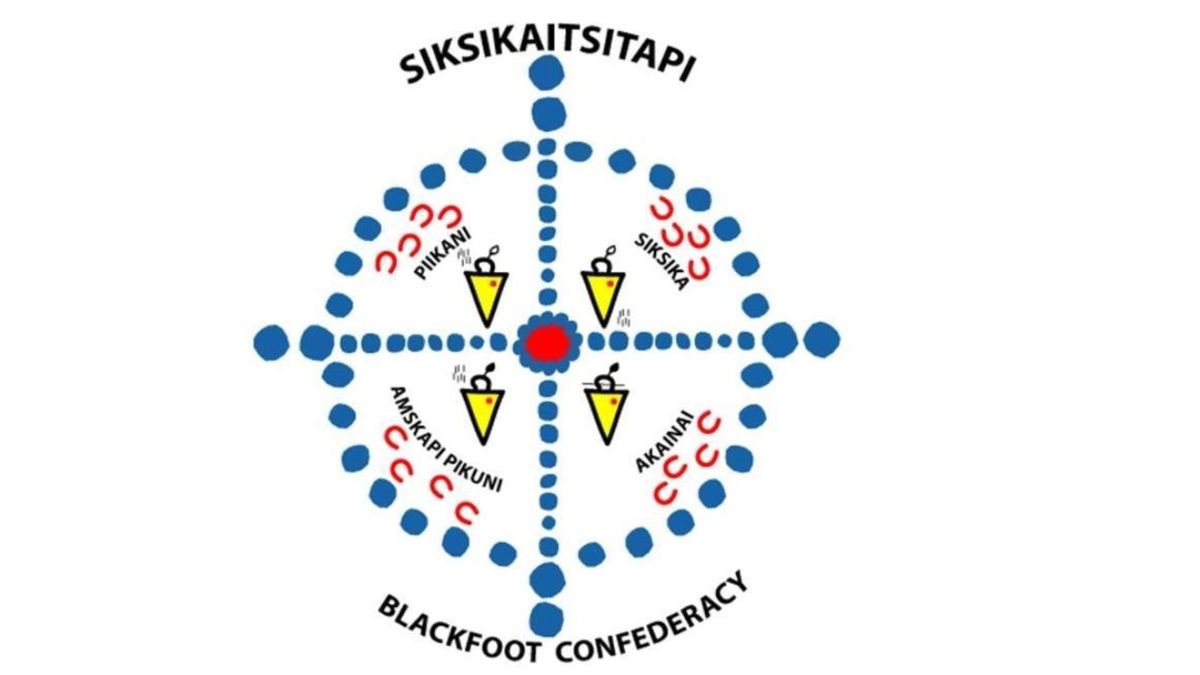
The Blackfoot Confederacy is a historic and cultural alliance of four Niitsítapi (Original People) nations. The Siksika Nation is the northernmost member. The other three are the Káínaa (Kainai or Blood), the Aapátohsipikáni (Northern Peigan), and the Aamsskáápipikani (South Peigan or Montana Blackfoot). All nations within the confederacy speak dialects of the Blackfoot language, an Algonquian language. They share cultural traditions and a connected history on the Northern Plains.
What are some key economic initiatives of the Siksika Nation?
The Siksika Nation's economic development is led by Siksika Resource Development Limited (SRDL), founded in 1997. SRDL manages various business ventures and properties. Past initiatives have included a proposal for a medical marijuana production facility. Recent community-focused projects include planting Saskatoon berry trees for food security and hosting Indigenous entrepreneur training workshops. Revenue from economic activities is directed toward addressing social issues, creating jobs, and funding essential services for the community. The Nation also signed a 2010 agreement for $50 million and new water rights related to land claims.
Sources and further reading
- Siksika Nation (Wikipedia)
- Siksika Nation: Home (siksikanation.com)
- Siksika First Nation | T7CA (treaty7.org)
Checked by the Nosy Mag desk. Last updated 2026-10-29.