Oral tradition
Oral tradition is a form of human communication in which knowledge, art, beliefs, ideas and culture are received, preserved, and transmitted orally from one generation to another. It is the most widespread medium of human communication. For Indigenous peoples in Canada, it is a primary method for transmitting knowledge, history, law, and culture, forming a foundational record for First Nations, Inuit, and Métis societies. These traditions are sophisticated systems for preserving genealogies, ecological knowledge, spiritual teachings, and historical events. In contemporary Canada, oral traditions remain vital for cultural continuity and identity, and are increasingly recognized in legal contexts, including rights and title cases, as valid historical evidence.
Definition and Scope
Oral tradition refers to the dynamic and communal process of receiving, preserving, and transmitting cultural knowledge through vocal utterance and performance. It is a medium of communication for a society to transmit oral history, oral literature, oral law and other knowledge across generations without a writing system, or in parallel to a writing system. In Indigenous contexts, it is a principal medium for conveying a society's historical, legal, spiritual, and practical understanding. This knowledge is reproduced and adapted by each generation, often by designated repositories such as Elders or hereditary chiefs, who function as mental record-keepers or 'walking libraries'. The transmission can include folktales, ballads, chants, prose, poetry, and detailed genealogies. Indigenous oral traditions form the foundation of their societies, connecting past and present. They are distinct from the academic discipline of oral history, which involves the recording of personal testimony about experienced events, and from the study of orality, defined as thought and its verbal expression in societies where literacy technologies are unfamiliar. Folklore is one type of oral tradition.
Functions and Cultural Roles
Indigenous oral traditions serve multiple essential functions for community survival and cohesion. They are a primary mechanism for teaching moral lessons, social norms, and practical skills, often through narratives featuring trickster figures. For example, Inuit parents might use stories about sea monsters with a pouch for children to teach safety near water. These traditions preserve community history, including accounts of events like the Métis battles of Seven Oaks in 1816 and Grand Coteau in 1851. Oral traditions function as a legal and social database, recording laws, kinship networks, and territorial boundaries to prevent close relatives from marrying and to outline family resource grounds. They maintain spiritual connections through creation stories, prayers, and narratives that explain cosmological beliefs. The collaborative nature of storytelling means each rendition can offer a fresh perspective, applying traditional wisdom to contemporary circumstances. In many African societies, oral traditions were the principal political, legal, social, and religious texts, with courts employing archivists to memorize royal genealogy and state history as an unwritten constitution. The attitude in oral societies toward speech is similar to the reverence literate societies attach to the written word.
Forms and Practices of Storytelling
The practice of oral tradition is highly nuanced, with specific forms, protocols, and contexts governing its expression. Stories are often non-linear and layered with multiple meanings that resonate differently with listeners of various ages. In many Plains Indigenous communities, certain stories are told only during the winter months, based on the belief that spirits are asleep. Among the Mowachaht and Kwakwaka’wakw, hereditary chiefs hold special privileges to certain oral histories. The performance itself makes each telling a lived experience, accentuated by gesture and social convention. Métis stories, known as lii zistwayr, lii koont and lii atayoohkaywin, combine Cree, Ojibwa, and French-Canadian narrative traditions. The climate of telling can influence content. In Burundi, traditions were short because most were told at informal gatherings, while in Rwanda, many narratives were longer because a one-man professional had to entertain his patron for a whole evening, with every production checked by fellow specialists. Frequently, glosses or commentaries were presented parallel to the narrative to ensure understanding.
- Creation Stories: Explain the origins of the world and natural phenomena, often involving trickster figures like Wiisakaychak.
- Historical Accounts: Record significant community events, migrations, and interactions, such as the Sīrat Banī Hilāl epic in Arabic tradition which recounts the migration of the Banu Hilal tribe.
- Teaching Stories: Impart moral lessons, social rules, and practical knowledge about survival and resource use.
- Genealogical Records: Detail family lineages and kinship connections to regulate marriage and resource use, as kept by griots in West Africa who keep records of all births, deaths, and marriages.
- Spiritual Narratives: Convey prayers, cosmological beliefs, and sacred teachings told only at specific times to specific people.
- Trickster Tales: Humorous stories featuring characters like Nanabush that highlight human foibles like gluttony and selfishness.
- Proverbs and Songs: Short, memorable forms used to teach lessons and preserve cultural sayings, as in many African traditions.
In Native American societies, oral storytelling traditions flourished without writing to record history and knowledge. Stories functioned as practical lessons from tribal experience, fusing fictional or exaggerated characters with real emotions and morals as a means of teaching. The plots often reflect real life situations and may be aimed at particular people known by the story's audience. This approach allows oral traditions to address immediate moral, social, psychological, and environmental issues faced by the community.
Global Context and Historical Depth
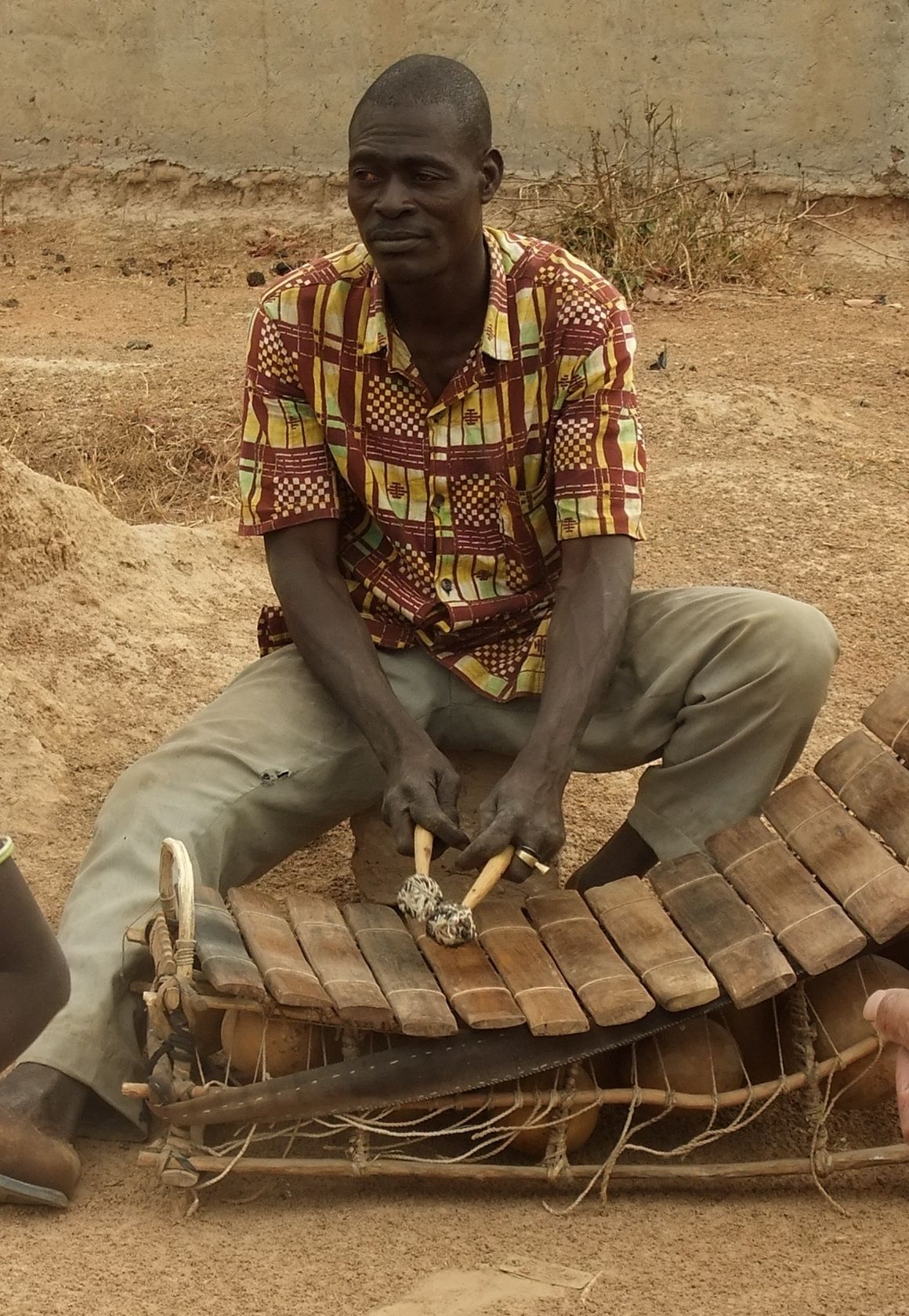
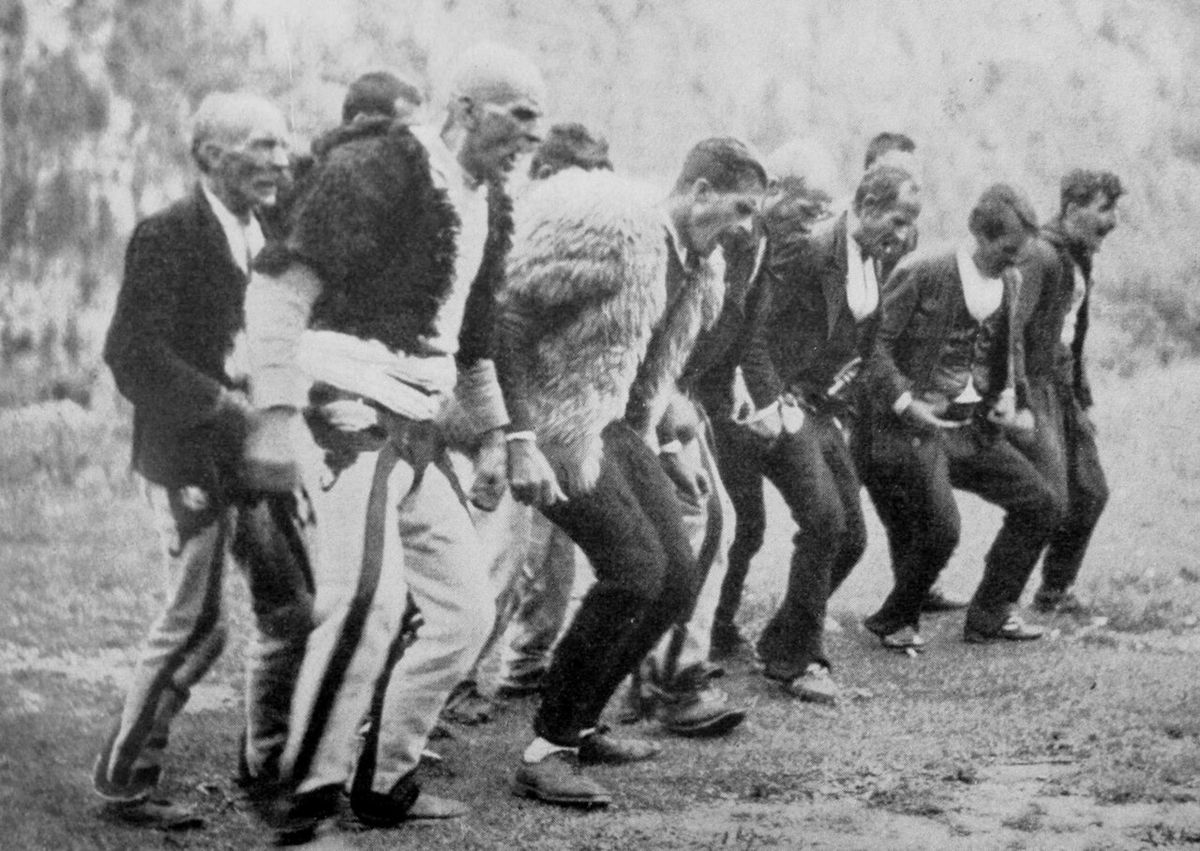
Indigenous oral traditions in Canada are part of a vast global human practice that is the single most dominant communicative technology in history. Oral tradition has been an ancient human tradition found in all corners of the world. Religions like Buddhism, Hinduism, Catholicism, and Jainism have used oral tradition, in parallel to writing, to transmit their canonical scriptures, rituals, hymns and mythologies. African societies have broadly been labelled oral civilisations due to their reverence for the oral word. In West Africa, hereditary griots in Mandinka and other societies served as historians, musicians, and royal advisors, keeping records of births, deaths, and marriages. They advised rulers like Sundiata Keita of the Mali Empire, giving rise to the Kouyate line of griots. In Australia, the oral traditions of the Gunditjmara people contain accounts of volcanic eruptions at Budj Bim and Tower Hill that are corroborated by geological evidence showing eruptions 34,000 to 40,000 years ago, representing some of the oldest oral traditions in existence. In ancient Greece, Homer's epic poetry was largely composed, performed, and transmitted orally. The theory of oral-formulaic composition was developed through the scholarly study of Albanian epic verse. The Vedic texts of India and the early Buddhist texts are also believed to be products of oral tradition, preserved with elaborate mnemonic techniques. In the Middle East, Arabic oral tradition used structured poetry and prosimetrum for reliable historical transmission. The Torah and other ancient Jewish literature, the Judeo-Christian Bible and texts of early Christianity are rooted in an oral tradition.
Threats and Colonial Disruption
The continuity of Indigenous oral traditions has been severely threatened by centuries of colonial policies aimed at assimilation and by Western epistemological bias. Western discourse has historically privileged the written word as the dominant form of record keeping, erroneously dismissing oral societies as peoples without history. This bias was institutionalized through laws like the Indian Act and the residential school system in Canada, which explicitly forbade the speaking of Indigenous languages and the practice of cultural traditions, including storytelling. These policies caused deep trauma and disrupted the intergenerational transmission of knowledge, as children were removed from their communities and punished for engaging with their culture. The forced shift towards a print-based society and the devaluation of oral testimony as unreliable compared to written documents further marginalized these traditional knowledge systems. Despite this intense pressure, oral traditions were often preserved underground, with families and communities continuing to share stories and teachings in secret. The legacy of these disruptions is a central reason why the revitalization of oral traditions is a key component of contemporary reconciliation efforts in Canada. In the work of scholars like Vuk Stefanović Karadžić, a contemporary of the Brothers Grimm, salvage folklore projects were undertaken with an admixture of romantic and nationalistic interests.
Contemporary Revitalization and Legal Recognition
In recent decades, there has been a significant movement to reclaim, revitalize, and formally recognize Indigenous oral traditions within Canadian society and institutions. This shift is part of a broader decolonization of Canadian history. Landmark reports, including the Royal Commission on Aboriginal Peoples in 1996 and the Truth and Reconciliation Commission's final report in 2015, have called for greater inclusion and respect for Indigenous ways of knowing. Crucially, Canadian courts now recognize oral traditions as admissible evidence in Indigenous rights and title cases, acknowledging their validity as historical records. Museums and academic institutions are increasingly partnering with Indigenous communities to highlight oral histories, guided by frameworks like the 1992 Task Force Report on Museums and First Peoples. Oral traditions continue to evolve and adapt within modern media. The Center for Studies in Oral Tradition was founded in 1986 at the University of Missouri, and the journal Oral Tradition was established. The Pathways Project draws parallels between the media dynamics of oral traditions and the Internet.
| Adaptation Medium | Examples and Context |
|---|---|
| Literature | Métis stories adapted into novels and poetry, maintaining narrative layers. |
| Visual Art | Story themes expressed through painting, sculpture, and digital art. |
| Film and Media | Documentaries and feature films that bring oral narratives to screen for wider audiences. |
| Digital Archives | Recordings of Elders' stories preserved in community and institutional databases for future generations. |
| Educational Curriculum | Integration of oral tradition teachings into school programs across Canada. |
| Cultural Policy | UNESCO conventions for safeguarding intangible cultural heritage, ratified by countries like Kenya in 2007. |
Elders and knowledge keepers actively teach younger generations in both traditional and new formats, ensuring the transmission of knowledge, art, beliefs, and culture from one generation to another. This process strengthens cultural identity and ensures the survival of these traditions, which remain a widespread medium of human communication. Scholars like John Miles Foley developed Oral Theory beyond earlier mechanistic notions, extending interest in cultural features of oral societies beyond the verbal. Foley's work touched on over one hundred ancient, medieval, and modern traditions, highlighting the global and enduring nature of oral tradition.
The Métis Oral Tradition
The Métis Oral Tradition exemplifies the dynamic and syncretic nature of Indigenous storytelling, born from the fusion of Algonquian and French-Canadian Catholic cultures. It has been vitally important for ensuring family survival, delineating kinship networks to prevent intermarriage, and recording knowledge of trapping, fishing, and medicinal plant harvesting grounds, information usually kept by older women. Narratives often connect listeners directly to key events in Métis nation-building, such as the bison hunt and the Battles of Seven Oaks and Grand Coteau. Spiritually, the tradition retains elements from its Algonquian roots, including trickster-based creation stories and cautionary tales about figures like the Roogaroo or li Jiyaab to remind people of their spiritual obligations. The Métis tricksters, Wiisakaychak, Nanabush, and Chi-Jean, are essentially good but flawed characters whose humorous misadventures teach moral lessons about gluttony and selfishness. While these stories derive from parent cultures, they have evolved different meanings to meet specific Métis needs and express a distinct Métis worldview. Today, the Métis Oral Tradition continues both in its classic form and through modern adaptations in print and visual media, demonstrating its enduring vitality.
Oral Tradition as Collective Memory and Verification
At its core, Indigenous oral tradition operates as a sophisticated system of collective memory and peer-reviewed knowledge. As described by a Mi’kmaq Hereditary Chief, Elders often gather in circles where each serves as a 'mnemonic peg' to others, engaging in a process of communal verification. When an Elder speaks, they are conscious that other Elders will act as peer reviewers, which discourages the sharing of questionable information and ensures that what is treasured is hallowed by authority or antiquity. Each Elder brings a piece of the knowledge puzzle drawn from the teachings of their parents, grandparents, and great-grandparents. Through sharing, joking, and storytelling, they build a consolidated body of knowledge constructed by the collectivity. This process shows that oral tradition is not a simple recitation of fixed texts but a dynamic, dialogic method of constructing and preserving truth, where the frequency of telling aids preservation. It contrasts with Western contexts where authors of written documents are automatically received as authorities. This collective approach, also seen in African courts where archivists memorized royal genealogy, ensures the accuracy, relevance, and depth of the information being transmitted across generations. Oral traditions face the challenge of accurate transmission and verifiability, often employing mnemonic devices like alliteration, repetition, and assonance, and using metrically composed verse to reveal errors.
Questions about Oral tradition
What is the difference between oral tradition and oral history?
Oral tradition refers to the broad, intergenerational transmission of a community's collective knowledge, including history, law, spirituality, and practical skills, often through structured storytelling and performance. Oral history, as defined by bodies like the Oral History Association, is a method of gathering, preserving and interpreting the personal voices and memories of people who participated in past events. For Indigenous peoples, their oral traditions encompass what Western scholarship might call oral history but are integrated into a much larger, holistic system of knowledge preservation and cultural continuity. This distinction is important as oral tradition is a medium for a society to transmit oral history and other knowledge across generations without or in parallel to a writing system.
Are Indigenous oral traditions considered reliable historical evidence?
Yes, Indigenous oral traditions are increasingly recognized as reliable and valid historical evidence, particularly within the Canadian legal system and scholarly circles. Canadian courts have ruled that oral traditions are admissible as evidence in Indigenous rights and title cases, acknowledging their longevity and meticulous transmission processes. Scholars recognize their reliability through sophisticated communal practices where knowledge is peer reviewed and preserved across generations, offering detailed accounts verified over immense spans of time. For example, the Gunditjmara people's oral histories of volcanic eruptions in Victoria around 34,000 to 40,000 years ago match geological evidence from the Budj Bim and Tower Hill volcanoes.
How were Indigenous oral traditions affected by colonization?
Colonization posed severe and deliberate threats to Indigenous oral traditions through policies of assimilation and cultural suppression rooted in Western bias for the written word. The Indian Act and the residential school system explicitly prohibited the speaking of Indigenous languages and the practice of cultural ceremonies and storytelling, forcibly removing children from the intergenerational learning environment. This disruption caused deep trauma and endangered the transmission chain. The colonial attitude dismissed oral societies as peoples without history, considering their traditions inferior. Despite this, communities preserved knowledge underground, a crucial act of resistance.
What are some common types of stories in Indigenous oral traditions?
Indigenous oral traditions include several common types of stories, each with a specific purpose. Creation stories explain the origins of the world and natural phenomena, often involving trickster figures. Historical accounts record significant events like battles, migrations, and interactions with other peoples. Teaching stories impart moral lessons, social rules, and practical knowledge about survival, hunting, and plant use. Genealogical records detail family lineages and kinship connections to regulate social structures. Spiritual narratives convey prayers, cosmological beliefs, and sacred teachings, often only shared at specific times. Trickster tales use the misadventures of characters to explore human nature and teach lessons.
How is the Métis Oral Tradition unique?
The Métis Oral Tradition is unique as a syncretic cultural expression that blends narratives from its Algonquian and French-Canadian Catholic roots into a distinct Métis worldview. It served exceptionally practical functions like recording family genealogies to prevent intermarriage and mapping resource harvesting grounds for medicine and food, knowledge kept by older women. Its stories often highlight key events in Métis nationhood, such as the Battle of Seven Oaks. Spiritually, it retains trickster-based creation stories from Algonquian traditions alongside elements from rural French Catholic folklore. While derived from parent cultures, the stories have evolved different meanings to meet Métis needs.
How are oral traditions being revitalized today?
Oral traditions are being revitalized through concurrent efforts at community, cultural, institutional, and legal levels across Canada and internationally. Within communities, Elders and knowledge keepers are actively teaching younger generations in circles and gatherings. Culturally, stories are being adapted into contemporary forms like literature, visual art, film, and digital media. Institutionally, museums, schools, and universities are incorporating oral histories into programs and collections, often through partnerships. Legally and politically, their recognition in courts and by commissions has affirmed their value. Academic fields have been consolidated by works like John Miles Foley's Oral-Formulaic Theory and Research in 1985.
Sources and further reading
- Oral tradition (Wikipedia)
- Oral Tradition (indigenouspeoplesatlasofcanada.ca)
- Indigenous Oral Histories and Primary Sources (thecanadianencyclopedia.ca)
- 11 Things You Should Know About Indigenous Oral ... (ictinc.ca)
- Oral Traditions | indigenousfoundations (indigenousfoundations.arts.ubc.ca)
Checked by the Nosy Mag desk. Last updated 2026-11-02.