Nakota
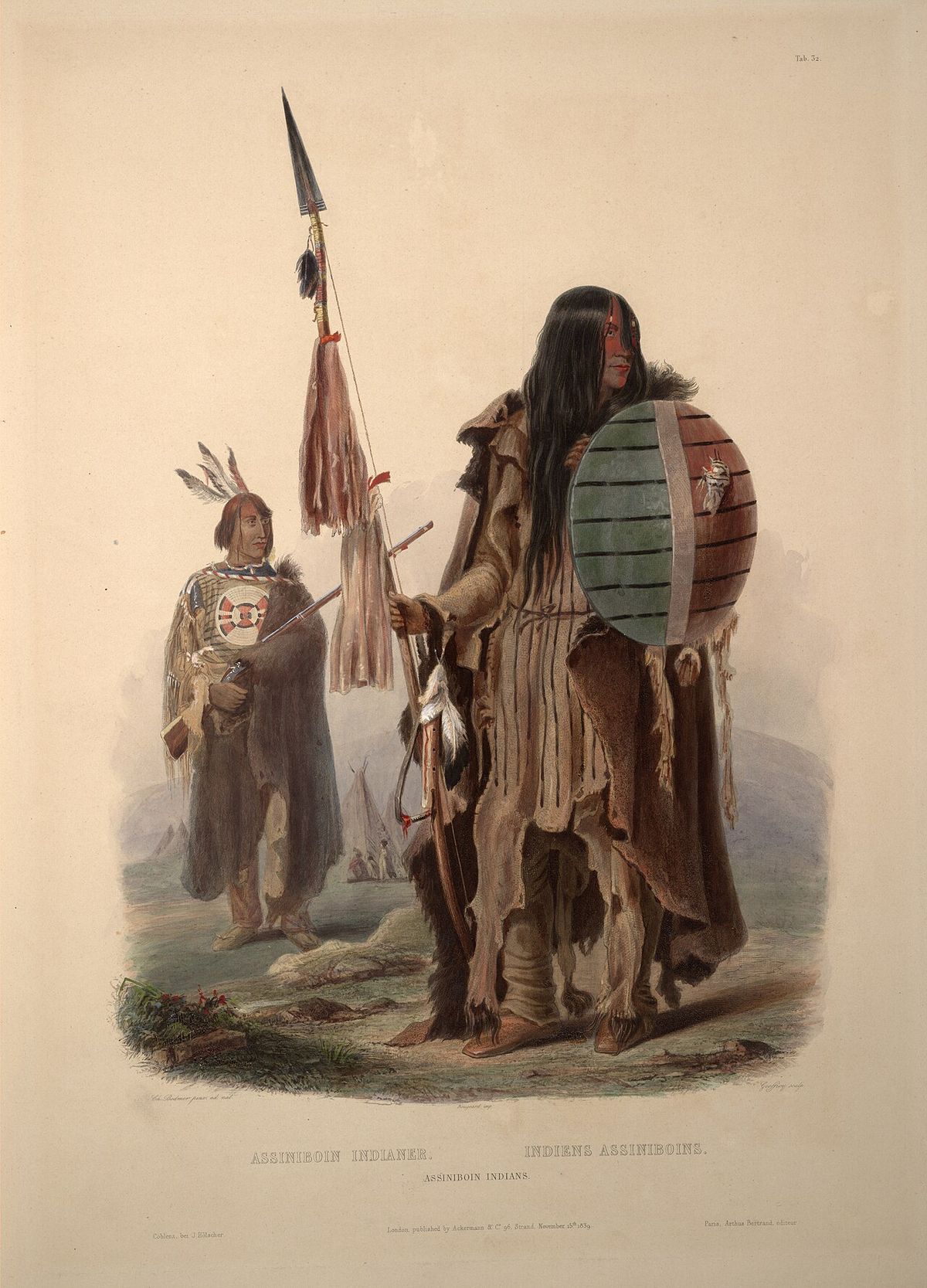
The Nakota, also known as Nakoda or Nakona, are an Indigenous people whose traditional territory spans the northern Plains of Canada and the United States. In Canada, the Nakota people include the Assiniboine and the closely related Stoney (Stoney-Nakoda) communities, primarily located in Alberta, Saskatchewan, and Manitoba. They are part of the larger Sioux linguistic family, having branched from the Great Sioux Nation around 1640. Today, Nakota communities maintain their language and traditions while engaging with contemporary life.
Linguistic and Historical Origins
The Nakota people's identity is rooted in their distinct language and historical divergence from the broader Sioux Nation, known as the Oceti Sakowin or Seven Council Fires. For many years, academic classification grouped the Yankton and Yanktonai bands under the term Nakota. However, systematic linguistic research in the late 20th century by scholars like Douglas R. Parks and Raymond J. DeMallie established that the Yankton and Yanktonai refer to themselves as Dakota. The autonym Nakota is used exclusively by the Assiniboine and their Canadian relatives, the Stoney. The historical separation occurred around 1640 when the Assiniboine branched off from the Yankton-Yanktonai grouping and moved westward from the woodlands of present-day Minnesota. This migration was part of a broader movement linked to the expansion of the fur trade, with the Assiniboine often travelling and trading alongside Cree allies. Their journey brought them into the northern and northwestern regions of the Plains, establishing their presence in what is now Montana, North Dakota, and the Canadian prairies.
The Stoney-Nakoda of Alberta
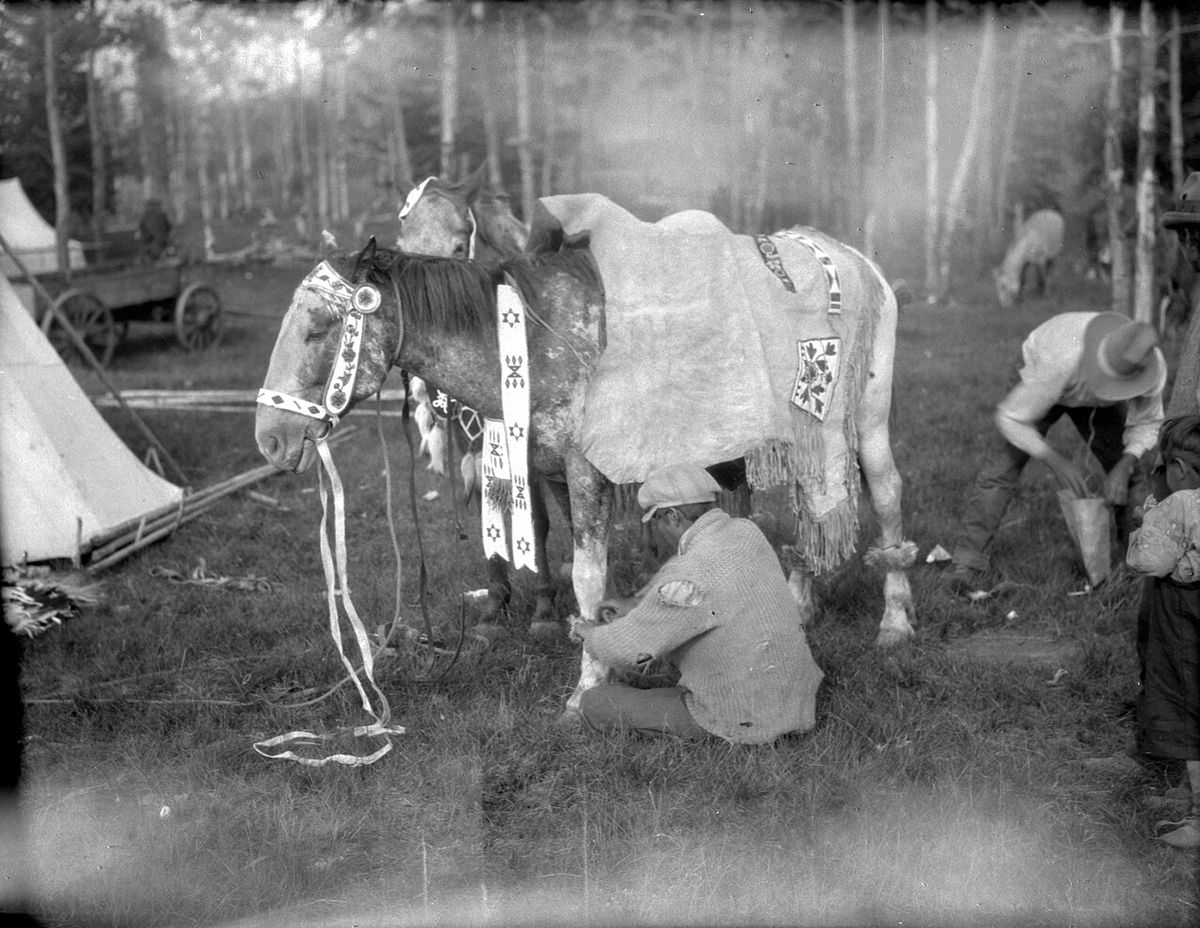
The Stoney-Nakoda, or îyârhe Nakodabi, are the Nakota people of Alberta's Rocky Mountain foothills, often called the 'Rocky Mountain Sioux.' Their oral traditions assert a presence in the foothills from time immemorial, though recorded history notes their separation from the Plains Assiniboine possibly as late as 1790. They adapted to a life in forest and foothill environments, hunting bison and other big game. The Stoney became invaluable partners in the fur trade era, serving as guides for traders, explorers like John Palliser, and surveyors for the Canadian Pacific Railway. Methodist missionaries introduced Christianity to the Stoney after 1840, leading to the establishment of the Morleyville mission in 1873. In September 1877, Stoney leaders including Chiefs Jacob Bearspaw, John Chiniki, and Jacob Goodstoney signed Treaty 7 at Blackfoot Crossing. The original reserve at Morley was surveyed in 1879, with additional reserves at Bighorn and Eden Valley established in 1948 after prolonged negotiations. The economic base for the Stoney-Nakoda at Morley has evolved to include natural gas royalties and various commercial enterprises like the Nakoda Lodge, stores, and campgrounds. Their social and community structure remains strong, centred on family and cultural activities including powwows, Treaty Days, rodeos, and stampedes.
The population across the four Nakoda communities of Morley, Bighorn, Eden Valley, and Alexis was over 3,700 people as of the 2016 census. Traditional activities like trapping, big-game hunting, guiding, and ranching continue alongside modern professions and band-operated businesses. These enterprises, which include service stations, restaurants, and a rodeo centre, contribute to a high standard of living derived in part from natural gas royalties. This blend of traditional and contemporary economic practices helps sustain the community's infrastructure and cultural programs for future generations.
Contemporary Identity and Pan-Sioux Relations
In recent decades, there has been a trend among Nakota communities to re-emphasize their connections to the broader Sioux Nation. This is visible in the official naming of communities like the Alexis Nakota Sioux First Nation and in public statements affirming their Sioux ancestry. This movement aligns with broader 'pan-Sioux' efforts to revitalize Indigenous languages and cultural ties. Nakota representatives actively participate in annual language summits, such as the Lakota, Dakota, Nakota Language Summits sponsored by the Tusweca Tiospaye organization. These gatherings promote a mission of 'Uniting the Seven Council Fires to Save the Language,' highlighting a shared commitment to linguistic preservation across the Sioux diaspora. This renewed solidarity does not erase the distinct Nakota identity but rather frames it within a larger historical and cultural family. The Stoney tribal website explicitly notes that members, as descendants of the great Sioux nations, prefer to conduct conversation and business in their Siouan mother tongue. This contemporary positioning reflects both a reclaiming of heritage and a practical strategy for cultural survival and intertribal cooperation.

Treaty Recognition and Commemorations
The Nakota people's relationship with the Crown is defined by historic treaties, which continue to shape community life and are actively commemorated. The Alexis Nakota Sioux Nation is a signatory to Treaty 6, which was signed in 1876. The Stoney-Nakoda bands of Bearspaw, Chiniki, and Goodstoney are signatories to Treaty 7, signed in 1877. These treaties are living documents, and their anniversaries are marked with significant events that affirm treaty rights and celebrate community resilience. For instance, the Alexis Nakota Sioux Nation scheduled a major 150-year commemoration of Treaty 6 for October 2026, planned as a two-day event. Similarly, the Nakota Strong Music Festival was held on July 1, 2026, at the Alexis Nakota Sioux Nation to celebrate Treaty No. 6 with music and community gatherings. These events are important for educating both community members and the wider public about the enduring nation-to-nation relationship between the Nakota people and Canada.
Language and Cultural Revitalization
Preserving the Nakota language is a central pillar of cultural continuity for the nation. The language, a dialect of the Siouan family, is a critical marker of identity distinct from the closely related Dakota and Lakota dialects. Community-led initiatives are at the forefront of revitalization efforts. The annual îethka Language Conference, for example, is a specific event that brings together Nakota, Lakota, and Dakota nations to celebrate and reinforce the importance of their languages. Participation in broader language summits further connects Nakota speakers to a network of resources and shared pedagogical strategies. These efforts are intrinsically linked to transmitting traditional knowledge, stories, and worldviews. The work ensures that younger generations can access their heritage in their mother tongue, strengthening cultural pride and intergenerational bonds. The commitment to language is a daily practice in homes, schools, and official band business, as noted by community leaders.

Governance and Current Leadership
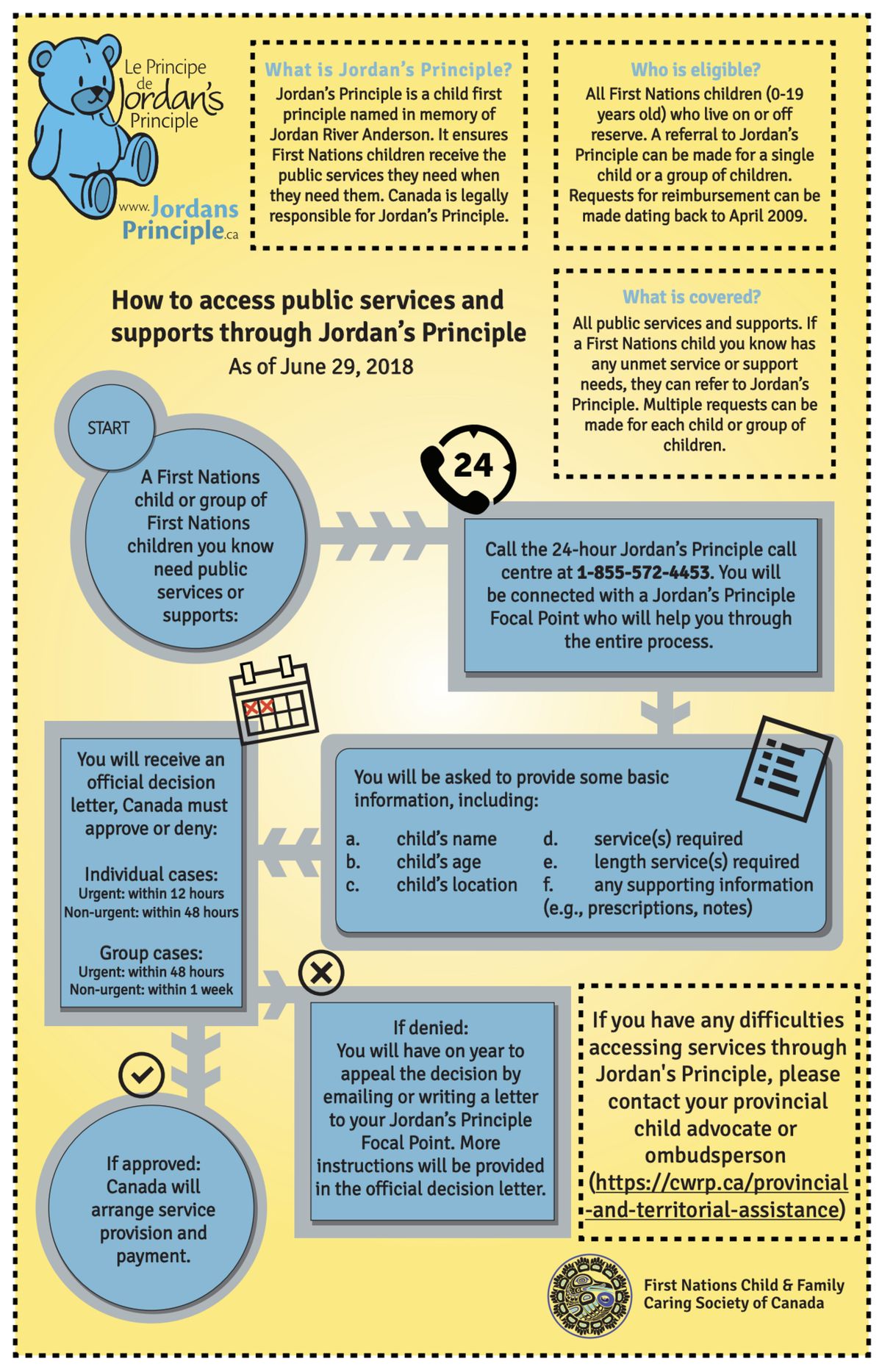
Nakota communities are self-governing under the leadership of elected chiefs and councils. The structure and terms of this governance follow community-specific election codes. For example, the chief and council for the Alexis Nakota Sioux Nation were elected on June 14, 2022, and their term is set to run until June 17, 2026. This democratic governance manages a wide range of services and development projects, from housing and education to economic ventures and cultural programs. Band administrations operate various departments and non-profit entities to serve their members. Governance also involves ongoing negotiation with federal and provincial governments on issues ranging from land claims and resource revenue sharing to implementing programs like Jordan's Principle, which ensures First Nations children have access to necessary services. The leadership's role balances internal community needs with external relations to uphold treaty rights and secure a prosperous future.
Population and Community Demographics
The Nakota population in Canada is concentrated in several First Nations communities, primarily in Alberta. The most recent specific demographic data for the Stoney-Nakoda people, from 2016, recorded a population of over 3,700 individuals living across the communities of Morley, Bighorn, and Eden Valley. The Alexis Nakota Sioux Nation, located west of Edmonton, constitutes another significant Nakota community. Community growth and vitality are supported by band infrastructure, schools, and health services. The population includes a significant portion of young people, which shows the importance of education, language programs, and youth engagement initiatives for the nation's future.
Key Historical Events and Figures
The Nakota people, including the Assiniboine and Stoney, originated from the Great Sioux Nation known as the Oceti Sakowin. The Assiniboine branched off from this nation around 1640 and moved west into the northern plains of the United States and Canada. In Canada, the Stoney-Nakoda bands signed Treaty 7 in 1877, led by Chiefs Jacob Bearspaw, John Chiniki, and Jacob Goodstoney. Their history is defined by this separation, westward migration, and subsequent treaty relationships. The Nakota experience involves early autonomy after separating from the Dakota/Lakota Nation. This was followed by treaty-making, such as the Stoney signing Treaty 7 in 1877 and the Alexis Nakota Sioux Nation being signatory to Treaty 6. In modern times, this includes self-governance, as seen with elected chief and council systems. The experience illustrates a continuous adaptation, from guiding explorers and traders to asserting rights through events like the 150-year commemoration of Treaty 6 in 2026.
- Circa 1640: The Assiniboine separate from the Yankton-Yanktonai Dakota and begin their westward migration.
- 1754: Trader Anthony Henday records contact with Assiniboine-Stoney camps in Alberta.
- September 1877: Stoney Chiefs Bearspaw, Chiniki, and Goodstoney sign Treaty 7 at Blackfoot Crossing.
- 1879: The original Morley reserve for the Stoney-Nakoda is surveyed.
- 1948: The Bighorn (Kiska Waptan) and Eden Valley reserves are established after years of petitioning.
- June 14, 2022: The current chief and council of the Alexis Nakota Sioux Nation are elected.
Cultural and Community Events
Nakota communities maintain a rich calendar of events that serve to celebrate culture, affirm identity, and foster community cohesion. These gatherings range from traditional ceremonies to contemporary festivals, many of which also serve as important treaty commemorations. Participation in these events strengthens intergenerational bonds and public awareness of Nakota heritage. The following are notable examples of such events, highlighting their purpose and timing.
- Annual îethka Language Conference: A gathering to celebrate and promote the Nakota, Lakota, and Dakota languages.
- Lakota, Dakota, Nakota Language Summits: Annual intertribal meetings sponsored by Tusweca Tiospaye to unite the Seven Council Fires for language preservation.
- Nakota Strong Music Festival (July 1, 2026): A festival held at Alexis Nakota Sioux Nation to celebrate Treaty No. 6.
- 150 Year Commemoration of Treaty No. 6 (October 2, 2026): A two-day event planned by the Alexis Nakota Sioux Nation.
- National Indigenous Peoples Day (June 21): Features cultural performances, including traditional dancing by Stoney Nakoda Nation members.
- Treaty Days, Powwows, Rodeos, and Stampedes: Regular community events held at Stoney-Nakoda communities like Morley.
Questions about Nakota
What is the difference between Nakota, Dakota, and Lakota?
Nakota, Dakota, and Lakota are the three primary dialect groups of the Sioux language family. The Dakota are the eastern groups (Santee, Yankton, Yanktonai), the Lakota are the western Teton Sioux, and the Nakota are the Assiniboine and Stoney peoples. Historically, there was confusion as the Yankton-Yanktonai were incorrectly called Nakota, but linguistic research confirms they call themselves Dakota. The term Nakota is correctly used by the Assiniboine and Stoney to refer to themselves.
Where do the Nakota people live in Canada?
In Canada, Nakota communities are primarily found in Alberta and Saskatchewan. Key communities include the Stoney-Nakoda Nations at Morley, Bighorn, and Eden Valley in Alberta, and the Alexis Nakota Sioux Nation west of Edmonton. Assiniboine communities are also located in Saskatchewan and Manitoba. These communities are situated within the traditional territory of the northern Plains and Rocky Mountain foothills.
Which treaties did the Nakota sign?
The Nakota people in Canada are signatories to two major Numbered Treaties. The Alexis Nakota Sioux Nation is part of Treaty 6, signed in 1876. The Stoney-Nakoda bands (Bearspaw, Chiniki, Goodstoney) signed Treaty 7 in September 1877 at Blackfoot Crossing. These treaties govern the relationship between these First Nations and the Crown and are commemorated regularly by the communities.
What is the Nakota language?
The Nakota language is the endonym used by the Assiniboine and Stoney peoples. It is a dialect within the Siouan language family, distinct from Dakota and Lakota. The Assiniboine and Stoney refer to themselves using the term Nakota or Nakoda. Language revitalization is a focus, with communities participating in events like the îethka Language Conference and the Lakota, Dakota, Nakota Language Summits.
Who are the traditional leaders of the Stoney-Nakoda?
The traditional leaders of the Stoney-Nakoda at the signing of Treaty 7 in 1877 were Chiefs Jacob Bearspaw, John Chiniki (also spelled Chiniquay), and Jacob Goodstoney. They led the Bearspaw, Chiniki, and Goodstoney bands respectively. These chiefs were instrumental in negotiating the treaty and establishing the original Morley reserve. Their leadership is a key part of Stoney-Nakoda history and governance.
How do Nakota communities celebrate their culture today?
Nakota communities celebrate their culture through numerous events that blend tradition and community. These include powwows, Treaty Days celebrations, rodeos, stampedes, and camp meetings. Specific festivals like the Nakota Strong Music Festival in July 2026 highlight treaty commemorations with music and family activities. National Indigenous Peoples Day on June 21 also features cultural performances, such as traditional dancing by Stoney Nakoda Nation members.
Sources and further reading
- Nakota (Wikipedia)
- Stoney-Nakoda (thecanadianencyclopedia.ca)
Checked by the Nosy Mag desk. Last updated 2026-10-31.