Nakoda people
The Nakoda, also known as the Stoney or Îyârhe Nakoda, are an Indigenous people whose traditional territory spans the Rocky Mountain foothills and plains of Western Canada and into the United States. They are culturally and linguistically allied to the Assiniboine, with whom they share a common ancestry, and are comprised of distinct bands including the Bearspaw, Chiniki, and Goodstoney First Nations. Their history is connected to the signing of Treaty 7 in 1877, which established their reserve lands in what is now Alberta. Today, the Nakoda are known for their stewardship of the mountain landscapes, their cultural practices, and their ongoing efforts to assert their rights and reconnect with their traditional territories within Canada's national parks.
Origins and Historical Divisions
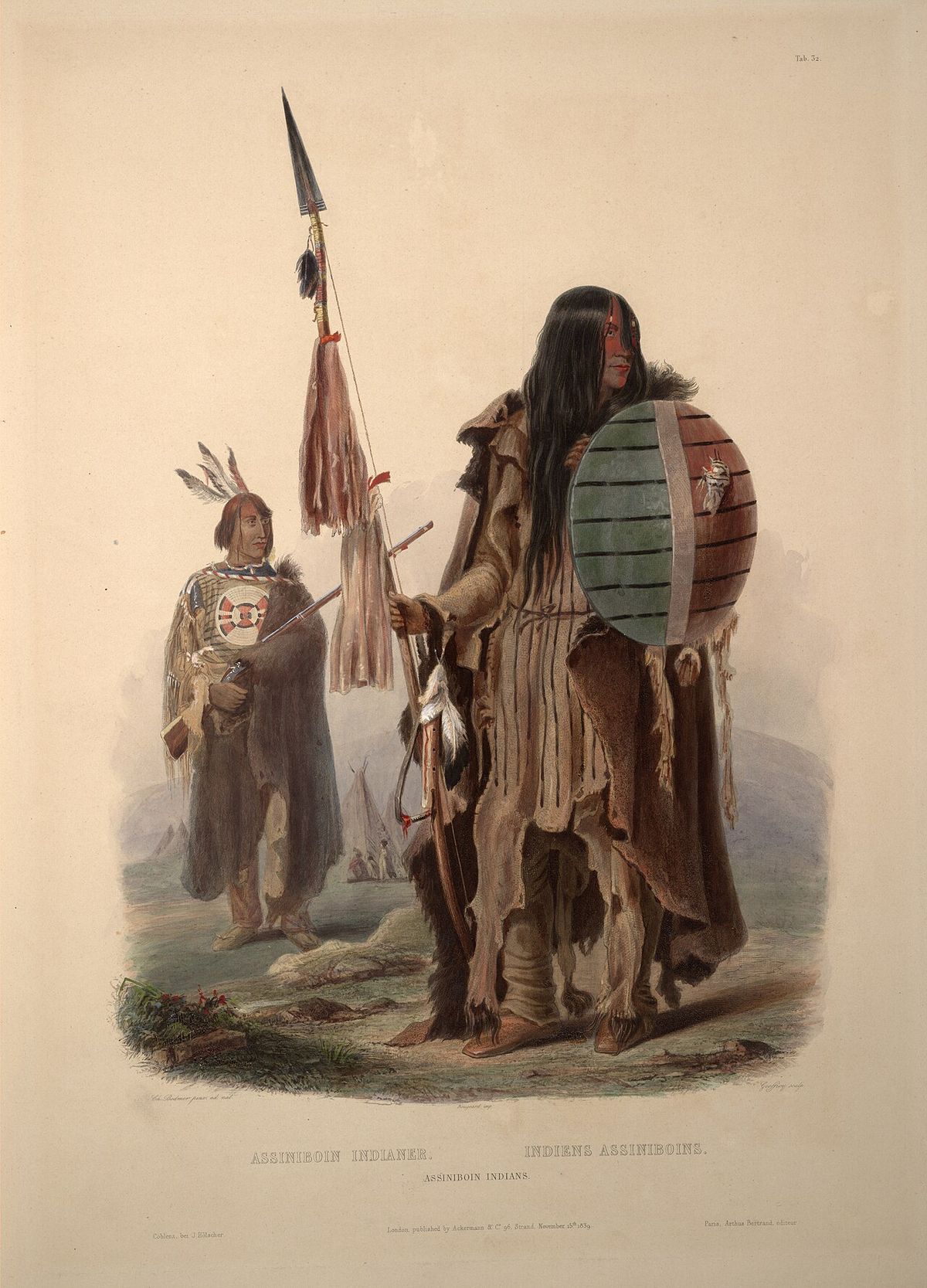
The Nakoda people are descendants of bands of the Assiniboine, from whom they emerged as an independent group in about 1744. Oral tradition and historical accounts suggest a separation from the Dakota/Lakota Nation earlier. By the late 18th century, distinct Nakoda groups had formed, divided geographically and culturally into two main tribal divisions. The Wood Stoney, or Chan Tonga Nakoda, were the northern tribal group often associated with wooded areas and were sometimes called the Swampy Ground Assiniboine. This division included the Alexis and Paul bands. The Mountain Stoney, or Ye Xa Yabine Nakoda, were the southern tribal group who made their home in the Rocky Mountain foothills and were also known as the Strong Wood or Thickwood Assiniboine. This division included the Sharphead band and the three bands of the Stoney Nakoda First Nation. Early recorded contact with Europeans includes Anthony Henday meeting Assiniboine camps in 1754. The missionary Father de Smet reported in 1840 that the Rocky Mountain Stoney had separated from the Plains Assiniboine around 1790.
Traditional Territory and Way of Life
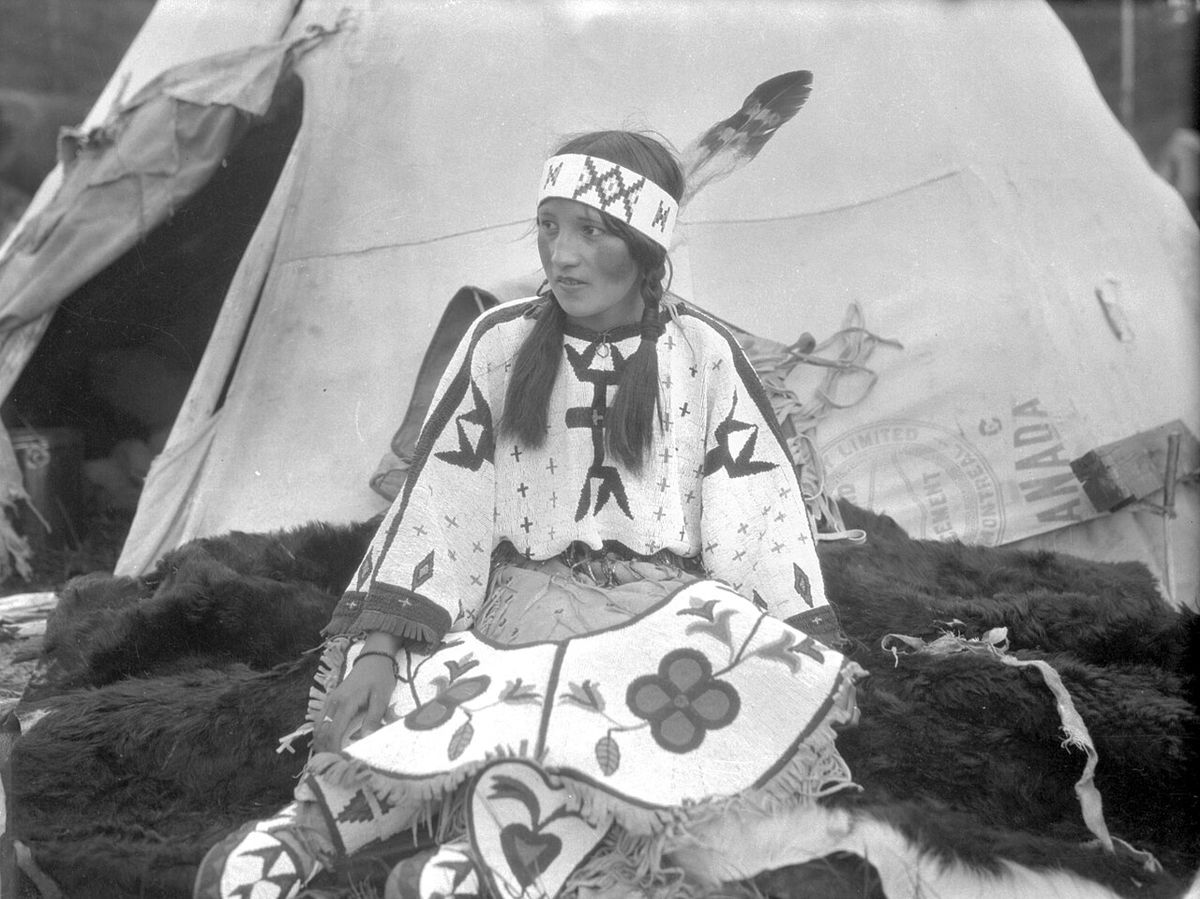
For millennia, the Nakoda lived as the 'people of the mountains' along the Rocky Mountain foothills. Their traditional territory used to be large parts of what is now Alberta, Saskatchewan, and Montana, extending from the headwaters of the Athabasca River south to Chief Mountain. Their traditional economy was based on hunting, fishing, and trapping within this diverse landscape. They hunted bison on the plains and pursued other big game animals in the forests and mountains. The establishment of fur trade posts like Edmonton House in 1795 and Rocky Mountain House in 1799 integrated the Nakoda into the trade economy, where they exchanged furs, hides, and fresh meat. Their deep knowledge of the terrain also made them invaluable guides for explorers like Lord Southesk, surveyors for the Canadian Pacific Railway and the Geological Survey of Canada, and missionaries throughout the 19th century. The Nakoda named countless geographic features in their territory, with many Stoney names persisting today, such as Minnewanka (sacred waters) and Îyâ Mnathka (flat faced mountain, known as Yamnuska or Mount John Laurie). The name Kiska refers to big horn sheep.
Treaty 7 and Reserve Establishment
In September 1877, Nakoda leaders including Chiefs Jacob Bearspaw, John Chiniki (Chiniquay), and Jacob Goodstoney met with Crown representatives at Blackfoot Crossing to negotiate Treaty 7. In exchange for the use of their traditional lands, the treaty promised the right to self-government, the continuation of their way of life, and reserve lands. The original reserve of 279 square kilometres was surveyed adjacent to the Methodist Morleyville mission on the Bow River in 1879. This land, situated between the Kananaskis River and the Ghost River, was shared by the three signatory bands. Over subsequent decades, through petition and negotiation, additional reserves were established. The Bighorn (Kiska Waptan) reserve near Nordegg and the Eden Valley reserve near Longview were both formally established in 1948 after years of advocacy. Other Nakoda bands, such as those of Alexis and Paul, had previously signed an adhesion to Treaty 6 in 1877, and their reserves are located west of Edmonton. The Alexis and Paul bands are composed of Stoney, Métis, Woodland Cree, Danezaa, and Iroquois members, reflecting interconnected histories.
The primary reserves for the Bearspaw, Chiniki, and Goodstoney Nations today are Stoney Indian Reserves #142, #143, and #144 at Mini Thni (Morley). These reserves are located 65 kilometres west of Calgary on the Trans-Canada Highway between Calgary and Banff. The nations also live on the Eden Valley Indian Reserve #216 near Longview and the Bighorn Reserve #144A near Nordegg. As of 2021, the population of the Stoney Nakoda Nations was approximately 5,397 people.
- Stoney Indian Reserves #142, #143, #144 at Mini Thni (Morley), 65 km west of Calgary on the Trans-Canada Highway.
- Rabbit Lake Indian Reserve #142B, northwest of Morley.
- Eden Valley Indian Reserve #216, located 120 km south of Morley near Longview.
- Bighorn Reserve #144A, located 265 km northwest of Morley near Nordegg.
Language and Cultural Identity
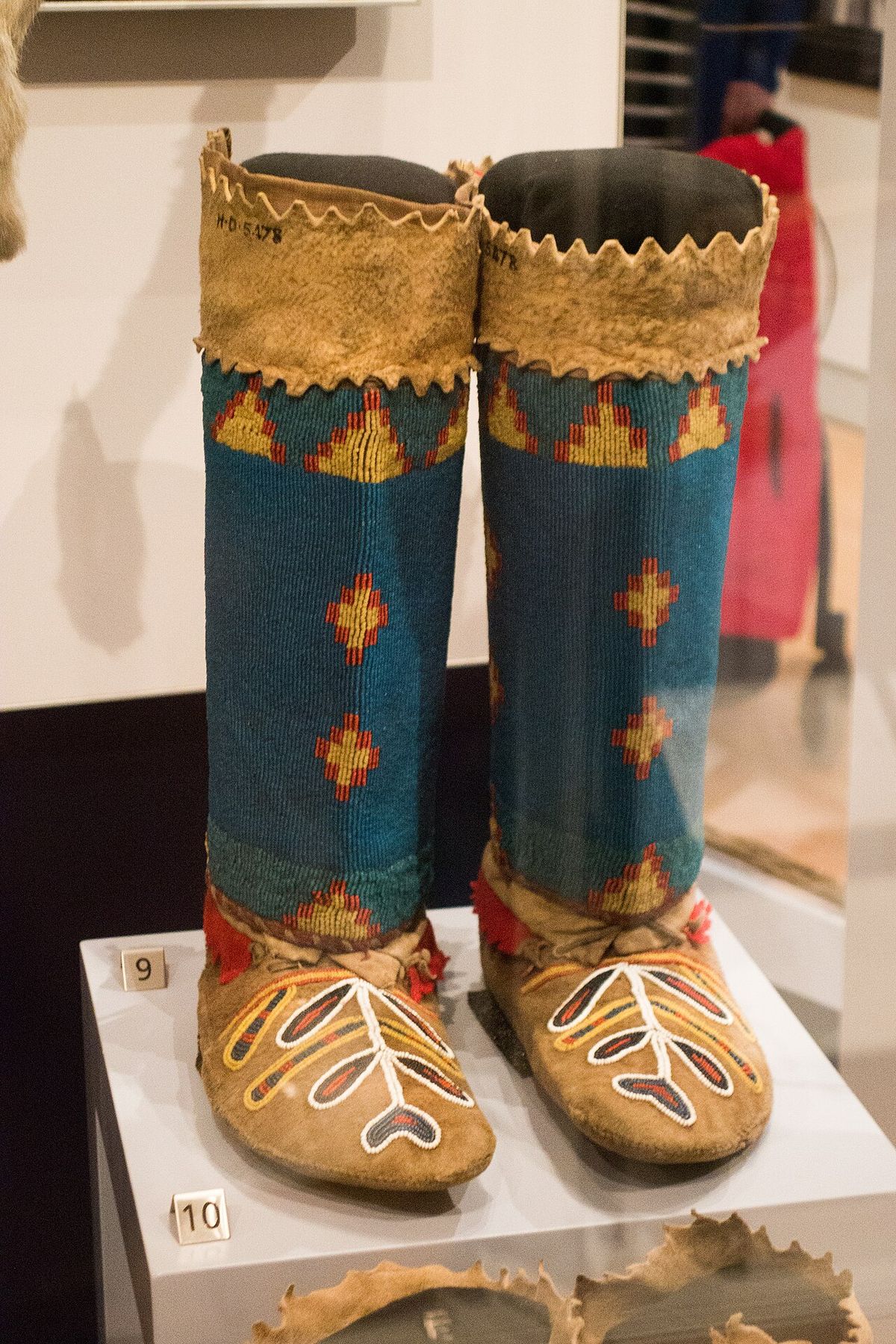
The Nakoda language, known as Stoney Nakoda, is a dialect of the Sioux-Assiniboine language family. It is part of the northern dialect continuum of the Dakota language. It remains the mother tongue for many community members and continues to be used in formal settings such as Chief and Council meetings, community gatherings, and ceremonial events. The name 'Nakoda' itself means 'friend' or 'ally' in their language. The name 'Stoney' was given by Anglophone explorers who observed their technique of using fire-heated rocks to boil broth in rawhide bowls. Cultural life for the Nakoda centres on family and community activities that reinforce their identity and connection to the land, including powwows, annual Treaty Days celebrations, rodeos, stampedes, and camp meetings. These events serve as vital spaces for the transmission of culture, language, and history to younger generations. The Stoney are also known as Stone Sioux, a name derived from the Ojibwe term 'asinii-bwaan'.
Contemporary Life and Economy
The traditional hunting and trapping economy has been largely supplemented by a diverse mix of activities. The economic base for the Stoney Nakoda Nations includes ranching, lumbering, guiding, handicrafts, and various professional services. The communities at Morley have achieved a measure of economic stability through natural gas royalties and the operation of several commercial enterprises. These businesses include stores, restaurants, service stations, the Nakoda Lodge, a rodeo centre, and campgrounds. As of 2021, the population of the Stoney Nakoda Nations was approximately 5,397 people, a significant increase from the over 3,700 recorded in the 2016 census. The community maintains a strong social fabric oriented around cultural preservation and family, while actively engaging in the modern economy of Alberta and participating in broader Canadian society. The three bands are represented collectively by the Stoney Tribal Administration.
Land Stewardship and Reconnection
The Nakoda have a long history of stewardship over their mountain and foothill territories, which they have continuously used, occupied, and possessed since well before European contact. In recent years, there has been a concerted effort to legally and culturally reclaim their presence and responsibilities within these lands, particularly in national parks from which they were historically excluded. A significant event occurred in October 2023 when the Stoney Nakoda Nations and Simpcw First Nation from British Columbia came together in Jasper National Park to reawaken a sacred, age-old treaty between them. This treaty historically involved sharing resources and caretaking responsibilities for the 11,000 square kilometres of Jasper Park lands, with gatherings every four years to trade food, share medicines, and hold ceremony. The creation of Jasper National Park in 1907 led to the physical removal of Indigenous communities from these lands, disrupting this ancient practice. The 2023 ceremony was part of a broader journey of healing and reconnection, supported by Parks Canada. This work aligns with Measure SP35 of the United Nations Declaration on the Rights of Indigenous Peoples Act Action Plan, which focuses on harvesting rights and Indigenous Guardians.
Relationship with Banff National Park and Cultural Recognition
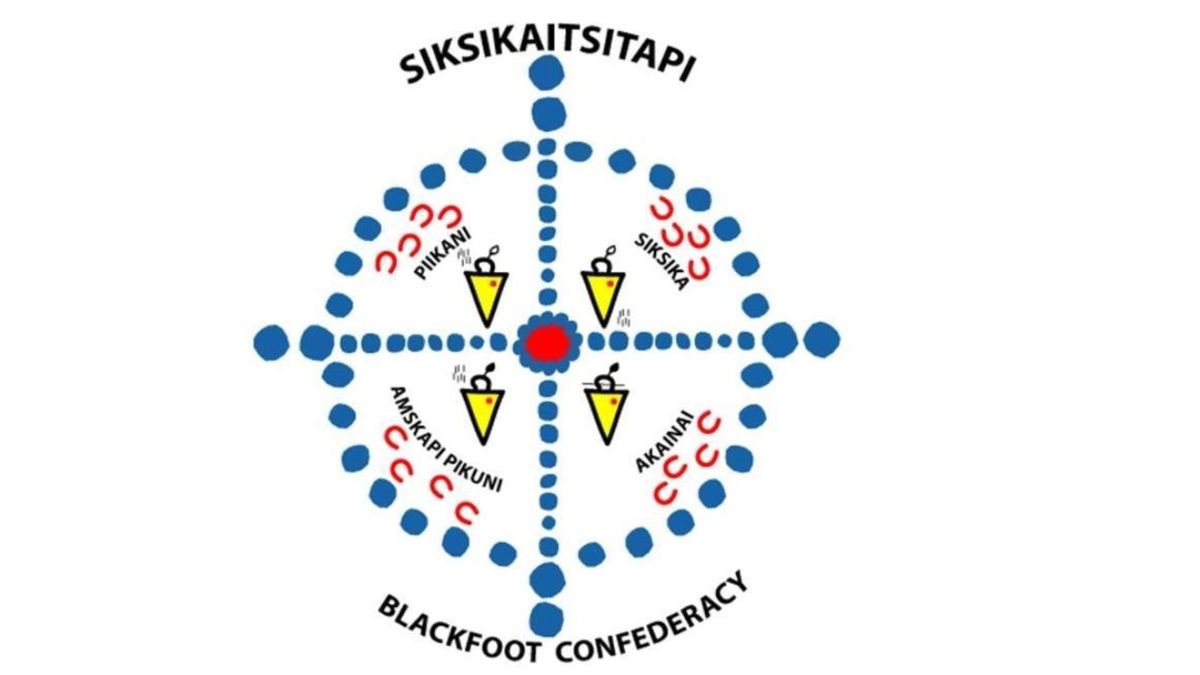
The Nakoda's traditional territory includes what is now Banff National Park, an area they knew as Minirhpa or Minihrpa, meaning 'the waterfalls'. Between 1890 and 1920, the Stoney were excluded from the park. In a symbolic gesture of reconciliation, they were officially welcomed back to Banff National Park in 2010. Their deep connection to the area is regularly acknowledged in territorial acknowledgements by institutions like the Banff Centre and the Town of Banff, which honour the Treaty 7 territory of the Îyârhe Nakoda, the Tsuut'ina First Nation, and the Blackfoot Confederacy. During National Indigenous History Month in June, and particularly on National Indigenous Peoples Day, the Nakoda are active participants in celebrations. Institutions like the Banff Centre host concerts, dance and jewelry workshops, story sharing panels, and an Indigenous Art Marketplace during this month. These occasions serve as important public opportunities for learning and honouring the enduring presence and contributions of the Nakoda people and other Indigenous nations.
Demographic and Community Data
The population of the Stoney Nakoda Nations has grown steadily over recent decades. According to the most recent data, the combined registered population of the Bearspaw, Chiniki, and Goodstoney First Nations was approximately 5,397 people as of 2021. The majority of members live on the six core reserves, with the largest community at Morley (Mini Thni). Earlier census figures indicated a population of over 3,700 in 2016, illustrating consistent growth. The community structure is organized around the three distinct Nations, each with its own Chief and Council, which are represented collectively by the Stoney Tribal Administration. This governance model allows the bands to manage their affairs, economic development, and cultural programs while maintaining their unique identities as descendants of the signatory chiefs of Treaty 7. The members of the Nakoda nations of Paul and Alexis live primarily on their reserves west of Edmonton.
| Reserve Name & Number | Location Relative to Morley | Primary Association |
|---|---|---|
| Morley (IR #142, 143, 144) | Primary community, 65 km west of Calgary | Bearspaw, Chiniki, Goodstoney |
| Eden Valley (IR #216) | 120 km south, near Longview | Primarily Bearspaw and Goodstoney |
| Bighorn (IR #144A) | 265 km northwest, near Nordegg | Shared between the three Nations |
| Alexis Reserve (Treaty 6) | West of Edmonton | Alexis Band (Stoney, Métis, Woodland Cree) |
| Paul Reserve (Treaty 6) | West of Edmonton | Paul Band (Danezaa, Stoney, Cree, Iroquois) |
Notable Figures and Cultural Works
The Nakoda have been represented by influential leaders and scholars who have documented and advocated for their history and rights. Chief John Snow, a former chief of the Wesley (Goodstoney) Band, authored the seminal work 'These Mountains Are Our Sacred Places: The Story of the Stoney People' in 1977, which has been reprinted by University of Toronto Press, Dundurn, and Fitzhenry & Whiteside. Other figures like Walking Buffalo (Tatanga Mani) have been the subject of biographies such as 'Tatanga Mani-Walking Buffalo of the Stonies' by J.G. MacEwan. Academic and ethnographic studies have also contributed to the understanding of Nakoda history, including Raoul Anderson's 1970 case study 'Alberta Stoney (Assiniboine) Origins and Adaptations' in the journal Ethnohistory and works by historians like H.A. Dempsey and Jon Whyte. These works, alongside oral histories, form a critical body of knowledge that challenges historical narratives and asserts the Nakoda perspective on their own past, their treaty relationship, and their ongoing presence in their traditional territories.
Questions about Nakoda people
What is the difference between Nakoda, Stoney, and Assiniboine?
The Nakoda and Assiniboine share a common ancestry, having separated from the Dakota/Lakota nations centuries ago. The Nakoda, who call themselves Îyârhe Nakoda, are often referred to as Stoney, a name given by explorers based on their stone-boiling cooking technique. While closely related, they developed as an independent group around 1744, with the Nakoda traditionally associated more with the Rocky Mountain foothills and the Assiniboine more with the plains. The Assiniboine are also known as Stone Sioux, from the Ojibwe term 'asinii-bwaan'. In Saskatchewan and Montana, the Stoney-Nakoda are often not differentiated from the Assiniboine.
Which treaty did the Nakoda sign and where are their reserves?
The Nakoda bands of Bearspaw, Chiniki, and Goodstoney signed Treaty 7 at Blackfoot Crossing on September 22, 1877. The treaty established their reserve lands along the Bow River in Alberta. Their primary reserves today are located at Morley (Mini Thni), Eden Valley, and Bighorn. Other Nakoda bands, namely Alexis and Paul, signed an adhesion to Treaty 6 in 1877, and their reserves are located west of Edmonton. The Stoney Nakoda Nations currently live on six main reserves: the three at Morley, Rabbit Lake #142B, Eden Valley #216, and Bighorn #144A.
What language do the Nakoda people speak?
The Nakoda people speak the Stoney Nakoda language. This is a dialect of the Nakoda language, which is part of the larger Sioux-Assiniboine language family. It is specifically classified as the northern dialect of the Dakota language. Stoney Nakoda remains the mother tongue for many community members and is actively used in governance, at community meetings, and during cultural ceremonies and events.
What was the 2023 treaty reawakening in Jasper National Park?
In October 2023, the Stoney Nakoda Nations and Simpcw First Nation from British Columbia held a ceremony in Jasper National Park to reawaken a historic, sacred treaty between them. This age-old treaty involved sharing resources and caretaking responsibilities for the land, with gatherings every four years to trade, share medicines, and hold ceremony. The event, supported by Parks Canada, was part of a long journey to reconnect with their traditional territories from which they were removed when the park was created in 1907. The project supports the implementation of the United Nations Declaration on the Rights of Indigenous Peoples.
What is the population of the Stoney Nakoda Nations?
As of 2021, the combined population of the Bearspaw, Chiniki, and Goodstoney First Nations, which constitute the Stoney Nakoda Nations, was approximately 5,397 people. Earlier data from 2016 recorded a population of over 3,700, indicating consistent community growth. The majority of members live on the six main reserves: the three reserves at Morley, Eden Valley, Bighorn, and Rabbit Lake. The population figure includes members living on and off these reserve lands.
How are the Nakoda involved in National Indigenous History Month?
The Nakoda actively participate in National Indigenous History Month and National Indigenous Peoples Day celebrations. Their dancers and cultural practitioners are often featured in events. Institutions in their traditional territory, like the Banff Centre and the Town of Banff, host events including concerts, workshops, and markets during June that honour Nakoda and other Indigenous cultures. These activities are part of a national time for learning, reflection, and honouring Indigenous history and diversity.
Sources and further reading
- Nakoda people (Wikipedia)
- Stoney-Nakoda (thecanadianencyclopedia.ca)
- About Us (stoneynakodanations.com)
- Reawakening the treaties (justice.gc.ca)
Checked by the Nosy Mag desk. Last updated 2026-10-30.