List of Indigenous peoples
Indigenous peoples are distinct populations with a historical continuity to pre-invasion and pre-colonial societies that developed on their territories. They form non-dominant sectors of society and are determined to preserve, develop, and transmit their ancestral territories and ethnic identity to future generations. This continuity can be based on factors such as occupation of ancestral lands, common ancestry with original occupants, specific cultural manifestations, language, or residence in certain regions. On an individual basis, an Indigenous person is one who self-identifies as such and is accepted by their Indigenous community.
Definition and Historical Continuity
The international definition of Indigenous peoples centres on historical continuity with pre-invasion and pre-colonial societies. This continuity is demonstrated through several interconnected factors that persist into the present day. A fundamental factor is the occupation of ancestral lands, or at least a part of them, which forms the physical and spiritual foundation of Indigenous identity. Common ancestry with the original occupants of these lands establishes a genealogical link to the past. Cultural manifestations, including religion, social systems, community membership, dress, and livelihood, provide a living framework for this continuity.
Language serves as a critical vessel for cultural transmission, whether used as a sole language, a mother tongue, or the main means of communication within the family and community. Residence in specific parts of a country or region further solidifies the connection between people and place. On an individual level, an Indigenous person is one who self-identifies as Indigenous and is recognized and accepted as a member by their community. This principle preserves the sovereign right of Indigenous communities to define their own membership without external interference.
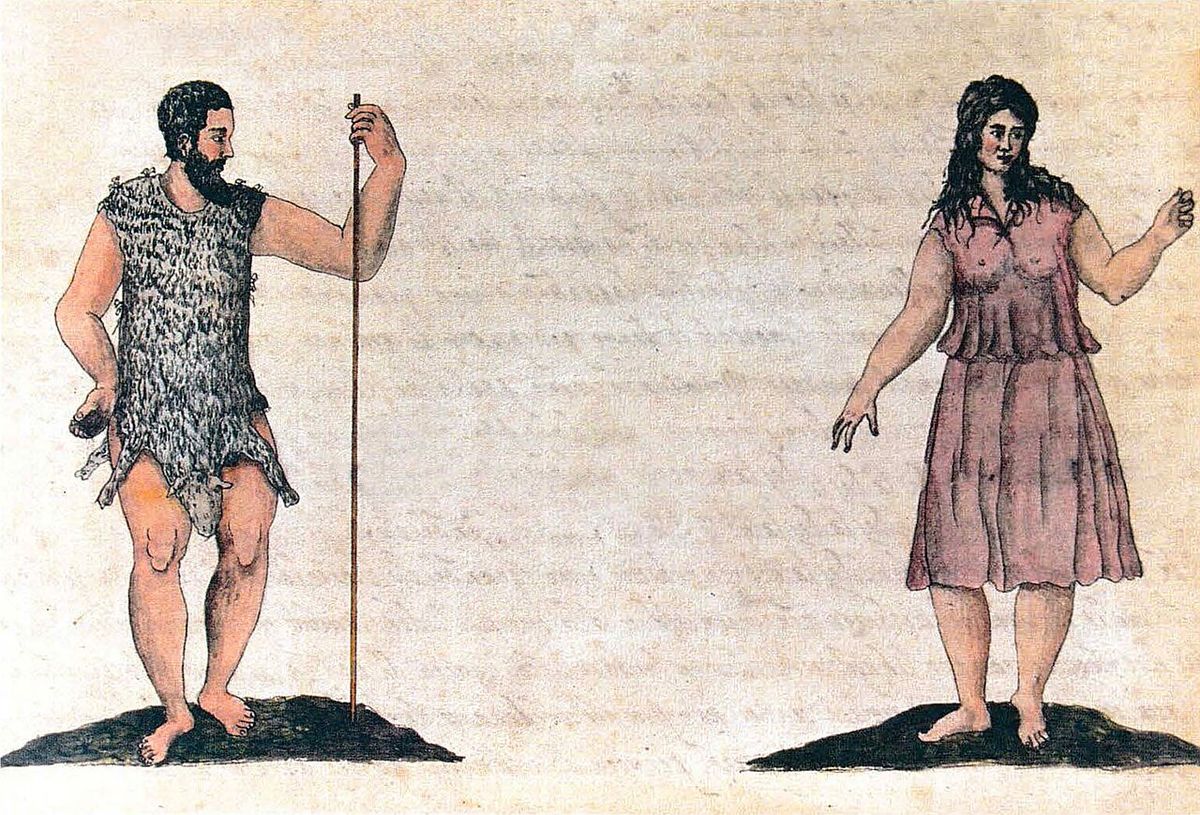
Indigenous Peoples in Canada
In the Canadian context, the term Indigenous peoples encompasses three constitutionally recognized groups: First Nations, Métis, and Inuit. First Nations are the Indigenous Peoples of Canada who live predominantly south of the Arctic. The Métis are a distinct people of mixed Indigenous and European ancestry who developed unique cultures, languages, and identities, particularly in the Prairie provinces and Ontario. The Inuit are the Indigenous peoples of the Arctic regions of Canada, Greenland, and Alaska, with a distinct history and culture adapted to the northern environment.
The relationship between Indigenous peoples and the Crown is foundational to Canada. Indigenous Nations possess inherent rights derived from their original occupation and sovereignty over their traditional territories. These rights include jurisdiction over political, legal, economic, social, and cultural systems. The land is a source of identity, and Indigenous peoples have a sacred responsibility to protect it. This relationship is distinct from the colonial framework of lands reserved for Indians.
Treaties are central to this relationship, established as agreements between Indigenous Nations and the Crown to determine how nations would co-exist. They were negotiated on principles of mutual respect, peace, and friendship, outlining how lands and resources were to be shared and establishing responsibilities in areas like education and health. The spirit and intent of these treaties refer to the original oral agreements. Indigenous peoples view treaties as living, international agreements that remain valid today and affirm ongoing sovereign relationships.
Rights, Advocacy, and Contemporary Context
Indigenous peoples in Canada continually assert their inherent and treaty rights through various means. A core principle in this engagement is the requirement for free, prior, and informed consent regarding any development or decision that may impact these rights. While Indigenous Nations are often forced to operate within colonial legal systems, they assert that these systems do not supersede their inherent rights. Advocacy has been tireless, using non-Indigenous vehicles like case law and court decisions to gain recognition.
A powerful international instrument supporting these efforts is the United Nations Declaration on the Rights of Indigenous Peoples (UNDRIP), which establishes minimum standards for the survival, dignity, and well-being of Indigenous peoples globally. In Canada, work continues to align federal and provincial laws with the principles of UNDRIP. Contemporary issues include the ongoing impacts of the Indian Residential School system, land rights disputes, and the revitalization of languages and cultures. Organizations like the Chiefs of Ontario and the Assembly of First Nations Quebec-Labrador represent collective political voices advocating for these rights.
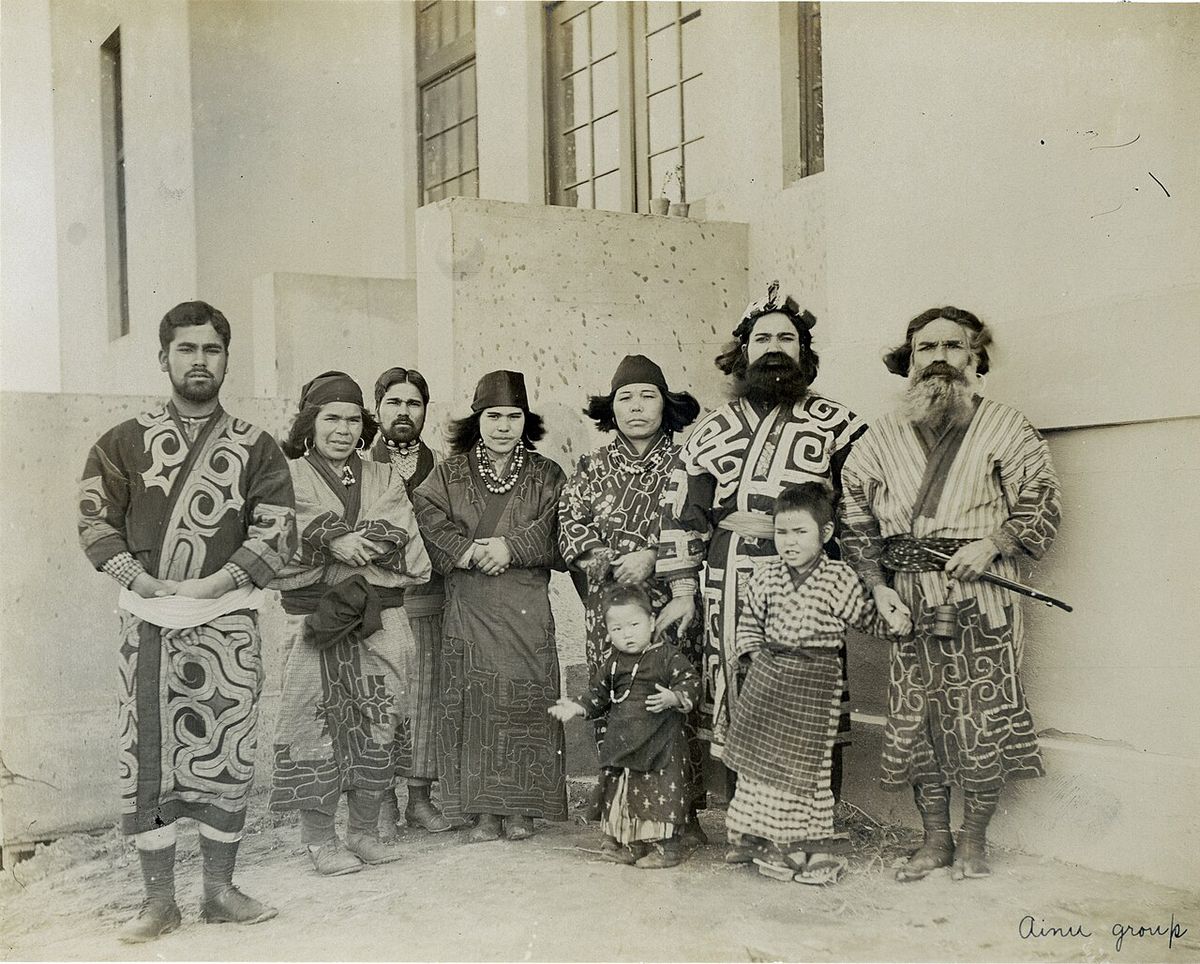
First Nations in British Columbia
British Columbia is home to a vast diversity of First Nations, each with distinct territories, languages, and governance structures. The provincial government maintains an alphabetical listing of First Nations, which includes information about current activities and affiliations. Many Nations are engaged in treaty negotiation processes through various tribal councils and treaty associations. The geographical distribution of these Nations spans the entire province, from coastal communities to the interior plateau and northern regions. Their traditional territories often overlap with modern municipalities and resource development areas, leading to complex jurisdictional discussions.
First Nations in BC participate in several collective bodies for advocacy and treaty negotiations. Key tribal councils and treaty societies include the Nlaka'pamux Nation Tribal Council, the Scw'exmx Tribal Council, the Laich-Kwil-Tach Treaty Society, and the Naut'sa mawt Tribal Council. These groups facilitate collective action on issues of land rights, resource management, and self-government. The governance models are diverse, ranging from traditional hereditary systems to elected band councils under the Indian Act. Many Nations are actively working to restore and practice their traditional forms of governance.
- ?Akisq'nuk First Nation (Columbia Lake Indian Band): Located 15 km northeast of Cranbrook.
- Campbell River Indian Band (Wei Wai Kum First Nation): Part of the Laich-Kwil-Tach Treaty Society.
- Gitlaxt'aamix Village Government (New Aiyansh): A Nisga'a Village Government.
- Lillooet Indian Band (T'it'q'et Administration): Part of the Lillooet Tribal Council.
- Musqueam Indian Band: Located on the Fraser River near Vancouver.
- Tsawwassen First Nation: A modern treaty nation near Delta.
- Wet'suwet'en First Nations: Several bands, with advocacy through the Office of the Wet'suwet'en Society.
National Indigenous Peoples Day
National Indigenous Peoples Day is celebrated annually on June 21, coinciding with the summer solstice. For generations, many First Nations, Inuit, and Métis communities have celebrated their cultures and traditions at this time of year, which holds deep spiritual significance as a period of renewal and connection. The day provides a national opportunity for all Canadians to recognize and celebrate the unique heritage, diverse cultures, and outstanding contributions of Indigenous peoples. In 2026, the day will mark its 30th anniversary, reflecting three decades of growing national recognition.
The establishment of this day followed consultations and statements of support from various Indigenous groups. In 1996, Governor General Roméo LeBlanc proclaimed June 21 as National Aboriginal Day. On June 21, 2017, the Prime Minister announced the intention to rename it National Indigenous Peoples Day, aligning with modern terminology. The day is now part of the broader Celebrate Canada program, which includes Saint-Jean-Baptiste Day, Canadian Multiculturalism Day, and Canada Day. Communities across the country host events such as powwows, feasts, musical performances, and educational activities to share their rich cultures.
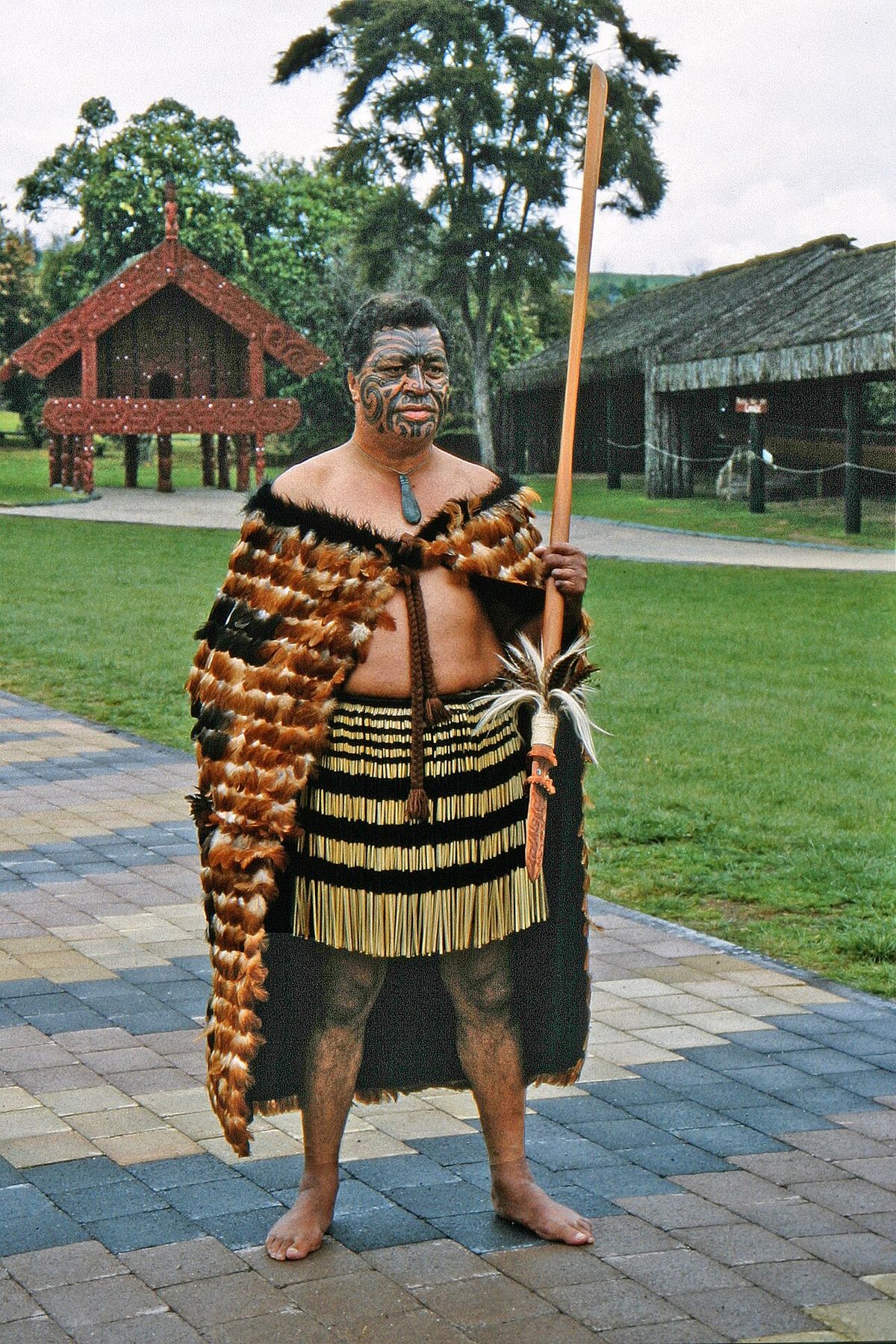
Global Distribution of Indigenous Peoples
Indigenous peoples are not confined to the Americas. They are present on every inhabited continent, with an estimated 5,000 distinct groups worldwide. In Africa, numerous Indigenous communities maintain their distinct identities. In the African Great Lakes region, groups like the Hadza and Sandawe of Tanzania and the Maasai of Kenya and Tanzania are recognized. Central Africa is home to various Pygmy peoples, including the Baka and Mbuti. The Horn of Africa includes the Afar, Oromo, and Somali peoples. Southern Africa encompasses a wide array of groups from the Khoekhoe and San to Bantu-language speaking nations like the Zulu and Shona.
In West Asia, groups such as the Assyrians, Arameans, and Samaritans claim indigeneity based on historical continuity in the Levant. The Druze of Syria, Lebanon, Jordan, and Israel form a distinct ethnoreligious community. In the Caucasus Mountains, diverse Indigenous groups including the Georgians, Ossetians, and numerous Dagestani peoples like the Avars and Lezgins reside. The issue of indigeneity is complex in regions like the Eastern Mediterranean. For instance, both Jews and Palestinian Arabs have put forward claims to indigeneity, with the Negev Bedouin receiving UN recognition as an indigenous people of Israel in 2007.
| Region | Example Peoples | Primary Locations |
|---|---|---|
| Africa (Great Lakes) | Hadza, Maasai, Twa | Tanzania, Kenya, Rwanda |
| West Africa | Dogon, Yoruba, Igbo | Mali, Nigeria, Benin |
| North Africa | Berbers (Imazighen), Copts, Beja | Morocco, Algeria, Egypt, Sudan |
| West Asia | Assyrians, Druze, Marsh Arabs | Iraq, Syria, Lebanon, Oman |
| Caucasus | Ossetians, Georgians, Avars | Georgia, Russia, Azerbaijan |
Indigenous Communities in Quebec
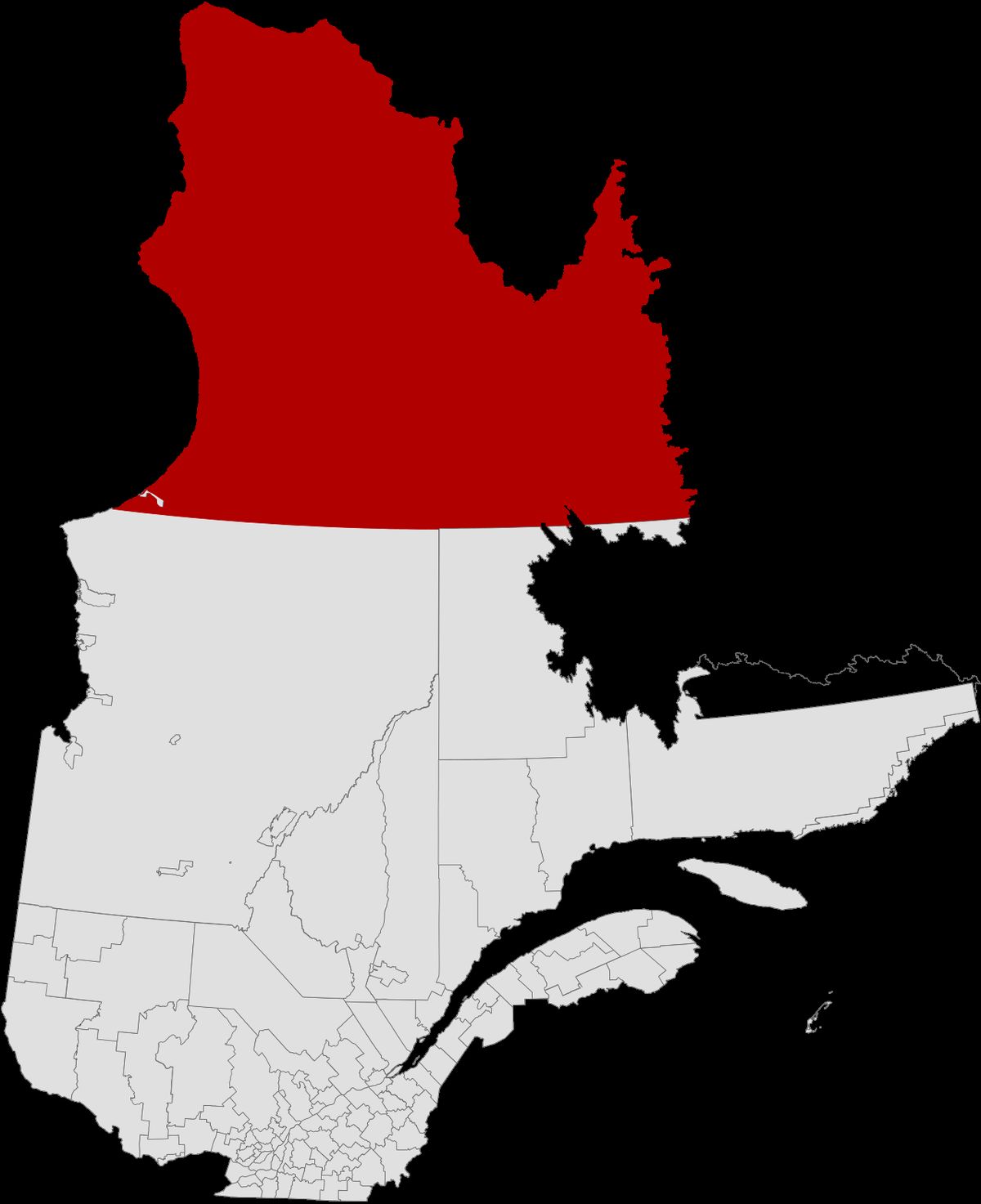
Quebec is home to a significant number of First Nations and Inuit communities, each with its own distinct culture and territory. The communities are spread across the vast geography of the province, from the southern regions near the St. Lawrence River to the northern Inuit lands of Nunavik. These communities represent diverse linguistic families, including Algonquian (like the Cree, Innu, and Algonquin) and Inuit (Inuktitut). The political scene for Indigenous peoples in Quebec involves several representative bodies. The Assembly of First Nations Quebec-Labrador (AFNQL) is a key political organization representing First Nations chiefs in the region. Inuit in Nunavik are represented by Makivvik, the birthright corporation established under the James Bay and Northern Quebec Agreement. Relationships between these communities and the provincial and federal governments involve ongoing negotiations regarding land claims, self-government, and resource revenue sharing.
Questions about List of Indigenous peoples
Who are considered Indigenous peoples in Canada?
In Canada, the term Indigenous peoples refers to three distinct groups: First Nations, Métis, and Inuit. First Nations are the Indigenous peoples who live predominantly south of the Arctic and comprise many individual nations. The Métis are a distinct people of mixed Indigenous and European ancestry who developed unique cultures, primarily in the Prairie provinces and Ontario. The Inuit are the Indigenous peoples of the Arctic regions of Canada, Greenland, and Alaska. These groups are the original inhabitants of the land, each with their own languages, cultures, and governance systems.
What is the significance of National Indigenous Peoples Day?
National Indigenous Peoples Day is celebrated on June 21 each year, coinciding with the summer solstice. This date holds deep spiritual and cultural significance for many Indigenous communities, marking a time of renewal and celebration. The day was established to provide a national opportunity to recognize and celebrate the heritage, cultures, and contributions of First Nations, Inuit, and Métis peoples. It originated from consultations with Indigenous groups and was first proclaimed National Aboriginal Day in 1996 by Governor General Roméo LeBlanc. In 2026, the day will mark its 30th anniversary, and it is now part of the national Celebrate Canada program.
What are inherent and treaty rights?
Inherent rights are those that Indigenous peoples possess by virtue of being the original peoples and nations of the land, derived from their own laws and traditions. These include the right to self-government, jurisdiction over their territories, and to practice their cultures. Treaty rights are those specifically set out in historical treaties negotiated between Indigenous Nations and the Crown. These treaties were agreements on sharing lands and resources and establishing relationships of peace and friendship. Indigenous peoples assert these rights are ongoing and have never been relinquished.
What does free, prior, and informed consent mean?
Free, prior, and informed consent (FPIC) is a key principle derived from the United Nations Declaration on the Rights of Indigenous Peoples. It means that Indigenous peoples have the right to give or withhold consent to any project or decision that may affect their lands, territories, or resources. 'Free' means without coercion or manipulation. 'Prior' means consent must be sought sufficiently in advance of any authorization or commencement of activities. 'Informed' means that all relevant information about the project's scope, impacts, and risks must be provided and understood. FPIC is central to the government-to-government relationship.
How many Indigenous peoples are there in the world?
Globally, there are an estimated 5,000 distinct Indigenous peoples spread across every inhabited climate zone and continent. They represent a vast diversity of cultures, languages, and ways of life. These populations are defined by their historical continuity with pre-invasion and pre-colonial societies on their territories. Examples range from the Sami in Scandinavia and the Maori in New Zealand to the Ainu in Japan and the numerous tribal groups across Africa, Asia, and the Americas. Despite their diversity, they share common experiences as non-dominant sectors of society striving to preserve their identities and rights.
What is the role of treaties today?
Treaties are living agreements that remain valid and legally significant today. Indigenous peoples view them as international agreements that established the framework for sharing the land and resources with the Crown. The spirit and intent of the treaties, based on the original oral agreements of peace and friendship, are considered paramount over the often-limiting written texts. Treaties affirm an ongoing government-to-government relationship. All Canadians are considered party to these treaties, which outline mutual responsibilities. Modern treaty-making and the implementation of existing treaties are active areas of negotiation and litigation.
Sources and further reading
- List of Indigenous peoples (Wikipedia)
- First Nations (chiefs-of-ontario.org)
- First Nations A-Z Listing, Province of British Columbia (www2.gov.bc.ca)
- Indigenous communities in Quebec (sac-isc.gc.ca)
- National Indigenous Peoples Day (rcaanc-cirnac.gc.ca)
Checked by the Nosy Mag desk. Last updated 2026-10-31.