James Bay Project
The James Bay Project is a series of hydroelectric power stations on the La Grande River in northwestern Quebec, built by Hydro-Québec. It involves the diversion of neighbouring rivers into the La Grande watershed and is one of the largest hydroelectric systems in the world. The project has an installed generating capacity of 15.244 gigawatts and represents almost half of Hydro-Québec's total output. Initiated in 1971, its construction was controversial due to its impact on the Cree and Inuit of Northern Quebec over land rights and environmental issues, leading to landmark agreements.
Origins and Announcement
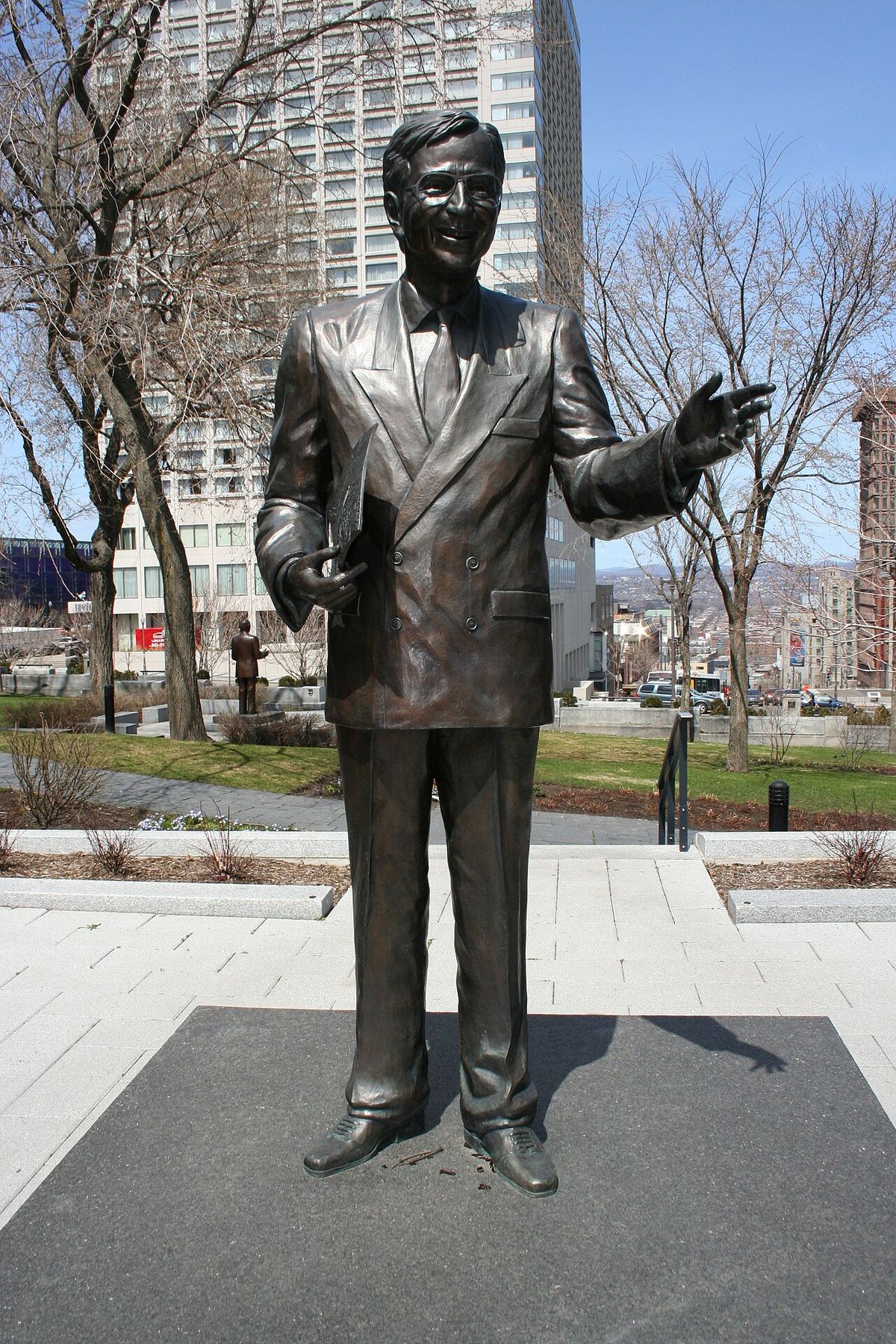
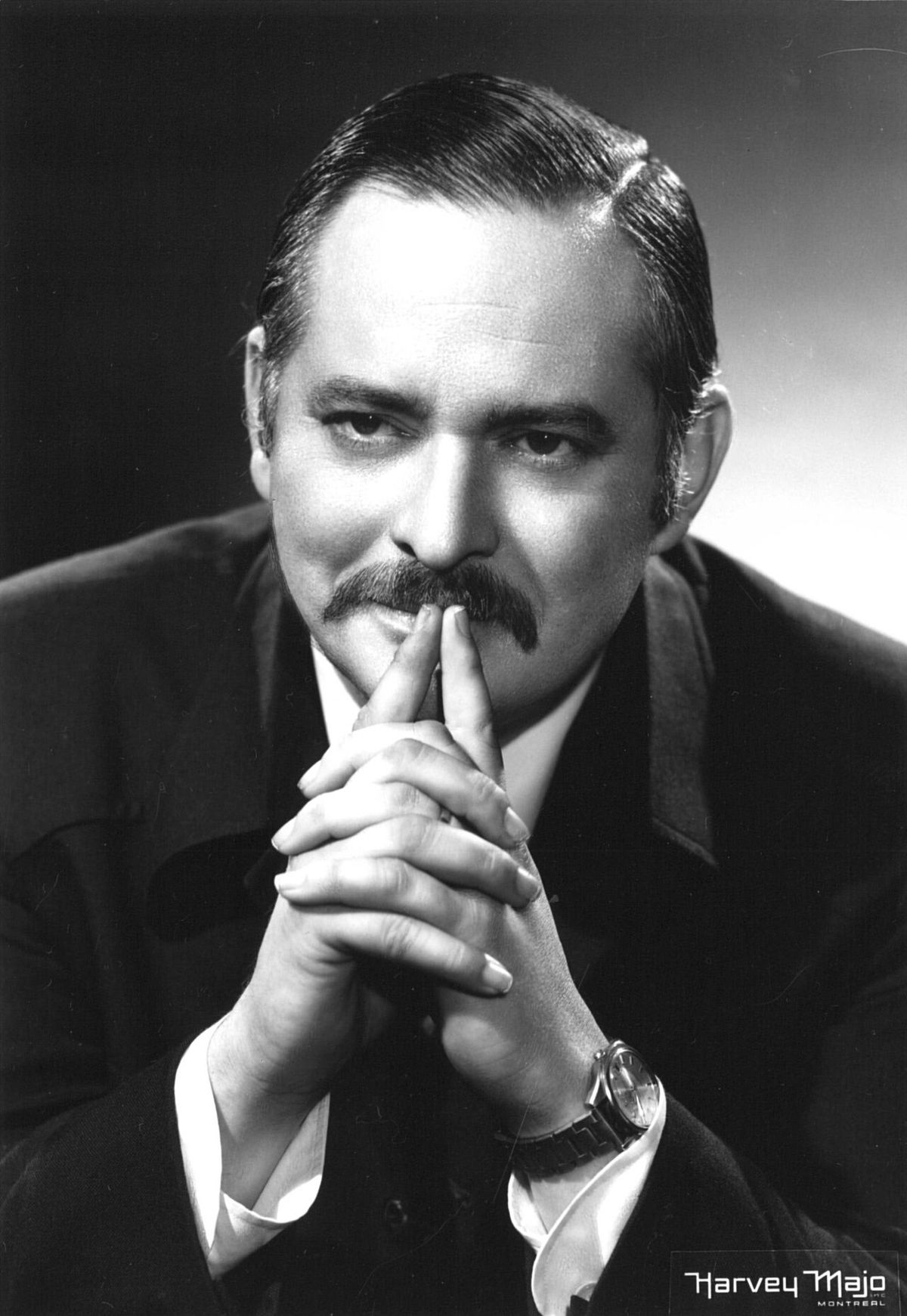
The genesis of the James Bay Project is tied to the political and economic vision of Quebec Premier Robert Bourassa, elected in 1970. An economist by profession, Bourassa believed Quebec's economic development depended on harnessing its natural resources, and forecasts indicated the province's electricity demand would outstrip supply by 11,000 megawatts by 1983. In late 1969, Bourassa met with Hydro-Québec president Roland Giroux, becoming convinced of the viability of a massive northern hydroelectric scheme. After secret planning with his adviser Paul Desrochers and Hydro-Québec executives, Bourassa unveiled the plan to his cabinet in March 1971. The public announcement was made on April 30, 1971, at Quebec's Little Coliseum. The initial cost was estimated between $5 billion and $6 billion, with the government hiring the American engineering firm Bechtel to oversee construction.
The announcement generated debate, including opposition from a nuclear energy lobby supported by the federal government and Atomic Energy of Canada Limited. Parti Québécois critics like Guy Joron and Jacques Parizeau also voiced skepticism. However, Bourassa and Hydro-Québec's senior management, including Giroux and commissioner Robert A. Boyd, were firmly committed to hydroelectric development. Boyd expressed early concerns about nuclear energy's uncertainties, while Giroux argued international investors preferred proven hydro projects. Bourassa received unexpected backing in October 1971 when Soviet Premier Alexei Kosygin, visiting Montreal, endorsed the project.
Project Scope and Engineering
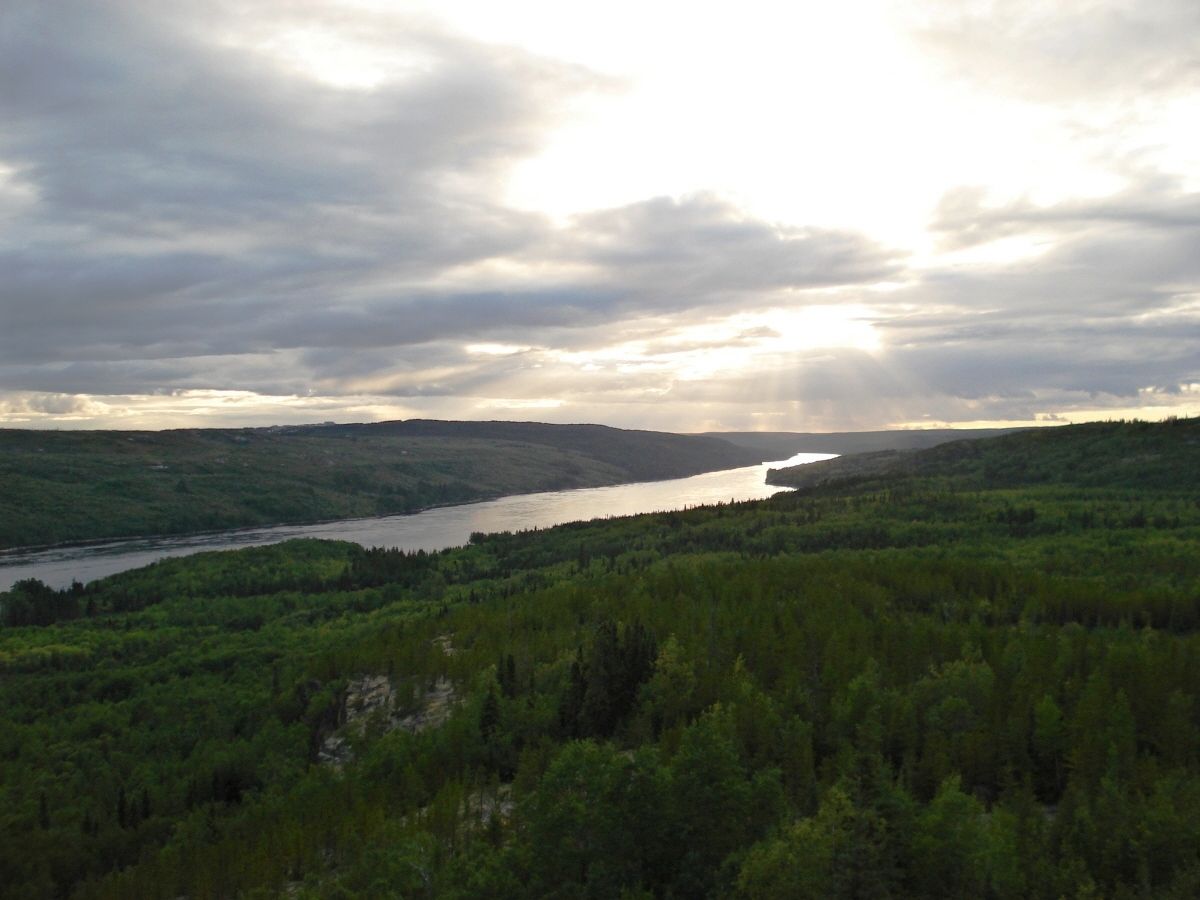
The James Bay Project is an immense hydroelectric system located in the subarctic region of the Canadian Shield, known as Jamésie. Engineers initially evaluated two options: developing rivers in the south (the Nottaway, Broadback, and Rupert, or NBR project) or focusing on northern rivers. In May 1972, the La Grande and Eastmain river option was selected as more cost-effective, with less impact on forestry and First Nations activities, and fewer complications from silty terrain. The core plan involved constructing multiple generating stations on the La Grande River and diverting the Eastmain and Caniapiscau rivers into its watershed to increase its flow. To access the remote site, construction of the 700-kilometre James Bay Road began in 1971, completed by October 1974 at a cost of about $400 million.
The first phase of construction, spanning approximately 14 years until 1986, was overseen by the newly created Société d'énergie de la Baie-James. This phase involved building the Robert-Bourassa, La Grande-3, and La Grande-4 generating stations, with a combined installed capacity of 10,800 megawatts. The Robert-Bourassa station, completed in 1982, is the largest underground power station in North America at 483 metres long with a capacity of 7,722 megawatts. The diversions added about 800 cubic metres per second each from the Eastmain and Caniapiscau rivers, boosting the La Grande's average flow from 1,700 to 3,300 cubic metres per second.
The power plants of the first phase produce about 65 terawatt-hours of electricity annually, operating at roughly 60 percent of their maximum capacity. The eight power stations of the La Grande Complex generate an average of 9.5 gigawatts. The James Bay stations represent almost half of Hydro-Québec's total generating output and capacity. During this first phase, over 215 dikes and dams were built, with one reaching 56 stories in height. A 4,800 kilometre network of transmission lines was built to bring power to southern Quebec.
Conflict and the James Bay Agreement
The project was launched without consultation with the approximately 5,000 Cree and 4,000 Inuit whose traditional territories it would flood and transform. The Cree, who had inhabited the region for thousands of years, learned of the project from newspapers in 1971. They believed the Quebec government was violating treaties and unlawfully expropriating their hunting and trapping lands. With support from federal Indian Affairs Minister Jean Chrétien, who hired lawyers for their case, the Cree and Inuit sought a court injunction to halt construction. In 1973, a lower court granted an injunction, but it was overturned days later by an appeals court. The threat of a Supreme Court case pressured Premier Bourassa to negotiate.
The resulting James Bay and Northern Quebec Agreement (JBNQA) was signed in November 1975 by the Cree, Inuit, and the governments of Quebec and Canada. It was a landmark comprehensive land claims settlement, the first of its kind in modern Canada. In exchange for allowing hydroelectric development to proceed, the Cree and Inuit received $225 million in financial compensation, exclusive hunting and fishing rights over about 170,000 square kilometres of territory, ownership of lands around their communities, and regional self-government powers. The agreement also mandated moving the planned La Grande-1 station farther from the Cree village of Chisasibi and established a joint environmental assessment process for future projects.
Social and Environmental Impacts
The construction and flooding associated with Phase I of the James Bay Project caused deep changes to the human and natural environment. The village of Fort George, with a population of 2,373 at the mouth of the La Grande River, was relocated upstream to a new site called Chisasibi. The Eastmain River was reduced to a trickle, leaving the village of Eastmain in a saltwater estuary. The flooding of vast boreal forest areas led to significant mercury contamination in local fish populations, as naturally occurring mercury in the soil was converted to methylmercury by decomposing vegetation in the new reservoirs. This contamination posed a direct health risk to communities relying on fish as a dietary staple. An estimated 10,000 caribou drowned during flooding episodes in 1984.
The project's construction phase was also marked by severe labour unrest and violence in the early 1970s. Construction unions competed fiercely for jobs on the project, leading to 540 violent incidents between the two main unions on James Bay sites between 1970 and 1974. In March 1974, a riot at the LG-2 site saw workers use bulldozers to destroy the camp, causing $35 million in damage. In response, Premier Bourassa established the Cliche Commission, headed by Judge Robert Cliche, which uncovered widespread corruption, nepotism, bribery, and intimidation within Quebec's construction unions.
The project altered water flow patterns. The average monthly surface runoff rate in the winter increased by 52 percent, doubling the total freshwater input into James Bay, while summer runoff decreased by 6 percent. The increased winter runoff decreases the salinity of James Bay, raising its freezing point and contributing to harsher Arctic weather in south-central Quebec. The tree line at the southern edge of the development has shifted southward since the project's construction.
The Great Whale Project and Subsequent Agreements
During the late 1980s, construction of the second phase of the James Bay project centred on five secondary power plants on the La Grande River and its tributaries, adding a further 5,200 megawatts of generating capacity by the end of 1996. Plans also advanced for the Projet Grande-Baleine (Great Whale Project), a proposed 3,000-megawatt complex on the Great Whale River north of the La Grande. Cree opposition to this second phase was more organized. Led by figures like Grand Chief Matthew Coon Come, the Cree launched court battles and an international lobbying campaign, particularly in the northeastern United States, where power from the project was slated to be sold. Cree activists successfully persuaded American state legislatures to reject the power, culminating in 1992 when New York cancelled a major contract with Hydro-Québec. Without its primary market, the Great Whale Project was suspended indefinitely in 1994.
Relations between Quebec and the Cree entered a new phase in February 2002 with the signing of the Agreement Concerning a New Relationship, known as the Paix des Braves (Peace of the Braves), by Premier Bernard Landry and the Grand Council of the Crees. This agreement built upon the JBNQA and established a framework for joint management of Cree lands and revenue-sharing from mining, forestry, and hydroelectric development. It also set environmental rules for new construction, leading to the approval and building of three additional power stations: Eastmain-1, Eastmain-1-A, and Sarcelle, along with a diversion of the Rupert River. The Rupert diversion, involving about 50 percent of the river's flow, generates a total of 8.5 terawatt-hours of electricity at the new and existing power stations.
Legacy and Significance
The James Bay Project defines a critical period in Quebec's and Canada's history, illustrating the tensions between economic development, state sovereignty, and Indigenous rights. For Quebec, the project realized Premier Bourassa's vision of using natural resources for economic autonomy, supplying a vast, renewable source of electricity. The engineering accomplishments are immense, creating one of the planet's largest hydroelectric complexes. However, the human and ecological costs were severe, forcibly changing the lives of the Cree and Inuit, submerging 11,300 square kilometres of land, and causing lasting mercury pollution and wildlife loss.
The conflict mobilized the James Bay Cree as leaders in the modern Indigenous rights movement. Their legal and political struggle produced the groundbreaking JBNQA, which served as a template for later land claim settlements across Canada. Their effective campaign against the Great Whale Project showed the strength of transnational advocacy. The project compelled a national discussion about consent for development on Indigenous lands. The project also led to the creation of major institutional structures for Cree and Inuit local government, economic development, schools and health services, mostly under the control of the Grand Council of the Crees and the Kativik Regional Government.
Questions about James Bay Project
How did the James Bay Project affect Indigenous communities?
The project flooded approximately 11,300 square kilometres of Cree and Inuit traditional hunting, trapping, and fishing lands without prior consultation. The village of Fort George was relocated and renamed Chisasibi. The flooding caused mercury contamination in fish, creating health risks. The project also facilitated greater contact with southern society through new roads. In response to a court challenge, the governments negotiated the James Bay and Northern Quebec Agreement in 1975, which provided financial compensation, land rights, and self-government powers.
What was the James Bay and Northern Quebec Agreement?
Signed in November 1975, the James Bay and Northern Quebec Agreement (JBNQA) was a landmark comprehensive land claims settlement between the Cree, the Inuit, and the governments of Quebec and Canada. It provided $225 million in compensation, exclusive hunting and fishing rights over about 170,000 square kilometres, ownership of lands around communities, and regional self-government. In return, the Indigenous signatories allowed hydroelectric development to proceed. The JBNQA set a precedent for modern treaty negotiations in Canada and established the Grand Council of the Crees.
What is the Paix des Braves agreement?
The Paix des Braves, or Peace of the Braves, is the common name for the Agreement Concerning a New Relationship Between the Government of Québec and the Crees of Québec, signed in February 2002. This agreement built upon the 1975 JBNQA and established a new partnership framework. It included provisions for joint management of Cree lands, revenue-sharing from resource development, and agreed-upon environmental rules for new hydroelectric projects. This led to the construction of the Eastmain-1, Eastmain-1-A, and Sarcelle power stations and the diversion of the Rupert River.
Was there a second phase to the James Bay Project?
Yes, a second phase of the James Bay Project was constructed between the late 1980s and the end of 1996. This phase involved building five secondary power plants on the La Grande River and its tributaries, specifically La Grande-1, La Grande-2A, Laforge-1, Laforge-2, and Brisay. These stations added a further 5,200 megawatts of generating capacity to the system. Another proposed development, the Great Whale Project for a 3,000 megawatt complex north of the La Grande River, was planned but faced forceful Cree opposition and the loss of a key power agreement with New York State, leading to its indefinite suspension by the Quebec government in 1994.
What is the largest power station in the James Bay Project?
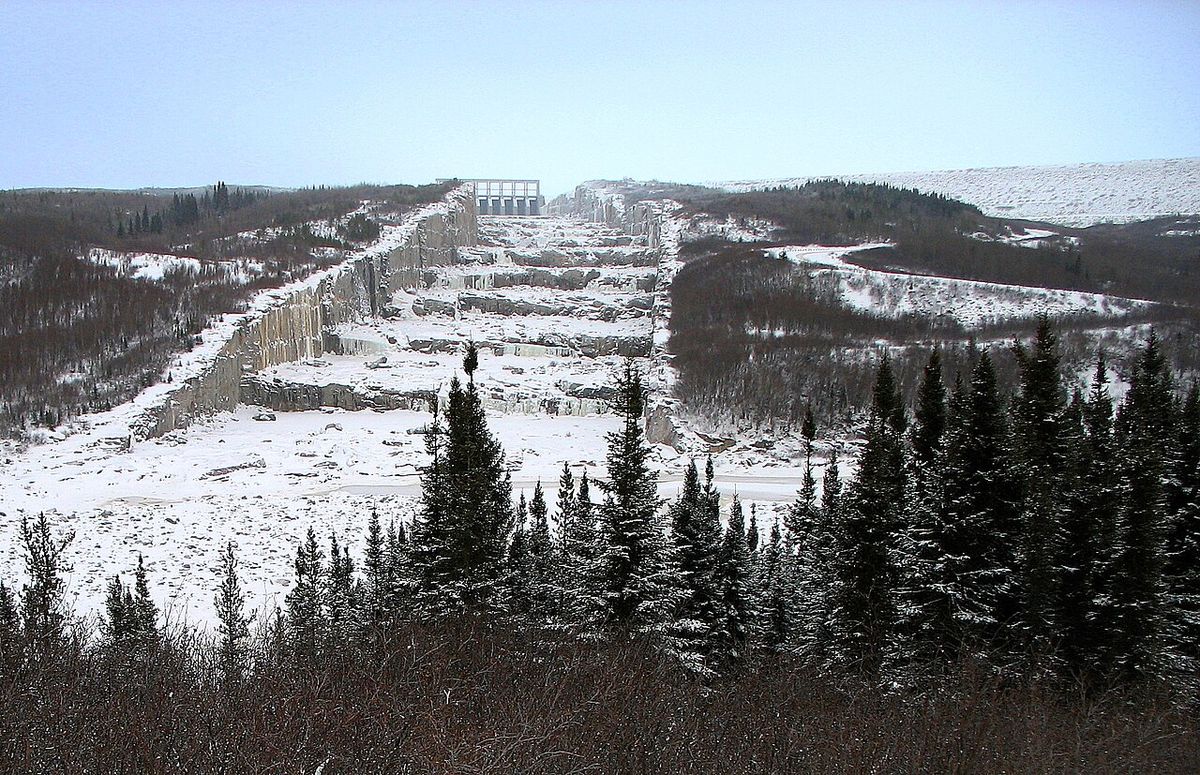
The largest power station is the Robert-Bourassa generating station, originally named La Grande-2 (LG-2). Completed in 1982, it is the largest underground power station in North America. It measures 483 metres in length and has an installed capacity of 7,722 megawatts. The station features a massive tiered spillway. This single station is a central component of the entire La Grande complex.
What is the James Bay Project?
The James Bay Project is a series of hydroelectric power stations on the La Grande River in northwestern Quebec, built by Hydro-Québec. It involves the diversion of the Eastmain and Caniapiscau rivers into the La Grande watershed and is one of the largest hydroelectric systems in the world. The project has an installed generating capacity of 15.244 gigawatts and represents almost half of Hydro-Québec's total output. Initiated in 1971, its construction was controversial due to its impact on the Cree and Inuit, leading to the 1975 James Bay and Northern Quebec Agreement.
Sources and further reading
- James Bay Project (Wikipedia)
- Case study: The Cree in James Bay (arcticportal.org)
- James Bay Project (thecanadianencyclopedia.ca)
- Chapter 10: The James Bay Project: 'The Plot to Drown ... (read.uolpress.co.uk)
Checked by the Nosy Mag desk. Last updated 2026-10-27.