Inuit women
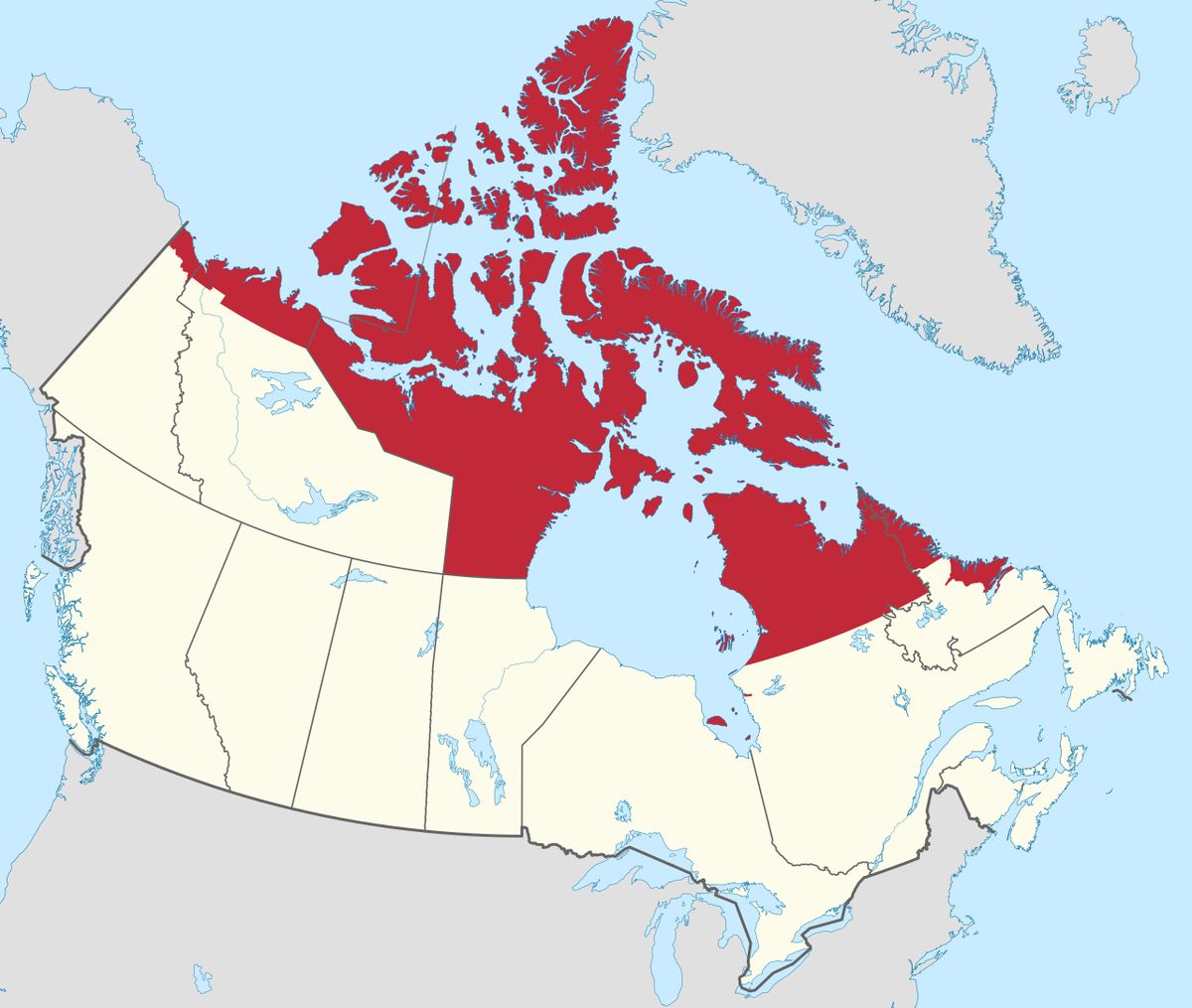
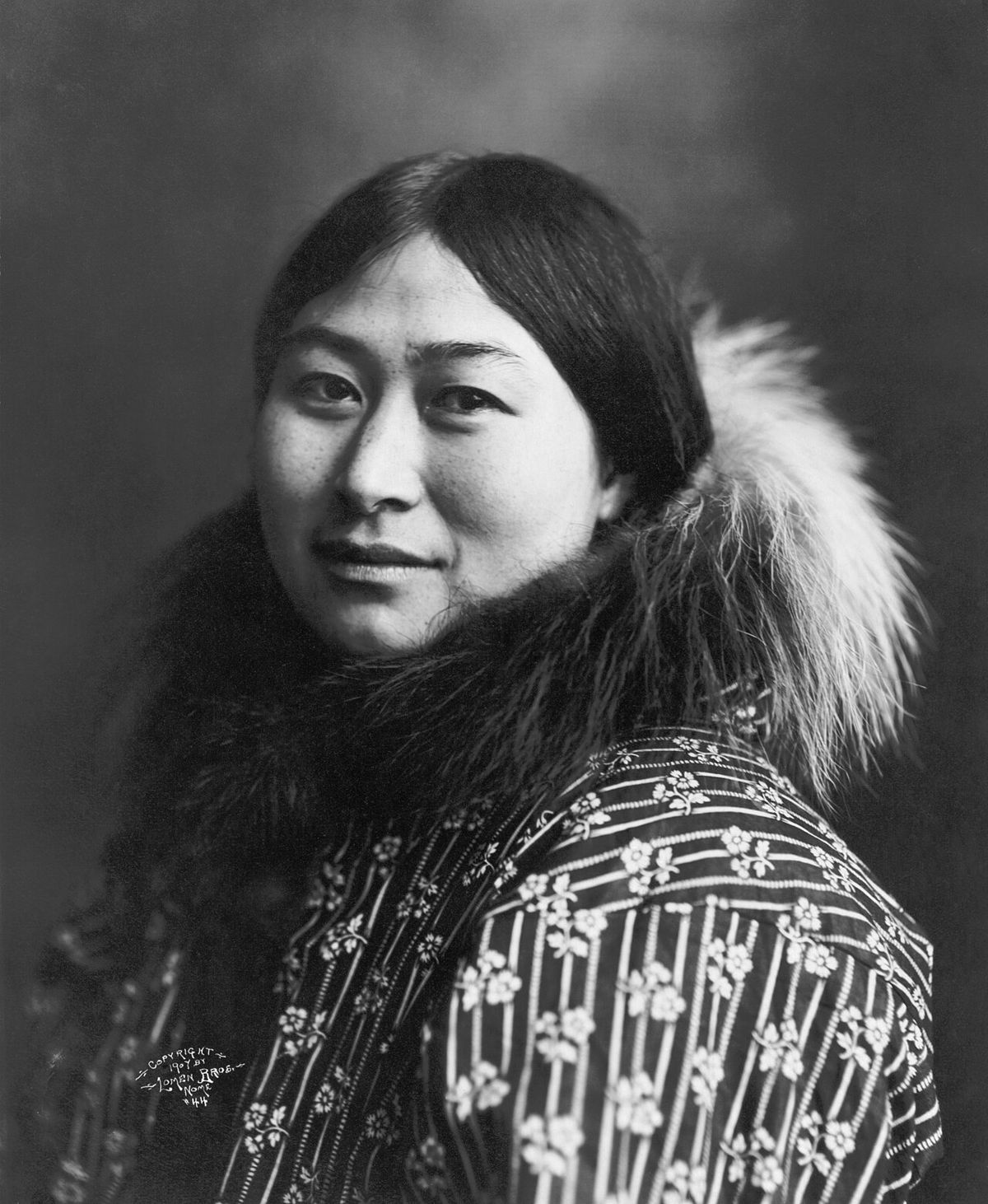
Inuit women are central to family, culture, and community across the Inuit homeland of Inuit Nunangat in Canada and throughout the circumpolar world. Their traditional roles as food preparers, seamstresses, child-rearers, and midwives were vital for survival in the Arctic environment. Today, Inuit women are leaders in advocacy, governance, and cultural revitalization, confronting the legacies of colonialism and systemic inequality. Their work addresses ongoing crises, including the national emergency of missing and murdered Indigenous women and girls.
Traditional Roles and Family Structure
In traditional Inuit society, marriage was a practical necessity for survival, with partnerships often arranged at birth to ensure every individual had a reliable companion. While love marriages existed, the limited number of eligible partners in small, mobile communities meant most unions were pragmatic. A young woman became eligible for marriage after puberty, whereas a man had to first prove his proficiency in hunting to support a family. Ceremonies were minimal, with couples often considered formally married after the birth of their first child. There were monogamous and polygamous marriages, but polygyny was rare because few men could afford to support multiple wives.
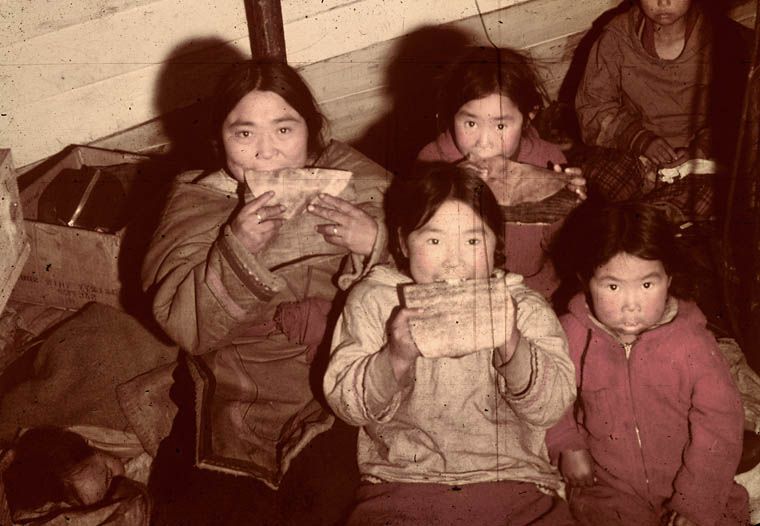
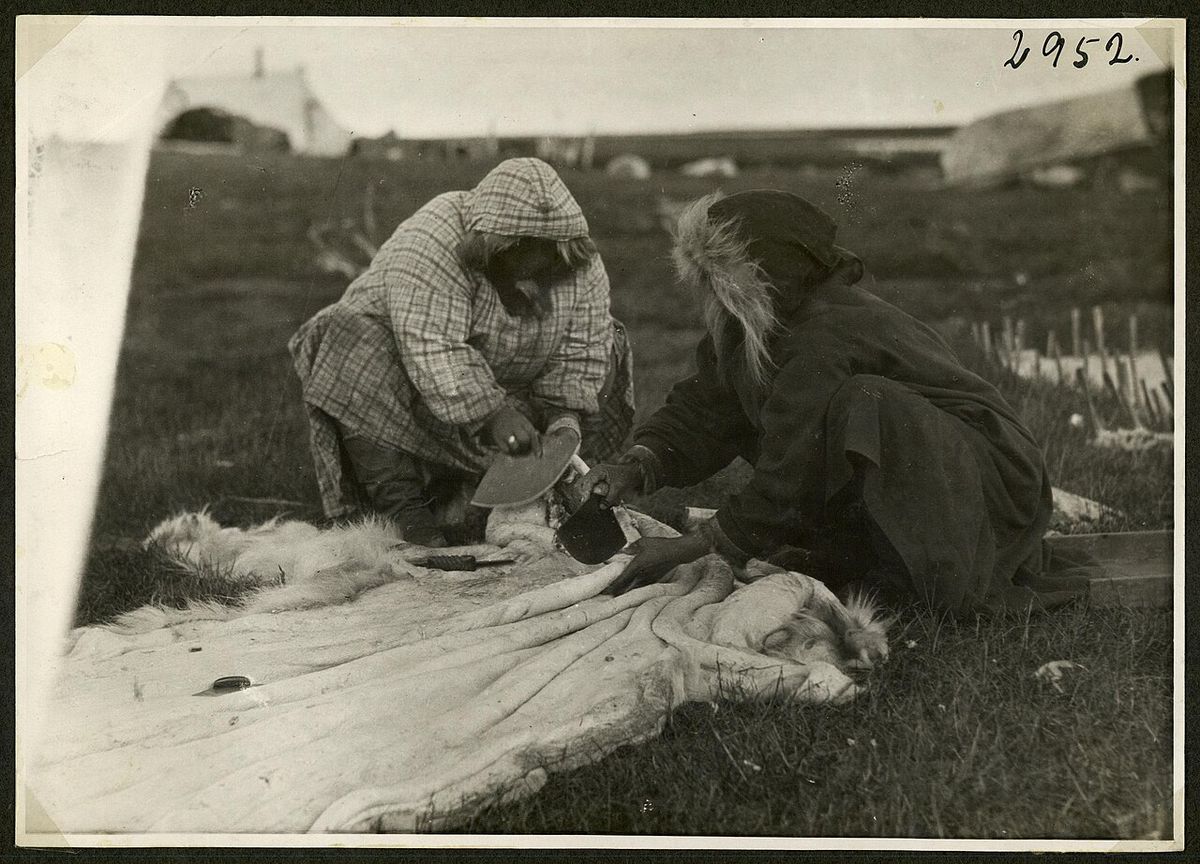
The family unit was symbolically represented by the qullik, or soapstone lamp, which was the property and responsibility of the wife. This lamp provided light, heat, and a means for cooking, making it a central element of domestic life. Women's duties extended to all aspects of home management, including the critical preparation of food obtained by male hunters. They were responsible for butchering, skinning, and cooking animals like seal, walrus, whale, and caribou, tasks that required immense skill and respect for the animal to ensure future hunting success. Women also managed the distribution of food and other resources within the community, reinforcing their role as key economic and social managers.
Child-rearing was a primary responsibility, characterized by high levels of warmth and affection. Children learned essential skills through close observation rather than direct instruction, beginning to contribute to the family by around age 12. A deep cultural practice was name-soul, where a child would be given the name of a deceased family member, creating a spiritual and social tie to their ancestors and community. This practice reinforced the idea that the group's needs came before the individual. Adoption was common and informal, often occurring when a family could not support a newborn. In extreme circumstances of starvation, infanticide was a tragic, desperate measure, a historical fact often misunderstood and exaggerated in early anthropological studies.
Pregnancy, Birth, and Traditional Midwifery
Pregnancy in traditional Inuit culture was guided by a complex system of taboos known as pittailiniq, passed down through generations to ensure the health of mother and baby. Young women were often unaware of their first pregnancy until it became physically apparent, at which point immediate disclosure to the mother and community was required. The community then had obligations to prevent the woman from becoming mentally stressed or exhausted, as this was believed to cause miscarriage. A wide array of pittailiniq governed a woman's behaviour and activities, all aimed at promoting a safe and speedy delivery. These rules were taken very seriously, as violating them was thought to bring bad luck, such as hunger or illness, to the entire camp.
The pittailiniq covered nearly every aspect of daily life. Women were instructed to stay active and avoid idleness to prevent a long labour. Specific actions were prohibited because they were symbolically linked to potential birth complications. For example, a woman was told not to wind rope around her hands while stretching sealskin, lest the umbilical cord wrap around the baby's neck. Dietary pittailiniq were equally important, emphasizing that maternal consumption directly affected the infant's appearance. Pregnant women ate only cooked meat, and the best pieces of food were reserved for them. Other dietary rules included finishing all food on one's plate to ensure a beautiful baby and eating seaweed if a boy was desired.
Labour and birth were community events, though conducted with quiet calm. When contractions began, the midwife would gather other women to assist. The midwife, or sanariak, was a highly revered figure who gained her expertise through apprenticeship, often starting in childhood. Her role was to comfort the labouring woman, instruct her, reposition her, and manage any complications. Common birthing positions included squatting, side-lying, or standing, often with a caribou pelt beneath the woman. To keep her spine straight, a wooden board might be placed behind her back. The midwife would instruct the woman to pull on her hair while bearing down during pushes. After birth, the pulsating umbilical cord was cut with a special knife and tied with caribou sinew, recognized for its low infection risk.
- Do not relax too much or the placenta might stick to the womb.
- Do not walk backward or the baby will be breech.
- Untie everything that is tied up so as to be more dilated when the baby is ready.
- Do not wear tight pants while pregnant for an easier delivery.
- Do not drink directly from a soup bowl or the baby will have dark skin.
- Eat caribou kidneys to ensure that you have beautiful babies.
Contemporary Advocacy and Pauktuutit Inuit Women of Canada
In the modern era, Pauktuutit Inuit Women of Canada serves as the national representative organization advocating for the rights and well-being of Inuit women, children, and gender-diverse people. Its work is explicitly rooted in Inuit Qaujimajatuqangit (Inuit traditional knowledge) and applies an Inuit-specific Gender-Based Analysis Plus (ISGBA+) framework to address systemic inequities. The organization focuses on four key priority areas: health and wellness, safety and violence prevention, economic security, and social and cultural well-being. It drives change through policy development, research, and partnerships at the national level.
Pauktuutit's advocacy is critical given the stark disparities faced by Inuit women. Statistics highlight a deep crisis, with violent crime rates against women in Nunavut being 13 times higher than the Canadian average. 76 percent of Inuit aged 15 and over in Inuit Nunangat experience food insecurity, and an estimated 60 percent of communities lack shelters for women and children fleeing violence. Over 56 percent of Inuit lack regular access to healthcare providers, leading to medical evacuations and exposure to systemic racism. Pauktuutit works to eliminate these barriers, emphasizing safe housing as a fundamental human right and pushing for poverty reduction initiatives to create conditions where all Inuit can thrive.
The organization is a central partner in federal efforts to address violence against Indigenous women, girls, and 2SLGBTQQIA+ people. It co-developed the National Inuit Action Plan in response to the National Inquiry into Missing and Murdered Indigenous Women and Girls. Pauktuutit monitors federal progress through documents like the 2025 to 2026 Inuit Highlight Report, which tracks action on Calls for Justice. In October 2026, the organization opened a nomination period for its board elections, demonstrating its ongoing democratic governance. Pauktuutit consistently stands in solidarity with national family and survivor-led initiatives, ensuring Inuit women's voices are central to all policies affecting their lives.
Addressing Violence and the Housing Crisis
The intersection of violence and housing insecurity represents one of the most urgent challenges for Inuit women. The National Inuit Action Plan explicitly links economic insecurity and inadequate housing to higher risks of violence for Inuit women, girls, and LGBTQI+ people. The longstanding housing crisis in Inuit Nunangat directly contributes to severe overcrowding, housing insecurity, and poor health outcomes. Limited access to shelters or safe spaces forces many women to remain in dangerous situations or to relocate to urban centres far from their support networks, culture, and language. This displacement exacerbates vulnerability and family separation, making the need for culturally appropriate, Inuit-led housing solutions a critical safety issue.
Federal initiatives like the Urban, Rural and Northern Indigenous Housing Strategy and the National Housing Strategy are channeling distinctions-based funding to Inuit partners to address these gaps. In 2025 to 2026, funding continued to support Inuit-led approaches to building and repairing homes, as well as expanding shelter and transitional housing capacity. These investments align with Calls for Justice 4.6 and 4.7 from the MMIWG report, which call for safe and affordable housing and accessible shelters. By prioritizing partnerships and Indigenous self-determination, these strategies aim to reduce the housing disparities that are a foundation for so much of the violence and instability faced by Inuit women and families.
The infrastructure gaps across Inuit Nunangat further compound these issues, increasing the cost of living and limiting access to essential services. The federal government's commitment, as outlined in progress reports, involves closing these gaps to improve overall safety and well-being. This work recognizes that safe housing is not just a physical structure but a foundation for dignity, health, and community strength. Sustained investment and genuine partnership are required to transform the systemic conditions that have left Inuit women disproportionately exposed to violence and insecurity for generations.
Leadership on the International Stage
Inuit women's leadership extends beyond Canada's borders through the work of the Inuit Circumpolar Council (ICC), which represents approximately 180,000 Inuit from Alaska, Canada, Greenland, and Chukotka. The ICC celebrates Inuit women as pillars of strength who safeguard languages, traditions, and societal values. In September 2026, the ICC marked the first International Day of the World's Indigenous Women and Girls, using the occasion to highlight both the resilience of Inuit women and the ongoing violations of their rights. The council expressed deep concern over the high rates of intersectional gender-based and racial discrimination, systemic discrimination, and violence faced by Inuit women and gender-diverse people across the circumpolar world.
A landmark event was the first Inuit Women's Summit, hosted by the ICC in Sisimiut, Kalaallit Nunaat (Greenland) in October 2025. The summit produced a declaration that included powerful calls to action. One key call was for the documentation and sharing of experiences related to reproductive rights, ensuring Inuit communities have access to culturally grounded support and healing services. The ICC also welcomed a 2026 report by the UN Special Rapporteur on the rights of Indigenous Peoples, which detailed historical and contemporary violations of the sexual and reproductive health rights of Indigenous women and girls, including Inuit experiences of obstetric violence. This international advocacy is crucial for applying global human rights frameworks to Inuit realities.
Economic and professional leadership is also growing, as seen with events like the Indigenous Women in Industry (IWI) Summit in Vancouver in 2026. Co-hosted by the National Aboriginal Capital Corporations Association and Rise Global, this international gathering is designed to create economic, social, and cultural opportunities for Indigenous women worldwide. While not exclusively Inuit, such forums provide important spaces for Inuit women entrepreneurs and professionals to build networks, share knowledge, and advance economic self-determination. This aligns with broader efforts to break cycles of economic insecurity and build pathways for Inuit women to lead in all sectors of industry and community life.
Health, Wellness, and Cultural Continuity
Health disparities for Inuit women are severe and have many dimensions, rooted in colonial policies and ongoing systemic neglect. The statistic that over 56 percent of Inuit lack regular access to healthcare providers points to a fundamental failure in service delivery, often resulting in traumatic medical evacuations away from family and community. This separation is not merely logistical but a deep cultural and emotional stressor. Systemic racism within healthcare systems further deters Inuit women from seeking care, worsening issues related to maternal health, mental wellness, and chronic disease. Pauktuutit and other advocates work tirelessly to eliminate these barriers, calling for healthcare that is not only accessible but also culturally safe and grounded in Inuit knowledge.
Cultural revitalization is itself an act of wellness and resistance led by Inuit women. As emphasized on International Women's Day 2026, Inuit women are celebrated as leaders in advocacy, cultural revitalization, governance, health, and justice. They are the primary transmitters of language, sewing skills, storytelling, and child-rearing practices that maintain Inuit identity. This work is essential for healing from intergenerational trauma caused by residential schools, forced relocations, and other colonial policies. By strengthening cultural continuity, Inuit women foster community resilience and a positive sense of identity for future generations, directly countering the legacies of assimilation.
The integration of Inuit Qaujimajatuqangit into all aspects of policy and programming is a non-negotiable principle for advancing well-being. This holistic worldview, which includes values of collaboration, environmental stewardship, and resourcefulness, offers solutions crafted from within Inuit culture. Whether in designing violence prevention programs, economic development projects, or health promotion initiatives, centring Inuit knowledge ensures that interventions are relevant, effective, and sustainable. Inuit women, as the keepers and practitioners of this knowledge, are the indispensable guides in this process, ensuring that the path forward honours the past while building a healthier future.
Statistical Overview of Key Challenges
The realities facing Inuit women in Canada are quantified by stark statistics that reveal systemic gaps in safety, security, and wellness. These figures, drawn from recent reports and advocacy work, show the urgent need for targeted, distinctions-based action and investment. The data highlights not only the crises but also the specific areas where policy and program interventions must be focused to achieve meaningful change. Understanding these numbers is essential for comprehending the scale of the challenges and for holding governments accountable to their commitments under the National Inuit Action Plan and the Calls for Justice.
| Issue Area | Statistic | Context |
|---|---|---|
| Violence | 13x higher | Violent crime rate against women in Nunavut vs. Canadian average |
| Food Security | 76% | Inuit aged 15+ in Inuit Nunangat experiencing food insecurity |
| Healthcare Access | Over 56% | Inuit lacking regular access to healthcare providers |
| Shelter Access | 60% | Communities in Inuit Nunangat without shelters for women & children |
| Housing | Severe crisis | Chronic overcrowding & substandard housing across Inuit Nunangat |
These statistics are interconnected. The lack of shelters is directly related to the high rates of violence, as women have nowhere to go. Food insecurity and poor health outcomes are worsened by overcrowded and inadequate housing. The absence of local healthcare forces people to leave their communities for care, disrupting family and cultural ties. This table represents a snapshot of the systemic barriers that Inuit women face daily. Addressing any single issue requires a holistic approach that acknowledges how these challenges compound one another, demanding comprehensive, co-developed solutions led by Inuit women themselves.
Questions about Inuit women
What were some traditional Inuit practices around pregnancy and birth?
Traditional Inuit pregnancy was guided by an extensive system of taboos called pittailiniq, designed to ensure a healthy mother and baby and a speedy delivery. These rules governed behaviour, activity, and diet. For example, women were to stay active, not walk backwards, and eat only cooked meat. Birth was managed by a highly respected midwife (sanariak) who learned her skills through apprenticeship. Labour was a quiet, community-supported event, with women often giving birth in positions like squatting or standing. After birth, the umbilical cord was cut with a special knife and tied with caribou sinew, valued for its low infection risk.
How does the housing crisis affect Inuit women's safety?
The severe housing crisis in Inuit Nunangat directly increases the vulnerability of Inuit women to violence. Overcrowding and substandard housing create stressful, unsafe living environments. Crucially, an estimated 60 percent of Inuit communities lack any shelter or safe space for women and children fleeing violence. This means women often have no option but to remain in dangerous situations or be forced to relocate far from their support networks, culture, and language. Federal strategies now recognize safe, affordable, and culturally appropriate housing as a fundamental human right and a critical component of ending violence against Inuit women.
What was the significance of the first Inuit Women's Summit in 2025?
The first Inuit Women's Summit, hosted by the Inuit Circumpolar Council in Sisimiut, Greenland in October 2025, was a landmark gathering for Inuit women from across the circumpolar world. The summit produced a declaration that included powerful calls to action for Inuit-led solutions. One key call was for the documentation and sharing of experiences related to reproductive rights and access to culturally grounded healing services. The summit provided an important international platform to address shared challenges, celebrate resilience, and strengthen collective advocacy for the rights and well-being of Inuit women and girls globally.
What are some key statistics showing the challenges Inuit women face?
Several stark statistics illustrate the systemic challenges. The violent crime rate against women in Nunavut is 13 times higher than the Canadian average. About 76 percent of Inuit aged 15 and over in Inuit Nunangat experience food insecurity. Over 56 percent of Inuit lack regular access to a healthcare provider. An estimated 60 percent of communities in Inuit Nunangat have no shelters for women and children facing violence. These interconnected figures highlight crises in safety, health, and basic security, showing the urgent need for targeted, distinctions-based action and investment informed by Inuit women themselves.
What is Pauktuutit Inuit Women of Canada?
Pauktuutit Inuit Women of Canada is the national representative organization for Inuit women, children, and gender-diverse people across Canada. It advocates for the social, cultural, political, and economic well-being of this community with a focus on health, safety, economic security, and cultural vitality. The organization employs an Inuit-specific Gender-Based Analysis Plus framework to guide its work. It also serves as a key partner in federal initiatives such as the National Inuit Action Plan responding to the MMIWG inquiry.
What is the International Day of the World's Indigenous Women and Girls?
The International Day of the World's Indigenous Women and Girls is observed annually on September 5. The Inuit Circumpolar Council marked the first observance of this day in 2026 to highlight both the resilience of Inuit women and the ongoing violations of their rights. This day celebrates Indigenous women as leaders in areas like advocacy, cultural revitalization, governance, health, and justice. Its broader aim is to open new pathways for Indigenous women and girls around the world.
Sources and further reading
- Inuit women (Wikipedia)
- 2025 to 2026 Highlight report: Inuit (rcaanc-cirnac.gc.ca)
- Pauktuutit Inuit Women of Canada: Home (pauktuutit.ca)
- STATEMENT | Inuit Circumpolar Council Canada (inuitcircumpolar.com)
Checked by the Nosy Mag desk. Last updated 2026-10-30.