Indigenous peoples of the Northwest Plateau
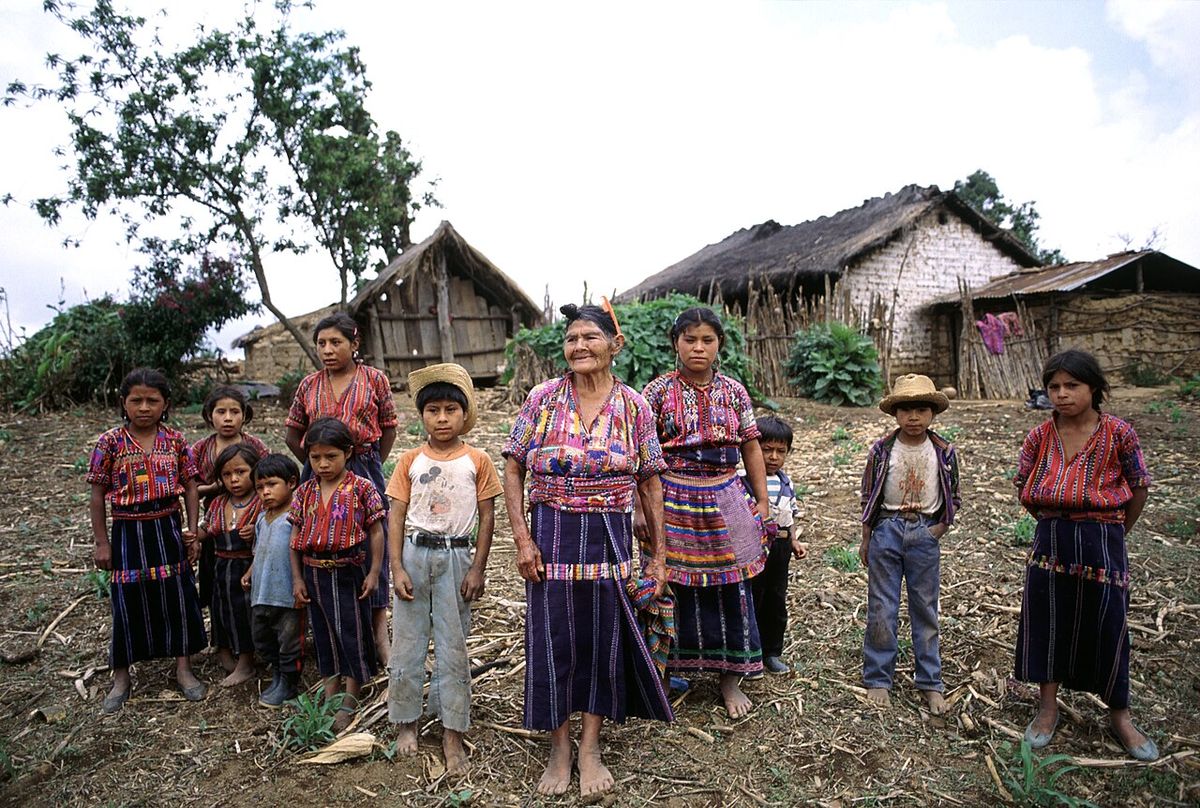
The Indigenous peoples of the Northwest Plateau, historically known as Plateau Indians, are a diverse group of First Nations and Native American communities whose traditional territories span the interior river basins of present-day British Columbia, Canada, and the Pacific Northwestern United States. Their cultures are defined by a deep connection to the land, characterized by a reliance on seasonal salmon runs, the harvesting of wild roots and berries, and the long-term habitation of semi-sedentary winter villages. In Canada, these peoples represent a vital part of the nation's Indigenous heritage, embodying distinct linguistic families and rich artistic traditions. Their histories and ongoing presence are central to understanding the cultural and political fabric of Western Canada.
Geographic and Cultural Range
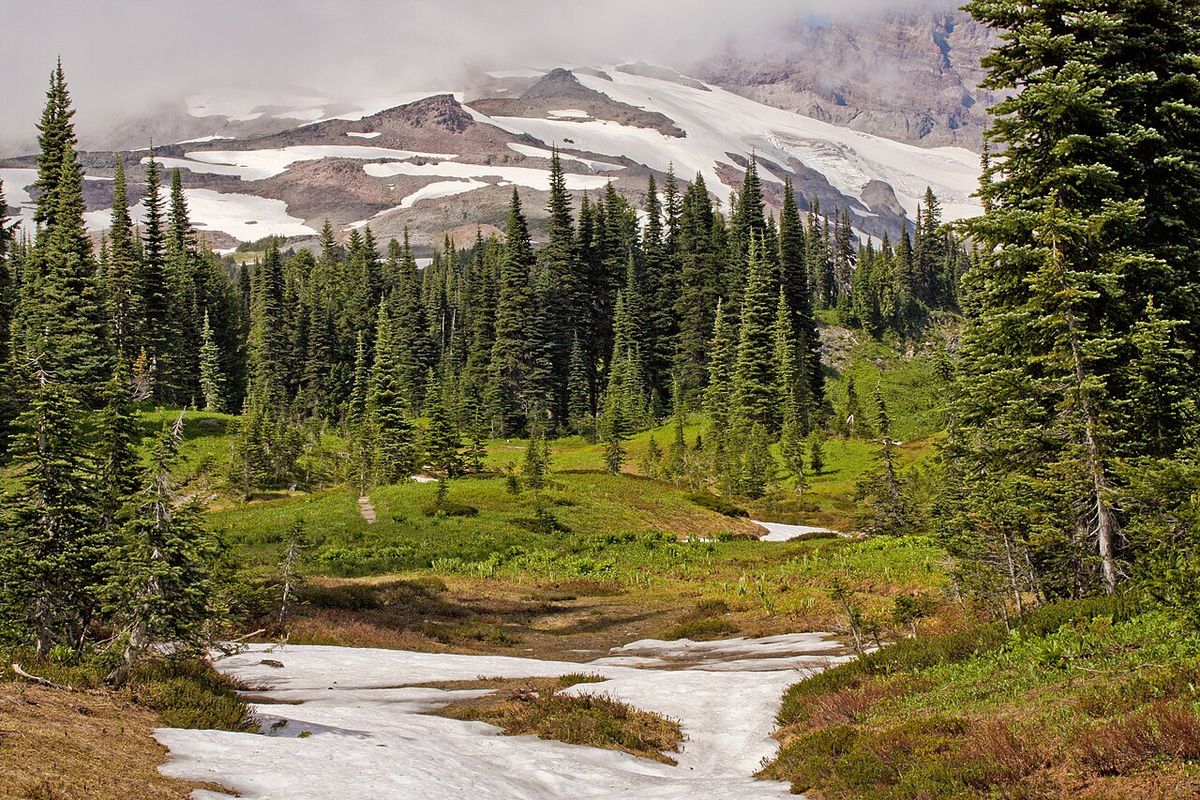
The traditional territories of the Plateau peoples are centred on the inland portions of the Columbia and Fraser River basins, a vast region encompassing the Central and Southern Interior of British Columbia and extending into the non-coastal areas of several U.S. states. This area includes the eastern flank of the Cascade Range, which lies within Plateau territory. Culturally, Plateau groups are distinguished from their coastal and plains neighbours by several key features, including a high reliance on root crops like camas and biscuitroot, a dependence on short duration salmon and eel runs, and the establishment of fixed winter village sites along waterways. Social organization was typically based on the village or band level, with a notable lack of rigid social stratification or tribal organization beyond the village level prior to European contact.
In Canada, the greater part of the Interior Plateau was inhabited by Interior Salish peoples, including the Lillooet in the Lillooet River Valley, the Thompson First Nations along the Fraser River Valley from Yale to Lillooet, the Secwepemc (Shuswap) of the Fraser River Valley from Lillooet to Alexandria and the upper parts of the Thompson River basin, the Okanagan in the Okanagan River Valley, and the Lakes people of the Arrow Lakes. The Kutenai, whose language is an isolate, reside in southeastern British Columbia and formerly extended into southwestern Alberta. The northernmost part of the Plateau region is home to Athabaskan-speaking groups such as the Chilcotin and Carrier. These nations engaged in extensive trade with Pacific Coast cultures, adopting some spiritual concepts like clan ancestors but not the coastal social system.
South of the border, the cultural scene includes Interior Salish people inhabiting the Columbia River and its tributaries above Priest Rapids, near present-day Mattawa. Sahaptin peoples, including the Yakama, Umatilla, and Warm Springs, inhabited the Columbia River between Priest Rapids and Celilo Falls near The Dalles, Oregon and up the Snake River to near the Washington-Idaho border. The Nez Perce lived in the Clearwater and Salmon River basins and the Snake river through Hells Canyon. Other groups include the Cayuse of the Blue Mountains, the Molala on the eastern side of the Cascade Mountains in Oregon, and the Klamath in the upper Klamath River basin. The Columbia River below Celilo Falls was inhabited by Chinookan peoples, often associated with the Northwest Coast, while the Kalapuya of Oregon's Willamette Valley maintained a distinct culture focused on oak savanna management due to the absence of major salmon runs.
History and Precontact Developments
Archaeological evidence, such as the sites at Marmes Rockshelter and the discovery of Kennewick Man, indicates a human presence on the Plateau for at least 12,000 years. Over millennia, technologies adapted to the environment, with earth ovens for roasting camas bulbs dating back 8,000 years. Around 4,000 years ago, there was a shift in the archaeological record from small bands to larger semi-sedentary villages and a shift towards root processing tools, hallmarks of the classic Plateau lifestyle. Linguistics and oral traditions point to several comparatively recent movements of people, shaping the region's ethnic composition.
According to language comparisons, Interior Salish peoples expanded onto the plateau from the vicinity of the lower Fraser River, reaching as far as Montana around 1,500 years ago. Athabaskan-speaking groups like the ancestors of the Carrier and Chilcotin are part of a relatively recent expansion from northern Canada and Alaska, as recently as 1,000 years ago. The Kalapuya spread into the Willamette Valley, likely from the south, in the last 1,000 years. The recent expansion of Numic peoples across the Great Basin displaced groups on the southern edge of the Plateau. According to their oral tradition, the Kutenai originated to the east and moved onto the plateau in late prehistoric times. A major change was the introduction of the horse around 1730, which spread north from the Great Basin and was first adopted by groups like the Cayuse and Nez Perce. Horses changed travel, trade, and hunting, particularly enabling bison hunts on the Great Plains, and this transition was still underway when Europeans arrived.
European Contact and Its Consequences
European influence reached the Plateau indirectly before direct contact, most devastatingly through epidemics. There is strong evidence a smallpox outbreak in the 1770s spread across the plateau region, causing severe population loss. The first documented European encounter was by the Lewis and Clark Expedition, followed a few years later by fur traders like Alexander Ross and David Thompson, who noted the inhabitants' peaceful nature, diet, and dress. The subsequent establishment of trading posts, including Fort Nez Perce, Fort Colville, Fort Okanogan, and Fort Kamloops, integrated the Plateau into the fur trade economy.
Several more epidemics hit the area, with the Lower Columbia being hardest hit. Some Chinook and Kalapuya groups saw a 90 percent reduction in population in the early contact period. The 1862 Pacific Northwest smallpox epidemic devastated the coast as well as some parts of the interior. Sustained armed conflict began with the mass migration of American settlers into the southern plateau in the 1840s, leading to a series of wars including the Cayuse War, Yakima War, Coeur d'Alene War, Modoc War, and Nez Perce War. Through these treaties and conflicts, Native people on the southern plateau were confined to reservations and their traditional lifestyle was largely disrupted.
Traditional Subsistence and Material Culture
The Plateau economy was a sophisticated seasonal round of hunting, fishing, and gathering. Women were primarily responsible for gathering a wide variety of plant foods, which formed a substantial part of the diet. They gathered these plants while the aerial parts were still growing to correctly identify edible species like common camas from the poisonous death camas, using deer antlers to dig the bulbs. Key staples included camas bulbs, bitterroot, kouse root, and berries such as serviceberry, chokecherry, huckleberry, and wild strawberry, which were often dried on racks. Women also gathered a lichen called Bryoria fremontii, which was cooked in pits similar to, and sometimes together with, camas. The gathering and processing of wild plants by women remains a traditional way of life among many of these tribes today.
- Camas bulbs: A vital food source cooked for up to two days in shallow pits filled with hot stones, a process that required careful identification to avoid the deadly white-flowering death camas.
- Bitterroot and kouse root: Other important starchy roots harvested and processed using digging sticks made from animal antlers.
- Berries: Such as Saskatoon berries and huckleberries, dried into cakes on racks covered with leaves for long-term storage and trade.
- Bryoria fremontii lichen: Gathered and pit-cooked, sometimes alongside camas, providing another source of carbohydrates.
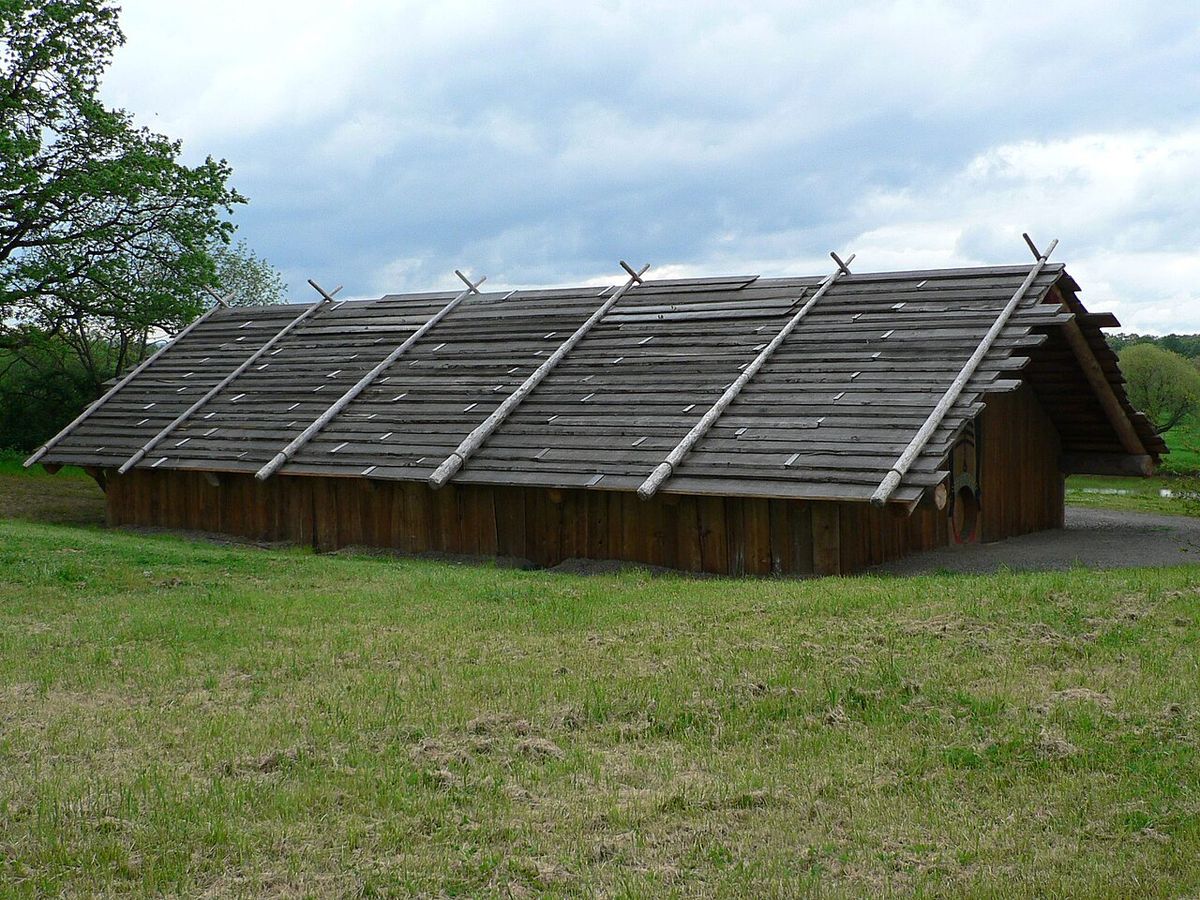
Men focused on fishing and hunting. Salmon was the most important part of the food supply, caught during spring and fall runs using dip nets, gaffs, gigs, seine nets, and weirs built from stakes in primary rivers. The fish were then smoked over fires or boiled to extract oil, with some stored underground in pits for winter. After acquiring horses, groups could organize large expeditions to hunt bison, deer, and elk on the Plains. Hunting provided less than ten percent of food for some Chinook and Sahaptin groups on the Columbia River, with greater reliance upstream. Hunting methods included drives, surrounds, and the use of trapping pits and snares, while birds were often hunted with nets. Plateau material culture was highly adapted to a mobile lifestyle without pottery. Basketry was a preeminent art form, with watertight containers woven from hemp dogbane, tule, sagebrush, or willow bark and used for cooking by dropping heated stones into water. Ancestors created the Fort Rock sandals, twined sagebrush footwear dated to between 10,390 and 9650 years before present. Tools were crafted from wood, stone, and bone. Winter housing consisted of semi-subterranean pit houses with well-insulated roofs or large rectangular lodges covered with tule mats and earth, while summer shelters were often portable tule-mat lodges. The adoption of the horse later facilitated the use of tipis, borrowed from Plains cultures.
Languages and Linguistic Diversity
The Plateau region is a linguistic crossroads featuring several unrelated language families. In the north, Interior Salish languages are predominant, spoken by nations like the Secwepemc and Okanagan. The southern Plateau is largely the domain of the Plateau Penutian language family, which includes the Sahaptian languages (e.g., Nez Perce, Sahaptin) and the Molala language. The Ktunaxa (Kutenai) language is a linguistic isolate, unrelated to any other known language. Athabaskan languages, such as those of the Carrier and Chilcotin, are spoken in the northern periphery of the region. Chinookan languages were spoken on the lower Columbia and Kalapuyan languages in the Willamette valley, often classified as Penutian though this is not universally agreed upon.
Each of these language families consisted of multiple languages that were not mutually intelligible, with many having several dialects with significant differences. Language loss occurred early for some groups. The Cayuse language died out shortly after European contact and is poorly documented. It is sometimes called an isolate, and sometimes classified as Penutian, most closely related to the Molala language. Many Cayuse had adopted the Nez Perce language even before relocation onto reservations. Today, revitalization efforts are underway across the Plateau to teach and preserve these Indigenous languages for future generations.
Social Organization and Arts
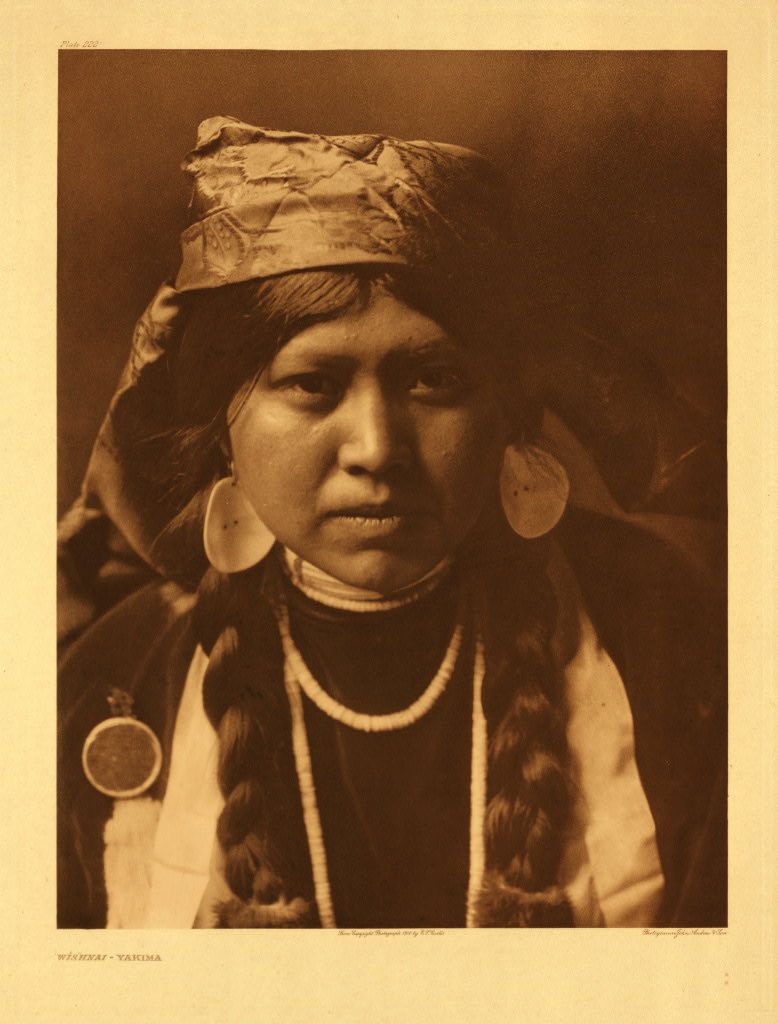
Plateau peoples generally self-identified by their wintering village or band, as opposed to a larger tribal identity, and intermarriage between different groups was common and often encouraged. Different groups shared hunting and foraging ranges, maintaining flexible social networks. After European contact, Native people were classified into tribes led by chiefs to facilitate negotiation and land settlements, leading to the commonly recognized tribal names used today. The lack of social stratification beyond the village level was a defining feature, contrasting with the more hierarchical structures of some coastal societies.
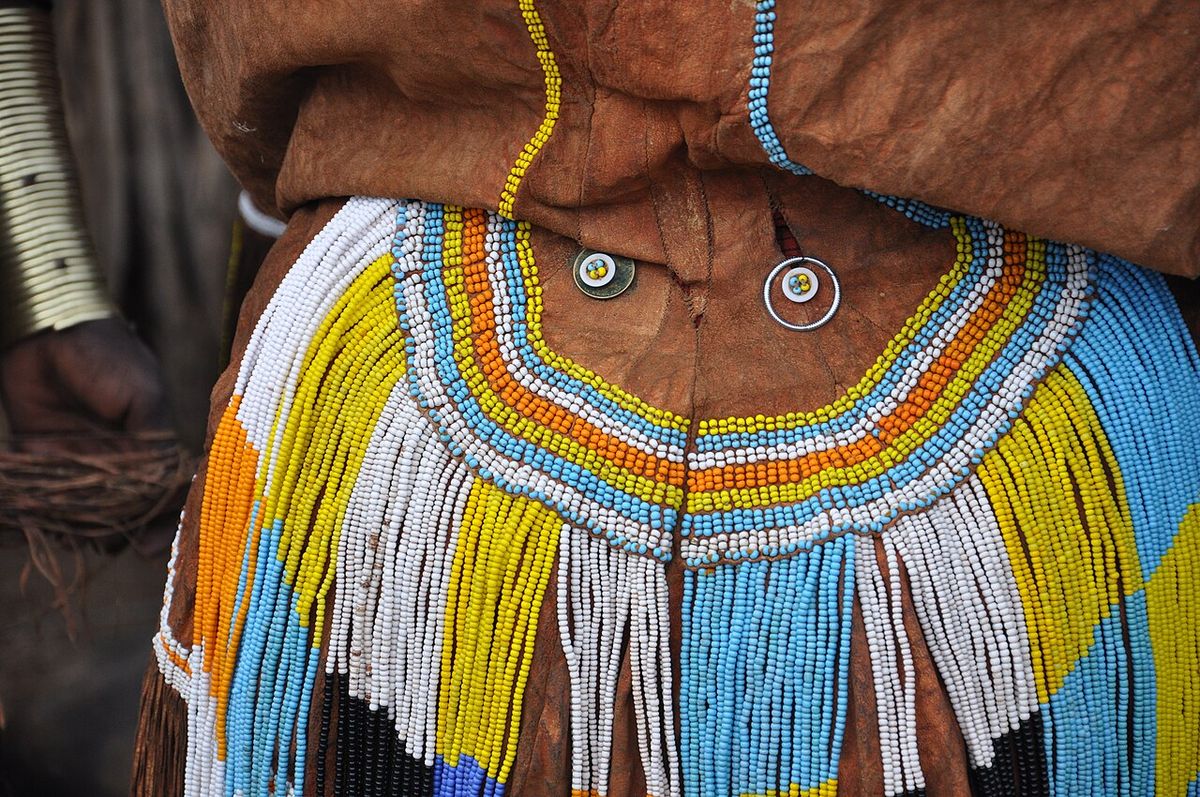
Artistic expression was deeply integrated into daily and ceremonial life. Plateau tribes excelled in the art of basketry, creating containers, hats, mats, and even bedding and cordage from local plant fibres. These baskets were essential as they used no pottery, even boiling water by inserting heated stones into tightly woven baskets. Beadwork later became prominent for decorating clothing, bags, and drums. Traditional arts are still practiced today, with mothers and grandmothers creating beaded regalia for children to wear during celebrations and dances. Such regalia is used for days during the annual Spirit Dance. The materials used also extended to clothing, which evolved over time from breechcloths and grass skirts in warm weather to buckskin shirts, leggings, and rabbit-fur robes in winter, later adopting Plains-inspired styles like buckskin dresses and feathered headgear after the horse arrived.
Contemporary Life and Cultural Continuity
Today, Indigenous peoples of the Plateau live in both rural communities and urban centres, participating fully in modern Canadian and American society while maintaining distinct cultural practices. In British Columbia, Indigenous peoples, including those from the Plateau, numbered 290,210 in 2021, constituting 5.9 percent of the provincial population. Many live on reserves or reservations, while others reside in cities. Traditional subsistence activities remain culturally and economically significant, with many families continuing to fish for salmon, hunt game, and gather roots and berries, practices that connect them to their ancestral lands and knowledge systems.
Artistic traditions such as basketry, beadwork, and the creation of regalia for ceremonies like the Spirit Dance are actively sustained. The Plateau Peoples' Web Portal, a digital repository created in collaboration with tribes, helps preserve and share cultural heritage. Political advocacy and legal battles over land rights, fishing rights, and self-governance continue to shape the relationship between Plateau nations and federal governments, affirming their status as sovereign entities within the modern state. Many also engage in activities like tribal dancing, beading, and digging roots as part of their cultural identity, while also working in diverse professions.
List of Plateau Tribes and Bands
After European contact, Native people were classified into tribes led by chiefs to facilitate negotiation and land settlements. This was a change from their traditional social organization, which generally involved self-identification by wintering village or band. Commonly recognized plateau tribes and bands include the following groups, organized by their primary cultural and linguistic affiliations. These include Interior Salish peoples like the Lillooet, Thompson, Secwepemc, and Okanagan, as well as the Kutenai, various Athapaskan-speaking groups, and Sahaptin peoples such as the Nez Perce.
| Cultural/Linguistic Group | Tribes and Bands |
|---|---|
| Interior Salish | Lillooet, Thompson (Nlaka'pamux), Secwepemc (Shuswap), Okanagan (Syilx), Lakes (Sinixt), Coeur d'Alene, Spokane, Kalispel, Pend d'Oreille, Flathead (Salish) |
| Plateau Penutian (Sahaptian) | Nez Perce, Yakama, Umatilla, Warm Springs (Tenino), Wanapum, Palus, Walla Walla |
| Other Penutian | Molala, Cayuse (extinct language), Klamath, Modoc |
| Isolate | Kutenai (Ktunaxa) |
| Athabaskan | Chilcotin (Tsilhqot'in), Carrier (Dakelh), Nicola (extinct) |
| Chinookan | Wasco-Wishram, Clackamas, Cascades |
| Kalapuyan | Kalapuya (various bands) |
Questions about Indigenous peoples of the Northwest Plateau
Where do the Indigenous peoples of the Northwest Plateau live?
The traditional territories of the Plateau peoples are located in the interior river basins of western North America. In Canada, this includes the Central and Southern Interior of British Columbia, particularly the Fraser and Thompson River basins. In the United States, their lands cover parts of northern Idaho, western Montana, eastern Washington, eastern Oregon, and northeastern California. Their homeland is bounded by the Rocky Mountains to the east and the Coastal Mountains to the west, with the eastern flank of the Cascade Range lying within their territory.
What are the main traditional foods of the Plateau peoples?
The traditional diet was based on a seasonal round of gathering, fishing, and hunting. Women gathered roots like camas and bitterroot, and berries such as huckleberries and chokecherries. Salmon was the most important fish, caught during annual runs using dip nets, spears, and weirs, then smoked or stored underground. After the introduction of the horse around 1730, groups like the Nez Perce and Cayuse also hunted bison on the Great Plains. Men also hunted deer, elk, and other game using bows, arrows, traps, and snares.
What languages do Plateau peoples speak?
Plateau peoples speak languages from several unrelated families. The primary languages are Interior Salish (e.g., Secwepemctsin, Nsyilxcən) in the north and Plateau Penutian (e.g., Nez Perce, Sahaptin) in the south. The Ktunaxa (Kutenai) language is a unique isolate. In the northernmost areas, Athabaskan languages like those of the Carrier and Chilcotin are spoken. Chinookan and Kalapuyan languages were also spoken in parts of the region. Many of these languages have multiple dialects, and significant efforts are underway to revitalize them after periods of decline.
How did the horse change Plateau cultures?
The horse, introduced from the Great Basin around 1730, changed Plateau life in fundamental ways. It dramatically increased mobility, allowing groups to travel much farther for trade, hunting, and warfare. The Nez Perce and Cayuse were among the first to adopt them. Horses enabled efficient bison hunting on the Plains and changed concepts of wealth and social status. The Nez Perce became known for their selective breeding, creating the Appaloosa horse breed. This adoption also led to the use of tipis, as horses could carry the heavy lodge covers.
What was the impact of European contact on Plateau peoples?
European contact brought catastrophic change, beginning with epidemics like smallpox in the 1770s that drastically reduced populations before many groups even met Europeans. Fur trade posts introduced new metal goods but increased dependency. The mass migration of American settlers in the 1840s led to armed conflicts such as the Nez Perce War and the eventual confinement of most nations to reservations through treaties. These events disrupted traditional economies, social structures, and land use, forcing deep cultural adaptations.
What are some commonly recognized Plateau tribes?
Commonly recognized Plateau tribes include the Interior Salish groups like the Lillooet, Secwepemc, Okanagan, Coeur d'Alene, Spokane, and Flathead. Plateau Penutian tribes include the Nez Perce, Yakama, Umatilla, and Warm Springs. Other groups are the Kutenai (an isolate), the Athabaskan-speaking Chilcotin and Carrier, the Chinookan Wasco-Wishram, and the Kalapuya. The Cayuse and Molala are also part of the Plateau cultural area.
Sources and further reading
- Indigenous peoples of the Northwest Plateau (Wikipedia)
- Indians and Indian Tribes (critfc.org)
- Indigenous peoples of British Columbia | History (ebsco.com)
- Indigenous peoples of the Northwest Plateau Facts for Kids (kids.kiddle.co)
- Plateau Indigenous Peoples in Canada (thecanadianencyclopedia.ca)
Checked by the Nosy Mag desk. Last updated 2026-10-31.