Beadwork
Indigenous beadwork is an artistic practice central to the cultural identity, storytelling, and economic life of First Nations, Métis, and Inuit peoples across Canada. This art form involves the embroidery or weaving of beads onto clothing, regalia, and accessories, serving as a medium for expressing community values, personal history, and spiritual beliefs. While the introduction of European glass trade beads in the 17th century transformed materials, the practice itself has ancient roots, utilizing local materials like bone, shell, and stone long before contact. Today, Indigenous beadwork is a dynamic art form, with contemporary artists blending traditional techniques with modern designs to create works that honour their heritage while engaging with current issues and markets.
Ancient Roots and Pre-Contact Practices
The artistic tradition of beadwork among Indigenous peoples in Canada predates European contact by millennia, with archaeological evidence revealing a deep history of adornment and craftsmanship. Excavations on village sites in Ontario have uncovered beads made from steatite (soapstone), hematite, siltstone, shell, and bone, dating back to the Late Woodland period from 1200 to 400 years ago. These beads came in various shapes, including round discoidal forms, long tubes, and rectangles, demonstrating a sophisticated manufacturing process. Artisans would roughly shape the material into a disk, smooth the exterior, and then perforate it by drilling from both sides using pointed chert tools. The wear patterns on these ancient beads, where the central hole becomes oval-shaped from friction with leather cords, indicate they were valued and used over long periods. The use of materials like red siltstone in the Collingwood area, which closely resembled later European red glass beads, suggests an early adaptability and aesthetic preference that would define Indigenous beadwork for centuries. These objects were far more than decoration, serving as important markers of identity, status, and cultural expression within communities.
Transformation Through Trade and New Materials
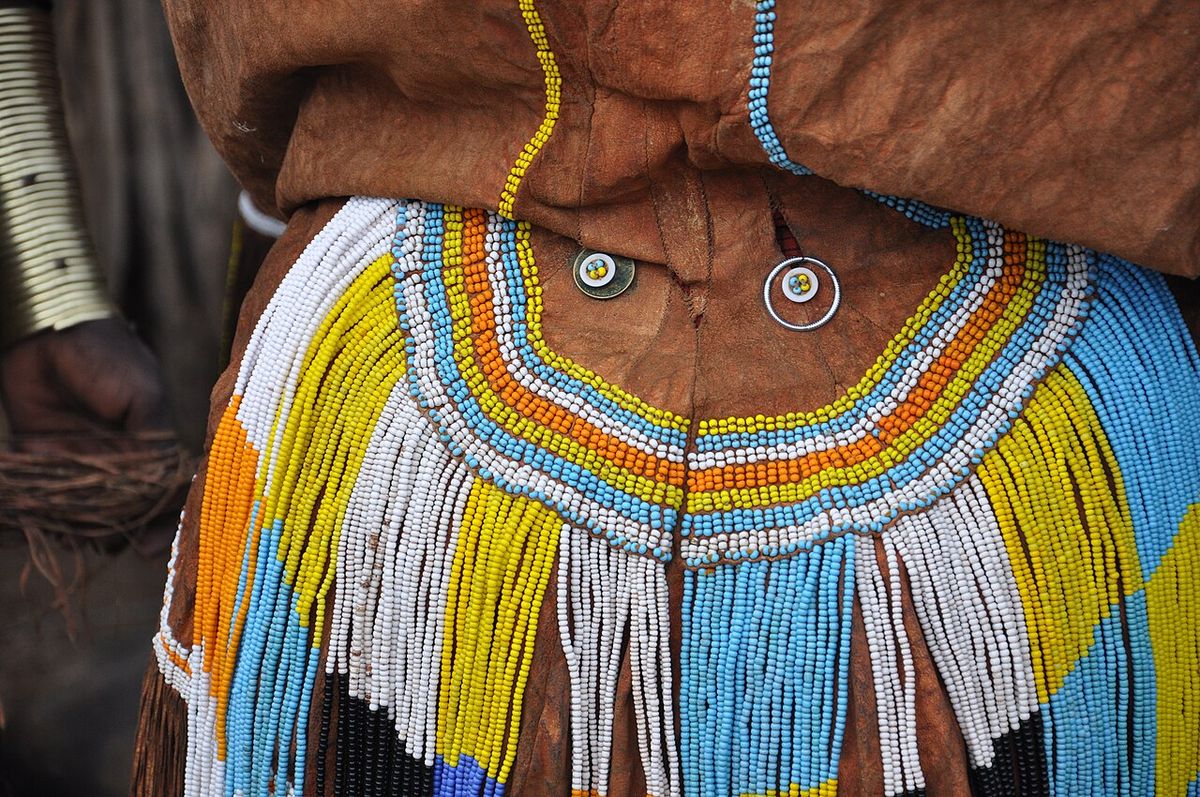
The arrival of European traders in the 17th century introduced new materials that deeply transformed Indigenous beadwork traditions. Most significant was the introduction of small, colourful glass beads, which were traded widely across North America. For Indigenous artists, these manufactured beads offered an expanded palette and greater flexibility, allowing for more detailed curved lines and circular patterns compared to the earlier use of porcupine quills or carved bone. In regions like the Yukon, the arrival of mass-produced beads alongside other trade goods like knives and kettles reduced some of the labour involved in preparing natural materials, though the artistry remained equally demanding. This era also saw the introduction of new design influences, such as the floral patterns taught by Ursuline nuns to young Indigenous women in the Great Lakes region, which were eagerly adopted and integrated into existing visual vocabularies. The evolution was a selective adaptation, where new materials were used to fulfill and enhance long-standing cultural purposes, from adorning regalia to creating items for ceremonial gifting and trade.
Regional Styles and Cultural Distinctiveness
Across Turtle Island, distinct regional beadwork styles developed, each reflecting the environment, history, and worldview of the peoples who created them. These styles remain important markers of cultural identity today. In the Great Lakes region, Anishinaabe artists created ornately decorated bandolier bags (gashkibidaagan) featuring floral patterns, embodying the Seven Grandfather Teachings in their work. Eastern Woodlands tribes, including the Haudenosaunee (Iroquois Confederacy), Mi'kmaq, and Penobscot, are known for symmetrical scroll motifs, often executed in white beads, and for raised beadwork that creates a three-dimensional, bas-relief effect. Southeastern tribes, such as the Cherokee and Choctaw, pioneered a style featuring images outlined in white, a visual reference to pre-contact shell and pearl work. This style was nearly lost during the forced removals of the Trail of Tears but has been revived by contemporary artists. In the Yukon, each First Nation has distinctive patterns.
- Gwitch’in beadwork features colourful, stemless flowers and leaves that densely cover the surface.
- Kaska designs often centre on a stem growing from the bottom into a curving four-petal flower.
- Tlingit styles utilize flowing scroll motifs that move through the negative, unbeaded space.
- The Métis Nation developed a widely recognized style, earning the name "Flower Beadwork People" for their detailed floral embroidery.
- The Haudenosaunee practice raised beadwork, a technique creating a three-dimensional bas-relief.
- Southeastern tribes like the Cherokee and Choctaw use a style with images outlined in white.
Notable Contemporary Indigenous Beadwork Artists
A new generation of Indigenous artists is pushing the boundaries of beadwork, gaining national and international recognition for their innovative and powerful work. These artists draw from deep cultural knowledge while addressing modern themes, from social justice to personal identity. Their work is featured in major exhibitions, sold in markets, and collected by institutions, demonstrating the vitality and relevance of the art form today. The following list highlights several influential contemporary beadwork artists and their specific contributions.
- Teri Greeves (Kiowa) is known for her beaded commentaries on Native voting rights and contemporary Indigenous life.
- Marcus Amerman (Choctaw) creates highly realistic beaded portraits of historical figures and celebrities.
- Jamie Okuma (Luiseño-Shoshone-Bannock) is renowned for her incredibly detailed and culturally significant beaded dolls and fashion.
- Samuel Thomas (Cayuga) used group beading sessions with residential school survivors to create the Opening the Doors to Dialogue exhibit in 2016.
- Catherine Blackburn (Dene/European ancestry) is a multi-disciplinary artist and jeweller from Saskatchewan who incorporates beadwork into her practice.
- Barb Nahwegahbow (Anishnaabe, Whitefish River First Nation) is a jeweller who draws inspiration from historical adornment to create contemporary pieces.
- Crystal Semaganis (Little Pine First Nation and Poundmaker Cree Nation) has been creating complex beadwork for 28 years.
Other contemporary artists known for using beadwork as a medium include Liza Lou, Ran Hwang, Hew Locke, Jeffery Gibson, and Joyce J. Scott. These artists work ensures that beadwork remains a dynamic and evolving medium for cultural expression and commentary. Their work spans various techniques, from loom weaving to bead embroidery, and continues the tradition of intergenerational knowledge transfer. Today, beadwork is commonly practiced by jewelers, hobbyists, and contemporary artists like these individuals.
Techniques, Process, and Intergenerational Knowledge
The creation of beadwork is a slow, deliberate, and highly skilled process that has traditionally been a conduit for intergenerational knowledge transfer, particularly among women. The fundamental technique involves picking up individual beads with a thin needle and sewing them onto a leather or cloth backing, a method requiring immense patience and dexterity. Complex pieces like fully beaded moccasins or regalia items can take weeks or months to complete. Historically, the skills and specific family or community patterns were passed down from mothers, grandmothers, and aunts to younger generations, often during communal sewing sessions that were also times for sharing stories and cultural knowledge. While this familial transmission remains central, formal workshops offered by cultural institutes and artists have also become important for sharing techniques. The practice is evolving with new influences, as artists incorporate methods from other sewing arts to create fully beaded pictorial scenes or blend traditional motifs with contemporary pop culture imagery. Several key techniques form the foundation of this artistic tradition.
- Off-loom Peyote Stitch: A stitch popular among contemporary artists and used in Native American Church members' beadwork.
- Raised Beadwork: A Haudenosaunee technique where threads are pulled taut to force beads into a three-dimensional bas-relief.
- Loom Weaving: Involves weaving rows of beads on a loom to create strips for belts, headbands, or jewelry.
- Bead Embroidery (Appliqué): The most common method, sewing beads directly onto fabric or leather to decorate clothing and accessories.
- Stringing: A foundational technique where beads are placed on a string in a step-by-step approach, notably used by the Yoruba people of Africa.
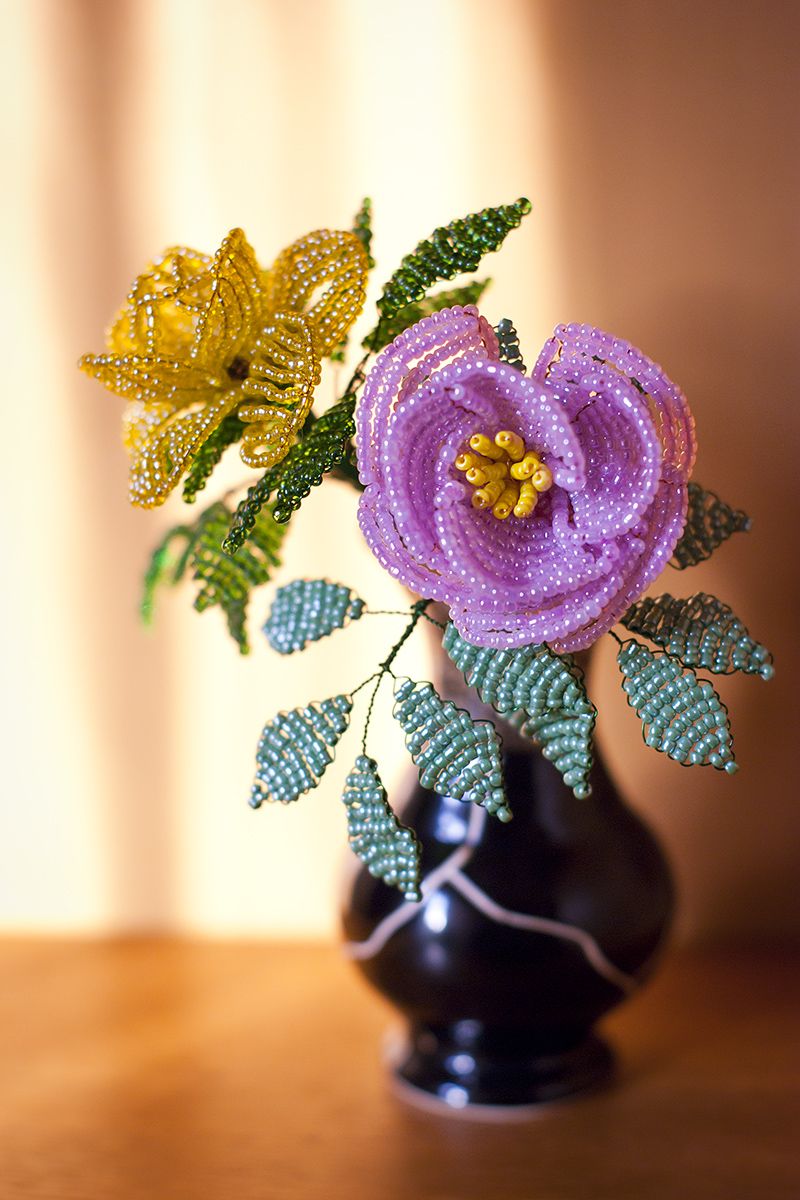
Beadwork techniques are broadly divided into several categories, including loom and off-loom weaving, stringing, bead embroidery, bead crochet, bead knitting, and bead tatting. In the Great Lakes region, Ursuline nuns introduced floral patterns to young Indigenous women, who quickly applied them to beadwork. The Anishinaabe in the Great Lakes region use beading to share stories about the traditions and culture of the tribe, embodying the Seven Grandfather Teachings. Ojibwe women in the area created ornately decorated shoulder bags known as gashkibidaagan, or bandolier bags.
Contemporary Practice and Economic Vitality
Today, Indigenous beadwork is a significant contemporary art form, with artists gaining recognition in galleries, museums, and markets across Canada and beyond. Events like the annual Summer Indigenous Artisans Market, which in 2026 featured over 25 artists, provide crucial platforms for artists to sell their work directly to the public. The market for beadwork has expanded from traditional regalia and garments to include modern functional items like beaded keychains, jewellery, bolo ties, computer sleeves, and cellphone holders, making the art form accessible to a wider audience. Artists command increasingly higher prices for their work, reflecting the value placed on their skill, time, and cultural knowledge. This commercial activity continues a long history where beadwork provided economic support for families, especially in times when other sources of income were scarce. Major exhibitions like Radical Stitch at the National Gallery of Canada in 2026 highlight beadwork's place within the canon of contemporary art, affirming its ongoing innovation and cultural power. The practice remains a vital economic activity for Métis women and families, spanning generations and providing both personal and commercial expression.
A Living Tradition: Adaptation and Innovation
The enduring strength of Indigenous beadwork lies in its remarkable adaptability, allowing it to remain a relevant and dynamic form of cultural expression. Artists continually innovate by incorporating new materials, responding to contemporary themes, and engaging with global artistic conversations while remaining grounded in their heritage. This adaptability is evident in historical shifts, such as the adoption of glass beads, and continues today as artists bead depictions of Pokémon characters, create statement apparel for social movements, or use epoxy resin alongside traditional materials. The art form also serves as a powerful tool for cultural reclamation, especially for individuals and communities working to recover knowledge and practices disrupted by colonization. Workshops and online communities have broadened the ways knowledge is shared, complementing traditional familial teaching. As a result, Indigenous beadwork is not a relic of the past but a flourishing, living practice that connects generations, asserts sovereignty, and beautifully articulates the ongoing stories of Indigenous peoples in Canada. Its techniques and styles continue to evolve, ensuring its place in both cultural and contemporary artistic spheres.
Questions about Beadwork
What materials did Indigenous peoples use for beadwork before European contact?
Prior to European contact, Indigenous artists across Canada utilized a wide array of natural materials harvested from their local environments. Archaeological evidence shows the use of bone, shell, stone, and porcupine quills. Specific materials included steatite (soapstone), which ranges in colour from light pink-beige to black, as well as red hematite and siltstone. These materials were carefully shaped, smoothed, and perforated using stone tools to create beads of various shapes, including round discs, long tubes, and rectangles, for adornment and cultural expression.
How did the introduction of glass beads change Indigenous beadwork?
The introduction of European glass trade beads in the 17th century significantly transformed Indigenous beadwork by expanding the available colour palette and increasing design flexibility. Manufactured glass beads were smaller and more uniform than many pre-contact materials, allowing artists to create more detailed curves, circles, and dense patterns with greater ease. This did not replace traditional techniques but was integrated into them, leading to an explosion of artistic innovation. The new beads also reduced some of the labour involved in preparing natural materials like quills or carved stone, though the meticulous hand-sewing process remained just as demanding and skilled.
What is raised beadwork, and which peoples practice it?
Raised beadwork is a specialized technique where threads are pulled extremely taut during the sewing process, forcing the beads into a raised, three-dimensional bas-relief on the surface of the material. This creates a textured, sculptural effect that is visually striking. This technique is notably practiced by tribes of the Haudenosaunee Confederacy (such as the Mohawk, Cayuga, and Seneca) and is a characteristic of beadwork from the Eastern Woodlands region. It requires advanced skill and is often used to create highly detailed and impactful designs on regalia and other important items.
How is beadwork used to address contemporary issues?
Many contemporary Indigenous beadwork artists use their art as a medium for social commentary and to explore current issues. Artists create works that comment on topics such as Indigenous voting rights, cultural resilience, and the legacy of colonialism. For instance, projects have involved beading on doors from residential schools to foster dialogue about reconciliation, while other artists create portraits or imagery that engage with pop culture, politics, or personal identity. This practice continues the traditional role of beadwork as a storyteller, applying ancient techniques to narrate and critique modern experiences.
Where can I see or buy contemporary Indigenous beadwork in Canada?
Contemporary Indigenous beadwork can be seen and purchased through several channels across Canada. Major events include Indigenous art markets, such as the annual Summer Indigenous Artisans Market which features over 25 artists. Many galleries and museums, including the National Gallery of Canada, host exhibitions dedicated to beadwork. Numerous Indigenous artists also sell their work online through their own websites or collective platforms, and Indigenous-owned shops and trading posts, like Cheryl’s Trading Post in British Columbia, represent and sell work directly from artists, ensuring authenticity and supporting their livelihoods.
Why are the Métis known as the 'Flower Beadwork People'?
The Métis earned the name Flower Beadwork People from neighbouring Cree and Dene communities due to their distinctive and prolific use of colourful, realistic floral motifs in their beadwork. This style developed in the early 19th century, particularly in the Red River region, blending First Nations beadwork techniques with floral design influences from French-Canadian nuns in Roman Catholic missions. By the 1830s, lively and lifelike floral patterns dominated Métis creations. Métis beadwork adorned nearly every item of traditional clothing, from moccasins and coats to bags and belts, becoming a central and recognizable symbol of Métis cultural identity and artistic excellence. The practice also became a vital economic activity for Métis women and families, spanning generations and providing both personal and commercial expression.
Sources and further reading
- Beadwork (Wikipedia)
- Summer Indigenous Artisans Market 2026 (billreidgallery.ca)
- A Thread Between Generations: Indigenous Beadwork ... (asiheritage.ca)
- Beadwork (indigenousyukon.ca)
- Indigenous Beadwork Artists to Support and Follow (theindigenousfoundation.org)
Checked by the Nosy Mag desk. Last updated 2026-10-30.