Indigenous literature in Canada
Indigenous literature in Canada encompasses the written works of the First Nations, Inuit, and Métis peoples, building upon deep and diverse oral traditions. It is a dynamic and essential part of Canadian literature, reflecting unique worldviews, histories, and contemporary experiences. This body of work addresses themes of identity, resilience, cultural loss, and resurgence, often confronting the legacies of colonialism and the residential school system. Through poetry, novels, memoirs, and children's books, Indigenous writers contribute to the national cultural scene and the ongoing process of truth and reconciliation.
Historical Roots and Oral Traditions
Indigenous literature in Canada is fundamentally connected to the oral traditions that have sustained cultures for millennia. These traditions include myths, legends, spiritual teachings, and histories passed down with precision by storytellers and Elders. Oral forms such as songs and stories were central to cultural transmission, shaping community values and individual identity long before European contact. When settlers arrived, they often dismissed oral literature as uncivilized, privileging written forms and implementing policies like the residential school system to suppress Indigenous languages and knowledge. The residential schools, described as cultural genocide, severely disrupted the intergenerational transfer of culture and language, creating a deep rupture that contemporary literature often seeks to address and heal. Many Indigenous communities continue to uphold and revitalize oral traditions while also engaging with written literary forms.
Diverse Literary Traditions by Nation
The term 'Indigenous literature' is a broad umbrella covering distinct and diverse literary traditions tied to specific nations and cultures. As Okanagan writer Jeannette Armstrong has noted, there is no single generic Native literature, but rather Mohawk literature, Okanagan literature, and many others. Each nation's literature draws from its own unique cosmology, history, and cultural practices. This diversity is reflected in the wide range of themes, characters, and narrative forms found across the country, from the coastal stories of the Mi'kmaq to the prairie narratives of the Cree. Understanding Indigenous literature requires an appreciation of these specific cultural contexts and the ways writers weave traditional knowledge into contemporary works.
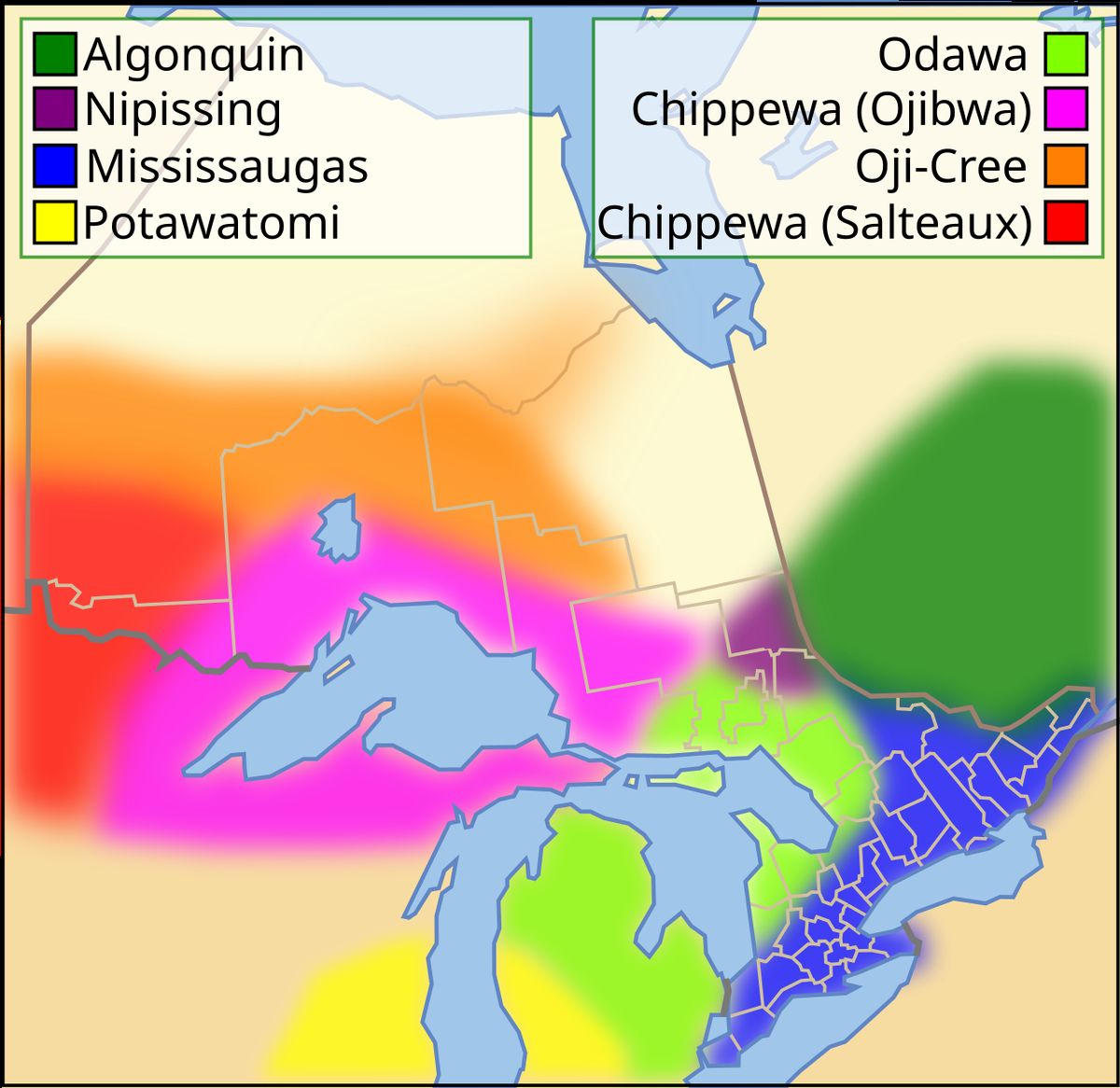
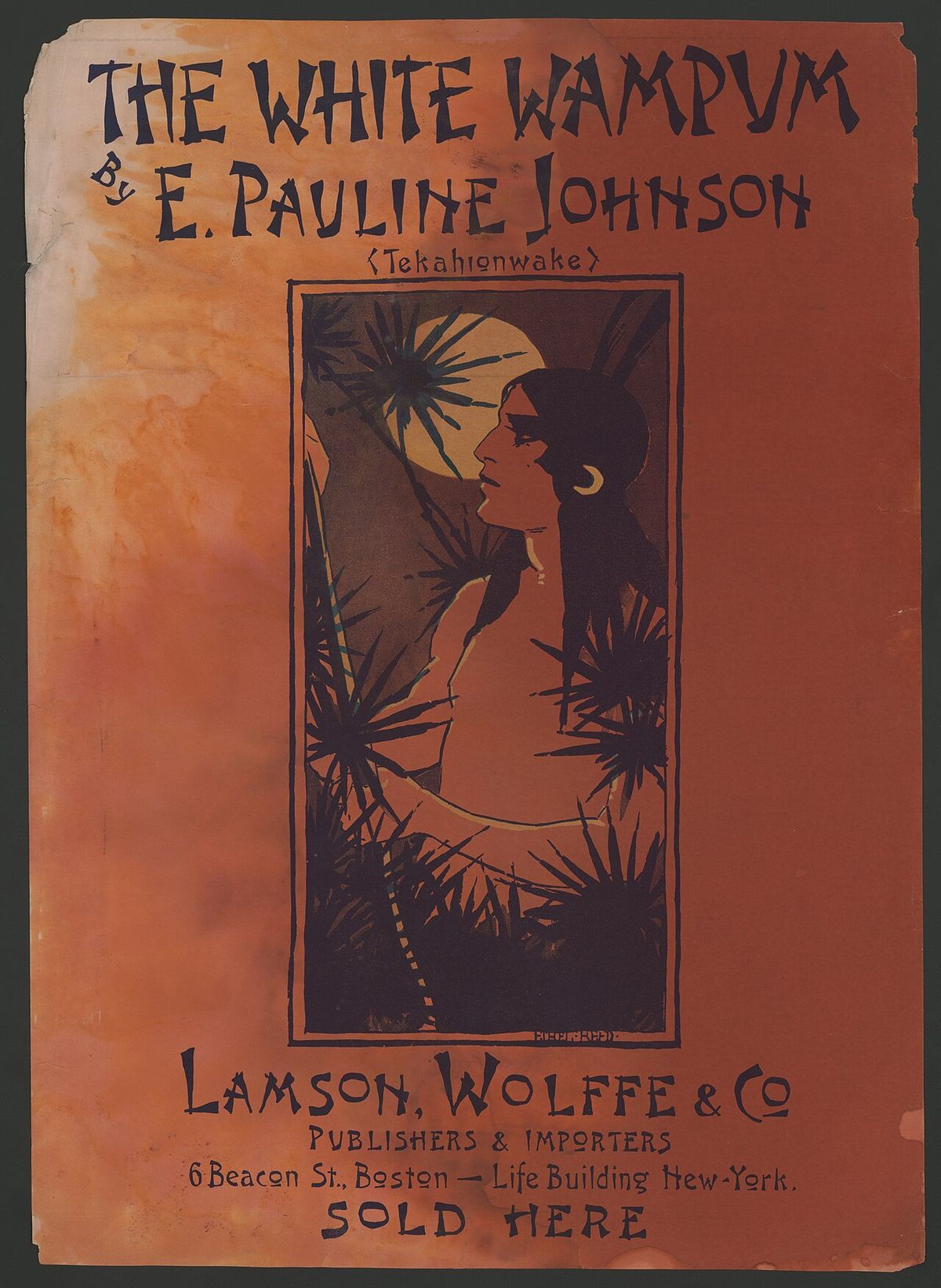
Mi'kmaq literature features cultural heroes like the trickster Glooscap, who appears in traditional stories and modern works such as Rita Joe's poetry. Joe, who received the Order of Canada in 1990, wrote bilingually about cultural loss and resilience in poems like 'I lost my talk'. Other Mi'kmaq poets include Lindsay Marshall, Shirley Bear and Teresa Marshall. Mohawk literature is informed by the Great Law of Peace and creation stories, utilized by writers like Beth Brant and Peter Blue Cloud from Kahnawake, Quebec. Blue Cloud's work 'Weaver’s Spider’s Web' features the Coyote trickster and symbols from Longhouse cultures. Anishinaabe literature, from nations including the Ojibway and Odawa, includes the early autobiography of George Copway (1847) and the contemporary works of Drew Hayden Taylor, who addresses identity in plays like Toronto at Dreamers’ Rock. Oral traditions have been documented by Basil Johnston in collections like Ojibway Heritage. Cree literature often explores themes of displacement and survival, as seen in Tomson Highway's novel Kiss of the Fur Queen, which incorporates the trickster Weesageechak and addresses sexual abuse in residential schools. One of the earliest known Indigenous writers to publish in English was E. Pauline Johnson (Grand River Mohawk), who published a collection of poems titled The White Wampum in 1895.
Major Literary Awards and Recognition
A strong system of awards and recognition has developed to celebrate and promote Indigenous literature in Canada. These prizes provide crucial support for writers and help amplify their work to broader audiences. The awards often highlight themes central to Indigenous experiences, such as the impacts of residential schools, cultural identity, and historical resilience. The establishment of new awards, like the Indigenous Voices Awards, demonstrates a growing commitment to ensuring Indigenous stories are told and honoured within the Canadian literary landscape.
- Indigenous Voices Awards (IVA): Created in 2017 through a crowdfunding campaign that raised over $140,000, the IVAs support First Nations, Métis, and Inuit writers. The first awards in 2018 honoured poets and novelists including Billy-Ray Belcourt, J. D. Kurtness and Aviaq Johnston.
- Burt Award for First Nations, Métis, and Inuit Literature: This award has recognized significant works like Richard Wagamese's Indian Horse (2013) and Bev Sellars's memoir They Called Me Number One (2014), which won third place.
- Governor General's Literary Award: Indigenous writers have won in multiple categories, such as Katherena Vermette for poetry (2013) and David Robertson for young people's literature (2017, 2021 co-winner with illustrator Julie Flett for On the Trapline).
- Periodical Marketers of Canada Aboriginal Literature Award: Linked to the First Nation Communities Read program, this award includes a $5,000 prize, won by authors like Darrell Dennis for Peace, Pipe Dreams (2015 to 2016).
Children's literature is also prominently recognized through awards like the Norma Fleck Award for Canadian Children's Non Fiction. This award was won in 2000 by The Shaman's Nephew: A Life in the Far North, which was written by Sheldon Oberman and illustrated by Inuk artist Simon Tookoome. The award was also won in 2003 by Larry Loyie and Constance Brissenden's book As Long as the River Flows. The Marilyn Baillie Picture Book Award, which rewards excellence in Canadian illustrated picture books, honoured Sometimes I feel like a Fox in 2016. The TD Canadian Children's Literature Award is Canada's biggest literary prize for children's literature, valued at $30,000. This award has been presented to works including Shi-shi-etko in 2006 as a finalist, Shi-shi's Canoe in 2009, and Missing Nimâmâ in 2016. Missing Nimâmâ was the first children's book to explicitly address the controversy of Canada's missing and murdered Indigenous women.
Contemporary Authors and Recent Works
The field of Indigenous literature is continually enriched by new and established authors publishing across all genres. Their works often grapple with modern complexities while remaining rooted in cultural specificity. Recent publications highlight the vitality and diversity of Indigenous storytelling, from poetic novellas to legal analyses. The First Nation Communities READ program's 2025 to 2026 longlist featured 87 titles from 42 publishers, indicating a flourishing literary scene. The shortlisted titles for this award are announced in September 2025 with winners named during First Nation Public Library Week in October 2025.
Notable contemporary authors include Billy-Ray Belcourt, a writer from Driftpile Cree Nation who won the Griffin Poetry Prize in 2018 for This Wound is a World and published the novel A Minor Chorus, which was championed on Canada Reads 2026. Conor Kerr, a Métis Ukrainian writer in Edmonton, authored the poetic novella Beaver Hills Forever and the novels Avenue of Champions and Prairie Edge. Tara Gereaux, a citizen of the Metis Nation-Saskatchewan, wrote the novel Wild People Quiet about hidden Métis identity in 1940s Saskatchewan. Patty Krawec, of Anishinaabe and Ukrainian descent and a member of Lac Seul First Nation, published Bad Indians Book Club and the earlier work Becoming Kin. In non-fiction, works like The Colonial Problem: An Indigenous Perspective on Crime and Injustice in Canada and Canada & The UN Declaration on the Rights of Indigenous Peoples represent important contributions to legal and political discourse. Other recent titles include Blair Palmer Yoxall's novel Treat Them as Buffalo and Monique Gray Smith's self-help book Sharing the Light. Lee Maracle (Stó:lō) won a Queen's Diamond Jubilee Medal for her work promoting writing among Aboriginal youth and authored novels like Ravensong.
Promotion, Advocacy, and Institutional Support
Several key initiatives and institutions work to promote Indigenous literature and integrate it into the broader Canadian cultural consciousness. These efforts are often tied to educational outreach, public library programs, and national campaigns aimed at reconciliation. Government and community organizations recognize literature as a powerful tool for fostering understanding and healing historical divides. The First Nation Communities READ (FNCR) program, launched in Ontario in 2003, is a central program for promotion funded by the Department of Canadian Heritage and the Canada Book Fund. It involves a jury of First Nation public librarians selecting and recommending literature that encourages family literacy and intergenerational storytelling. The program's award component highlights the best in Indigenous writing and is the only award program with an all First Nation Public Librarian jury. Nationally, June is designated as both National Indigenous History Month and Indigenous Book Club Month, encouraging Canadians to read Indigenous authors using the hashtag #IndigenousReads. The Truth and Reconciliation Commission (TRC) has also published a suggested reading list of works dealing with residential schools, thereby validating literature as part of the historical record and the path to reconciliation. The TRC's It Matters to Me campaign shows the importance of this process.
Children's and Young Adult Literature
Indigenous children's literature is a particularly vital and growing genre, serving to instill cultural pride in young readers and educate all children about Indigenous histories and perspectives. These books often address difficult topics like residential schools and the Sixties Scoop with age-appropriate sensitivity, while also celebrating language, family, and connection to the land. Award-winning titles in this category have been instrumental in bringing Indigenous stories into schools and libraries across the country. Recent notable children's books include Charlie's Kohkom, which addresses the Sixties Scoop for ages 6 to 8, and Tess's Red Dress, about Red Dress Day for ages 6 to 9. The Secret of Your Name tells the true story of Shirley Horn's residential school experience for ages 9 to 12. These works join classic titles like Shi-shi-etko and Missing Nimâmâ in forming an essential canon for young readers. The following table highlights several award-winning children's books and their key themes.
| Title (Author) | Award/Recognition | Primary Theme |
|---|---|---|
| Shi-shi-etko (Nicola I. Campbell) | TD Award Finalist (2006), Marilyn Baillie Finalist (2006) | Residential school preparation |
| Shi-shi's Canoe (Nicola I. Campbell) | TD Award Winner (2009) | Residential school experience, isolation and hope |
| Missing Nimâmâ (Melanie Florence) | TD Award Winner (2016) | Missing and murdered Indigenous women, Cree culture |
| Sometimes I Feel Like a Fox (Danielle Daniels) | Marilyn Baillie Winner (2016) | Anishinaabe totem animals and self-understanding |
| On the Trapline (David Robertson & Julie Flett) | GG Award Winner (2021) | Family, land, tradition, intergenerational trip |
| The Shaman's Nephew (Sheldon Oberman & Simon Tookoome) | Norma Fleck Award Winner (2000) | Inuit life through 28 short stories |
| As Long as the River Flows (Larry Loyie & Constance Brissenden) | Norma Fleck Award Winner (2003) | Cree childhood, culture, and residential schools |
Literature as Activism and Truth-Telling
Indigenous literature in Canada frequently functions as a form of activism, challenging colonial narratives and advocating for social justice, land rights, and self-determination. Many writers use their work to testify to historical and ongoing injustices, contributing to public awareness and political change. This literature is intimately connected to movements like the Truth and Reconciliation Commission, which itself relies on storytelling as a means of documenting history and facilitating healing. Memoirs by residential school survivors, such as Bev Sellars's They Called Me Number One and Phyllis Webstad's story founding Orange Shirt Day, serve as powerful personal testimonies that have become part of the public archive for reconciliation. Works like The Colonial Problem analyse systemic racism within the justice system, showing how colonialism upholds inequality. Books such as Process as Power: The Legitimacy of Indigenous Consultation in British Columbia Environmental Assessments critique the failure to respect Indigenous rights in legal processes. Through novels, poetry, and non-fiction, Indigenous writers continue to 'unforget' the past, as Patty Krawec terms it, and imagine new futures, making literature an indispensable tool for both cultural continuity and societal transformation. The government's designation of Indigenous Book Club Month explicitly aims to restore relationships through shared reading and understanding of this literature.
Questions about Indigenous literature in Canada
What is Indigenous literature in Canada?
Indigenous literature in Canada refers to the body of written work produced by First Nations, Inuit, and Métis peoples. It is deeply rooted in diverse oral traditions of storytelling, song, and history. This literature encompasses all genres, including poetry, novels, memoirs, and children's books, and often addresses themes of identity, resilience, and the impacts of colonialism. It is a vital and dynamic part of Canada's national literature, contributing unique perspectives and worldviews.
Who are some notable Indigenous authors in Canada?
Notable authors include early writer E. Pauline Johnson (Mohawk) and autobiographer George Copway (Anishinaabe). Contemporary authors are numerous, such as novelist and playwright Tomson Highway (Cree), poet and novelist Billy-Ray Belcourt (Cree), and memoirist Bev Sellars. Lee Maracle (Stó:lō) was known for her novels and work with youth, while Richard Wagamese (Ojibway) wrote acclaimed novels like Indian Horse . Writers like Conor Kerr (Métis) and Tara Gereaux (Métis) represent newer voices in the literary landscape.
What are the major awards for Indigenous literature in Canada?
Major awards include the Indigenous Voices Awards (IVA), established in 2017 to support emerging and established writers. The Burt Award for First Nations, Métis, and Inuit Literature recognizes works for young adults. The Governor General's Literary Awards have frequently honoured Indigenous writers across categories. The Periodical Marketers of Canada Aboriginal Literature Award, connected to the First Nation Communities READ program, also provides significant recognition and a $5,000 prize.
How is Indigenous literature promoted in Canada?
Promotion occurs through programs like First Nation Communities READ, where Indigenous librarians select and champion titles. National Indigenous History Month and Indigenous Book Club Month each June encourage nationwide reading and discussion using the hashtag #IndigenousReads. The Truth and Reconciliation Commission's reading list also promotes literature on residential schools. Awards, library programming, and educational curricula are key channels for bringing these works to the public.
What role does children's literature play?
Indigenous children's literature helps Indigenous children see their cultures reflected positively and teaches all children about Indigenous histories and perspectives. Many award-winning books, such as Shi-shi-etko and Missing Nimâmâ, address difficult topics like residential schools and missing women with care. These books are used in schools and libraries to foster understanding from a young age. Titles like Sometimes I Feel Like a Fox introduce cultural concepts like totem animals to young readers.
How does Indigenous literature relate to truth and reconciliation?
Indigenous literature is a fundamental component of truth and reconciliation in Canada. It serves as a record of lived experiences, including the traumas of residential schools and systemic injustice, fulfilling a truth-telling function. By sharing stories of resilience and cultural continuity, it fosters empathy and understanding among non-Indigenous readers. The TRC itself highlighted the importance of story, and many recommended texts are literary works that contribute to the healing and dialogue essential for reconciliation.
Sources and further reading
- Indigenous literature in Canada (Wikipedia)
- 20 books to read for National Indigenous History Month ... (cbc.ca)
- First Nation Communities READ 2025 to 2026 Longlist ... (fncr.ca)
Checked by the Nosy Mag desk. Last updated 2026-10-28.