Indigenous languages of the Americas
Indigenous languages of the Americas are the languages that were used by the Indigenous peoples of the Americas before the arrival of Europeans. Over a thousand of these languages are still used in the 21st century, while many more are now extinct. They are classified into over a hundred language families and isolates. According to UNESCO, most are critically endangered. The most widely spoken are Southern Quechua and Guarani, each with perhaps six or seven million speakers. In Canada, 133,000 people reported speaking an Indigenous language at home in the 2011 census. The survival and revitalization of these languages are supported by national legislation, such as Canada's Indigenous Languages Act of 2019, and are the focus of dedicated community and international efforts during the United Nations International Decade of Indigenous Languages.
Historical Context and Colonial Impact
Over a thousand known languages were spoken by various peoples in North and South America prior to their first contact with Europeans. Several indigenous cultures, like the Maya, had developed their own writing systems. Early colonial encounters involved complex linguistic interactions. In the British American colonies, John Eliot of the Massachusetts Bay Colony made a Bible translation in the Massachusett language, also called Wampanoag or Natick, printed between 1661 and 1663. Conversely, European colonizers systematically suppressed Indigenous languages to consolidate control, imposing European languages for official communication and education. This suppression, combined with disease and societal disruption, led to the catastrophic decline and extinction of countless languages. By the 18th and 19th centuries, Spanish, English, Portuguese, French, and Dutch had become the official or national languages of the modern nation-states across the continents.
The legacy of this suppression is a primary driver of the contemporary endangerment crisis. In the United States, government policies actively suppressed Native languages. Despite these challenges, some languages demonstrated remarkable resilience, maintaining millions of speakers. In Canada, the path toward recognition culminated in the 2019 Indigenous Languages Act, which established a framework for support and the Office of the Commissioner of Indigenous Languages. The first commissioner, Ronald E. Ignace, was appointed to oversee the act's implementation. The act supports the reclamation, revitalization, and strengthening of Indigenous languages through sustainable funding.
Linguistic Diversity and Classification
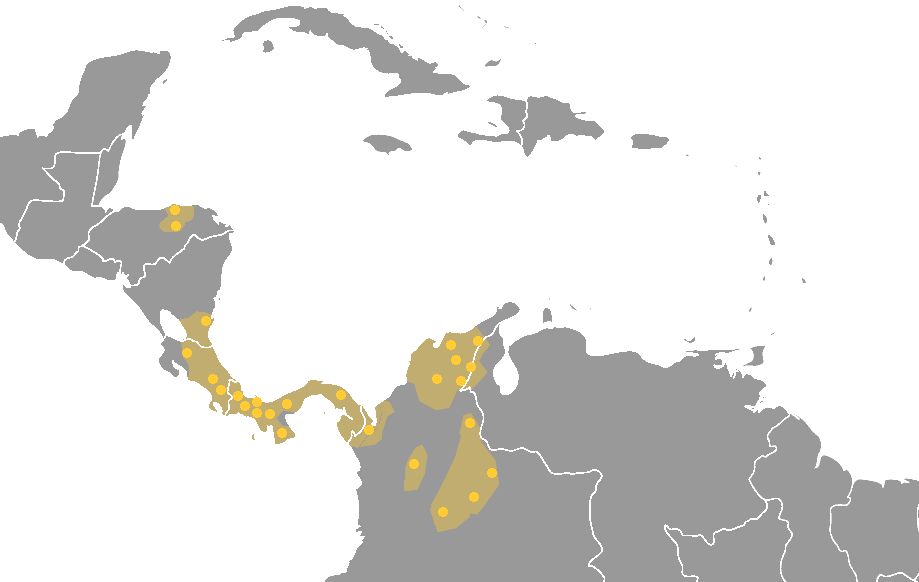
The Indigenous languages of the Americas are not a single family but are classified into over a hundred distinct language families and isolates, reflecting deep historical roots and independent development. This classification is a complex and evolving field. The continent is noted for extreme linguistic diversity, particularly in regions like California, which historically contained 18 language families alone. Central America is dominated by the Mayan language family, one of the best-documented in the world, with at least six million speakers across Guatemala, Mexico, Belize, and Honduras. In 1996, Guatemala formally recognized 21 Mayan languages by name.
South America presents the greatest linguistic diversity, with approximately 330 languages still spoken and several hundred more now extinct, though it is the least documented region globally. This complexity makes genetic classification difficult. Several large-scale hypothetical groupings, or stock proposals, have been advanced, but most are not widely accepted. One highly controversial proposal, the Amerind hypothesis by Joseph Greenberg, suggested a single ancestral stock for most languages outside of Na-Dené and Eskaleut, but it is rejected by most specialists. More modest proposals, like Penutian, have found some favour but are still debated. The traditional classification into many distinct families remains the standard approach.
- Algic Family: Includes Cree, Ojibwe, Blackfoot, and Mi'kmaq. Spans from northeastern Canada across much of the continent to northeastern Mexico and California. It has about 180,000 speakers.
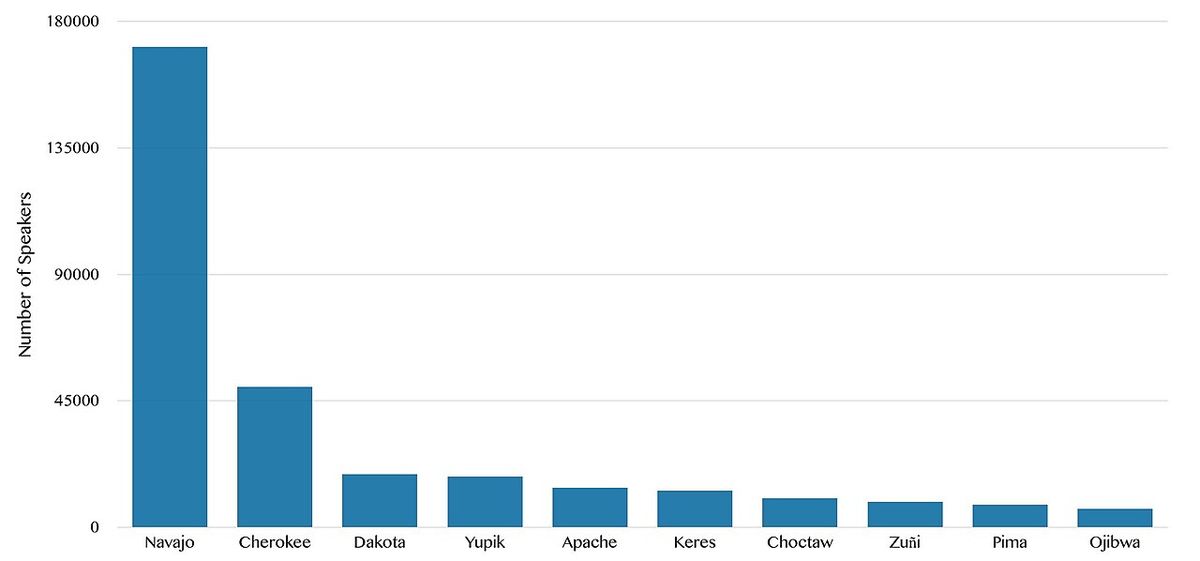
- Na-Dené Family: Includes Navajo, Apache, and various Dene languages. Spans from Alaska and western Canada to the southwestern United States and northern Mexico. It has approximately 200,000 speakers, nearly 180,000 of whom speak Navajo.
- Uto-Aztecan Family: Includes Nahuatl, Hopi, Shoshone, and Comanche. Ranges from the western United States to central Mexico. It has the most speakers (1.95 million) if languages in Mexico are considered.
- Iroquoian Family: Includes Mohawk, Cherokee, and Seneca. Historically centred in the northeastern woodlands.
- Siouan Family: Includes Lakota, Dakota, and Stoney. Historically of the Great Plains.
- Mayan Family: Includes K'iche', Yucatec, and Q'eqchi'. Centred in Guatemala and southern Mexico.
- Quechuan Family: Includes multiple varieties of Quechua. The major language family of the central Andes.
- Arawakan Family: A widespread family across the Caribbean and parts of South America.
- Tupian Family: Includes Guarani, an official language of Paraguay.
- Eskaleut Family: Includes Inuit languages (like Inuktitut) and Yupik. Spans the Arctic from Greenland to Alaska.
Current Status and Speaker Populations
The contemporary picture of Indigenous languages in the Americas is one of stark contrast between a few vigorous, widely spoken languages and a majority that are endangered or dormant. According to UNESCO, most Indigenous languages in the Americas are critically endangered. The most widely spoken Indigenous languages are Southern Quechua, with perhaps six or seven million speakers in Peru and Bolivia, and Guarani, with a similar number in Paraguay where it shares national language status with Spanish. Other languages with over a million speakers include Aymara in Bolivia and Peru, Nahuatl in Mexico, and several Mayan languages like K'iche' and Yucatec. In North America, Navajo is the most spoken Indigenous language, with more than 200,000 speakers in the Southwestern United States.
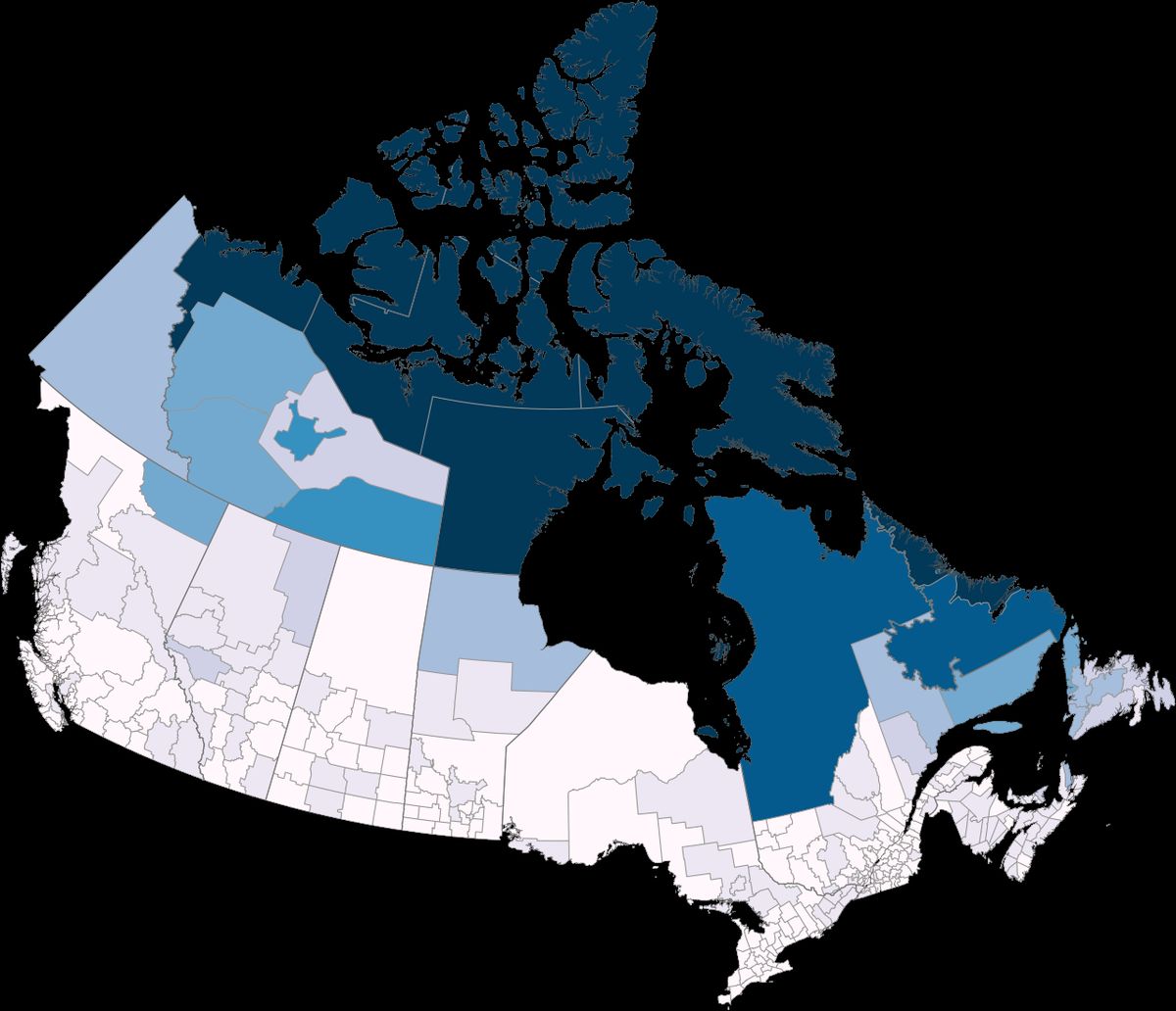
In Canada, the 2011 census reported 133,000 people speaking an Indigenous language at home. Many of Canada's over 70 Indigenous languages are at risk. Greenland provides a notable success story, with about 90 percent of its population speaking Greenlandic (Kalaallisut), an Eskaleut language that became the territory's sole official language in 2009. The table below illustrates the approximate speaker populations for some of the most spoken Indigenous languages across the hemisphere.
| Language or Family | Primary Region | Approximate Speakers |
|---|---|---|
| Southern Quechua | Peru, Bolivia | 6-7 million |
| Guarani | Paraguay | 6-7 million |
| Aymara | Bolivia, Peru | Almost 2 million |
| Nahuatl | Mexico | Almost 2 million |
| Mayan languages (collectively) | Guatemala, Mexico | At least 6 million |
| Navajo | Southwestern United States | More than 200,000 |
Political recognition of Indigenous languages varies widely. Countries like Bolivia and Venezuela give all indigenous languages official status. Others, like Mexico and Guatemala, recognize many but with varying levels of practical implementation. In Canada and the United States, official status is often determined at the provincial, state, or tribal level. Canada's Indigenous Languages Act represents a federal commitment to support language revitalization.
Revitalization Movements and Legal Frameworks
In response to the crisis of language loss, powerful revitalization movements have emerged across the Americas, driven by Indigenous communities, educators, and activists. These efforts encompass a wide range of strategies, from immersive language nests for young children to university-level courses and digital archives. Technology plays an increasingly major role, with platforms providing online spaces for communities to share language resources. The use of artificial intelligence and gamification to engage youth is a growing focus. Documentary films raise public awareness about the deep cultural loss when a language disappears and highlight community-led solutions.
Legislative action has been a critical component of these efforts. In the United States, the 1990 Native American Languages Act was a landmark law affirming the right to use and develop Native languages. In Canada, after years of advocacy, the Indigenous Languages Act (Bill C-91) received royal assent in 2019. This act aims to support the reclamation, revitalization, and strengthening of Indigenous languages through sustainable funding and the establishment of the Office of the Commissioner of Indigenous Languages. The first commissioner, Ronald E. Ignace, a respected scholar and St'át'imc leader from British Columbia, was appointed to lead this office. The United Nations International Decade of Indigenous Languages began in 2022.
- 1990: United States passes the Native American Languages Act.
- 1996: Guatemala formally recognizes 21 Mayan languages by name.
- 2009: Greenland adopts Kalaallisut (Greenlandic) as its sole official language.
- 2019: Canada's Indigenous Languages Act (Bill C-91) becomes law.
- 2022: United Nations International Decade of Indigenous Languages begins.
Challenges and Community-Led Solutions
The path to language revitalization is fraught with significant challenges, including a critical shortage of fluent elder speakers, a lack of dedicated teachers and linguists, and insufficient long-term funding. The intergenerational trauma caused by residential schools and other assimilationist policies in countries like Canada and the United States created a deep break in language transmission. The dominance of global languages like English and Spanish in media, education, and the economy creates immense pressure on younger generations. In remote or urban settings, maintaining language use in daily life requires intentional and creative community planning.
Despite these obstacles, Indigenous communities are pioneering innovative and culturally grounded solutions. Immersion programs, from preschools to adult language camps, have proven highly effective in creating new fluent speakers. Communities are also leveraging technology in adaptive ways, creating smartphone apps, social media groups, and online dictionaries. A key theme is the need for resources that support not just learning, but the everyday use of language in homes, ceremonies, and governance. The work is seen as integral to cultural identity, community wellness, and self-determination. The linguistic diversity of the Americas, especially in California and South America, continues to challenge and inform the field of linguistics.
Notable Linguistic Features and Contributions
The Indigenous languages of the Americas exhibit a stunning array of linguistic features that have contributed significantly to the field of linguistics. Many languages, particularly in North America, are polysynthetic, meaning they form complex words that can express what would be a whole sentence in English. Eskaleut languages are often cited as extreme examples of this. Another common feature is head-marking, where grammatical relationships are shown on the main word of a phrase, a trait that is relatively rare in other parts of the world. Phonologically, languages of the Pacific Northwest are famous for their complex consonant clusters, while ejective consonants are common in western North America and in the Mayan family.
These languages have also been central to the development of linguistic theory in North America. The great diversity challenged early linguists and led to more nuanced understandings of language relationship and change. The work of scholars like Franz Boas, who founded the journal International Journal of American Linguistics in 1917, established a tradition of detailed, descriptive linguistics. Indigenous languages have made practical contributions to wider society, most famously through the use of Navajo code talkers by the United States Marine Corps during the Second World War. The Navajo code was never deciphered by enemy forces and is credited with saving countless lives. Today, the study and revitalization of these languages continue to offer insights into human cognition, history, and the deep connection between language and culture.
Questions about Indigenous languages of the Americas
How many Indigenous languages are spoken in the Americas today?
Over a thousand Indigenous languages are still used in the Americas today. Historically, over a thousand known languages were spoken. The majority of current speakers reside in Central and South America, with languages like Quechua and Guarani having millions of speakers. In North America, many languages have far fewer speakers and are considered critically endangered.
What is Canada's Indigenous Languages Act?
Canada's Indigenous Languages Act, also known as Bill C-91, is federal legislation that received royal assent in 2019. The act aims to support the reclamation, revitalization, and strengthening of Indigenous languages in Canada. It establishes a framework for providing long-term, sustainable funding and created the Office of the Commissioner of Indigenous Languages. The first commissioner appointed under this act is Ronald E. Ignace.
Are any Indigenous languages officially recognized in the Americas?
Yes, many Indigenous languages have official recognition at national or regional levels. Guarani is a national language of Paraguay alongside Spanish. Greenlandic (Kalaallisut) is the sole official language of Greenland. Bolivia and Venezuela give all indigenous languages official status. In Canada and the United States, official status is often granted by provinces, states, or tribal governments.
What was the role of Navajo code talkers?
During the Second World War, the United States Marine Corps recruited hundreds of Navajo men to serve as code talkers. They used their complex and unwritten language to develop an unbreakable code for transmitting vital military messages in the Pacific theatre. The Navajo code was never deciphered by enemy forces, and it is credited with saving countless lives. This effort also contributed significantly to Allied victories in key battles during the war.
What is the most spoken Indigenous language in Canada?
The most spoken Indigenous language family in Canada is Algic, which includes languages like Cree and Ojibwe. This family has about 180,000 speakers across North America. According to the 2011 census, a total of 133,000 people in Canada reported speaking an Indigenous language at home. For comparison, the Na-Dené family, which includes Navajo and various Dene languages, has approximately 200,000 speakers across the continent, with nearly 180,000 of those being Navajo speakers in the United States.
What is being done to save endangered Indigenous languages?
Efforts include legislative action like Canada's Indigenous Languages Act and the US Native American Languages Act. Community programs include immersion schools and documentation projects. Technology is leveraged through online archives and learning apps. International initiatives include the United Nations International Decade of Indigenous Languages, which began in 2022. These efforts aim to support the reclamation, revitalization, and strengthening of Indigenous languages.
Sources and further reading
- Indigenous languages of the Americas (Wikipedia)
- International Decade of Indigenous Languages: Progress ... (unesco.org)
- Indigenous Languages of the Americas (ebsco.com)
- Beyond Words: The Power Of Native Language ... (ncai.org)
Checked by the Nosy Mag desk. Last updated 2026-10-28.