Indigenous education in Canada
Indigenous education in Canada refers to education for First Nations, Inuit, and Métis students. It operates within a shared jurisdiction between Indigenous communities, provincial and territorial governments, and the federal government. Educational attainment has historically been significantly lower for Indigenous peoples in Canada compared to the non-Indigenous population. Current efforts focus on closing this gap through Indigenous control, cultural revitalization, and addressing systemic barriers, guided by the Truth and Reconciliation Commission's Calls to Action and the United Nations Declaration on the Rights of Indigenous Peoples.
Historical Context and Jurisdictional Framework
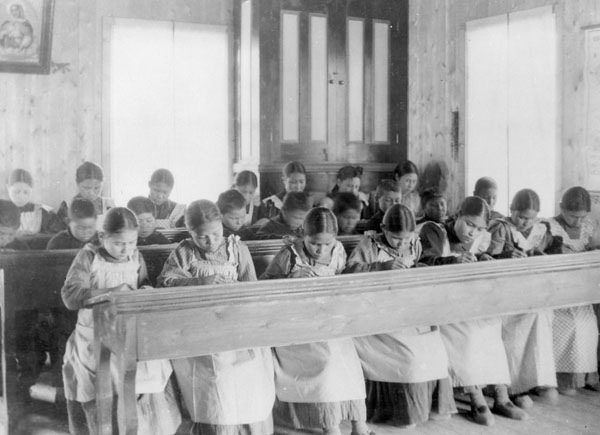
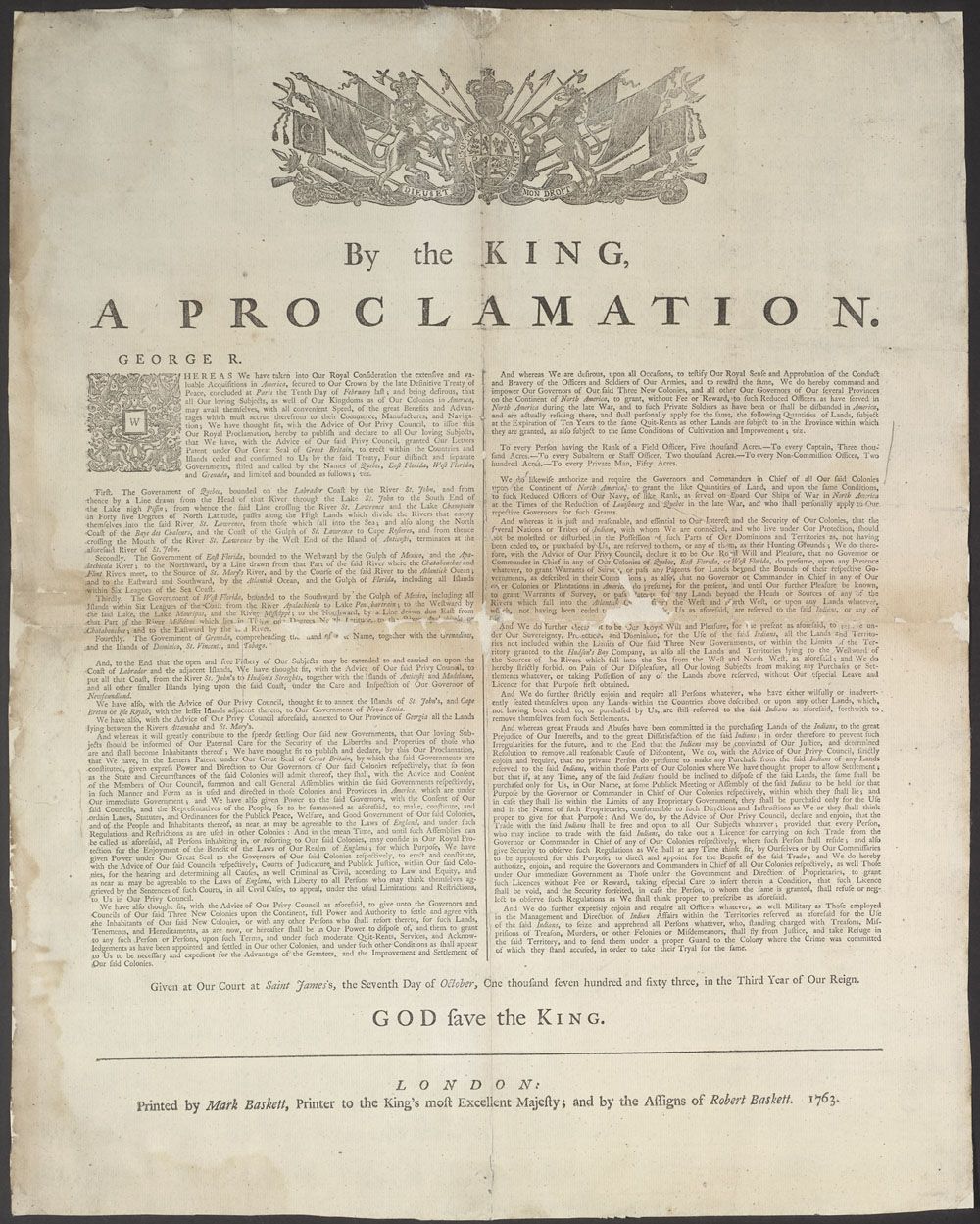
Indigenous education in Canada operates within a unique and shared jurisdictional framework, a legacy of the nation's colonial history and federal constitution. Responsibility is divided among Indian bands, Métis organizations, provincial and territorial governments, and the federal government. This complex arrangement has often led to challenges in coordination, funding, and policy consistency. The right to education for Indigenous peoples is grounded in the Royal Proclamation of 1763, the Constitution Act, 1982, and the United Nations Declaration on the Rights of Indigenous Peoples. A central and painful part of this history is the Canadian Indian residential school system, which forcibly assimilated Indigenous children from the late 19th to the late 20th century. In British Columbia, First Nations possess a unique legal framework that grants them jurisdiction to operate schools independently of provincial authority.
The contemporary policy landscape is heavily influenced by the nation-to-nation relationship between the Government of Canada and First Nations, rooted in historic and numbered treaties, self-government agreements, and section 35 of the Constitution. This relationship is guided by the United Nations Declaration on the Rights of Indigenous Peoples and informed by the Truth and Reconciliation Commission's Calls to Action. The Assembly of First Nations (AFN) and its Chiefs Committee on Education advocate strongly for First Nations jurisdiction and control over all aspects of education. Key resolutions, such as AFN Resolution 16/2016, mandate that any federal legislation on First Nations education must be ratified by Chiefs-in-Assembly, emphasizing the principle of First Nations control of First Nations education. The Canadian Federation of Students has stated that policies substituting assimilation for education in a student's own culture constitute acts of genocide.

The Persistent Educational Attainment Gap
Despite progress in some areas, a significant educational attainment gap persists between Indigenous and non-Indigenous Canadians. As of 2016, while the gap in trades programs and college diplomas had narrowed considerably, the disparity in university degrees remained pronounced. Among non-Indigenous Canadians, 45 percent had a university degree, compared to just 22 percent of self-identified Indigenous people. The gap is even more severe for First Nations people living on-reserve, where only 15 percent held a university degree. A broader measure shows that roughly 44 percent of First Nations people aged 15 and over do not hold any certificate, diploma, or degree, compared to 23 percent for the overall Canadian population. This gap is considered one of Canada's major social problems and is a central focus of reconciliation efforts.
Indigenous students and communities face barriers to educational success including systemic underfunding, the legacy of the residential school system, geographic isolation of many communities, and a lack of cultural relevance in mainstream curricula. Special needs identification and placement rates in First Nations elementary and secondary schools are two to three times the rate of provincial K-12 schools. First Nations students possess an inherent and treaty right to receive an education that is in accordance with their culture, values, traditions, and languages. Achieving this requires adequate, predictable, and sustainable funding, which has been a long-standing point of advocacy and negotiation. Debate and controversy surround how to improve outcomes, including issues of funding, access in remote communities, cultural appropriateness, language revival, and accommodations for F.N.M.I. students in non-Indigenous school systems.
Federal Funding and Program Initiatives
Federal funding for Indigenous education has seen significant commitments, though needs often outpace resources. Budget 2016 allocated $2.6 billion over five years for improving primary and secondary education for First Nations children, alongside $129.4 million over two years for early learning and child care. This led to the co-development of new interim funding models, which began implementation on April 1, 2019. First Nations across the country are at various stages of implementing these regional models. Subsequent advocacy, such as AFN Resolution 35/2019, has called for additional investments to complete local, treaty, and regional education agreements.
A key recent program is the Innovation in Education Program, designed to support regionally-driven, First Nations-defined processes. This program enables First Nations-led organizations to manage and oversee education innovation project selection and funding allocations. It supports the development and implementation of innovative education program pilots aimed at improving outcomes. The program's national guidelines, developed in partnership with the AFN and the National Indian Education Council, came into effect on April 1, 2026. Eligible recipients include First Nations, their delegated authorities, and First Nations education organizations. The program's objective is to lead to the development and implementation of best practices in innovative education programs and services for First Nations students. This program is one of several contribution programs, along with Research and Learning and the Education Partnerships Program, that complement Indigenous Services Canada's funding efforts.
- Budget 2016: $2.6 billion over five years for First Nations K-12 education.
- December 2017: AFN Resolution 65/2017 supports a New Interim Funding Approach.
- April 1, 2019: Implementation of new interim regional funding models begins.
- July 2020: AFN Resolution 35/2019 passed, calling for additional education funding.
- April 1, 2026: New Innovation in Education Program guidelines take effect.
- Program Focus: Supports First Nations-led innovation project selection and pilots.
- Eligible Recipients: First Nations, their delegated authorities, and education organizations.
- Complementary Programs: Research and Learning, Education Partnerships Program.
Post-Secondary Education and Targeted Initiatives
Post-secondary education is a critical area for closing the attainment gap and advancing reconciliation. Universities help advance this goal by revitalizing Indigenous languages, ensuring Indigenous representation in governance, and bringing Indigenous knowledge and culture to campus. The AFN advocates for increased funding and stronger First Nations jurisdiction over post-secondary education and adult learning. First Nations are actively negotiating and concluding their own post-secondary education models to support holistic lifelong learning. They require adequate, predictable, sustainable and equitable funding to develop local capacity, support community-based delivery, and establish First Nations post-secondary institutions.
A notable initiative to increase Indigenous representation in advanced academic fields is the IBET PhD Project, founded in 2021. This project fosters equitable and inclusive research environments to increase the presence of Indigenous and Black academics in science, technology, engineering, and mathematics (STEM). It provides financial support and academic mentoring to eligible Canadian Black and Indigenous graduate students registered in full-time Engineering PhD programs at a consortium of leading universities. The participating institutions include McMaster University, University of Ottawa, University of Toronto, Queen's University, University of Waterloo, University of Western Ontario, University of British Columbia, University of Calgary, Carleton University, University of Manitoba, McGill University, Ontario Tech University, Toronto Metropolitan University, University of Windsor, York University, Concordia University and the University of Saskatchewan. This project represents a targeted effort to build capacity and diversity within Canada's research and academic leadership.
Infrastructure, Governance, and Strategic Planning
Safe and adequate education infrastructure is a fundamental component of the right to education. First Nations students have the right to education infrastructure that supports their lifelong learning process, incorporating their unique needs. The work on First Nations Education Infrastructure is mandated through AFN Resolution 34/2019, which calls for policy or program changes to reflect the true needs of students. These needs include identifying and addressing required improvements in capital, repairs, transportation, operations and maintenance. The Chiefs Committee on Education and the National Indian Education Council are leading a review to ensure students have safe, adequate, and sustainable learning environments. This aligns with the broader goal of substantive equality, where provincial comparability standards alone are seen as inadequate for achieving improved outcomes.
The future of Indigenous education is increasingly directed by Indigenous-led governance and strategic planning. The Council of Ministers of Education, Canada's Indigenous Education Plan for 2023 to 2027 is a four-year strategic plan with three priority areas designed to provide a more coordinated approach. In British Columbia, Indigenous Education aligns with commitments to the United Nations Declaration, the Truth and Reconciliation Commission's Calls to Action, and Draft Principles that Guide the Province’s Relationship with Indigenous People. The symbolism used in B.C.'s Indigenous Education includes the raven and coyote representing First Nations teaching, a human figure for children, the Métis infinity symbol, and an Inuksuk for the Inuit. Events like the 2026 First Nations, Métis, and Inuit Education Gathering and Indigenous Education Week 2026 provide platforms for networking, sharing best practices, and celebrating culture.
National Gatherings and the Path Forward
A significant national forum for the sector is the National Indigenous Education Symposium (NIES) 2026. It will convene leaders and learners from colleges, institutes, CEGEPs, polytechnics, Indigenous Institutes, communities, governments, and industry from across Canada to assess progress and shape future directions in Indigenous post-secondary education. The symposium, to be held at the River Rock Casino Resort in Richmond, British Columbia, on the traditional territory of the Musqueam people, will feature presentations and sessions under specific streams. These streams are Indigenous Knowledge Systems, Research, and Education. Indigenous Futures: Skilled Trades, Technology, and Innovation. And Learner Pathways, Mobility, Partnerships, and Economic Prosperity. The symposium is about turning lessons learned into future action and mobilizing collective action for greater impact.
Sessions, panels, and sharing circles at NIES 2026 will encourage participants to reflect on what is working and identify where gaps remain. Travel discounts for the event include a 10 percent discount on the best available VIA Rail fare in Economy, Economy Plus, Business, and Sleeper class, though not in Escape fares or Prestige Class. Air Canada offers a 5 percent discount on Econo and 10 percent on EconoFlex and Premium fares for travel within Canada for the symposium. The Aboriginal Teacher Education Program (ATEP) at the University of Alberta, which will be represented at such gatherings, has developed two Indigenous-led Prior Learning Assessment and Recognition (PLAR) models. These national gatherings emphasize the ongoing work to support regionally-driven processes and First Nations-defined educational paths.
- NIES 2026 Location: River Rock Casino Resort, Richmond, B.C. (Musqueam territory).
- Symposium Streams: Indigenous Knowledge Systems. Indigenous Futures in trades/tech. Learner Pathways.
- Travel Discounts: VIA Rail 10% off best available fare. Air Canada discounts for domestic travel.
- ATEP Initiative: University of Alberta's Aboriginal Teacher Education Program developed Indigenous-led PLAR models.
- Call for Proposals Deadline: Submissions closed Friday, September 11, 2026.
Comparative Educational Attainment Statistics
The following table illustrates the disparity in educational attainment between Indigenous and non-Indigenous populations in Canada, based on 2016 data. It highlights the significant gap in university-level education, particularly for First Nations individuals living on reserves. The data shows why closing this gap is a central focus of policy and reconciliation efforts. While progress has been made in college and trades credentials, the lag in university degrees indicates persistent systemic barriers that require targeted interventions and supports. The table provides a clear snapshot of the challenges that initiatives like the IBET PhD Project and increased funding for post-secondary education aim to address.
| Population Group | University Degree Attainment (2016) |
|---|---|
| Non-Indigenous Canadians | 45% |
| Self-Identified Indigenous People | 22% |
| First Nations (Off-Reserve) | 23% |
| First Nations (On-Reserve) | 15% |
Questions about Indigenous education in Canada
What is the Indigenous education attainment gap in Canada?
A significant gap exists, particularly in university degree attainment. As of 2016, 45 percent of non-Indigenous Canadians had a university degree, compared to 22 percent of Indigenous people overall. The gap is most severe for First Nations people living on-reserve, where only 15 percent held a degree. Broadly, about 44 percent of First Nations adults lack any certificate, diploma, or degree, compared to 23 percent of the general Canadian population. While the gap in college diplomas and trades has narrowed, the university gap remains a major social and economic challenge that impacts individual opportunity and community development.
What is the IBET PhD Project?
The IBET PhD Project is an initiative founded in 2021 to increase the presence of Indigenous and Black academics in STEM fields in Canada. It provides financial support and academic mentoring to eligible Canadian Black and Indigenous graduate students enrolled in full-time Engineering PhD programs. The project involves a consortium of universities including McMaster University, University of Ottawa, University of Toronto, Queen's University, University of Waterloo, and University of Western Ontario, among others. Its goal is to foster equitable and inclusive research environments and build a more diverse pipeline of future professors and researchers in engineering disciplines across the country.
What is the National Indigenous Education Symposium (NIES) 2026?
The National Indigenous Education Symposium 2026 is a major national forum that will convene leaders and learners from colleges, institutes, polytechnics, Indigenous Institutes, communities, and governments across Canada. It aims to assess progress and shape future directions in Indigenous post-secondary education. The symposium, to be held in Richmond, British Columbia, will feature presentation streams on Indigenous Knowledge Systems, Indigenous Futures in skilled trades and technology, and learner pathways and partnerships. It serves as a platform for networking, sharing best practices, and mobilizing collective action for greater impact, with a call for proposals that closed in September 2026.
How is Indigenous education funded by the federal government?
Federal funding has included multi-year commitments, such as the $2.6 billion over five years for First Nations primary and secondary education announced in Budget 2016. This led to the co-development and implementation, starting in 2019, of new interim regional funding models. A key current program is the Innovation in Education Program, with guidelines effective April 1, 2026. This program supports First Nations-led organizations in managing and funding innovative education projects and pilots. Funding advocacy continues, as demonstrated by AFN resolutions calling for additional, predictable, and sustainable investments to meet the true needs of First Nations students and communities, including for education infrastructure.
What does 'First Nations control of First Nations education' mean?
This principle asserts that First Nations have the inherent right to self-determination and jurisdiction over the education of their people. It means First Nations direct and make decisions regarding all aspects of education, from curriculum and language instruction to governance and funding models. This control is seen as essential for providing culturally-responsive, high-quality education. In British Columbia, First Nations have a unique legal framework granting them jurisdiction to run schools independent of the province. Nationally, policies like the Innovation in Education Program are designed to support this principle by enabling First Nations-led management of education projects, as mandated by AFN resolutions.
What are the key rights frameworks guiding Indigenous education?
Indigenous education is guided by several interconnected rights frameworks. These include the inherent and treaty rights to education recognized in Section 35 of the Constitution Act, 1982, and specific historical treaties. The United Nations Declaration on the Rights of Indigenous Peoples, which Canada has committed to implementing, affirms the right of Indigenous peoples to establish and control their educational systems. The Truth and Reconciliation Commission's Calls to Action, particularly those related to education, provide a Canadian roadmap for reform. These frameworks collectively support education that is culturally appropriate, linguistically supportive, and free from discrimination, aligning with broader social, economic, and cultural goals of Indigenous nations.
Sources and further reading
- Indigenous education in Canada (Wikipedia)
- Indigenous Education in British Columbia (www2.gov.bc.ca)
- National Indigenous Education Symposium (NIES) (collegesinstitutes.ca)
- Education (afn.ca)
Checked by the Nosy Mag desk. Last updated 2026-10-29.