Indian Residential Schools Settlement Agreement
The Indian Residential Schools Settlement Agreement (IRSSA) is the largest class action settlement in Canadian history, established to address the harms inflicted by the residential school system. Announced in 2006 and formally implemented in 2007, the agreement was a consensus between the Government of Canada, approximately 86,000 Indigenous survivors, and the churches that operated the schools. Its core components provided financial compensation, established a truth-telling process, and funded healing and commemoration initiatives. The IRSSA represents a significant effort to provide redress for a system the Truth and Reconciliation Commission later described as cultural genocide.
Historical context and path to settlement
The road to the Indian Residential Schools Settlement Agreement was long and driven by the advocacy of survivors. For over a century, a network of federally funded, church-run residential schools operated with the explicit policy of assimilating Indigenous children. The 1996 final report of the Royal Commission on Aboriginal Peoples detailed the lasting damage of the schools. In response, the federal government issued a Statement of Reconciliation in 1998 and created the Office of Indian Residential Schools Resolution Canada in 2001 to manage abuse claims. By the early 2000s, thousands of survivors had joined class action lawsuits. The Merchant Law Group represented about 50 percent of all known survivors pursuing lawsuits. These legal actions culminated in an agreement in principle reached on November 20, 2005, following negotiations led by retired Supreme Court Justice Frank Iacobucci.
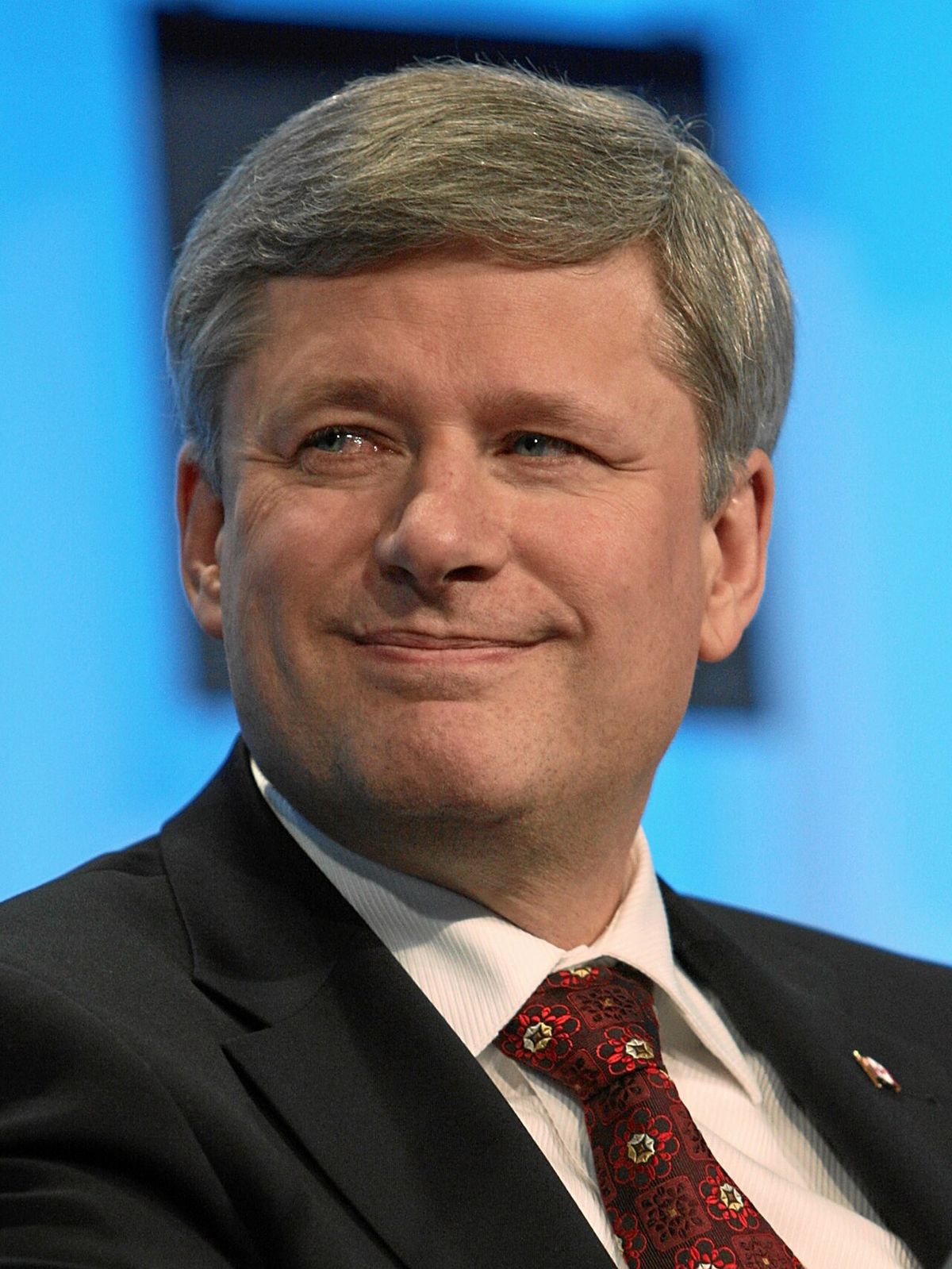
The formal approval of the settlement was a multi-step process. The Canadian federal government announced the compensation package on November 23, 2005. The agreement was signed on May 8, 2006, and received court approval from Justice Dennis Ball in Regina on December 15, 2006. Full implementation began on September 19, 2007. On June 11, 2008, Prime Minister Stephen Harper delivered a formal apology in the House of Commons on behalf of the Government of Canada for the residential school system. This apology acknowledged the intergenerational trauma caused by the schools.
Core components of the agreement
The IRSSA was designed to address the legacy of residential schools through five main components funded by the federal government. These were the Common Experience Payment, the Independent Assessment Process, the Truth and Reconciliation Commission, Health and Healing Services, and a Commemoration Fund. Church entities also signed agreements to provide financial and in-kind contributions. The settlement allocated C$100 million for the payment of plaintiffs’ legal fees and appointed Crawford Class Action as the court administrator.
The two primary financial compensation mechanisms were the Common Experience Payment and the Independent Assessment Process. The CEP was a blanket compensation acknowledging the common experience of attending a residential school. Eligibility was extended to all First Nations, Inuit, and Métis former students alive on May 30, 2005, who resided at a recognized school. The initial payment was C$10,000 plus C$3,000 for each year of attendance. The IAP was a separate process for resolving claims of sexual abuse, serious physical abuse, and other wrongful acts. The IAP had a maximum payment of C$275,000, with an additional C$250,000 possible for proven income loss.
Key elements of the IRSSA- Common Experience Payment (CEP): A C$1.9 billion fund for all eligible former students.
- Independent Assessment Process (IAP): A non-adversarial claims process for serious abuse, with a C$960 million initial allocation.
- Truth and Reconciliation Commission (TRC): Allocated C$60 million to document survivor experiences.
- Health and Healing Services: Included funding for the Aboriginal Healing Foundation and the Resolution Health Support Worker Program.
- Commemoration Fund: A C$20 million fund for national and community projects.
- Church Contributions: Financial and in-kind commitments from Catholic, Anglican, United, and Presbyterian churches.
Implementation and outcomes
The implementation of the IRSSA resulted in the disbursement of billions of dollars in compensation. By March 2016, the Common Experience Payment had disbursed C$1.62 billion to 79,309 recipients. The Independent Assessment Process saw significantly higher uptake than initially forecast. By March 31, 2019, it had paid C$3.18 billion to 31,103 claimants. The deadline for CEP applications was September 19, 2011. The deadline for IAP applications was September 19, 2012. A major outcome was the establishment of the Truth and Reconciliation Commission, which was officially launched on June 2, 2008. After initial leadership challenges, the commission was relaunched on October 15, 2009, with Justice Murray Sinclair as chair.
The health and healing component saw C$125 million provided to the Aboriginal Healing Foundation under the IRSSA. The commemoration activities funded through the agreement supported projects that honour survivors. The settlement also led to the ongoing Indian Residential Schools Resolution Health Support Program. In a significant ruling regarding the records generated by the IAP, the Supreme Court of Canada decided that all documents would be destroyed on September 19, 2027, unless the survivor mentioned in the record specifically requests their preservation. Family members are unable to request preservation of records for deceased claimants.
Related settlements and exclusions
While the IRSSA was monumental, it was not comprehensive and excluded certain groups of survivors. Métis Nation survivors who attended residential schools were not included in the original IRSSA. Survivors from Newfoundland and Labrador, where schools were not federally operated before the province joined Confederation, reached a separate C$50 million settlement with Canada in 2016. Another major gap was addressed by the Federal Indian Day Schools settlement, which was approved in 2019.
A more recent settlement concerns Day Scholars of Indian Residential Schools. On September 24, 2021, the Federal Court approved a nationwide class settlement for students who attended a federally run residential school during the day only. This settlement provides compensation for loss of culture and language to those who attended between 1920 and 1997 and had not received compensation under other settlements. The claims process for this settlement had an ultimate deadline of January 4, 2024. These subsequent agreements highlight the initially limited scope of the IRSSA.
Controversies and legal disputes
The administration of the settlement was marred by controversies regarding the conduct of some lawyers representing survivors. Dan Ish, the former chief adjudicator of the IAP, reported challenges with private lawyers who allegedly exploited claimants. Notable cases included Winnipeg lawyer Howard Tennenhouse, who was disbarred for life in 2012 and ordered to repay C$950,000 in improperly charged fees. Calgary lawyer David Blott resigned in 2014 as the Law Society of Alberta moved to disbar him following allegations of misconduct. Vancouver lawyer Stephen Bronstein was subject to court review over his alleged connection with a paroled murderer doing intake work.
A significant legal dispute involved the Merchant Law Group (MLG), which represented about half of all known survivors in class actions. In 2015, the Attorney General of Canada launched a lawsuit against MLG, alleging fraud related to the settlement. The Supreme Court of Canada ruled in March 2018 that the government’s suit could proceed. In October 2020, the Law Society of Saskatchewan suspended MLG’s Tony Merchant for eight months for intimidating a vulnerable client. Another major controversy involved a legal dispute between the government and Catholic entities over their financial obligations under the IRSSA, which was settled in 2015.
Lasting national impact
The IRSSA and the work of the Truth and Reconciliation Commission have had a substantial impact on Canadian society. The TRC’s final report, declaring the residential school system an act of cultural genocide, shifted public understanding. In response to Call to Action 80, the Canadian Parliament passed legislation to create the National Day for Truth and Reconciliation, first observed on September 30, 2021. In September 2020, Parks Canada designated Residential Schools as an event of national historical significance.
The legacy of the settlement also lives on through institutional memory. The National Centre for Truth and Reconciliation, established to safeguard the archives and statements collected by the TRC, continues this work. The Indian Residential Schools Resolution Health Support Program remains funded by the Government of Canada, offering crisis and emotional support through a dedicated hotline. The settlement is one part of a longer journey toward addressing historical injustices and fulfilling the Calls to Action.
Questions about Indian Residential Schools Settlement Agreement
What was the Indian Residential Schools Settlement Agreement?
The Indian Residential Schools Settlement Agreement was the largest class action settlement in Canadian history. It was an agreement between the government of Canada and approximately 86,000 Indigenous peoples who attended residential schools, and it was announced in 2006. The settlement established a C$1.9-billion compensation package called the Common Experience Payment for all former students. It also included other components such as the Independent Assessment Process for abuse claims and the Truth and Reconciliation Commission.
How much money was paid to survivors through the settlement?
The settlement involved two major compensation funds. The Common Experience Payment had a total fund of C$1.9 billion, and by March 2016, it had paid C$1.62 billion to 79,309 former students. The Independent Assessment Process for claims of serious abuse paid out significantly more. As of March 31, 2019, the IAP had disbursed C$3.18 billion to 31,103 claimants. The average IAP payment was $111,265 including legal costs, while the average CEP payment was $20,457.
Who was eligible for the Common Experience Payment?
Eligibility for the Common Experience Payment was extended to all former students of recognized Indian Residential Schools who were alive on May 30, 2005. This included First Nations, Inuit, and Métis individuals who resided at a school. The payment was a lump sum calculated as C$10,000 for the first year of attendance plus C$3,000 for each subsequent school year. The application deadline was September 19, 2011. By the end of 2012, the government had received 105,540 applications and paid 78,750 recipients.
Were all residential school survivors covered by this settlement?
No, the IRSSA did not cover all groups of survivors. Métis Nation survivors who attended residential schools were not included. Survivors from Newfoundland and Labrador reached a separate C$50 million settlement with Canada in 2016. Survivors of Federal Indian Day Schools were covered by a different settlement approved in 2019. A settlement for Day Scholars of Indian Residential Schools was approved by the Federal Court in September 2021.
What support is available for survivors today?
Support for survivors and their families continues. The Government of Canada funds the Indian Residential Schools Resolution Health Support Program, which provides emotional, cultural, and crisis referral services. A dedicated National Indian Residential School Crisis Line operates at 1-866-925-4419. The National Centre for Truth and Reconciliation in Winnipeg preserves the legacy of the TRC's work. The National Day for Truth and Reconciliation on September 30 is a statutory holiday dedicated to honouring survivors.
What was the Truth and Reconciliation Commission's role?
The Truth and Reconciliation Commission (TRC) was a key component of the IRSSA, allocated C$60 million to document and preserve survivor experiences. It was launched on June 2, 2008. Its initial chair, Justice Harry LaForme, resigned in October 2008. The commission was relaunched in October 2009 under Justice Murray Sinclair. Its mandate was to create a comprehensive historical record of the residential school system and its legacy. By August 2012, the federal government had released over 941,000 related documents to the TRC.
Sources and further reading
- Indian Residential Schools Settlement Agreement (Wikipedia)
- Indian Residential Schools Settlement Agreement (rcaanc-cirnac.gc.ca)
- Residential School History, NCTR (nctr.ca)
- Issues & Updates | Aboriginal Legal Aid in BC (aboriginal.legalaid.bc.ca)
- Indian Residential Schools Day Scholars Class Action Claims ... (classaction.deloitte.ca)
Checked by the Nosy Mag desk. Last updated 2026-10-28.