Elder
An Elder is a respected individual within a community, recognized for their advanced age, wisdom, and leadership. In Indigenous contexts across Canada, Elders are revered as knowledge keepers, cultural guides, and moral authorities who preserve and transmit traditional teachings, languages, and spiritual practices. Their role is central to community governance and cultural continuity. National events and dedicated days honour their contributions.
Definition and Cultural Significance
The term Elder denotes a position of authority derived from the notion that the oldest members of a group possess the greatest wisdom and are thus most qualified to lead, counsel, and serve. Elderhood refers to the condition or quality of being an elder, characterized by advanced age and the assumption of leadership roles. This status is sometimes formally recognized through ceremony, while in other contexts it is informally accorded to the eldest community members. Elders are generally expected to guide younger generations, share life experiences, foster unity, and act as stewards of their community's values. In many cultures, including Indigenous societies in Canada, they serve as oral repositories of traditional knowledge, morals, and customs, making them indispensable to cultural preservation and continuity.
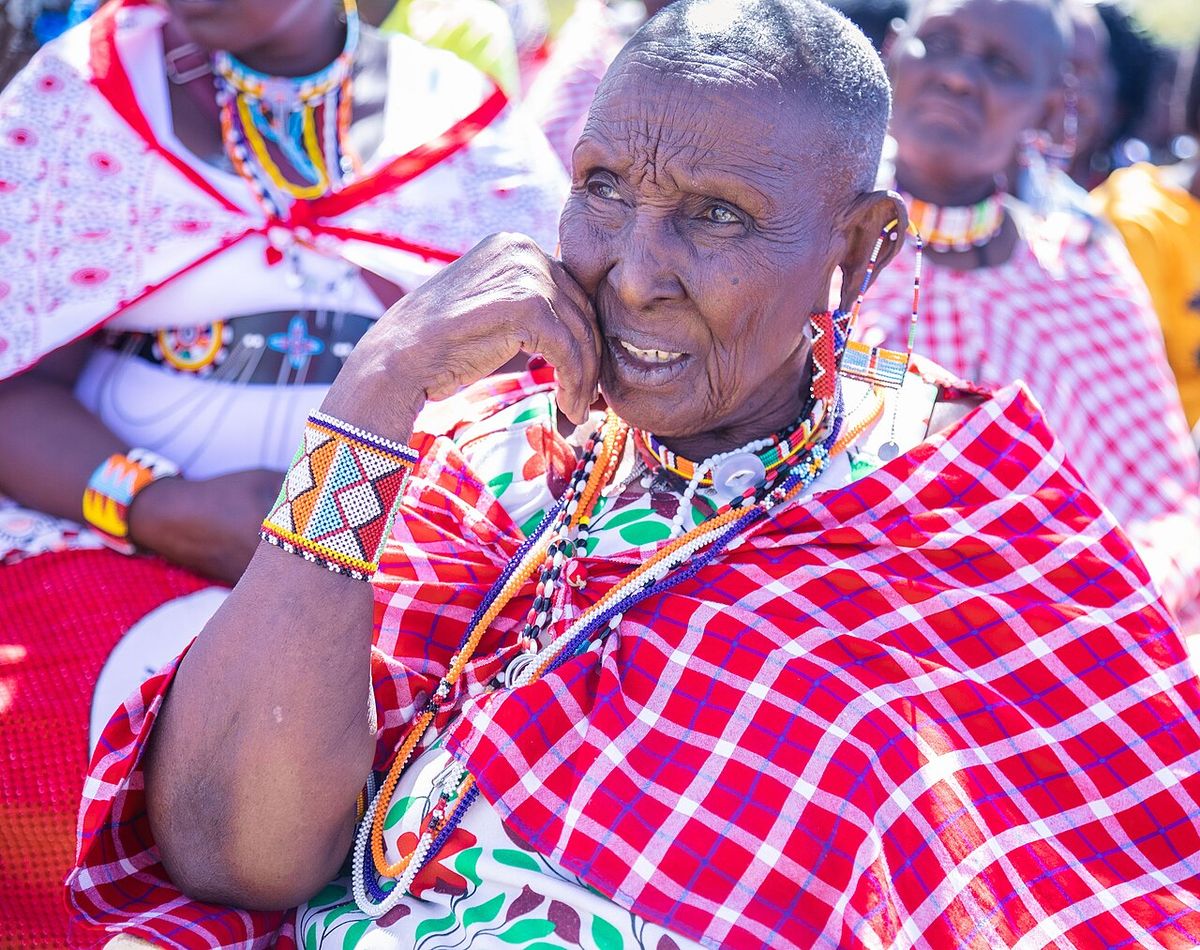
Within Indigenous communities, Elders are not merely seniors but individuals recognized by their people for their deep understanding of language, ceremony, history, and law. They are the guardians of cultural memory and spiritual practices that have survived colonization. Their guidance is sought on all important aspects of community life, from dispute resolution and governance to child-rearing and environmental stewardship. The respect afforded to Elders is a fundamental part of Indigenous social structure, emphasizing reciprocity, respect, and the interconnectedness of all generations. This role carries significant responsibility, as Elders are tasked with interpreting traditional teachings for contemporary challenges and ensuring these teachings are passed on accurately to future generations.
Roles and Responsibilities
Elders fulfil a diverse set of roles that are vital to the health and direction of their communities. A primary function is mentorship, where they guide apprentices and youth by demonstrating skills, offering sponsorship, and advocating on their behalf. This mentorship facilitates creativity by passing on traditional occupational methods and life skills. Elders also frequently serve on advisory councils, providing counsel to other leaders such as chiefs, band councils, or organizational boards. In governmental contexts, these councils of elders wield considerable influence and prestige, making elderhood an aspirational role. Their advice is rooted in a long-term, intergenerational perspective that prioritizes community wellbeing over short-term gains.
Another critical dimension is the role of matriarchs, women Elders who lead families and communities. Matriarchs are involved in creating and regenerating social structures through both political advocacy and daily participation. They use their moral authority to bring disparate groups together, often employing personal storytelling to highlight unseen issues and push for systemic policy change. As holders of wisdom and guardians of culture, customs, and religion, matriarchs support and empower their families while sometimes governing households, economies, and larger kinship groups known as matriclans. Their leadership exemplifies how elderhood combines practical governance with spiritual and cultural stewardship.
- Preserving and teaching traditional languages, stories, and oral histories.
- Leading or facilitating spiritual ceremonies and cultural practices.
- Providing counsel and wisdom to community leaders and members on personal and collective matters.
- Acting as mediators in conflicts and upholding customary law and justice.
- Guiding youth through rites of passage and educational mentorship.
- Safeguarding environmental knowledge and teachings about land stewardship.
- Representing the community at inter-nation gatherings and public events.
- Advocating for community needs and contributing to healing initiatives related to historical trauma.
Elders in the Canadian Indigenous Context
In Canada, Indigenous Elders are widely respected men and women who possess deep authority and a deep knowledge of traditional lore. Australian Aboriginal elders hold a similar revered position, consulted on all important aspects of life. The concept is mirrored globally by titles such as Kaumātua in Māori society, Oday in Somali culture, and Sheikh in Arabic, all meaning "elder" and denoting leadership. In Canada, the recognition of Elders is institutionalized through various events and observances. National Indigenous History Month in June provides a dedicated time for all Canadians to learn about Indigenous cultures where Elders play a central role. National Indigenous Peoples Day around June 21 is marked by community gatherings where Elders often lead ceremonies and share teachings.
Major gatherings specifically for Elders are significant features of the Indigenous cultural scene. The National Gathering of Elders is a large-scale event. Provincial gatherings, like the 43rd Annual BC Elders Gathering, serve similar purposes on a regional scale. The National Indigenous Elders Council (NIEC) represents a formal organizational structure. In November 2025, the NIEC initiated a process to establish a new National Indigenous Council. The new council will include youth representation from different geographical circles. The concept of an American Indian elder is a specific title within this broader context.
Honouring Elders: Events and Recognition
Formal recognition of Elders occurs through dedicated days, cultural products, and institutional acknowledgements. Elder Recognition Day is highlighted in the 2026 UFCW Canada Indigenous Committee Calendar, titled "Carrying Forward." This calendar, created in collaboration with the Assembly of Seven Generations, honours Indigenous cultures and significant dates, featuring artwork by young Indigenous artists. Its cover, "Return of the Sacred" by Philip Cote, symbolizes renewal and the shared journey of reconciliation. The calendar itself is an educational resource that shows the ongoing responsibility of reconciliation and the importance of carrying forward traditional teachings. UFCW Canada acknowledges that its offices operate on traditional Indigenous territories, reinforcing the union's commitment to Indigenous justice.
Other events provide platforms for Elder wisdom and intergenerational dialogue. "Our Gathering" is an annual event uniting First Nation leaders, including Elders and youth. The "Calling Our Spirits Home: Indigenous Women in Leadership" program involves guidance from an Elder for participants to share traditional wisdom. The Elders and Traditional Peoples Gathering offers opportunities for the public to learn directly from Indigenous Elders. These events, whether large national conferences or intimate workshops, affirm the living presence of Indigenous cultures. They create spaces where Elder voices can guide collective healing and future planning for all generations. The title Auncient, deriving from Norman French, is a ceremonial term used in some English legal circles to denote an elder.
Global Titles and Equivalent Roles
The concept of an elder as a community leader appears in numerous cultures worldwide, often under specific titles that reflect local languages and traditions. In systems with Anglo-Saxon origins, an Alderman, derived from "ealdorman" meaning "elder man," is equivalent to a city councilor. The ancient Witan in Anglo-Saxon and Germanic traditions was a council of wise men, usually nobles. In the classical world, the Gerousia was the Council of Elders in Sparta. The Roman title Senator comes from the Latin "senex" for "old man," and senators were called "patres" or fathers. In Slavic history, a Starosta, from "stary" (old), was a leader, while a Starets is a spiritual elder in Orthodox Christianity. Many titles directly translate to or reference age and wisdom, such as the Turkic term Aqsaqal which means "white beard." In the Circassian society, a Thamade is a respected elder who presides over gatherings and acts as a moral authority under the Adyghe Xabze code.
The Yoruba title Oloye for an elder of aristocratic rank is often translated as chieftain, and in Lithuania, a Seniūnas is the ruler of a seniūnija, the smallest administrative division. Estonian history used Vanem for a parish ruler, and from 1920 to 1937 the head of state was called Riigivanem or "State Elder." The Onyishi is a gerontocratic form of government in some parts of Igboland in Nigeria. In Mayan language, the term Hor Chan, meaning "Chief of Chan," was used by some Maya to refer to themselves. These diverse titles show a nearly universal social principle valuing the experience and judgment of older community members in governance and cultural preservation across human societies.
The Path Forward and Intergenerational Dialogue
The future role of Elders is intimately tied to intergenerational knowledge transfer and the active inclusion of youth. Programs like the "YOUTH & ELDERS" 2026 Call for Applications explicitly seek participants from both community-recognized Elders and First Nations youth aged 18 to 30, fostering direct partnership. The process for the new National Indigenous Council also mandates youth representation. This structural inclusion ensures that the governance of Indigenous institutions reflects and values the perspectives of younger generations who will carry traditions forward. Art initiatives, like the UFCW calendar featuring young artists, further bridge this gap, allowing youth to interpret and honour teachings through contemporary mediums and creative expression.
The collective vision emerging from Elder gatherings emphasizes actionable reconciliation, community care, and cultural vitality. Elder teachings stress that reconciliation requires concrete action, not just words, and that the survival of languages and ceremonies is evidence of ongoing resilience. As Canada observes National Indigenous History Month and National Indigenous Peoples Day, the public is encouraged to engage with these living traditions through the voices of Elders and community members. The journey of "Carrying Forward" is a shared responsibility, relying on the guidance of Elders and the energy of youth to ensure traditional knowledge continues to inform and enrich communities for generations to come. The concept of a religious elder is a related role found in many faith traditions.
Questions about Elder
What is an Elder in Indigenous communities?
An Elder is a respected community member recognized for their advanced age, deep wisdom, and knowledge of traditional culture, language, and spirituality. They are not simply all older adults but are individuals specifically acknowledged by their community for their guidance, moral authority, and role as keepers of oral history and teachings. Elders serve as mentors, advisors, and leaders, providing counsel on important matters and facilitating ceremonies. Their role is central to cultural continuity and community governance.
How are Elders honoured in Canada?
Elders are honoured through dedicated events, recognition days, and national observances. Major events include the National Gathering of Elders and provincial gatherings like the annual BC Elders Gathering. Elder Recognition Day is featured in cultural calendars such as the UFCW Canada Indigenous Committee's 2026 edition. Nationally, June is designated National Indigenous History Month, and National Indigenous Peoples Day occurs around June 21, both providing opportunities to celebrate and learn from Elders through community events, ceremonies, and storytelling.
What is the National Indigenous Elders Council (NIEC)?
The National Indigenous Elders Council is an organizational body within the Indigenous church community in Canada. In November 2025, the NIEC initiated a formal process to establish a new National Indigenous Council (NIC). They developed Terms of Reference and requested nominations from various regional circles, with a deadline of May 1, 2026. The new NIC, which will include youth representation, is scheduled to be formally established at a National Indigenous Spiritual Gathering in the summer of 2026.
What is the significance of the 'Carrying Forward' calendar?
"Carrying Forward" is the title of the 2026 UFCW Canada Indigenous Committee Calendar, created in collaboration with the Indigenous youth-led Assembly of Seven Generations. It honours Indigenous cultures, traditions, and significant dates. The calendar features artwork by young Indigenous artists, symbolizing the role of youth in carrying knowledge forward. Its cover artwork, "Return of the Sacred" by Philip Cote, represents renewal. It serves as an educational tool promoting cultural awareness and the ongoing responsibility of reconciliation.
Are there Elder roles in other cultures around the world?
Yes, the concept of a respected elder as a leader or advisor is common globally, often under specific cultural titles. Examples include the Kaumātua in Māori society, the Oday in Somali culture who judges under Xeer customary law, and the Aqsaqal ("white beard") in Turkic languages. The Anglo-Saxon title Alderman evolved from "ealdorman" (elder man), and the Roman Senator derives from "senex" for old man. Other titles include Sheikh in Arabic, Oloye among the Yoruba, Thamade in Circassian society, Onyishi in parts of Igboland, Nigeria, and Hor Chan among some Maya.
How can I learn from and support Indigenous Elders?
Learning from Elders begins with respectful engagement and a commitment to listening. During National Indigenous History Month in June, you can attend community gatherings, festivals, and ceremonies where Elders often share teachings. Reading books by Indigenous authors and watching films or performances that centre Indigenous voices are other valuable ways to learn. Supporting initiatives that honour Elders, such as the UFCW Indigenous calendar, can raise awareness. It involves recognizing the enduring impacts of colonization and supporting reconciliation through tangible actions that respect Indigenous sovereignty and cultural revitalization.
Sources: Wikipedia and current public reporting, checked by the Nosy Mag desk. Last updated 2026-10-31.