Air Creebec
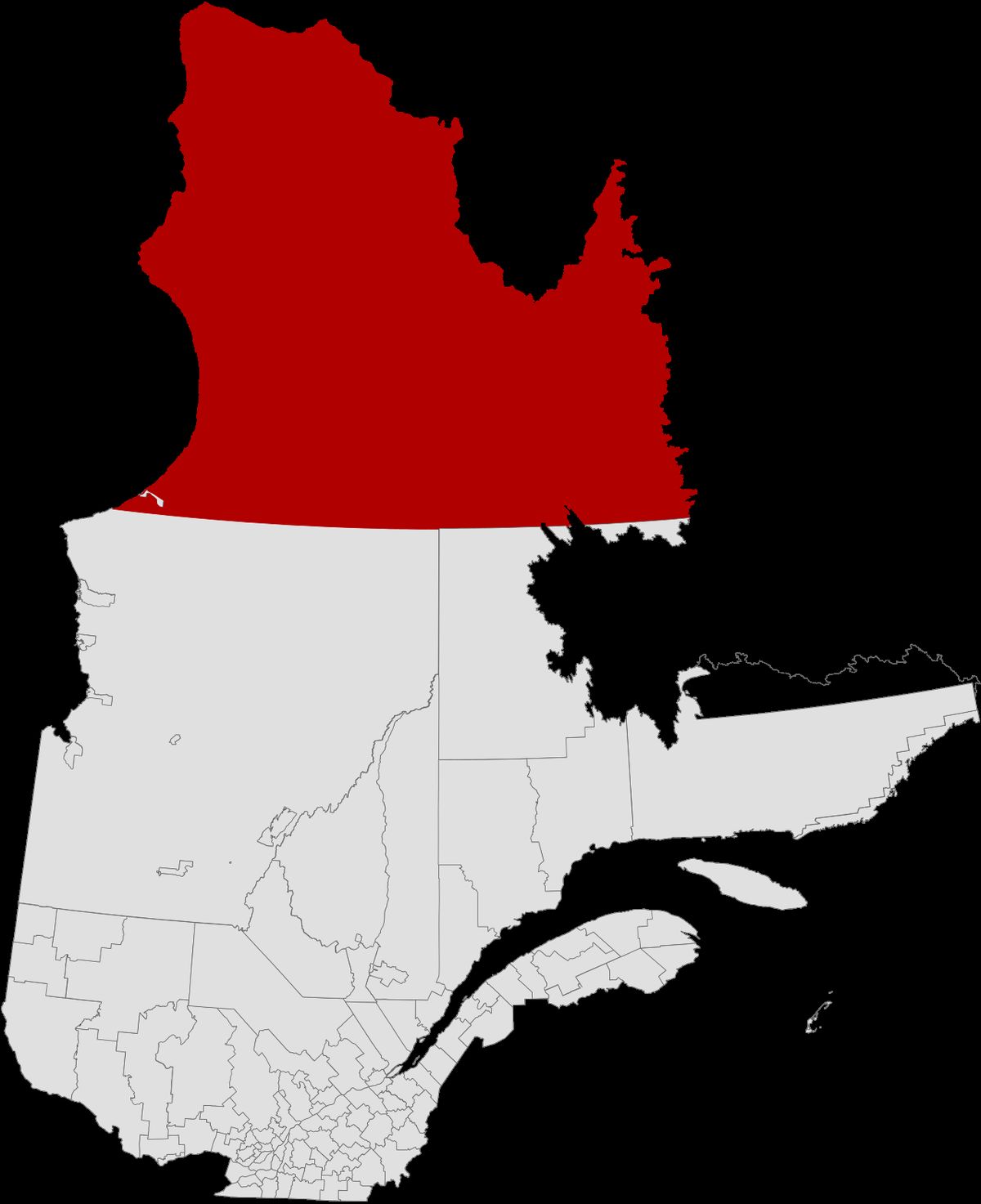
Air Creebec Inc. is a Cree-owned regional airline headquartered in Val-d'Or, Quebec. Founded in June 1982, it operates scheduled passenger, cargo, and charter flights to 16 destinations across northern Quebec and Ontario, with main bases at Val-d'Or Airport and a hub at Timmins Victor M. Power Airport. The airline provides a medical charter service with the Cree Board of Health and Social Services of James Bay. As a fully Indigenous-owned business, Air Creebec is an example of Cree economic self-determination.
Founding and Early Ownership
Air Creebec was established in June 1982 through the vision of Grand Chief Billy Diamond, the first Grand Chief of the Grand Council of the Cree. The airline started operations on 1 July 1982. At its inception, the ownership structure was a partnership, with the Cree Nation holding a 51 per cent stake and Austin Airways owning the remaining 49 per cent. This arrangement provided the airline with operational expertise while ensuring Cree leadership. According to Cree sources, during negotiations, Quebec Premier René Lévesque said "Indians don't run airlines, Billy", to which Diamond replied "Well, this Indian is going to." The airline was created to serve the transportation needs of the Cree communities of Eeyou Istchee, which were expanding rapidly following the James Bay and Northern Quebec Agreement.
In 1988, the Cree Nation moved to assume full control of the enterprise. The Cree completed the purchase of all remaining airline assets from Austin Airways. This transaction was the largest commercial deal to that date performed by any Indigenous group in Canada. The buyout transformed Air Creebec into a fully Cree-owned and operated entity. This move solidified the airline's mission as a community asset designed to serve Cree needs. The purchase price was not publicly disclosed but represented a significant investment by the Cree Nation, financed through community funds and development corporations.
Operations and Community Role
Air Creebec's network is focused on the James Bay coast and northern Quebec and Ontario. The airline operates scheduled services, cargo flights, and specialized charters, serving as an essential link for communities. Its operations include a medical charter service in partnership with the Cree Board of Health and Social Services of James Bay, transporting patients to medical specialists. Beyond passenger travel, the airline supports corporate, mining, and industrial clients. The airline's motto is "We Aim Higher." The airline also provides emergency evacuation services and supports search and rescue operations in coordination with provincial authorities.
The airline's role extends beyond transportation, functioning as a lifeline for northern residents. It enables access to healthcare, facilitates family connections, supports local businesses, and is crucial for goods movement. Air Creebec has interline agreements with Air Canada and Porter Airlines, allowing for connections beyond its regional network. The airline also participates in the Aeroplan loyalty program, allowing passengers to earn and redeem points on its flights. Its destinations as of August 2019 include Chisasibi, Eastmain, Mistissini, Nemaska, Waskaganish, Wemindji, and others in Quebec and Ontario. The airline also serves Attawapiskat, Fort Albany, Kashechewan, Moosonee, and Timmins in Ontario. Flights are operated using a fleet of turboprop aircraft suitable for short runways.
Leadership and Workforce
Leadership at Air Creebec has evolved while maintaining its deep roots in the Cree community. For many years, Matthew Happyjack served as the airline's President and CEO. In 2023, a leadership transition occurred with the appointment of Tanya Pash as Chief Executive Officer, succeeding Happyjack. Pash made history as the airline's first female CEO. Prior to her appointment, Pash was the company's Chief Operating Officer for 10 years. The airline's board of directors includes representatives from the Cree communities it serves, ensuring strategic decisions reflect community priorities.
The airline employs a significant Cree workforce across various roles including pilots, flight attendants, mechanics, and ground staff. A landmark moment was the operation of its first all-Cree flight crew, featuring two Cree pilots and a Cree flight attendant. All three members of that pioneering crew remain with the airline. The company views its employees as ambassadors who understand the communities and the land. The airline provides training and apprenticeship programs to develop local aviation talent, including partnerships with flight schools and technical colleges. Many employees are based in the communities they serve, which enhances operational understanding and customer service. The airline also has a policy of prioritizing local hiring where possible.
Fleet and Infrastructure Development
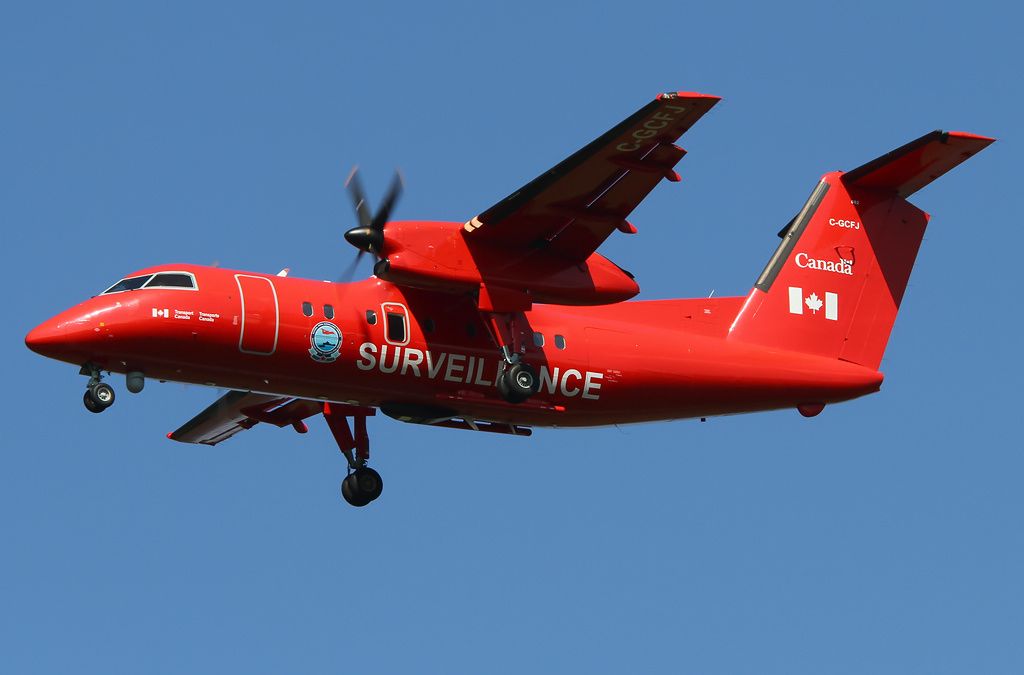
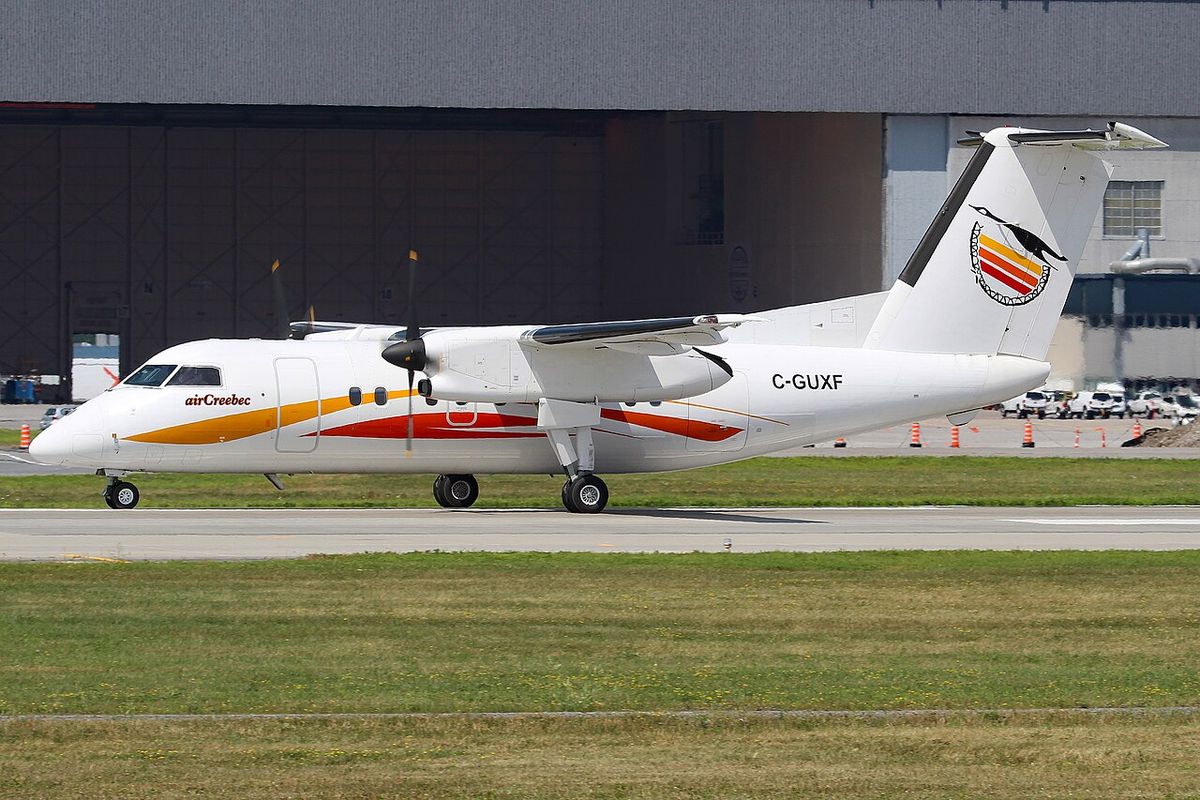
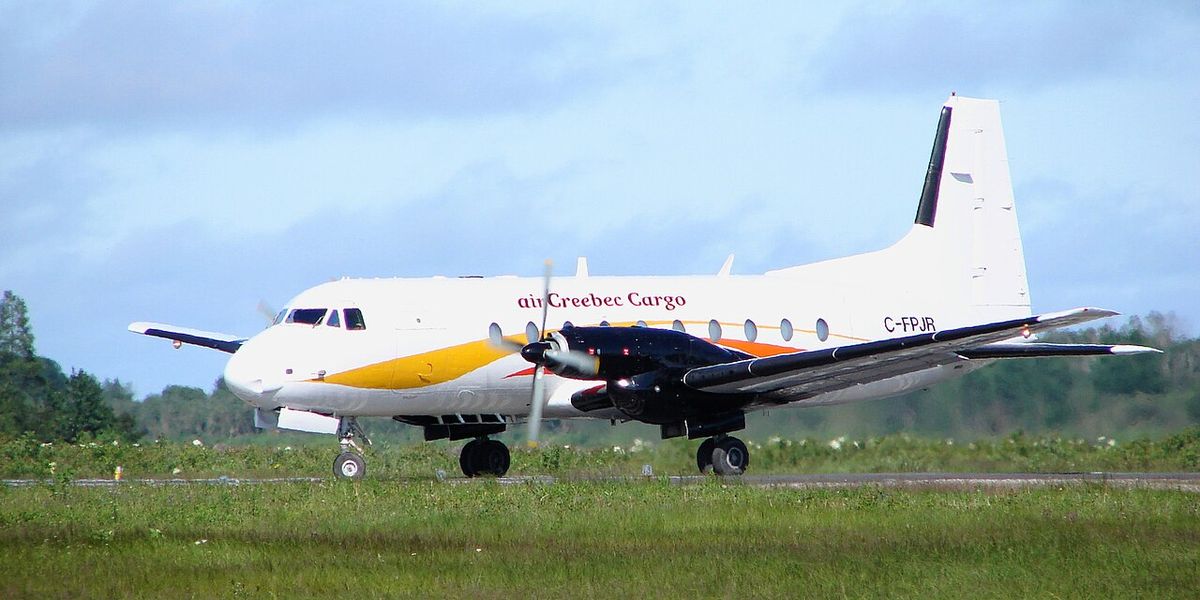
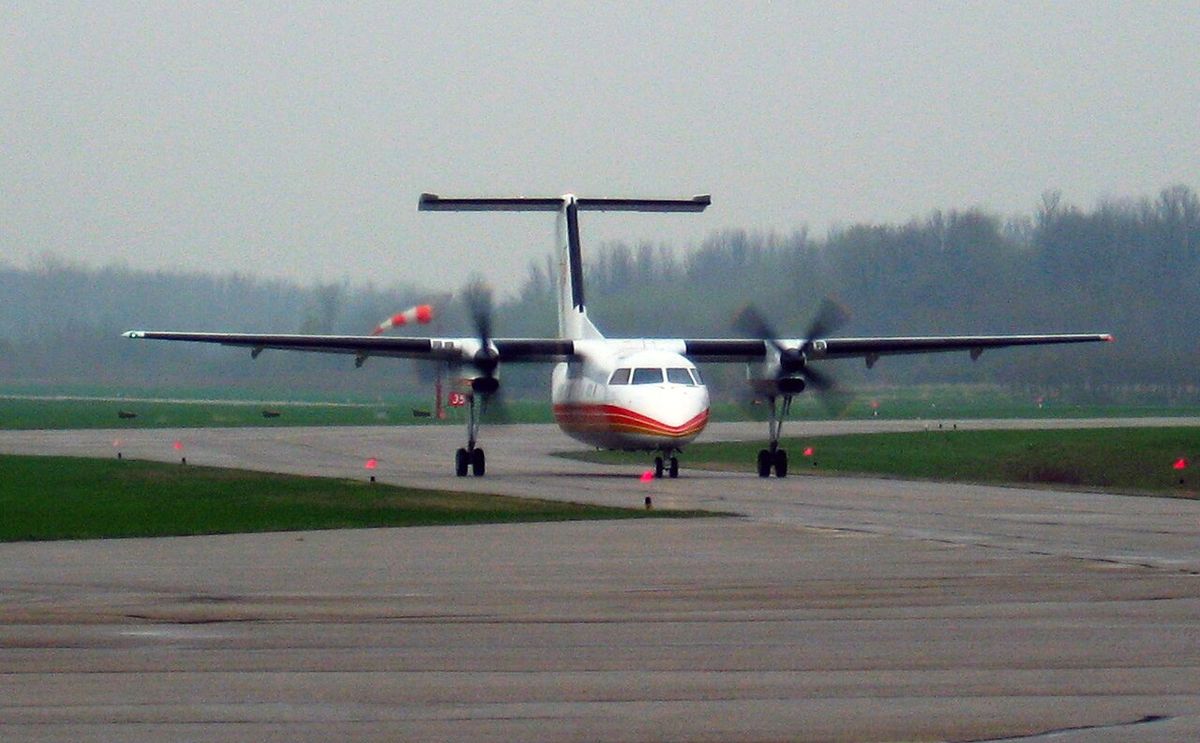
Air Creebec maintains a versatile fleet suited to northern aviation. As of 31 August 2026, Transport Canada listed 22 aircraft registered to the airline. The airline has modernized its cargo capacity with aircraft featuring large cargo doors. The retirement of older aircraft like the Hawker Siddeley 748s has been part of this modernization, with one retired 748 on display at the Canadian Aviation Museum in Windsor, Ontario. The airline's fleet includes turboprop aircraft capable of operating on short, unpaved runways common in the North, such as the De Havilland Canada Dash 8 and ATR models.
Infrastructure investments have supported the airline's growth. A major milestone was the opening of Air Creebec's dedicated hangar and Fixed-Base Operation at Montréal, Trudeau International Airport in 2019. This facility expanded the airline's operational capacity and maintenance capabilities in a key southern hub. The airline also maintains maintenance facilities at its Val-d'Or base, which is equipped for line maintenance and overnight checks. These investments ensure the airline can perform heavy maintenance and inspections on its fleet, improving safety and reliability. The company also invests in ground support equipment and passenger facilities at community airports.
Advocacy and the Regional Airfare Debate
Air Creebec has been an active participant in policy discussions concerning the affordability of regional air travel in Quebec. In April 2023, the Quebec government announced a five-year Regional Air Transport Plan, promising to cap round-trip fares on selected routes at $500. The initial list of eligible routes excluded all communities north of Fermont, including the Cree communities of Eeyou Istchee and the Inuit communities of Nunavik. Air Creebec President Matthew Happyjack expressed that while the intent was welcome, the plan lacked crucial implementation details such as subsidy mechanisms and airline contracts.
Happyjack highlighted that his team had been part of government working groups for over two years but was surprised by the announcement's limited scope. He pointed out that key questions about passenger limits, booking procedures, and contractual terms with airlines remained unanswered. The exclusion meant that routes with fares often exceeding $2,000 for a round trip would not benefit from the subsidized cap. This situation sparked criticism from Indigenous leaders and northern municipalities. Air Creebec's advocacy shows its role as a voice for northern connectivity in provincial policy. The airline continues to work with provincial and federal authorities to find sustainable solutions for affordable air service, including potential targeted subsidies for essential travel.
Milestones and Historical Significance
Air Creebec's history is marked by several key milestones that demonstrate its growth as an Indigenous enterprise. The airline was officially established in June 1982 and began flying on 1 July of that year. A defining moment came in 1988 when the Cree Nation completed the buyout of Austin Airways' stake, achieving full ownership. The operation of its first all-Cree flight crew was a landmark for Indigenous representation in aviation. On 23 March 2012, Air Creebec discontinued its service to La Grande Rivière Airport as part of a network optimization. The airline has consistently renewed its operating certificate with Transport Canada, maintaining a strong safety record over four decades.
- June 1982: Air Creebec is officially established.
- 1 July 1982: The airline commences flight operations.
- 1988: The Cree Nation completes the buyout of Austin Airways' stake, achieving full ownership.
- 23 March 2012: The airline discontinues service to La Grande Rivière Airport.
- 2019: Opens dedicated hangar and FBO at Montréal, Trudeau International Airport.
- 2023: Tanya Pash is appointed CEO, becoming the airline's first female chief executive.
- 31 August 2026: Transport Canada lists 22 aircraft registered to Air Creebec.
The display of a retired Hawker Siddeley 748 at a national museum recognizes the airline's historical contribution to Canadian aviation. The integration of modern aircraft has updated cargo operations and improved fuel efficiency. The airline's success has inspired other Indigenous groups in Canada to explore aviation and transportation ventures. Air Creebec remains a symbol of Indigenous entrepreneurship and community service, demonstrating the viability of community-owned infrastructure in remote regions.
Questions about Air Creebec
Who is the CEO of Air Creebec?
As of 2023, the Chief Executive Officer of Air Creebec is Tanya Pash. She is the airline's first female CEO, succeeding former CEO Matthew Happyjack. Prior to her appointment, Pash served as the company's Chief Operating Officer for ten years. The airline's leadership is based at its headquarters in Val-d'Or, Quebec.
What is Air Creebec's role in the community?
Air Creebec provides a medical charter service with the Cree Board of Health and Social Services of James Bay, transporting patients to southern hospitals. It supports local economies through cargo transport for goods, food, and industrial clients. The airline employs Cree people and enables family and cultural connections in a vast region. It also provides emergency evacuation, supports community events, and participates in youth mentorship programs.
Who owns Air Creebec?
Air Creebec is fully owned by the Cree Nation of northern Quebec. The airline was established in June 1982 with an initial ownership of 51 percent by the Cree and 49 percent by Austin Airways. In 1988, the Cree Nation purchased all remaining assets, making it a fully Indigenous-owned regional carrier. The ownership is held through Cree community entities and investment corporations.
Where does Air Creebec fly?
Air Creebec operates scheduled and charter services to 16 destinations in Quebec and Ontario. Its network is concentrated along the James Bay coast. The airline's main base is Val-d'Or Airport in Quebec, and it maintains a key hub at Timmins Victor M. Power Airport in Ontario. It has interline agreements with Air Canada and Porter Airlines. Specific destinations include Chisasibi, Eastmain, Mistissini, Moosonee, Attawapiskat, and Kashechewan.
Who founded Air Creebec and why?
Air Creebec was founded in June 1982 by Grand Chief Billy Diamond, the first Grand Chief of the Grand Council of the Cree. He established the airline to provide Cree-controlled air service following the James Bay and Northern Quebec Agreement. According to Cree sources, Quebec Premier René Lévesque doubted Indigenous capability, but Diamond was determined. The airline was created to improve connectivity for healthcare, education, and economic development in Cree communities.
Was Air Creebec included in Quebec's $500 airfare cap plan?
No, initially Air Creebec's most remote northern routes were not included in the Quebec government's 2023 Regional Air Transport Plan to cap some round-trip fares at $500. The plan excluded all communities north of Fermont, leaving out northern Cree territory and Inuit Nunavik. Air Creebec President Matthew Happyjack stated the plan needed to be expanded for equity and lacked implementation details. The airline continues to advocate for inclusive fare reduction policies with both Quebec and the federal government.
Sources and further reading
- Air Creebec (Wikipedia)
- Our Story & History (aircreebec.ca)
- Quebec plan to cap regional airfares falls short, Indigenous ... (cbc.ca)
Checked by the Nosy Mag desk. Last updated 2026-10-30.