Sir George Williams affair
The Sir George Williams affair, also known as the Sir George Williams Computer Centre Incident, was a major student protest and occupation that occurred at Sir George Williams University in Montreal, Quebec, from 29 January to 11 February 1969. Sparked by allegations of racism against biology professor Perry Anderson, the event escalated into the largest student occupation in Canadian history. The protest culminated in a violent police intervention, a fire, and over $2 million in property damage, leading to 97 arrests. The affair challenged prevailing myths of racial tolerance in Canada and became a critical moment for Black activism.
Background and Rising Tensions
The Sir George Williams affair unfolded within a Montreal experiencing a significant Black intellectual and activist renaissance during the 1960s. The city's Black population grew from an estimated 7,000 in 1961 to 50,000 by 1968, with many new arrivals being English-speaking students from the Caribbean. Institutions like the Negro Citizenship Association and the Caribbean Conference Committee hosted lectures by influential figures such as Barbadian writer George Lamming and Trinidadian activist C.L.R. James, fostering anti-colonial and Black nationalist thought. In October 1968, two major conferences were held weeks apart: one at Sir George Williams University examining the problems of Black people in Canadian society, and the Black Writers Conference at McGill University, which focused on Black Power ideology. This atmosphere of heightened political consciousness set the stage for the confrontation. The university itself, with its lenient admissions policy and evening classes, attracted a diverse student body, including many international students who found more traditional institutions like McGill less accessible.
The immediate catalyst was a complaint filed in May 1968 by six West Indian students in the biology department. They accused assistant professor Perry Anderson of racial discrimination, alleging he consistently gave Black students failing grades regardless of their work's merit. Specific charges included Anderson addressing Black students formally as "mister" while using first names for white students, and anecdotal evidence such as a Black student receiving a lower mark than his white lab partner for identical work. The university administration dismissed the complaint by September 1968. A committee investigated but its report was said to be lost. This dismissive response, perceived as a cover-up by the student newspaper The Georgian in a 28 January 1969 special edition, ignited widespread frustration. The administration's patronizing attitude, viewing the complainants as mere "whiners," failed to address the growing conviction among students that institutional racism was being ignored. The issue galvanized the student community, most of whom had been previously unaware of the matter.
The Occupation and Escalation
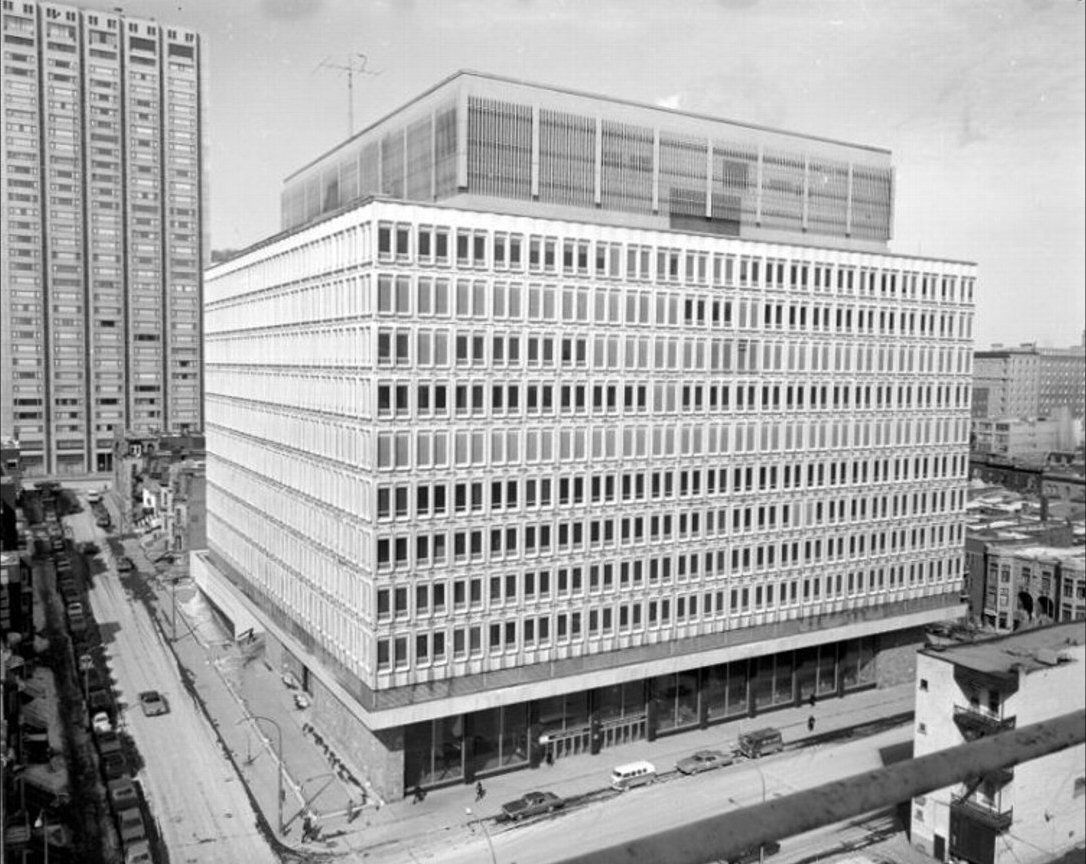
On 29 January 1969, following the official rejection of their complaint, over 400 students occupied the university's computer centre on the ninth floor of the Henry F. Hall Building. Key leaders among the occupiers were Roosevelt "Rosie" Douglas, a student from Dominica, and Anne Cools from Barbados. For nearly two weeks, the occupation remained largely peaceful, with negotiations ongoing between student representatives and the administration. The police were not involved during this period. An initial breakthrough occurred on 10 February when an agreement was reached. The terms stipulated that the students would leave the Hall Building in exchange for the formation of a new, independent committee to re-examine the allegations against Professor Anderson.
This agreement almost immediately collapsed. The university faculty, siding with Anderson, vetoed the creation of the new committee. In response, the administration asked the Montreal police to evict the students. As police moved in on 11 February, the roughly 100 remaining students barricaded themselves inside the computer lab. Negotiations broke down entirely, and the Montreal riot squad was dispatched to storm the Hall Building. The previously peaceful protest descended into chaos as police and students fought in the halls. Students began throwing computer punch cards, tapes, and other objects out of the windows, creating a surreal scene of paper littering the streets below. A fire then broke out in the computer lab, forcing the occupiers out of the building.
The Riot, Fire, and Aftermath
The origin of the fire remains disputed, with students accusing police of starting it to flush them out and police blaming the occupiers for the destruction. A Canadian Broadcasting Corporation documentary later showed footage of smashed computer tape drives and extensive fire damage. As smoke billowed from the building, crowds gathered on the streets below were recorded chanting racist epithets including "Let the niggers burn" and "Burn, niggers, burn." The 97 students arrested as they escaped faced racist insults and beatings from police. In custody, they were segregated by race, with the 38 Black students held separately from the white students. The computer centre was destroyed, causing over $2 million in damage. One protestor, Coralee Hutchison, suffered head trauma during the confrontation with police and later died. The legal aftermath saw a total of 1,044 charges brought by the Crown, though only 50 were heard in court, with 22 dropped and nine not held. Protest leader Kennedy Frederick of Grenada was denied bail and brought to court in a cage. Public opinion in Canada was largely hostile toward the students, who were widely denounced in media as criminals and anarchists, with criticism also directed at immigration policies for allowing "trouble-making" West Indian students into the country.
The university's internal process moved quickly in the wake of the riot. Professor Perry Anderson, who had been suspended during the crisis, was reinstated on 12 February 1969. By 30 June, a university Hearing Committee concluded there was no evidence to substantiate the general charge of racism against him, and he was found not guilty regarding the six complainants. However, the affair forced deep institutional changes at Sir George Williams University. By April 1971, the university adopted new Regulations on Rights and Responsibilities and established an Ombuds office. More significantly, student representation on university decision-making bodies was introduced, marking a shift toward greater accountability and modernization of university policies. The incident was covered extensively by the Canadian media, with all television networks filming the event live from outside the university.
Key Figures and Long-Term Repercussions
The Sir George Williams affair launched or shaped the careers of several notable individuals. Roosevelt Douglas, arrested and convicted for his role, later returned to Dominica and served as its Prime Minister. He was a son of one of the richest men in Dominica. Anne Cools, also arrested, went on to become a Canadian Senator, the first Black person appointed to the Senate. The protest also involved Cheddi "Joey" Jagan Jr., the son of Guyanese political leader Cheddi Jagan and his American wife Janet Jagan. For the broader Black community in Canada, the event was a watershed. It forcefully raised the question of racism in Canadian institutions and society, challenging the prevalent myth of Canadian innocence and tolerance. The affair had serious lasting consequences for many participants, including jail sentences, deportation, psychological trauma, physical injury, social alienation, and disrupted academic careers. In 2022, Concordia University, as the successor institution, issued a formal apology acknowledging that the crackdown "had serious lasting consequences for many individuals" and caused "irreparable harm" to Black and Caribbean students and their communities. The protest's impact resonated internationally, particularly in the Caribbean. During a tour of the West Indies shortly after the riot, Governor General Roland Michener was unable to give a planned speech at the St. Augustine campus of the University of the West Indies in Port of Spain, Trinidad, after radical students accused Canada of being a racist country.
Cultural Depictions and Commemoration
The Sir George Williams affair has been the subject of significant documentary filmmaking and academic study, ensuring its place in Canadian historical memory. In February 2014, director Mina Shum and producer Selwyn Jacob began shooting in Montreal on a National Film Board of Canada feature documentary entitled Ninth Floor, coinciding with the 45th anniversary of the incident. The film had its world premiere at the 2015 Toronto International Film Festival on September 12. The film focuses on the personal stories of individuals connected to the incident and how it shaped their lives decades later. A second documentary, True North directed by Michèle Stephenson, was released in 2025. The occupation became a key event illustrating the widespread disaffection and rebelliousness among the nation's youth during the 1960s. The most memorable image associated with the riot was smoke arising from the Hall Building while the streets were swamped with punch cards.
Historical Significance and Legacy
The Sir George Williams affair is one of the most important student protests in Canadian history. It was Canada's first major Black-led student protest and the largest student occupation in Canadian history. The occupation and its violent conclusion highlighted several critical themes of the era, including institutional racism, student power, and the limits of university administration. The event demonstrated the potent influence of global Black liberation and anti-colonial thought on Canadian campuses. It also exposed deep racial fractures within Canadian society, as evidenced by the racist chants from the crowd and the segregated treatment of arrested students. The affair prompted a lasting institutional legacy within academia, pushing universities toward greater student inclusion in governance and the establishment of formal rights and grievance procedures. The protest's legacy includes trauma and transformation for individuals and institutions alike. The incident has been analyzed in works such as Dennis Forsythe's 1971 book Let The Niggers Burn: The Sir George Williams Affair, and its Caribbean Aftermath and Bryan Palmer's 2009 history Canada's 1960s: The Ironies of Identity in a Rebellious Era.
Questions about Sir George Williams affair
What was the Sir George Williams affair?
The Sir George Williams affair was a major student protest and occupation at Sir George Williams University in Montreal from 29 January to 11 February 1969. It began as a peaceful sit-in over allegations of racism by biology professor Perry Anderson and escalated into Canada's largest student occupation. The protest ended with a police raid and a fire that destroyed the computer centre in the Henry F. Hall Building, causing over $2 million in property damage. A total of 97 students were arrested during the incident, which was broadcast live on television.
What started the Sir George Williams protest?
The protest was sparked by allegations of racial discrimination against assistant biology professor Perry Anderson. In May 1968, six West Indian students accused him of deliberately giving failing grades to Black students. The university dismissed the complaint by September 1968. A student newspaper accused the administration of a cover-up on 28 January 1969, leading to the occupation the next day.
Who were the leaders of the Sir George Williams protest?
Two of the leaders were Roosevelt "Rosie" Douglas from Dominica and Anne Cools from Barbados. Roosevelt Douglas later became Prime Minister of Dominica. Anne Cools later became a Canadian Senator. Another involved student was Cheddi "Joey" Jagan Jr., son of Guyanese political leader Cheddi Jagan. Protest leader Kennedy Frederick of Grenada was also a key figure.
What was the outcome for Professor Perry Anderson?
Professor Perry Anderson was suspended for the duration of the crisis but was reinstated on February 12, 1969. A university Hearing Committee appointed to the case examined the allegations and on June 30, 1969, found there was nothing in the evidence to substantiate a general charge of racism. The committee found him not guilty of racism towards the six student complainants. Anderson was therefore cleared of all formal charges by the university's internal process.
Are there any documentaries about the Sir George Williams affair?
Yes. The National Film Board of Canada released Ninth Floor in 2015, directed by Mina Shum, with filming beginning in February 2014. A more recent documentary, True North directed by Michèle Stephenson, was released in 2025. The event was also covered live by all Canadian television networks in 1969.
How did Concordia University address the affair later?
In 2022, the university, now part of Concordia University, issued a formal apology for the crackdown. The apology stated the event had serious lasting consequences for individuals, including jail sentences, deportation, psychological trauma, and disrupted academic degrees. Earlier, in April 1971, Sir George Williams University adopted the University Regulations on Rights and Responsibilities and established an Ombuds office. The university also revamped its policies and introduced student representation on its decision-making bodies.
Sources and further reading
- Sir George Williams affair (Wikipedia)
- Sir George Williams Affair (thecanadianencyclopedia.ca)
- 1969 Sir George Williams University student protest (concordia.ca)
- How the 1969 Sir George Williams affair, Canada's first ... (cbc.ca)
- SIR GEORGE WILLIAMS RIOT (dawsoncollegemun.ca)
Checked by the Nosy Mag desk. Last updated 2026-10-29.