Cupids
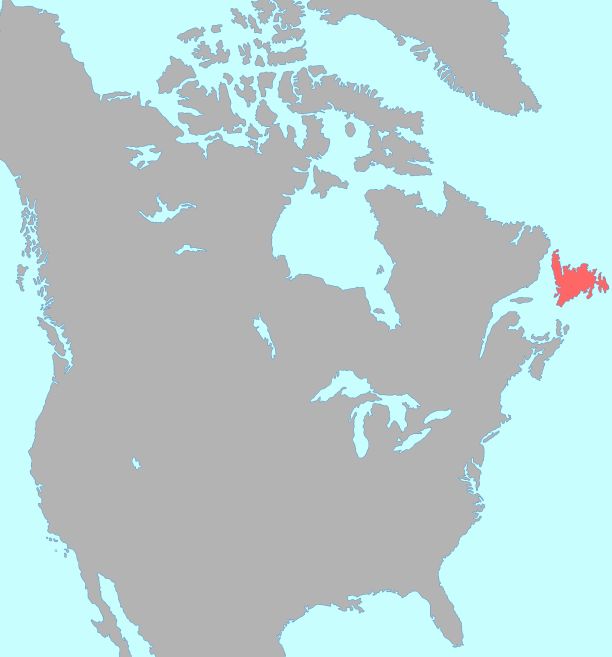
Cupids is a town on the western shore of Conception Bay in Newfoundland and Labrador, Canada, with a population of 699 as of the 2021 census. Founded in August 1610 by the English merchant John Guy, it is recognized as the oldest continuously settled official British colony in Canada and the site of the first recorded birth of an English child in the country. The town, originally named Cupers Cove, represents the foundational moment of permanent English settlement in what would become Canada. Today, its history is preserved and interpreted through the Cupids Legacy Centre and the archaeological site of the original plantation.
Founding and Early Settlement
John Guy was acting on behalf of the London and Bristol Company, which held a charter from King James I to establish a plantation in Newfoundland. After surveying the area, Guy selected the harbour for its protective qualities, fertile soil, and abundant timber, confirming his choice in an October letter to investor Sir Percival Willoughby. The colonists immediately began the arduous work of clearing land and constructing the necessary infrastructure for a permanent settlement. By May 1611, they had built several dwelling houses, a work house, a storehouse, a forge, and wooden defence works mounted with three cannon, establishing a fortified community.
The primary economic motivations for the colony included fishing and establishing a fur trade with the Indigenous Beothuk people. In September 1612, a party led by Henry Crout hiked overland to Trinity Bay, cutting a trail in search of Beothuk camps, though this initial search was unsuccessful. Contact was made the following month when Guy and Crout, approaching by water, encountered Beothuk and shared a meal, trading European goods like knives and cloth. Despite these efforts, a sustained fur trade never materialized, and the Beothuk, faced with encroaching settlement, gradually retreated inland. The winter of 1612 proved difficult, with eight of the 62 residents succumbing to scurvy.

Archaeological Rediscovery and Artifacts
Systematic excavations by the Baccalieu Trail Heritage Corporation began in 1995, uncovering the foundations of some of the oldest European buildings in North America. Key structures identified include the dwelling house and storehouse completed in December 1610, with the storehouse's cellar being one of the oldest European-built cellars on the continent. The archaeological work has yielded a vast collection of over 100,000 artifacts that illustrate 17th-century colonial life and transatlantic trade. Notable finds include an Elizabethan silver four-pence coin minted at the Tower of London between 1560 and 1561, 17th-century clay pipes, and a tin-glazed apothecary jar. European ceramics are well represented, including a fragment of a late 16th-century Belgian jug. Hundreds of glass beads intended for trade with the Beothuk were also recovered. The archaeological record indicates the plantation met a violent end sometime between 1680 and 1710, potentially during French commander Pierre Le Moyne d'Iberville's raids on the English shore in the winter of 1696.
Modern Town and Cultural Institutions
The town of Cupids is a living heritage community where its historic significance is central to its identity. The focal point for visitors is the Cupids Legacy Centre, a modern facility opened in 2010 to commemorate the 400th anniversary of the settlement. The centre houses a museum, a family history archive with over 400 family trees, a cafe and book shop, and the Legacy Hall, a 2000 square foot event space that was renovated in 2024 with an additional showroom. Adjacent to the centre is the Cupids Cove Plantation provincial historic site, which features the ongoing archaeological dig and interpretive displays, open seasonally from May to October. The town is also home to Perchance Theatre, a professional summer theatre company that performs in an outdoor amphitheatre.
Community organizations are central to preserving and promoting local heritage. The Cupids Historical Society was formed in 1982 and was instrumental in projects like the creation of the Legacy Centre before it wound up its affairs and merged its assets with local institutions in 2019. Heritage activities continue through the Legacy Centre and other groups, featuring annual events that draw both residents and tourists. Key annual events and sites include:
- The Cupers Cove Soirée, a summer celebration held in July.
- The Art Around the Bay exhibition, held annually at the Legacy Centre in July.
- The Water Witch Annual Lecture, a heritage talk series.
- The Family History Resource Centre, located inside the Legacy Centre, offering genealogical research services.
- The John Guy Flag Site and Heritage and Community Gardens on Seaforest Drive.
- Crout's Way, a restored heritage trail following the 1612 overland route to Trinity Bay.
Demographics and Community Life
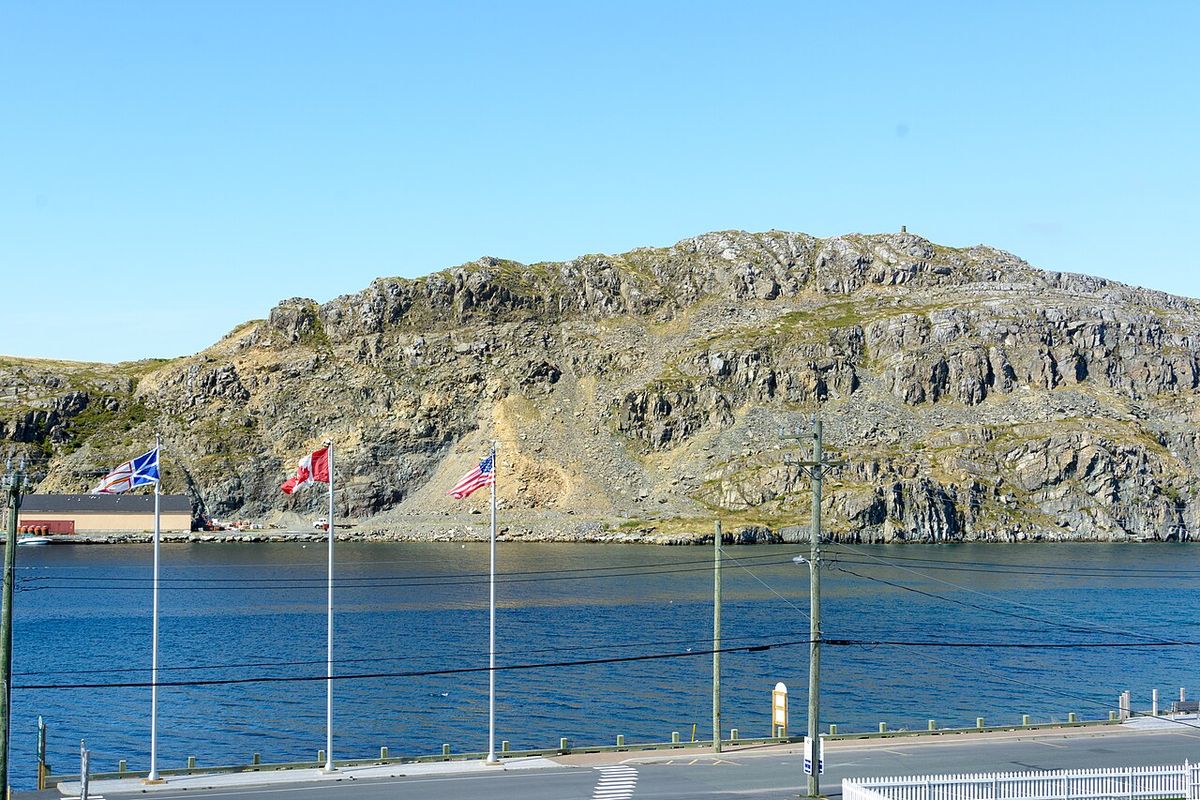
According to the 2021 Census of Population conducted by Statistics Canada, Cupids had a population of 699 people living in 325 of its 428 total private dwellings. This represented a decrease of 5.9 percent from its 2016 population of 743. The town covers a land area of 10.86 square kilometres, resulting in a population density of 64.4 persons per square kilometre in 2021. The community is situated along Seaforest Drive, which runs off Route 60, the Conception Bay Highway, connecting it to the broader region. The local economy is supported by a mix of fishing, tourism, and services, with the historic sites and cultural institutions being significant employers and attractions.
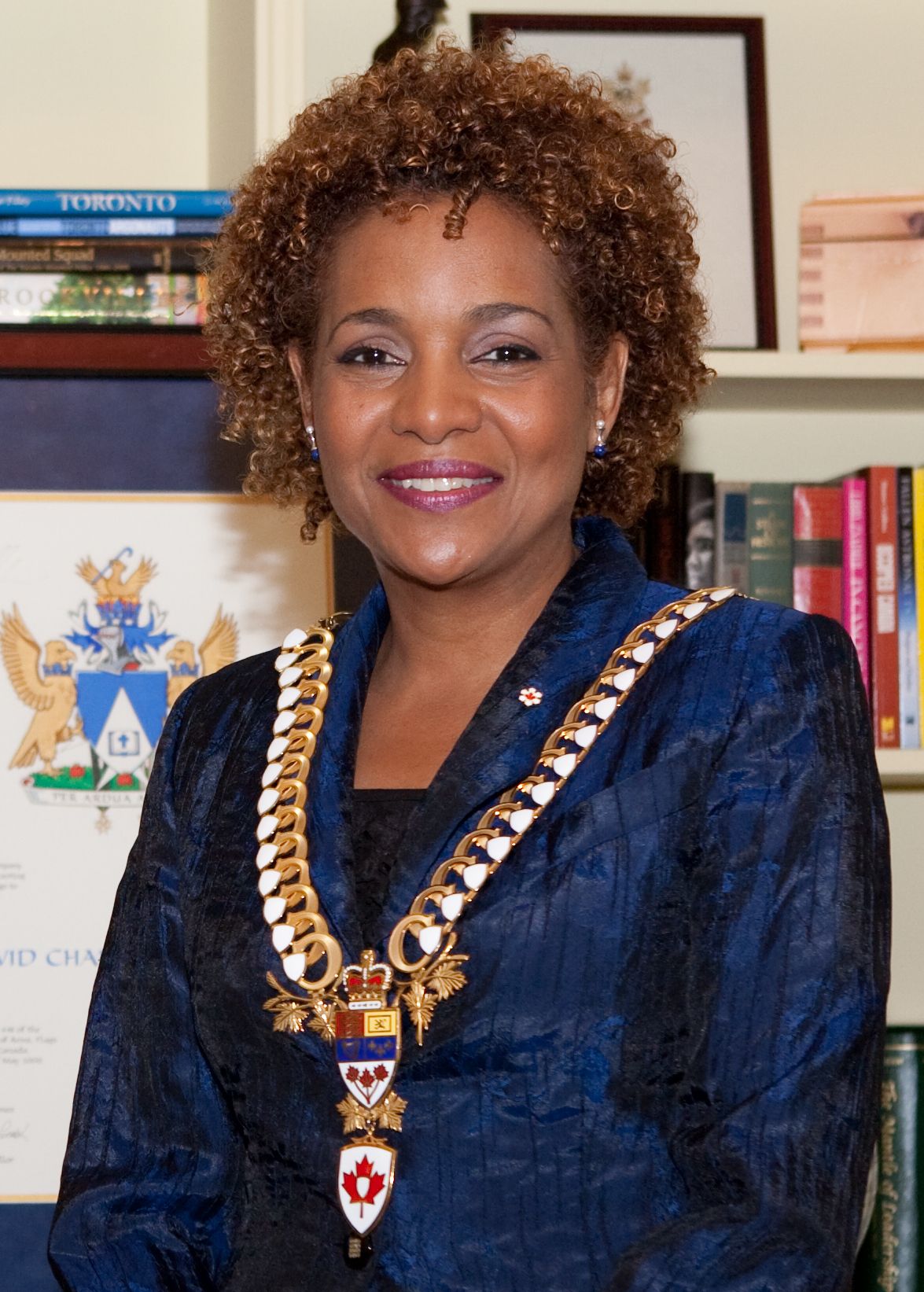
Community life in Cupids is closely tied to its history and natural setting on the Baccalieu Trail, a 240 kilometre stretch of coastline on the Avalon Peninsula known for its heritage and ecological sites. Residents and visitors can explore the Cupids United Church Graveyard, walk the boardwalked paths at the plantation site, or hike the trail to Cupid's Pond lookout. The town has been honoured by royal and vice-regal visits, including a 2009 visit by The Prince of Wales and The Duchess of Cornwall and a 2010 visit by Governor General Michaëlle Jean for the 400th anniversary celebrations. Canada Post also issued a commemorative stamp in August 2010 to mark the community's founding.
Historical Significance and Legacy
The founding of Cupids in 1610 is a landmark event in Canadian history, marking the beginning of continuous English settlement in Canada. The birth of Nicholas Guy's son on March 27, 1613 is celebrated as the first recorded birth of an English child in what is now Canada. The plantation served as a base from which settlers gradually established other communities around Conception and Trinity Bays, with Nicholas Guy himself relocating his family to Carbonear by 1631. The colony's early attempts at interaction with the Beothuk represent some of the first documented encounters between English settlers and Indigenous peoples in the region.
The legacy of Cupids extends beyond its archaeological remains to its enduring place in the national narrative. The preservation of the site and the extensive artifact collection provide a detailed insight into early 17th-century colonial life, architecture, and material culture. The restoration of Crout's Way preserves one of the oldest European-cut trails in North America. The town's commitment to interpreting this history through the Legacy Centre and public programming ensures that this foundational story remains accessible. The 2026 programming, including the interactive historical journey 'A Place to Call Home' beginning July 8, 2026, demonstrates the ongoing effort to engage the public with this history.
Questions about Cupids
Why is Cupids significant in Canadian history?
Cupids is significant in Canadian history as the oldest continuously settled official British colony in Canada, founded by John Guy in August 1610. It represents the first permanent English settlement in the country. The town is also the site of the first recorded birth of an English child in Canada, on March 27, 1613. This foundational role makes Cupids a key site in the early British colonization of Newfoundland and Labrador.
Who was John Guy?
John Guy was a Bristol merchant and the leader of the colonizing expedition that founded Cupids in 1610. He was appointed by the London and Bristol Company to establish a plantation in Newfoundland. Guy selected the site for its good harbour and resources, oversaw the construction of the initial settlement, and led early expeditions to contact the Beothuk people. His efforts established the first permanent English colony in what would become Canada.
What can visitors see and do in Cupids today?
Visitors to Cupids can explore the Cupids Legacy Centre, a facility opened in 2010 that includes a museum, cafe, book shop, and Family History archive. They can also visit the Cupids Cove Plantation, a provincial historic site open seasonally where the original 1610 settlement is located. Guests can attend performances at Perchance Theatre, which is located in the town. The community also hosts events like the Cupids 400th anniversary celebration in 2010, which was attended by Canadian Governor General Michaëlle Jean.
What was found at the Cupids archaeological site?
Excavations at the Cupids plantation site, which began in 1995, have uncovered over 100,000 artifacts. Key finds include the foundations of the 1610 storehouse and dwelling house. Specific artifacts include an Elizabethan silver four pence coin minted at the Tower of London between 1560 and 1561, 17th century clay pipes, a tin glazed apothecary jar, and European ceramics. Archaeologists also recovered hundreds of glass beads intended for trade with the Beothuk people.
How is the first English child born in Canada connected to Cupids?
The first recorded English child born in what is now Canada was a boy born to colonist Nicholas Guy at the Cupids plantation on March 27, 1613. This birth occurred within the settlement established by John Guy in 1610. The town of Cupids is recognized as the oldest continuously settled official British colony in Canada. Therefore, this historic birth is directly tied to the founding and early life of the Cupids settlement.
What is the Cupids Legacy Centre?
The Cupids Legacy Centre is a modern cultural facility built in 2010 to commemorate the 400th anniversary of the establishment of the first English settlement in Canada. It includes a museum, a cafe and book shop, a Family History Resource Centre, and the Legacy Hall event space. The Legacy Hall is a 2000 square foot open space that was renovated in 2024 with an additional small showroom. The centre serves as the main hub for heritage and culture in the town, hosting exhibitions and community events.
Sources and further reading
- Cupids (Wikipedia)
- The Cupids Historical Society 2026 Water Witch Annual ... (lsnl.ca)
- Cupids Historical Society (townofcupids.ca)
- Cupids Cove Plantation (seethesites.ca)
- Cupids, Newfoundland: Conception of a New Life (canadashistory.ca)
Checked by the Nosy Mag desk. Last updated 2026-10-28.