Canada's History
Canada's History is a quarterly magazine dedicated to fostering popular interest in the nation's past. Originally founded as The Beaver in 1920 by the Hudson's Bay Company to mark its 250th anniversary, the publication was acquired by Canada's National History Society in 1994. It covers all aspects of Canadian history and was a finalist for Magazine of the Year at the National Magazine Awards in 2011. The magazine also publishes a youth edition called Kayak: Canada's History Magazine for Kids, aimed at readers aged 7 to 12.
Origins and Early Years of The Beaver
The Hudson's Bay Company founded The Beaver in 1920 as part of its 250th anniversary celebrations, conceived initially as an internal staff publication. The inaugural October 1920 issue bore the title The Beaver, A Journal of Progress, a name selected from a company-wide staff competition, with an initial print run of five thousand copies costing a total of $570 to produce and distribute. Charles Sale, who would become the 29th Governor of HBC, criticized the magazine's early 'purely personal and domestic character' as too limited in scope. Sale successfully pushed to broaden the magazine's audience and purpose, envisioning it as a useful tool for staff and a promotional piece for customers that would remind them of the company's goods through advertising. Beginning with the December 1923 issue, the company began offering the magazine to non-Hudson's Bay employees at a rate of one dollar a year. The following year, the magazine ceased being a monthly publication and became a quarterly.
Major Redesign and Editorial Shift
A major change occurred with the September 1933 issue, which abandoned the original digest size for a standard magazine format and changed its subtitle from 'A Journal of Progress' to 'A Magazine of the North.' The editorial mandate was explicitly broadened to include the whole field of travel, exploration, and the fur trade in the Canadian North, as well as the historical background of the Hudson's Bay Company itself. Internal staff news was relegated to other company publications, allowing The Beaver to mature into a serious historical publication over the next fifty years. It became a respected repository of information on Canada's social, cultural, economic, and commercial past, attracting contributions from the country's most prominent historians. The magazine also served as an important early platform for visual artists like wildlife painter Clarence Tillenius and Arctic photographer Richard Harrington, whose works helped define its visual identity.
National Expansion and Acquisition
In 1986, The Beaver underwent another significant change, increasing its frequency to bimonthly and decisively expanding its geographical focus beyond the North to encompass all of Canadian history. This was marked by a new masthead slogan, 'Exploring Canada's History,' and the introduction of stories from Atlantic and Central Canada for the first time. In 1994, the newly formed Canada's National History Society acquired the magazine from the Hudson's Bay Company. While the name remained for a time, the masthead now carried the tagline 'Canada's History Magazine,' and the Society began modernizing production and promotion. A major digital initiative was the creation of a comprehensive online index containing close to 15,000 records, providing free public access to search and read over five decades of articles. This digital archive enabled participation in federal programs like the Canadian Content Online Program and supported specific projects such as Fur Trade Stories, which used the archive to highlight fur trade history.

Rebranding and the Kayak Initiative
The magazine's final name change to Canada's History took effect with the April-May 2010 issue, a move intended to unify its print and online branding under a single, clear identity. Practical reasons for the change included ongoing public confusion that it was a nature magazine and the fact that the word 'beaver' as slang often caused the magazine's promotional emails to be filtered into spam folders. The rebranding drew humorous commentary from American satirist Stephen Colbert. A key earlier development under the Society was the 2004 launch of Kayak: Canada's History Magazine for Kids, its youth edition aimed at readers aged 7 to 12. Kayak is published three times a year in both English and French, distributed freely to educators while supplies last, with individual digital subscriptions also available. As of May 2021, the editor of Kayak is Nancy Payne, and its mission is to present history in a manner that is engaging, relevant, and fun for children. A French version was initially available as a quarterly insert in the magazine Les Debrouillards.
Public History Programs and Events
The work of Canada's History and the National History Society extends far beyond the printed page into active public engagement. The annual Canada's History Forum convenes leading public figures to discuss pressing issues and opportunities within Canadian history. The long-running Heritage Fairs program encourages students across the country to explore their heritage through hands-on research projects presented at local and national fairs. A flagship partnership is with the National Trust for Canada for Historic Places Days, a nationwide event that in 2026 will run from July 11 to 25. The 2026 theme, 'Communication Through Place and Time,' intentionally marks the 150th anniversary of Alexander Graham Bell's patent for the telephone in Canada, an invention that changed how distance and time shape human connection. During this event, National Trust members enjoy free admission to more than 100 historic sites across Canada and over 1,000 sites abroad, and the program includes contests with a total of $5000 in prizes to support participation.
- Canada's History Forum: An annual gathering of historians, authors, and public figures.
- Heritage Fairs: A student project-based learning program exploring Canadian heritage.
- Historic Places Days 2026: Scheduled for July 11-25 with a theme on communication history.
- Virtual Historical Thinking Institute (VHTI): A professional development opportunity offered in 2026.
- National Trust Membership: Provides access to a network of over 100 Canadian and 1,000 international historic sites.
- Contests: Historic Places Days 2026 includes contests with a total of $5000 in prizes to support the program.
Profiled National Historic Events
The historical content in the magazine aligns with designations by the Historic Sites and Monuments Board of Canada. This board recognizes national historic events that occurred at least forty years ago. These events represent defining actions or experiences in Canadian history. They provide a framework for understanding the nation's complex past. The events range from early treaties and Indigenous innovations to twentieth century social struggles and technological changes. The selection of these events demonstrates the diverse narratives that constitute Canada's historical fabric.
| National Historic Event | Designation Significance |
|---|---|
| The 1931 Estevan Strike and Black Tuesday | A 30-day strike emblematic of the deep divide between workers and company owners during the Great Depression. |
| The Peace and Friendship Treaty of 1726 | The first treaty between the British Crown and the Mi'kmaq, Wəlastəkokewiyik, and Peskətəmohkatewey, forming the basis for subsequent treaties. |
| Coast Salish Knitters and the Cowichan Sweater | Represents the late-19th century innovation of combining ancient wool-working with European knitting techniques. |
| Canadians and the Normandy Landing | Commemorates the successful capture of Juno Beach by Canadian forces during the D-Day landings in World War II. |
| The Arrival of Displaced Persons, 1945 to 1951 | Marks the arrival of more than 157,000 political refugees to Canada after the Second World War. |
| Rural Electrification Across Canada | Recognizes the expansion of electrical networks that reduced disparities between urban and rural standards of living. |
| First World War Training at Sarcee Camp | One of Canada's largest training camps, established in 1915 on Tsuut'ina land, a site of military remembrance. |
| The Miramichi Fire of 1825 | A massive forest fire that caused extensive environmental damage and spurred one of the largest relief efforts in pre-Confederation history. |
| RCMP Musical Ride | A popular 20th-century cultural and ceremonial event highlighting the importance of horsemanship in police force history. |
| Klippert Case, 1967 | An important legal case associated with the 1969 partial decriminalization of same-gender sexual acts in Canada. |
Pre-Contact Indigenous Societies
Long before European arrival, the land was home to diverse and sophisticated Indigenous societies with complex political structures. Population estimates for this period range widely from 200,000 to 500,000 people, though some analyses suggest figures as high as 2.5 million, with between 300 and 450 distinct languages spoken. The Haudenosaunee (Iroquois) Confederacy, formed by five nations, is considered one of the world's earliest examples of a participatory democracy. On the Plains, a confederacy of Siksika (Blackfoot) nations was organized around bands, each led by a male leader who governed by consensus. The Mi'kmaq were governed by a council of male representatives from across their territory, led by a grand chief, with chieftain roles often handed down from father to son. For the Huron-Wendat, civil and war-related affairs were determined by respective village councils where all men over 30 were members and decisions were reached by consensus, though women had little to no formal say in these councils. These governance models and the deep Indigenous knowledge of the land would become crucial to the next major chapter: the fur trade.
Colonial Governance and Lasting Monarchies
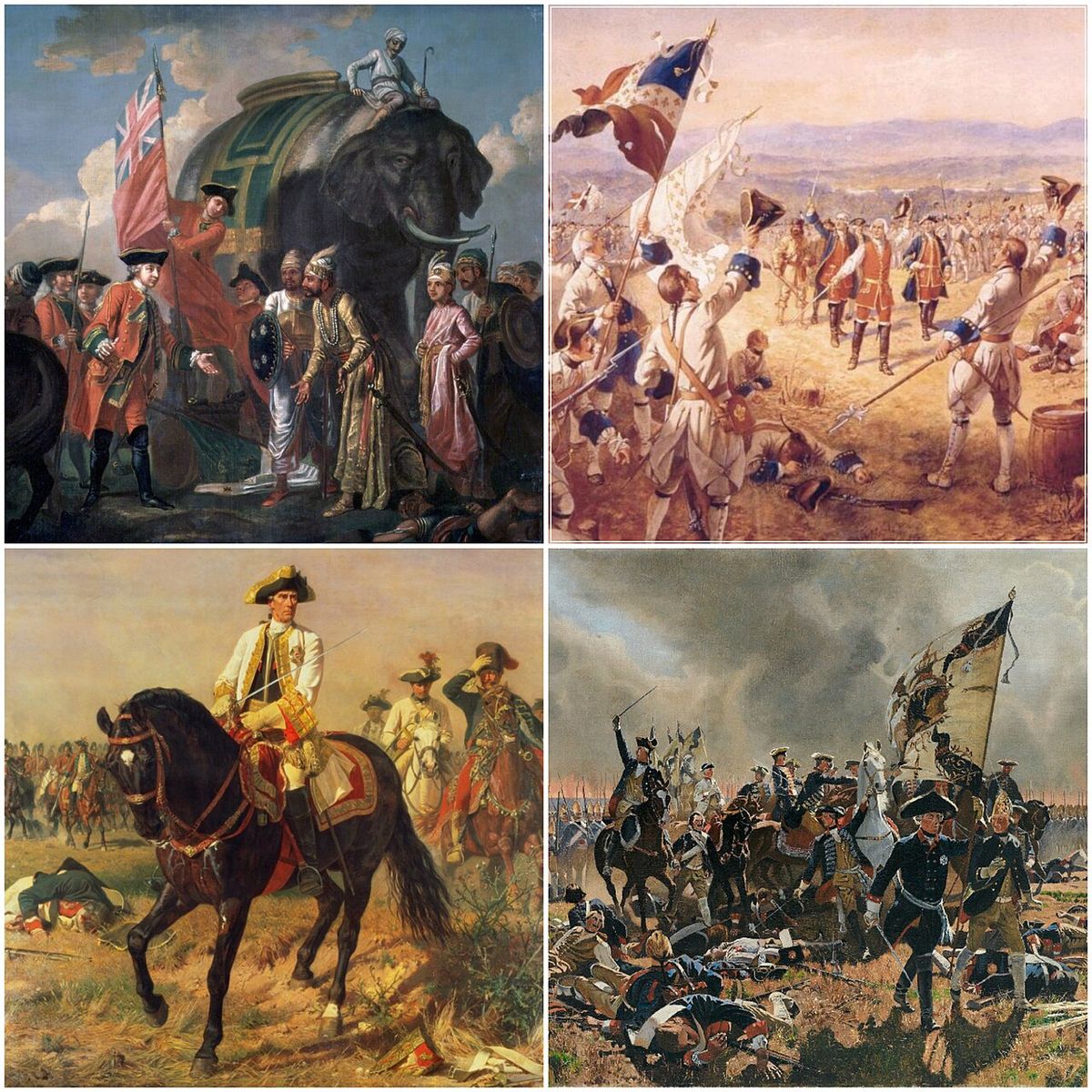
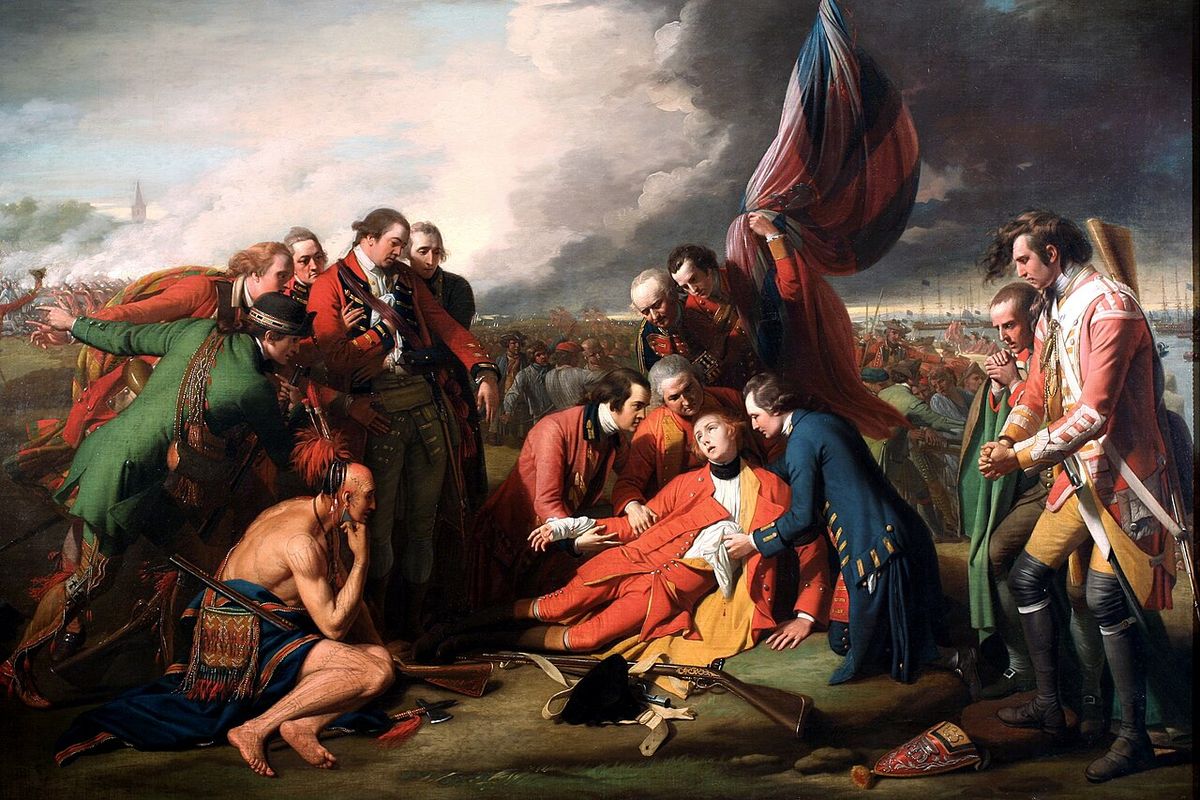
Political control in New France was characterized by a blend of local consultation and absolute monarchical rule from across the Atlantic. In the settlements of Quebec City, Montreal, and Trois-Rivières, residents elected syndics, or trustees, to a colonial council that reported to the governor. These syndics acted as liaisons between the populace and the council but held no real power to affect policy, as the colonies were ultimately ruled by the French monarchy. That monarchy was personified by Louis XIV, whose 72-year reign from 1643 to 1715 remains the longest of any monarch in European and Canadian history. He ascended the throne at age four, with his mother as regent, and began to rule in his own right on 7 September 1651, though he continued to be advised by Cardinal Jules Mazarin. This period of centralized royal authority, combined with the economic engine of the fur trade and ongoing alliances and conflicts with Indigenous nations, set the stage for the imperial struggles that would later define the continent, including the Seven Years' War, the first global war fought in part on North American soil.
Questions about Canada's History
What is Kayak: Canada's History Magazine for Kids?
Kayak is the youth edition of Canada's History, launched in 2004 and aimed at readers aged 7 to 12. It is published three times a year in both English and French, distributed freely to educators while supplies last, and individual digital subscriptions are available. Its editor as of May 2021 is Nancy Payne, and it aims to present Canadian history in an engaging and fun way for children. A French version was initially available as a quarterly insert in the magazine Les Debrouillards.
What are Historic Places Days and how can I participate?
Historic Places Days is a program run by the National Trust for Canada, inviting people to share stories about significant places. In 2026, it will take place from July 11 to 25 with the theme 'Communication Through Place and Time,' marking the 150th anniversary of Alexander Graham Bell's telephone patent in Canada. Participants can enjoy free admission to over 100 historic sites in Canada and more than 1,000 abroad through National Trust membership. The program includes contests with $5000 in total prizes and is open for historic site registration year-round.
Why did The Beaver magazine change its name to Canada's History?
The magazine changed its name to Canada's History with the April-May 2010 issue to unify its print and online banners under a single brand. This rebranding addressed public confusion where some believed the publication was a nature magazine. The slang meaning of the word 'beaver' often caused the magazine's promotional emails to be sent to spam folders. The decision was part of a broader modernization of the magazine's website and publishing activities under Canada's National History Society. American satirist Stephen Colbert later poked fun at this title change decision.
How can I access old articles from The Beaver and Canada's History?
Access to the full archive of The Beaver and Canada's History is provided through a free online index created by Canada's National History Society. This index contains close to 15,000 records, allowing visitors to conduct searches at no charge and read articles from over five decades of the magazine's publication. The creation of this digital archive enabled participation in the Canadian Content Online Program. It also facilitated specific digital projects, such as Fur Trade Stories, which used the archive to highlight Canada's fur trade history.
Who publishes Canada's History magazine and how is it funded?
Canada's History magazine is published by Canada's National History Society, which acquired the publication from the Hudson's Bay Company in 1994. The magazine remains partially funded by both the Hudson's Bay Company and the Government of Canada. It is published four times a year with the aim of fostering greater popular interest in Canadian history. The magazine covers all aspects of Canadian history and was named a finalist for 'Magazine of the Year' at the National Magazine Awards in 2011.
Sources and further reading
- Canada's History (Wikipedia)
- Significant Events in Canadian History (thecanadianencyclopedia.ca)
- Historic Places Days, Every Place A Story (historicplacesdays.ca)
- National historic events, Canada.ca (parks.canada.ca)
Checked by the Nosy Mag desk. Last updated 2026-10-30.